





Team Sports vs Individual Sports:
Which Is Better for Your Child?
Kate | 27th, June
The first time your child says they want to play a sport, it's exciting—and maybe a little overwhelming. Should you sign them up for soccer with friends? Swimming lessons? Tennis? Gymnastics?
There's no single right answer in the team sports vs individual sports debate. The best choice depends on your child's age, personality, interests, and family schedule. Some children thrive in the energy of a team, while others build confidence by progressing at their own pace.
The good news? Both team and individual sports offer valuable physical, social, and emotional benefits.
Are Young Children Ready for Organized Sports?

Many parents are eager to introduce sports early, but developmental experts recommend keeping expectations realistic.
Research suggests that organized youth sports are generally most appropriate beginning around age 6. Before then, toddlers and preschoolers are still developing the physical coordination, attention span, and social skills needed for structured competition.
That doesn't mean younger children shouldn't stay active. Quite the opposite.
Instead of competitive leagues, focus on choosing age-appropriate sports for your child that emphasize movement, exploration, and fun rather than winning.
Regular movement also supports healthy physical development in early childhood while helping families reduce screen time for toddlers in a natural way.
The Benefits of Team Sports
Team sports create opportunities that extend far beyond physical fitness.
Children learn how to communicate, cooperate, solve problems, and work toward shared goals. Those lessons often stay with them long after the final whistle.
Learning Teamwork
Success depends on everyone contributing.
Think about a football field goal. The snapper, holder, and kicker all have different jobs. If even one player makes a mistake, the kick may fail. Children quickly learn that supporting teammates is just as important as individual talent.
These experiences help kids:
- Build communication skills
- Learn responsibility
- Develop trust in others
- Celebrate shared achievements
- Handle both victory and disappointment together
Perhaps most importantly, they realize they're part of something bigger than themselves.
How Team Sports Support Mental Health
One of the biggest advantages of team sports is the social connection they provide.
Practicing together, celebrating wins, and overcoming setbacks help children build meaningful friendships. Those relationships often become an important source of emotional support during stressful times.
Studies have also found that children involved in team sports often experience:
- Greater confidence
- Lower feelings of loneliness
- Better emotional well-being
- Stronger sense of belonging
Of course, no team is perfect. Learning to resolve disagreements respectfully is part of growing up.
Teaching empathy, kindness, and good sportsmanship helps children compete in healthy ways while building positive relationships both on and off the field.
Challenges of Team Sports

While team sports offer many benefits, they aren't the perfect fit for every child.
Some common challenges include:
- Individual progress may receive less attention.
- Playing time can vary.
- Team conflicts or competition may arise.
- Practice schedules are often less flexible.
- Success depends on the entire team rather than one player's effort.
For children who become discouraged easily or prefer quieter environments, these challenges can sometimes outweigh the benefits.
Why Some Kids Thrive in Individual Sports
When comparing team sports vs individual sports, it's important to remember that many children simply enjoy progressing independently.
Individual sports allow children to focus on their own goals without worrying about team performance.
Popular options include:
Swimming
Swimming develops endurance, strength, coordination, and water safety. Structured swim lessons also help children build confidence while learning life-saving skills.
Tennis
Whether playing singles or doubles, tennis improves hand-eye coordination, agility, and concentration. Youth programs use age-appropriate equipment that makes learning enjoyable from the very beginning.
Gymnastics
Gymnastics builds flexibility, balance, body awareness, strength, and discipline. Many children also enjoy mastering new skills one step at a time.
Cycling
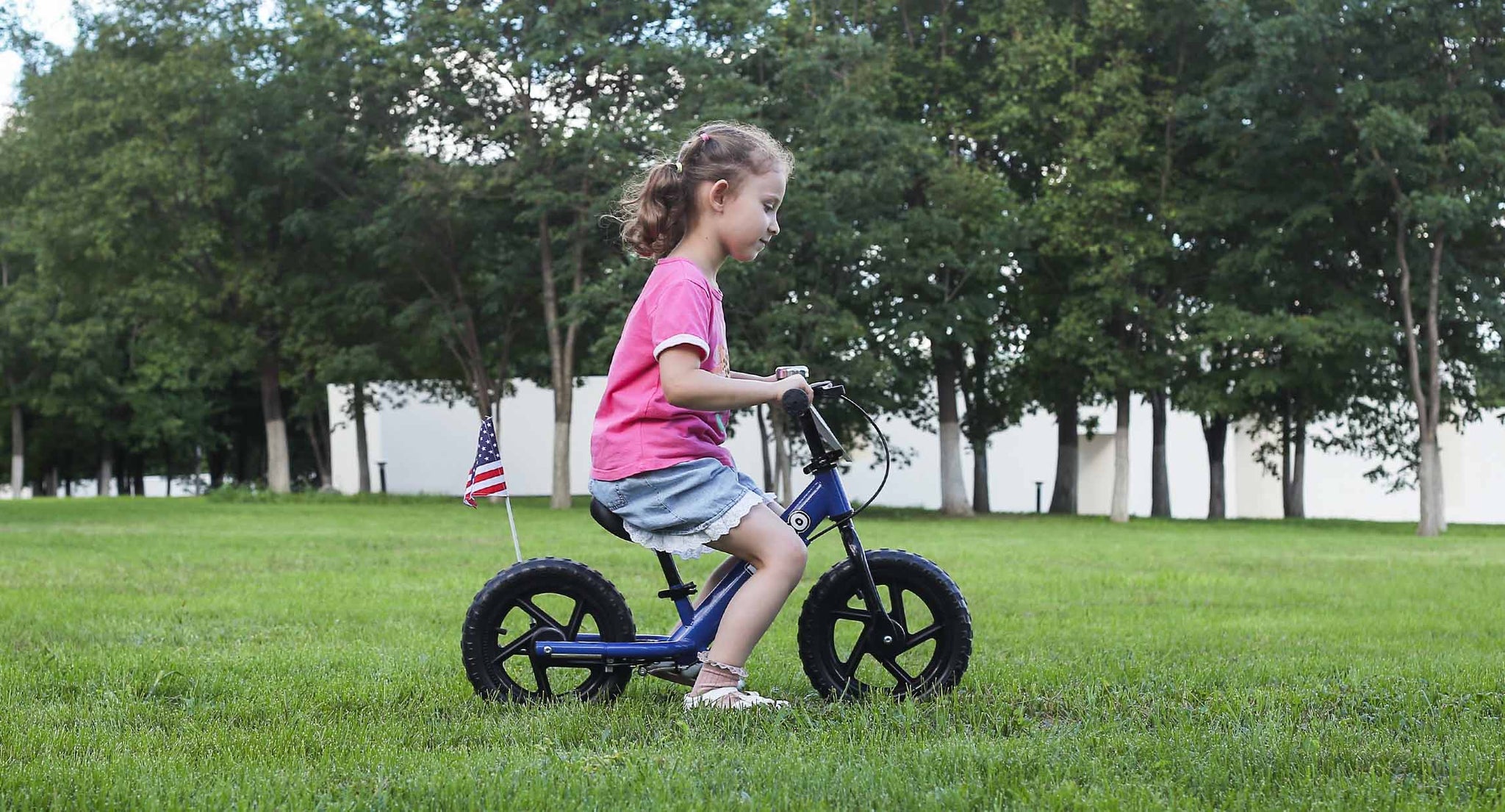
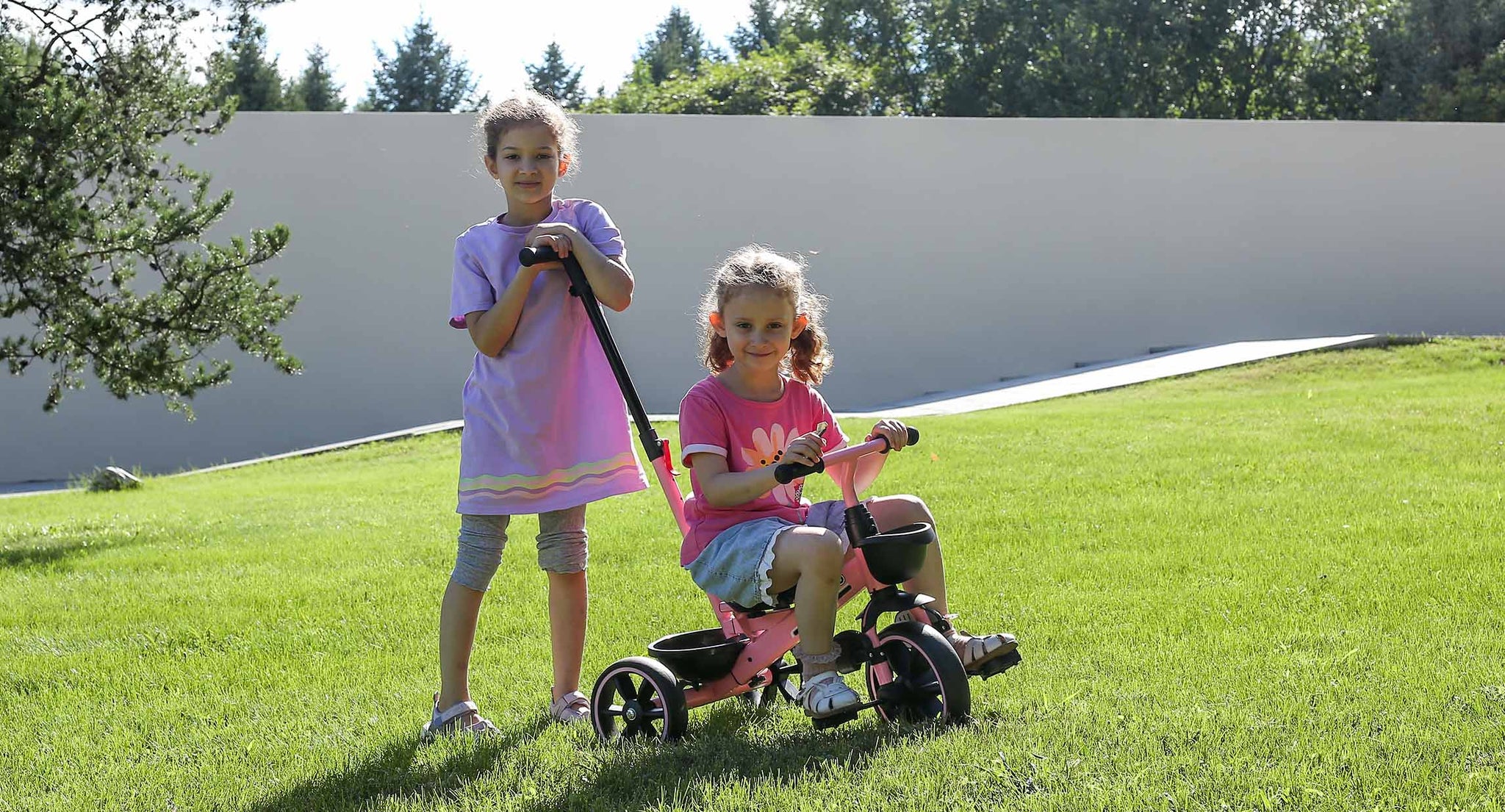
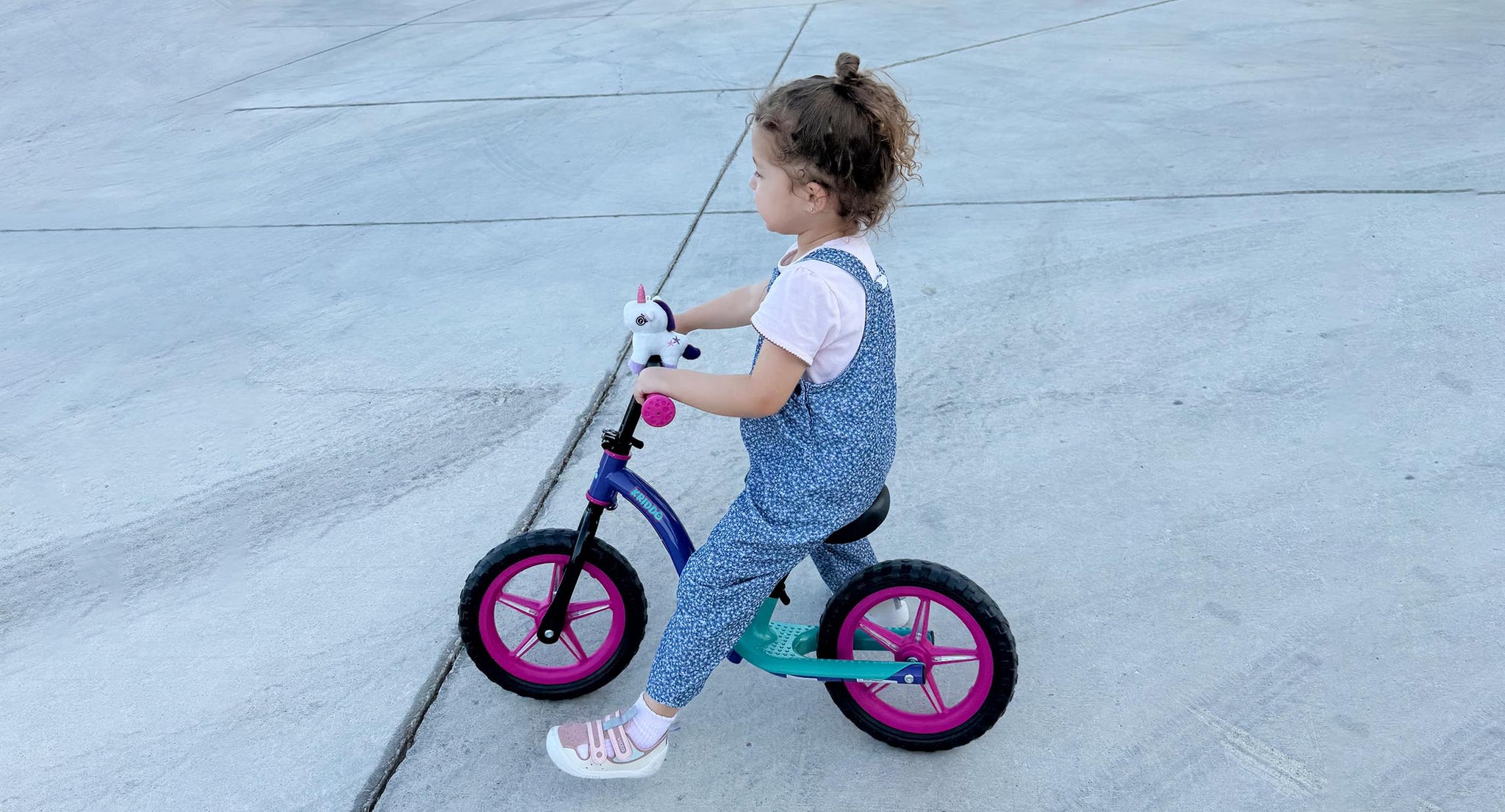
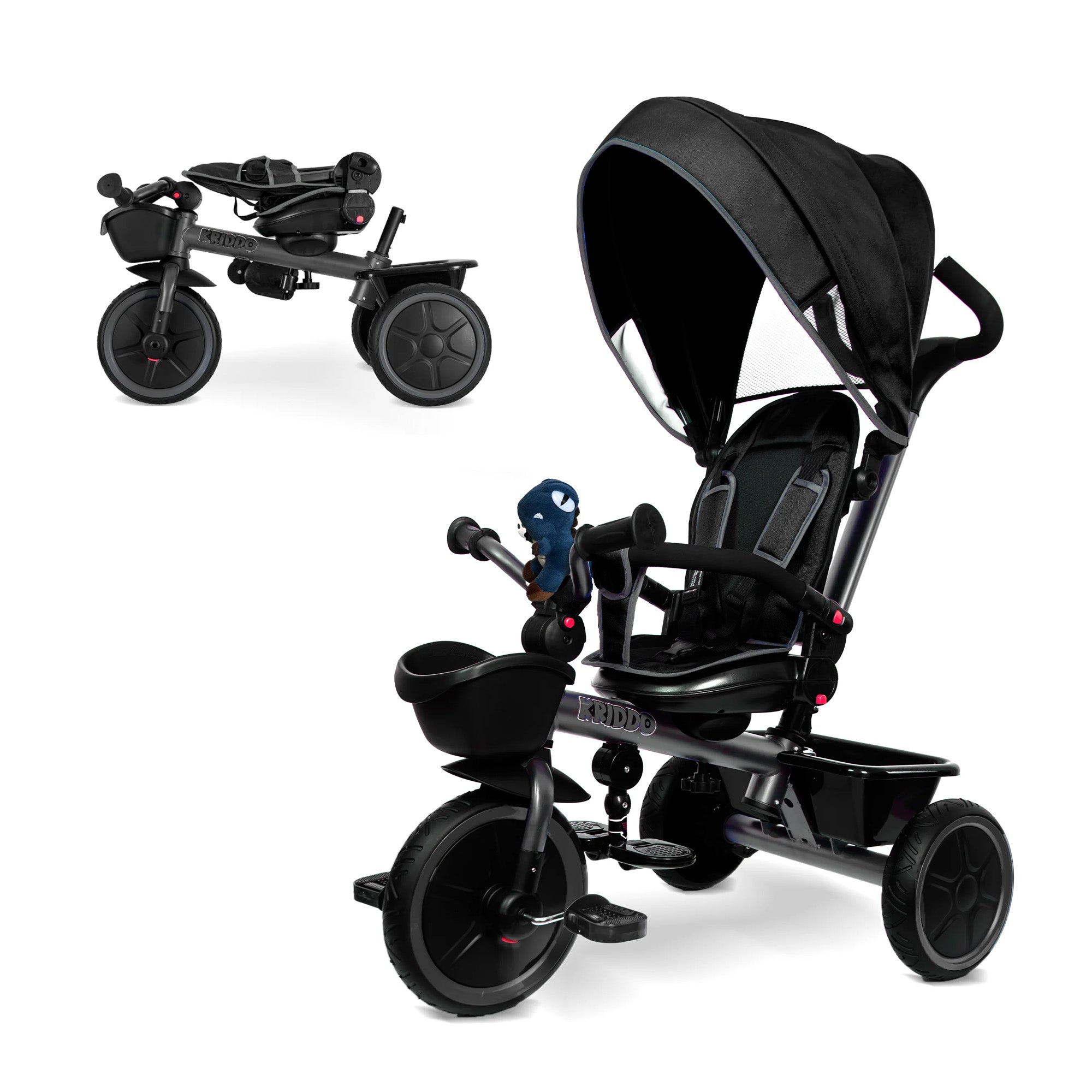
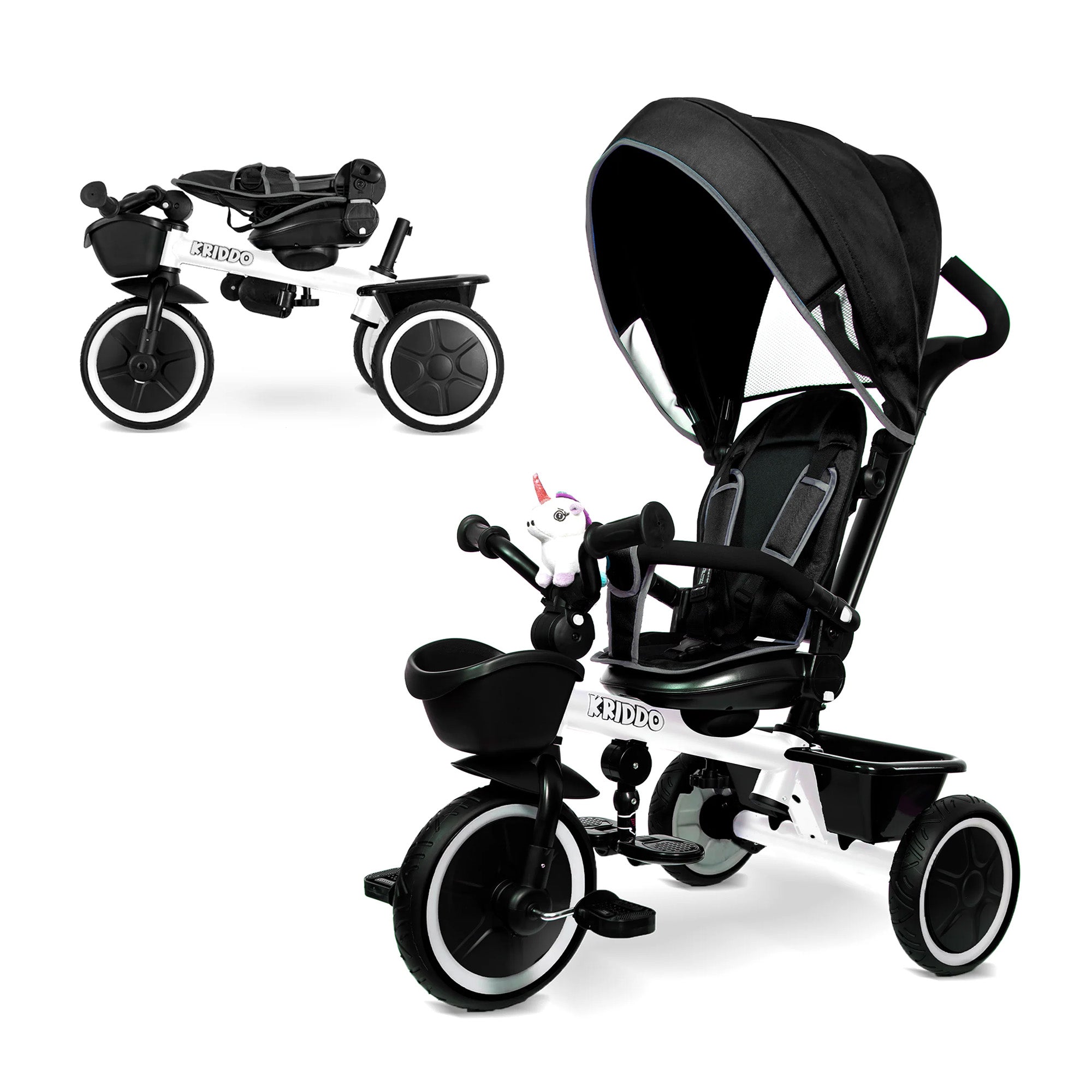
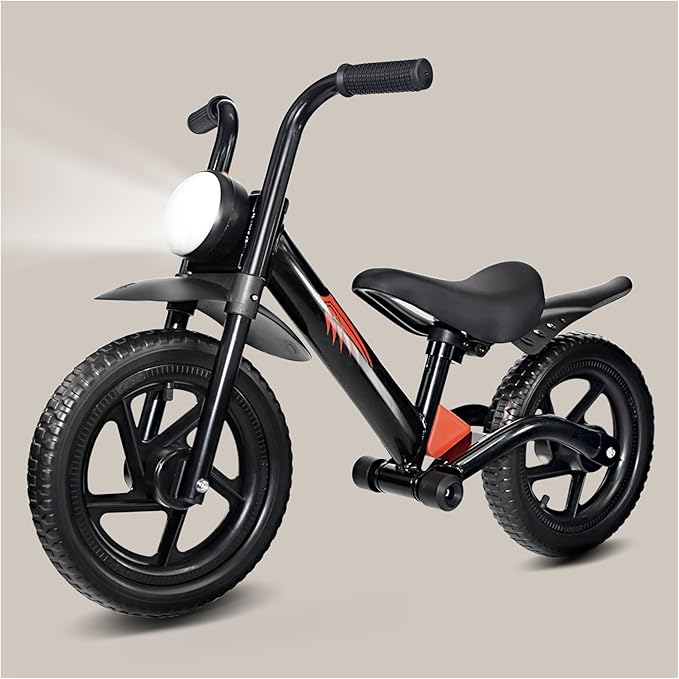
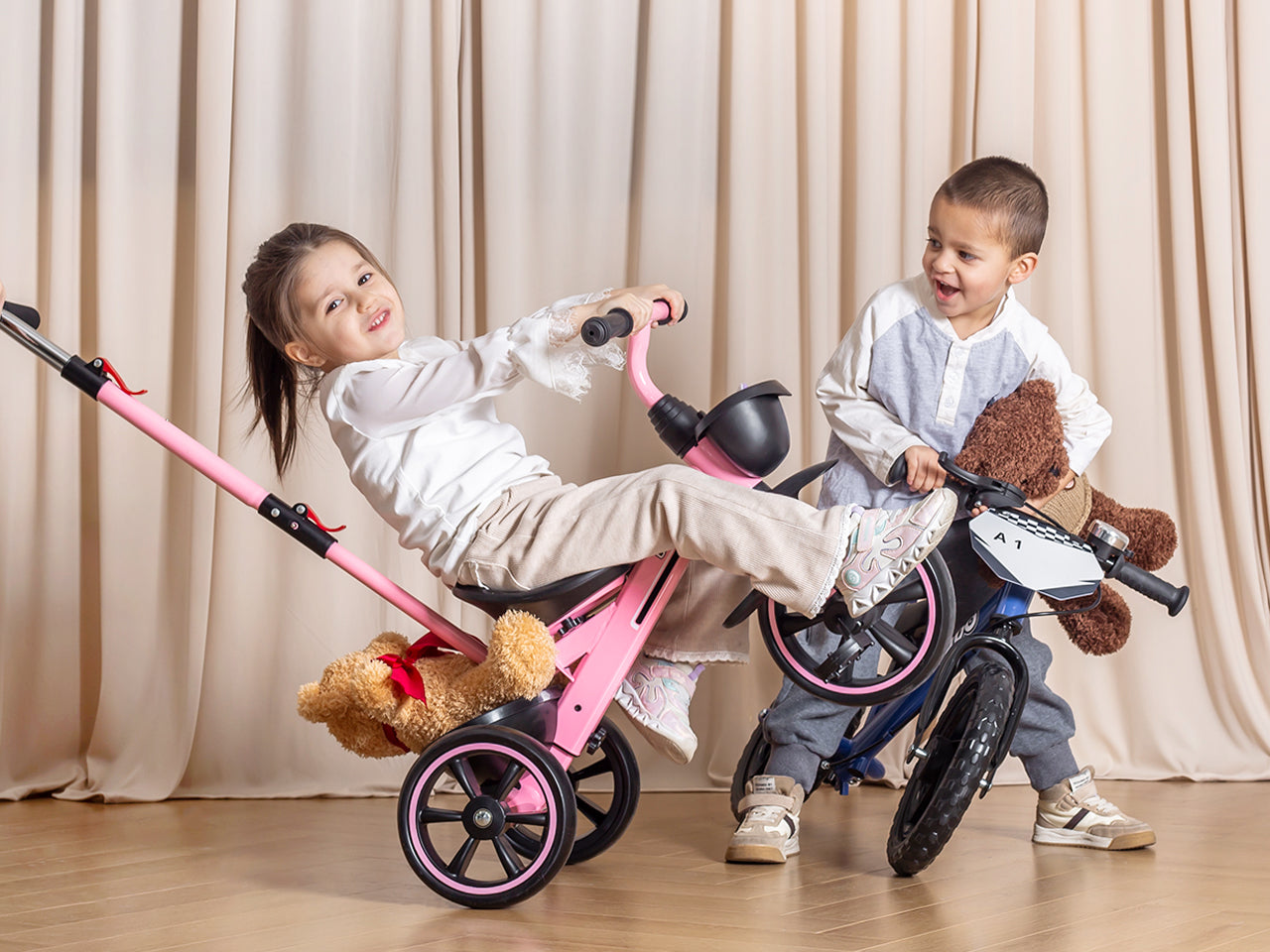
Cycling is one of the most accessible individual activities for children. Whether they're riding a balance bike, learning on a kids tricycle, or graduating to one of these toddler ride ons, cycling encourages independence while improving balance, coordination, and confidence.
The Benefits of Individual Sports
Individual sports give children the freedom to improve at their own pace.
For kids who prefer quieter activities—or for children who don't naturally enjoy traditional sports—they can be an excellent alternative.
Personal Responsibility
Children quickly learn that their progress depends on practice, effort, and perseverance.
Those experiences often help build resilience and self-confidence that carries over into school and everyday life.
Flexible Progress
Unlike team sports, advancement isn't limited by an entire team's schedule.
Children can master skills and move to the next level whenever they're ready.
Improved Focus
Sports like gymnastics, swimming, martial arts, and tennis require concentration and self-discipline.
Kids learn how to stay focused despite distractions—a skill that benefits them far beyond athletics.
Great for Independent Personalities
Some children simply enjoy practicing quietly without constant social interaction.
For highly sensitive children, individual sports may feel more comfortable than competitive team environments. A calmer setting often allows them to build confidence more naturally, especially if they're highly sensitive.
Team Sports vs Individual Sports: Which Should You Choose?

The truth is, there isn't a universal winner in the team sports vs individual sports discussion.
Team sports may be ideal if your child:
- Loves making friends
- Enjoys group activities
- Feeds off social energy
- Learns well through cooperation
Individual sports may be a better fit if your child:
- Prefers working independently
- Gets overwhelmed in large groups
- Likes practicing the same skill repeatedly
- Enjoys setting personal goals
Honestly, many children benefit from trying both over time. A child might play soccer in the fall, swim during the summer, and ride bikes with the family year-round.
Following your child's interests instead of forcing a particular sport usually leads to a much more positive experience.
Final Thoughts
When comparing team sports vs individual sports, the goal isn't to find the "better" option. It's to find the one that helps your child enjoy moving, develop confidence, and build lifelong healthy habits.
Some children grow through teamwork and shared victories. Others flourish when they can quietly master new skills on their own.
As long as your child is active, having fun, and feeling supported, they're already winning.