





How Many Sports Should a Kid Play?
A Realistic Guide for Parents
Melissa | 8th, Apr
If you’ve ever wondered whether your child should focus on one sport or try several, you’re not alone. It’s one of those parenting questions that doesn’t come with a neat, one-size-fits-all answer. Some kids seem laser-focused from the start. Others bounce between activities like they’re sampling a buffet.
So what’s actually healthy—and sustainable?
Let’s talk it through.
The Short Answer (But Stay With Me)

Most experts—and frankly, most real-world experience—suggest that kids benefit from playing multiple sports, especially in their early years.
Not ten at once. Not an overloaded schedule. But more than just one.
Think variety over intensity.
Why Playing Multiple Sports Just Makes Sense
Here’s the thing: kids aren’t mini professionals. Their bodies are still developing, and so are their interests.
When children stick to just one sport too early, a few patterns tend to show up:
- Repetitive movements can lead to overuse injuries
- Motivation sometimes drops (because… boredom is real)
- Pressure builds faster than passion
On the flip side, kids who try different activities often:
- Stay more engaged and curious
- Build a wider range of physical skills
- Learn to adapt quickly between movements and rules
You see this pattern even among elite athletes. They explored. They played. They experimented.
And honestly, that foundation matters more than early specialization.
So… How Many Sports Is “Enough”?
A practical rule many parents follow:
- Ages 3–6: Free play + exposure to 1–2 simple activities
- Ages 7–12: 2–3 different sports throughout the year
- Ages 13+: Gradual focus if the child wants to specialize
Notice the pattern? There’s no rush.
Let kids build skills naturally before narrowing their focus.
Let Them Try (Almost) Everything
You don’t have to overthink it—just open the door.
Kids can explore structured and unstructured activities like:
- Basketball, soccer, swimming
- Gymnastics, tennis, martial arts
- Running, skating, dance
- Even creative outlets like music or theater
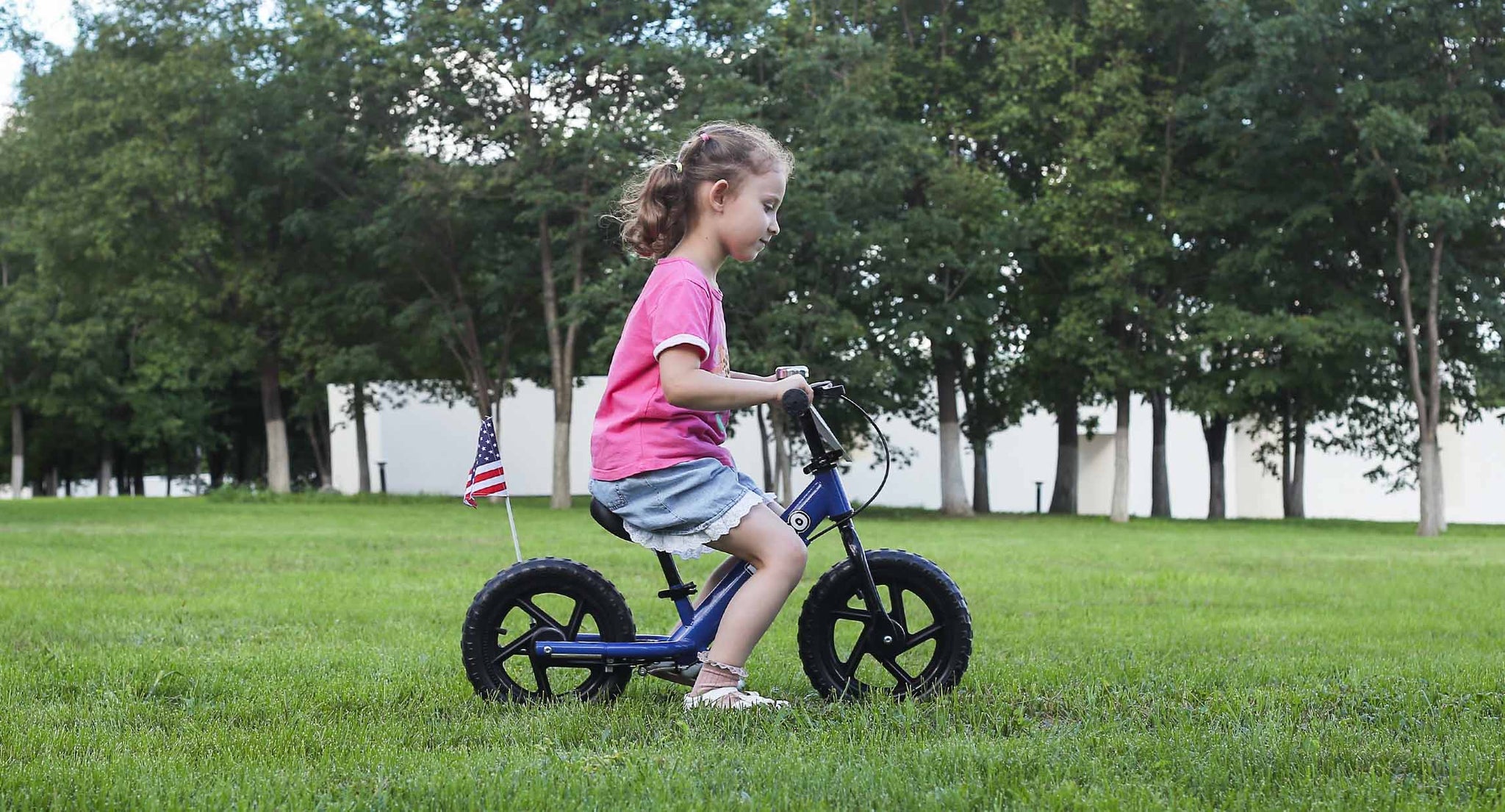
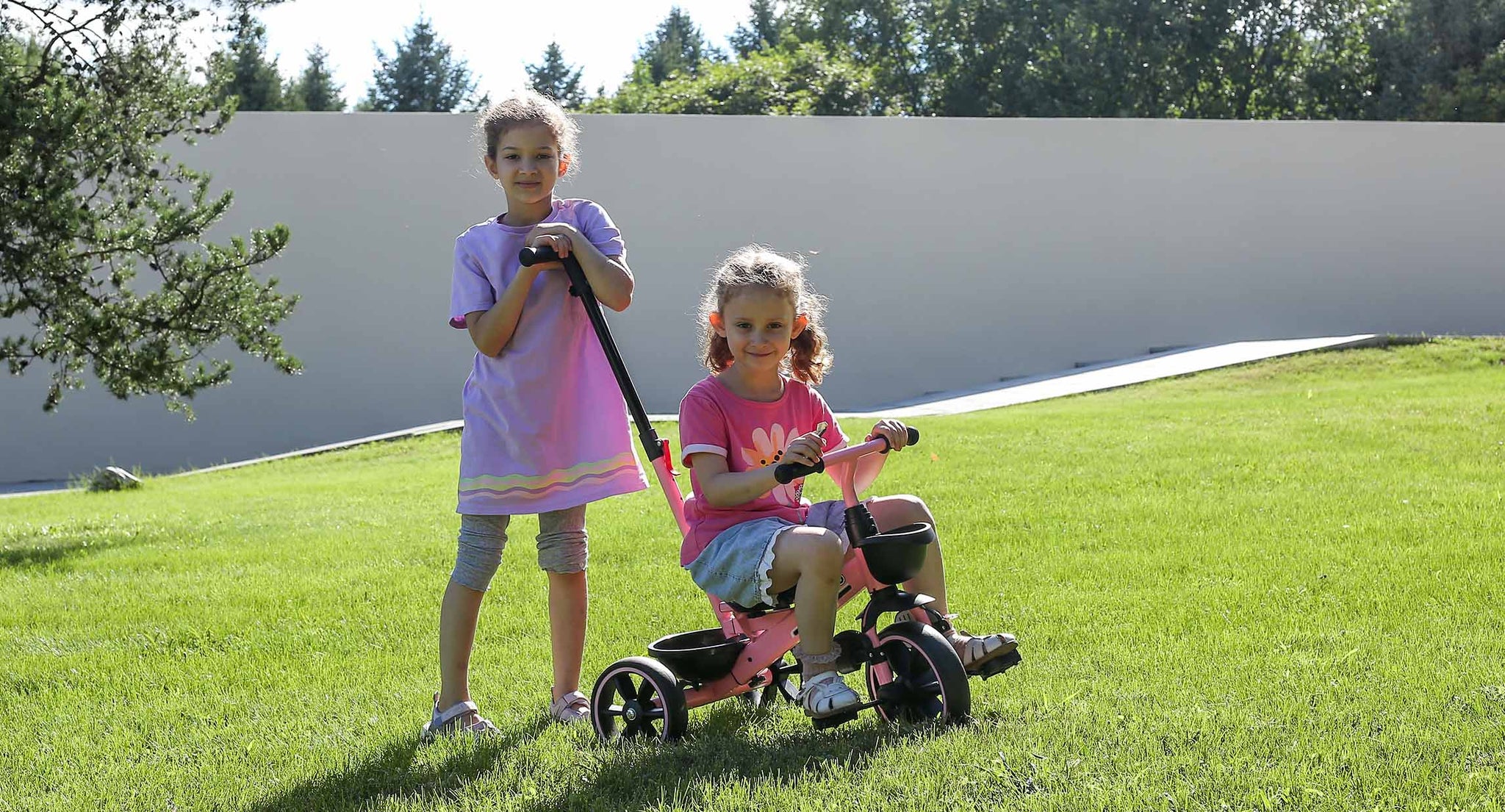
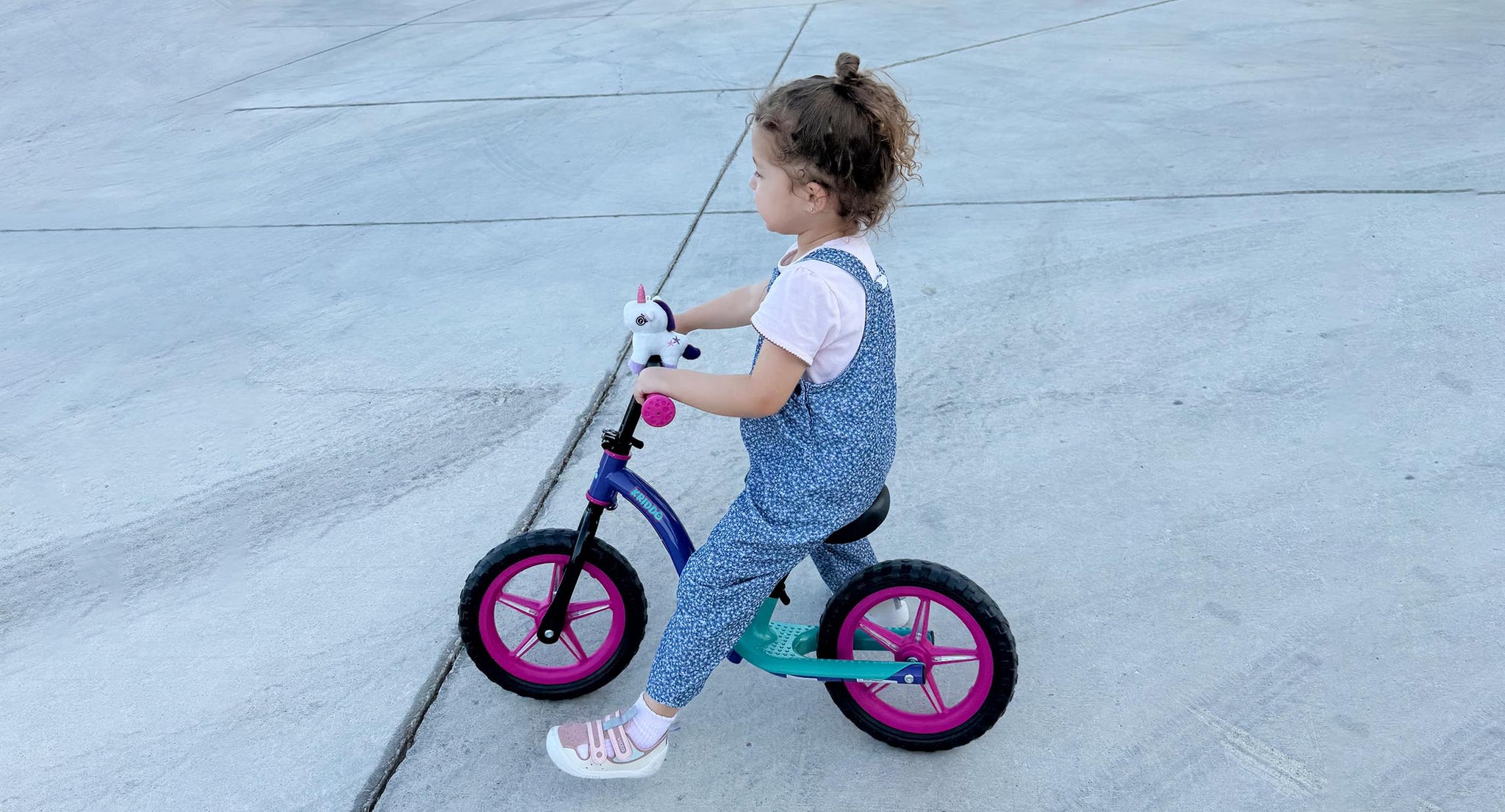
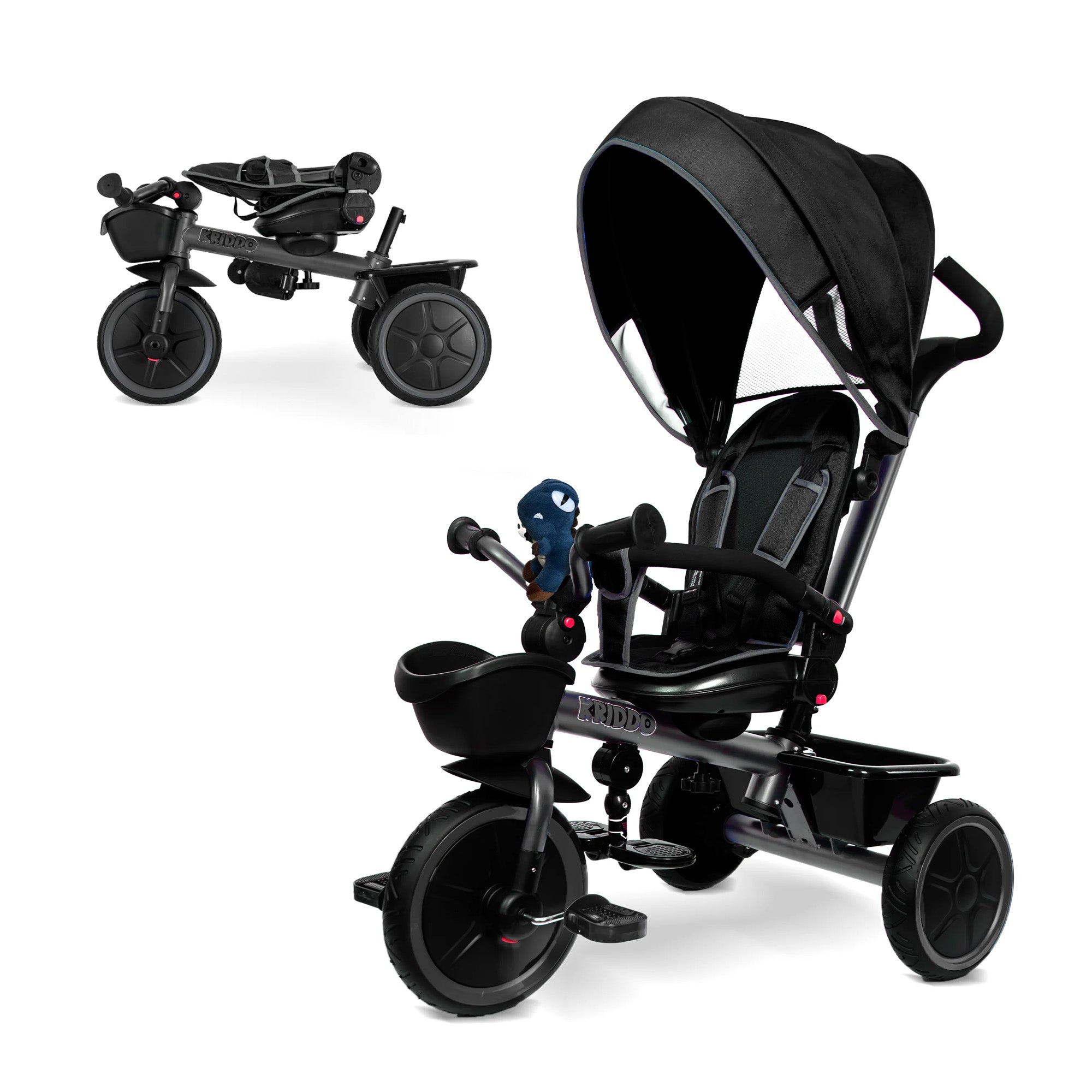
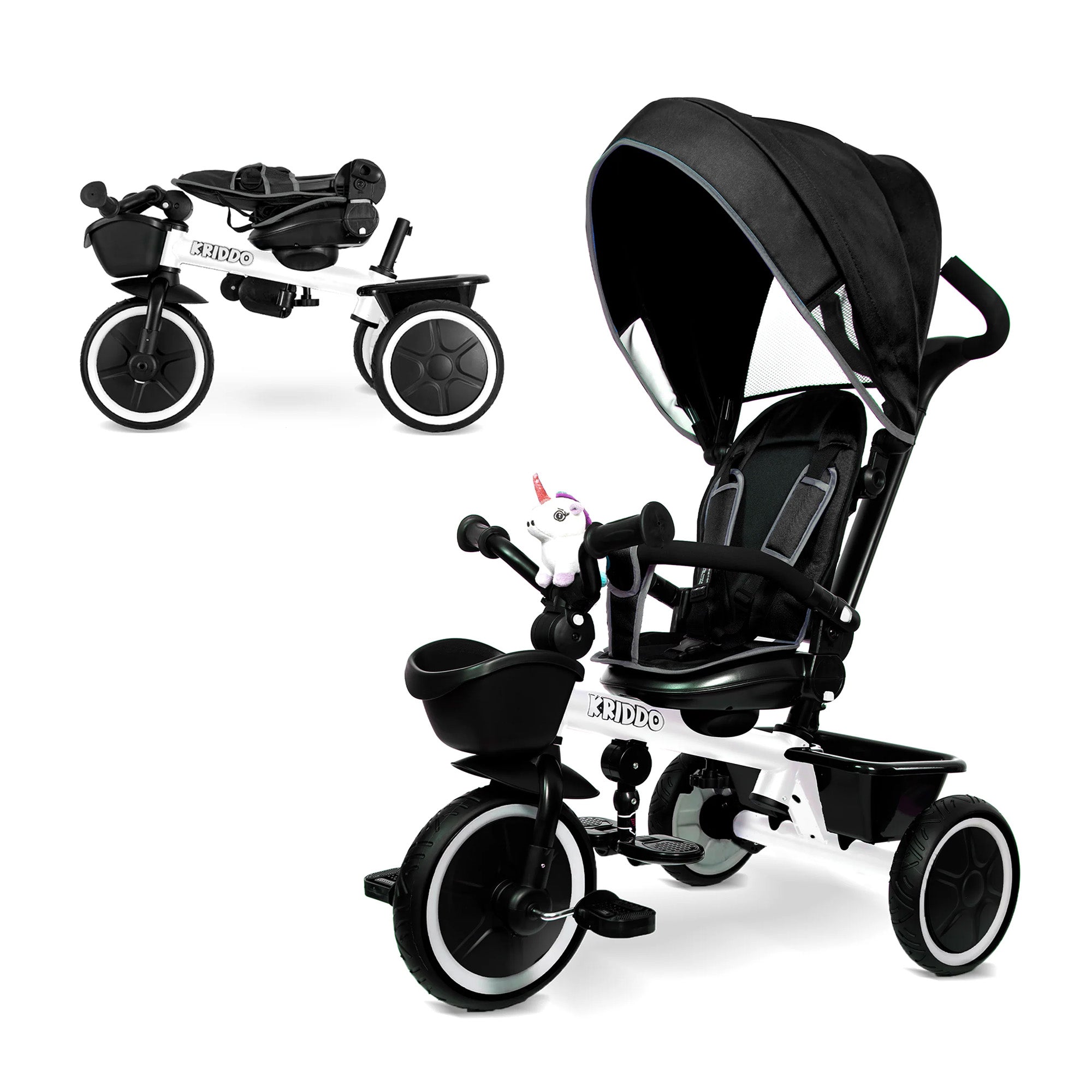
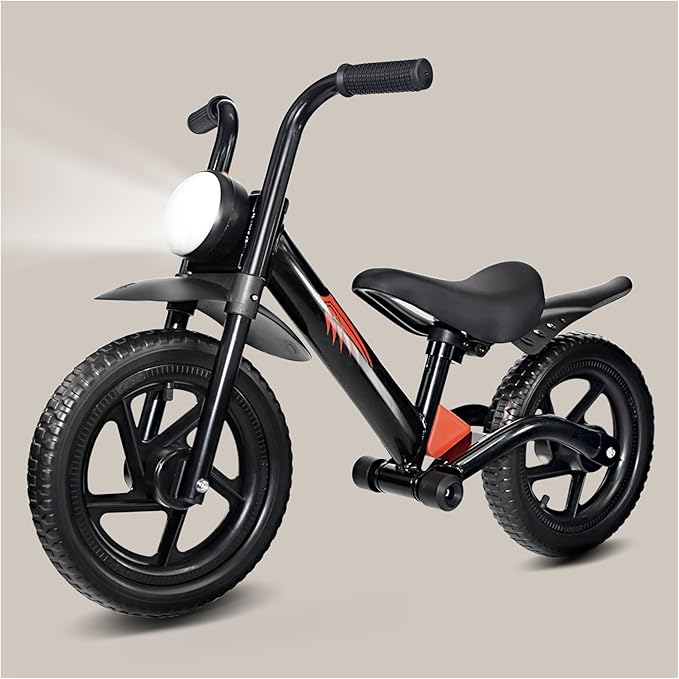
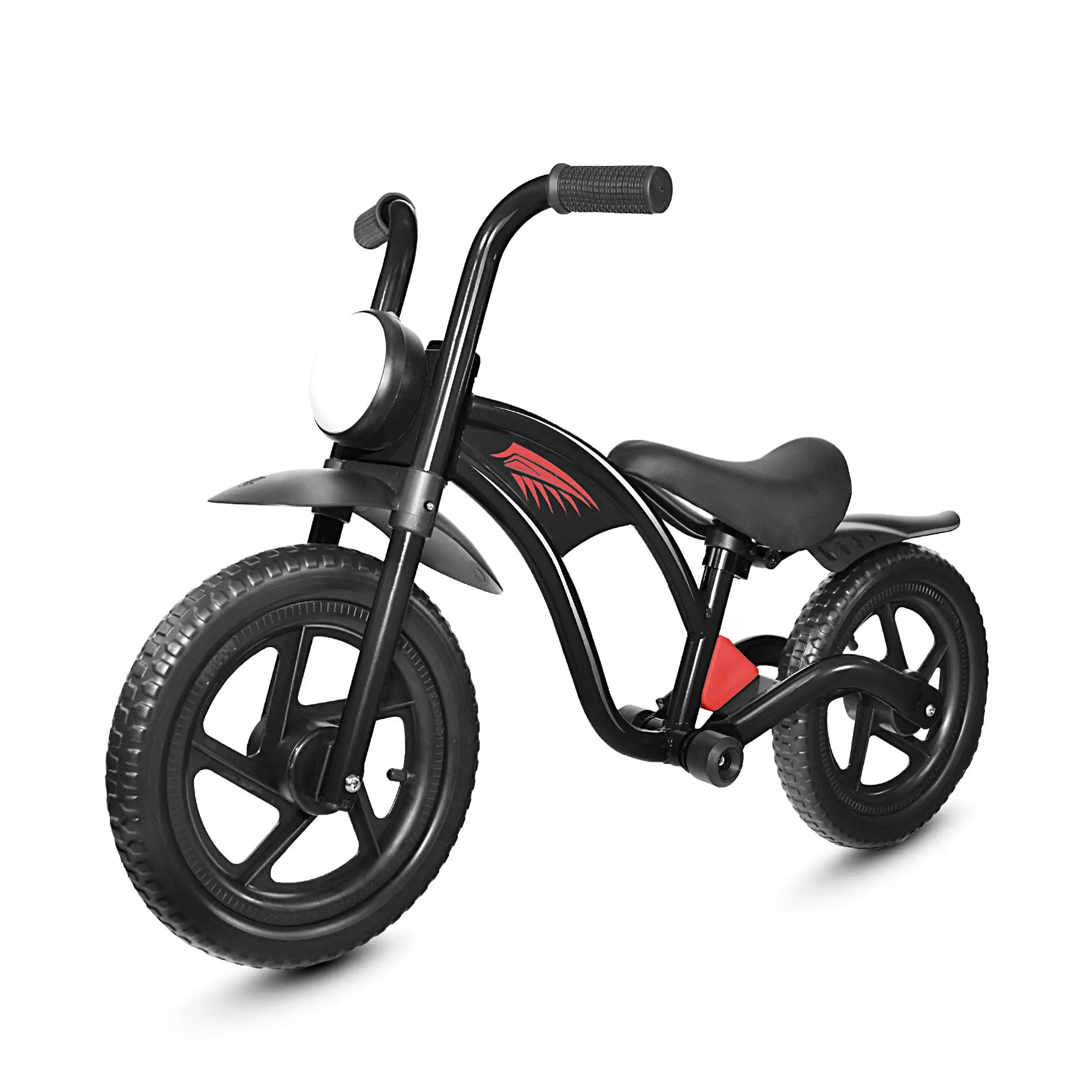
And yes, simple things like riding a bike still count. In fact, they matter more than we sometimes realize. A good beginner setup—like a well-designed kids bikes option from KRIDDO—can make early movement feel natural and fun instead of frustrating.
Because at this stage, it’s not about performance. It’s about confidence.
A Small but Important Shift: Don’t Add, Swap

Here’s where a lot of families get stuck.
They keep adding sports on top of an already packed schedule.
That’s when kids burn out.
Instead, try this:
- Rotate sports seasonally
- Swap one activity for another
- Build in actual rest time
Rest isn’t laziness—it’s part of growth. Kids come back stronger, both physically and mentally.
What Parents Should (and Shouldn’t) Do
This part matters more than the number of sports, honestly.
Do:
- Let your child choose what they want to try
- Encourage them to finish a season once they commit
- Stay involved and present
Don’t:
- Force a sport they clearly dislike
- Over-schedule every hour of their week
- Undermine coaches (even if you disagree quietly)
And one more thing—watch the tone. Kids pick up on everything. Encouragement builds confidence; pressure quietly tears it down.
Keep an Eye on Burnout (It Sneaks Up Fast)
Every child is different, but some signs are hard to miss once you know them:
- Ongoing soreness that doesn’t go away
- Trouble sleeping or constant fatigue
- Losing interest in activities they used to enjoy
- Mood swings or frustration
- Falling behind in school or daily routines
If you notice a few of these at once, it’s time to pause. Not panic—just adjust.
Sometimes cutting back is exactly what keeps a child in the game long-term.
The Bigger Picture (That We Forget Sometimes)
Here’s the truth: very few kids grow up to be professional athletes.
But a lot of them can grow into adults who love being active.
That’s the real goal.
A child who enjoys movement—whether it’s biking through the neighborhood, playing pickup games, or trying something new—is far more likely to stay healthy for life.
And that doesn’t come from doing one sport perfectly.
It comes from experiencing many, imperfectly, joyfully, and freely.
Final Thought

If you’re still wondering, “Am I doing this right?”—you probably are.
Just keep it balanced:
- A mix of activities
- Enough rest
- Room for choice
And maybe most importantly… keep it fun.
Because once the fun disappears, everything else tends to follow.