




Raising Resilient Children:
How Small Wins Build Big Confidence
Emily | 5th, Mar
As parents and guardians, we all feel it—that instinct to shield our kids from disappointment. We want to catch them before they fall, fix the puzzle before frustration sets in, smooth every rough edge life throws their way.
But here’s the honest truth about raising resilient children: we can’t prevent every setback. What we can do is teach our kids how to recover, recalibrate, and try again.
Resilient children don’t avoid hard things. They face them. They wobble, sometimes fall, sometimes cry—and then they get back up. When they make mistakes, they learn. When they feel discouraged, they regroup. Over time, they develop hope, optimism, and courage that feels steady rather than forced.
And yes, that can start with something as simple as learning to ride.
When They Want to Quit — Pause Before You Push

Every child gives up sometimes. The key is understanding why.
Fear of making mistakes is one of the most common reasons children stop trying. For many kids, the possibility of doing something wrong feels worse than not trying at all. That fear quietly whispers, “Better to quit now.”
So slow it down. Ask questions. What feels hard? What are they worried about? Sometimes just naming the fear shrinks it.
Then normalize mistakes. Say it plainly: everyone messes up. It’s normal. It’s part of learning. Sometimes it even helps to model it. Spill something and say, “Oops. That happens.” Miss a step and shrug it off. When children hear adults calmly say, “Mistakes are okay,” and mean it, that message sticks.
They’ll start repeating it back. And that repetition matters.
Growth Lives in the Doing
Kids build resilience through experience, not lectures.
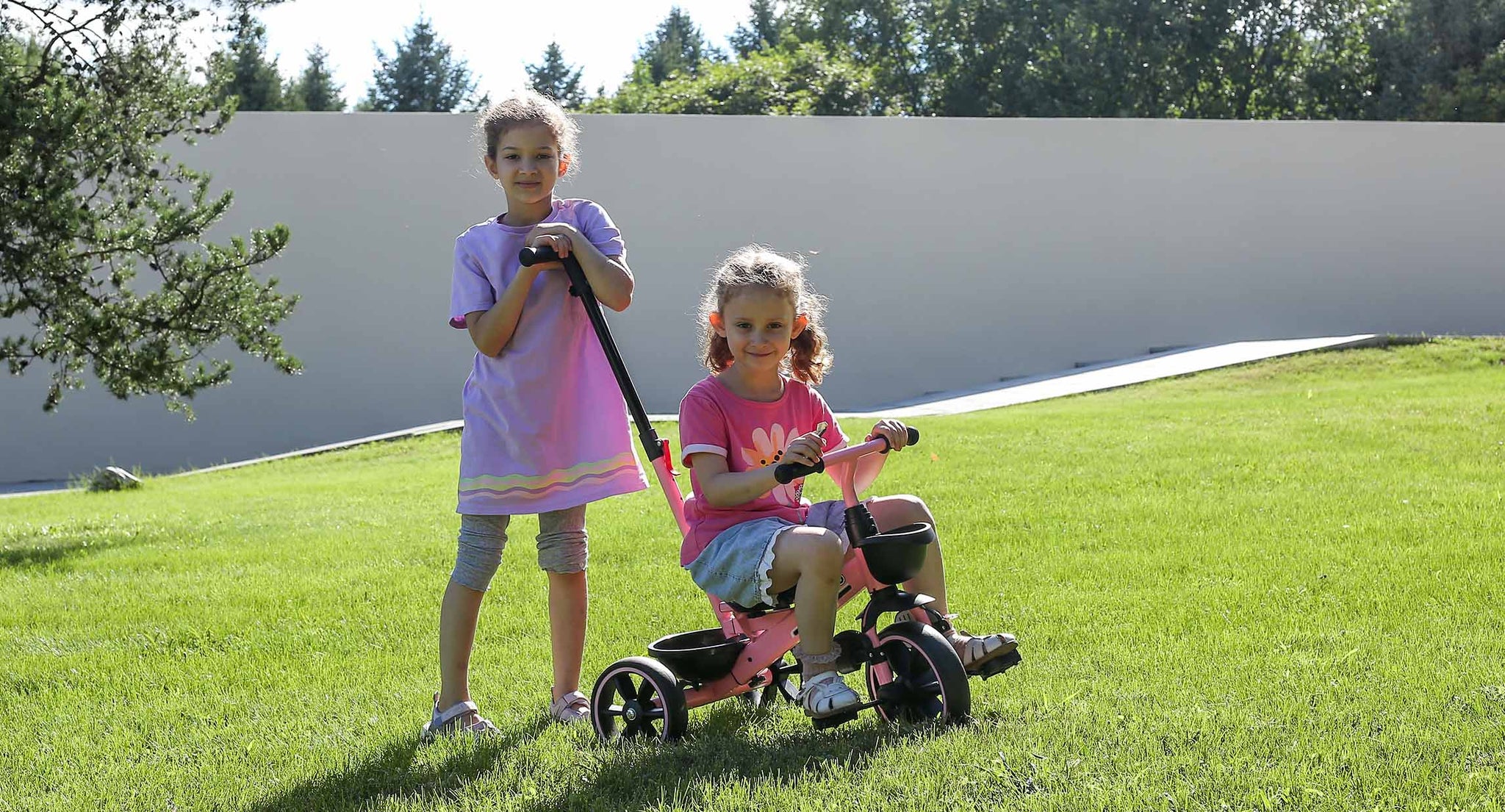
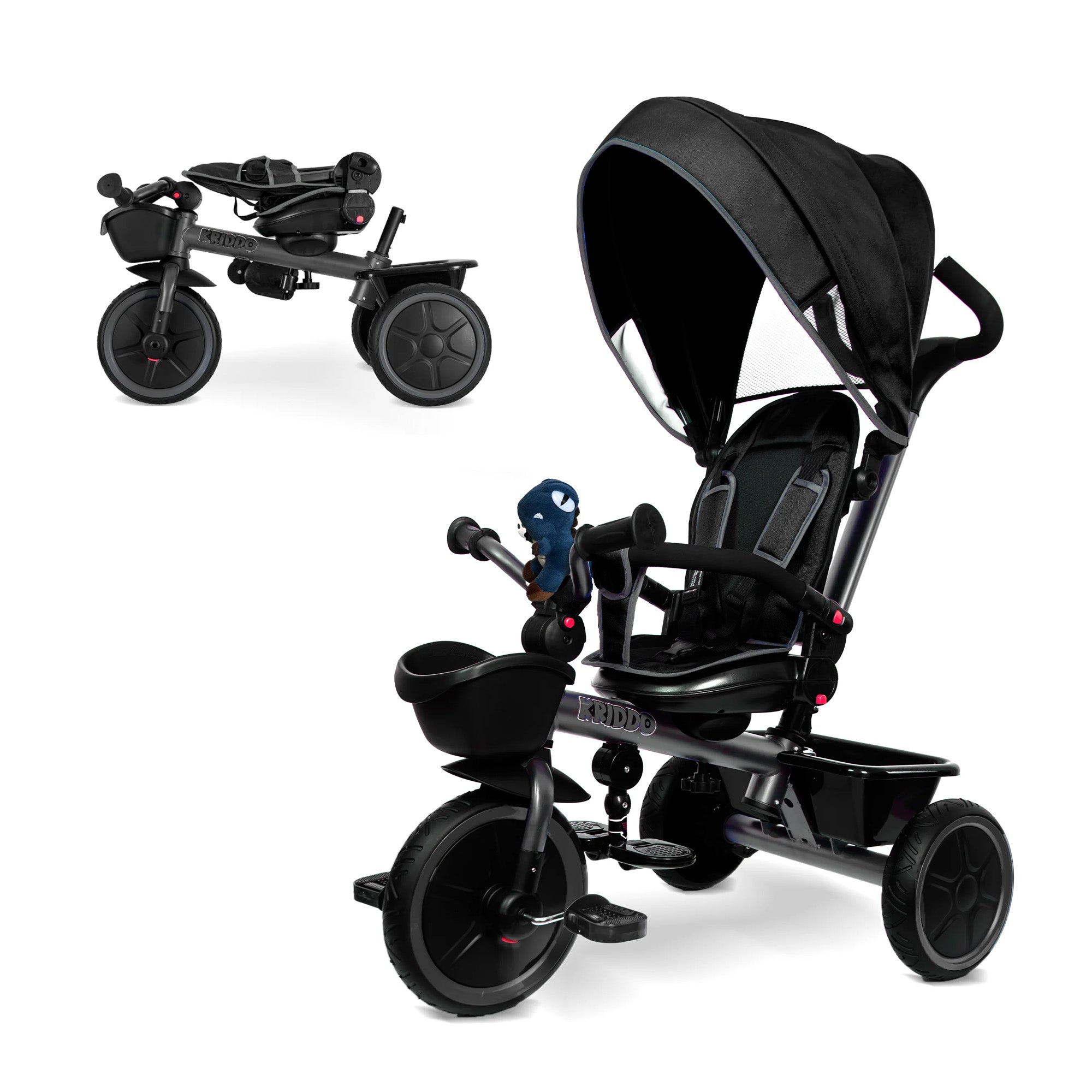
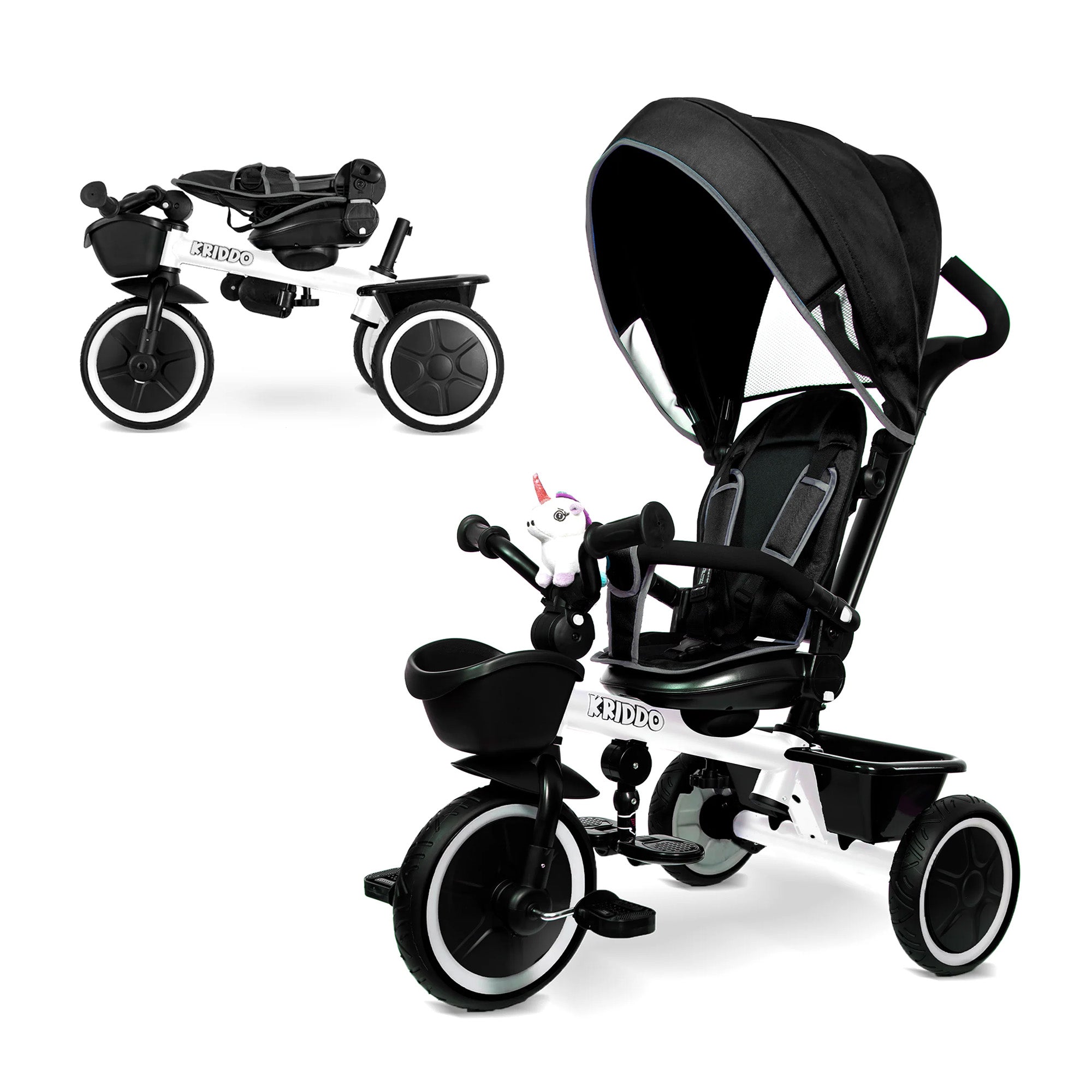
That’s why choosing the right activity matters. It should be challenging enough to require effort, but realistic enough to allow progress. For toddlers and preschoolers, something physical and skill-based works beautifully—like learning when they’re ready to pedal a tricycle.
Physical skill development teaches an unspoken lesson: you probably won’t get it right the first time. You might not get it right the tenth time. But repetition builds mastery.
Creative outlets work too—music lessons, art projects, beginner sports. These spaces naturally include trial and error. Children feel frustration, then adjustment, then improvement. That cycle wires perseverance into their nervous system.
And there’s another layer here. Physical play releases tension. Creative work channels emotion. Both create space for kids to process feelings they don’t yet have words for.
Resilience isn’t just mental grit. It’s emotional regulation in motion.
Celebrate the Small Wins (Not Just the Big One)
Here’s where many adults unintentionally derail motivation: we focus on the end goal.
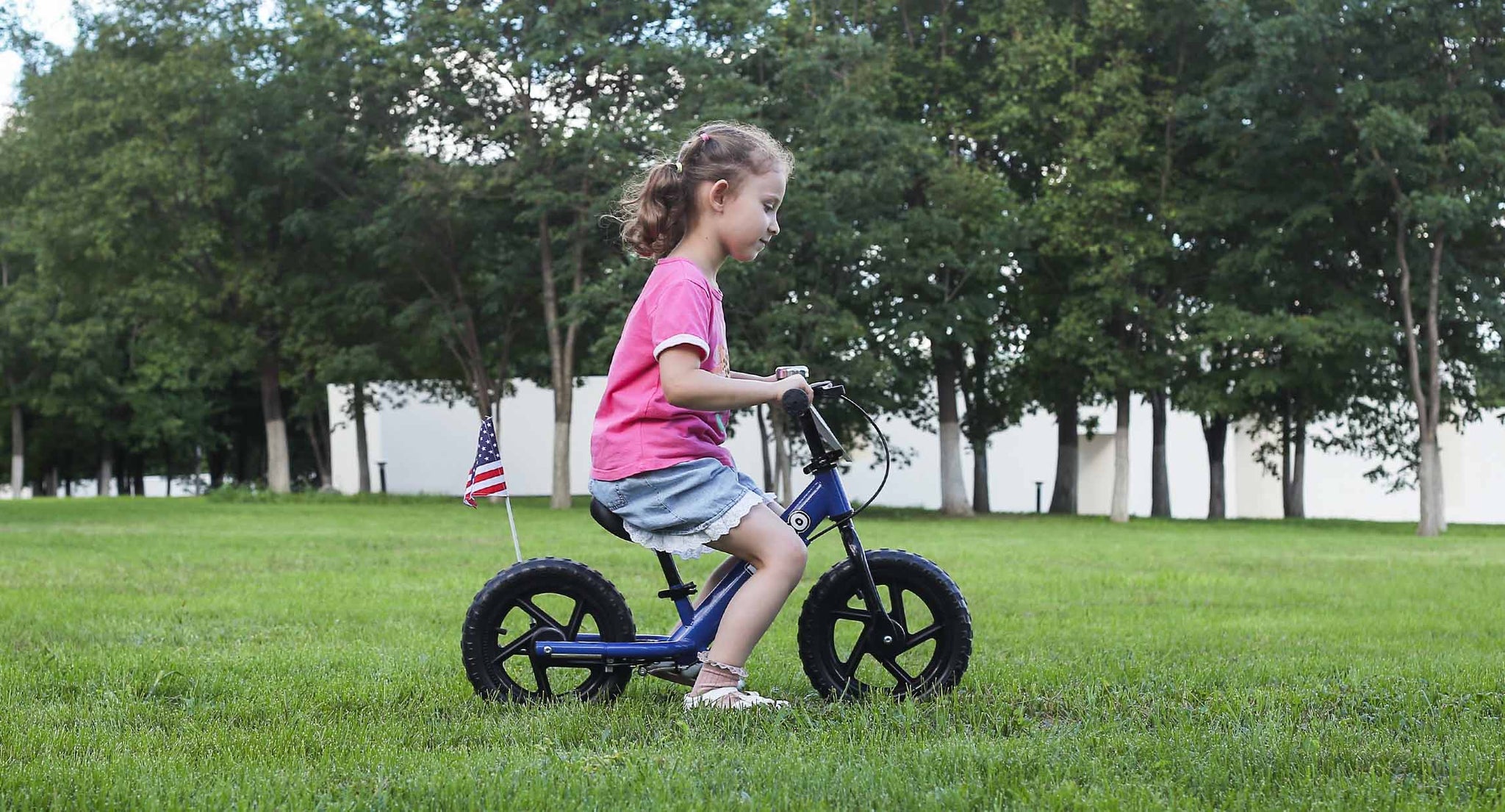
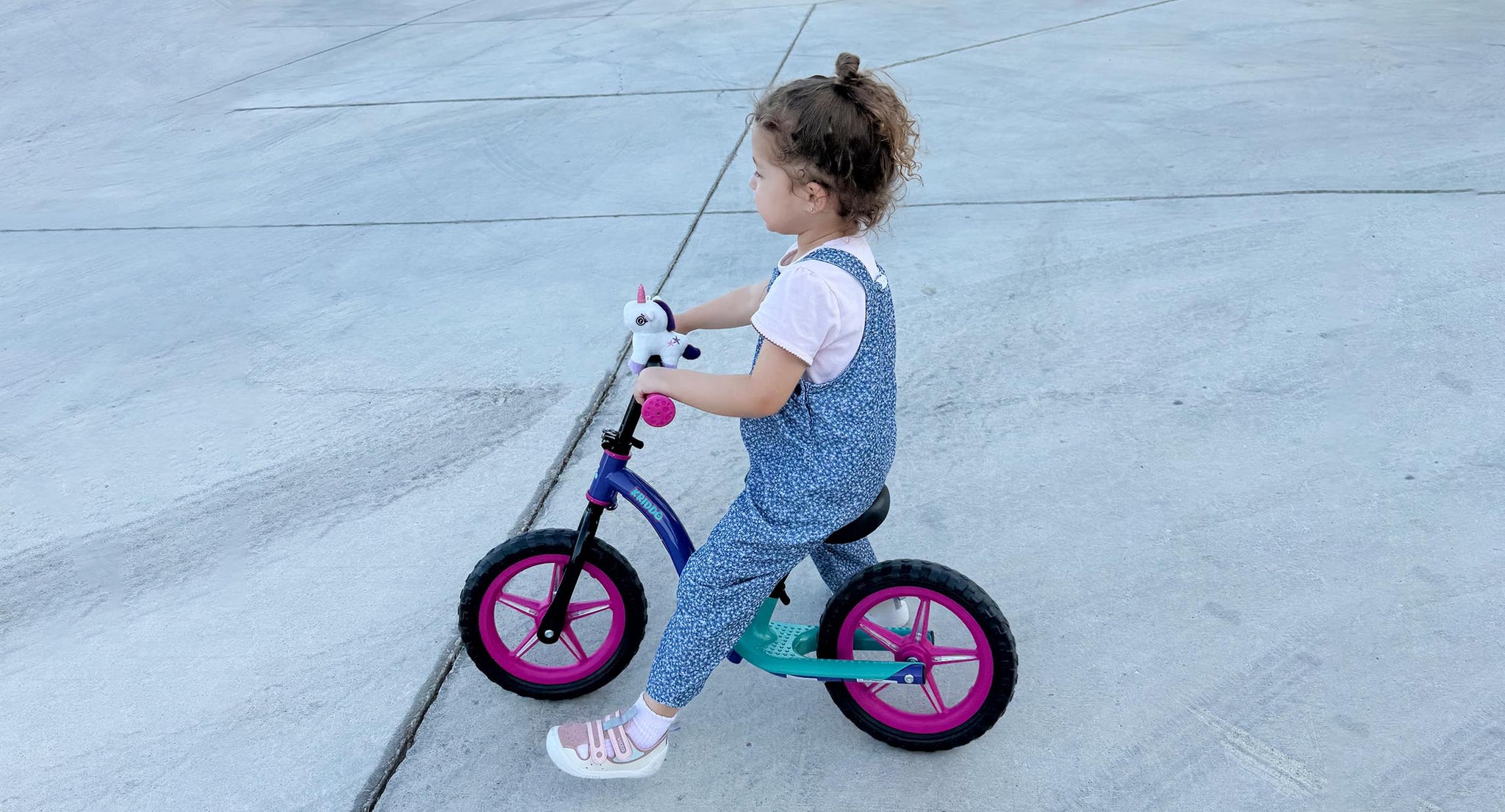
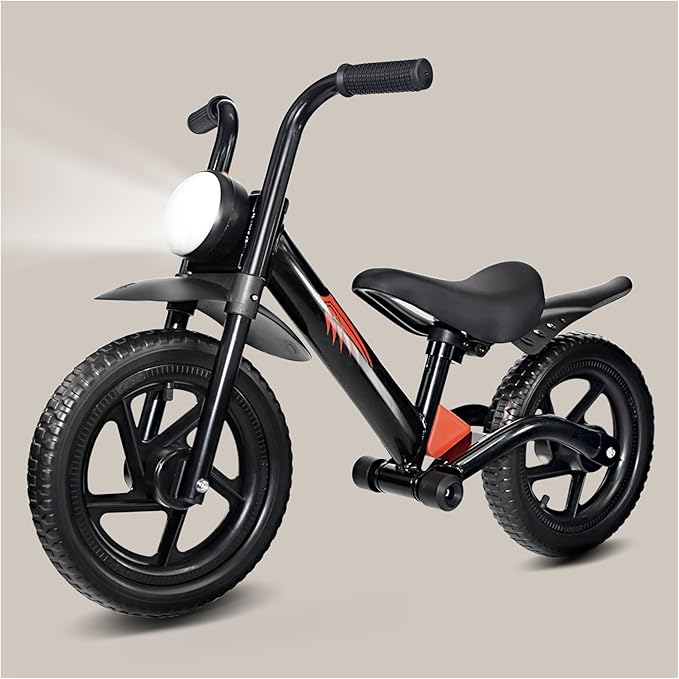
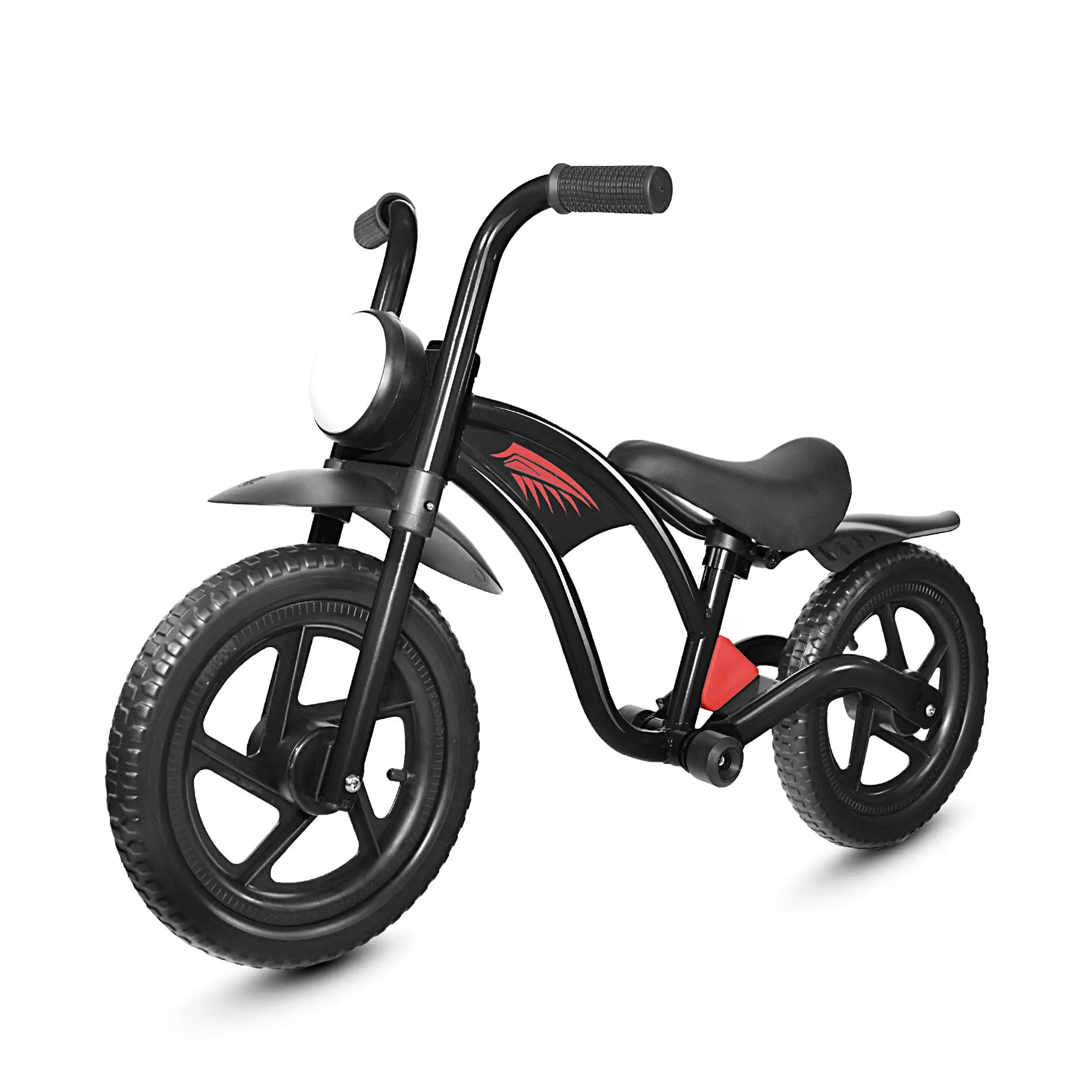
If a child is riding a balance bike, the obvious milestone is completing that first independent ride. That’s the “big” moment. The photo-worthy one.
But what happens if they don’t reach it quickly?
When the spotlight stays fixed on the final achievement, children may feel like anything less is failure. That’s when quitting feels easier.
Instead, widen the frame.
Did they sit on the bike confidently today?
Did they push off with better balance?
Did they correct their posture?
Celebrate that.
If they’re working toward pedaling a tricycle, maybe the win is simply coordinating their feet for a few seconds. That counts.
Small recognition creates momentum. Momentum builds belief. Belief fuels persistence.
The end result matters—but the steps matter more.
Structure and Freedom: A Surprisingly Powerful Pair
Children thrive on routine. Predictable daily rhythms create psychological safety. When kids know what happens next—bedtime rituals, brushing teeth, simple cleanup habits—they relax into that stability.
Routine reduces cognitive load. It frees up mental energy for learning and problem-solving.
At the same time, unstructured play is equally critical.
Free play allows children to experiment with roles, test limits, rehearse social interactions, and even simulate fears. A cardboard box becomes a race car. A stuffed animal becomes a student. Through play, children practice navigating complex emotions in a low-risk environment.
Risk-taking, in age-appropriate ways, strengthens resilience. Not reckless risk—but manageable challenge. Balancing on two wheels qualifies.
Structure says, “You’re safe.”
Freedom says, “You’re capable.”
Kids need both.
Teaching Them to Handle Feedback Without Falling Apart
Let’s be clear: criticism stings. Even for adults.
Children often interpret correction as rejection. If a teacher marks an answer wrong, or a coach adjusts technique, kids may assume it means they’re not smart or not good enough.
We have to separate behavior from identity.
“You did that incorrectly” is not the same as “You are bad at this.” The distinction feels subtle to adults but massive to children.
Explain that feedback is information. It’s data. It points the way forward.
Resilient kids don’t crumble under correction—they adjust. That skill grows when adults respond calmly to their own feedback, too.
If you can say, “That’s helpful, I’ll try again,” they learn to do the same.
Friendships Build Emotional Armor
Resilience isn’t a solo trait. It’s relational.
Children who feel securely connected—to family and to peers—recover faster from stress. Social belonging acts like emotional cushioning. When one area of life feels shaky, another can steady it.
Encourage friendships. Model empathy. Practice listening skills at home.
Teach them to repair small conflicts rather than avoid them. That process—misunderstanding, conversation, resolution—is resilience in social form.
Strong relationships aren’t just nice to have. They’re foundational.
Model What You Want to See
Here’s the uncomfortable part: children copy us.
If we explode when something spills, they internalize that frustration equals anger. If we panic when plans change, they absorb that unpredictability equals danger.
Resilience requires emotional regulation. That begins with us.
Take the breath. Pause before reacting. Narrate your coping: “That didn’t go how I expected. I’m going to try again.”
You don’t have to be perfect. In fact, showing recovery after imperfection is even more powerful.
Kids don’t need flawless parents. They need adaptable ones.
The Long Game of Raising Resilient Children

Raising resilient children isn’t about eliminating struggle. It’s about reframing struggle as growth.
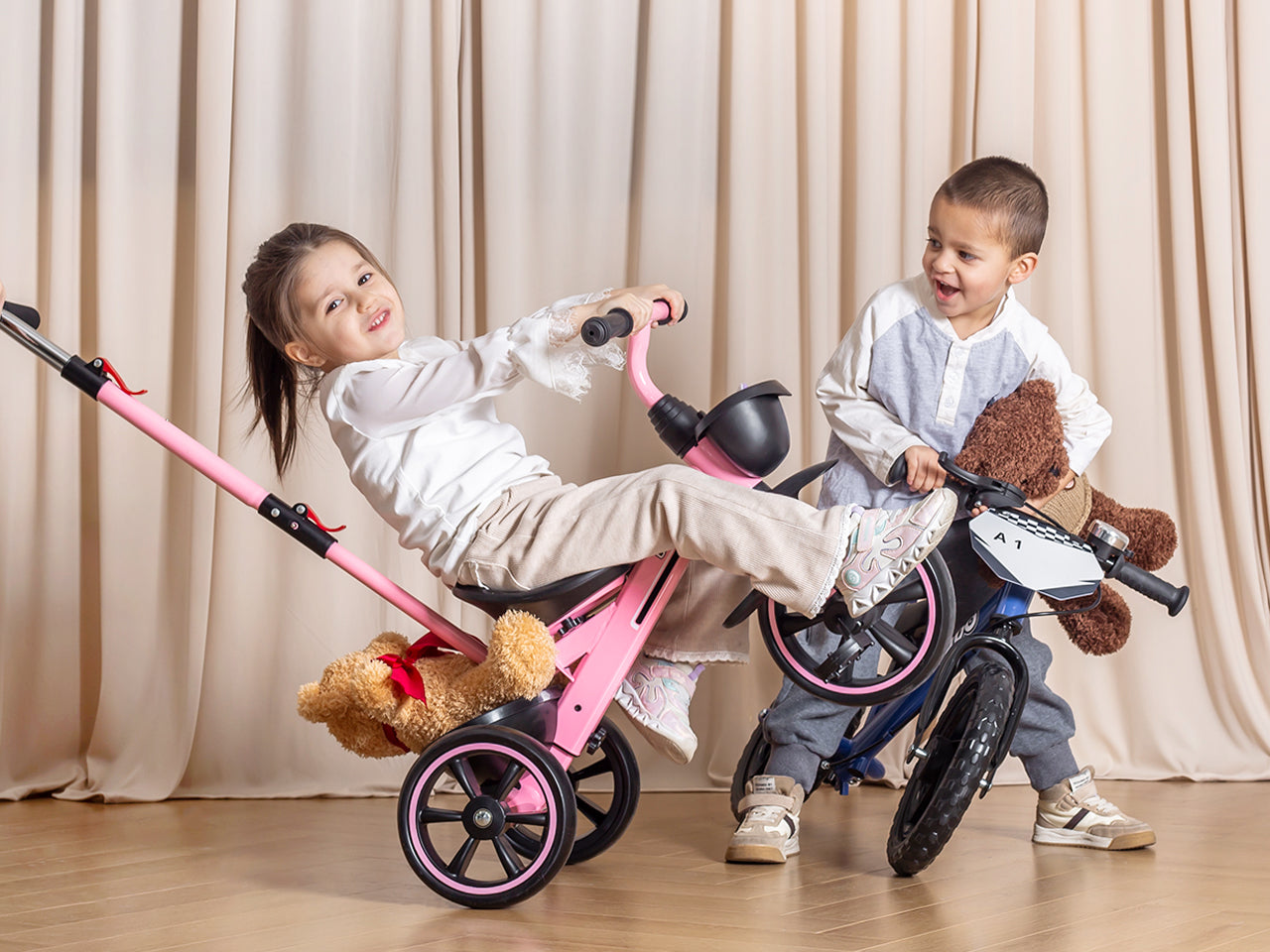
It’s watching them wobble on a bike and resisting the urge to hold the seat forever. It’s praising effort instead of outcome. It’s building rhythms at home that create security while allowing room for exploration.
It’s reminding them—again and again—that mistakes aren’t verdicts. They’re stepping stones.
And honestly? Sometimes resilience looks messy. It looks like tears before triumph. It looks like quitting once, then trying again tomorrow.
That’s okay.
Because every time they choose to get back up—on a balance bike, at school, in friendships—they’re building something stronger than skill.
They’re building belief.