




Biking With Kids: How to Make Every Ride Count
Gary | 2nd, Mar
Biking with kids isn’t just a weekend activity—it’s a memory-making machine. Whether you’re already a cycling enthusiast or simply looking for ways to leave the car in the driveway more often, family bike rides can change the rhythm of your week. Slower mornings. Longer conversations. Fewer screens. More sky.
But if you’re new to biking with kids, it can feel overwhelming at first. What bike should they ride? How far is too far? What if they get tired halfway through? These are fair questions. The good news? With a little planning and the right gear, riding together becomes surprisingly simple—and deeply rewarding.
Let’s break it down in a way that feels manageable.
Starting With the Right Bike (Because Fit Really Matters)

Before you map out scenic routes or pack picnic snacks, you need a bike that truly fits your child. Frame size, wheel diameter, weight, braking system—these aren’t just specs on a product page. They directly affect safety and confidence.
If you're comparing options, you’ve probably already noticed how many variables go into choosing the right model.
And yes, budget comes into play. Parents often wrestle with the classic question of value versus price.
Here’s the thing: a good kids’ bike doesn’t need to cost a fortune. What matters most is structural integrity, child-friendly geometry, and reliable braking. That’s why many families gravitate toward models like KRIDDO pedal bikes.
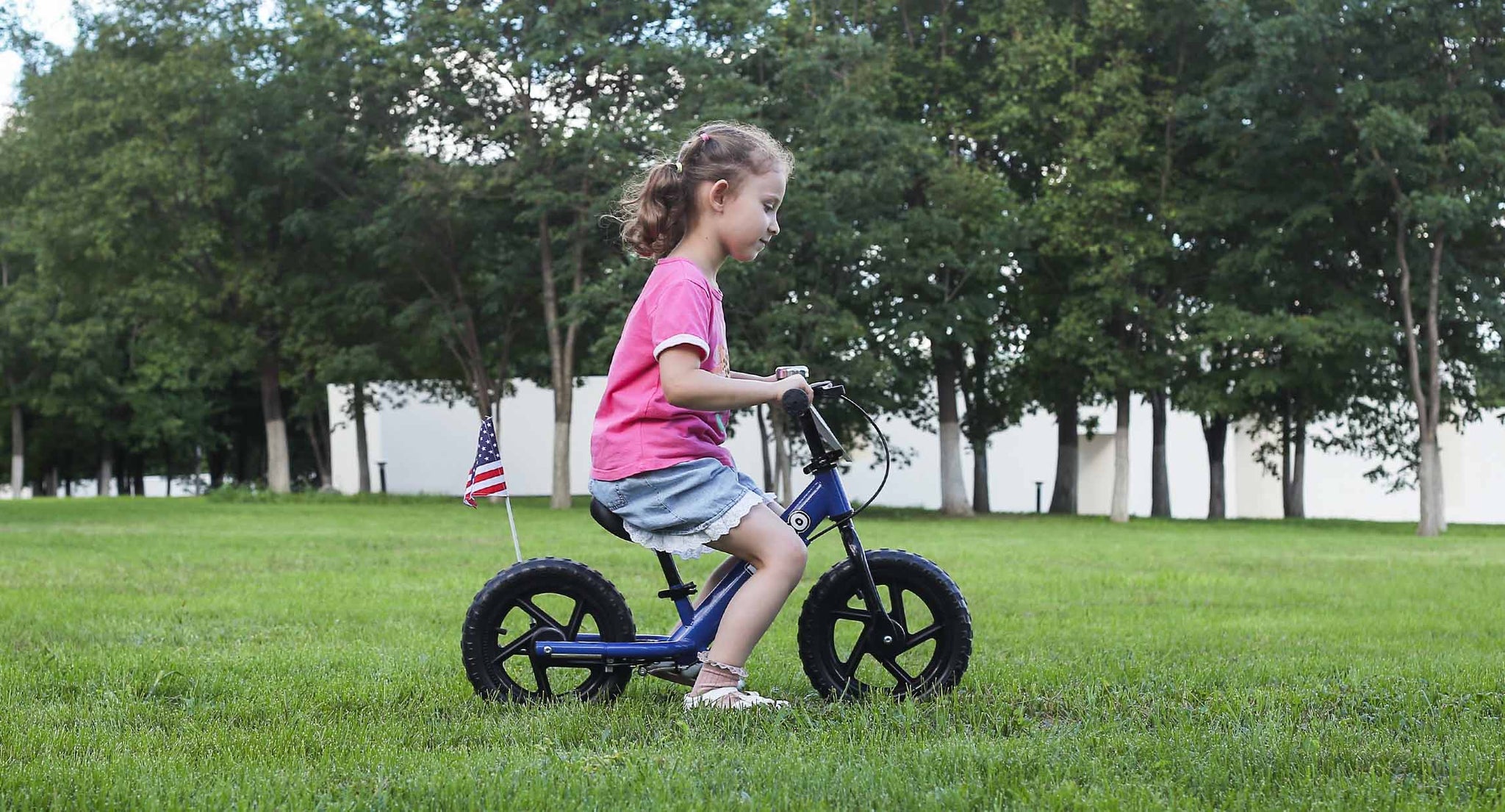
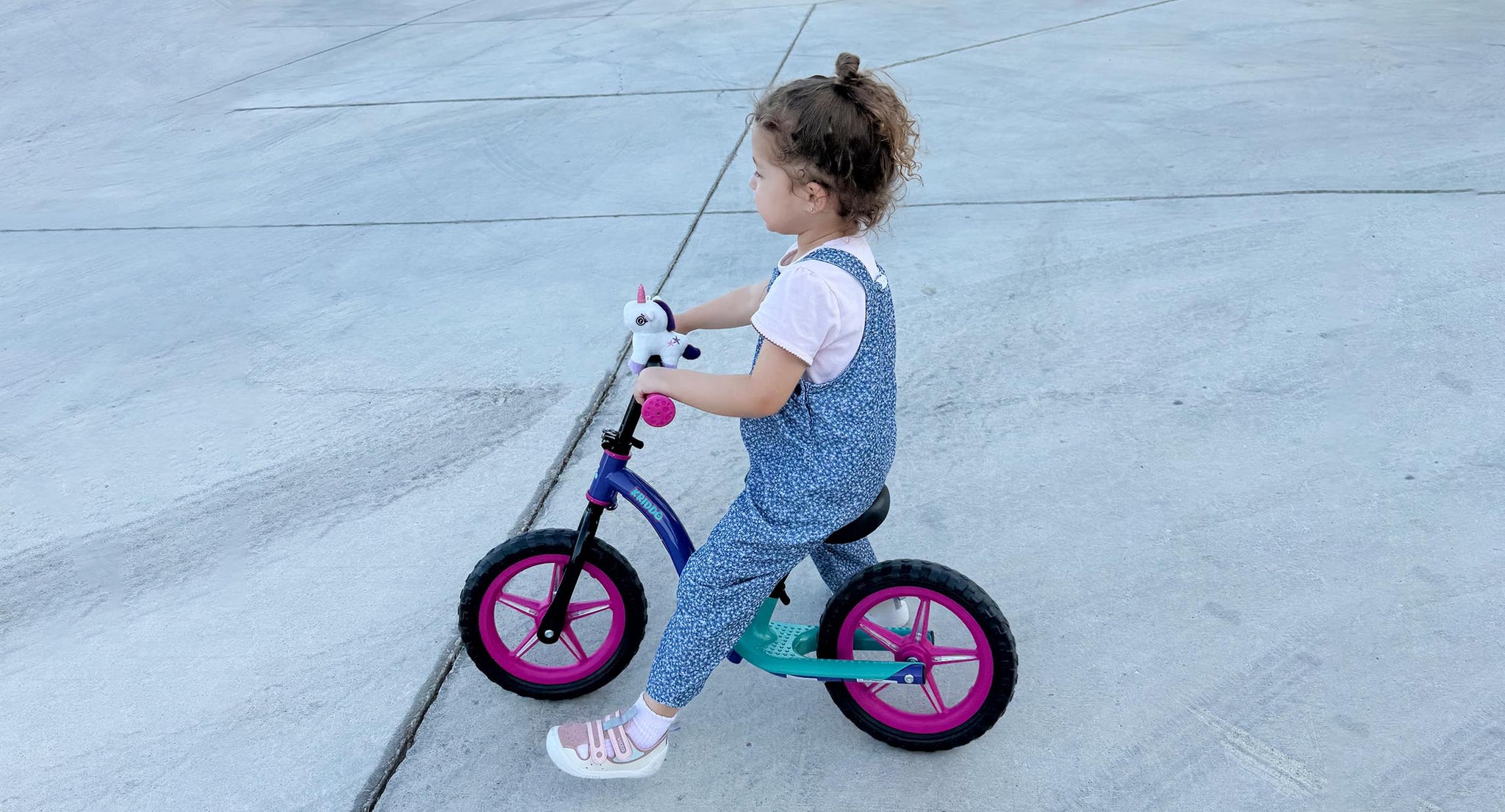
One standout option for early riders is the Gofar 14 Kids Bike & Gofar 16 Kids Bike.
Let’s talk specifics.
What makes it work so well for beginners?
- 14 & 16 inch wheels provide balanced stability without feeling oversized
- Removable training wheels allow gradual transition toward independent riding
- Thick rubber tires deliver solid traction and smoother rolling
- Dual braking system: front hand brake + rear coaster brake for intuitive stopping
- Full chain guard protects small fingers and clothing
- Reflectors front and rear increase visibility
- Customizable nameplate and DIY stickers add personality
- Classic bell gives kids a sense of independence
The bike stays under $150, meets U.S. safety standards, and doesn’t compromise on core features. That combination matters. Because when a child feels stable, braking feels natural, and the bike responds predictably—they relax. And when they relax, they learn.
Planning the Ride: Think Destination, Not Distance
Here’s a small but powerful mindset shift when biking with kids: don’t measure miles. Measure moments.
A two-mile ride to a playground beats a five-mile loop with no stopping point. Kids thrive on purpose. A picnic spot, a scenic overlook, a local park—those become mini victories along the way.
It also helps to build flexibility into your route. Maybe you plan for three miles, but there's a natural shortcut after one and a half. Keep that option open. No one enjoys feeling like they “failed” to reach a destination.
And if you want to keep younger riders engaged? Let them track progress on a map. Encourage them to take photos. Hand them an inexpensive camera and let them document the ride. Later, turn those snapshots into a simple ride journal. Suddenly, biking with kids becomes storytelling.
Snacks, Breaks, and the Reality of Energy
Children burn energy quickly. Faster than you think.
Pack more snacks than you believe necessary. Hydration, too. A hungry child on a bike ride doesn’t negotiate—they melt down. And honestly, it’s avoidable.
Schedule breaks before exhaustion sets in. Five minutes off the saddle every 30–45 minutes can reset everyone’s mood. It’s not inefficient; it’s strategic.
And here’s something adults sometimes underestimate: if you’re towing a trailer or using a tow-behind system, the added weight changes your output significantly. Route planning becomes critical. If your legs fade, their enthusiasm fades right along with it.
Safety: Calm, Visible, Prepared

Safety conversations don’t have to feel dramatic, but they do need to be consistent.
Helmets, high-visibility clothing, and bike lights increase awareness. Some families debate helmet culture, and that conversation continues.
What matters most is thoughtful decision-making and route choice. Quiet neighborhood roads. Dedicated bike paths. Low-traffic rural routes. Family rides naturally avoid high-speed highways for good reason.
If you’re using an e-bike, factor in the additional torque and speed. Practice emergency braking. Control downhill momentum. Extra power requires extra awareness.
Also—check the weather. Rain plans matter. Sudden wind shifts matter. Kids are more sensitive to discomfort, and a smooth ride depends on preparation.
The Quiet Power of Riding Together
Biking with kids strengthens more than leg muscles.
Between school schedules, work deadlines, and endless errands, real family time can feel rare. Riding changes the tempo. Conversations flow side by side. There’s something about pedaling together that lowers defenses. Even silence feels connected.
No constant notifications. No television in the background. Just air, motion, and shared direction.
Over time, this consistency builds something subtle but lasting. Kids who grow up riding often carry that habit into adulthood. Parents model active living not through lectures, but through repetition.
Short rides to the park count. Longer weekend explorations count even more. Every pedal stroke becomes an investment.
Independence Starts on Two Wheels
Confidence doesn’t arrive all at once. It builds in layers.
A child who learns to steer, brake, and choose a route gains more than physical coordination. They develop spatial awareness. Risk assessment. Decision-making skills. Even minor mechanical adjustments—like tightening a seat or checking tire pressure—create ownership.
That first short solo ride to a friend’s house? It feels enormous to them.
Biking also connects kids to their environment in a direct way. They notice seasonal changes. Smell the air shift from summer to fall. See how neighborhoods connect beyond car windows.
And there’s a bigger picture, too. Choosing bikes over short car trips reinforces environmental responsibility in practical terms. It’s not theoretical. It’s lived experience.
So, Where Do You Begin?

Start small. Start close to home. Start with the right bike and realistic expectations.
Biking with kids isn’t about perfection. Some rides will be smooth. Others will include snack negotiations and minor detours. That’s fine. The point isn’t distance—it’s consistency.
Because once riding becomes routine, something shifts. Kids ask to go out again. They ride with more balance. They take pride in their independence.
And you? You realize these simple afternoons are shaping far more than cycling skills.
They’re shaping connection.