




6 Sports Safety Tips Every Parent Should Know
Ava | 3rd, Mar
When kids play sports, they learn far more than how to kick a ball or balance on two wheels. They build confidence. They learn teamwork. They discover how to lose gracefully and win humbly. But none of that matters if their health isn’t protected first.
That’s why sports safety tips aren’t optional—they’re essential, especially for toddlers and young riders just getting started.
If you’re raising a child who loves movement—running, riding, climbing, exploring—this guide will help you keep that energy focused, safe, and sustainable.
Rest Isn’t Laziness. It’s Training.

Let’s start with something many families overlook: rest.
Kids are resilient, but their bodies are still developing. Overuse injuries don’t just happen to professional athletes. They happen to children who repeat the same motion over and over without enough downtime.
Here’s what healthy recovery looks like:
- Children should take at least one to two days off per week from any single sport.
- They should feel comfortable telling a coach, parent, or trusted adult about pain, illness, or unusual fatigue.
- Lingering soreness is not “toughness.” It’s a signal.
Young muscles and growth plates are vulnerable. Scheduled rest protects them. It also keeps sports fun instead of turning them into pressure-filled obligations.
Gear Matters More Than You Think
Equipment is not decoration. It’s protection.
Properly fitted, high-quality gear reduces injury risk and builds confidence. When kids feel secure, they move more naturally. That’s true whether they’re on a soccer field or gliding down the sidewalk.
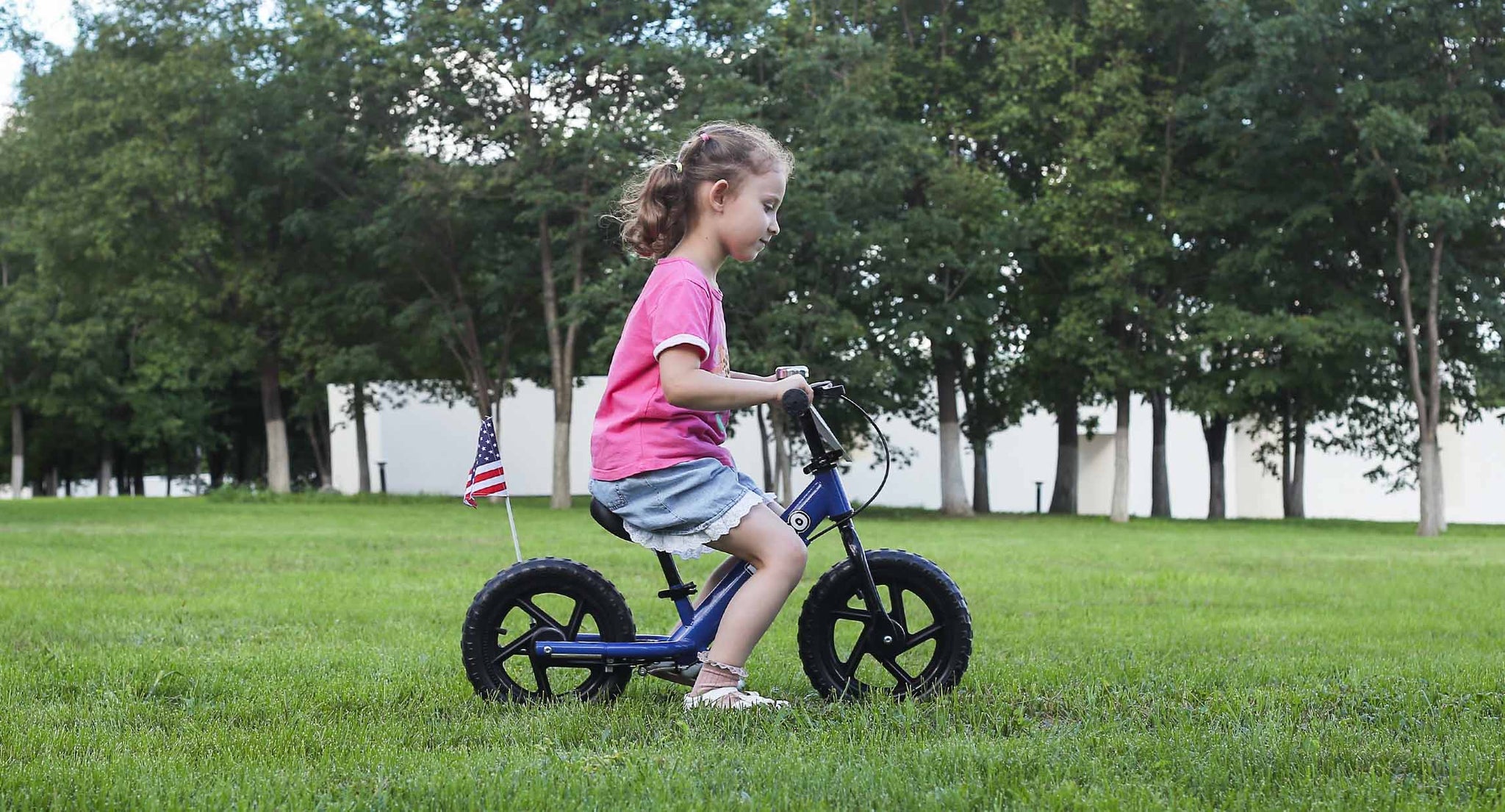
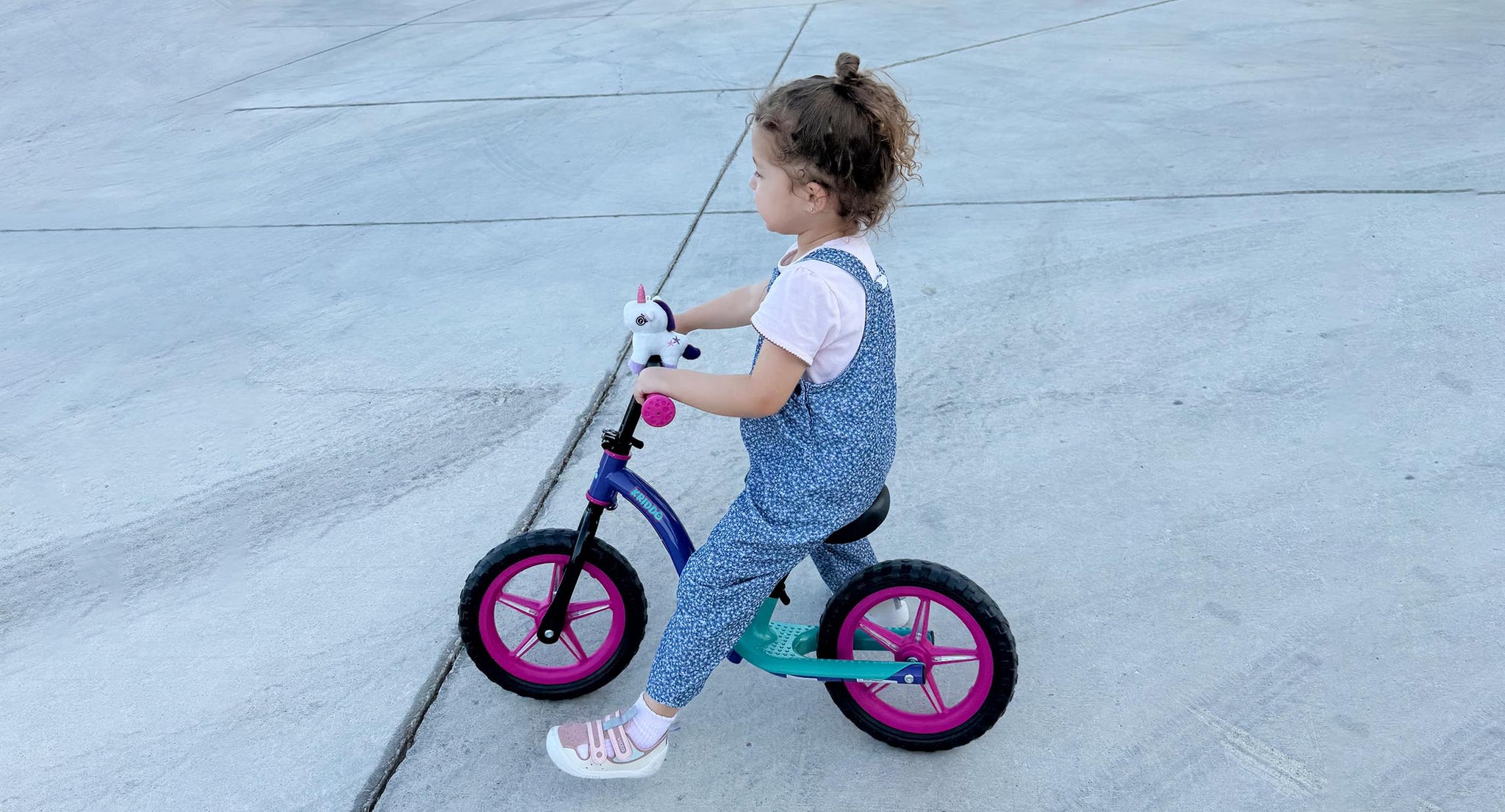
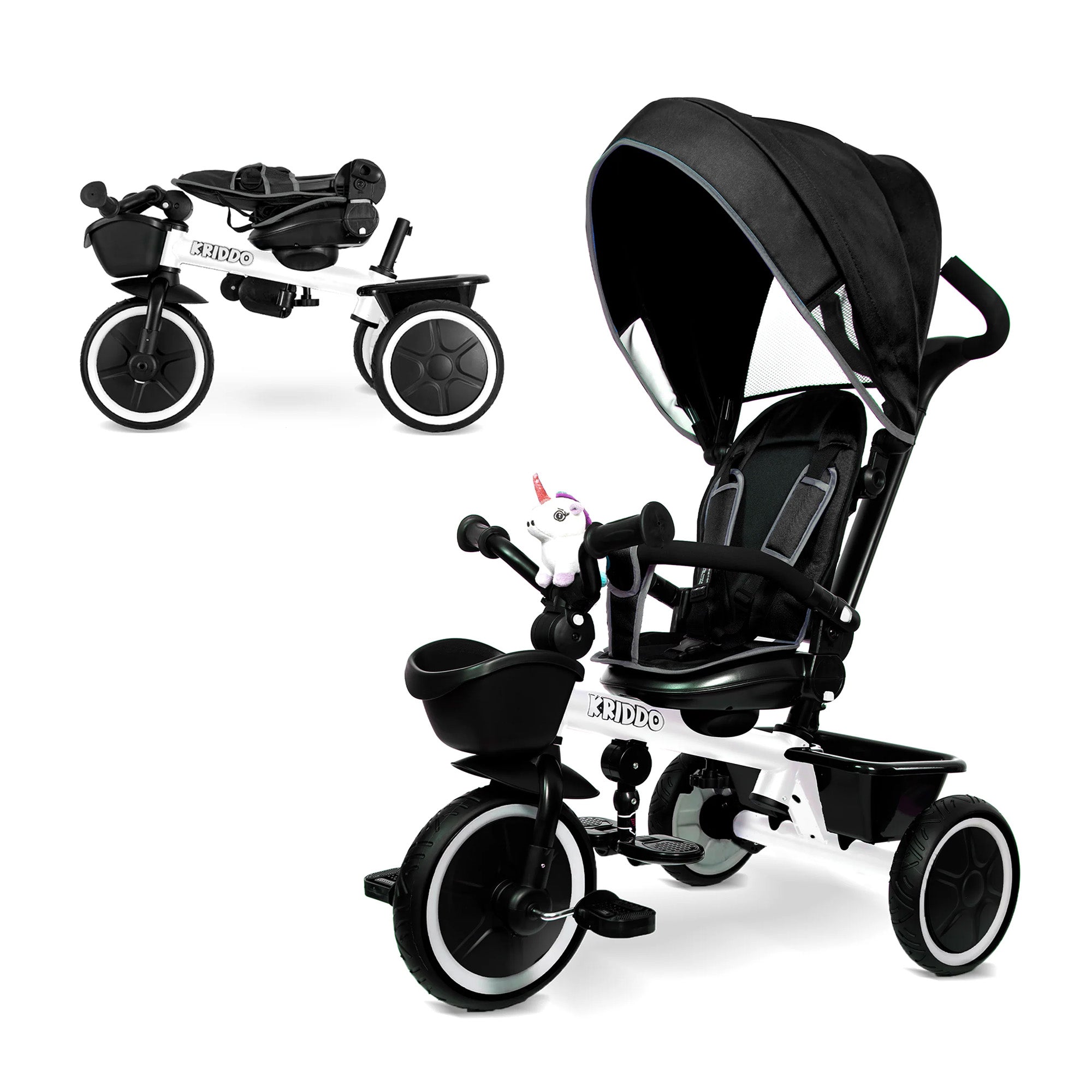
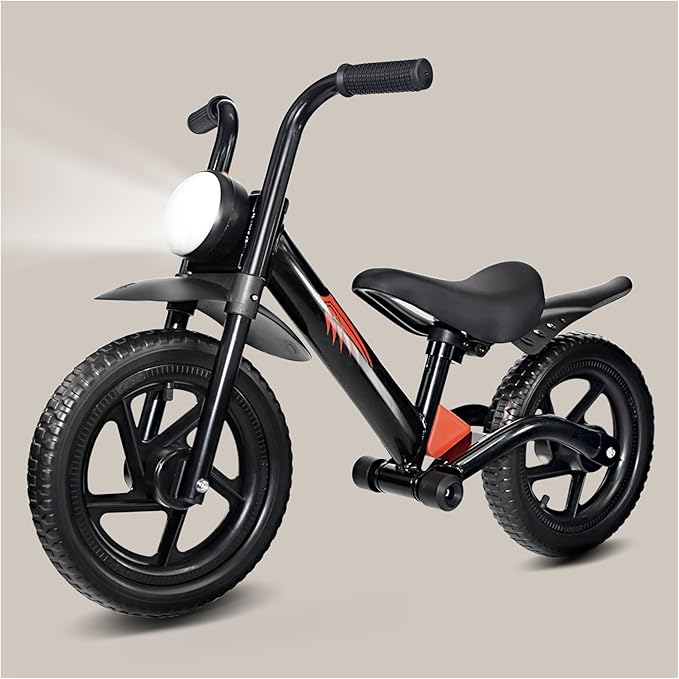
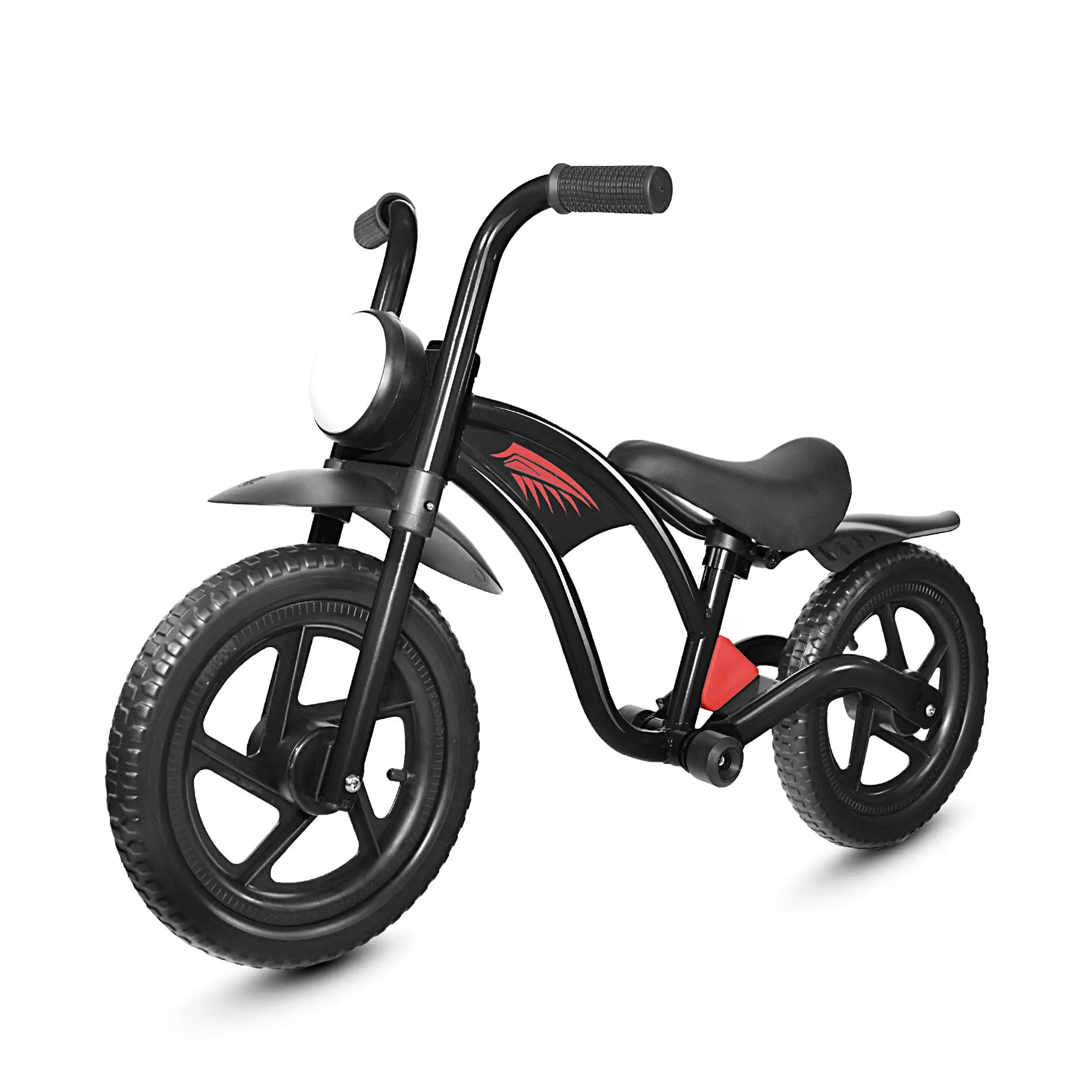
If your child is learning to ride, choosing the right balance bike makes a noticeable difference. A lightweight frame, correct seat height, and stable tires allow toddlers to focus on coordination rather than struggling with control. This guide on how to choose a balance bike walks through key considerations many parents overlook.
For kids ready to transition, exploring kids bikes with proper sizing and braking systems ensures a smoother progression.
And protective gear? Non-negotiable. Helmets, elbow guards, knee pads, wrist guards—they all play a role. A well-fitted guard set adds a practical layer of protection during practice, whether it’s at school or in the driveway.
Consistency is key. Every ride. Every practice. Even “just for a minute.”
Hydration: The Quiet Game-Changer
Heat exhaustion creeps up faster than most parents expect—especially in spring.
When temperatures start rising but don’t yet feel extreme, families tend to underestimate fluid needs. That’s when trouble starts.
Make hydration routine:
- Drink water before activity begins.
- Take regular water breaks during play.
- Rehydrate afterward, even if your child says they’re fine.
Watch for red flags: fatigue, nausea, dizziness, vomiting, unusual irritability. These symptoms can escalate quickly in warm, humid weather.
During spring outdoor activities, the excitement of being back outside sometimes overshadows basic precautions. Stay attentive. Water bottles should be as essential as sneakers.
Warm-Ups: Five Minutes That Prevent Weeks of Recovery
Here’s the thing—kids want to jump straight into the action. Stretching feels boring. Slow. Unnecessary.
But proper warm-ups improve blood flow, prepare joints, and reduce muscle strain. Even simple dynamic movements—arm circles, light jogging, gentle squats—prime the body for effort.
After activity, stretching helps muscles recover and reduces stiffness. Children who skip flexibility work are more likely to experience muscle pulls and joint discomfort.
It doesn’t have to be complicated. It just has to happen.
Concussions Are Serious. No Exceptions.

Any sport carries some risk of impact. A collision, a fall, an unexpected blow to the head—these moments happen quickly.
A concussion is not “just a bump.”
Symptoms may include:
- Headache
- Confusion
- Sensitivity to light
- Nausea
- Memory problems
- Balance issues
If you suspect a concussion, remove your child from play immediately and consult a healthcare professional. Return-to-play decisions should never be rushed. Early recognition and careful management prevent long-term complications.
Parents sometimes worry about overreacting. In this case, caution is wisdom.
Mental Health Is Part of Sports Safety
Physical injuries are visible. Emotional strain often isn’t.
The pressure to win can weigh heavily on young athletes. Even toddlers and early elementary children pick up on expectations. When performance becomes more important than enjoyment, stress follows.
Shift the focus:
- Praise effort, not just outcomes.
- Highlight sportsmanship.
- Celebrate skill development.
Children should never be punished or shamed for losing. Sports exist to build resilience and joy—not anxiety.
When kids feel supported rather than judged, they stay engaged longer and develop healthier relationships with competition.
So… When Is a Child Ready for Sports?
There isn’t a universal age.
Some children are physically strong but struggle to follow rules. Others understand teamwork but lack coordination. Readiness depends on several variables:
- Age
- Weight
- Body structure
- Physical development
- Emotional maturity
- Genuine interest in the sport
Interest matters more than many parents realize. If a child is enthusiastic, they’re more likely to listen, practice safely, and build skills steadily.
Every child develops at a different pace. That’s not a flaw. It’s normal.
The American Academy of Pediatrics advises that adolescents with delayed physical development avoid contact sports until their growth more closely matches peers. That recommendation highlights something important: safety decisions should be individualized.
Growth isn’t a race.
Toddlers and Early Riders: Extra Considerations

For the balance bike audience—families with toddlers—supervision and simplicity are everything.
Toddlers lack impulse control. They don’t assess risk the way older kids do. So environmental safety becomes crucial:
- Flat, open riding areas
- Clear boundaries
- Close adult supervision
- Proper helmet fit
Balance bikes are excellent tools for coordination and confidence, but the surrounding setup matters just as much as the bike itself.
Honestly, sometimes the best safety measure is slowing down and watching carefully.
Seasonal Shifts Change Safety Needs
Summer demands heat awareness. Fall may bring slippery leaves. Winter introduces cold-weather layering challenges. Spring creates unpredictable weather patterns.
Sports safety tips aren’t static—they evolve with the calendar.
Adapt clothing. Adjust hydration routines. Reassess equipment fit as children grow (which, as every parent knows, happens overnight).
Staying attentive to seasonal context reduces preventable injuries.
Final Thoughts: Safety Builds Confidence
Some parents worry that focusing too much on safety will make sports feel restrictive.
In reality, the opposite happens.
When children feel secure—physically and emotionally—they take healthy risks. They experiment. They grow.
Sports should feel empowering, not hazardous. With thoughtful rest, proper gear, hydration habits, structured warm-ups, concussion awareness, and emotional support, families create an environment where kids thrive.
And that’s the real goal. Not trophies. Not rankings.
Strong bodies. Steady confidence. Lifelong movement.