




10 Spring Outdoor Activities for Kids:
Simple Ways to Get Outside
Lindsey | 24th, Feb
Spring has a way of pulling everyone outdoors. The air softens, trees bud, and suddenly kids who spent months indoors are bursting with pent-up energy. If you’ve been looking for spring outdoor activities for kids that are simple, affordable, and genuinely fun, the good news is you don’t need elaborate plans or expensive gear. Most of the best spring memories begin with fresh air, a little curiosity, and the freedom to explore.
Below are ten easy activities families love. They encourage movement, creativity, and sensory exploration while giving children the space they’ve been craving all winter.
1. Rock Collecting: Tiny Treasures Everywhere
Head outside and let kids gather rocks that catch their eye. Once home, sort them by size, color, texture, or shape. Older children can describe what they notice — smooth, speckled, layered, or glossy.
It’s simple, but it teaches observation skills and patience. Plus, kids love building collections they can proudly display.
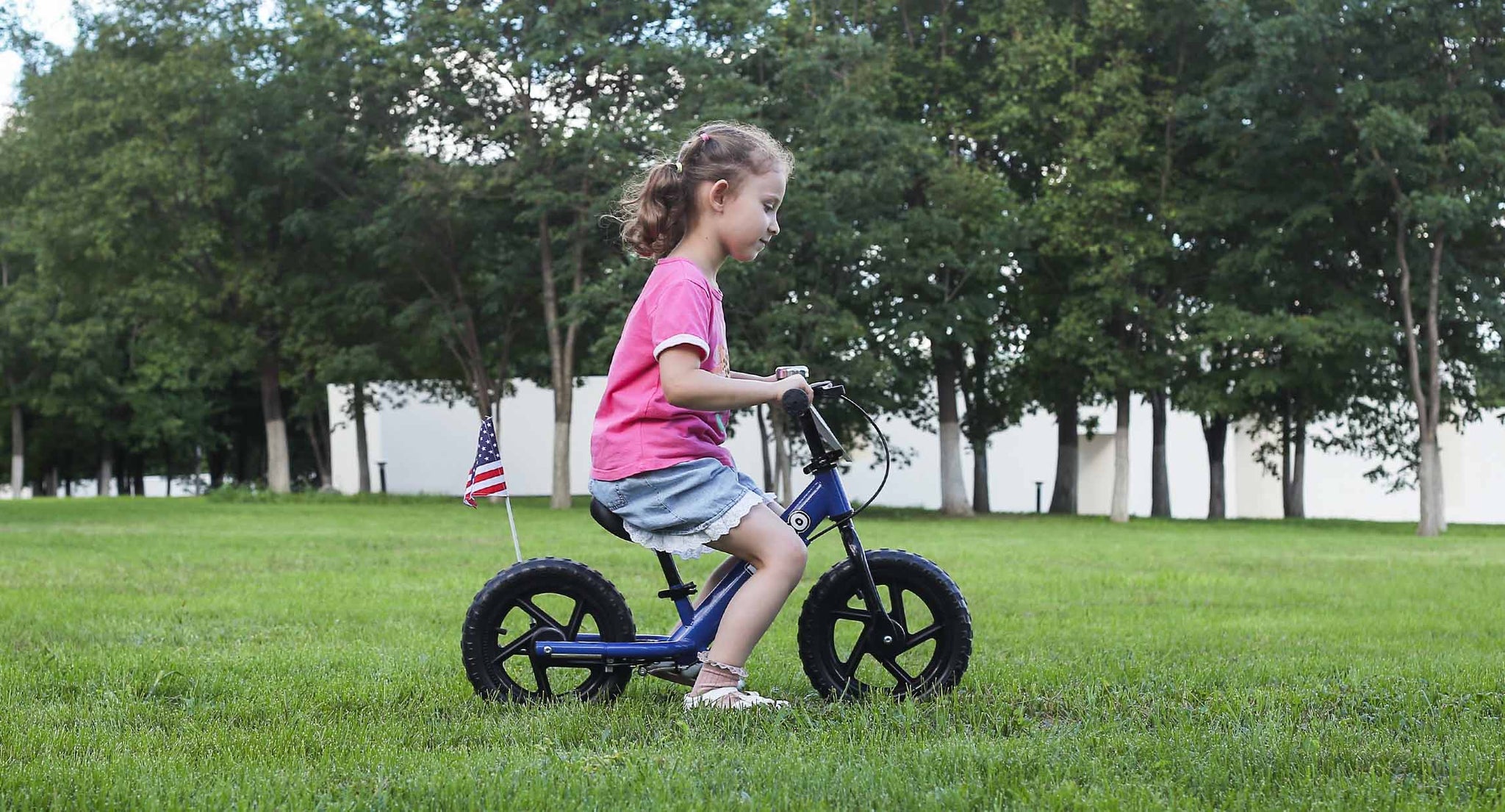
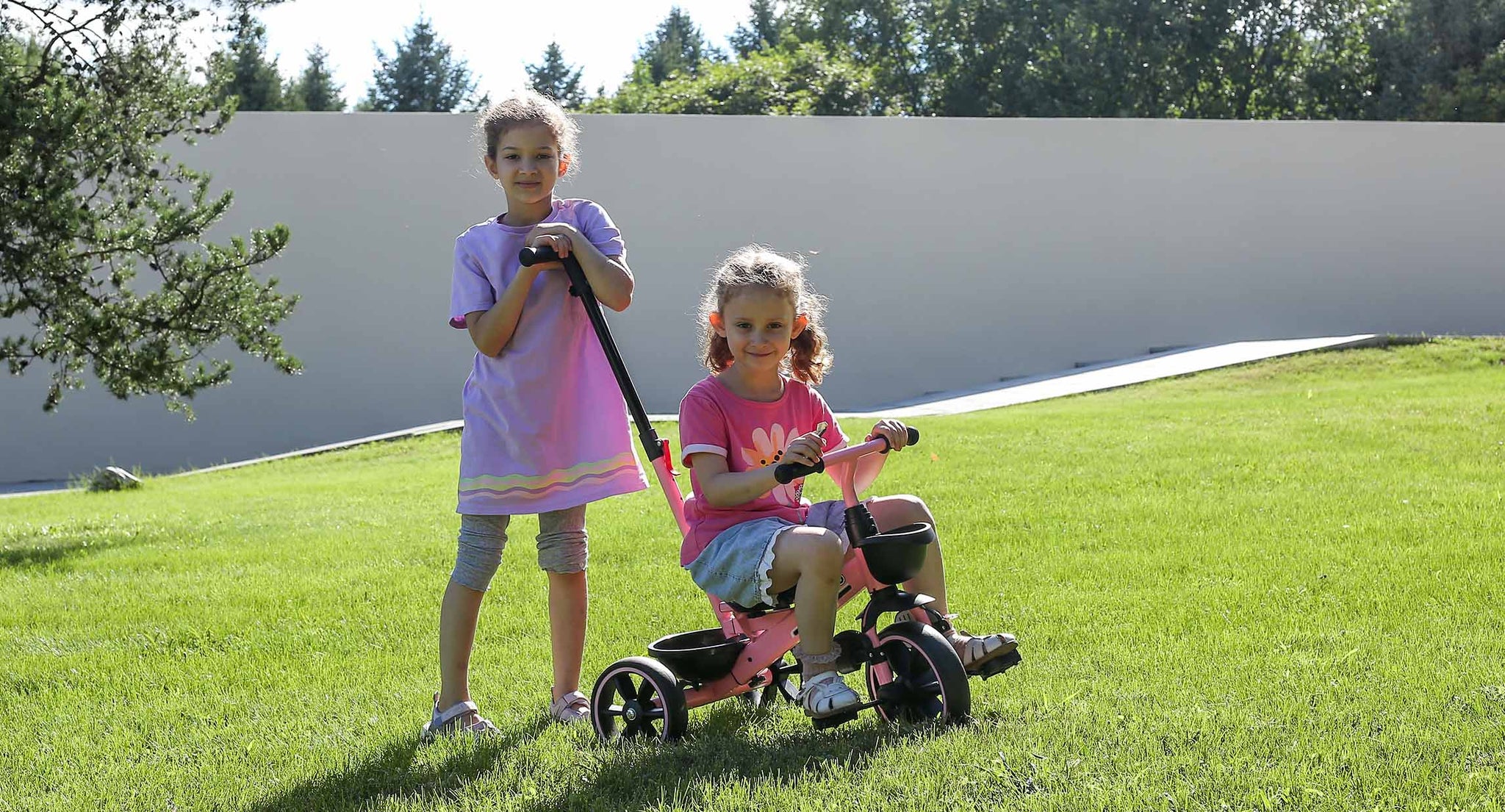
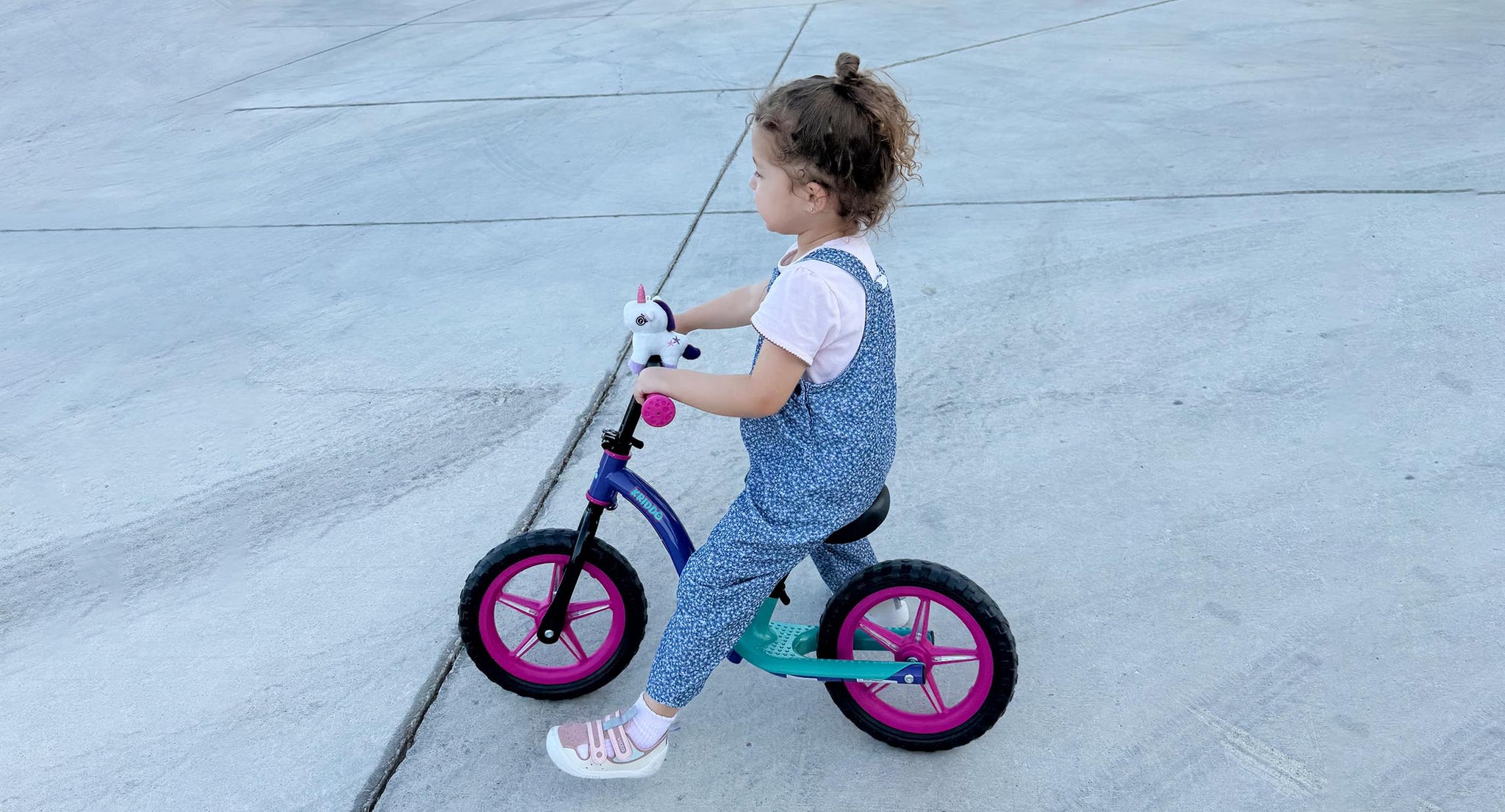
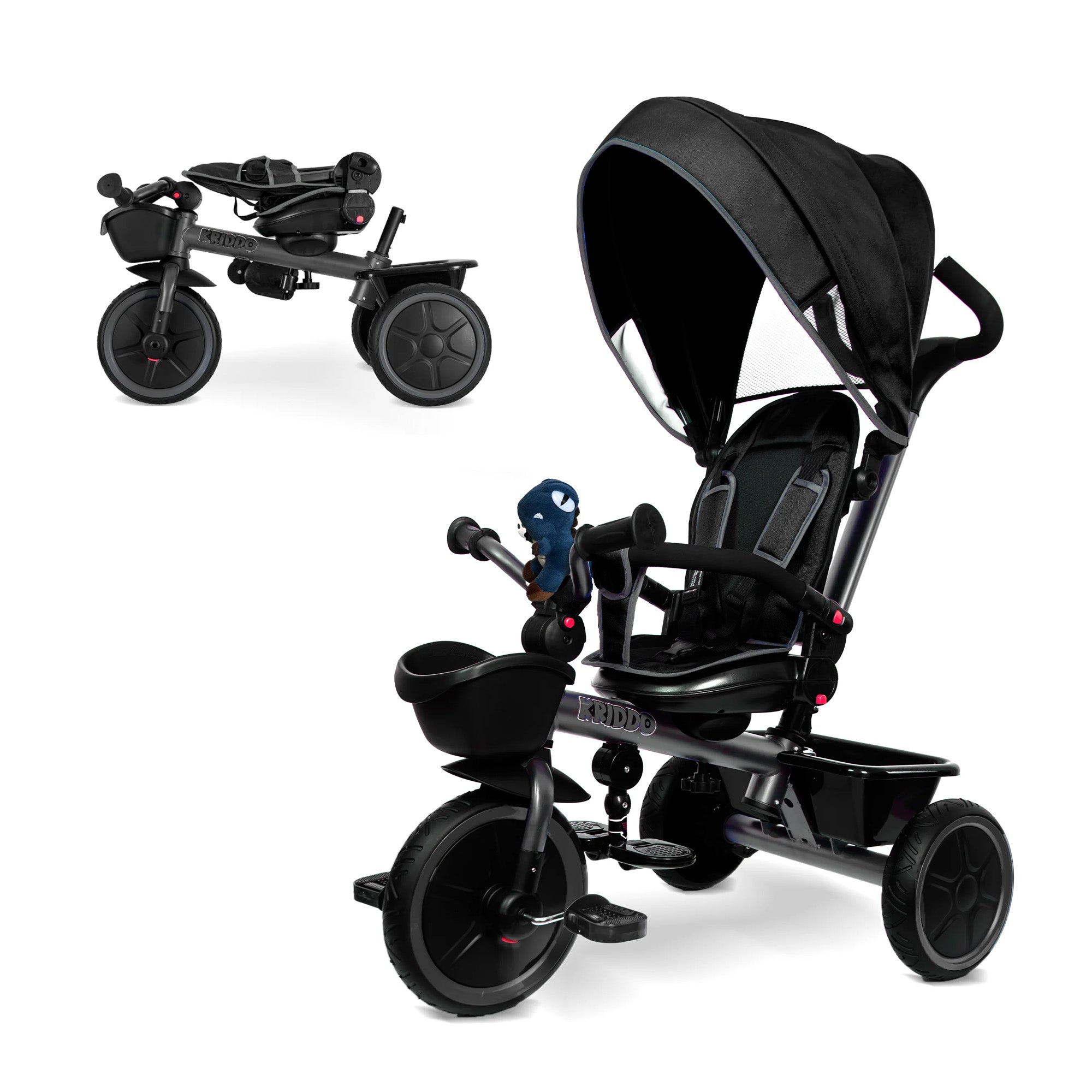
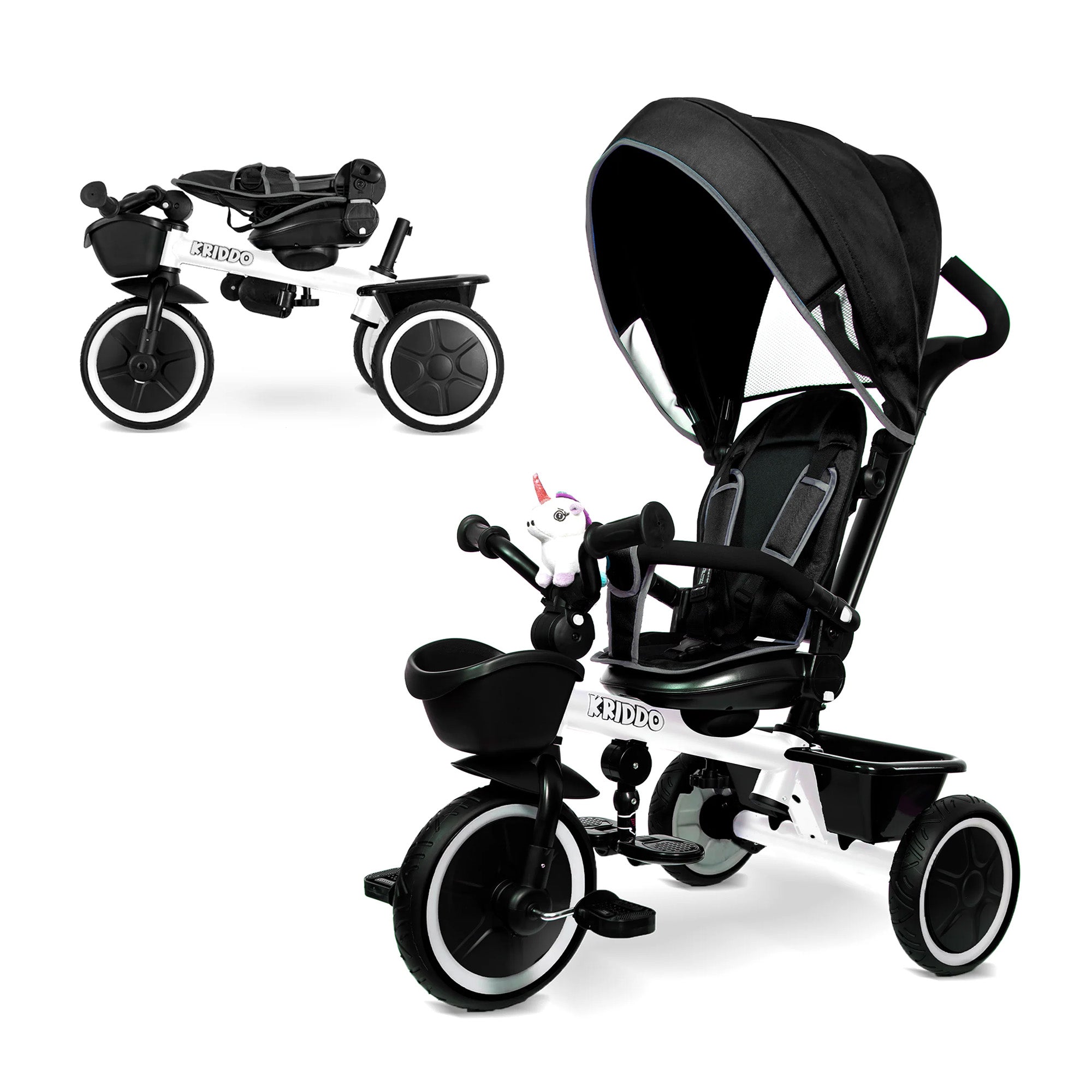
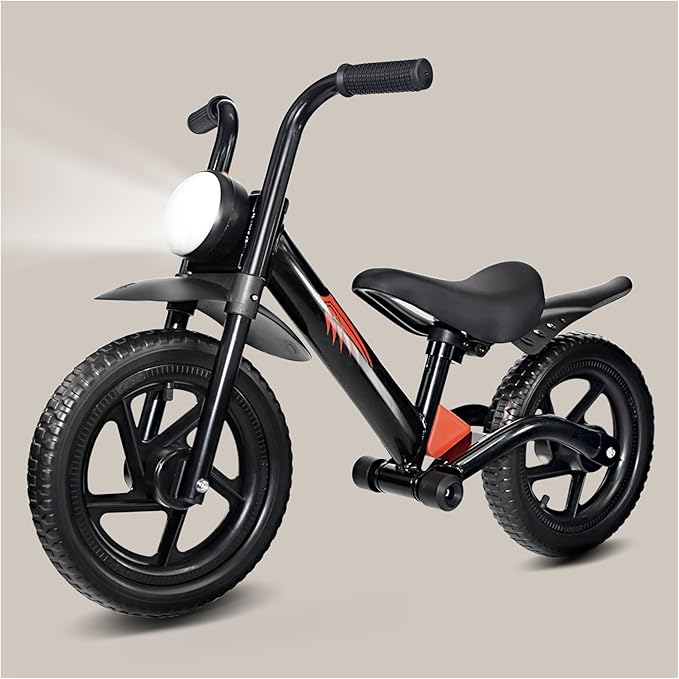
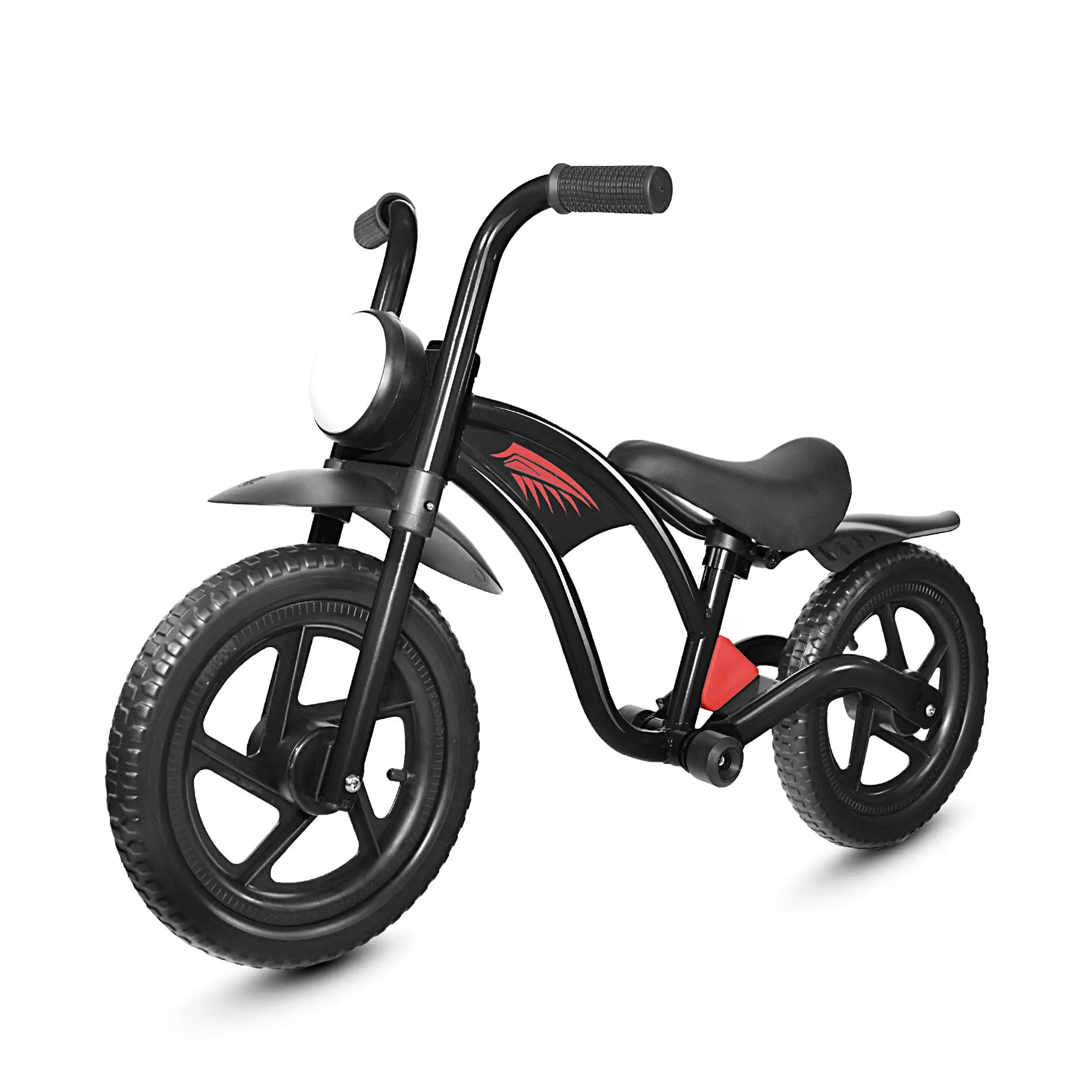
2. Balance Bikes, Trikes, and Spring Rides

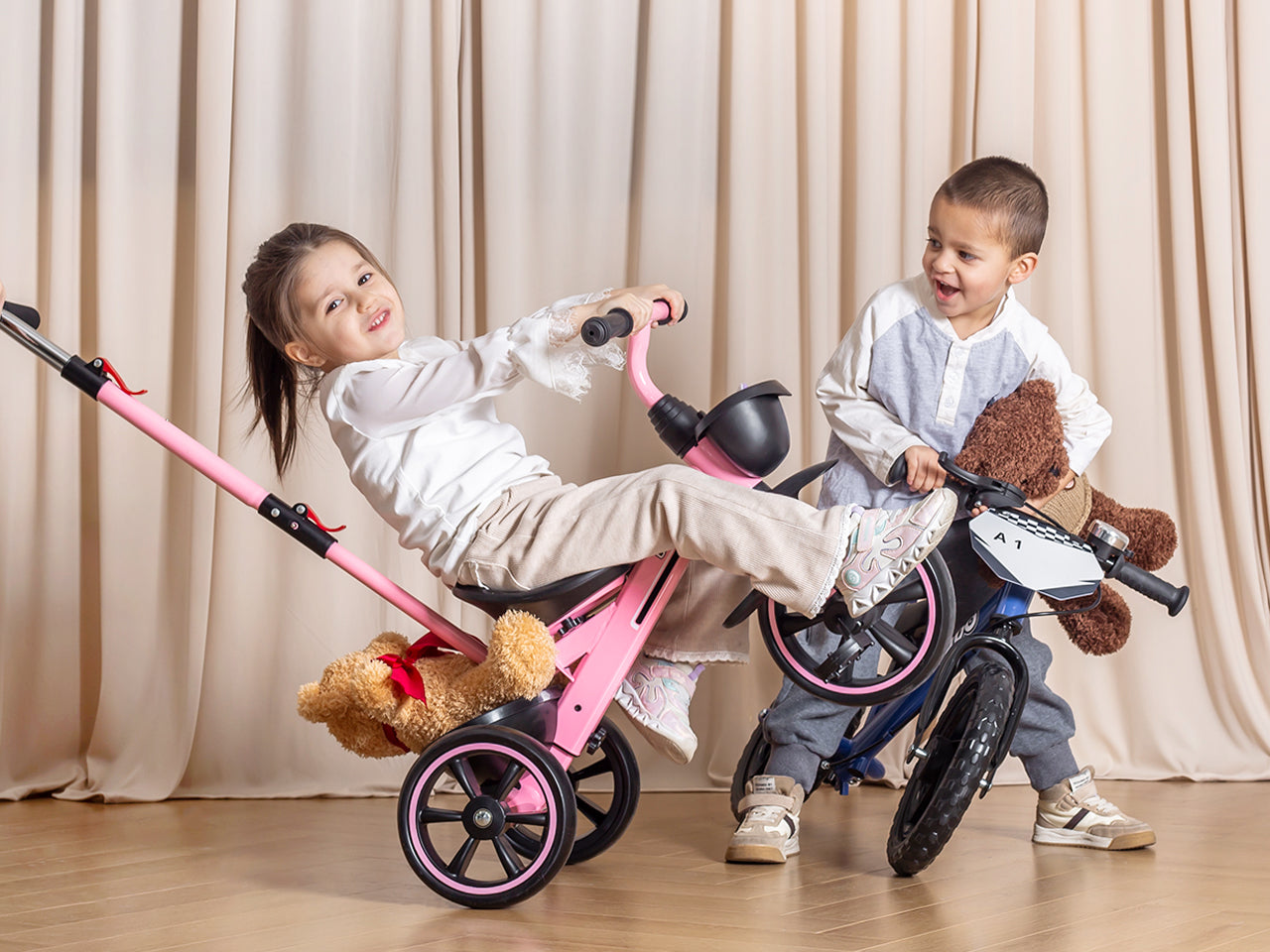
Spring weather is perfect for riding. Quiet sidewalks, parks, or cul-de-sacs give children safe space to explore.
For toddlers, tricycles build leg strength and coordination. Balance bikes help children develop stability and confidence before transitioning to pedal bikes. Many parents notice their children learn to ride traditional bikes faster after using one.
Try drawing a simple “spring course” with chalk — curves, stop lines, and slow zones. It adds playful structure while sharpening control and focus.
3. Sidewalk Chalk Art That Washes Away
Sidewalk chalk turns driveways into giant canvases. Kids can draw flowers, rainbows, obstacle courses, or hopscotch grids.
The beauty? It’s creative without the mess. Invite neighbors to add drawings or create a giant mural together. When the rain comes, it resets the canvas for the next sunny day.
4. A Spring Walk With Purpose
Put on sneakers or rain boots and explore your neighborhood.
- Wave to neighbors.
- Watch ducks at a pond.
- Skip stones across water.
- Collect wildflowers or fallen leaves.
- Hug a tree (kids will laugh, but they’ll remember it).
Put on sneakers or rain boots and explore your neighborhood.
5. Hopscotch: Old School, Still Brilliant
Hopscotch isn’t just nostalgic — it supports balance, coordination, and number recognition.
Draw a grid, toss a small stone, and hop through the numbers. Encourage kids to shout each number as they land. Learning disguised as play? Always a win.
6. Playing in the Rain (Yes, Really)
Rainy days don’t have to mean indoor confinement. Dress kids in rain jackets and boots, then head outside.
- Jump in puddles.
- Make mud pies.
- Dance in the rain.
- Float leaf boats in running water.
- Collect rainwater in different containers and listen to the sounds.
Messy? Yes. Memorable? Absolutely.
7. Outdoor Story Time Under the Trees

Take reading time outside. Spread a blanket beneath a shady tree and read spring-themed books about animals, gardens, or adventures.
Afterward, children can act out scenes or draw their favorite moments. Fresh air often helps kids stay engaged longer, and the setting makes stories feel more alive.
8. DIY Bird Feeders & Backyard Birdwatching
Spring migration makes birdwatching exciting.
Create a simple feeder using gelatin, birdseed, cookie cutters, and string. Hang it from a branch and observe visiting birds. Kids can sketch what they see or note colors and sizes.
This activity blends creativity with science and builds patience — birds arrive on their own schedule.
9. Walking the Dog (Or Visiting a Dog Park)
Walking a family pet gives kids exercise and responsibility. No dog? Visit a local dog park to watch playful pups enjoy the sunshine.
Children naturally connect with animals, and these moments often spark empathy and confidence.
10. Free Play: The Secret Ingredient of Spring
Not every outdoor moment needs structure. Let kids dig in dirt, build stick forts, climb logs, or simply wander.
Unstructured play strengthens creativity, resilience, and problem-solving. Yes, they may get muddy. That’s part of the magic.
Why Spring Outdoor Play Matters

After winter’s indoor routines, children need movement and sunlight to reset their bodies and moods. Outdoor play improves balance, coordination, and sensory processing. Activities like riding balance bikes strengthen core muscles and spatial awareness, while nature exploration nurtures curiosity.
More importantly, outdoor play reduces stress — for kids and parents alike. A short walk or chalk drawing session can shift the entire tone of the day.
Spring doesn’t demand perfection. It invites presence.
So grab jackets, step outside, and let the season do what it does best: restore energy, spark imagination, and remind families that joy often lives just beyond the front door.