




What Is the Purpose of a Balance Bike?
A Parent’s Real-World Guide
Emily | 25th, Feb
If you’ve ever watched a toddler wobble down the sidewalk on two tiny wheels—feet pushing, eyes focused, a grin spreading wider by the second—you’ve already seen the purpose of a balance bike in action.
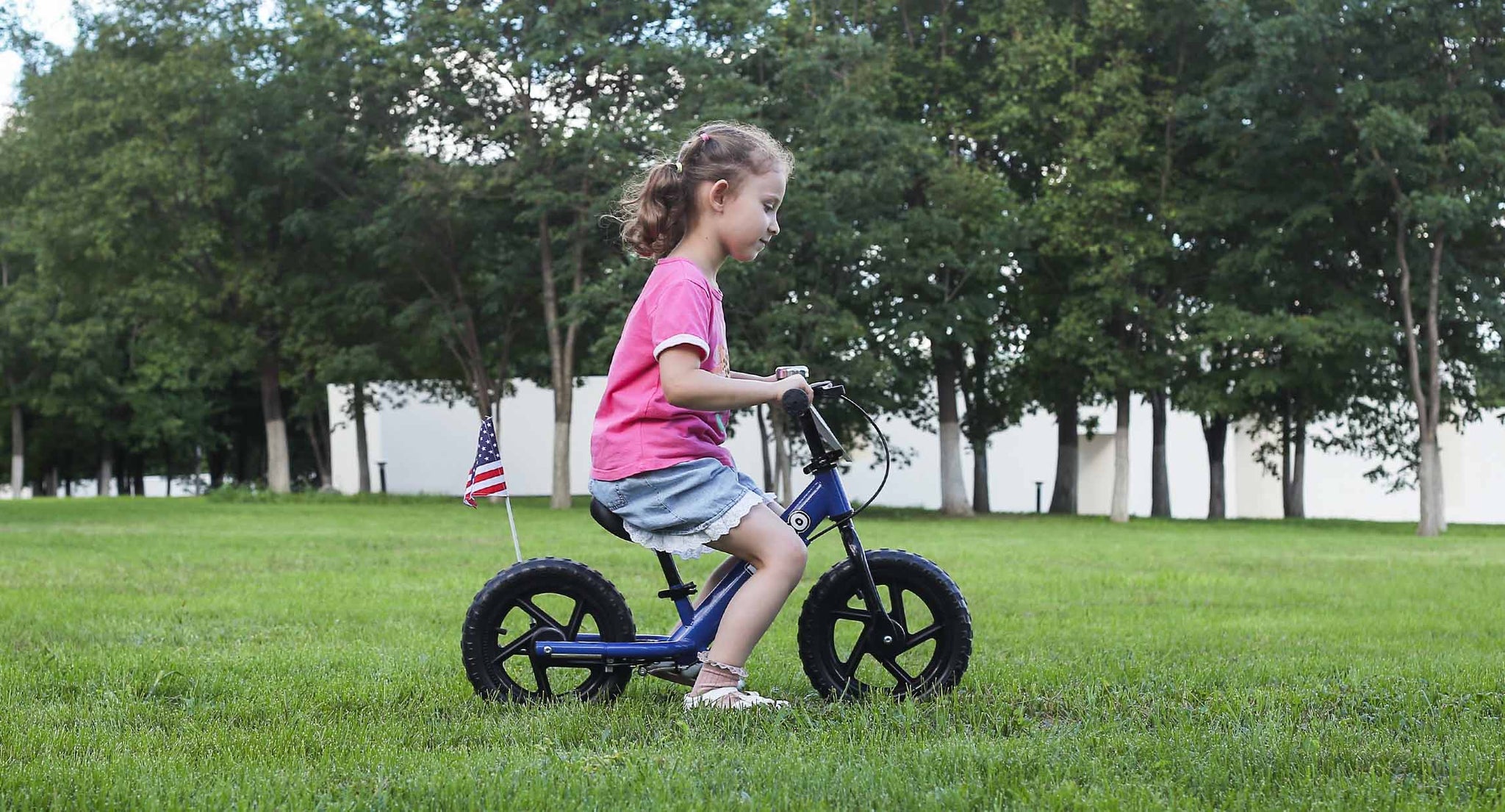
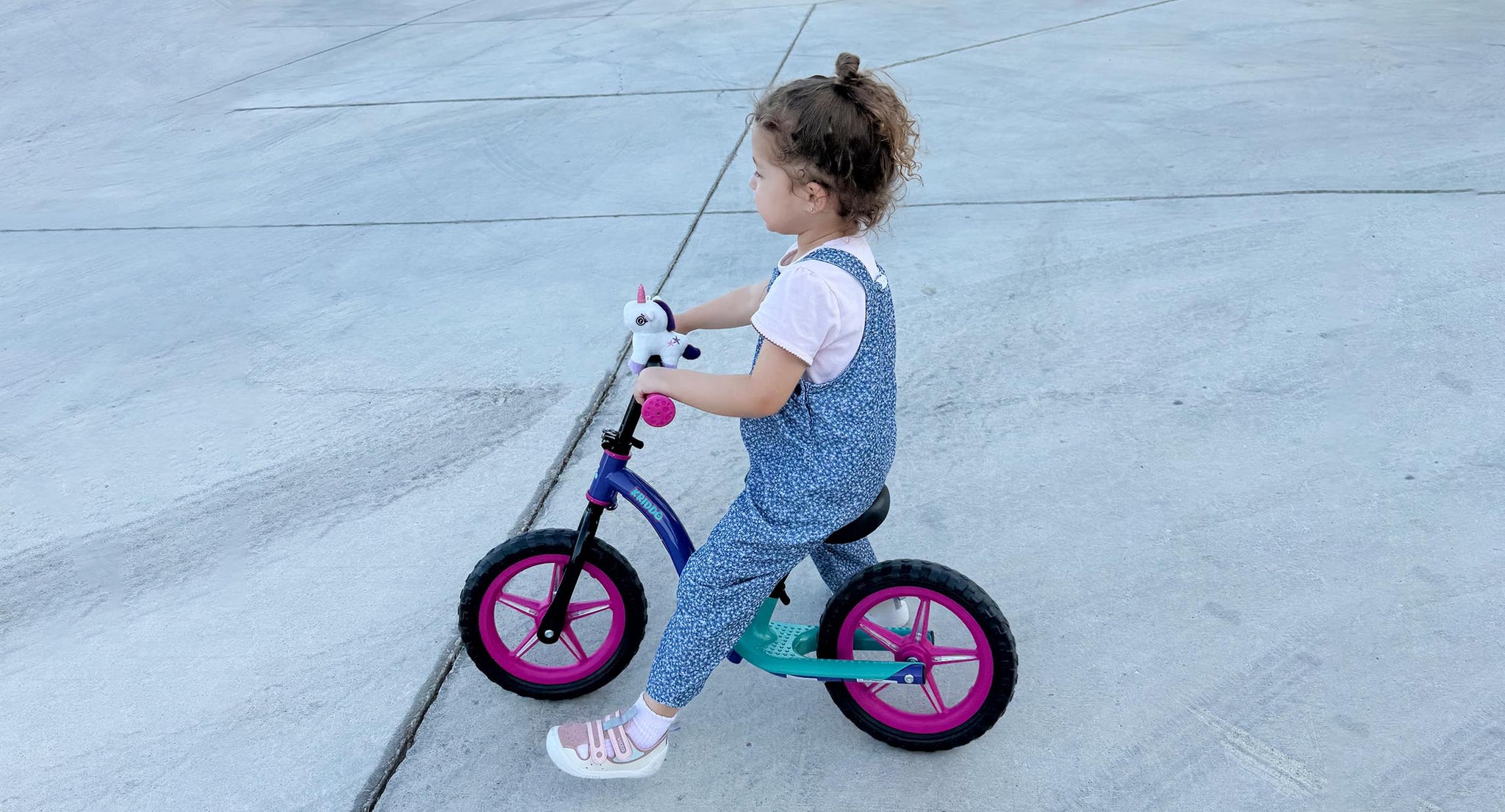
So, what is the purpose of a balance bike? At its core, a balance bike is a simple two-wheeled bike designed specifically for toddlers. No pedals. No chain. No gears. Just a lightweight frame, two wheels, and a child using their own feet to glide forward and learn the most important skill in cycling: balance.
It sounds almost too simple. And yet, that simplicity is exactly the point.
First Things First: What Is a Balance Bike, Really?

A balance bike strips away the mechanics that overwhelm young children. Traditional bikes ask kids to pedal, steer, and balance all at once. That’s a lot for a 2-year-old brain and body.
A balance bike separates the hardest part—balancing—from everything else. Children push off with their feet, coast, stop when they want, and gradually learn how their body shifts affect the bike. There’s no fear of tipping from pedal resistance. No training wheels teaching a false sense of stability.
It’s just movement and control. Pure and simple.
And beyond mobility, riding becomes one of the earliest joyful forms of exercise for children. Many families see it as a gateway to lifelong physical activity.
The Real Purpose of a Balance Bike:
Building Movement from the Ground Up
Balance bikes aren’t just toys. They’re early mobility tools.
- Balance and coordination from an early age
- Gross motor skills through pushing, gliding, and steering
- Core strength that supports posture and overall stability
- Body awareness, especially during turns or obstacle navigation
Because they’re lightweight and easy to maneuver, toddlers feel in control. And when a child feels in control, learning accelerates.
Interestingly, kids who start on balance bikes often skip training wheels entirely. They transition to pedal bikes smoothly because they’ve already mastered the hardest piece of the puzzle — as long as you choose the right balance bike.
“Wait, Can It Really Help with Communication?”
Surprisingly, yes.
This is where things get interesting.
Movement-based play stimulates more than muscles—it engages the brain in ways that support language development and social skills.
Here’s how:
- Turn-taking and social interaction naturally happen during group riding
- Action words like “go,” “stop,” “fast,” and “slow” become real-world learning moments
- Simple riding tasks strengthen listening comprehension
- Shared attention builds when caregivers point out paths or obstacles
For children with mild language delays or sensory processing differences, movement can act as a regulating strategy. When their bodies feel organized, their attention improves. When attention improves, communication follows.
You wouldn’t necessarily expect a small two-wheeled bike to influence early language skills. But development rarely happens in isolation. It’s all connected.
Coordination and Sensory Integration—More Than Just Riding

A balance bike also supports sensory integration in subtle but powerful ways.
- Vestibular input from gliding helps regulate the sensory system
- Bilateral coordination develops as feet push and hands steer simultaneously
- Grip strength improves through steady handlebar control
- Spatial awareness sharpens while navigating around objects
These may sound like clinical terms, but they translate into everyday confidence. Kids feel steady. They trust their movements. And that confidence spills into other activities—climbing, running, even sitting still during story time.
There’s also something quietly powerful about independence. When a child can move themselves forward without help, even just a few feet, you can see their posture shift. It’s pride. It’s autonomy.
And yes, that matters.
“Is a Balance Bike Worth It?” Let’s Be Honest
Some parents hesitate.
“Balance bikes are expensive.”
“My child can just learn on a regular bike.”
“They’re not meant for long rides.”
All fair concerns.
A quality balance bike typically costs more upfront than a basic pedal bike with training wheels. But here’s the thing—it lasts. Many models grow with a child for years thanks to adjustable seats and handlebars.
Take KRIDDO’s balance bike collection. Adjustable components mean one bike can fit a child from age two through five. That’s not a short window.
And in many cases, children who master a balance bike transition to a standard pedal bike in days, not months. The overall learning curve shortens dramatically.
So while it’s not built for cross-country rides—it’s not meant to be—it serves its purpose extremely well: teaching balance efficiently and safely.
A Closer Look at a Parent-Favorite Option
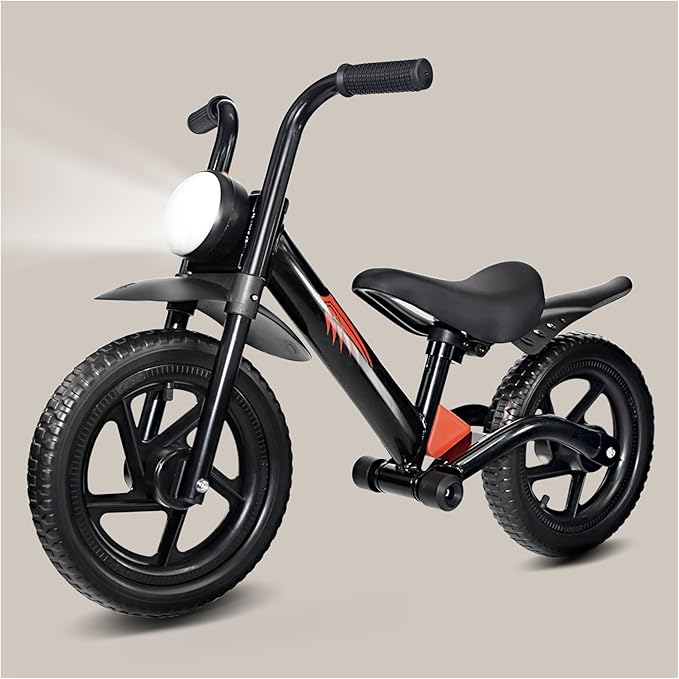
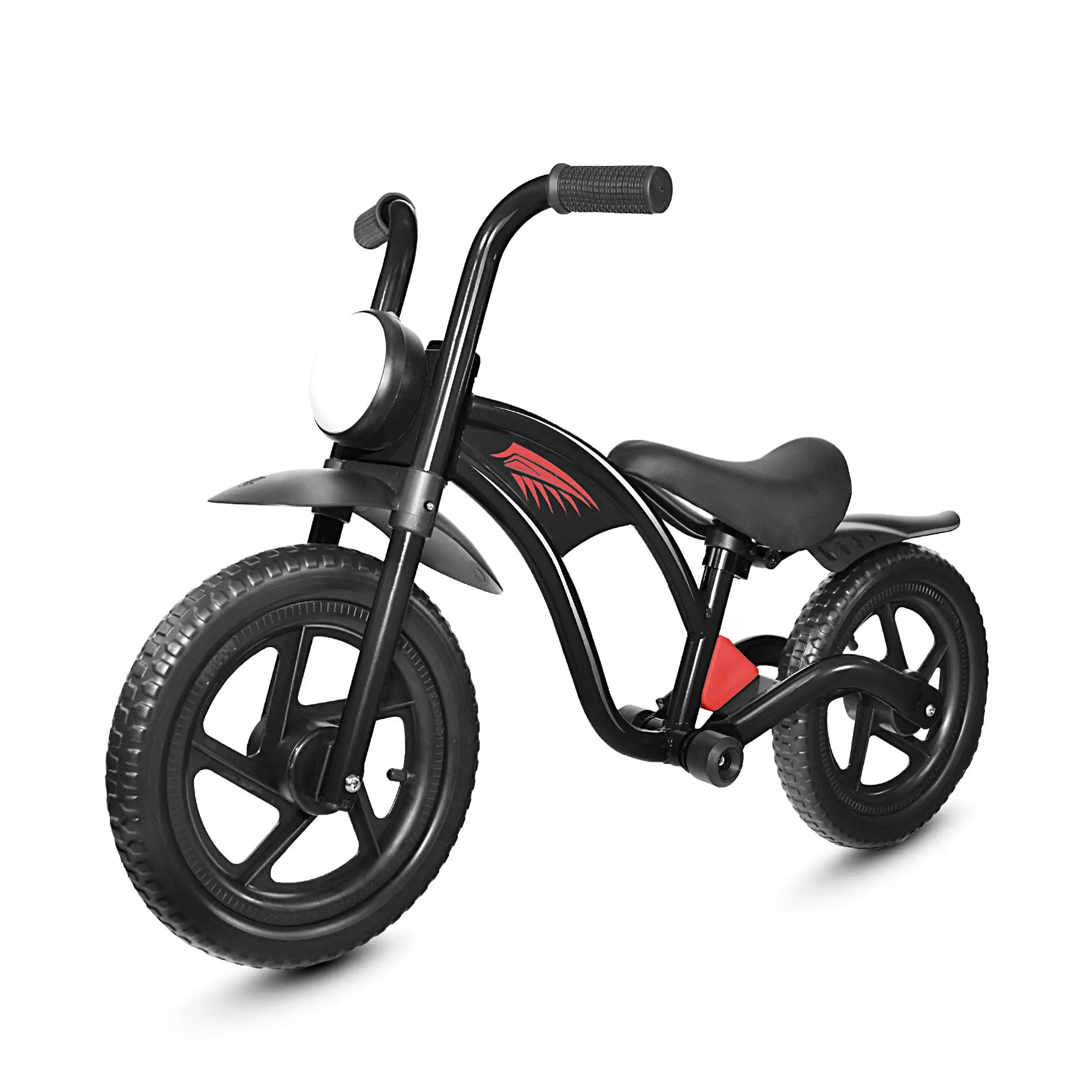
One standout model that checks many practical boxes is the KRIDDO balance bike with footrest.
The Emotional Side of Riding
Let me shift gears for a second.
There’s something deeply nostalgic about watching a child learn to ride. It’s one of those universal milestones—like first steps or first words. A balance bike gently sets the stage for that moment.
Instead of fear, there’s curiosity.
Instead of wobbling frustration, there’s experimentation.
Instead of relying on training wheels, there’s genuine balance.
And when they finally lift their feet and glide? It feels almost cinematic.
That early success builds resilience. Kids fall, adjust, try again. The stakes are low. The lessons are big.
Honestly, it’s not just about bikes. It’s about teaching children that they’re capable.
So, What Is the Purpose of a Balance Bike?

If we boil it down:
The purpose of a balance bike is to teach young children how to balance on two wheels in the safest, most intuitive way possible—while building motor skills, confidence, coordination, and independence along the way.
It’s not a long-distance vehicle.
It’s not a complex machine.
It’s a learning tool disguised as fun.
And sometimes, the simplest tools are the most effective.