







What Is Considered Toddler Age?
A Parent's Guide to the Toddler Years
Camilla | 30th, June
One day your baby is happily crawling across the living room, and the next they're wobbling across the floor with determined little steps. It happens so quickly that many parents find themselves wondering, what is considered toddler age?
If you've asked yourself that question, you're not alone. The toddler years are one of the most exciting—and exhausting—stages of childhood. Between first words, endless curiosity, emotional outbursts, and growing independence, children change almost daily.
Understanding what is considered toddler age can help you set realistic expectations, support your child's development, and enjoy this unforgettable stage a little more.
What Is Considered Toddler Age?

Officially, toddler age begins around a child's first birthday and continues until they turn 3 years old.
The name "toddler" comes from the unsteady way young children first learn to walk. Most babies take their first independent steps sometime between 12 and 18 months, marking the beginning of this exciting new chapter.
By age 3, most toddlers have developed stronger language skills, better emotional expression, and much greater independence than they had just two years earlier.
Quick Summary
- Toddler age: 1–3 years old
- Young toddler: 12–24 months
- Older toddler: 2–3 years old
Although every child develops at their own pace, these age ranges provide a helpful guide for parents.
Key Developmental Milestones During Toddler Age
When people ask what is considered toddler age, they're often really asking what children typically learn during these years. The answer is: quite a lot.
Physical Development
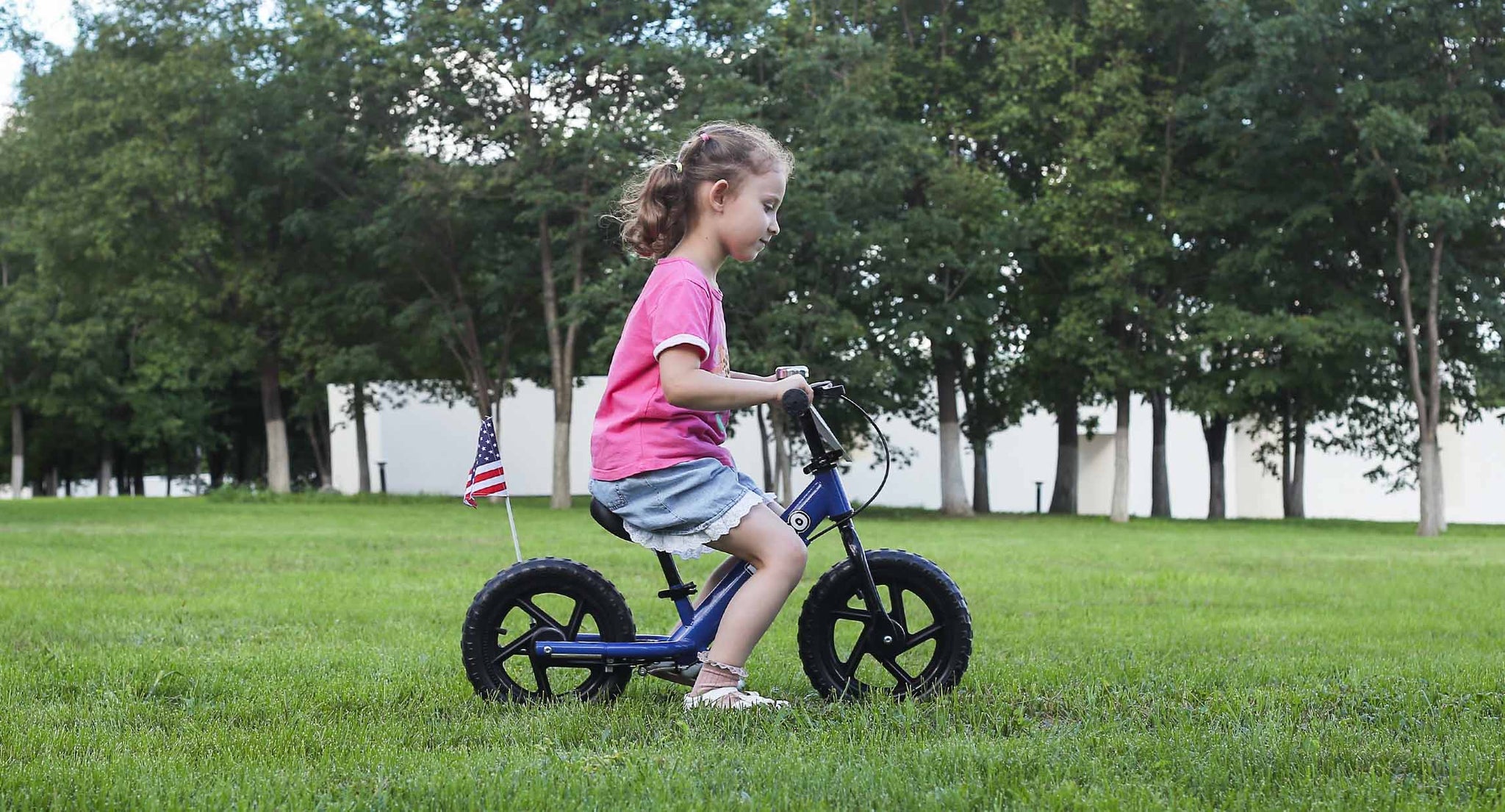
Toddlers are constantly moving. Walking soon turns into running, climbing, jumping, and exploring every corner of the house.
Fine motor skills improve as well. Children begin stacking blocks, turning book pages, feeding themselves, and scribbling with crayons.
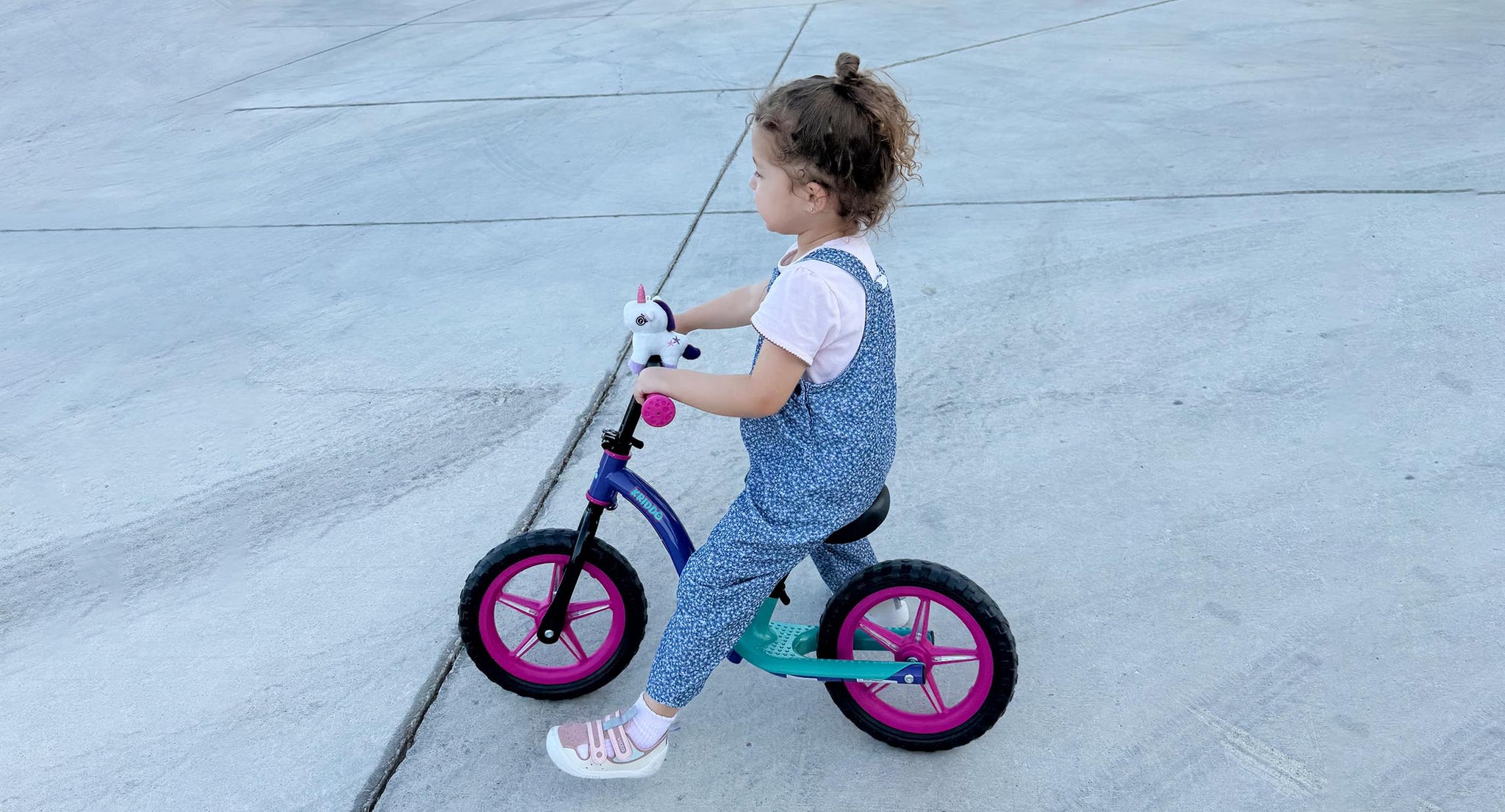
Keeping active is an important part of healthy development. Simple toddler physical activities that actually burn energy can help strengthen muscles while giving little ones a healthy outlet for all that endless energy.
Cognitive Development
During toddlerhood, the brain develops at an incredible pace.
Children begin to:
- Solve simple problems
- Follow one- or two-step directions
- Remember routines
- Understand cause and effect
- Recognize familiar people and objects
Their curiosity seems endless, which explains why "Why?" quickly becomes one of their favorite words.
Language Development
Language growth during toddlerhood is remarkable.
Between ages 1 and 2, many toddlers begin:
- Pointing to familiar objects
- Saying two-word phrases
- Following simple requests
- Naming family members
By age 3, many children know 200 words or more and can speak in short conversations.
Social and Emotional Development
This stage brings exciting emotional growth—but also some challenging moments.
Toddlers begin recognizing their own feelings and noticing the emotions of others. At the same time, they still struggle with self-control, which is why tantrums are so common.
If you're currently navigating those emotional storms, learning how to handle toddler tantrums can make outdoor adventures much less stressful.
Baby vs. Toddler vs. Preschooler: What's the Difference?

Understanding the differences between each developmental stage helps parents adjust their expectations.
Babies (0–12 Months): Building Trust
Babies rely completely on caregivers for feeding, comfort, movement, and emotional security.
Most learning happens through the senses. They respond to voices, faces, touch, and daily routines while building strong emotional bonds with trusted adults.
A secure attachment during infancy lays the foundation for healthy emotional development later.
Toddlers (1–3 Years): Learning Independence
This is where children begin exploring the world on their own.
Walking becomes running. Climbing becomes an adventure. Every cabinet suddenly looks interesting.
Language develops rapidly, but toddlers still struggle to express exactly what they want. Honestly, that's one of the biggest reasons tantrums happen. They understand more than they can say, and that gap can be frustrating.
Preschoolers (3–5 Years): Growing Social Skills
By preschool age, children become much more coordinated and independent.
They're better able to:
- Follow rules
- Take turns
- Cooperate with friends
- Express feelings with words
- Participate in structured learning
Sharing, which feels almost impossible for many toddlers, gradually becomes easier as preschoolers develop empathy and impulse control.
Signs Your Toddler Is Growing and Learning
One of the joys of parenting during toddler age is watching constant progress.
You might notice your child:
- Never sitting still and always exploring something new
- Running more smoothly than they did just a few months ago
- Learning to avoid obstacles while walking
- Becoming interested in choosing favorite games and activities
- Wanting to do everyday tasks without help
- Copying everything adults do—even the things you'd rather they didn't
Sometimes those little moments catch parents by surprise.
One day your toddler insists on putting on their own shoes. It may take ten minutes and end with the shoes on the wrong feet, but they're practicing independence. That's exactly what toddlerhood is all about.
Supporting Healthy Toddler Development
As your child grows, your role shifts from doing everything for them to helping them explore safely.
Some simple ways to support development include:
- Encourage outdoor play whenever possible.
- Rotate activities to keep them interested.
- Allow safe opportunities for independence.
- Read together every day.
- Talk through daily routines using simple language.
- Praise effort instead of perfection.
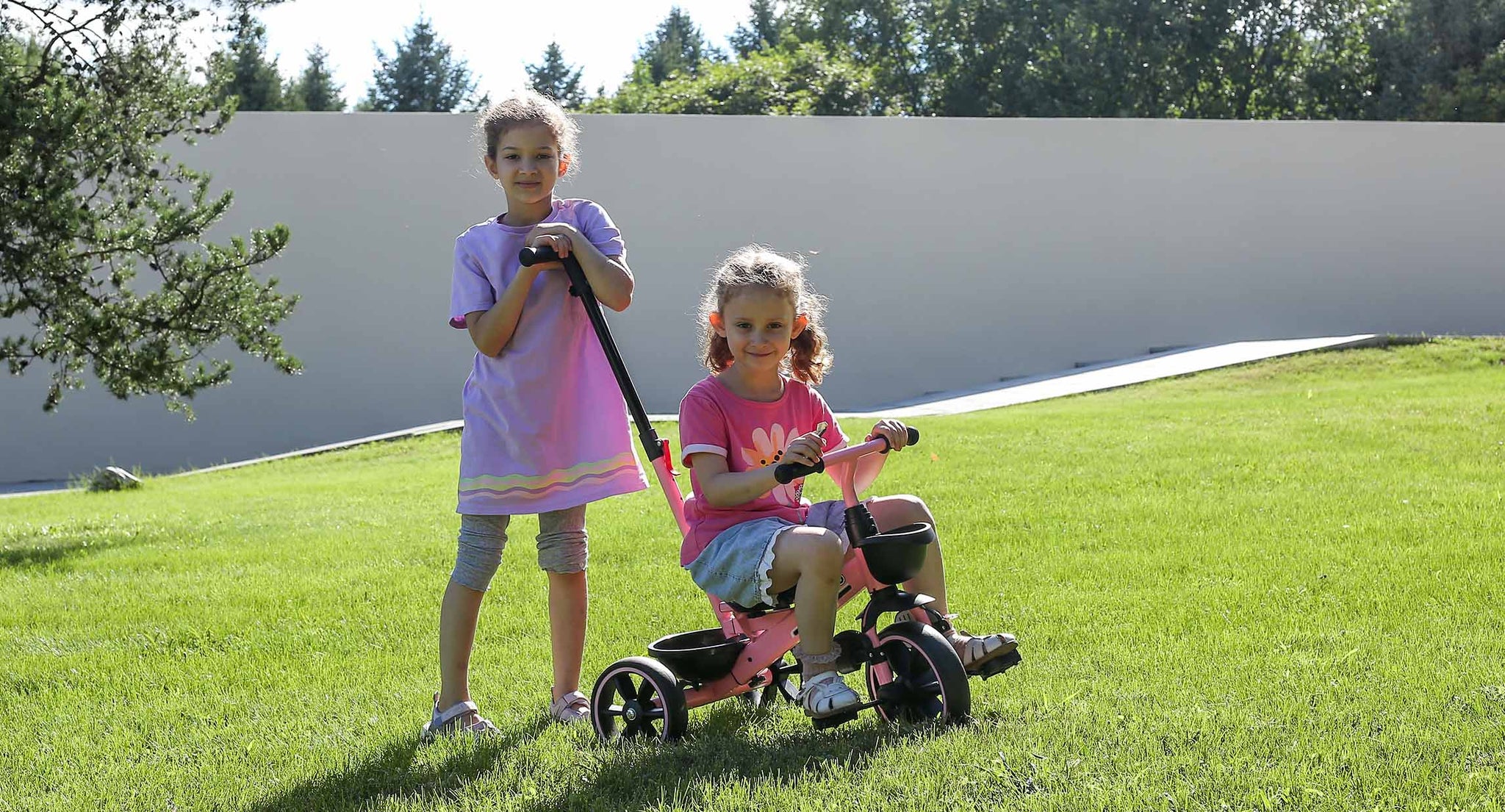
Outdoor spaces like parks, backyards, and playgrounds often give toddlers more room to move safely than crowded indoor spaces filled with furniture and sharp corners.
When Should Parents Pay Closer Attention?

Every child develops differently, so milestone timelines naturally vary.
However, it's worth discussing concerns with your pediatrician if your toddler rarely:
- Makes eye contact
- Responds to their name
- Points to show interest
- Follows your pointing gesture
- Smiles socially
- Enjoys physical affection
- Interacts with other people
These behaviors are important parts of social communication. Missing several of them doesn't automatically mean something is wrong, but early evaluation can be helpful if concerns continue.
Final Thoughts on Toddler Age
So, what is considered toddler age?
The answer is simple: between ages 1 and 3. But those two years represent one of the biggest periods of growth your child will ever experience.
Your toddler will learn to walk, talk, explore, solve problems, express emotions, and discover their own personality—all in what feels like the blink of an eye.
Some days will feel chaotic. Others will leave you wondering where your baby went. Honestly, that's part of raising a toddler. Every new milestone is another reminder that they're growing exactly as they're meant to.