




7 Toddler Physical Activities That Actually Burn Energy
Lucas | 8th, May
If you live with a toddler between 2 and 4 years old, you already know something important: these tiny humans never stop moving.
One minute they’re climbing the couch like a mountain explorer. The next minute they’re sprinting barefoot through the hallway carrying half a banana and a toy dinosaur for some reason.
Honestly, keeping up with toddlers can feel like a full-body workout for parents too.
But here’s the surprising part — young children actually need that movement. Toddlers and preschoolers benefit from hours of active play every day, and not just one type of movement either. They need opportunities to jump, climb, balance, pedal, dance, crawl, and explore in different ways.
The tricky part? Finding toddler physical activities that are simple enough for everyday life.
Because let’s be real. Most parents aren’t trying to create a perfect obstacle course every afternoon. We just want activities that help kids move their bodies, build skills, and maybe — hopefully — burn enough energy to make bedtime slightly easier.
Sometimes the Living Room Becomes the Best Playground

One rainy afternoon, I turned couch cushions into stepping stones just to survive the last hour before dinner.
I didn’t expect it to become my child’s favorite game for the entire week.
That’s the funny thing about toddler physical activities. They don’t have to be fancy. Toddlers are usually happiest when simple things become adventures.
An indoor obstacle course is one of the easiest ways to encourage movement while helping children develop coordination and confidence. You can keep it incredibly basic:
- Jump from cushion to cushion
- Crawl under a coffee table
- Wiggle through a blanket fort
- Walk along tape lines like a balance beam
- Toss stuffed animals into a laundry basket
And suddenly your house becomes an obstacle challenge worthy of Olympic commentary.
The best part is how easily you can adjust it for different ages and abilities. Some toddlers love jumping challenges, while others prefer crawling or balancing activities.
Honestly, kids rarely care if it looks perfect.
Riding Balance Bikes and Tricycles Builds More Than Coordination
Few toddler physical activities keep kids engaged longer than riding toys.
A toddler who refuses to walk through the grocery store parking lot will somehow happily ride for thirty straight minutes outside.
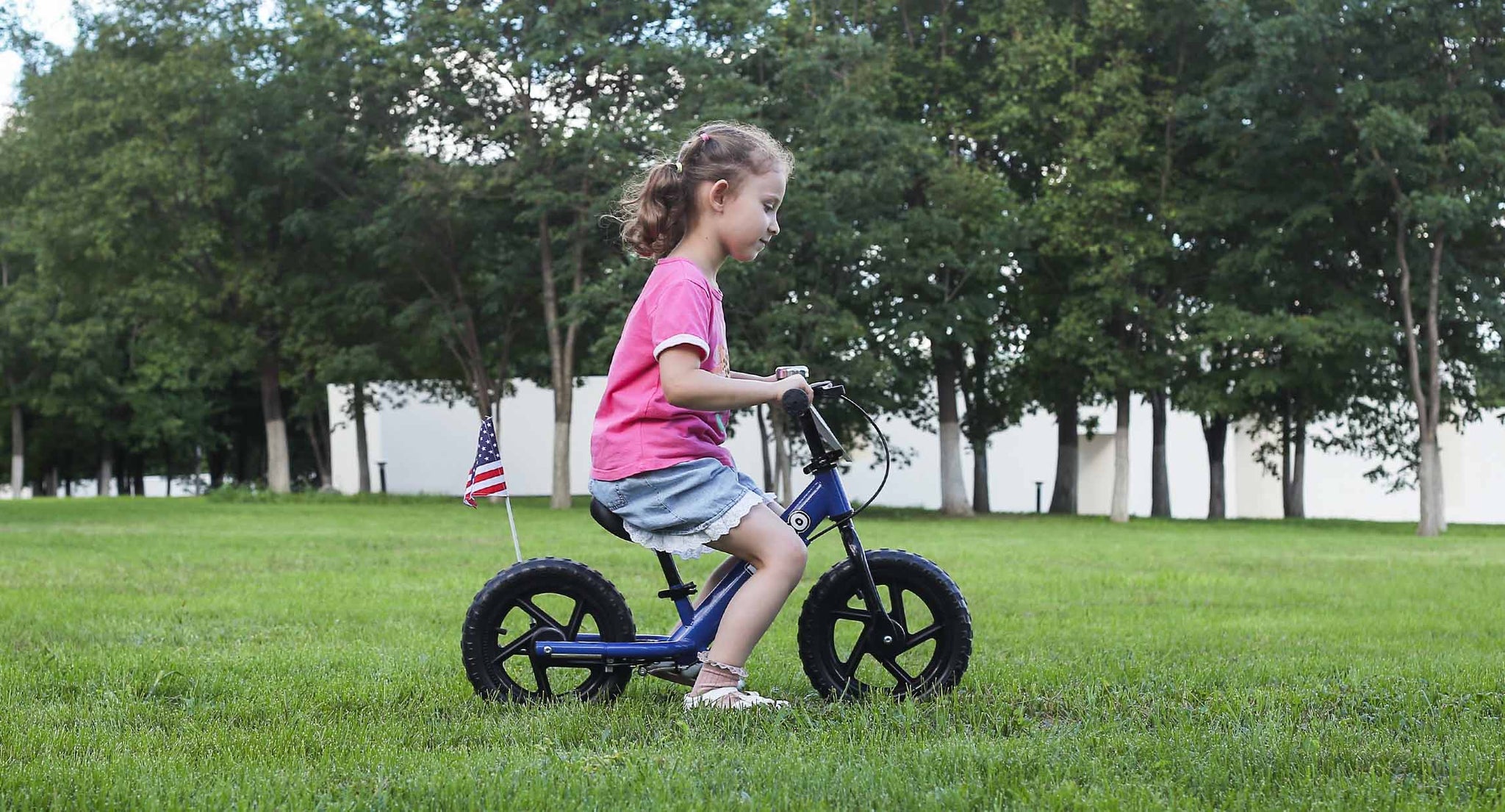
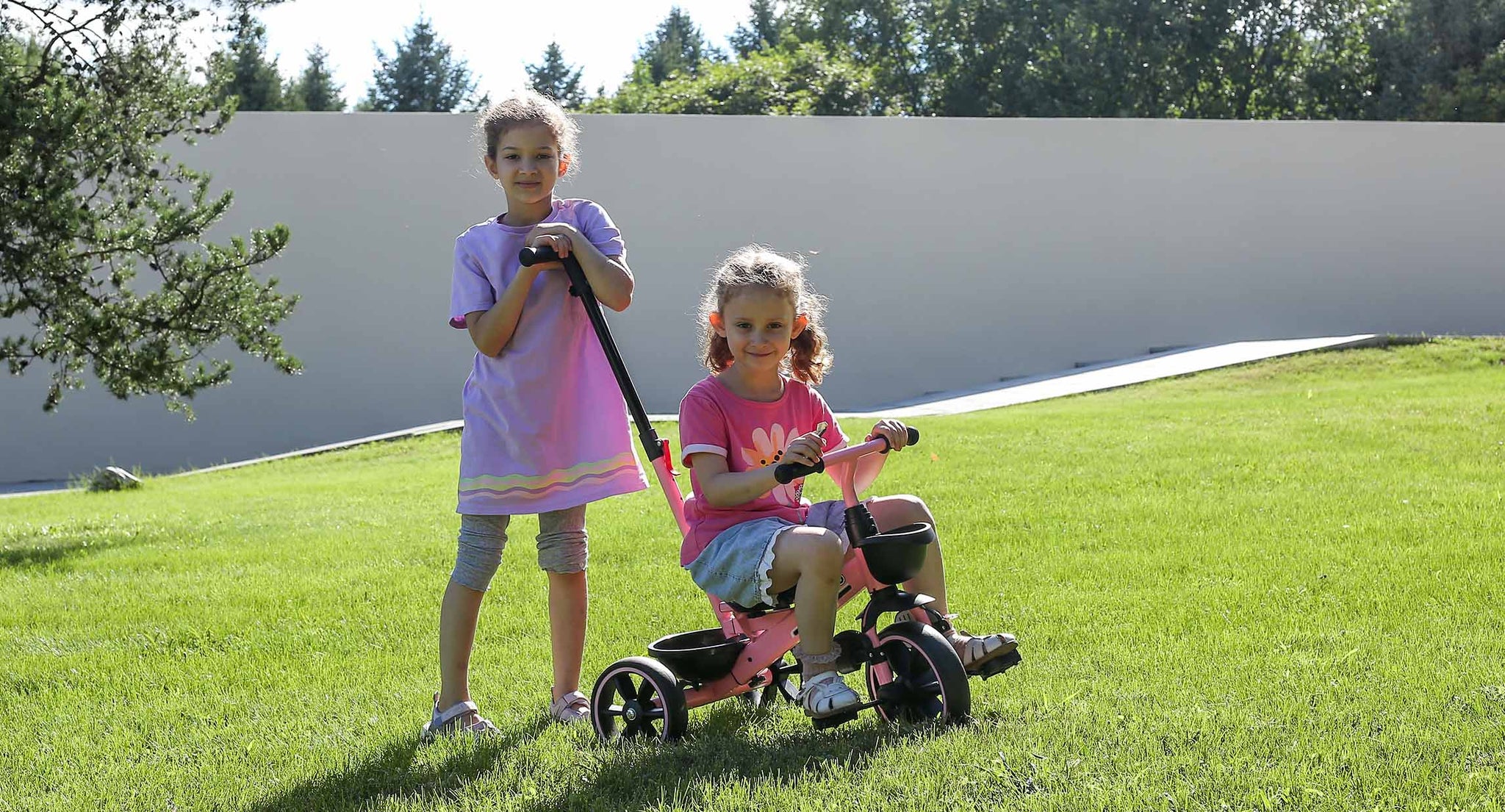
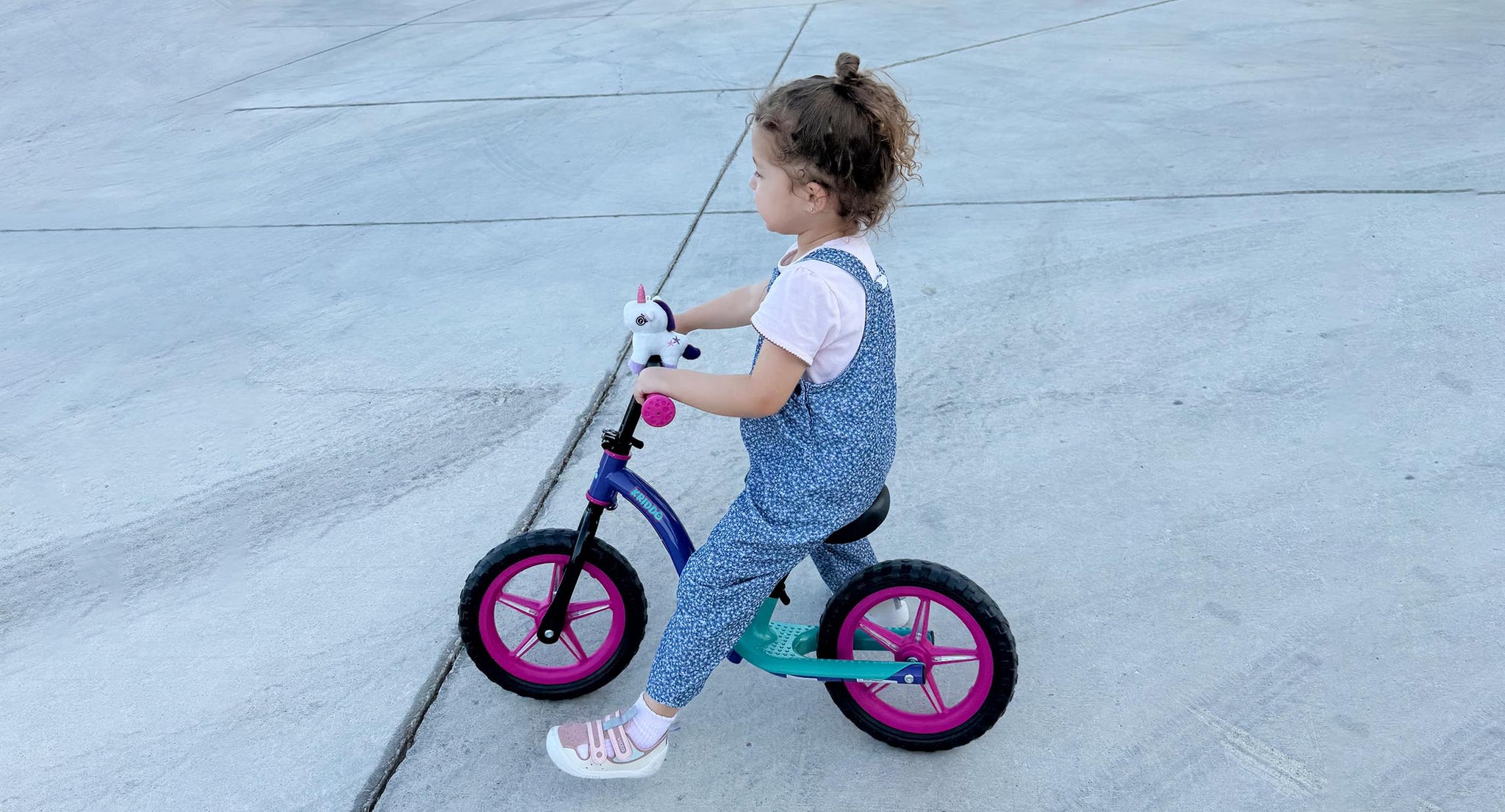
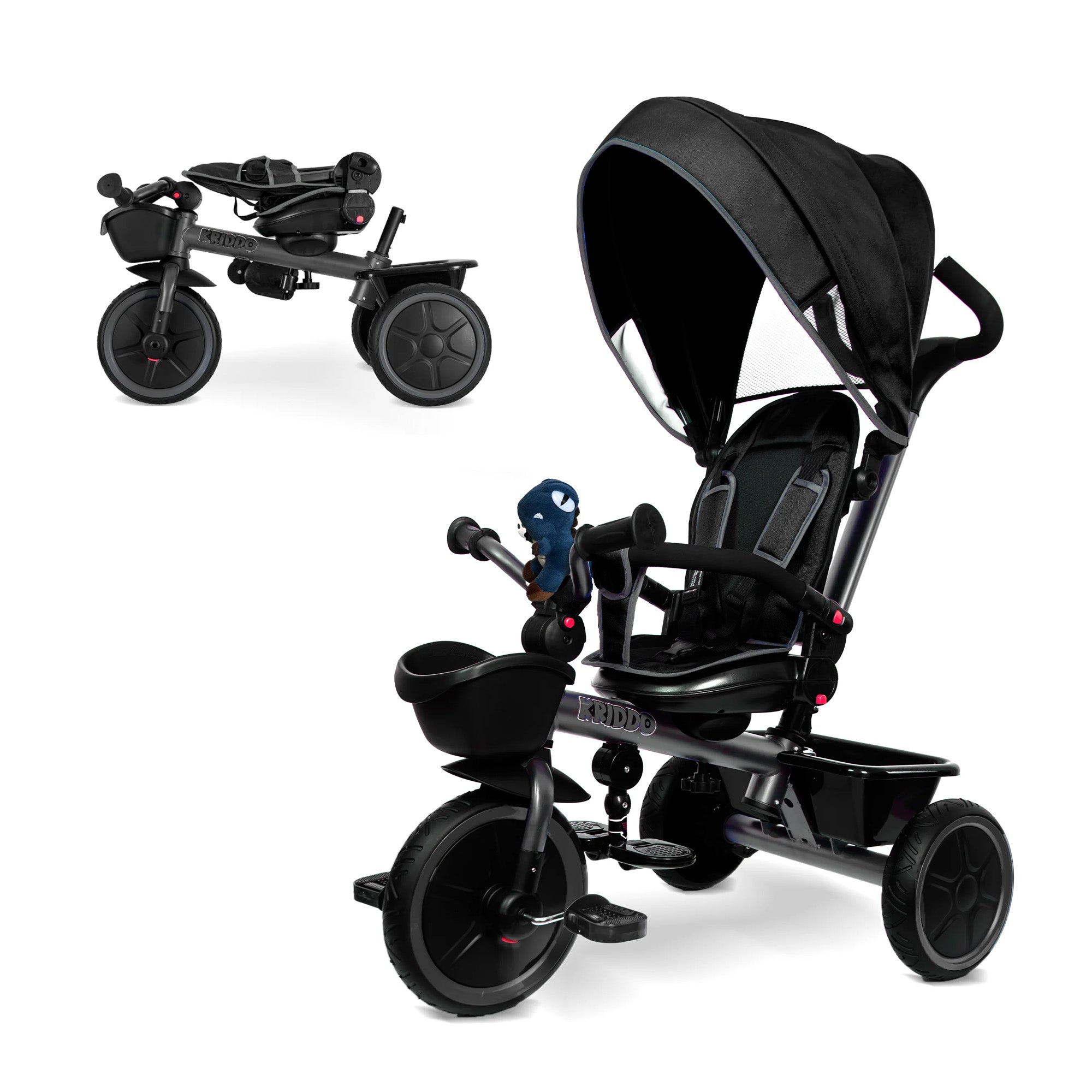
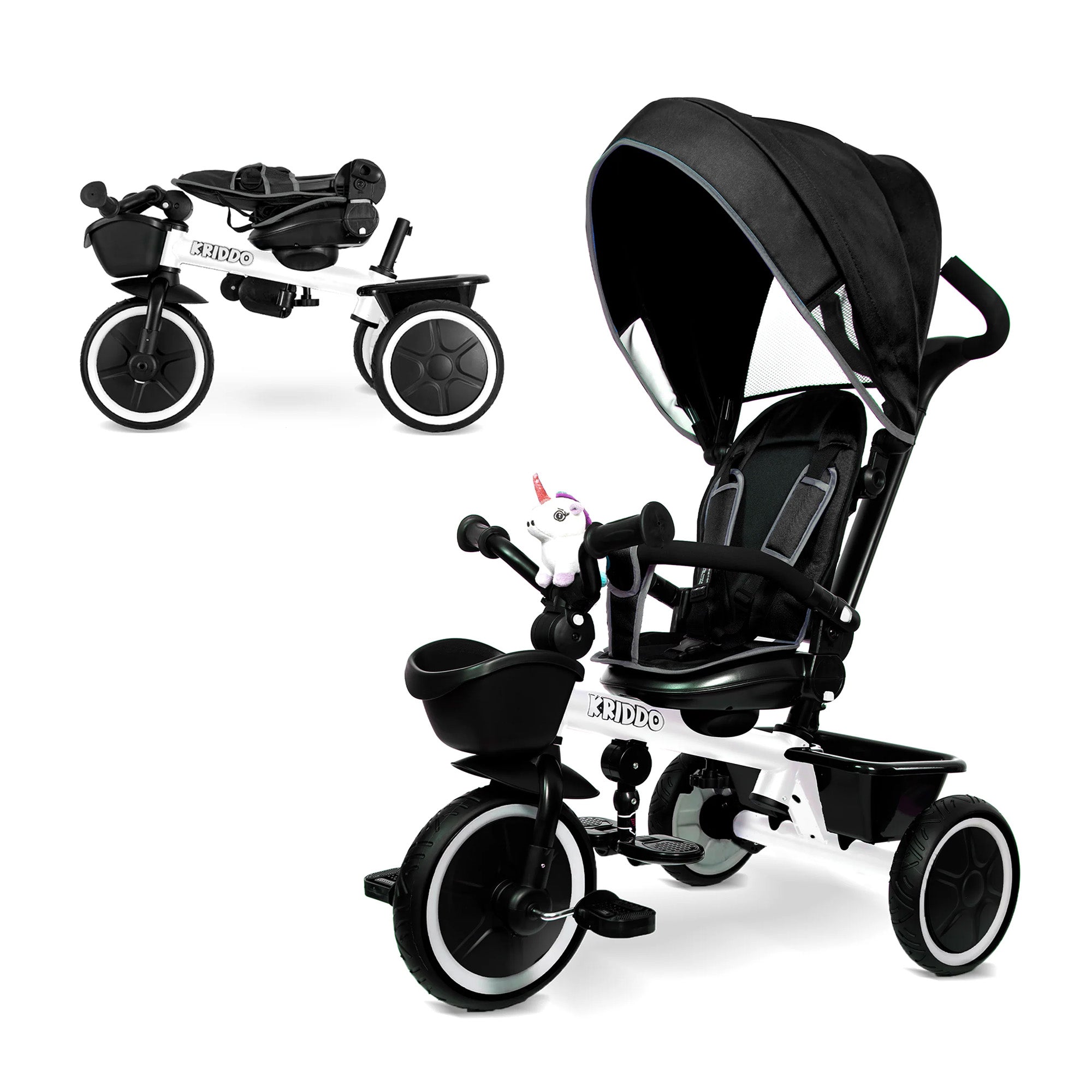
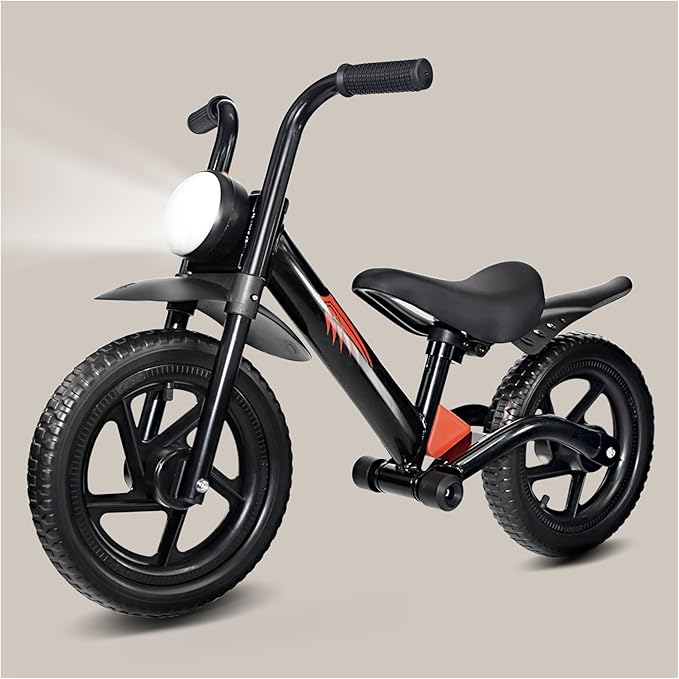
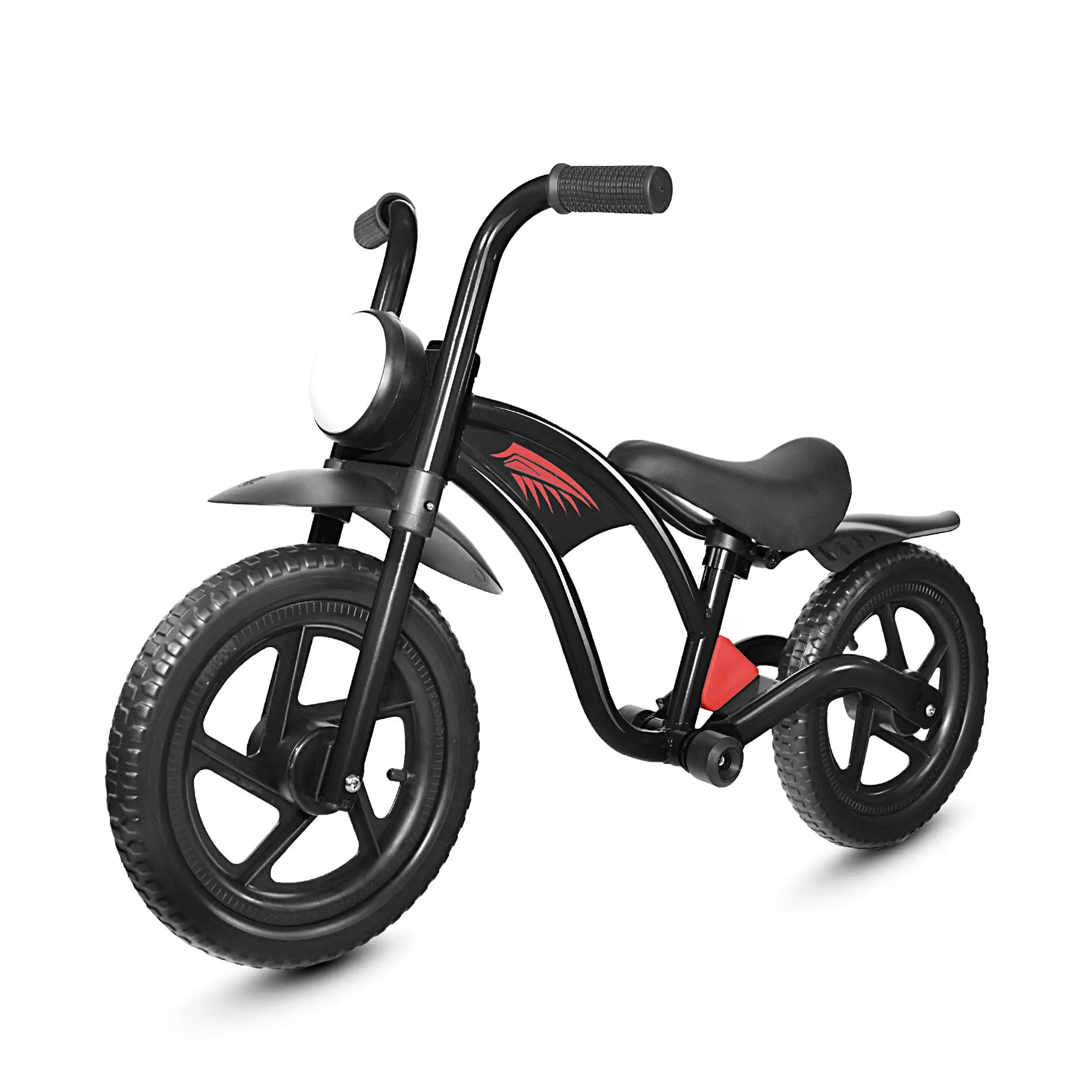
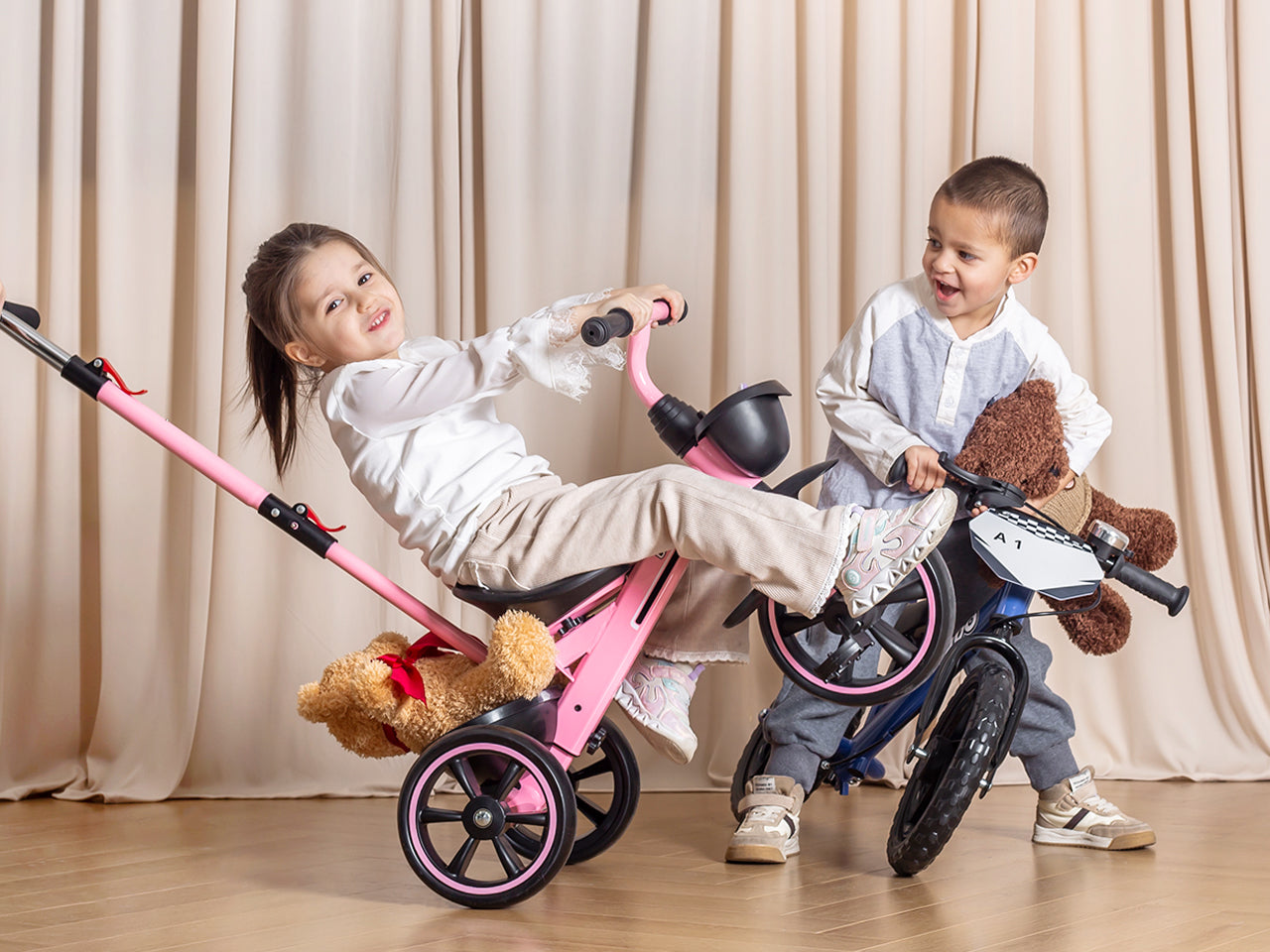
That’s why many parents love using balance bikes for toddlers or beginner tricycles for young children. They help kids stay active while naturally developing balance, coordination, and lower-body strength.
And honestly, there’s something really rewarding about watching children figure it out themselves.
At first, they wobble everywhere. Their steering makes absolutely no sense. Then suddenly one day, they glide across the sidewalk with complete confidence.
Getting on and off the bike helps with balance. Pedaling strengthens muscles. Steering improves coordination and body awareness.
It’s movement disguised as play, which is usually the sweet spot for toddlers.
And if you’re trying to reduce screen time, outdoor riding helps tremendously. Some parents find that replacing even thirty minutes of screen use with active outdoor play changes the whole mood of the day. KRIDDO also shared several realistic ideas for reducing screen time for toddlers without constant battles, which honestly feels refreshing because parenting advice can sometimes feel impossible to follow.
Walking the “Tightrope” Is Surprisingly Fun
You know what toddlers love? Pretending.
One strip of tape on the floor can suddenly become:
- A pirate bridge
- A jungle path
- A river crossing
- A tightrope over lava
That imagination piece matters more than we sometimes realize.
Simple balance activities are wonderful toddler physical activities because they strengthen coordination and body control without kids even noticing they’re practicing skills.
Just place tape or a rope across the floor and invite your child to walk carefully along the line. Stretching arms out for balance makes the activity even better.
You can also make it harder gradually:
- Walk slowly
- Walk backward
- Tiptoe
- Take giant steps
- Jump across “rivers” between tape lines
Honestly, toddlers usually add their own rules anyway.
Freeze Dance Somehow Never Gets Old
There are very few activities that work for almost every toddler mood.
Freeze dance is one of them.
Energetic mood? Great.
Cranky mood? Weirdly still works.
Rainy afternoon? Perfect.
Freeze dance combines movement, listening, balance, and self-control all at once. Kids dance wildly while music plays, then freeze the second it stops.
And yes, most toddlers continue wiggling even after “freezing.” That’s part of the fun.
This is one of those toddler physical activities that helps children:
- Practice listening skills
- Improve coordination
- Build body awareness
- Learn impulse control
- Burn serious energy indoors
Honestly, adults usually end up joining too.
Playgrounds Still Matter More Than Fancy Toys

Sometimes I think parents put too much pressure on themselves to constantly create activities.
Because honestly? A playground already does most of the work.
Playgrounds remain one of the best toddler physical activities because they allow children to move naturally and independently. Climbing, swinging, sliding, balancing, crawling — it all happens organically.
And unlike structured sports, playground play gives toddlers freedom to experiment.
One child might spend twenty minutes climbing the same ladder repeatedly. Another may invent an imaginary bakery under the slide.
Both are learning.
What’s especially nice about playgrounds is that children can choose movement that feels comfortable for them. There’s less pressure and more exploration.
Walking on Lines Helps Build Confidence Slowly
Some toddlers absolutely love sports and movement right away.
Others need quieter, lower-pressure activities first.
That’s why simple line-walking games work so well, especially for children who aren’t naturally drawn to sports yet. KRIDDO shared thoughtful ideas for kids who don’t like sports, and honestly, it’s reassuring to remember that movement doesn’t have to look competitive.
To try this activity:
- Use chalk outside or tape indoors
- Create straight or curved lines
- Encourage kids to walk without stepping off
Then switch it up:
- Slow walking
- Fast walking
- Tiptoe walking
- Sideways walking
Simple? Yes.
But toddlers love challenges that feel achievable.
And confidence grows from small successes.
Pulling Objects Builds Strength Without Complicated Equipment
Toddlers naturally enjoy dragging random things around the house anyway.
Laundry baskets. Blankets. Stuffed animals. Tiny chairs.
So turning that instinct into an activity is surprisingly easy.
Tie a lightweight object to a rope and let your child pull it toward themselves or across a room. This type of movement strengthens arms, improves coordination, and encourages full-body effort.
You can make it playful too:
- Pretend they’re rescuing treasure
- Delivering supplies
- Pulling animals through snow
- Driving a train
Honestly, toddlers care more about the story than the activity itself.
Toddler Physical Activities Don’t Need to Be Complicated

This is probably the biggest thing I’ve learned as a parent: toddlers don’t need elaborate plans.
They just need opportunities to move.
Some days that means obstacle courses in the living room. Other days it’s dancing in the kitchen or riding a balance bike down the sidewalk for the fifteenth time.
And honestly? That’s enough.
The goal isn’t creating perfect activities every day. It’s helping children build confidence in their bodies, develop coordination naturally, and enjoy movement while they’re still little enough to think jumping off couch cushions is the greatest thing ever.