









9 Real Life Tips:
How to Reduce Screen Time for Toddlers
Amily | 21st, Apr
I remember one afternoon when I just needed ten quiet minutes to finish cooking dinner. My toddler was fussy, I was tired, and handing over the tablet felt like the easiest solution. And honestly… it worked. Instantly calm, no complaints.
But later that night, turning the screen off? Total meltdown.
That was the moment I realized something had to change. Not because screens are “bad,” but because they were quietly taking over more than I intended.
If you’ve been wondering how to reduce screen time for toddlers, you’re definitely not alone. It’s a modern parenting puzzle—and there’s no perfect answer—but there are ways to make it easier and more natural.
How Much Screen Time Is Actually Okay?

Before figuring out how to reduce screen time for toddlers, it helps to know what’s considered “reasonable.”
According to the American Academy of Child and Adolescent Psychiatry, many children far exceed recommended limits—often spending 4–6 hours daily on screens, and even more as they get older.
For younger kids, general recommendations look like this:
- Under 2 years: avoid screens (except video calls)
- Ages 2–12: limit to about 1 hour per day
- Teens: around 2 hours recreational use
Now, if you’re reading that and thinking, “That’s… not what our house looks like right now,”—that’s okay. Most families don’t start at the ideal. The goal isn’t perfection. It’s progress.
Why Reducing Screen Time Matters More Than It Seems
At first, I thought screen time was just about “too much TV.” But it’s actually about what screens replace.
When toddlers spend less time on devices, they naturally:
- Move more (which supports physical development)
- Explore their environment
- Practice social interaction
- Learn how to handle boredom
And boredom? It’s surprisingly important.
Because that’s where creativity starts.
1. Don’t Use Screens as the Default Emotional Fix
This one is hard. Really hard.
When your child is upset, bored, or whining, screens feel like a quick solution. And sometimes, you just need that moment of peace. No judgment.
But here’s what I noticed: when screens became the go-to response, my toddler stopped learning how to sit with those feelings.
So instead, try building a small “backup plan”:
- A basket of special toys only used at certain times
- A few favorite books within reach
- Simple activities like stacking blocks or drawing
You don’t need something elaborate. You just need something available.
Over time, your child starts to learn:
“I can handle this without a screen.”
2. Create Clear “No-Screen” Moments

One of the simplest ways to reduce screen time for toddlers is to define when screens are not part of the day.
In our house, that became:
- Mealtime
- A few favorite books within reach
- The hour before bed
At first, there was resistance. A lot of it. But after a week or two, something interesting happened—it became predictable.
And toddlers love predictability, even when they pretend they don’t.
Instead of screens, we started leaning into simple alternatives like going outside. Even a short walk or backyard play session made a difference. Outdoor activities naturally encourage movement and curiosity.
Fresh air changes everything. It resets moods—for kids and parents.
3. Hold the Boundary (Even When It’s Uncomfortable)
Let’s talk about the hardest part: saying “no” and sticking to it.
Because once you give in—“Okay, just one more episode”—your toddler learns something very quickly:
Crying = more screen time.
And they will test that theory again. And again.
So when screen time ends, try to:
- Give a warning (“5 more minutes”)
- Follow through consistently
- Stay calm, even if they aren’t
This doesn’t mean there won’t be tears. There probably will be.
But consistency builds trust. Eventually, your child understands that the limit is real—not negotiable every time.
4. Let Them Be Bored (Yes, Really)
This one felt counterintuitive to me at first.
When my toddler said, “I’m bored,” my instinct was to fix it immediately. Offer something. Suggest something. Solve it.
But here’s the thing: boredom isn’t a problem. It’s a starting point.
When kids don’t have constant stimulation, they begin to:
- Invent games
- Explore their surroundings
- Use imagination
I’ve seen it happen. After a few minutes of complaining, my toddler suddenly starts building something random or pretending a spoon is a rocket ship.
That shift? It only happens when we step back a little.
5. Use a Timer (It Works Better Than You Think)
I didn’t expect this to work as well as it does.
If I say, “Time’s up,” it feels personal. Negotiable. Emotional.
But when a timer goes off? It’s neutral. Final.
Try this:
- Set a 5–10 minute timer before screen time ends
- Let your child hear it start
- Remind them once before it goes off
There’s something about the timer that feels… official. Almost like a third-party decision-maker.
And surprisingly, many kids accept it more easily than a parent’s voice.
6. Be Patient—Screens Are Designed to Be Addictive

This part changed how I approached everything.
Screens aren’t just “fun”—they’re designed to hold attention. Bright colors, fast movement, endless content…it’s a lot for a toddler brain.
So when your child struggles to turn it off, it’s not just defiance.
It’s biology.
If transitions are hard, try easing them:
- Give countdown warnings (5 minutes, 3 minutes, 1 minute)
- Sit next to them briefly before turning it off
- Talk about what they’re watching
Instead of pulling them away, you’re guiding them out.
It’s slower—but much smoother.
7. Check Your Own Screen Habits (Gently)
This one… yeah, it’s uncomfortable.
I realized I was telling my toddler to put down the tablet while I was scrolling my phone.
Kids notice that. Even if they don’t say it.
You don’t have to be perfect. But small shifts help:
- Put your phone away during playtime
- Avoid scrolling during meals
- Be present in short, intentional bursts
Modeling matters more than we think.
8. Replace Screen Time with Real-World Play
Reducing screen time only works if there’s something meaningful to replace it.
And no, it doesn’t have to be Pinterest-worthy.
Simple, active play is enough.
Things that worked for us:
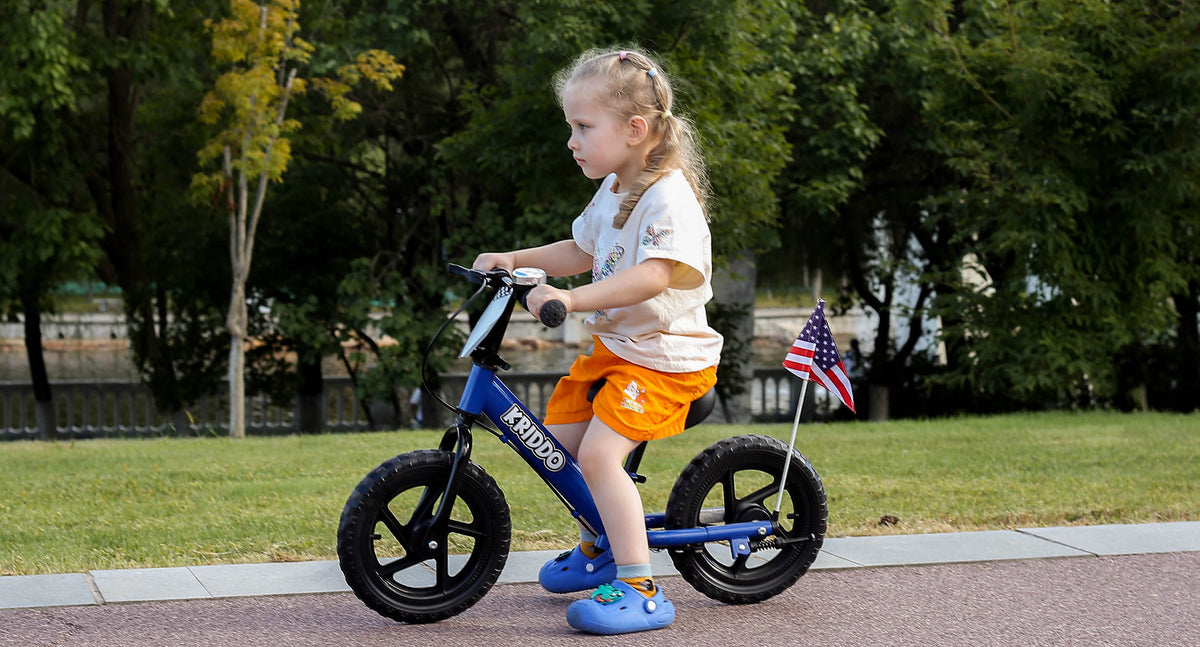
- Riding toys or beginner bikes
- Pushing, pulling, and climbing activities
- Open-ended toys that grow with the child
The key is movement + independence. When kids feel capable, they stay engaged longer.
9. Ease the Transition—Don’t Abruptly End It
One small change made a big difference for us.
Instead of saying, “Turn it off now,” I started sitting down next to my child for a moment.
Watching with them. Asking a question. Not interrupting—just joining.
“Who’s that character?”
“What’s happening here?”
At first, I wasn’t sure it would matter.
But it did.
That small connection helped shift their attention back to the real world—to me. And from there, turning off the screen felt less like a loss.
Final Thoughts

Figuring out how to reduce screen time for toddlers isn’t about strict rules or guilt. It’s about balance.
Some days will go well. Others won’t.
Sometimes you’ll rely on screens more than you planned—and that’s okay.
What matters is the overall direction:
- More real-world play
- More connection
- More space for your child to explore
Honestly, even small changes add up faster than you think.