




7 Affordable Sports for Kids That Keep Children Active
Diane | 11th, Aug
I still remember the first time my child asked to try a new sport. The excitement was obvious — they wanted to run, play, and be part of something new. But as a parent, my first thought was different: how much is this going to cost?
Between registration fees, equipment, uniforms, and lessons, children’s sports can quickly become expensive. Many parents want their kids to stay active and discover activities they enjoy, but the financial side can make the decision stressful.
The truth is, sports do not have to come with a large price tag.
Physical activity helps children build coordination, confidence, teamwork skills, and independence. Whether your child loves competition or simply enjoys moving around, there are many affordable options that allow them to stay active without creating extra pressure on the family budget.
If your child is interested in trying a new activity, exploring different types of sports for kids can help you find options that match their personality, interests, and abilities.
Here are seven affordable sports for kids that are easy to start and enjoyable for many families.
1. Swimming: A Full-Body Workout That Can Stay Affordable

Swimming is often considered one of the best full-body exercises for children. It works the arms, legs, core, and back while helping children improve endurance and confidence in the water.
Another benefit of swimming is that it is gentle on the body. Because water supports body weight, it can be a comfortable option for children who prefer activities with less impact.
Although private swimming lessons can become expensive, families can often find more affordable options through:
- Community pools
- Local recreation centers
- Seasonal programs
- Pay-per-visit swimming facilities
Many public pools offer discounted memberships or special community pricing, making regular swimming possible without a large investment.
Swimming is also more than just a sport. It is an important life skill that can help children feel safer and more confident around water.
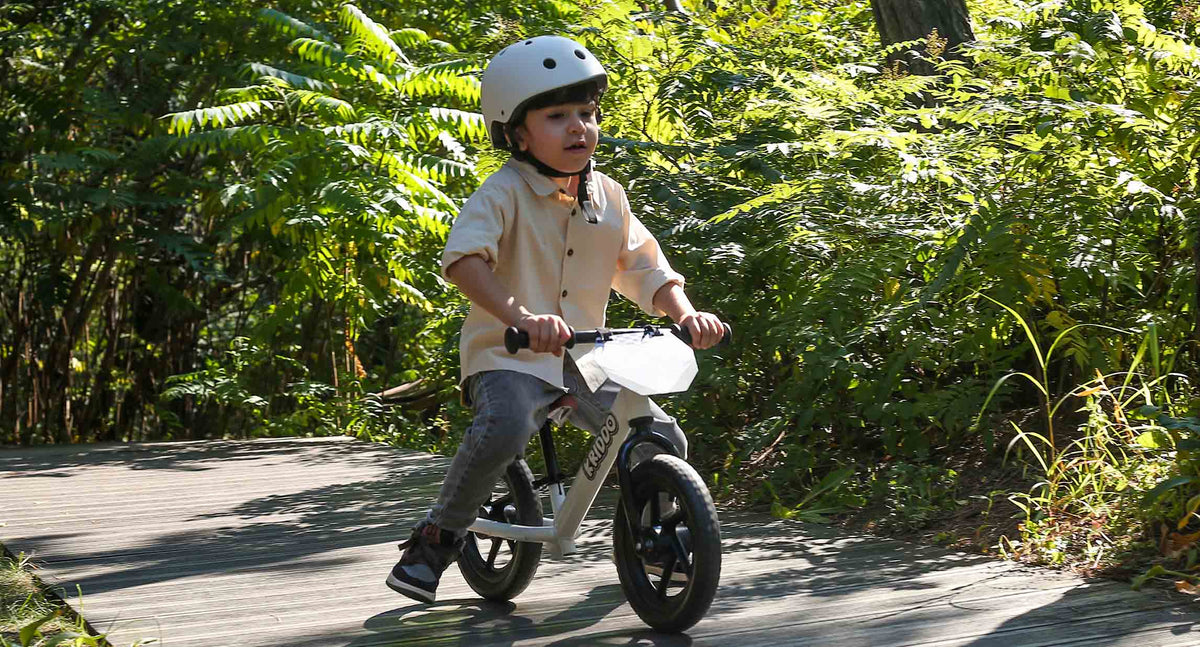
2. Biking: A Low-Cost Sport That Builds Confidence
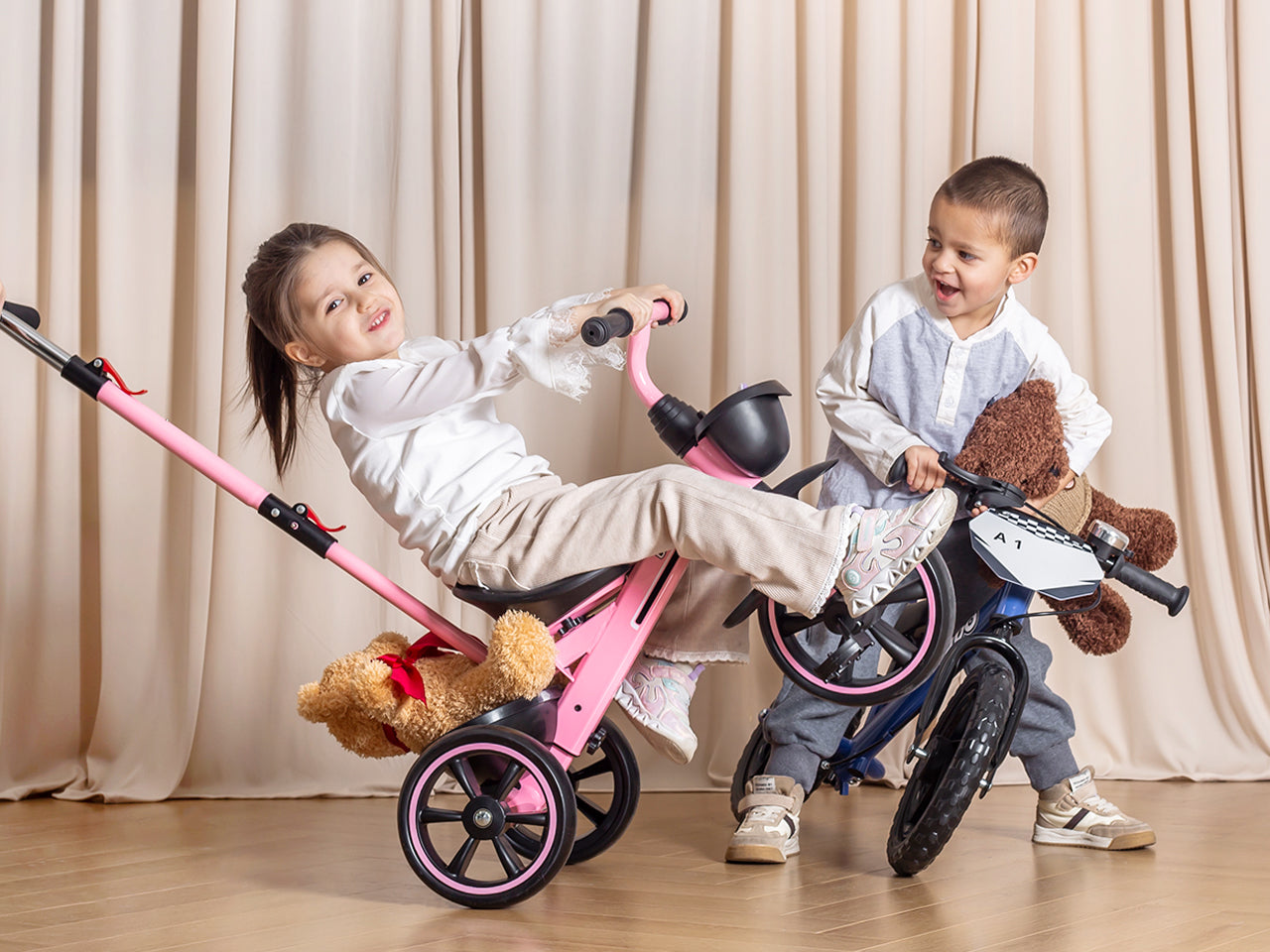
For many children, learning to ride a bike is a memorable milestone. The first time they travel farther on their own, control their direction, and explore a new path, they experience a sense of independence.
Biking is one of the most affordable sports for kids because the equipment can be used for years. Once children have a bike that fits them properly, they can ride in many different places:
- Neighborhood sidewalks
- Local parks
- Bike paths
- Family trails
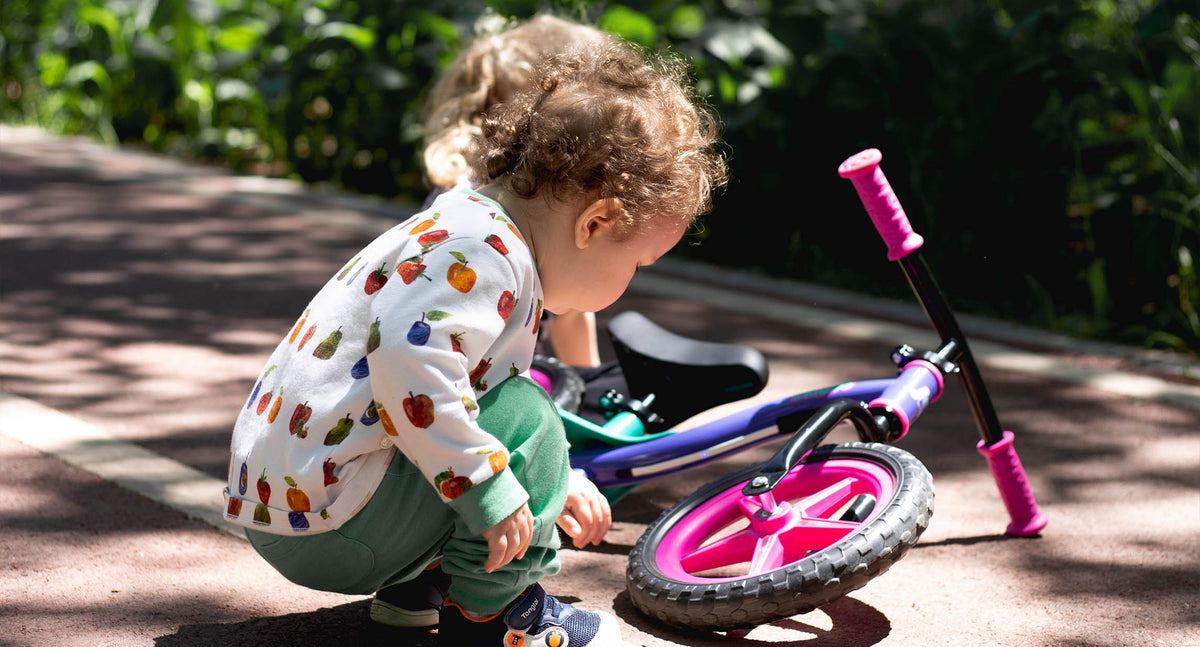
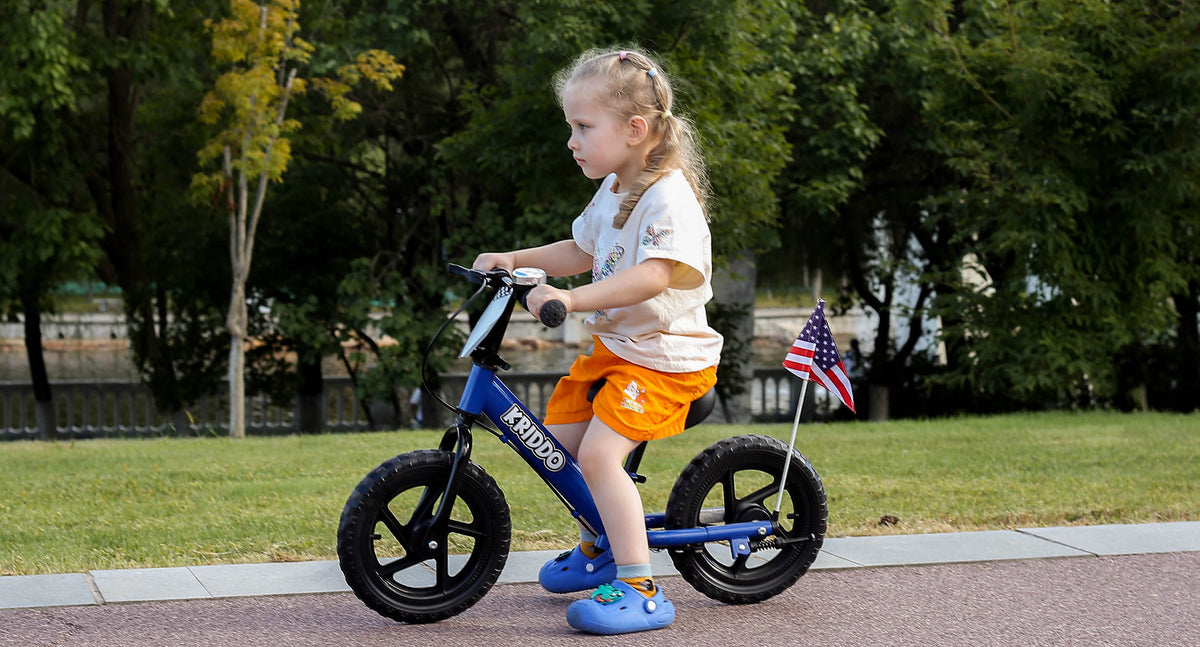
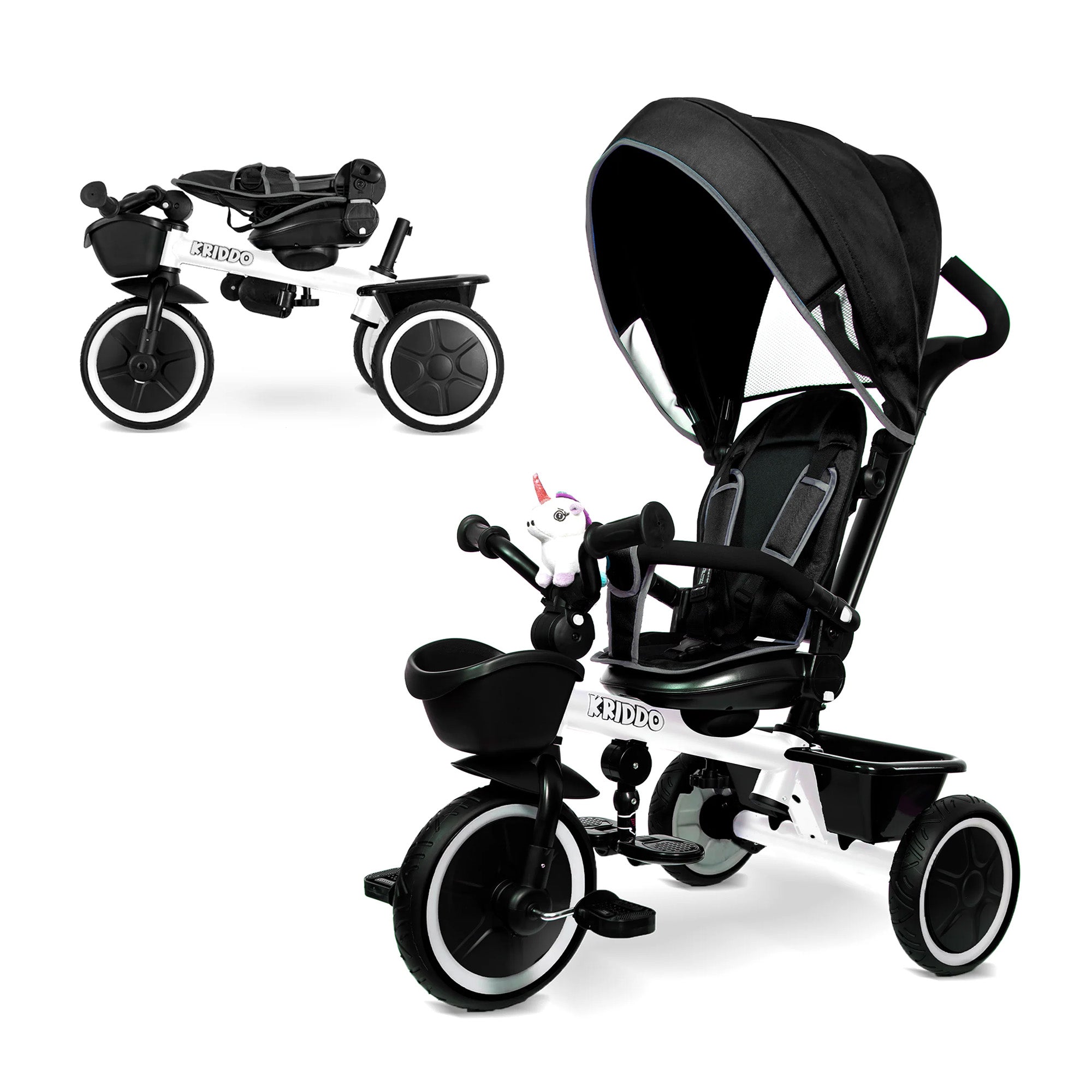
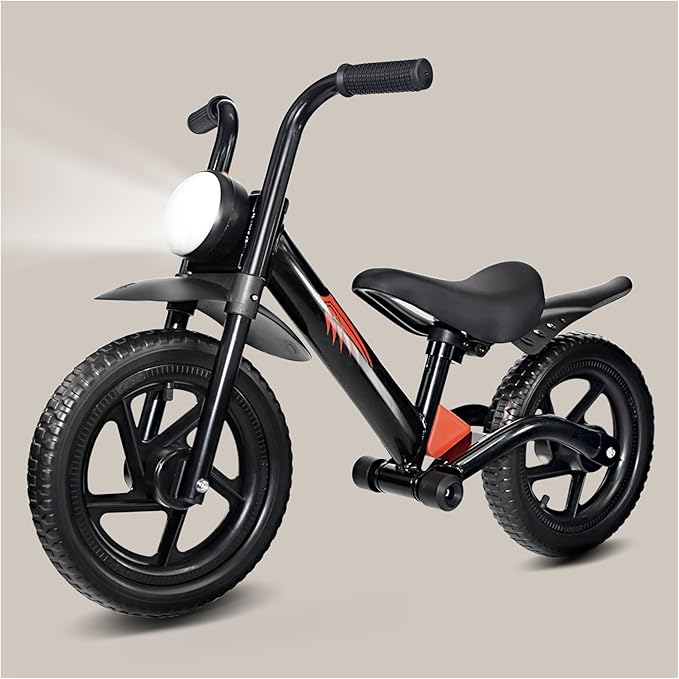
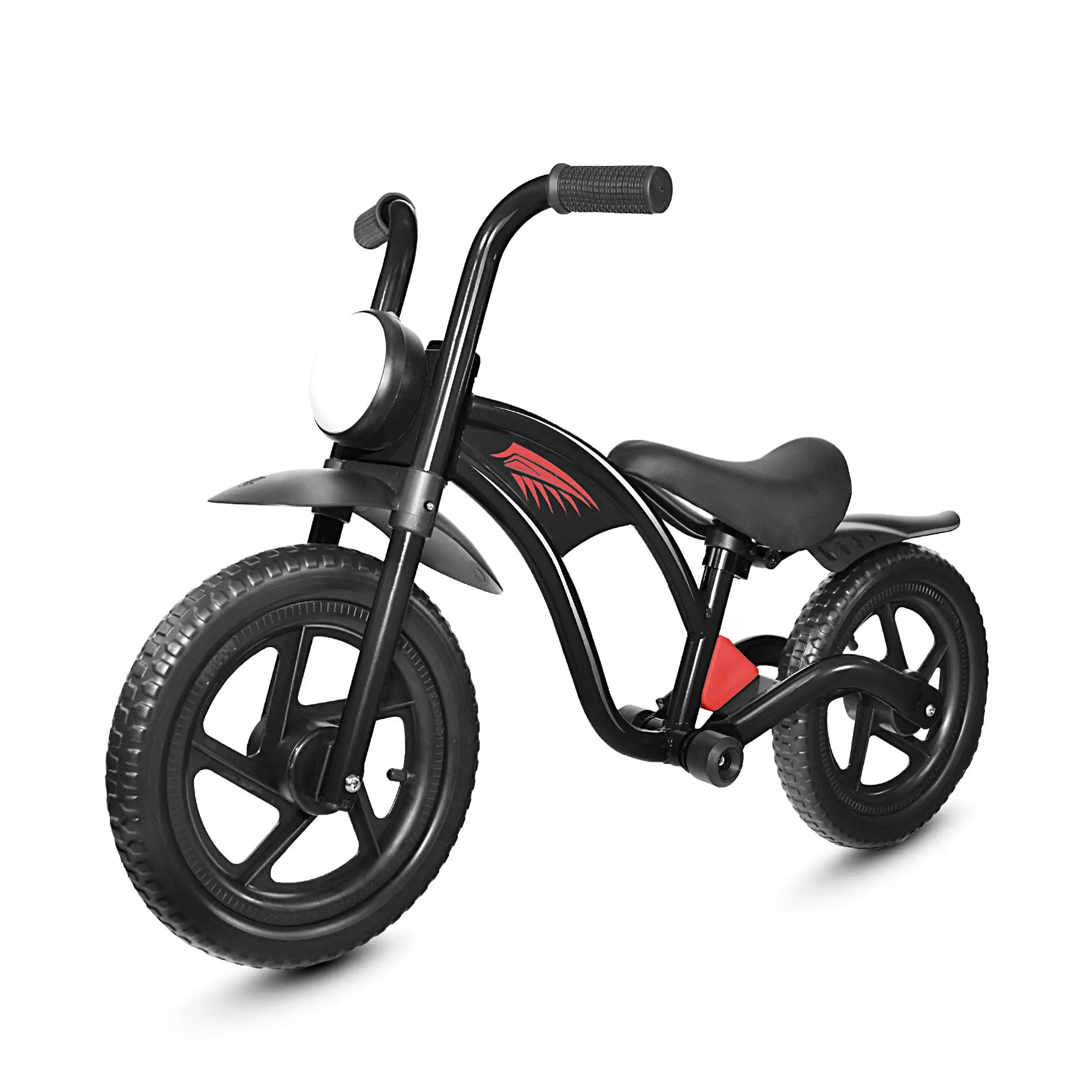
Balance bikes and bicycles are also valuable tools for independent play because they allow children to practice movement, coordination, and confidence at their own pace.
The main equipment costs usually include a bike, helmet, and basic safety gear. Protective equipment such as knee, elbow, and wrist guards can help children feel more comfortable while learning new skills.
Many communities provide free bike paths or affordable bike-sharing programs, making cycling accessible for more families. Beyond being exercise, biking can become a practical way for children to explore their surroundings.
3. Hiking: Exercise and Adventure in One Activity
Hiking is one of the easiest affordable sports for kids to begin because the biggest requirement is simply going outside.
A family does not need expensive equipment or special training to start. A local park trail or nature path can provide plenty of opportunities for movement and exploration.
For beginner hikes, children usually need:
- Comfortable shoes with good grip
- Water
- Weather-appropriate clothing
- A small backpack
While specialized outdoor equipment can be useful later, families do not need to purchase everything immediately. Starting with what you already have can make hiking feel more accessible.
For children who are not used to long walks, begin with shorter routes. A half-mile walk or a short neighborhood trail is still valuable. Sometimes focusing on time spent outdoors is easier than focusing on distance.
Hiking helps children strengthen their bodies while also giving them a chance to slow down, observe nature, and develop curiosity.
4. Pickleball: A Beginner-Friendly Sport for All Ages
Many parents are familiar with tennis, but traditional tennis can sometimes require more equipment, lessons, and practice before children feel comfortable playing.
Pickleball offers a simpler introduction to paddle sports.
The smaller court size and lighter equipment make it easier for beginners to learn basic skills. Children can practice hand-eye coordination, movement, and communication without needing years of experience.
Pickleball has become increasingly popular because people of different ages and skill levels can enjoy playing together. Many communities have added courts, and some former tennis spaces have been adapted for pickleball.
For children who want a social activity that combines exercise and fun, pickleball can be a great option.
5. Soccer: A Budget-Friendly Team Sport

Soccer is one of the easiest sports for children to start because it requires very little equipment. In many cases, all a child needs is a ball, an open field, and a few friends who want to play.
Children can practice basic skills almost anywhere:
- Passing in the backyard
- Shooting at a park
- Playing informal games with friends
- Joining community programs
Many neighborhoods, schools, and local organizations offer affordable soccer programs where children can learn basic techniques while enjoying the social side of the sport.
Soccer is not only about physical activity. It helps children learn cooperation, communication, and teamwork. They discover how to work toward a shared goal and how their actions affect others.
For children who enjoy being part of a group, team sports can provide valuable opportunities to develop friendships and learn cooperation skills.
The best part about soccer is that children can enjoy it casually. They do not need to become elite athletes to benefit from running, practicing, and playing with others.
6. Disc Golf: A Simple Outdoor Activity With Minimal Equipment
Disc golf is an outdoor sport that combines throwing skills, accuracy, and strategy. Instead of hitting a ball into a hole, players throw a special disc toward a target basket.
One reason disc golf works well for families is that it has a low starting cost. Children usually only need a disc and access to an open space or local course.
It also teaches patience and problem-solving. Kids learn that every throw is different and that improvement comes through practice.
Compared with many organized sports, disc golf does not require expensive equipment, private lessons, or team fees. Many parks now offer public courses, making it easy for children to practice and play casually with friends or family members.
It also teaches patience and problem-solving. Kids learn that every throw is different and that improvement comes through practice.
For children who enjoy outdoor activities but may not be ready for competitive sports, disc golf can be a fun way to stay active.
7. Running: The Sport That Requires Almost Nothing
Sometimes the most affordable sports are also the simplest.
Running does not require expensive equipment, special facilities, or team registration. Children can run almost anywhere:
- Around the neighborhood
- At a playground
- On a school track
- Along family walking paths
For younger children, running does not need to feel like a structured workout. Chasing bubbles, racing siblings, or running during playground games all help children build endurance and coordination.
A comfortable pair of shoes is usually enough to get started.
Running can also become a family activity. Parents and children can take short walks, jog together, or create simple challenges that make movement feel like play.
The goal is not to make every activity competitive. The goal is to help children understand that being active can be enjoyable.
How to Choose the Right Affordable Sport for Your Child

When choosing an activity, the cheapest option is not always the best option. The right sport is one that matches your child’s interests and makes them want to participate.
Think about your child’s personality.
Does your child enjoy working with others? A team sport like soccer may be a good choice.
Does your child prefer exploring independently? Biking or hiking may feel more natural.
Does your child enjoy learning skills slowly and practicing at their own pace? Swimming or pickleball may be a better match.
It is also important to let children try different activities without feeling pressured to commit immediately. Many children need time to discover what they enjoy.
Affordable sports give families the freedom to explore. They allow children to experience new challenges, build confidence, and stay active without creating unnecessary financial stress.
The most important thing is not finding the activity that looks the most impressive.
It is finding something that makes your child excited to move.