






Sports Parents:
How to Support Your Child Without Taking Over the Game
Sally | 5th, Oct
The softball game was over, but eight-year-old Emily was still crying.
Her team hadn't just lost. She wasn't upset about her own performance, either. She was crying because her dad had yelled at her in front of her teammates, blaming her for missing a fly ball that could have saved the game.
Imagine being eight years old, standing on the field, and feeling like your parent's disappointment is heavier than the game itself.
If your child plays sports, you've probably seen parents who get too caught up in winning. Maybe it's the dad shouting instructions from the sidelines, the mom arguing with a referee, or the parent who treats every missed opportunity like a personal failure.
Most parents mean well. They want their children to succeed. But sometimes, the desire to see a child perform can overshadow what youth sports should actually provide: fun, friendship, confidence, and opportunities to learn.
Being a supportive sports parent isn't about making sure your child wins every game. It's about helping them enjoy the experience and grow along the way.
So, how can you support your young athlete without turning every practice or competition into a source of pressure?
Remember Your Role as a Sports Parent

The first thing to understand is that your child's sport belongs to your child, not to you.
Of course, you're going to feel proud when they score a goal, hit a home run, or finally master a skill they've been practicing for weeks. That's part of being a parent. But there's a difference between sharing your child's excitement and tying your own identity to their performance.
Children tend to thrive when they feel a sense of autonomy in their activities. When parents support their children's choices instead of placing constant pressure on results, kids can develop stronger internal motivation and enjoy sports more.
Think about it this way: Would you rather your child play because they genuinely love the activity, or because they're afraid you'll be disappointed if they make a mistake?
Research on parental autonomy support suggests that children who feel encouraged to make their own choices often show greater intrinsic motivation. In contrast, excessive pressure and control can contribute to frustration and reduced enjoyment.
That doesn't mean you should never offer guidance. It means your support should help your child feel capable, not constantly judged.
After a game, try asking, "Did you have fun?" or "What was your favorite part?" before asking about the final score.
Sometimes, that simple change in conversation makes a big difference.
You Don't Have to Sacrifice Everything for Youth Sports
Youth sports can become expensive and time-consuming. Between registration fees, equipment, travel, private coaching, and weekend tournaments, some families feel like they have to give everything they have to keep their children competitive.
But you don't need to give up every weekend or spend thousands of dollars to be a good sports parent.
Your child's team, trophies, and athletic achievements don't determine whether you're doing a good job as a parent. What matters is finding a balance that works for your family and allows your child to participate without creating unnecessary financial or emotional strain.
For most children, sports will remain a hobby rather than a professional career. Only a small proportion of young athletes eventually compete at the highest levels. That doesn't make their participation less valuable.
Sports can teach children movement skills, teamwork, patience, and perseverance, even if they never become elite athletes.
If you're looking for ways to keep your child active without a large financial commitment, exploring affordable sports for kids can be a practical place to start. Different activities offer different costs, equipment needs, and opportunities for participation.
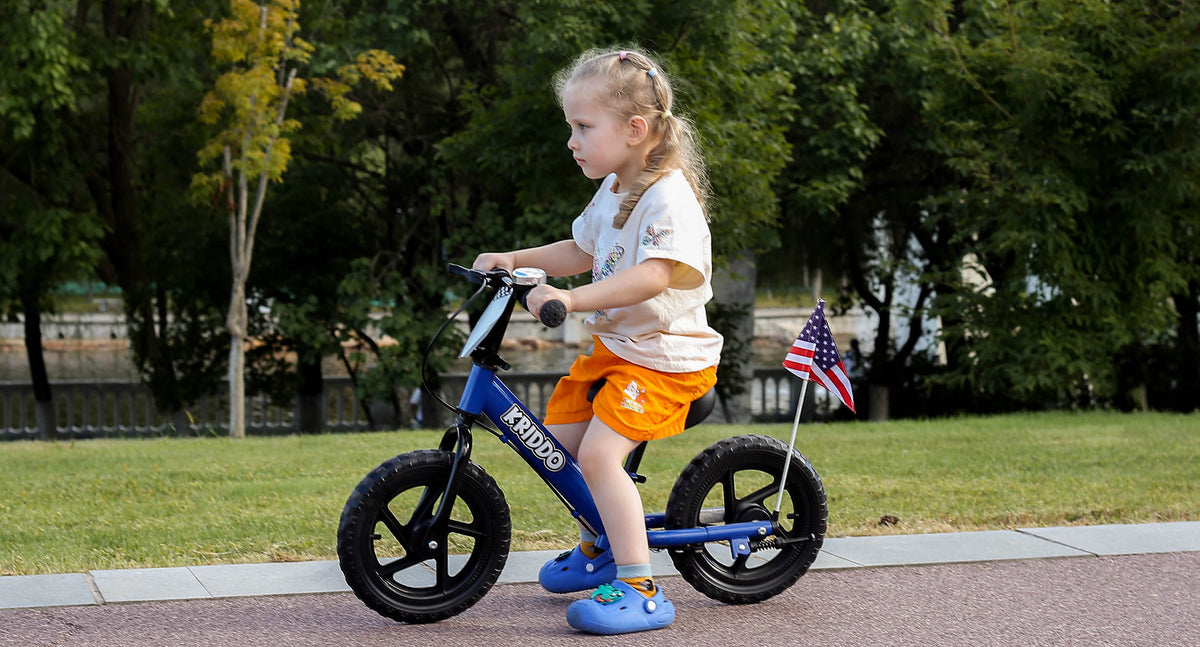
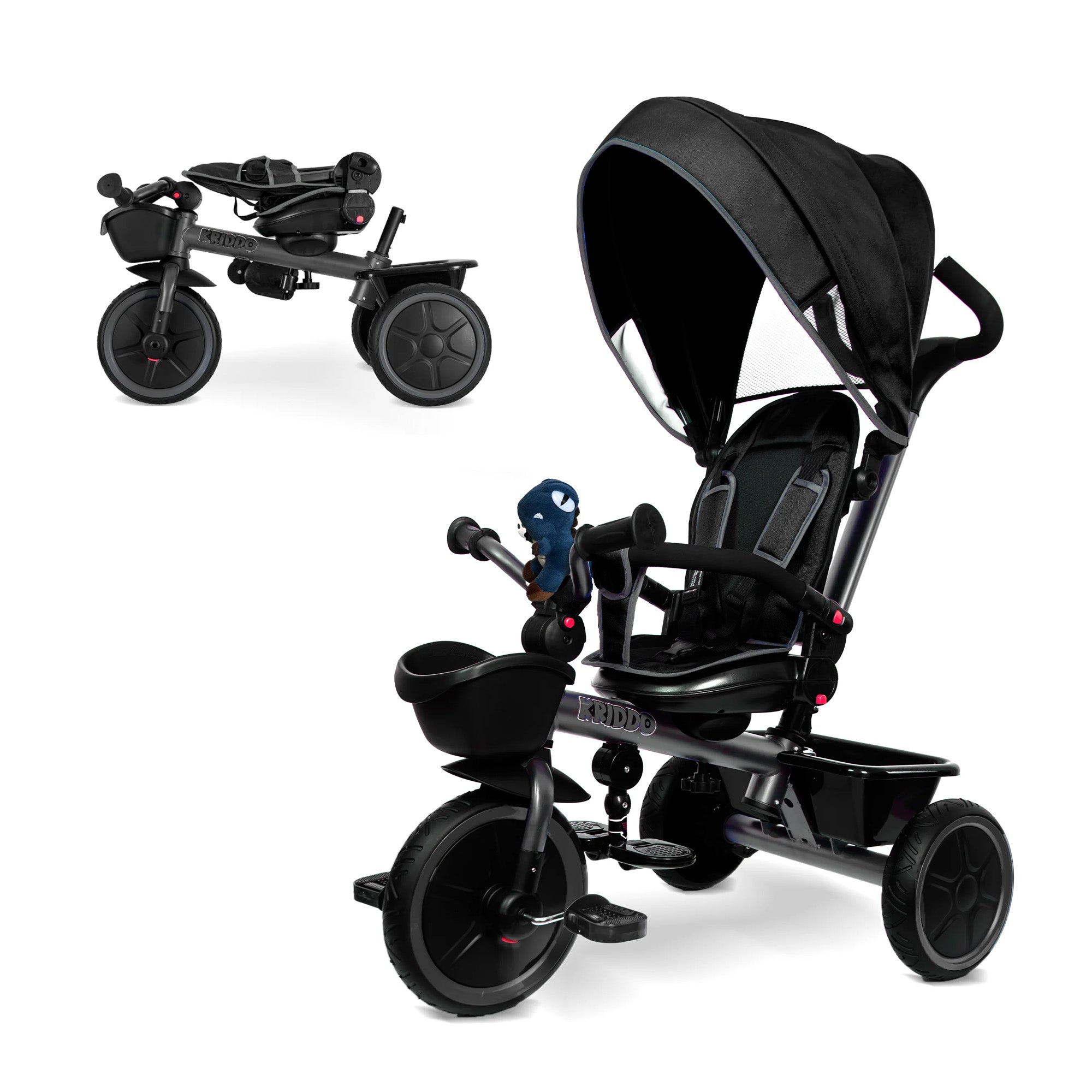
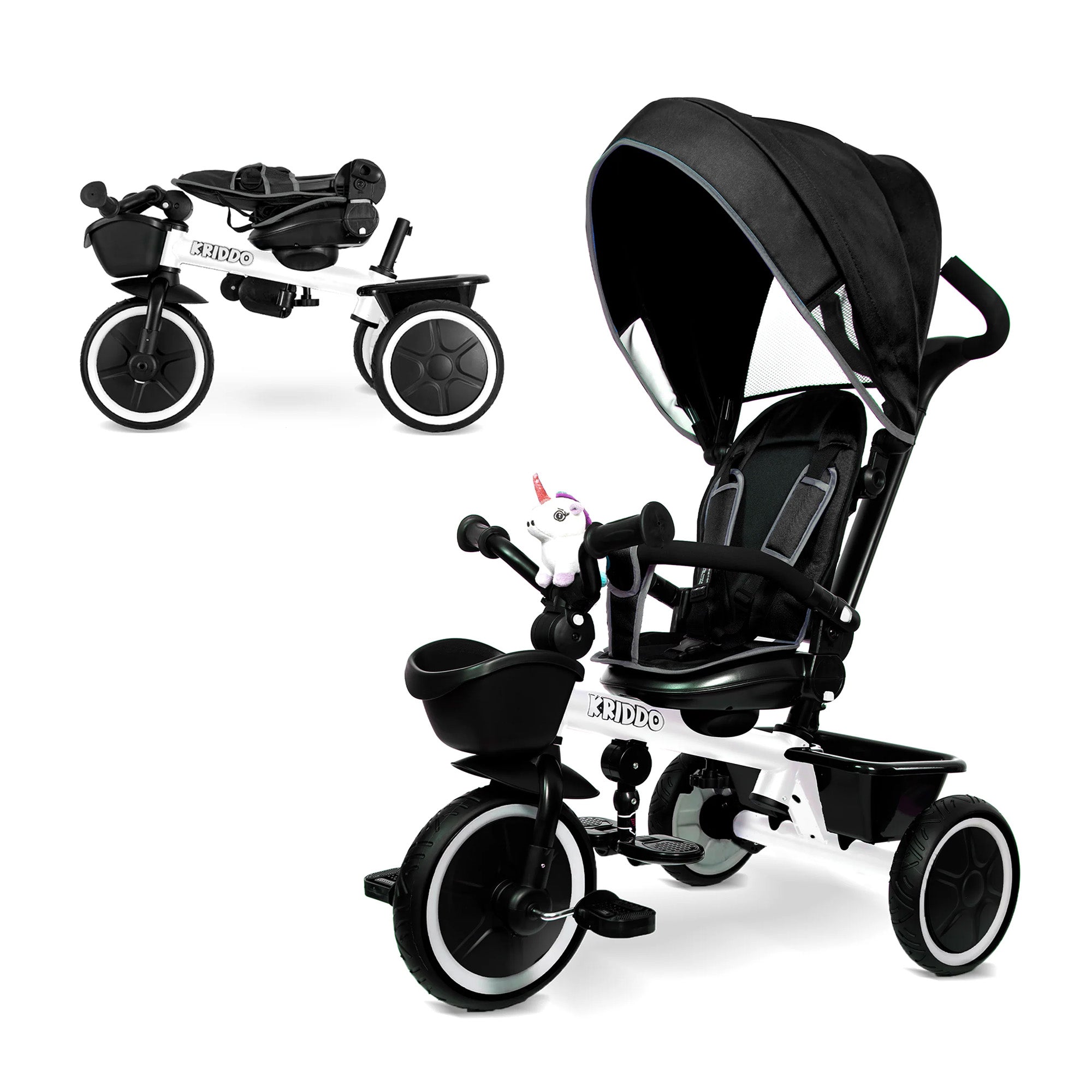
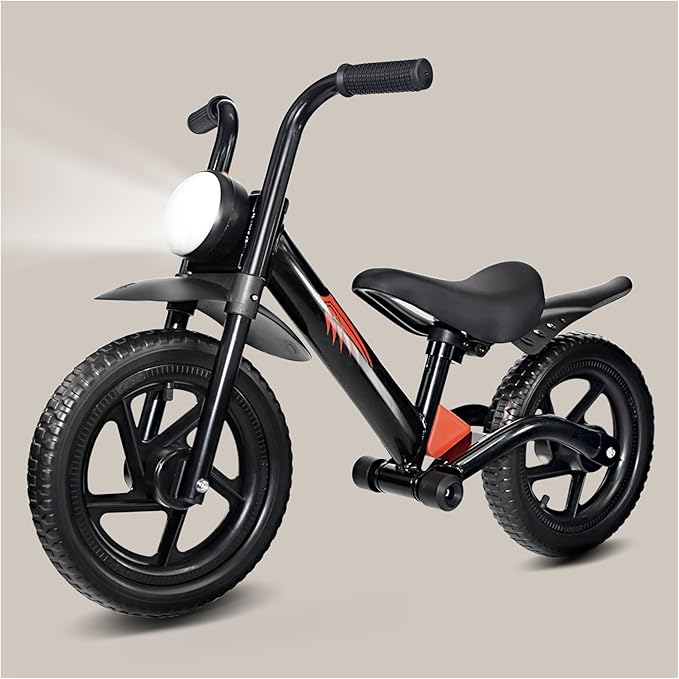
Cycling, for example, can become part of a child's active lifestyle from an early age. Around age two, depending on their development and readiness, children may begin exploring movement with a 12 inch balance bike or kids' tricycle.
A balance bike can introduce steering, balance, and coordination, while a tricycle can help young children practice pedaling and controlling their movement. These activities can be recreational, practical, or a starting point for a longer interest in cycling.
Some children may eventually become interested in BMX riding or racing. Others might simply enjoy riding around the neighborhood with their family. Both experiences have value.
The key is to choose activities that fit your child's interests, your family's budget, and the amount of time you can reasonably commit.
Let Your Child Choose the Sport They Love
One of the most important responsibilities of sports parents is allowing children to have a say in what they do.
Maybe you played baseball growing up and dreamed of seeing your child become a great pitcher. Or perhaps you were a competitive swimmer and think swimming would be the perfect choice for your little one.
But your child might prefer soccer, dance, cycling, or something completely different.
That's okay.
Your child is the one participating in the activity, so their interests should play a meaningful role in the decision. When children have the opportunity to choose activities they enjoy, they may feel more motivated to participate and continue learning.
As children grow, encourage them to explore different types of sports for kids rather than assuming they need to commit to one activity immediately.
And if your child enjoys several sports, there's no need to rush them into specializing in just one.
Early specialization can limit opportunities to try other activities, develop a wider range of movement skills, and enjoy different team environments. While the right approach varies by sport and child, many young athletes benefit from having room to explore.
Your child doesn't need a five-year athletic plan at age seven. Sometimes, they just want to try something new.
Don't Expect Perfection From Your Young Athlete

Children make mistakes. They miss catches, lose races, forget plays, and sometimes freeze when the pressure rises.
That's normal.
The problem begins when parents treat those mistakes as something shameful or personally embarrassing.
Expecting your child to perform perfectly is unrealistic, and blaming them for making mistakes can damage their confidence. Children should not feel responsible for protecting a parent's reputation or self-esteem.
If your child misses an important shot, try to resist the urge to immediately explain what they did wrong. Give them a chance to process what happened.
You might say, "That was a tough play. How are you feeling?"
If they want feedback, you can help them think through what they might try next time. But there's no need to turn every mistake into a coaching session.
When considering your expectations for sports, focus on supporting your child without creating unnecessary pressure. Encouragement can help children stay engaged, while unrealistic demands may make participation feel like an obligation rather than something they enjoy.
Remember, your child is still learning. They don't need to perform like a professional athlete to deserve your pride.
Give Your Child Space to Learn
It's natural to want to help your child when they're struggling. You might feel the urge to shout instructions, correct their technique, or tell them exactly what they should do next.
But sports can provide valuable opportunities for children to solve problems independently.
What happens when they have to make a decision on the field? How do they respond when a teammate makes a mistake? What do they do when the game doesn't go as planned?
These situations help children practice dealing with uncertainty, communicating with others, and managing challenges.
As a parent, you can support that learning by giving them some space.
Let coaches handle coaching during games, unless there's a clear safety concern or another situation that requires your involvement. Your role from the sidelines can be one of encouragement rather than constant instruction.
You don't have to fill every quiet moment with advice.
Sometimes, watching your child work through a difficult situation is more helpful than immediately stepping in.
Avoid Blaming Others When Things Go Wrong
Your child or their team will have bad games. They'll lose matches, miss opportunities, and make decisions that don't work out.
When that happens, it's tempting to blame someone else.
Maybe the referee made a questionable call. Maybe the coach chose the wrong strategy. Maybe another player didn't do their job, or the weather made things harder.
Sometimes, these factors genuinely affect a game. However, teaching children to blame others for every disappointing result can make it harder for them to reflect on their own choices.
Instead of immediately looking for someone to blame, encourage your child to think about what they learned.
You could ask:
"What do you think went well?"
"Was there anything you'd like to practice?"
"What could the team try next time?"
The goal isn't to make your child feel responsible for everything that goes wrong. It's to help them understand that mistakes and setbacks are part of learning.
Good sportsmanship for kids includes learning how to respond when things don't go your way. Children can develop this skill through everyday sports experiences, especially when adults model respect and accountability.
Build a Healthier Sports Experience for Your Child

Being a sports parent doesn't mean standing on the sidelines without caring. It means caring in a way that helps your child feel supported rather than controlled.
You can celebrate their achievements without making winning the only goal. You can encourage practice without demanding perfection. And you can help them navigate disappointment without turning a difficult game into a family crisis.
Most importantly, remember that your child is more than their athletic performance.
The missed catch, the lost game, or the disappointing race is just one moment in a much larger childhood. What your child remembers over time may be the friendships they made, the skills they developed, and whether they felt safe trying something new.
So, cheer for them. Show up when you can. Help them find activities they enjoy.
And when the game doesn't go their way, let them know that your love and support haven't changed.