






Expectations for Sport:
Support Your Child Without Creating Pressure
Anna | 10th, Aug
The first time my child played in a team sport, I remember watching from the sidelines with a mix of excitement and nervousness. I wanted them to have fun, make friends, and feel proud. But if I’m being honest, there was also a small voice in my head hoping they would score, play well, and stand out.
That feeling is more common than many parents admit.
Most children will not become Olympic athletes. Even fewer will become professional players. Yet many young athletes are encouraged to train and compete as if they are already preparing for the highest levels of competition. Parents naturally want the best for their children, but sometimes those good intentions can quietly turn into pressure.
Children want to make their parents proud. When they feel they cannot meet those expectations, they may start to believe they are failing. For some kids, the easiest way to avoid that feeling is to walk away from sports completely.
Understanding healthy expectations for kids sport is not about lowering standards or removing goals. It is about creating an environment where children can improve, enjoy movement, and build confidence without feeling that their value depends on their performance.
Why Do Some Parents Have Too Many Expectations for Kids Sport?

Most parents want their children to succeed. We hope they do well in school, enjoy creative activities, and explore their interests. We celebrate when they participate in music, art, or other activities because we want them to discover what they love.
However, sports are different.
Unlike many other activities, sports happen in front of an audience. There is often a scoreboard, rankings, statistics, and a clear winner or loser. A child’s mistakes and successes are visible to teammates, coaches, parents, and sometimes strangers.
This public nature can make parents feel more emotionally involved.
A missed goal, a lost game, or a child sitting on the bench can feel bigger than it actually is. Some parents may unintentionally connect their child’s athletic performance with their own parenting success.
Pressure often appears through thoughts children create for themselves:
- “I cannot make mistakes.”
- “I have to play well for my team.”
- “I need my parents to be proud of me.”
Interestingly, many young athletes create their own pressure. They often believe others expect perfection from them when those expectations are actually similar to the high standards they already place on themselves.
Of course, parents and coaches can sometimes add to that pressure. When children feel expectations coming from every direction, they may start trying too hard. They may become afraid of making mistakes, focus only on winning, or feel they need to prove themselves every time they play.
But pressure can affect children in different ways. Some athletes become more motivated. Others become nervous, hesitant, and afraid to take risks.
A child who is constantly worried about disappointing others may stop enjoying the activity they once loved.
Good Expectations for Kids Sport Focus on Growth, Not Perfection
Healthy sports expectations are not about expecting children to win every game or become the best player on the team.
They are about helping children develop important life skills.
Sports can teach patience, teamwork, communication, confidence, and resilience. These lessons happen through both success and failure.
A child who misses a shot learns how to recover. A child who loses a competition learns how to handle disappointment. A child who struggles with a new skill learns that improvement takes time.
Parents can help by focusing more on effort and learning instead of only results.
Instead of asking:
“Did you win?”
Try asking:
“What was your favorite part today?”
“What did you learn?”
“What is something you want to practice next time?”
These questions show children that their experience matters more than the final score.
Let Your Child Choose the Sports They Enjoy
One of the most important things parents can do is allow children to explore sports based on their own interests.
Sometimes parents imagine a certain future for their child. Maybe they loved soccer growing up, or they always dreamed of seeing their child become a talented gymnast or basketball player.
But children are not copies of their parents.
A child who loves swimming may not enjoy football. A child who prefers quiet activities may not enjoy a competitive team environment. Supporting your child means paying attention to who they are, not who you hoped they would become.
Offer different options and encourage exploration. Let your child discover activities that make them excited to participate. Exploring beginner-friendly sports can help children find activities that match their personality and comfort level.
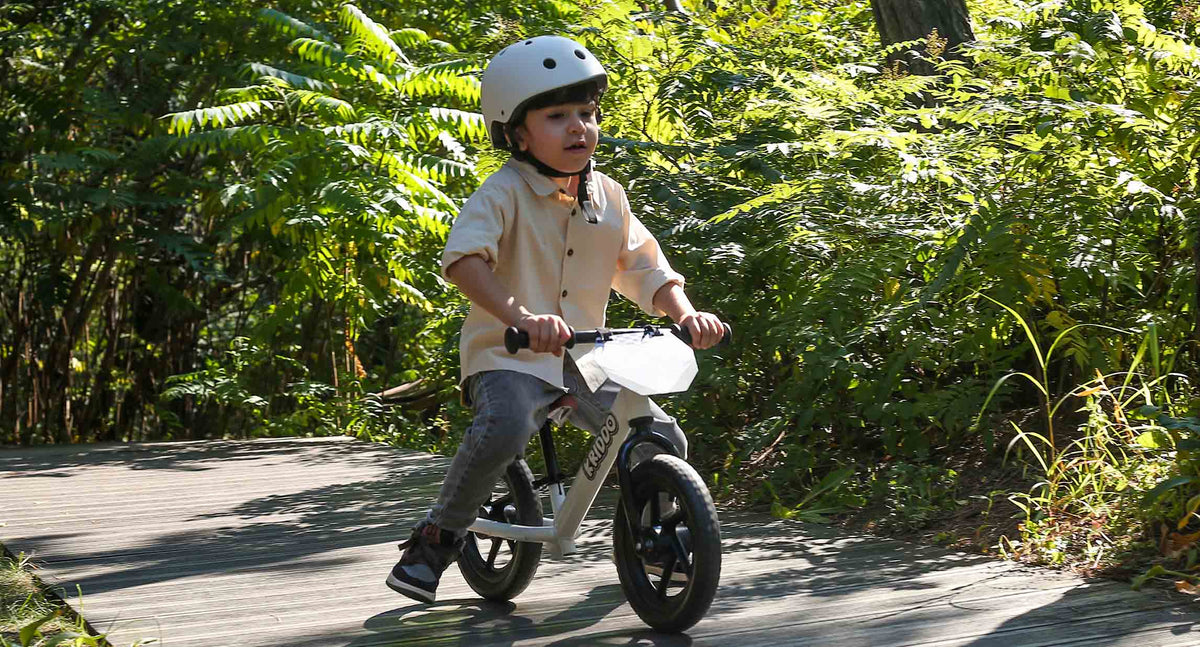
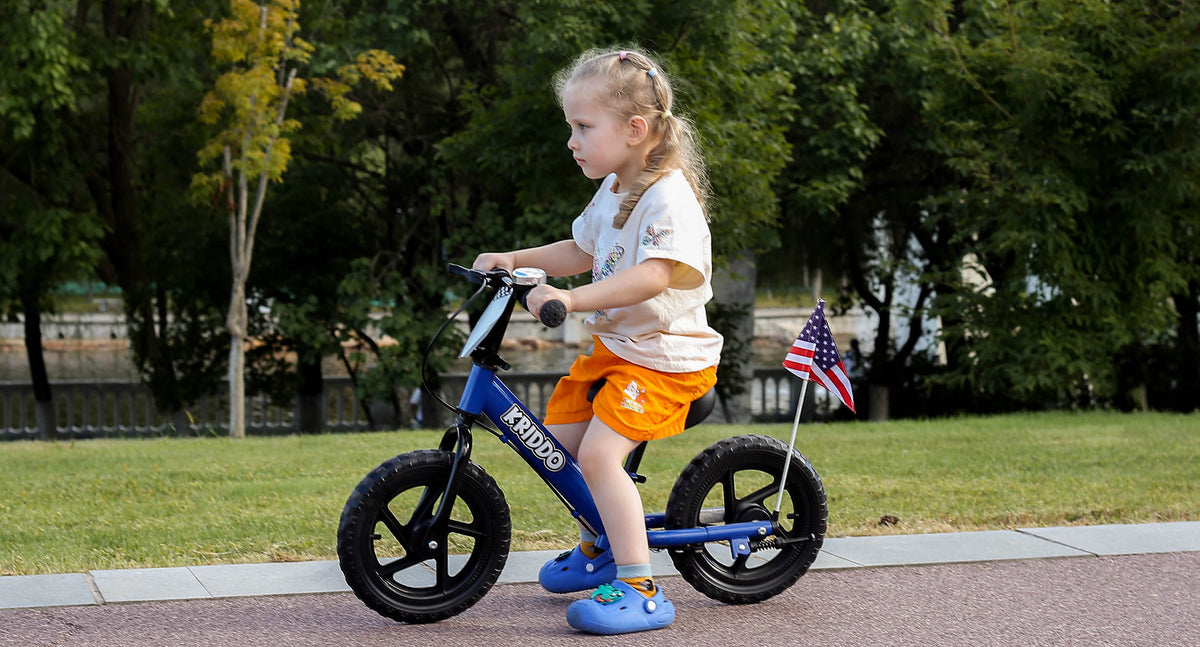
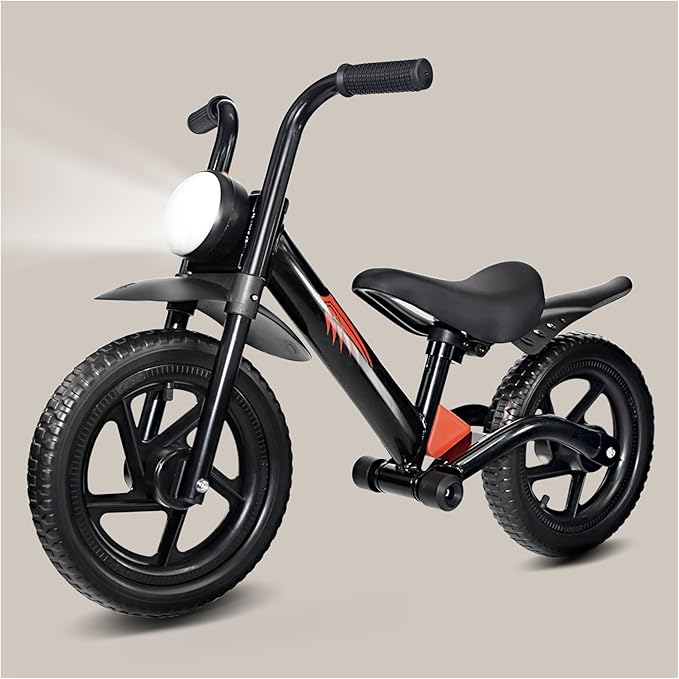
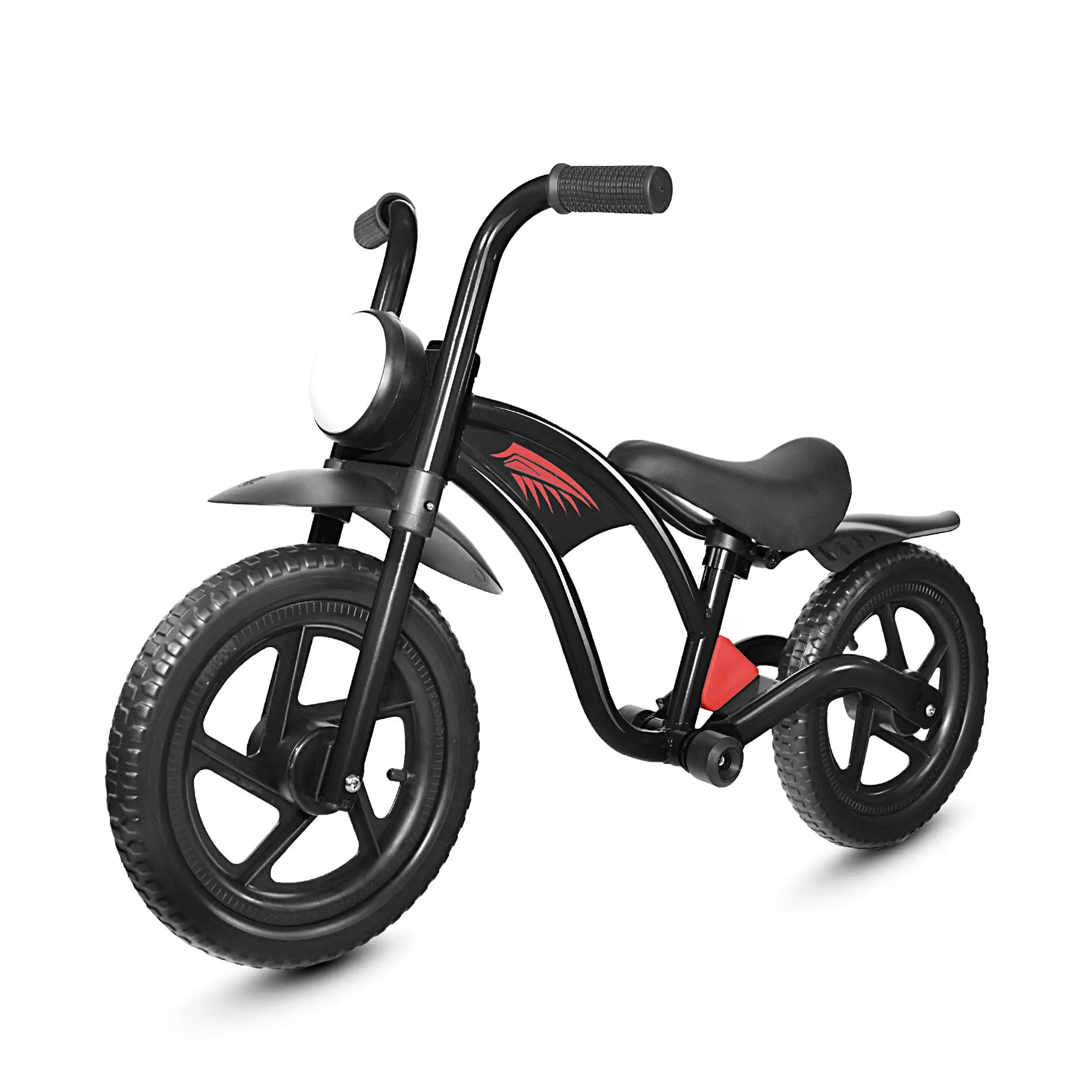
For children who do not enjoy traditional sports, movement can still be part of their life. Activities like riding a bike can provide exercise, independence, and confidence without the pressure of competition. Finding activities for kids who don’t like sports can open the door to healthy movement in ways that feel more enjoyable.
The goal is not to create a future athlete. The goal is to help children build a positive relationship with physical activity.
Teach Respect and Let Coaches Coach
A good sports experience requires teamwork between parents, children, and coaches.
Parents should model respect for coaches. Children notice how adults respond when they disagree with decisions or strategies.
If parents constantly criticize coaches, referees, or teammates, children may learn to blame others instead of reflecting on their own actions.
Respecting coaches does not mean parents cannot ask questions or advocate for their children. It means approaching situations with cooperation rather than conflict.
Coaches have experience helping children improve. Giving them space to teach allows children to learn responsibility and independence.
Let Children Make Mistakes and Learn From Them
Watching your child struggle is difficult.
Every parent has experienced that moment when they want to shout advice from the sidelines or immediately explain what went wrong. It comes from love, but sometimes children need room to figure things out themselves.
After a mistake, try asking:
“What do you think happened?”
“What would you try differently next time?”
“What did you learn from that?”
You can offer feedback, but avoid turning every game into a lesson afterward.
Children need to know that mistakes are part of learning, not proof that they are not good enough.
Show Support Without Making Sports About Yourself
Your child’s sports journey belongs to them.
It is easy to become emotionally attached, especially if you played the same sport when you were younger or had dreams that you never achieved. But your child does not exist to repeat your experiences.
Maybe you were a talented soccer player. Maybe you wished you had spent more time training. That does not mean your child will have the same interests or abilities.
A good parent celebrates participation, effort, improvement, and enjoyment.
They also accept that their child may never become exceptional at a sport — and that is completely okay.
What Parents Should Avoid When It Comes to Kids’ Sports

Supporting children in sports also means knowing what not to do.
Do not blame equipment, coaches, teammates, referees, or weather when your child loses. While frustration is normal, constantly blaming others prevents children from learning responsibility and reflection.
Instead, help children develop good sportsmanship and understand how to handle both winning and losing.
Do not push children beyond their physical or emotional limits. Forcing a child to continue something they strongly dislike can damage their confidence and make them afraid to try new things.
Most importantly, do not connect your own pride or identity to your child’s performance.
Your child’s success does not define your parenting.
Your child does not need to win in order to make you proud.
They need to know that they are loved whether they score the winning point, sit on the bench, improve slowly, or decide a sport is not right for them.