




Types of Sports for Kids:
How to Choose the Right Activities for Your Child
Lucas | 15th, July
I still remember watching a group of kids at a park one afternoon. One child was racing around with a soccer ball, another was carefully practicing bike tricks, and another was happily climbing, jumping, and making up their own game with a few friends.
None of them were doing the “same” sport. None of them were following the same path. But they were all moving, laughing, learning, and building confidence.
That’s something many parents forget when they start searching for activities for their children. We often ask, “What is the best sport for my child?” But the better question might be: What types of sports for kids will help my child enjoy movement and grow as a person?
Every child is different. Their age, personality, interests, confidence level, and physical development all play a role in finding the right activities. The goal is not to create a professional athlete at a young age. The goal is to help children develop healthy habits, discover what they enjoy, and build a positive relationship with being active.
What Are the Best Types of Sports for Kids?

The truth is, there is no single sport that is perfect for every child.
A sport that works wonderfully for one child might feel frustrating or boring for another. An energetic child may love a fast-paced team sport, while a quieter child may enjoy an activity where they can focus on their own progress.
When parents search for the best sport for kids, they are usually looking for a simple answer. They want to know where to spend their time, energy, and money.
But “best” depends on the child.
A six-year-old and a twelve-year-old are usually looking for very different experiences. A naturally outgoing child may enjoy the teamwork and social side of soccer or basketball, while a more thoughtful child may prefer swimming, cycling, or tennis.
Instead of asking which sport is the winner, consider asking:
Which activities will help my child build skills, stay interested, and feel confident?
That question usually leads to better choices.
Why Variety Matters in Children’s Sports
Many parents worry that their child needs to choose one sport early to become successful. However, early specialization is not always the best approach.
Trying different activities helps children develop a wider range of movement skills. Running, jumping, throwing, balancing, swimming, and coordination all support each other.
In fact, playing multiple sports can help children become more well-rounded athletes, stay engaged, and reduce the pressure that can come from focusing on only one activity too soon.
Think about childhood play. Kids naturally switch between activities. One day they are running outside, the next day they are riding a bike, and another day they are creating a game with friends.
That variety is valuable.
A child who enjoys many different movements often develops stronger confidence because they learn, “My body can do lots of things.”
Types of Sports for Kids by Age Group
Children’s abilities and interests change quickly. A toddler needs a very different sports experience compared with a middle school athlete.
Here is a general guide to help parents understand what may work best at different ages.
Ages 2–7: Focus on Fun, Movement, and Exploration
For young children, sports should feel like play.
At this stage, children are still developing basic movement skills. They are learning how to run, jump, balance, throw, and control their bodies.
Great activities for this age include:
- Beginner soccer
- Swimming lessons
- Dance or simple gymnastics
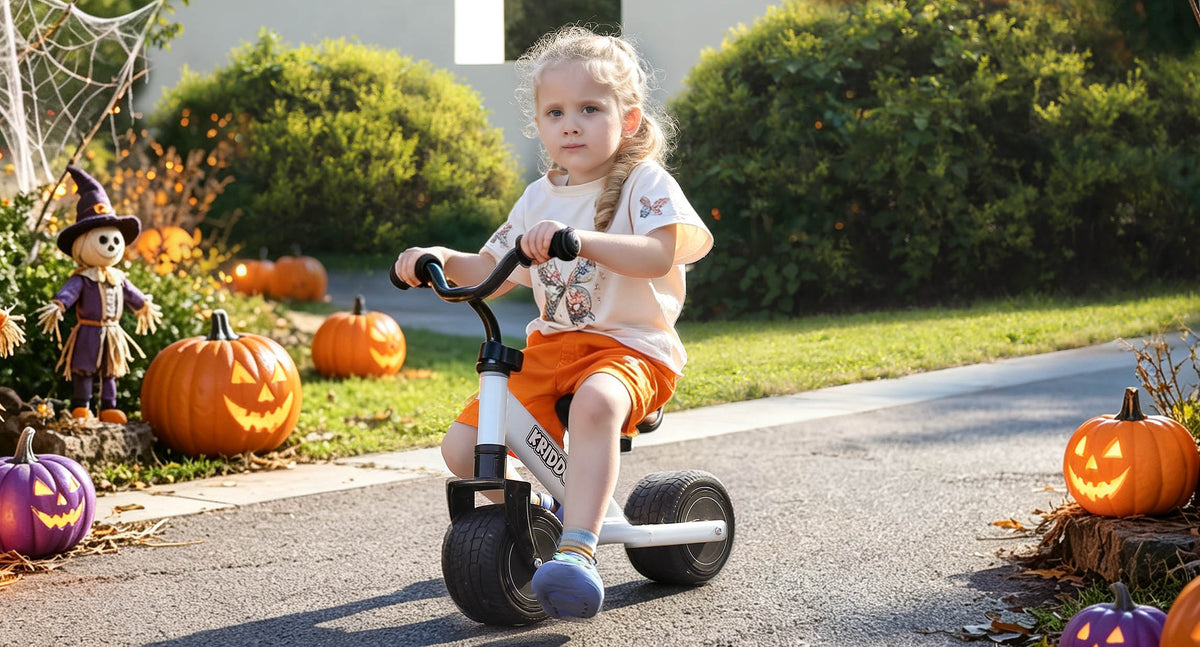
- Bike riding
- Outdoor games
- Playground activities
The goal is not competition. It is helping children enjoy movement.
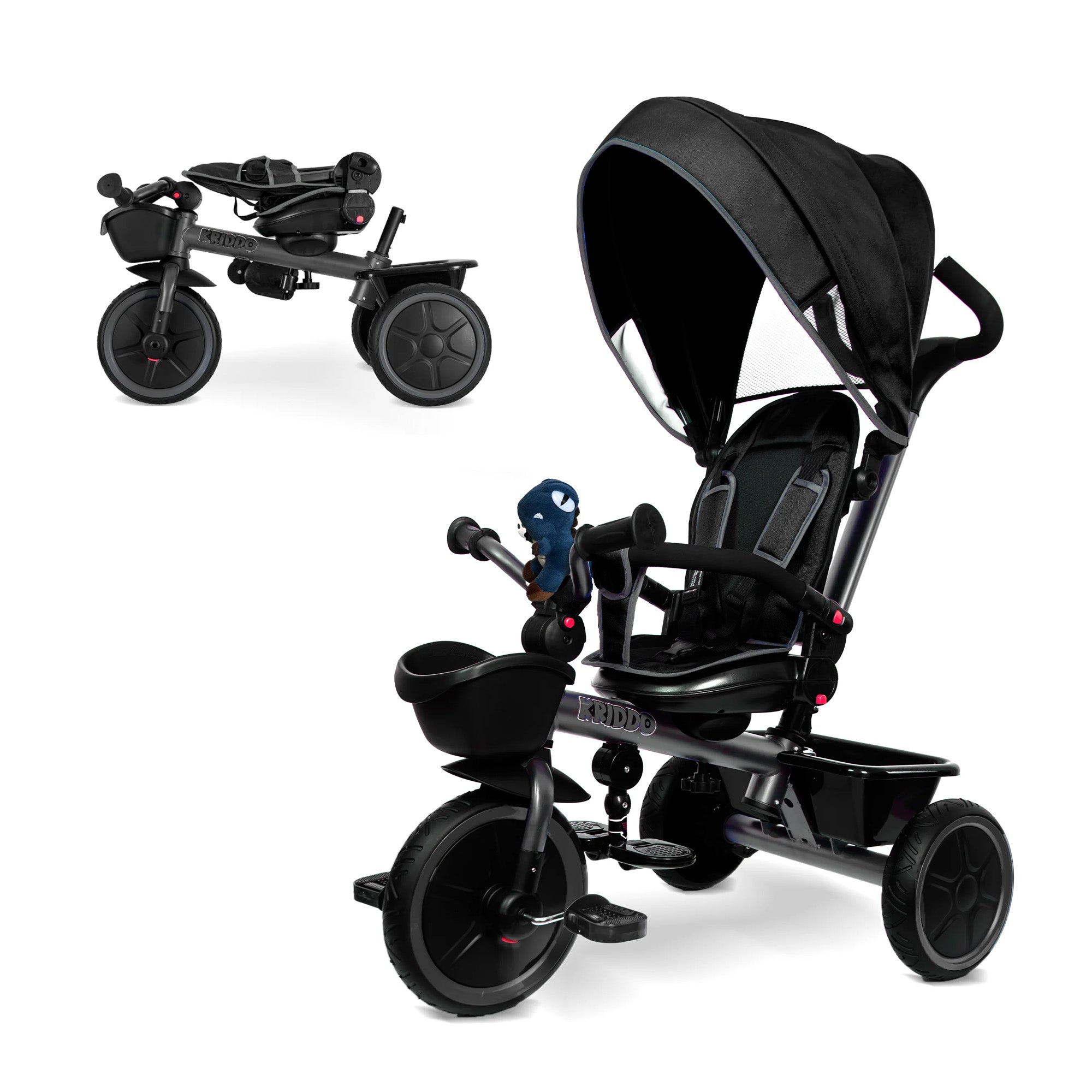
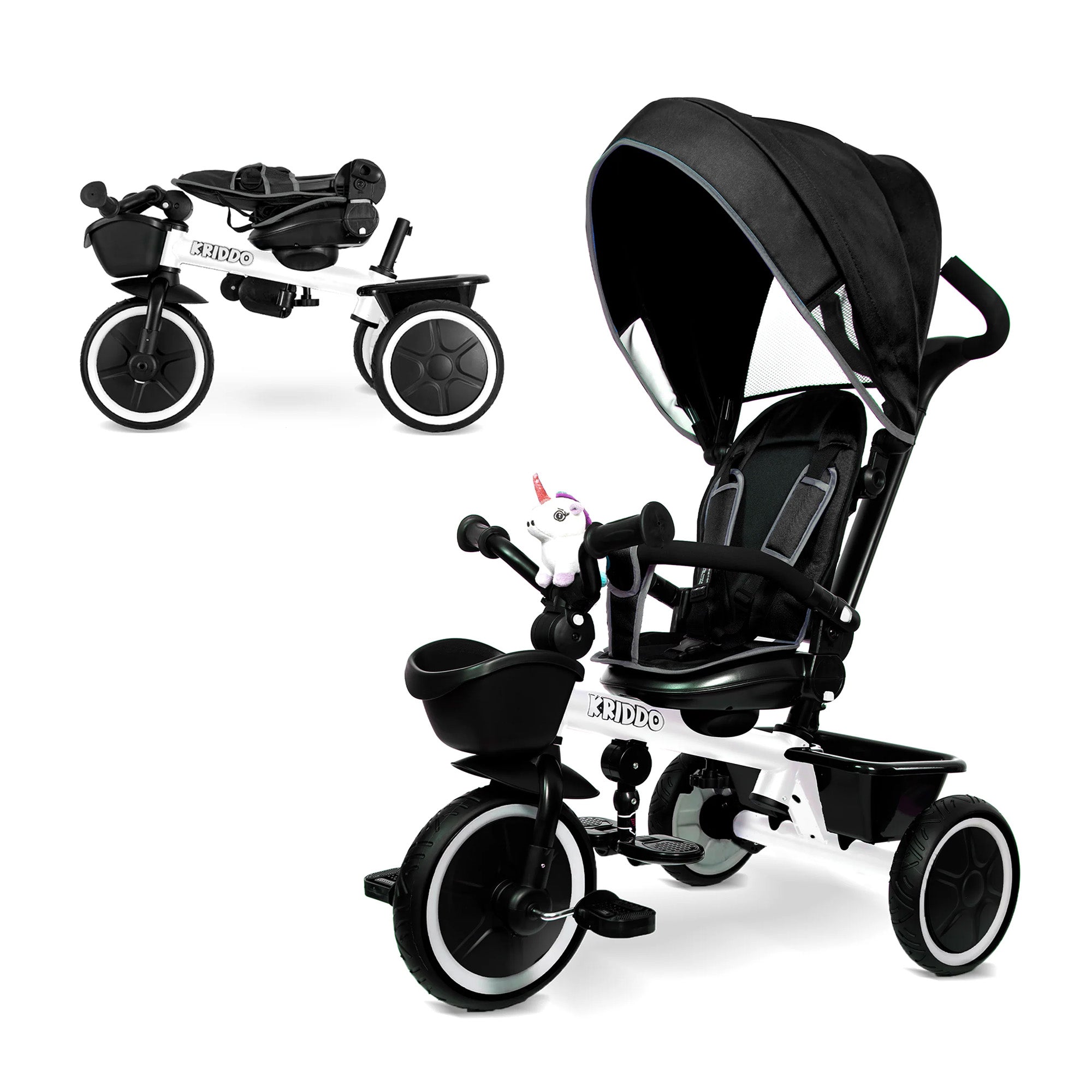
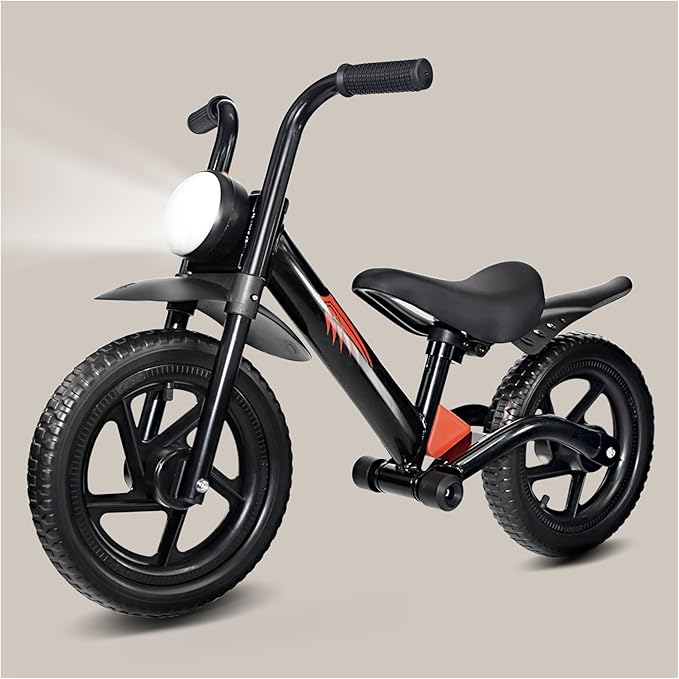
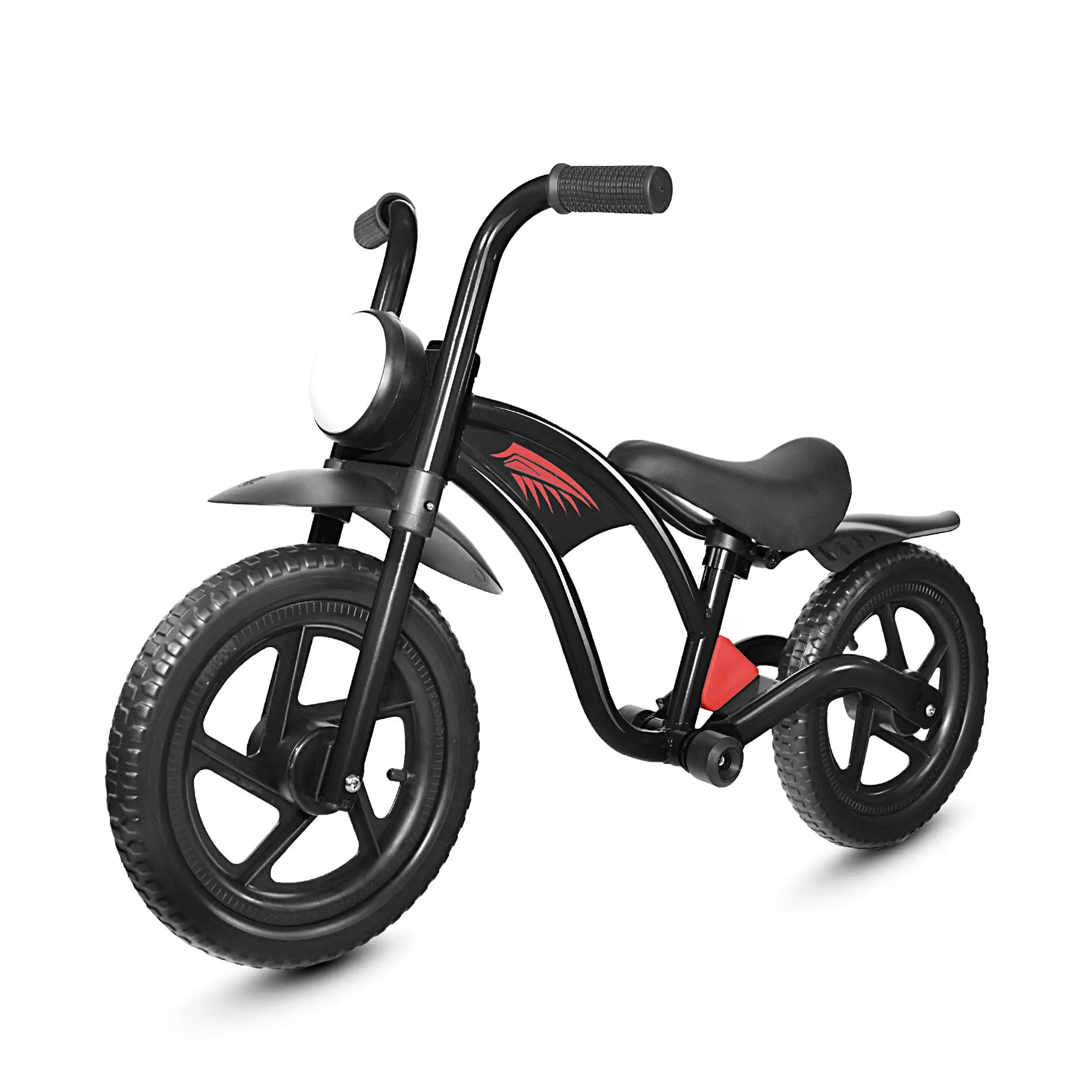
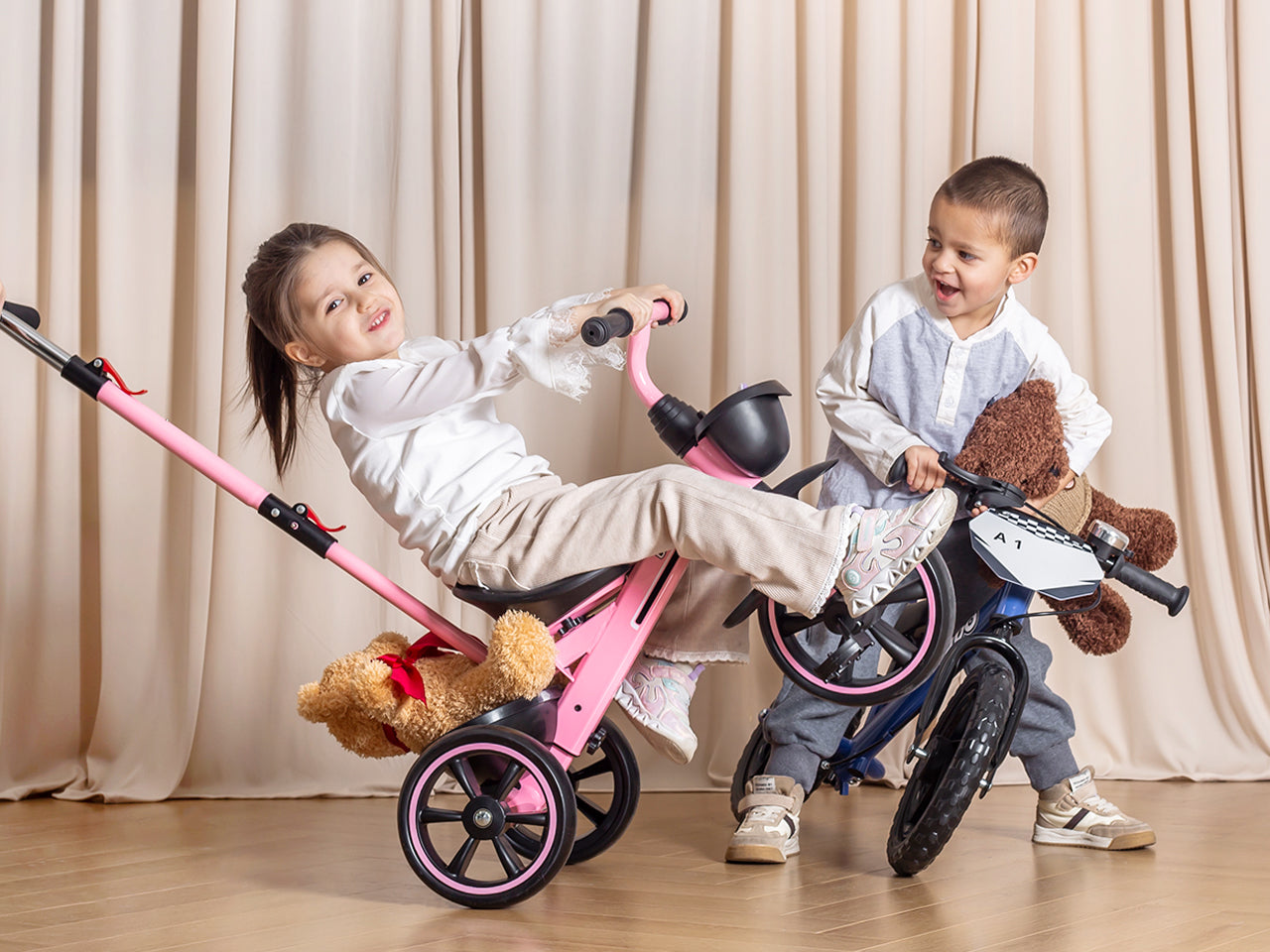
Simple outdoor play can make a huge difference. Activities like running games, obstacle courses, and riding toys encourage children to stay active naturally. Choosing outdoor toys that actually get kids outside can be an easy way to create more opportunities for movement without making exercise feel like a chore.
At this age, a child saying “I want to play again tomorrow” is a much bigger success than winning a game.
Ages 8–11: Introduce Structure and Different Sports
As children get older, they usually become ready for more organized activities.
This can be a great time to try:
- Soccer
- Basketball
- Volleyball
- Baseball
- Flag football
- Martial arts
- Tennis
- Swimming
Structured sports introduce important lessons like teamwork, communication, practice, and handling challenges.
But this is also a good time to avoid rushing into specialization.
A child who plays soccer in the fall, basketball in the winter, and swims in the summer may develop a wider range of skills than a child who only practices one sport year-round.
There is plenty of time for children to decide what they truly love.
Ages 12 and Up: Follow Interests While Building Skills
By the teenage years, many children naturally begin leaning toward one or two activities they enjoy most.
This is when more competitive leagues, advanced coaching, and skill-focused training often become part of the experience.
Some teens thrive in competitive environments. Others prefer sports that provide fitness, friendships, and personal improvement.
Both are valuable.
Even when a child chooses a favorite sport, continuing other activities can still be beneficial. Cross-training can help prevent boredom and keep movement enjoyable.
Team Sports vs. Individual Sports: Which Is Better?

One of the biggest decisions parents face is whether their child should try team sports or individual sports.
The answer? Neither is better.
It depends on what your child needs and enjoys.
Team sports such as:
- Soccer
- Basketball
- Hockey
- Baseball
- Football
can teach children:
- Cooperation
- Communication
- Leadership
- Responsibility
- Supporting others
For children who enjoy being around friends and working toward a shared goal, team sports can be incredibly rewarding.
Individual sports such as:
- Swimming
- Tennis
- Gymnastics
- Cycling
- Golf
- Track and field
offer different benefits.
Children learn:
- Self-discipline
- Personal goal setting
- Independence
- Patience
- Confidence in their own progress
As explained in this comparison of team sports vs individual sports, success looks different depending on the activity. Some sports rely heavily on teamwork, while others allow children to measure growth through personal improvement.
Interestingly, some activities combine both styles. Swimming and track, for example, often involve individual performance while still creating a supportive team environment.
What If My Child Doesn’t Like Team Sports?
This is more common than many parents realize.
Some children simply do not enjoy being part of a team competition. They may feel uncomfortable with crowds, rules, or the pressure of performing in front of others.
That does not mean they dislike being active.
They may prefer:
- Hiking
- Kayaking
- Bike riding
- Dancing
- Nature activities
- Playing outside with friends
The important thing is finding movement that feels enjoyable.
A child riding a bike through the neighborhood or exploring a trail with family is still building strength, coordination, and confidence.
The “Move Your Way” campaign from the U.S. Department of Health and Human Services encourages children and teens to get regular physical activity to support healthy hearts, bones, and muscles. For many children, that activity does not have to come from organized sports.
Sometimes the best exercise is simply the activity they ask to do again.
Helping Your Child Find the Right Sport

Choosing from the many types of sports for kids can feel overwhelming, especially when every parent seems to have a different opinion.
But your child’s experience matters most.
Pay attention to:
- What activities make them excited
- Whether they enjoy practicing
- How they respond to challenges
- Whether they feel confident and supported
A child who enjoys movement is more likely to stay active long-term.
The goal is not to find the perfect sport immediately. The goal is to give children chances to explore.
Maybe they will love soccer for a few years and then discover swimming. Maybe they will spend years riding bikes before trying a team sport. Maybe they will surprise you with an interest you never expected.
That’s part of the fun.