




What Is the Best Sport for Kids?
A Practical, Parent-Level Answer
Lindsey | 2nd, Feb
Ask ten parents what is the best sport for kids, and you’ll probably hear ten different answers. That’s not because people don’t know—it’s because kids aren’t one-size-fits-all. Some children sprint before they can spell their own name. Others prefer careful balance, repetition, and quiet confidence. Personality matters. So does age, environment, and honestly… patience level.
Here’s the thing: the “best” sport isn’t about trophies or future scholarships. It’s about movement that sticks—something your child enjoys enough to keep doing long after the novelty wears off. Below, we’ll walk through several sports that consistently work well for kids, why they matter, and which kinds of children tend to thrive in each one.
No hype. No forced conclusions. Just grounded judgment from years of watching kids move, grow, and surprise their parents.
Biking: Where Independence Quietly Begins
Most kids don’t remember the day they learned to ride—but parents do. That wobble, the short panic, the grin that follows. Cycling is often a child’s first taste of independence, and it shows.
Biking develops endurance, coordination, balance, and spatial awareness. It also sneaks in responsibility. Kids learn to look ahead, control speed, and react to their surroundings. That’s a lot of growth packed into something that still feels like play.
Who biking works best for
Children who love outdoor time, motion, and exploring on their own terms tend to bond quickly with bikes. Even cautious kids often warm up once they realize they control the pace.
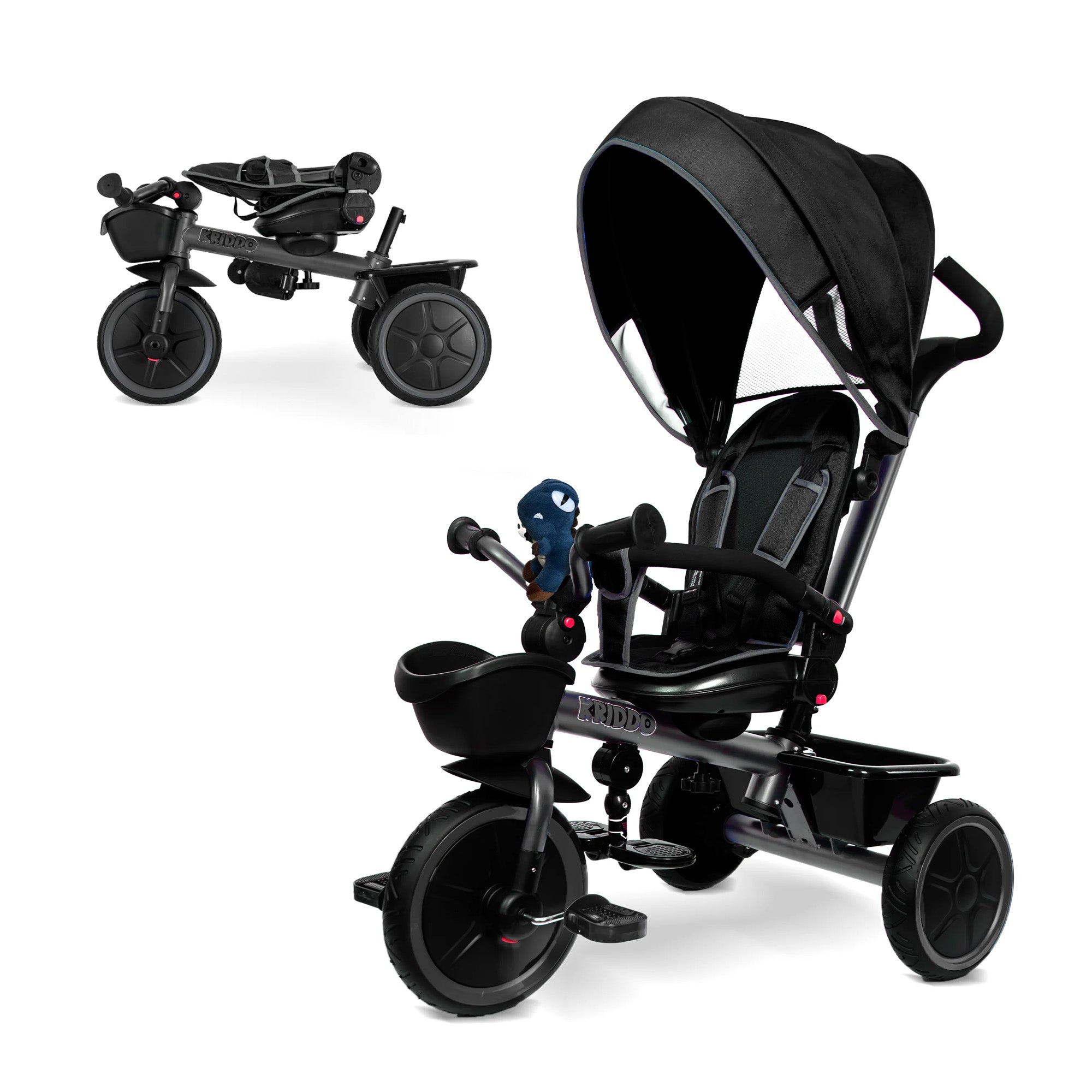
Featured Products
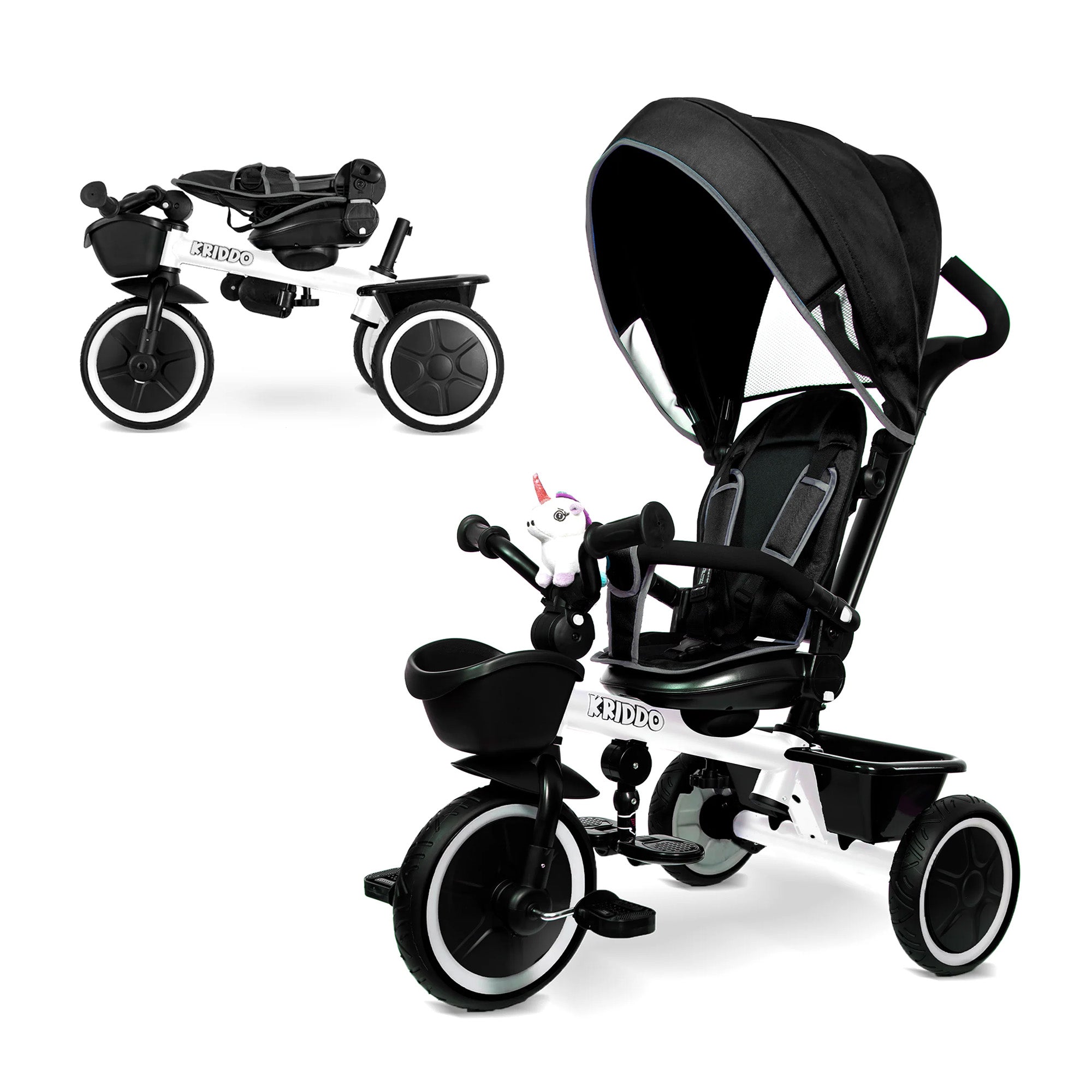
Designed specifically for young riders building confidence, this bike supports physical growth while keeping safety front and center.
Key advantages
- 14 & 16 inch wheels provide stable ground contact and predictable handling
- Removable training wheels support gradual balance development
- Thick rubber tires improve grip and smooth out uneven pavement
- Dual braking system (front hand brake + rear coaster brake) offers reliable stopping
- Fully enclosed chain guard protects clothing and small hands
- Reflectors enhance visibility in low-light conditions
- Custom nameplate and DIY stickers encourage personal attachment
- Classic bell adds personality and situational awareness
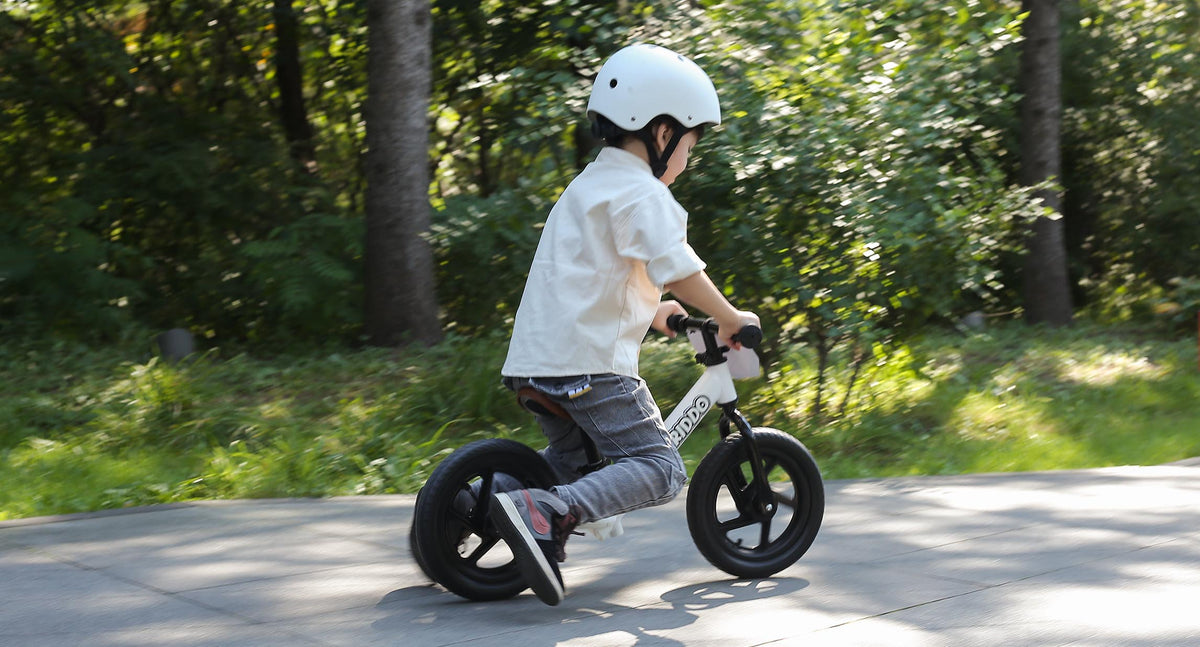
For younger riders still mastering balance, a step earlier often works better.
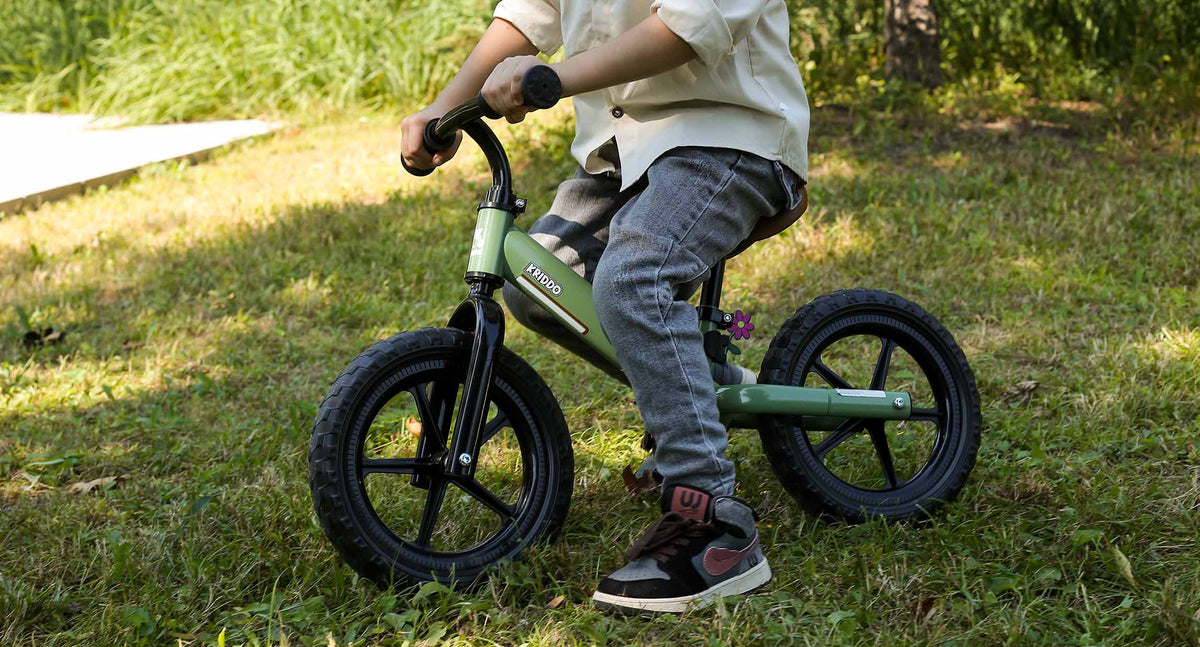
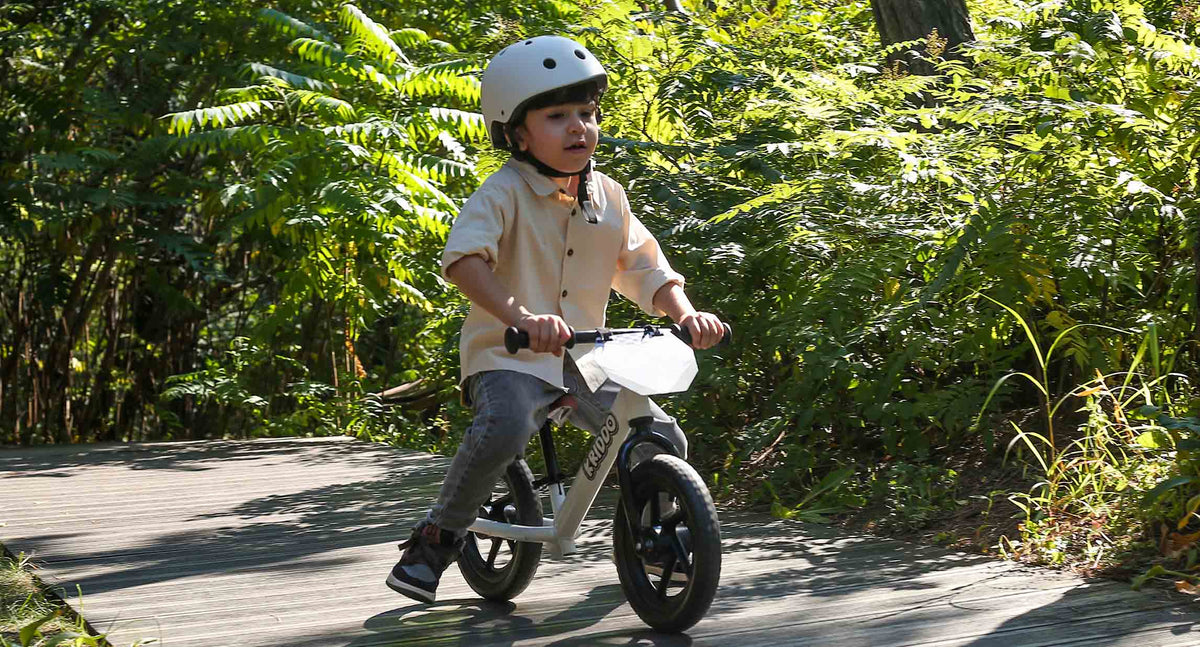
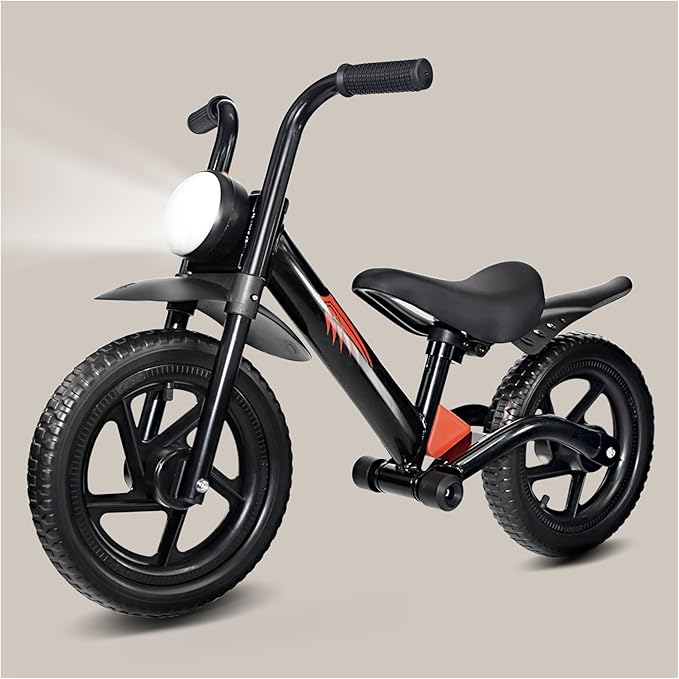
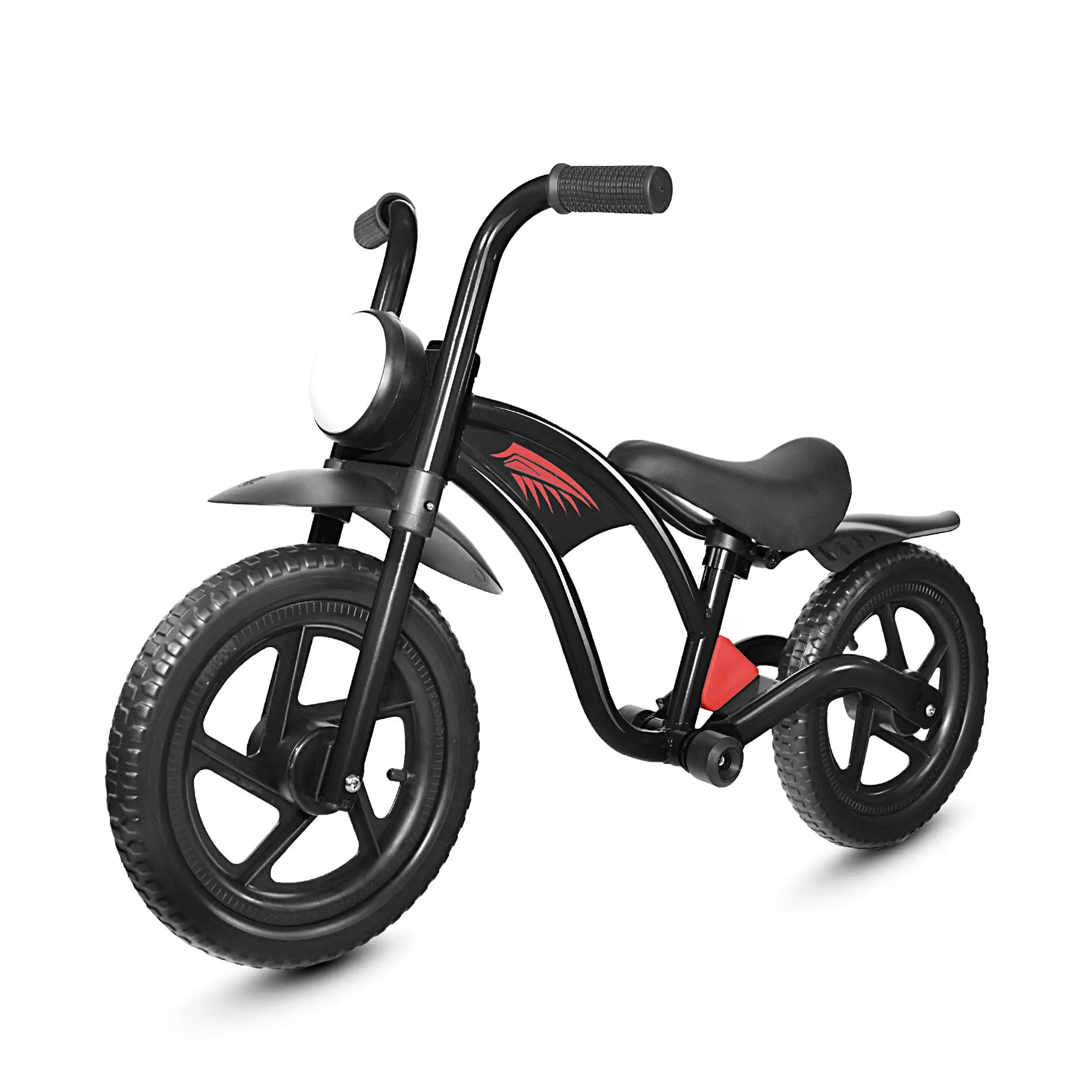
Balance bikes strip riding down to its essentials—control, balance, and momentum—without the distraction of pedals.
Key advantages
- Lightweight frame makes self-propulsion easy for toddlers
- Encourages natural balance without reliance on training wheels
- Cushioned seat and non-slip grips improve comfort
- Textured footrests support safe coasting
- Rust-resistant frame withstands years of use
- Decorative stickers invite creativity and ownership
Kids who start here often transition to pedal bikes smoothly, with fewer falls and far less frustration.
Soccer: Energy, Structure, and Social Growth

Soccer works almost anywhere. Grass, turf, dirt. One ball, a few kids, and suddenly there’s motion everywhere. For children with energy to spare, it’s hard to beat.
Physically, soccer builds cardiovascular endurance, leg strength, and coordination. Mentally, it introduces rules, positioning, and teamwork. Emotionally, it teaches kids how to win, lose, and keep moving anyway.
Who soccer fits best
Kids who enjoy running, group play, and friendly competition usually feel at home on the field. It’s also ideal for children who benefit from structured group activity and shared goals.
One thing to note: soccer isn’t always gentle. Some kids love the intensity; others don’t. That’s okay.
Baseball: Patience, Precision, and Turn-Taking
Baseball doesn’t reward chaos. It rewards timing.
Children learn hand–eye coordination, throwing mechanics, spatial judgment, and patience. Every player gets a turn at bat, which quietly reinforces fairness and focus. It’s also one of the few youth sports with minimal physical contact.
Strengths
- Transferable skills useful across many sports
- Emphasis on listening and following sequences
- Low collision risk compared to contact sports
Limitations
- Slower pace can challenge kids with short attention spans
- Certain skills (batting, catching) take time to click
Baseball tends to work best for kids who enjoy routine, repetition, and incremental progress.
Swimming: Confidence That Can Save a Life

Swimming deserves special treatment because it’s more than recreation. It’s survival.
Beyond safety, swimming strengthens nearly every muscle group, improves lung capacity, and enhances coordination without stressing growing joints. Water resistance provides natural strength training, while buoyancy reduces injury risk.
Children often appear calmer after swim sessions. There’s something regulating about water—pressure, rhythm, breath control.
Who benefits most
Honestly? Almost every child. Especially those with excess energy, sensory sensitivity, or limited access to outdoor space during colder months.
Swimming isn’t just a sport. It’s a life skill your child carries forever.
Gymnastics: Control, Strength, and Body Awareness
Gymnastics teaches kids how their bodies actually work.
Balance, flexibility, strength, spatial awareness—all developed through controlled movement rather than brute force. Classes are structured, progressive, and usually indoors, which makes them predictable and accessible year-round.
Why parents appreciate it
- Improves posture and coordination early
- Builds strength without heavy impact
- Encourages discipline through repetition
Gymnastics often appeals to kids who like mastering skills step by step and seeing visible progress.
So… What Is the Best Sport for Kids?
Here’s the honest answer: the best sport is the one your child willingly returns to.
If a sport builds confidence, keeps their body active, and fits their temperament, it’s doing its job. Some kids thrive in teams. Others need solo mastery first. Some crave speed; others prefer control.
Start with something accessible. Watch how your child responds. Adjust without guilt.
That’s how healthy habits actually form.