




Physical Development in Early Childhood:
How Movement Shapes It
George | 4th,Feb
From the very first moment of life, children begin exploring the physical world around them. Long before they understand language or social rules, they learn through movement—tiny stretches, reflexive kicks, grasping fingers, and eventually purposeful actions. One day they notice they have arms that can reach and legs that can push. Not long after, they sit, stand, wobble, and then run. This is why physical development in early childhood isn’t just a milestone checklist; it’s the foundation that supports almost everything else a child will learn.
Early childhood is a period of rapid change. Bodies grow quickly, but just as important, children learn how to control and trust their bodies. Providing rich, varied physical experiences during these early years plays a critical role in building coordination, balance, and motor skills that carry forward for life.
So, what exactly is physical development?

Physical development refers to a child’s ability to use and control their body. This includes growth, strength, coordination, balance, and the gradual refinement of both gross motor skills (like crawling, walking, and running) and fine motor skills (like grasping, stacking, and manipulating small objects). It also includes the way children learn to move with confidence and intention, whether they’re climbing a step or steering a small ride-on toy.
A child’s brain, muscles, and sensory systems are deeply interconnected. As children explore their surroundings, they perform increasingly complex physical actions, and those actions actively shape brain development. Something as simple as pushing off the floor to crawl builds neural pathways that later support problem-solving, spatial awareness, and even early math concepts. Movement isn’t separate from learning—it’s how learning begins.
Why physical development matters more than we sometimes realize
When infants and toddlers are physically healthy and feel secure in their bodies, they’re more likely to engage with the world around them. They explore more. They experiment. They take small risks. That exploration fuels learning across every other domain, from language to social interaction.
Strong physical development prepares children for activities that support speech, emotional regulation, and early academics. Sitting upright helps with focus. Coordinated hand movements support drawing and early writing. Confidence in movement makes children more willing to join group play, which feeds social and emotional growth.
No single developmental area determines future academic success, but research consistently highlights the importance of building a solid foundation early on. Healthy physical, social, emotional, and cognitive development reinforce one another. In infancy, these foundations start forming almost immediately and strengthen as children grow. For example, babies use primitive reflexes as a starting point to develop skills like sitting, crawling, and walking. Once children can move independently, their ability to explore expands dramatically—and so does their cognitive world.
Imagine movement being limited
Picture a one-year-old who isn’t yet able to crawl. They may sit independently, but coordinated movement is a struggle. Supporting their body, shifting weight, or using arms and legs together feels difficult. Most objects and people in their environment are out of reach unless an adult brings them closer.
Now think about how that limitation affects more than just movement. Fewer chances to explore mean fewer opportunities to learn cause and effect, fewer interactions initiated by the child, and less motivation to communicate needs or curiosity. Physical and motor delays don’t exist in isolation—they ripple outward into other developmental areas.
This doesn’t mean every child follows the same timeline, but it does highlight why opportunities for movement matter so much during early childhood.
Supporting physical development from the very beginning

The good news is that promoting physical development in early childhood doesn’t require complex equipment or rigid routines. It’s woven into everyday interactions. Small, intentional choices make a big difference.
When holding an infant, supporting their body and head in an upright position allows them to observe the world more easily. That visual engagement encourages head control and core strength. Spending time face-to-face while talking or playing helps babies coordinate eye movements, facial expressions, and body awareness.
Gentle movement games matter too. Holding a baby’s feet, softly rotating or massaging them, and pairing the motion with familiar songs like “The Wheels on the Bus” builds body awareness and rhythm. These playful moments are deceptively powerful.
As babies grow, they need chances to practice new skills repeatedly. Sitting on an adult’s lap while receiving support at the chest and back (around four to six months) helps strengthen postural muscles. Floor time is essential—lots of it. Tummy time builds neck, shoulder, and arm strength, even if babies protest at first.
As babies grow, they need chances to practice new skills repeatedly. Sitting on an adult’s lap while receiving support at the chest and back (around four to six months) helps strengthen postural muscles. Floor time is essential—lots of it. Tummy time builds neck, shoulder, and arm strength, even if babies protest at first.
Movement becomes exploration
As infants turn into toddlers, physical development accelerates. Standing, cruising, and walking open the door to an entirely new relationship with space. Providing sturdy surfaces to pull up on and move alongside builds confidence. Interesting objects placed at different heights motivate children to stretch, squat, and balance.
Mouthing and grasping objects is still part of learning at this stage. Teething rings, rattles, and textured toys invite exploration through the hands and mouth, strengthening fine motor control and sensory processing.
Toddlers thrive on variety. Stacking cups, linking toys, puzzles with large pieces, buttons, and knobs all challenge coordination in slightly different ways. These activities may look simple, but they demand precision, planning, and patience.
Why wheeled toys play a unique role
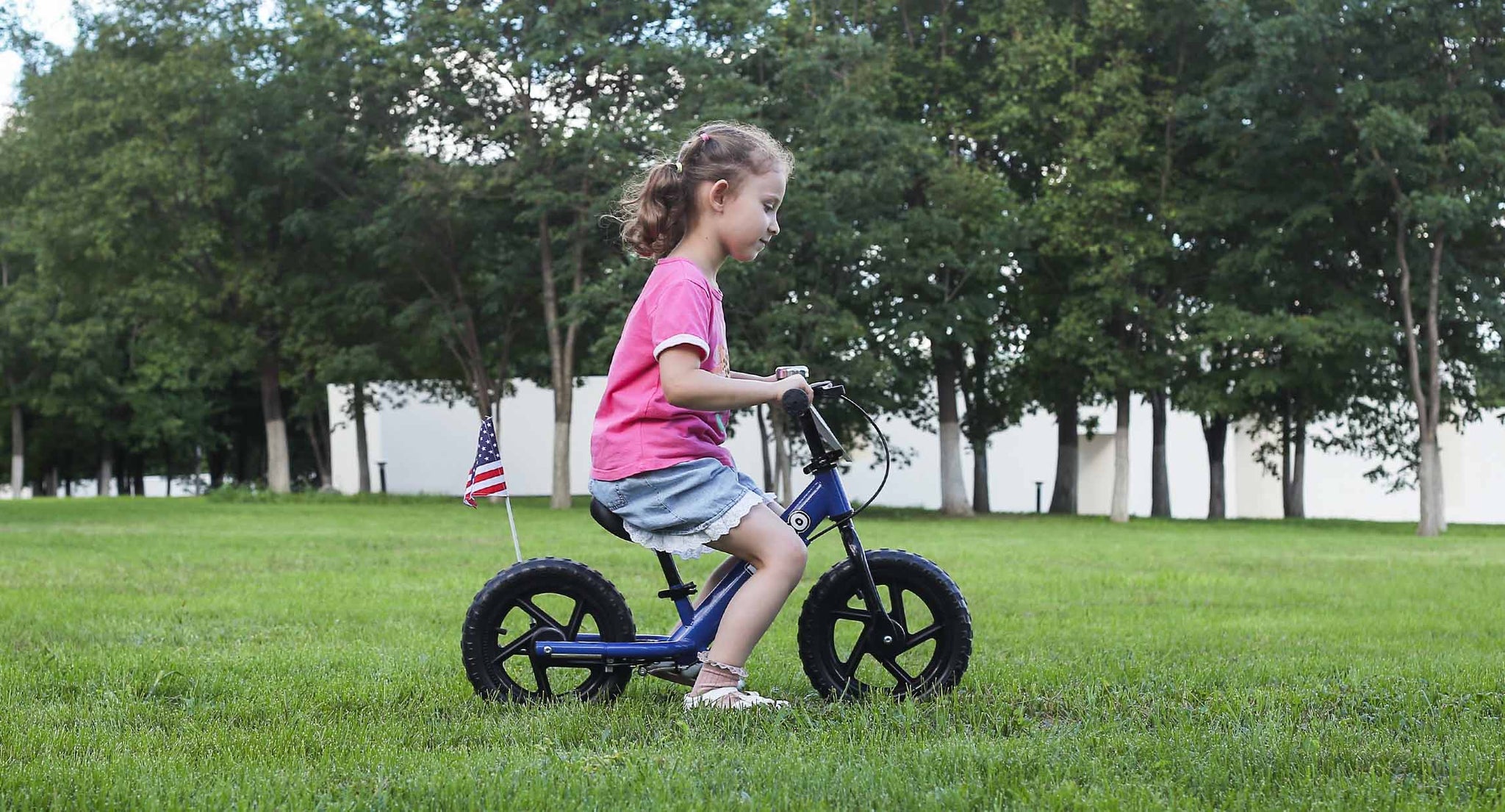
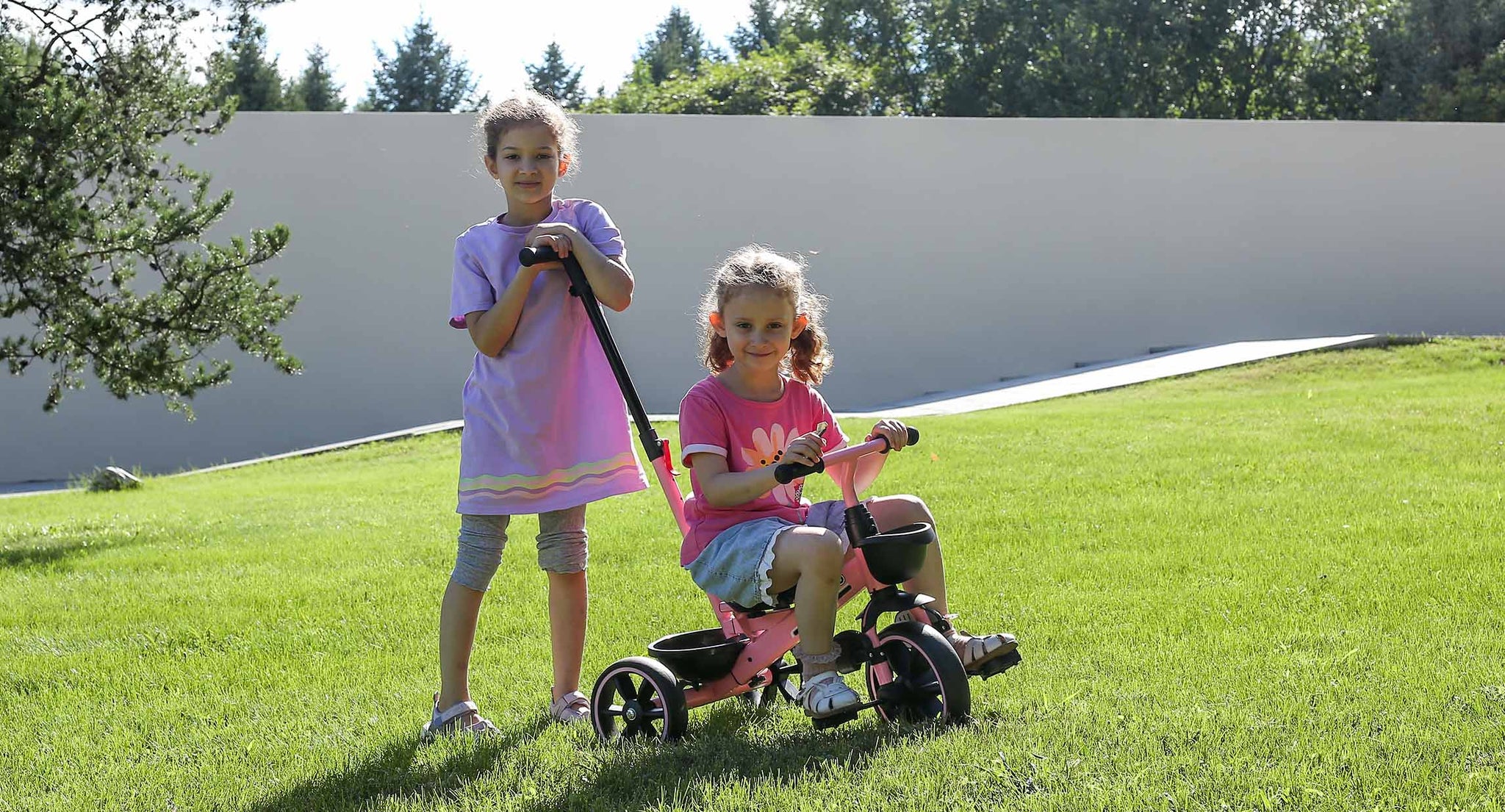
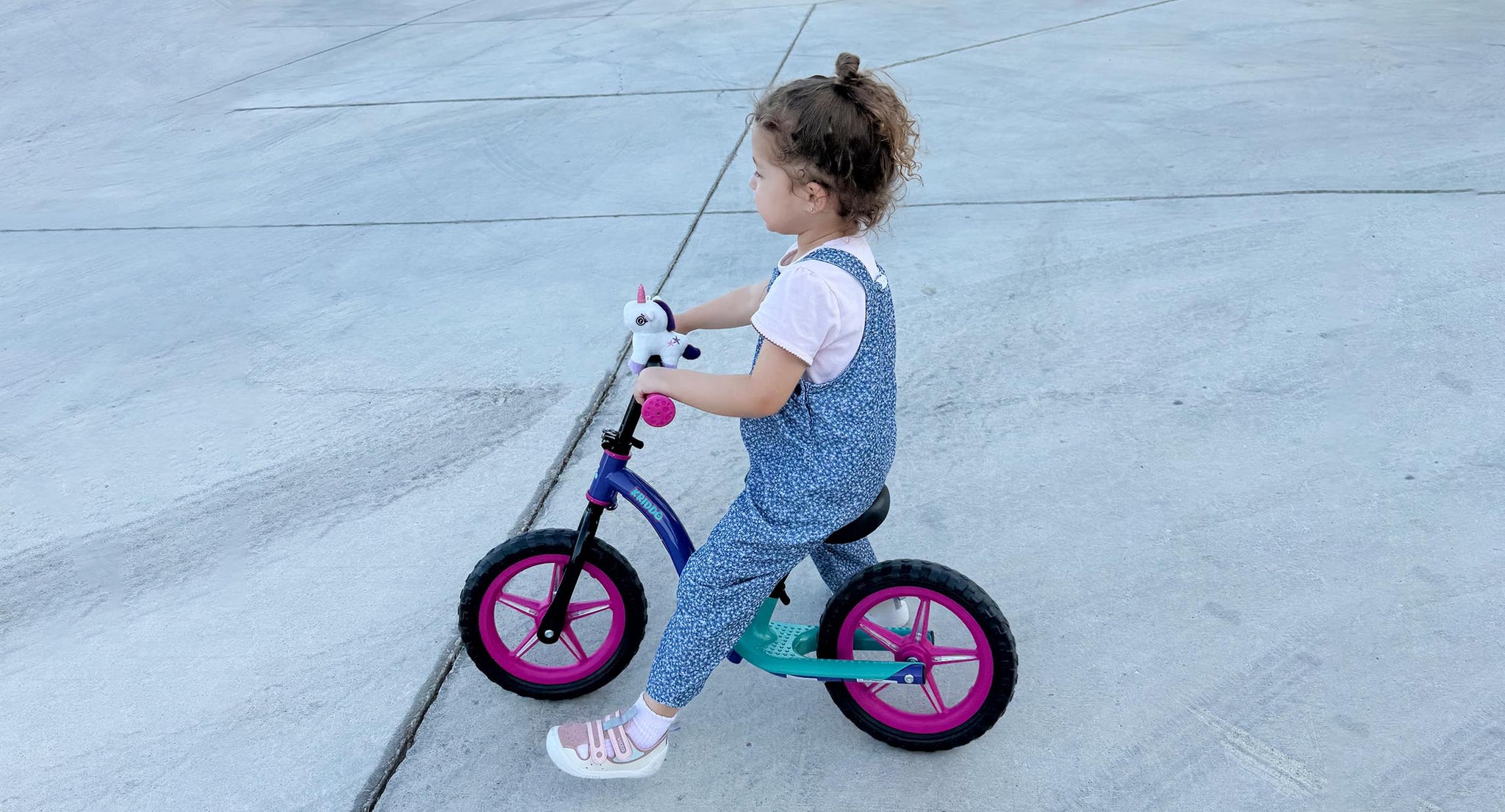
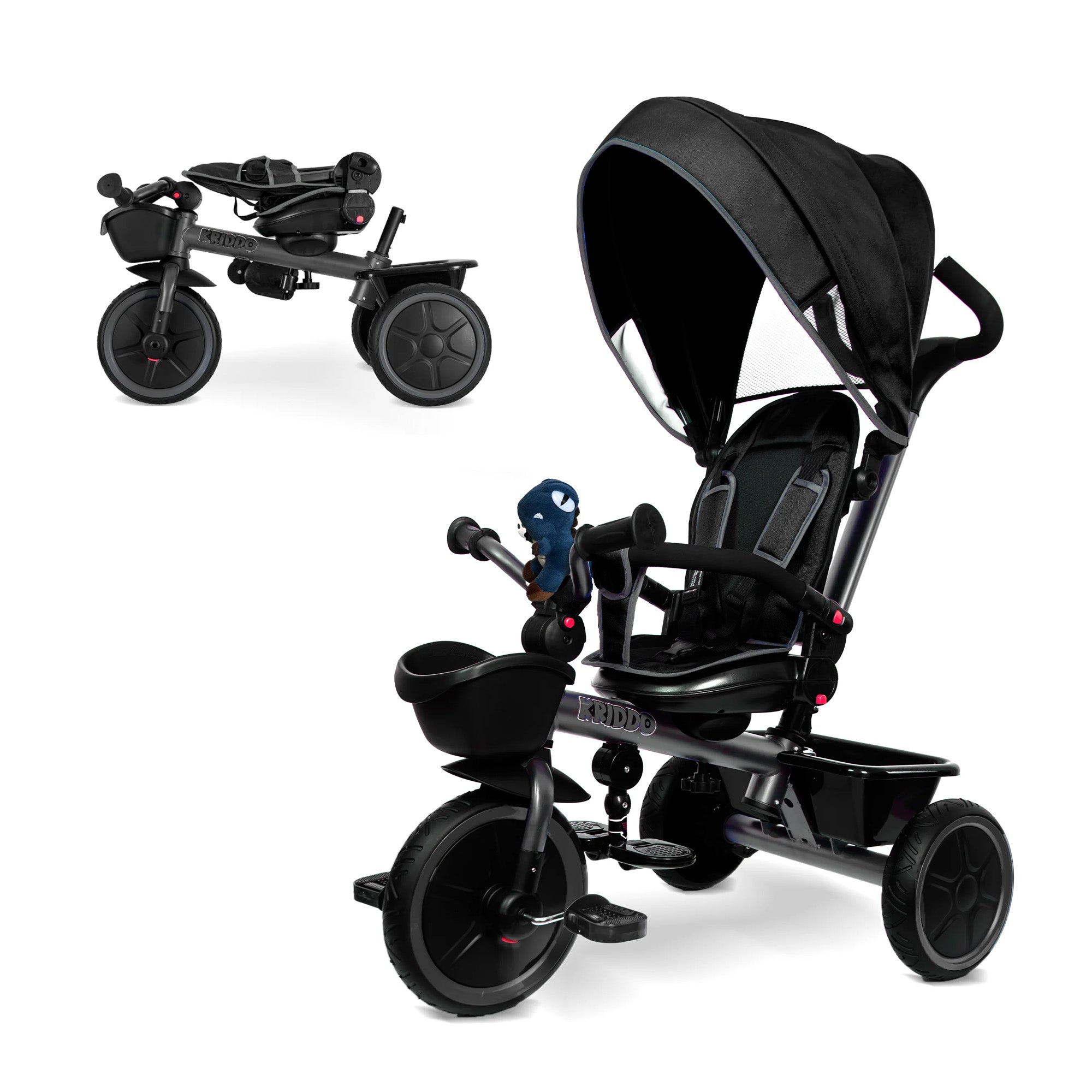
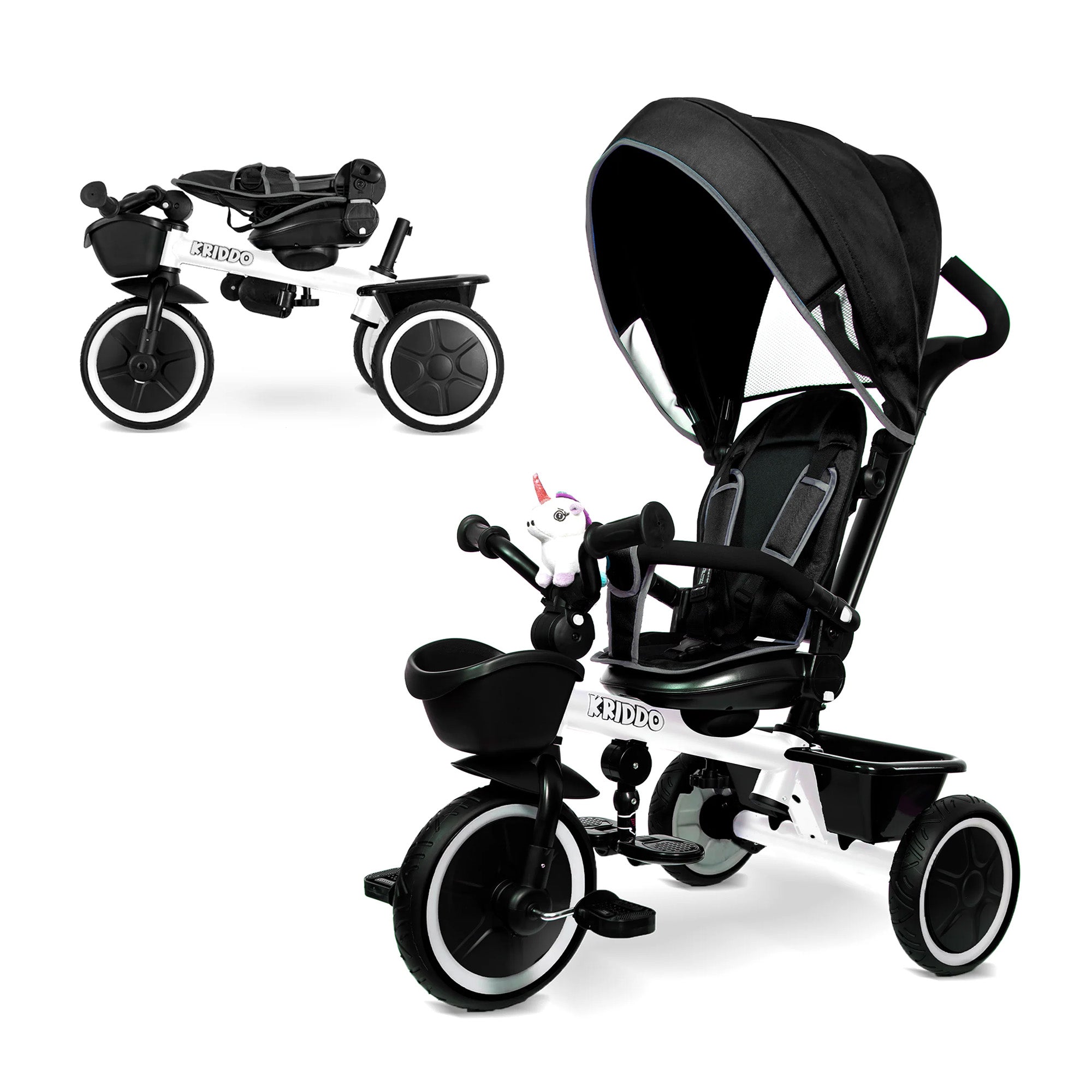
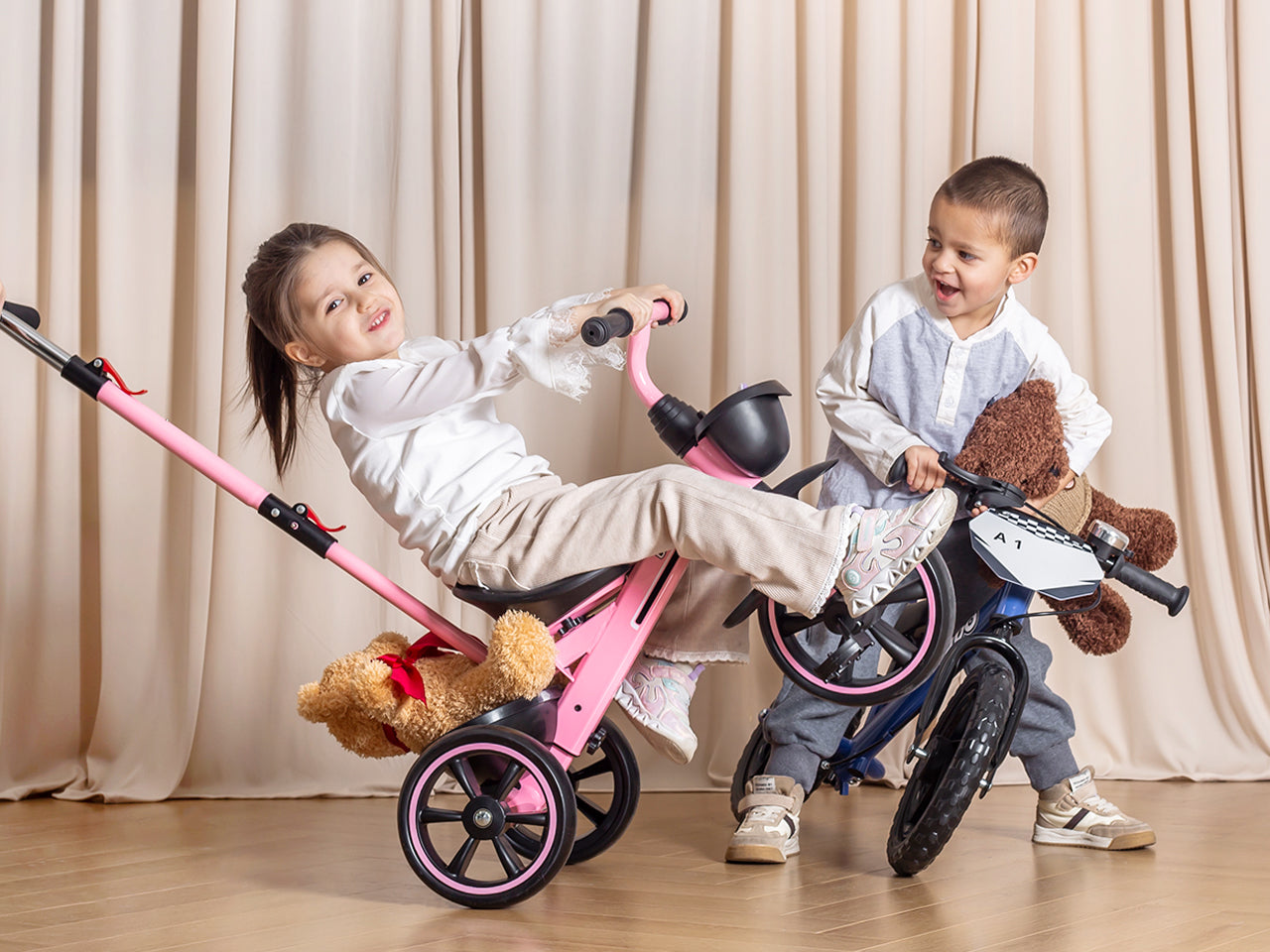
As toddlers become more mobile, ride-on and wheeled toys add a new layer to physical development. These toys encourage children to coordinate their legs, steer with intention, and understand momentum and balance. They also give children a sense of independence that’s hard to replicate with stationary play.
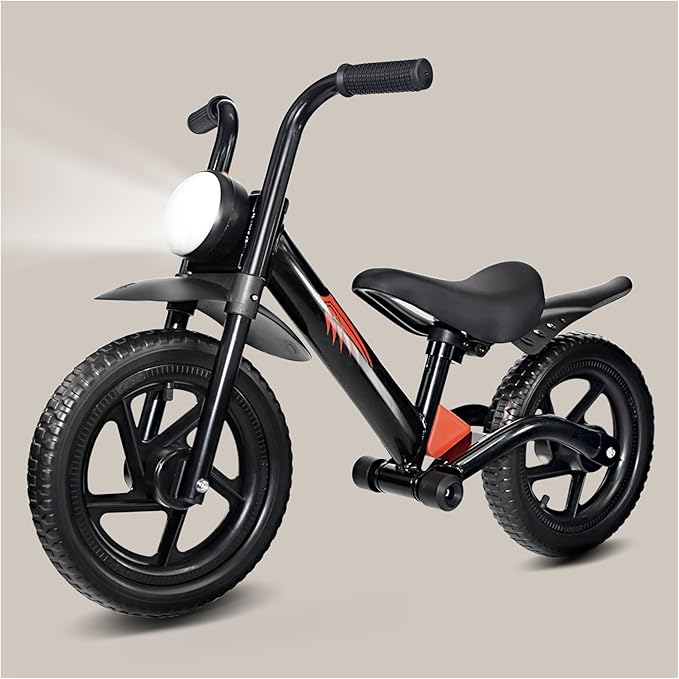
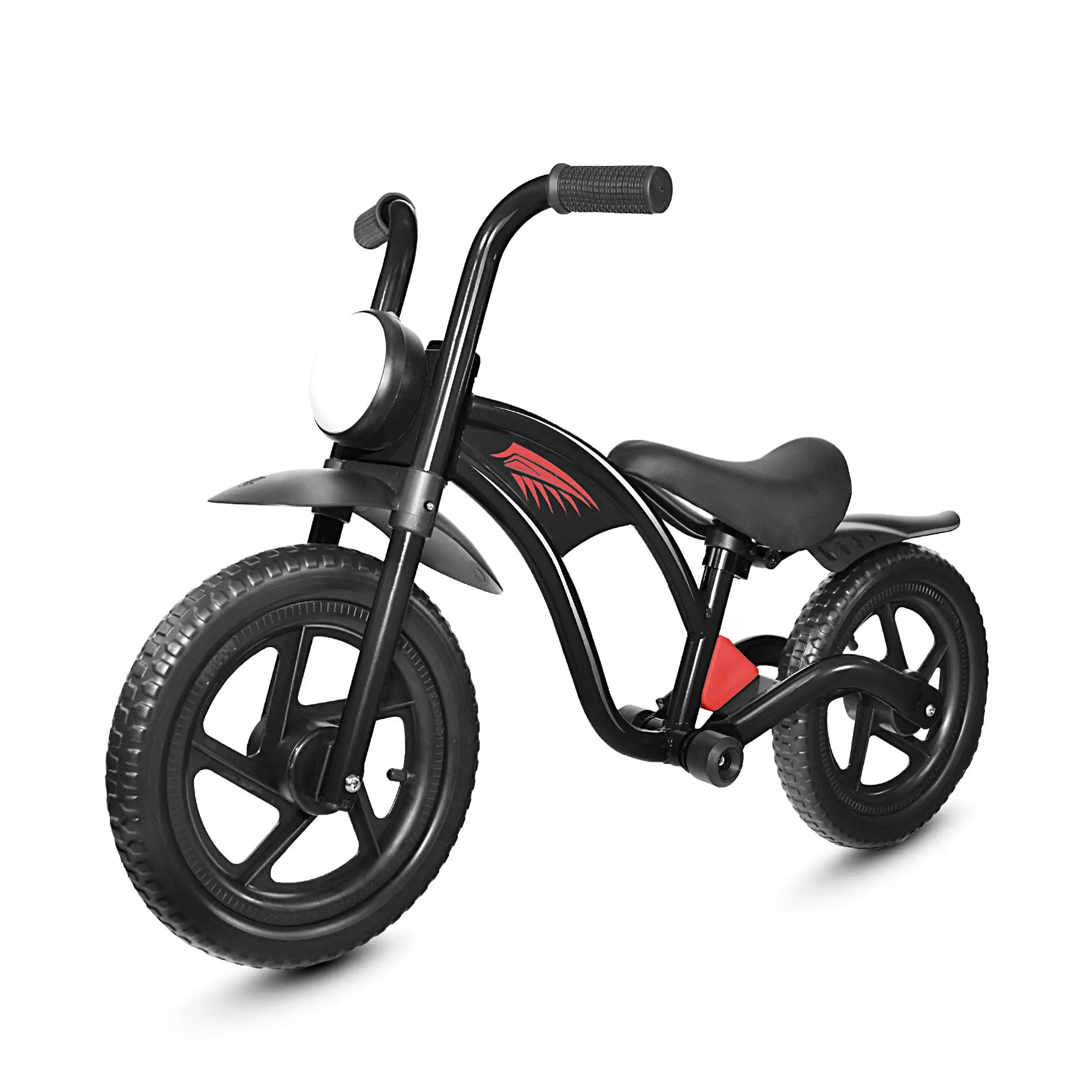
Using balance-based ride-on toys supports coordination and spatial awareness while helping children move confidently through their environment. This kind of movement naturally strengthens muscles and improves posture, while also nurturing a sense of joy in physical activity. Experiences like these contribute to smoother transitions later, especially when children are ready for more advanced riding skills that build on early balance and control.
Physical development sets the tone for lifelong habits

Here’s the thing: children who feel capable in their bodies are more likely to enjoy being active. That enjoyment matters. Early positive experiences with movement often translate into healthier habits later in life.
Physical development in early childhood isn’t about pushing children to hit milestones faster. It’s about giving them space, time, and encouragement to move, explore, and experiment at their own pace. When movement is integrated naturally into daily life, children develop strength and coordination without pressure.