




Bike Design for Kids:
Why Toddler Bikes Are Never Smaller Adult Bikes
Hailey | 3rd, Feb
Many people assume that bike design for kids is simply a matter of shrinking an adult bicycle. Honestly, that idea sounds convenient, but it misses the point entirely. Children are not miniature adults. Their bodies move differently, their strength develops unevenly, and their confidence grows in bursts rather than straight lines. When you look closely, a well-designed kids’ bike—especially a balance bike—is really a tool that supports physical development, emotional confidence, and basic motor learning all at once.
Parents usually sense this instinctively. You watch your child wobble, plant their feet, push again, and suddenly smile when balance clicks. That moment doesn’t happen by accident. It’s shaped by thoughtful design choices that work quietly in the background. Let me explain what actually matters when choosing a balance bike, and why these details define true bike design for kids.
Frame Geometry: Where Confidence Begins

Frame geometry sounds technical, but for kids, it’s deeply practical. Geometry dictates how stable the bike feels, how easily a child can correct mistakes, and whether learning feels intuitive or frustrating.
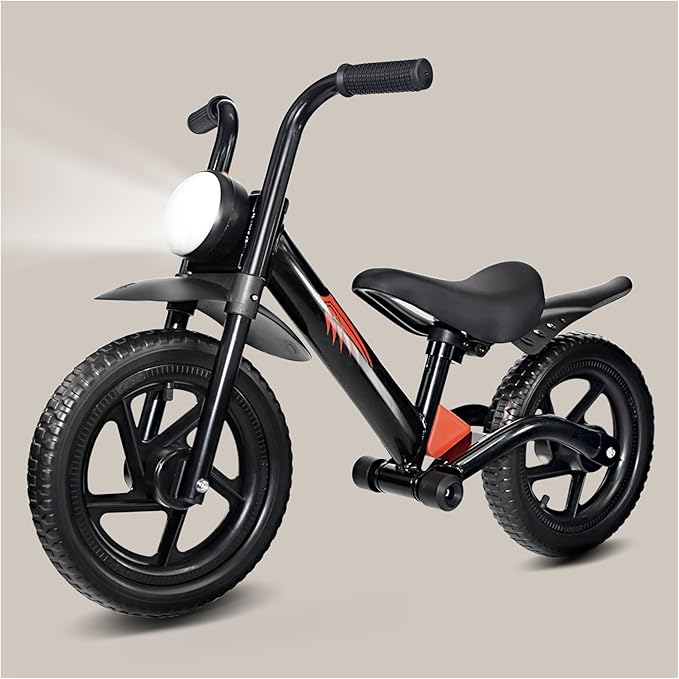
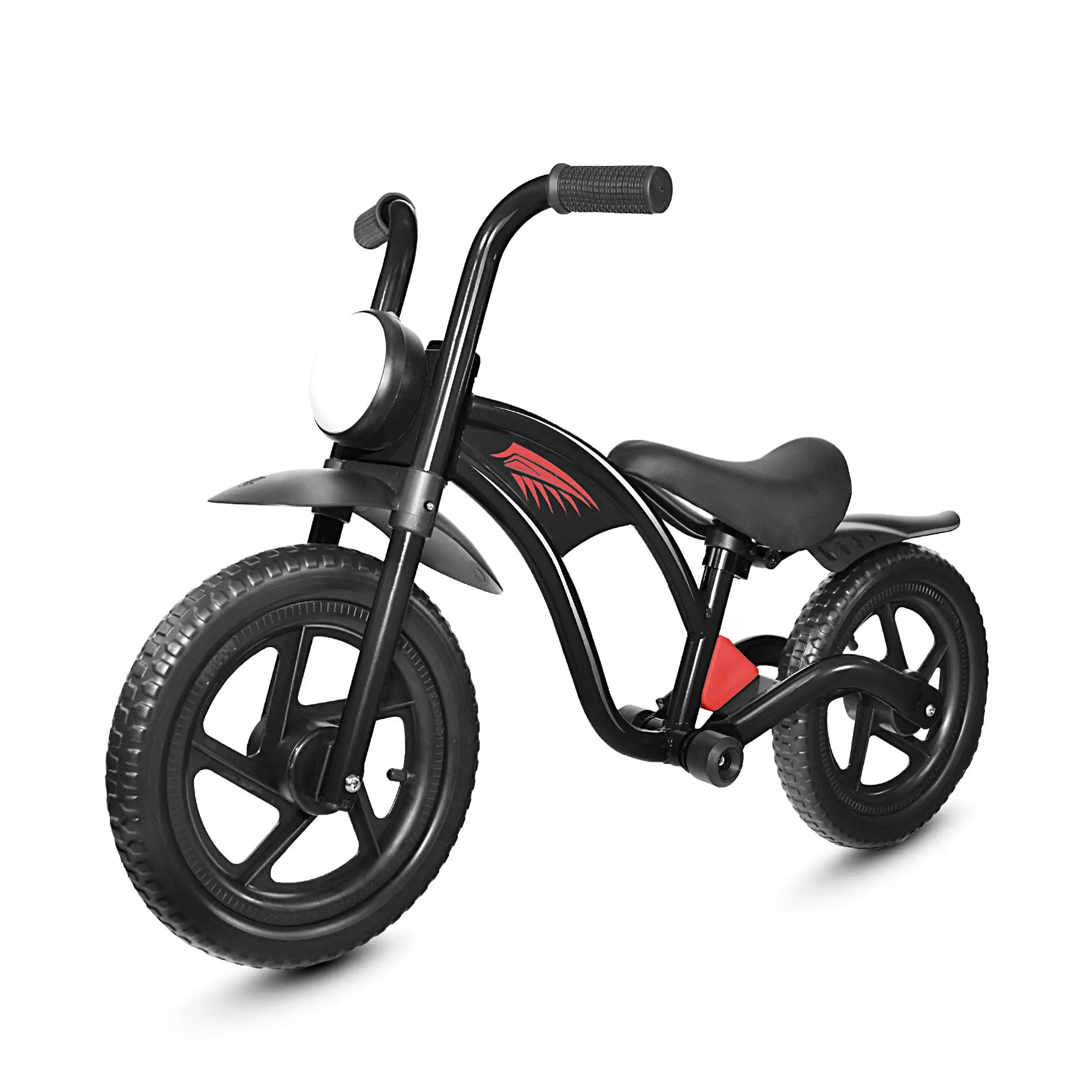
A well-designed balance bike usually features a low step-through frame. This lowers the standover height, making it easier for kids to get on and off without help. More importantly, it removes fear. When a child knows their feet can touch the ground instantly, they relax. Relaxation leads to better balance, and better balance leads to faster learning.
Poor geometry, on the other hand, forces kids into awkward positions. They hesitate. They stiffen up. Balance becomes work instead of play. While judging geometry can feel subjective, there’s a shared understanding among experienced parents: bikes that look friendly, open, and low tend to perform better for beginners. That’s not coincidence—it’s intentional design.
Seat Position: Small Adjustment, Big Impact
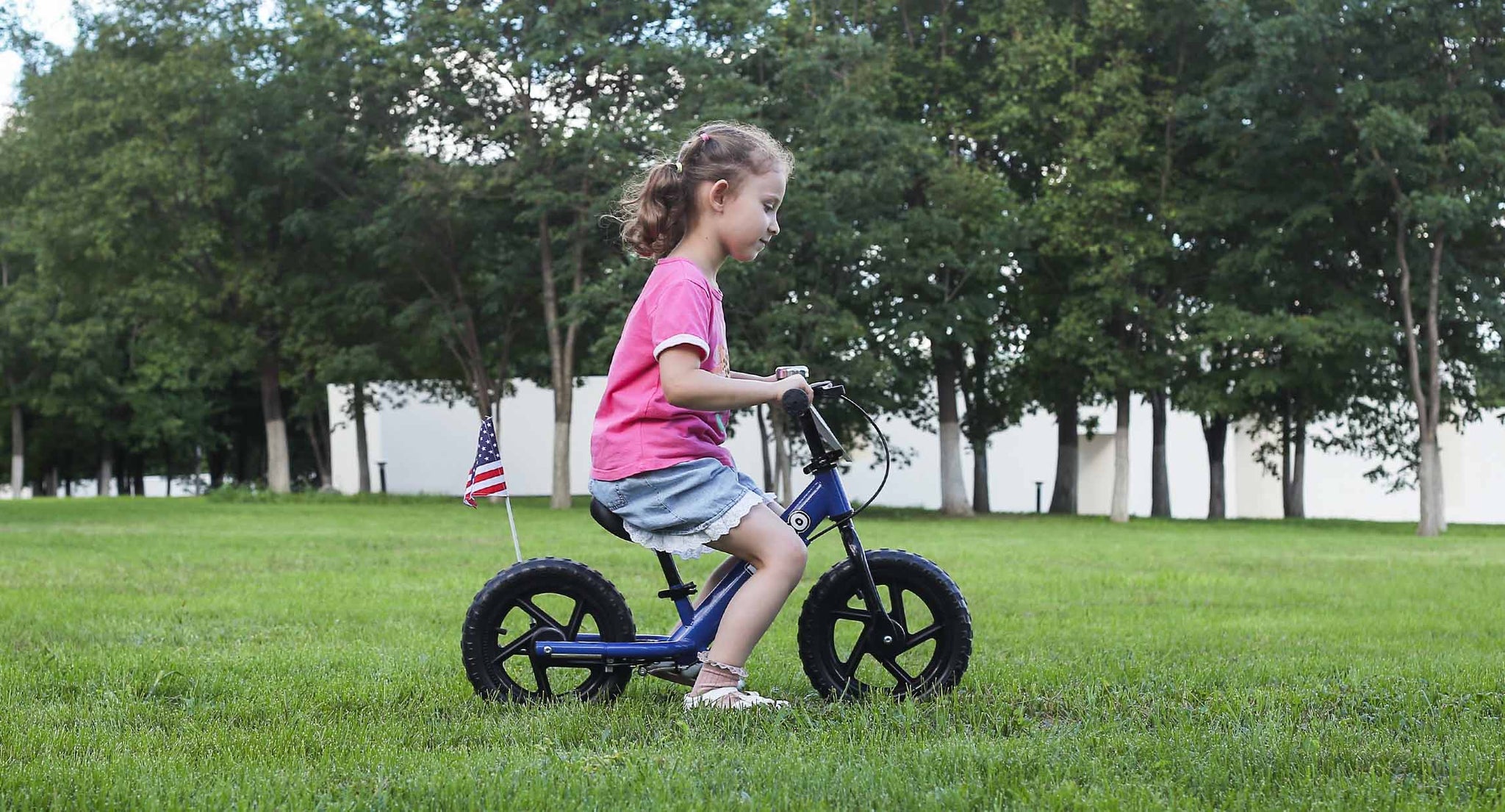
Seat height is often treated as an afterthought, but on a balance bike, it’s central to control. When the seat is set to its lowest position, the distance between the seat and the rear wheel should be minimal. This keeps the rider’s center of gravity low, which makes slow-speed balance easier and steering more predictable.
If that gap is too large, the child sits higher than they should. The bike feels top-heavy. Suddenly, turning becomes harder and stopping feels less stable. Kids might not articulate this, but you’ll see it in their body language—more tiptoeing, less confidence.
Brands that truly understand bike design for kids pay close attention here. Every KRIDDO balance bike, for example, comes with an adjustable seat that accommodates different heights while maintaining that critical balance point. The carefully measured distance between the seat and rear wheel allows kids to stay grounded—literally and figuratively—while they ride. You’ll find that consistency across the entire balance bike collection, not just one model.
Weight: The Silent Dealbreaker
Weight is one of the most overlooked factors in children’s bikes, and yet it’s one of the most decisive. Kids don’t have the muscle reserves adults rely on. They can’t muscle a bike into submission. If it’s too heavy, it simply wins.
A common rule of thumb is that a child’s bike should weigh no more than one-third to one-half of the child’s body weight. For younger toddlers, even that can feel like pushing the limits. A heavy bike makes steering sluggish, slows reaction time, and drains energy quickly. Suddenly, riding feels like work.
That’s why lighter bikes tend to get ridden more. Many KRIDDO balance bikes fall in the 6–7 lb range, striking a practical balance between durability and ease of control. The dual-bearing balance bike goes even lighter at just 5.7 lbs, without sacrificing structural integrity. That difference may seem small on paper, but to a toddler, it’s huge.
Tires: Foam or Air, and Why It Matters
Tires quietly shape the riding experience. On balance bikes, the choice usually comes down to foam tires or air-filled tires and each serves a different kind of rider.
Foam tires are common for good reasons. They’re lightweight, maintenance-free, and never go flat. For families riding mostly on sidewalks, driveways, or smooth park paths, foam tires are often enough. They keep things simple and predictable.
Air tires, meanwhile, add cushioning. They absorb bumps better and provide more grip on uneven surfaces. That can make rides smoother, especially on gravel or rough pavement. Choosing between the two isn’t about which is “better,” but which matches how and where your child rides. Parents who’ve spent time comparing EVA foam and air tires usually realize there’s no universal answer—just a practical one.
Components Designed for Small Hands

When kids graduate from balance bikes to pedal bikes, components become even more important. Brakes, levers, and grips need to match small hands and developing coordination. Oversized brake levers can be hard to pull, and stiff mechanisms can delay stopping.
Good bike design for kids accounts for this by scaling components properly. Easy-to-reach brake levers and smooth action help children stop confidently without panic. This isn’t just about comfort; it’s about safety. When a child knows they can slow down or stop reliably, they ride with more control and fewer surprises.
Personality Matters Too
Not everything about bike design is technical. Kids connect emotionally with their bikes. Colors, shapes, and playful details can turn a bike into “my bike,” not just a piece of equipment.
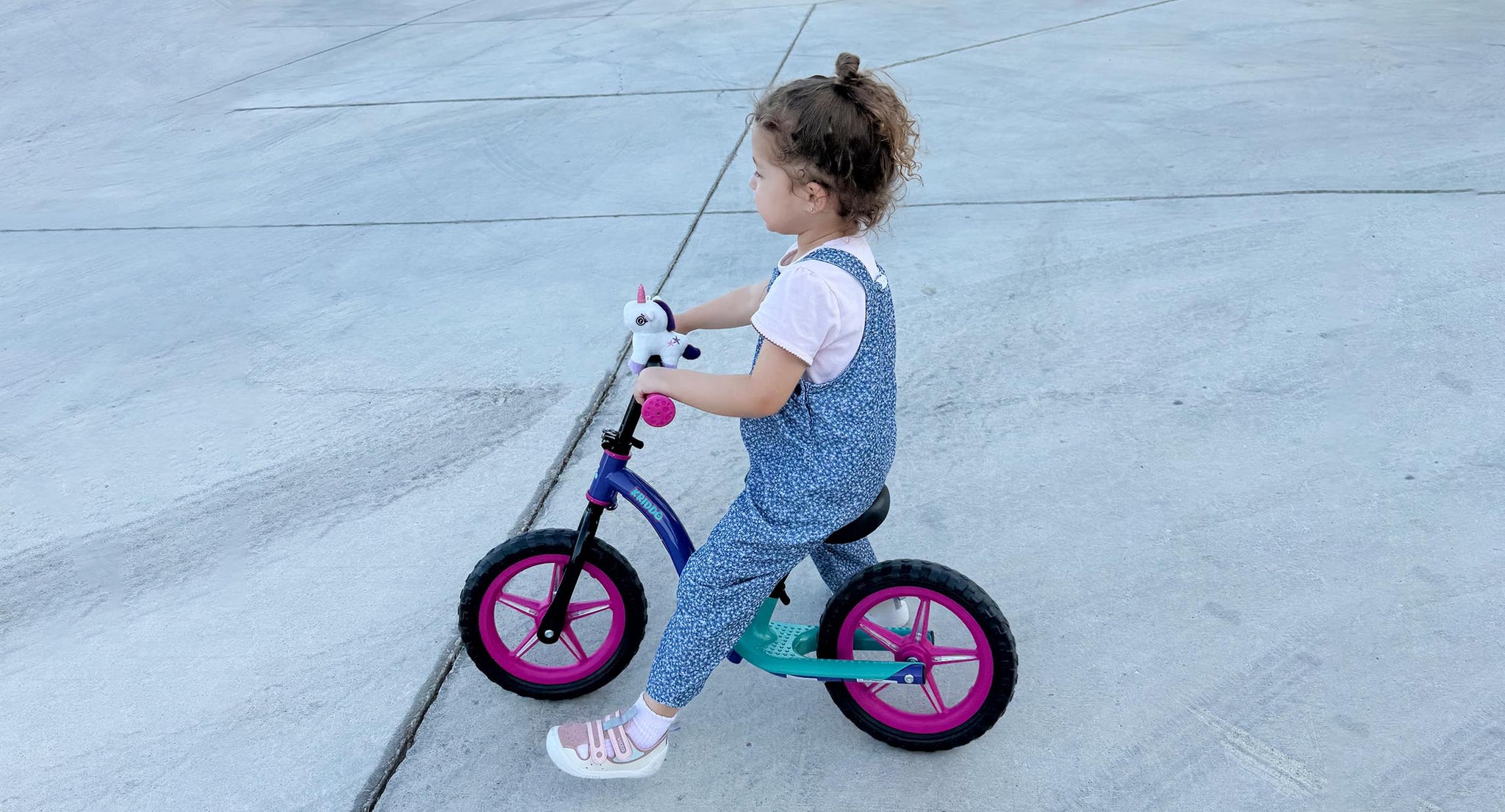
Some balance bikes include accessories like decorative plates or themed figures—dinosaurs, unicorns, or other characters kids love. KRIDDO’s classic 12-inch balance bike with footrest and toddler ride-on toys blend function with imagination, giving kids room to express creativity while they ride. That emotional connection often means more time on the bike, which leads to faster skill development. Funny how that works.
A Brand Built Around Kids, Not Trends
- Built around how children actually grow
KRIDDO designs balance bikes based on children’s body proportions, coordination, and confidence development, rather than shrinking adult bike designs. - Environmental responsibility included
Several KRIDDO products are ClimatePartner certified (ID: DTLHH4), reflecting a measurable and transparent approach to climate impact. - Consistent safety across regions
Products meet regulatory requirements in the U.S., Canada, the UK, and the EU through third-party testing and internal safety checks. - Serving families globally
KRIDDO operates in the U.S., UK, Canada, and Australia, with shipping systems adapted to local customer needs.
These points together reflect a brand focused on long-term usability, safety, and trust—rather than short-lived trends.
Why Thoughtful Design Always Wins

Here’s the thing: kids don’t adapt to bikes the way adults do. Bikes must adapt to kids. When geometry feels right, weight stays manageable, and details support learning instead of fighting it, children progress naturally. They fall less. They smile more. And they build skills that carry over when pedals finally come into play.
Parents often ask which balance bike is “the best.” The honest answer depends on the child—but bikes designed around real developmental needs consistently stand out. Many parents exploring the best balance bikes for toddlers come to the same conclusion: good design feels invisible when it’s done right. It simply lets kids ride.
Bike design for kids isn’t about trends or shortcuts. It’s about respecting how children grow, one push at a time.