




5 Toddler Independent Play Toys:
Helping Your Child Learn to Play
Amy | 4th, Aug
I think almost every parent of a toddler has experienced this moment.
Your child says, “I’m bored.”
You suggest coloring, blocks, books, or a favorite toy. But every idea gets rejected.
“No, I don’t want that.”
A few minutes later, they bring you a toy and ask, “Can you play with me?”
Meanwhile, dinner needs to be made, laundry is waiting, and you’re wondering how to help your child enjoy playing on their own.
For many parents, independent play can feel like a parenting myth. But the truth is, children are not born knowing how to entertain themselves. Independent play is a skill they slowly develop through practice, patience, and the right environment.
The right toddler independent play toys can make this process easier. Toys that encourage creativity, movement, and exploration give children opportunities to make choices and discover their own ideas.
And honestly, watching your child become completely absorbed in their own little world is one of those parenting moments that feels pretty special.
Why Independent Play Matters for Toddlers

Independent play does not mean leaving your child alone all day. It means creating opportunities for them to explore while knowing a parent is nearby when needed.
During independent play, toddlers learn important skills:
- problem-solving;
- patience;
- creativity;
- confidence.
As parents, it can be difficult not to step in. When a tower falls or a toy feels challenging, our instinct is often to help.
But those small struggles are valuable.
A child rebuilding a block tower or trying again after a mistake is learning persistence. They are discovering that they can solve problems by themselves.
How to Encourage Independent Play
Some toddlers naturally enjoy playing alone, while others need more support. The goal is not to force independence but to create small opportunities for children to practice.
Start Small
If your child always wants you involved, don’t expect long periods of independent play immediately.
Start with a few minutes.
For example, let your child help fold laundry while you work nearby. Their folding may not look perfect, but that is not the point. They are learning that they can participate and complete something independently.
Slowly increase the distance over time. First, sit beside them. Later, move across the room. Eventually, you may only need to answer an occasional question.
Create a Safe Play Space
Children are more willing to explore when they feel secure.
A safe play area or carefully childproofed room allows toddlers to move, experiment, and make choices without constant reminders about what they cannot touch.
At first, they may ask you to stay. That is normal.
With patience and consistency, many children become more comfortable creating their own games, moving toys around, and exploring without waiting for an adult to lead.
Keep Playtime Calm and Focused
The environment around children affects how they play.
Too much screen stimulation can make it harder for toddlers to slow down and focus on creative activities. Creating screen-free moments gives children more chances to explore toys and use their imagination.
Simple changes, like keeping devices away during playtime, can help children develop healthier habits. Many families also find that adjusting daily routines can make it easier to reduce screen time for toddlers.
The goal is not perfection. It is giving children enough quiet space for creativity.
How Long Can Toddlers Play Independently?

Every child develops differently.
As a general estimate:
- Babies: around 2 minutes;
- 1–2-year-olds: around 4 minutes;
- 3–4-year-olds: around 8 minutes.
These numbers are only guidelines.
A toddler may happily play after a nap but struggle when tired, hungry, or overwhelmed. Some days will go smoothly, while other days your child may need more connection.
That is completely normal.
Toddler Independent Play Toys That Encourage Creativity
Not every toy supports independent play.
Some toys are exciting at first but quickly lose interest because they only have one purpose. The most helpful toddler independent play toys usually allow children to make choices and explore different possibilities.
1. Ride-On Toys
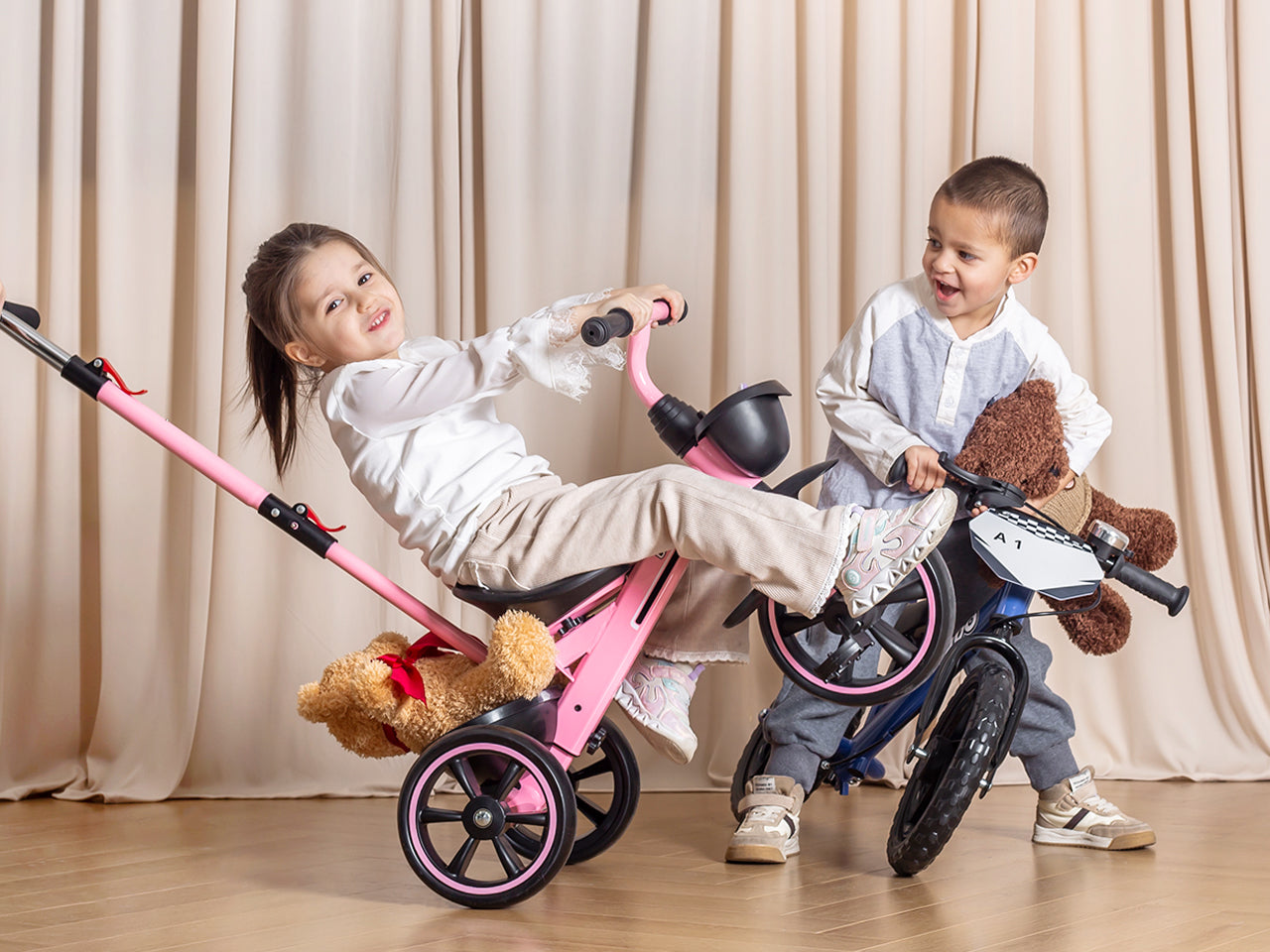
Toddlers love movement. They want to balance, push, ride, and discover what their bodies can do.
Ride-on toys combine fun with physical development. Balancing, steering, and controlling movement help children build coordination and confidence.
Active play supports growing bodies, and everyday movement plays an important role in early childhood physical development.
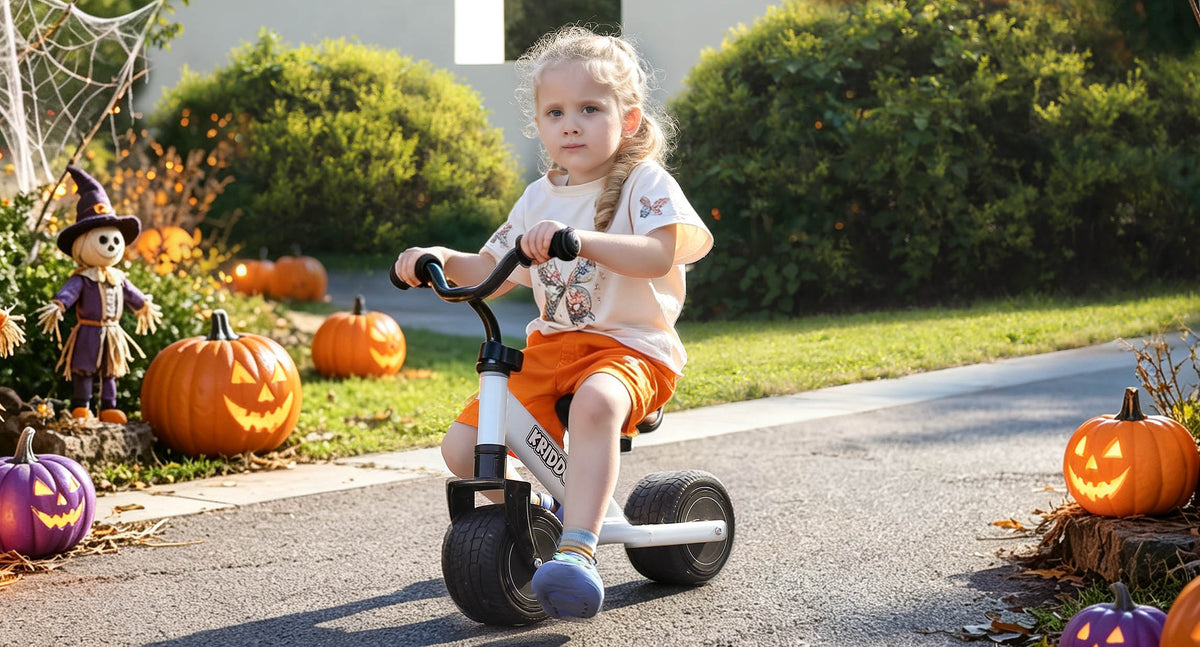
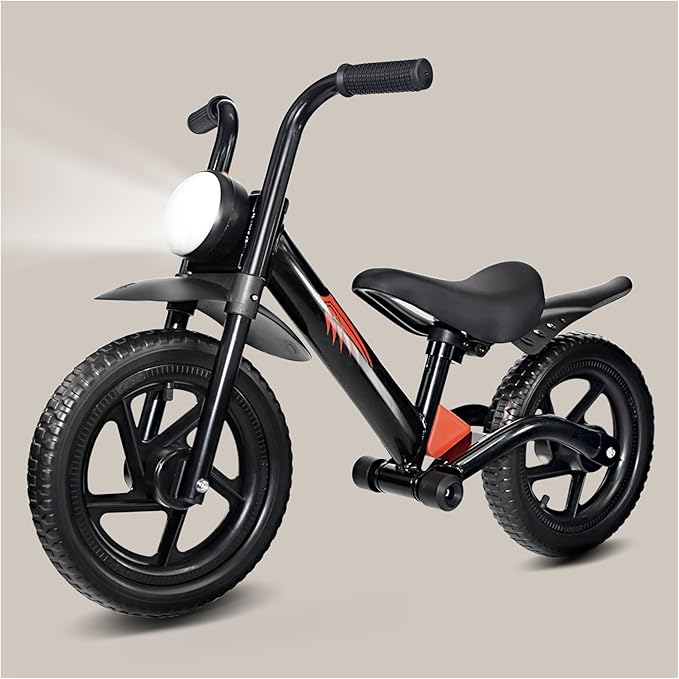
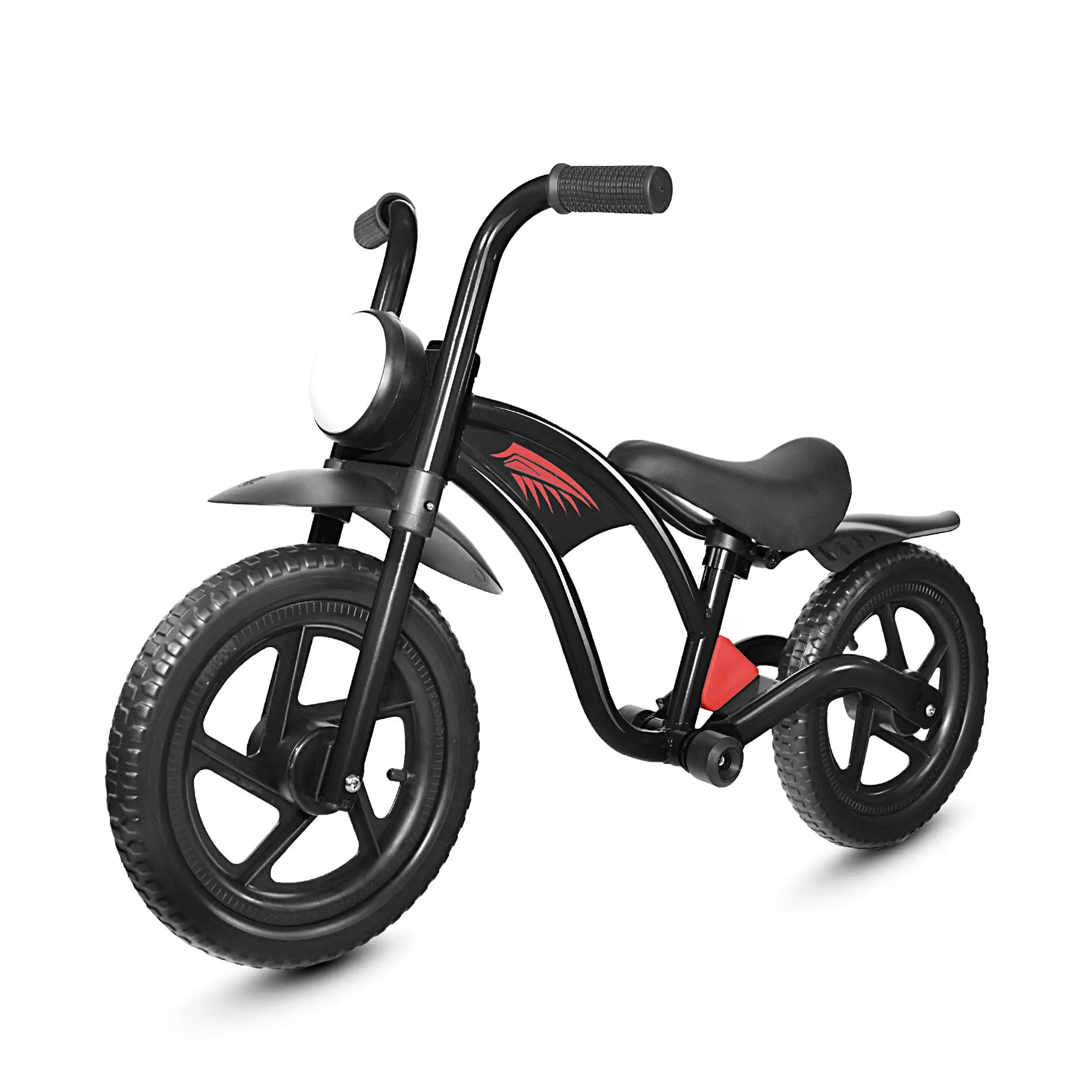
A balance bike is a great example. Children can practice balance and steering at their own pace while gaining confidence through small challenges.
Many parents appreciate that balance bikes continue to support children as their skills improve.
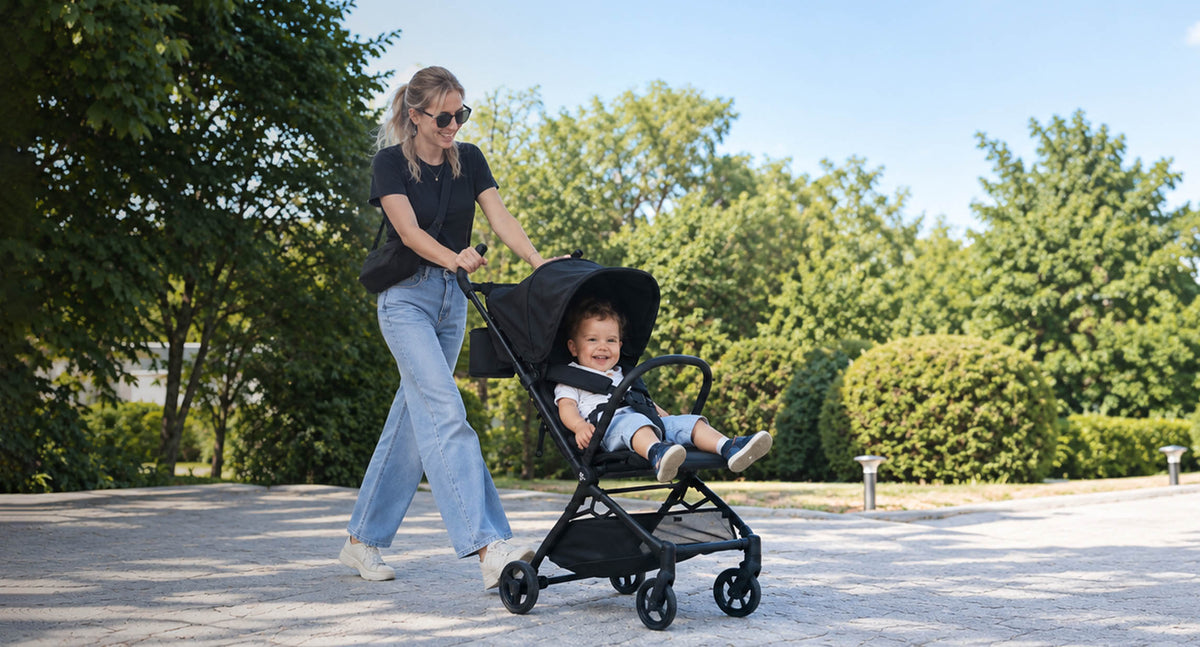
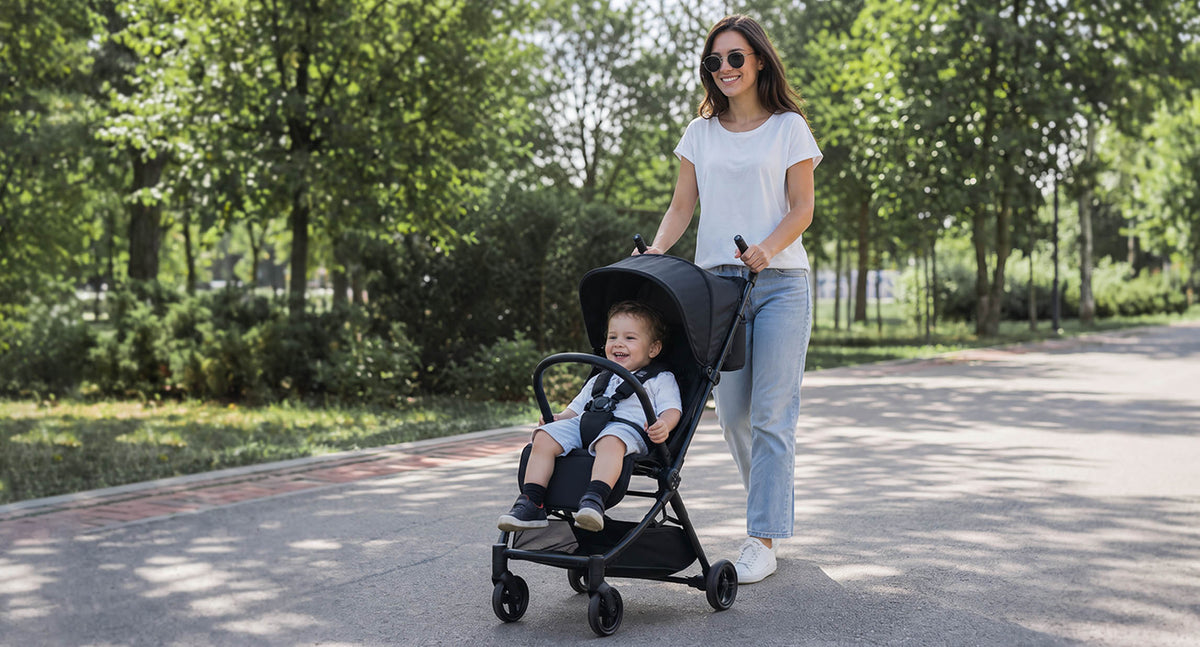
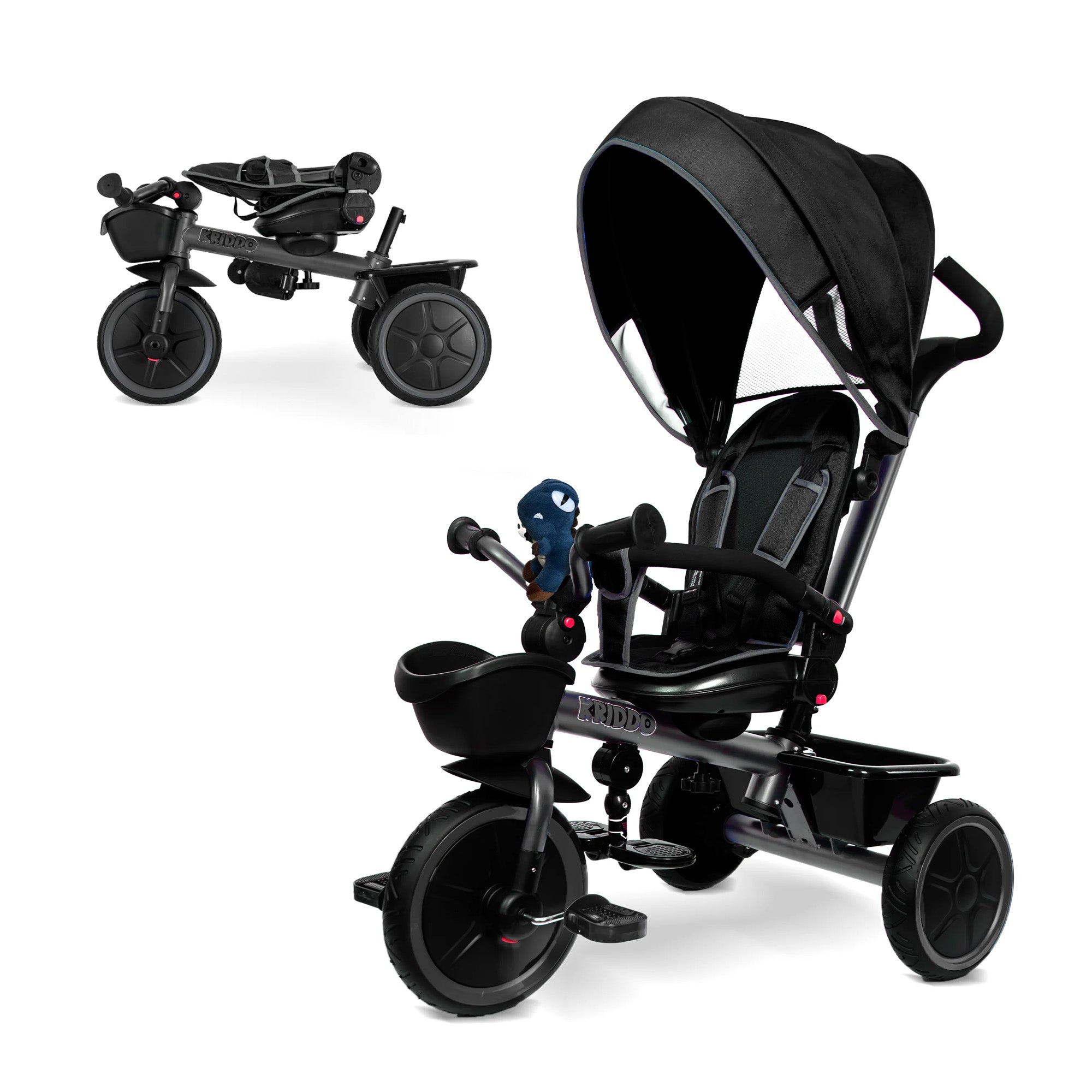
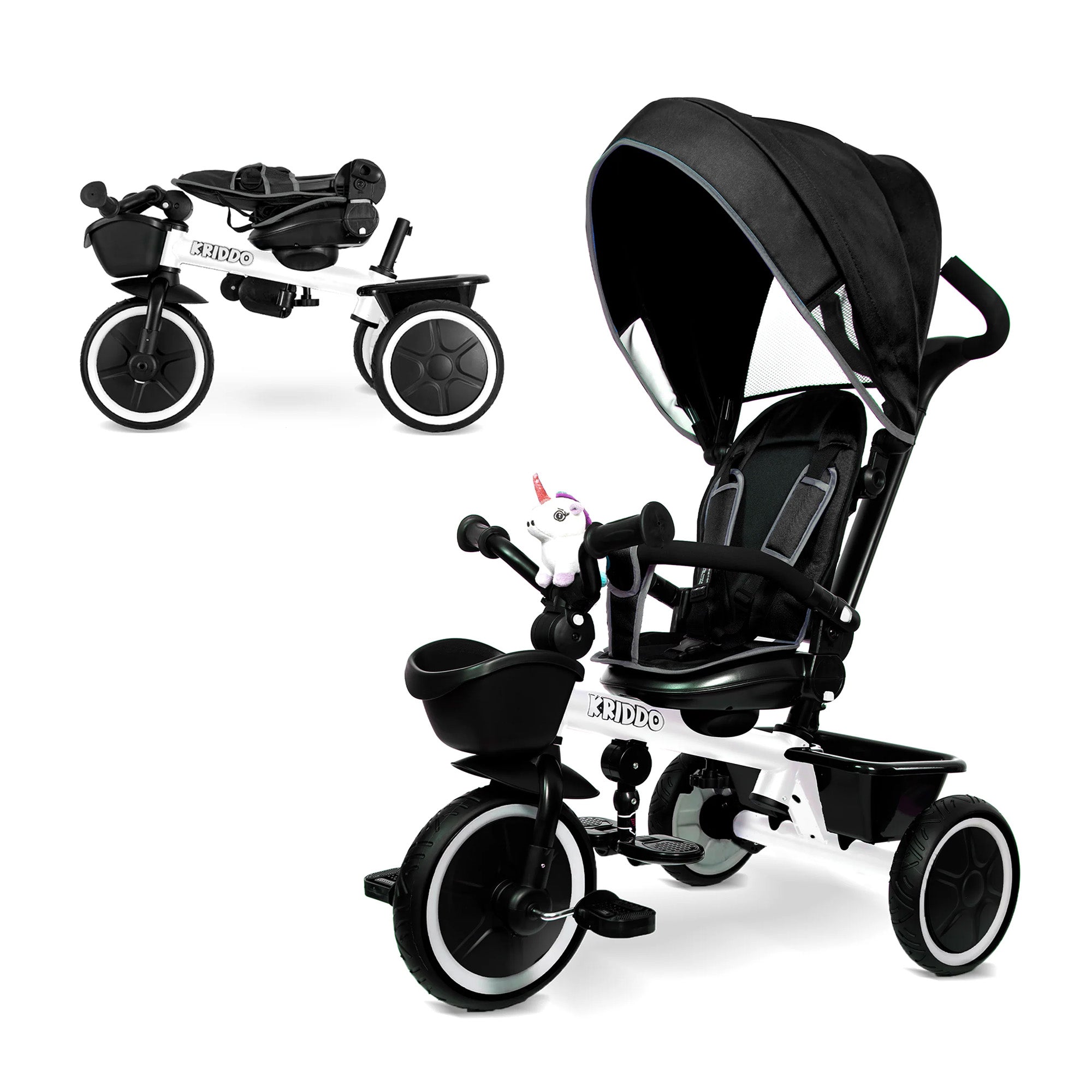
For younger riders, kids’ tricycles can also provide opportunities for independent movement and outdoor exploration.
2. Magnetic and Wooden Building Toys
Open-ended building toys are excellent for independent play because there is no single correct way to use them.
Magnetic tiles and wooden blocks allow children to build, experiment, and create new ideas.
One day the pieces may become a tower. Another day, they may become a house, bridge, or imaginary world.
While playing, children are also learning about shapes, patterns, balance, and problem-solving.
3. Role-Playing Toys
Children often recreate the world they see around them.
A toy kitchen, dolls, costumes, or pretend tools can inspire hours of imaginative play.
A child may pretend to cook dinner, run a store, repair a machine, or take care of a toy animal.
These simple games help children practice creativity, communication, and emotional understanding.
4. Modular Toys
Toys that can be built, rearranged, and taken apart are perfect for independent exploration.
Open-ended materials allow children to try ideas, make mistakes, and start again.
The fewer rules a toy has, the more possibilities children can discover.
5. Books and Picture Albums
Books can also become wonderful independent play tools.
Children are naturally curious. Real-life images, familiar objects, and everyday scenes help them understand the world around them.
Encouraging curiosity early can inspire children to ask questions and explore new ideas. Simple experiences that support learning and discovery can help raise curious children.
Many children return to favorite books again and again, spending quiet moments looking through familiar pages.
How to Choose the Right Independent Play Toys

When choosing toys, focus less on how exciting they look and more on what they allow your child to do.
Ask:
- Can my child use it in different ways?
- Does it encourage imagination?
- Can my child explore without constant help?
The best toys are often simple ones that give children room to think.
Independent play is not about keeping children busy. It is about helping them discover that they are capable, creative, and confident.