








How to Deal With Sensitive Kids:
Supporting Big Feelings Without Losing Your Mind
Emily | 23th, June
I used to joke that parenting felt like an arms race.
Just when I figured out something that worked, my child would change, grow, or react differently, and suddenly I was back at square one. One week a comforting hug solved everything. The next week, that same hug made things worse.
That's true for most parents. But when you're raising a highly sensitive child, the challenge can feel even bigger.
Sensitive kids experience the world differently. They notice things other people miss. They feel emotions deeply. They pick up on tension in a room before anyone says a word. Their reactions can seem intense, but they're often responding to experiences that genuinely feel overwhelming to them.
Learning how to deal with sensitive kids isn't about changing who they are. It's about understanding how they experience the world and giving them the tools to thrive in it.
What Is a Highly Sensitive Child?

Highly sensitive children tend to process information more deeply than their peers. They often have strong emotional reactions, heightened awareness of their surroundings, and a remarkable ability to notice details.
Sensitivity isn't a weakness. In many cases, it comes with strengths such as empathy, creativity, intuition, and emotional intelligence.
The challenge is that these same qualities can make everyday situations feel exhausting or overwhelming.
A loud classroom, a scratchy shirt, an unexpected schedule change, or a harsh comment can affect a sensitive child far more than parents might expect.
Understanding this difference is often the first step in learning how to deal with sensitive kids effectively.
Signs Your Child May Be Highly Sensitive
Every child is unique, but many highly sensitive children share similar traits.
They may:
- Notice small changes in their environment.
- Pick up on other people's emotions quickly.
- Struggle to move past feelings of worry or anger.
- Complain about clothing tags, seams, or uncomfortable fabrics.
- Feel overwhelmed in noisy places.
- Dislike being rushed.
- Respond better to calm conversations than harsh punishment.
- Seem emotionally mature for their age.
- Have a strong sense of humor and creativity.
- Be sensitive to food textures, smells, or flavors.
- Startle easily at unexpected sounds.
Parents sometimes mistake these behaviors for stubbornness or overreacting. In reality, many sensitive children are simply processing more information than others around them.
Validate Their Feelings Instead of Fixing Everything
One of the hardest lessons for parents is realizing that children don't always need solutions.
Sometimes they simply need understanding.
When a sensitive child is upset, our instinct is often to jump in and fix the problem immediately. But many children benefit more from feeling heard first.
Instead of saying:
"You're fine."
Try saying:
"That sounds really difficult."
"This upset you a lot."
"I can see why you're feeling frustrated."
These responses don't encourage emotional reactions. They help children feel understood, which often makes it easier for them to calm down.
Sometimes children need support. Sometimes they simply need permission to experience their feelings without judgment.
Teach Healthy Boundaries

Sensitive children often care deeply about other people.
While empathy is a wonderful quality, it can sometimes lead children to absorb other people's problems or feel responsible for emotions that aren't theirs to manage.
That's why learning boundaries is so important.
It's okay for children to learn phrases like:
- "I need some time alone."
- "I can't help right now."
- "I'm feeling overwhelmed."
- "No, thank you."
At first, these statements can sound blunt. However, they teach children an important life skill: caring about others without neglecting themselves.
The ability to set healthy boundaries often protects sensitive children from emotional burnout later in life.
Help Them Build a Support System
Sensitive children frequently benefit from having trusted people they can turn to outside of their immediate family.
These may include:
- Grandparents
- Teachers
- Coaches
- Family friends
- Trusted relatives
Knowing there are multiple safe adults available can help children feel supported during difficult moments.
As they grow older, helping them develop social confidence becomes equally important. Learning how to identify kind, trustworthy friends can reduce loneliness and strengthen emotional resilience.
Many adults who struggled with sensitivity as children later realize they were never taught basic social skills or how to find supportive friendships. Teaching these skills early can make a significant difference.
Encourage Physical Activity for Emotional Regulation
One of the most effective ways to help sensitive children manage stress is movement.
Physical activity provides an outlet for emotions while helping children regulate their nervous systems.
Not every child enjoys organized sports, and that's okay.
Some children prefer:
- Bike rides
- Nature walks
- Swimming
- Dancing
- Hiking
- Playground activities
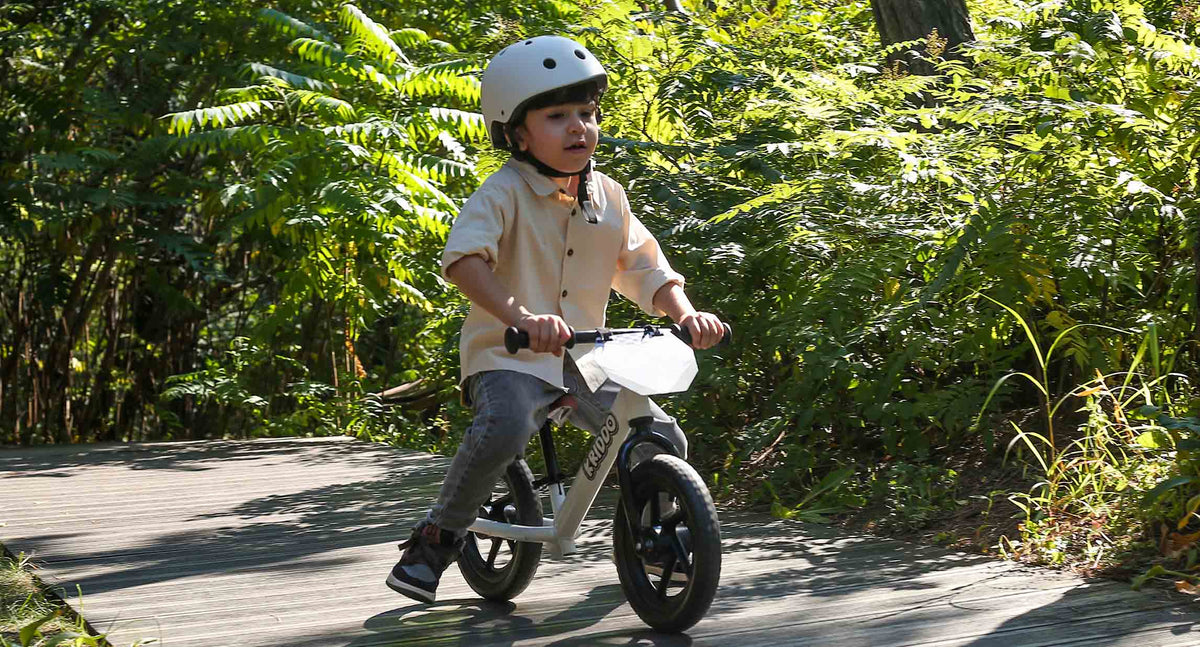
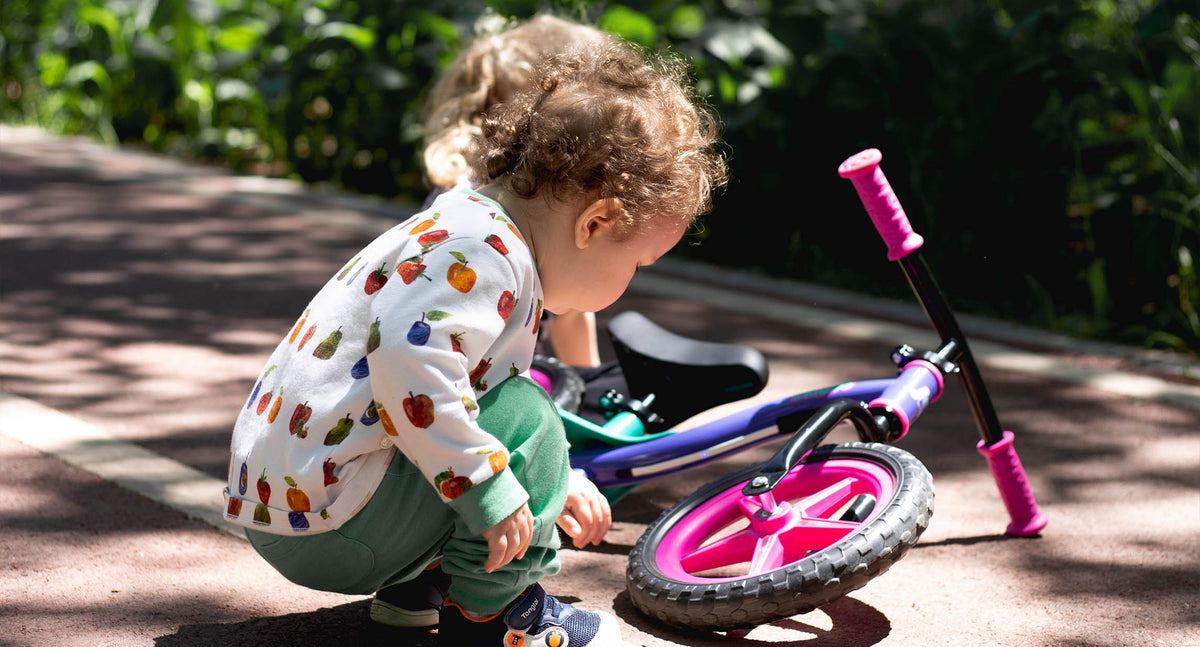
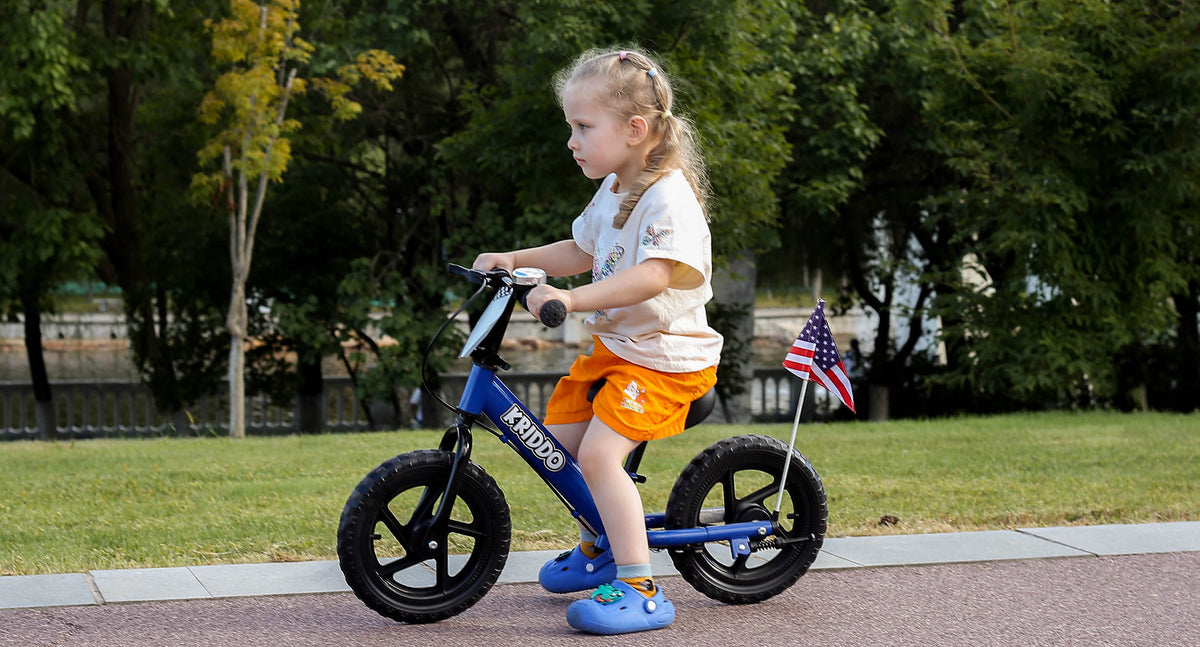
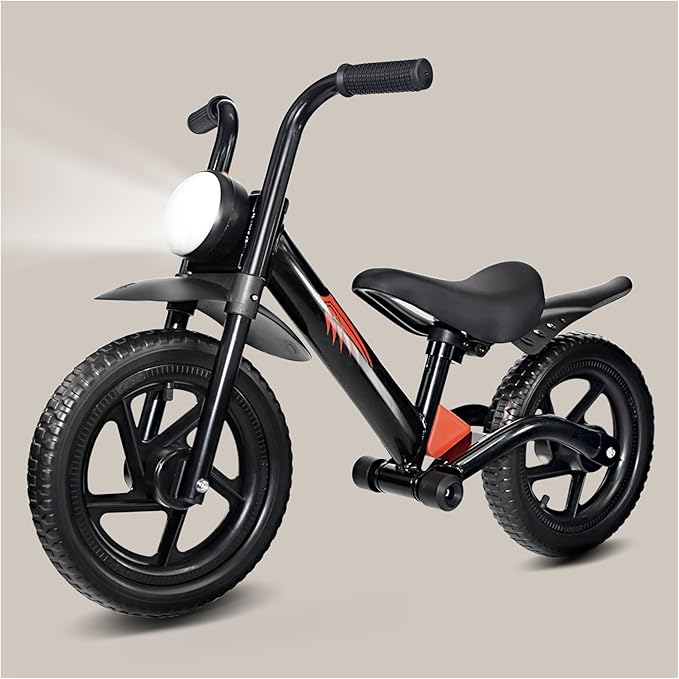
For many families, riding a bike becomes a favorite way to release stress while building confidence and independence. Activities such as riding a kids bike or practicing on a balance bike or tricycle also support gross motor development while giving children a healthy emotional outlet.
Even children who dislike competitive sports can benefit from movement. Finding activities for kids who don't like sports can help sensitive children stay active without unnecessary pressure.
Talk Through Problems Before They Grow Bigger

Sensitive children often spend a lot of time thinking.
Sometimes that's helpful. Sometimes it turns a small concern into a much larger one.
Regular conversations can help prevent emotions from building up until they become overwhelming.
When your child is struggling, try asking:
- What happened?
- How did that make you feel?
- What do you need right now?
- What do you think would help?
You don't need perfect answers.
Often, simply listening allows children to process their experiences more effectively.
You can also set limits while remaining supportive.
For example:
"I understand you're upset, but it's still not okay to hit."
This approach combines empathy with accountability, which is one of the most effective ways to support sensitive children.
Respect Emotional Attachments
Many sensitive children develop strong emotional connections to possessions.
An old stuffed animal isn't just a toy.
A worn-out blanket isn't just fabric.
To a sensitive child, these items may represent comfort, memories, or security.
Parents sometimes become frustrated when children resist getting rid of old belongings. However, forcing the issue can create unnecessary distress.
Whenever possible, involve your child in the process.
You might say:
"We can't keep everything, but let's decide together what matters most."
When replacing old items or making room for new ones, giving children time to say goodbye can make transitions easier. Even something as simple as choosing new summer toys for kids may feel easier when children have a chance to acknowledge the memories attached to older favorites.
Help Them See Sensitivity as a Strength
Many sensitive children grow up believing something is wrong with them.
They may hear phrases like:
"You're too sensitive."
"Don't take everything so personally."
"Why are you making such a big deal out of it?"
Over time, these messages can damage self-confidence.
Instead, help children recognize the positive side of sensitivity.
Sensitive children often:
- Notice when others are hurting.
- Show strong compassion.
- Think deeply about problems.
- Form meaningful relationships.
- Appreciate beauty and creativity.
- Demonstrate strong intuition.
When children learn to view sensitivity as a strength rather than a flaw, they become more confident and resilient.
Building Positive Relationships Matters

One of the most important things parents can do is encourage relationships with people who accept and appreciate their child's personality.
Supportive friendships help sensitive children feel understood and valued.
Encourage activities that align with your child's interests, strengths, and values rather than pushing them toward experiences that consistently leave them overwhelmed.
The goal isn't to toughen sensitive children up.
The goal is to help them understand themselves, trust their feelings, and build the skills needed to navigate the world confidently.
When parents focus on understanding instead of changing their child, sensitivity often becomes one of the child's greatest strengths rather than their biggest challenge.