




What Are Fun Learning Activities for Kids?
A Guide to Making Learning Stick
Lucas | 18th, Feb
What are fun learning activities for kids? It’s a question parents and teachers ask all the time—and for good reason. Children don’t learn best by sitting still for long stretches, staring at a board, and memorizing information they’ll forget by next week. They learn by doing. By moving. By laughing. By trying and sometimes messing up.
Here’s the thing: when learning feels like play, kids lean in instead of pulling away.
Research in early childhood education consistently shows that engagement drives retention. When children are emotionally involved and physically active, neural connections strengthen. In plain English? They remember more and understand better.
So let’s talk about practical, hands-on, genuinely fun learning activities you can use at home or in the classroom—especially if you’re raising an active child who thrives on movement, like many balance bike families do.
Why Fun Matters More Than You Think

Before we jump into specific ideas, it helps to shift perspective.
Fun learning activities for kids aren’t about lowering academic standards. They’re about raising participation. When children feel curious, their attention sharpens. When they feel successful, their confidence grows. That confidence spills into reading, math, social skills—everything.
And honestly, nobody remembers a worksheet. They remember the game.
1. Color Sorting Games: Early Logic in Disguise
For toddlers and preschoolers (ages 2–4), color sorting is deceptively powerful.
Skills built: cognitive categorization, early math logic, vocabulary, fine motor coordination.
How it works:
Place colored bottle caps, blocks, or beans on a table. Set out matching bowls. Demonstrate: red in the red bowl, blue in the blue bowl. Then let your child take over.
Encourage them to say each color aloud. Language reinforcement strengthens recognition pathways.
Want to raise the difficulty?
- Add a timer for gentle urgency.
- Mix similar shades to improve visual discrimination.
- Use kitchen tongs to strengthen hand muscles.
It looks simple. It isn’t. You’re building neural sorting systems that later support reading and math grouping.
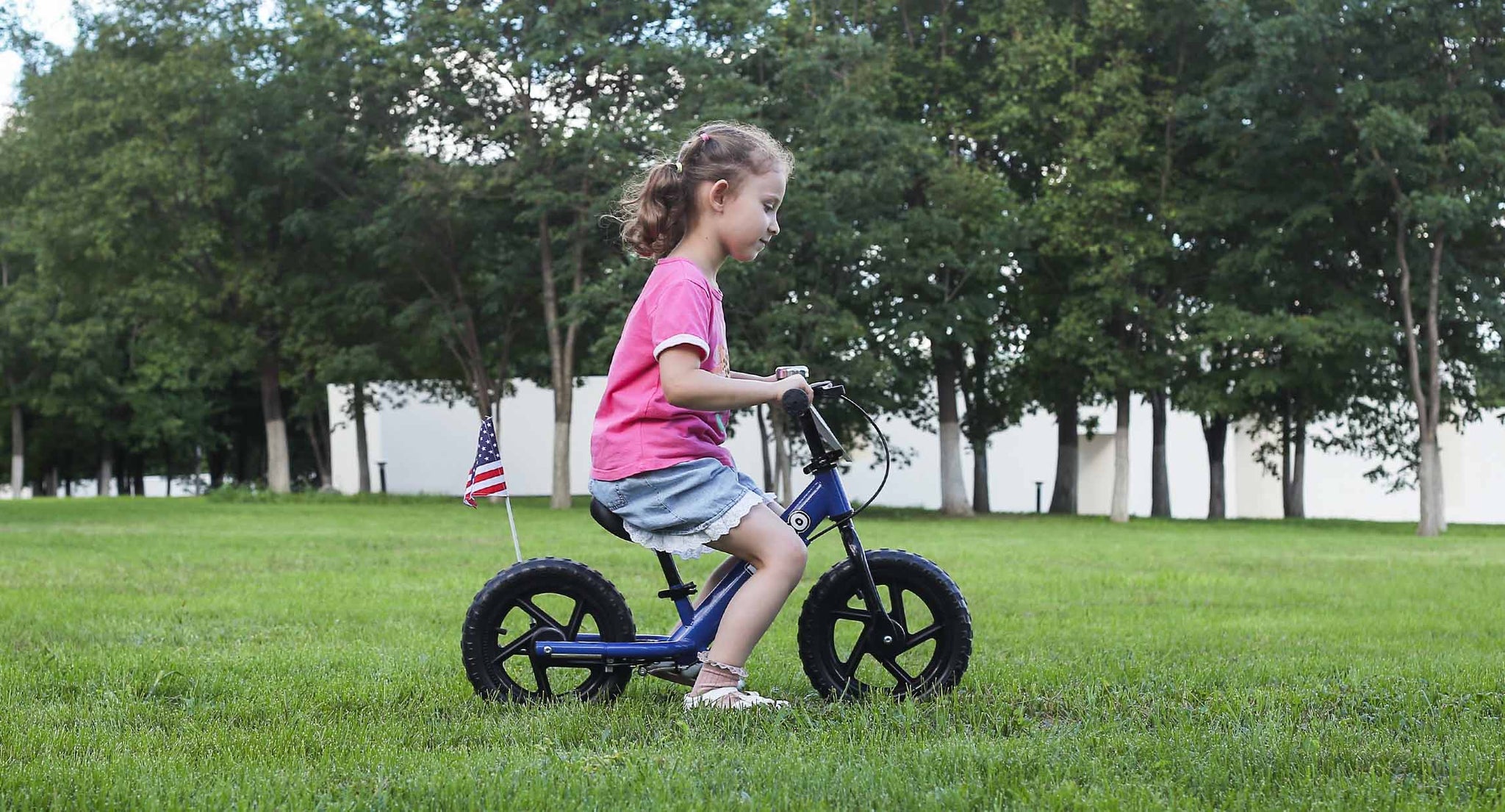
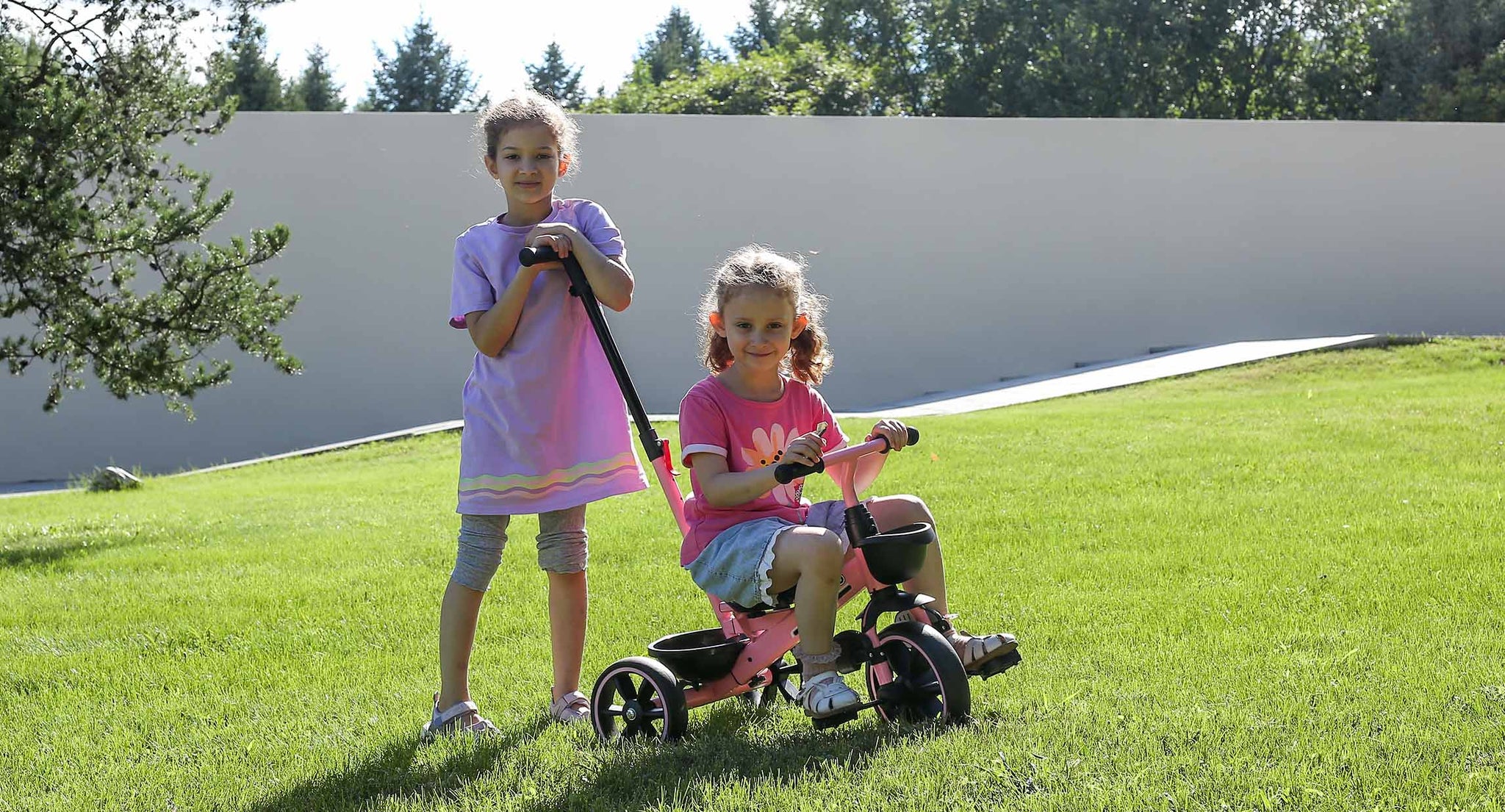
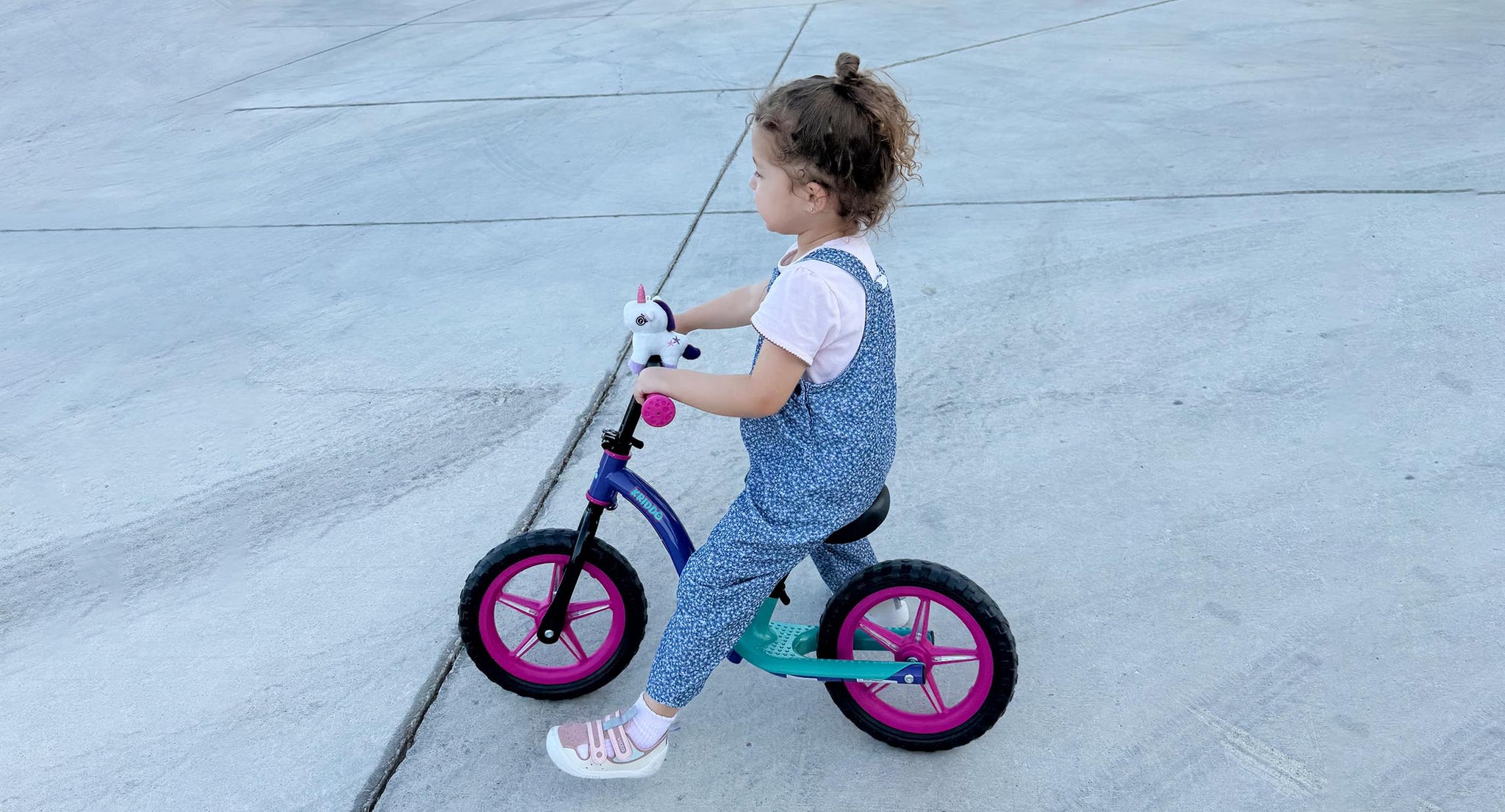
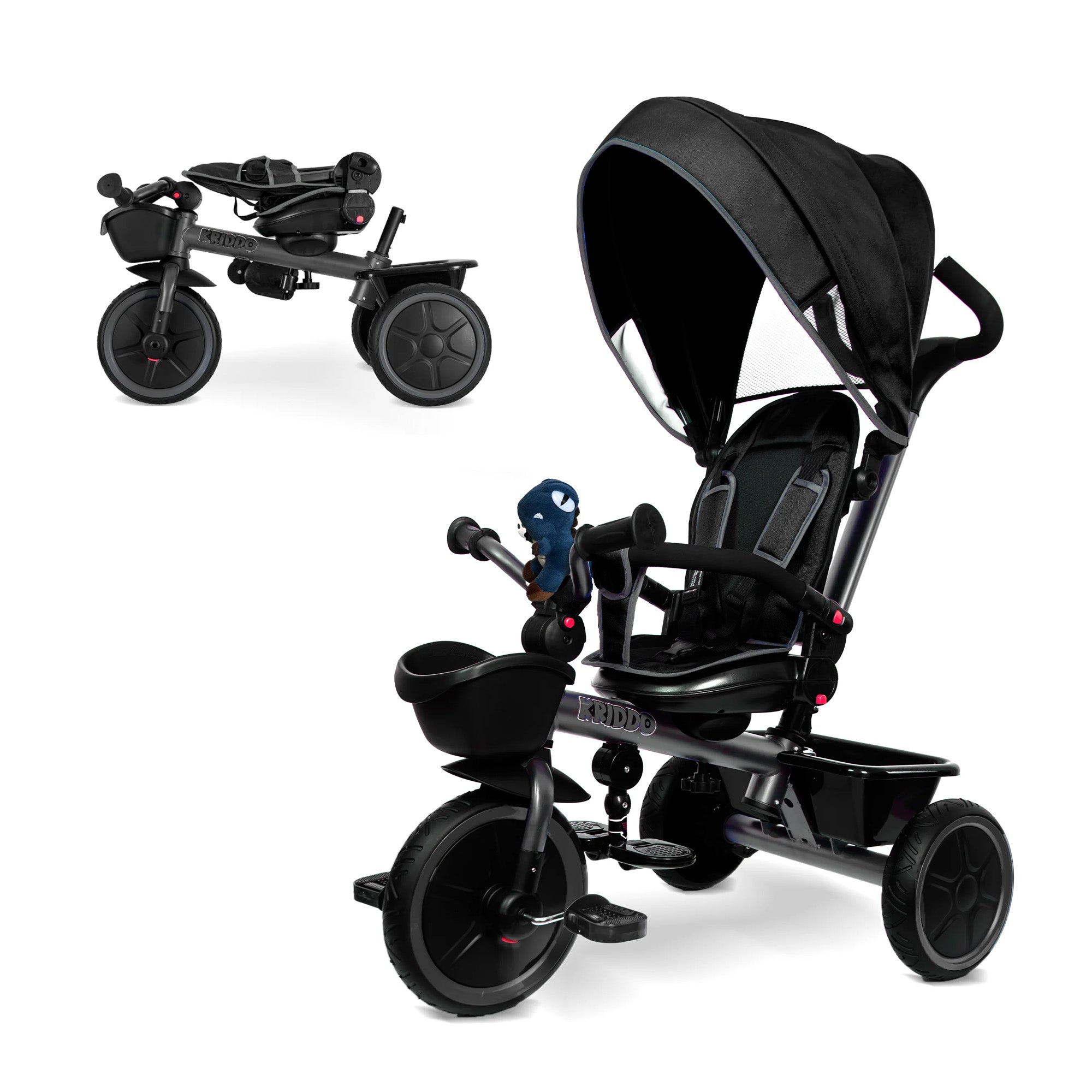
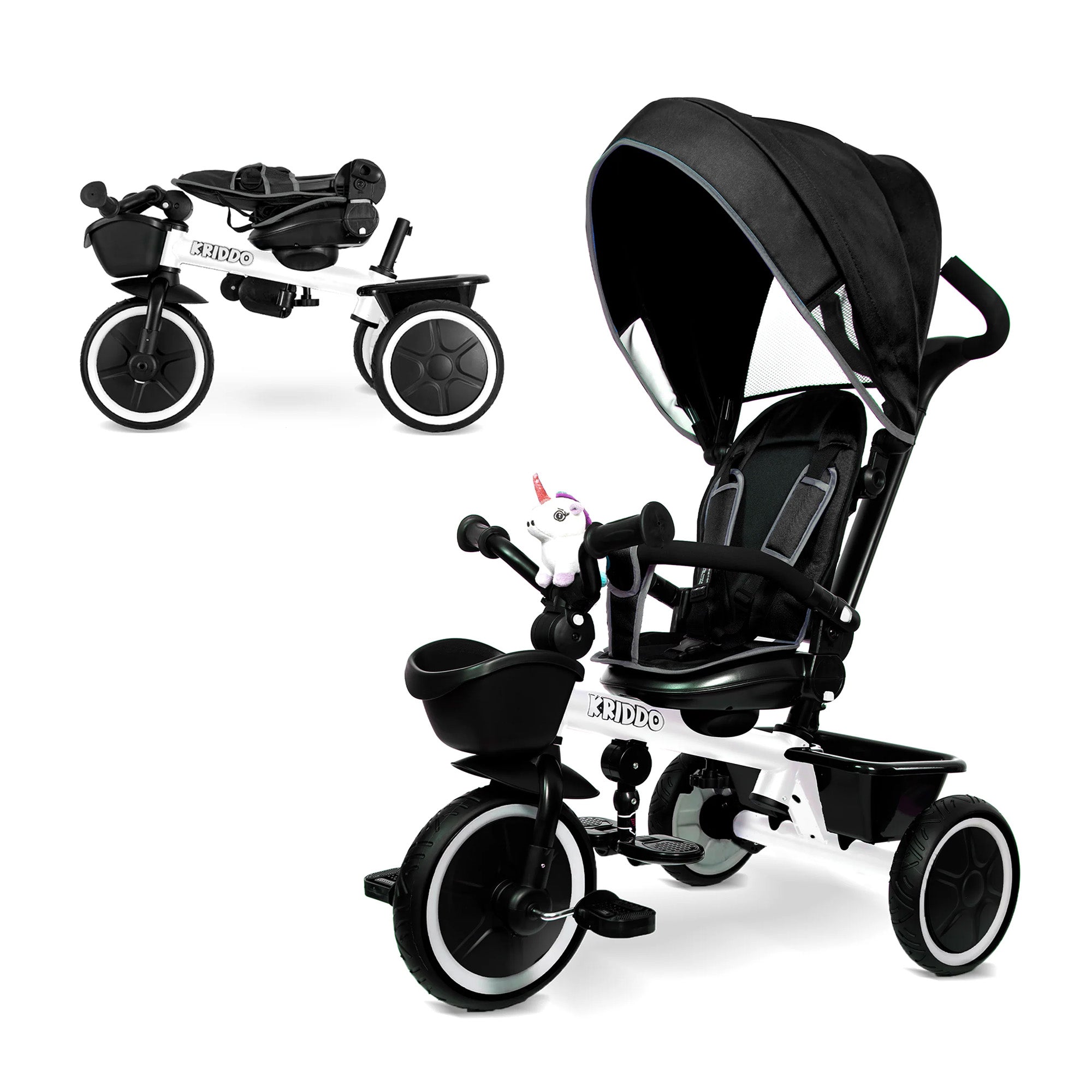
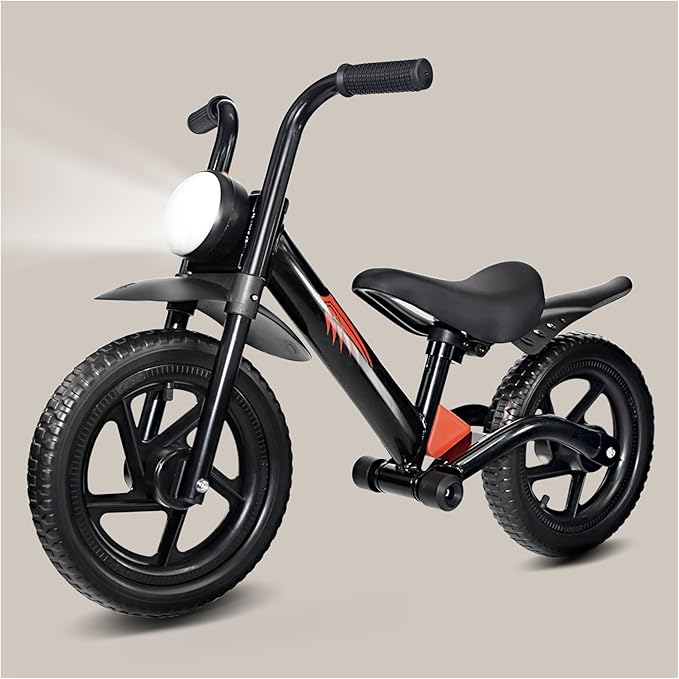
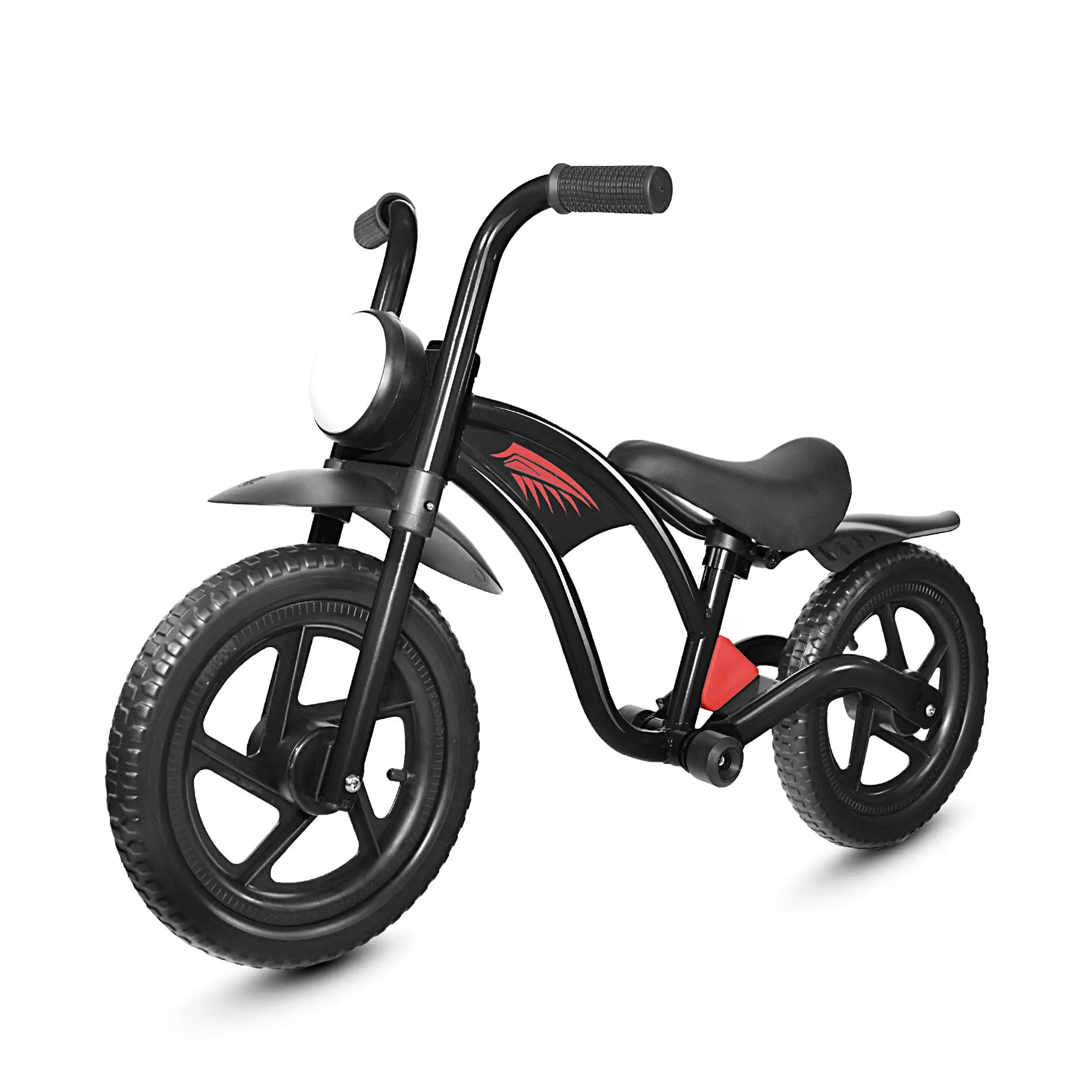
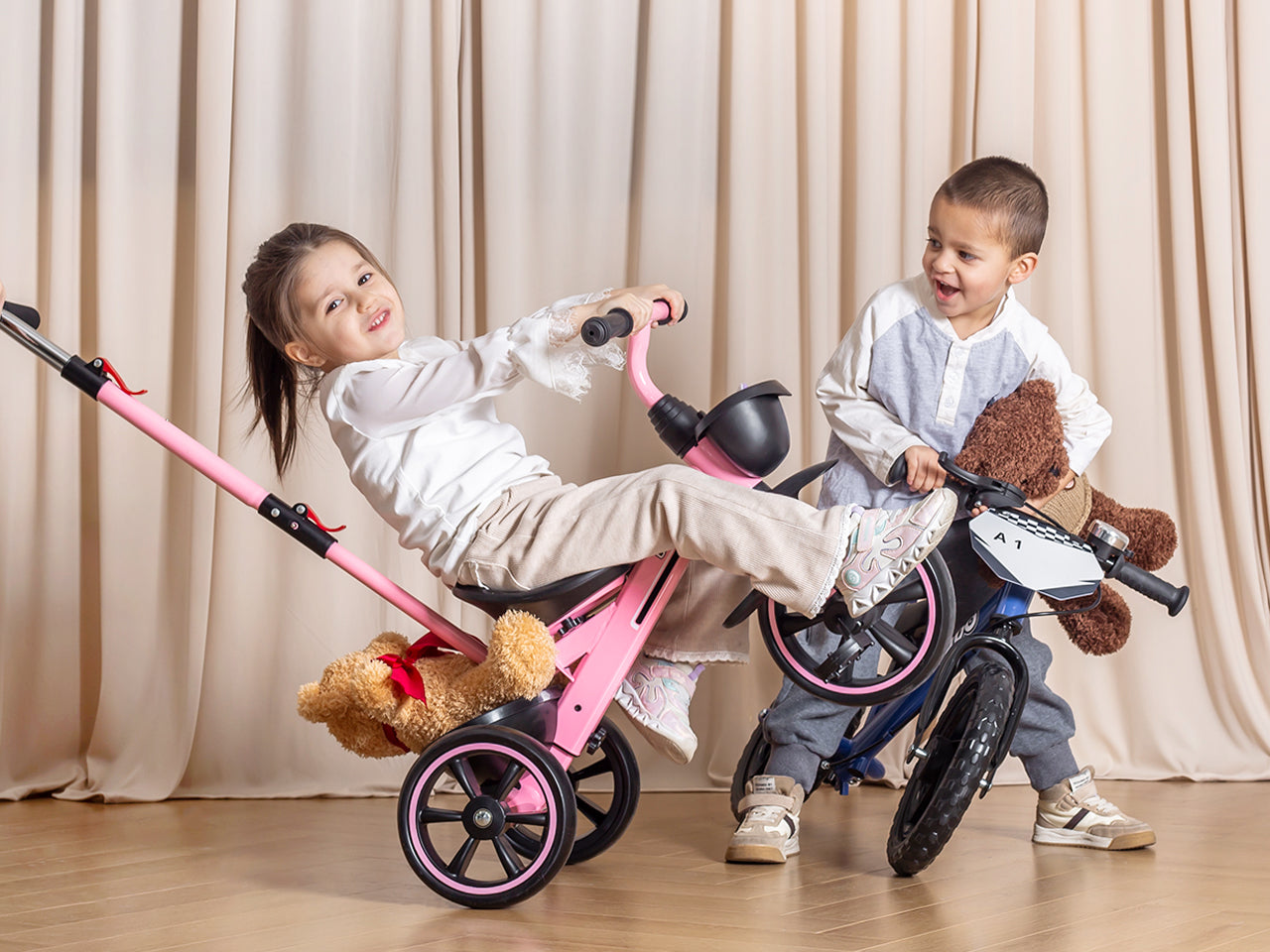
2. Balance Bike or Tricycle Obstacle Course: Learning in Motion
Now let’s address something active families already know: movement accelerates learning.
If you’ve ever asked, what are fun learning activities for kids that burn energy and build skills at the same time, this is it.
Ages: 3–6
Skills built: balance, leg strength, spatial awareness, rule-following, reaction speed.
Setup:
- Create an S-shaped path using cones or water bottles. Use chalk to draw stopping zones. Add a timer if desired.
- Demonstrate how to steer around obstacles without knocking them over. Show proper stopping technique.
Add educational layers:
- At certain checkpoints, call out a number. The child must repeat it before continuing.
- Use “red light, green light” rules to build impulse control.
- Place color signs and ask riders to shout the color as they pass.
This blends physical literacy with cognitive reinforcement. It also builds confidence. Children learn to regulate speed, respond to cues, and follow structured rules.
Safety is non-negotiable. Helmets, knee pads, and a vehicle-free area are essential.
Featured Products
3. Paper Cup Tower Challenge: Engineering for Preschoolers
Kids love building. They love knocking things down even more.
Ages: 3–6
Skills built: spatial reasoning, hand-eye coordination, problem-solving.
Give your child 10–20 disposable cups. Demonstrate stacking a small pyramid. Then let them experiment.
Introduce challenges:
- Build the tallest tower in 10 seconds.
- Build without using two hands.
- Create a symmetrical design.
What you’re encouraging here is structural thinking. Balance. Weight distribution. Cause and effect.
And yes, when the tower collapses, they’ll laugh. Failure feels safe in play. That matters.
4. Story Chain Game: Language With Imagination
If you want to strengthen communication skills, storytelling is gold.
Ages: 3 and up
Skills built: expressive language, listening comprehension, creativity.
Start with a simple sentence: “Once there was a little rabbit…”
Your child adds the next line. You continue. Back and forth.
To increase cognitive demand, add required words like “umbrella” or “watermelon.” It pushes flexible thinking.
This game works beautifully at dinner or bedtime. No materials required. Just attention.
And here’s something subtle: children who feel heard in storytelling become more confident speakers in school.
5. Number Clip Game: Math Meets Motor Skills

Math doesn’t have to mean worksheets.
Ages: 3–5
Skills built: number recognition, sequencing, fine motor strength.
Write numbers 1–10 on clothespins. Prepare number cards separately. When your child draws a “4,” they clip the clothespin labeled 4 onto a hanger or board.
You can expand:
- Clip numbers in order from 1 to 10.
- Clip only even numbers.
- Solve simple addition and clip the answer.
This blends kinesthetic learning with early arithmetic. Movement reinforces memory.
6. Memory Matching Cards: Focus Under Pressure
If you’re wondering what are fun learning activities for kids that improve attention span, this one delivers.
How it works:
Place colored bottle caps, blocks, or beans on a table. Set out matching bowls. Demonstrate: red in the red bowl, blue in the blue bowl. Then let your child take over.
Encourage them to say each color aloud. Language reinforcement strengthens recognition pathways.
Want to raise the difficulty?
- Add a timer for gentle urgency.
- Mix similar shades to improve visual discrimination.
- Use kitchen tongs to strengthen hand muscles.
It looks simple. It isn’t. You’re building neural sorting systems that later support reading and math grouping.
Why Movement-Based Learning Works So Well
Let’s zoom out for a moment.
Children are wired to move. When you combine academics with physical engagement, you stimulate multiple sensory pathways. That increases retention.
Think about it like this: learning that sits only in the brain fades quickly. Learning that connects brain, body, and emotion lasts longer.
Balance bike obstacle games aren’t just “exercise.” They support executive function—attention shifting, impulse control, sequencing. Those skills directly influence classroom performance.
Small Habits, Long-Term Impact

Parents often underestimate daily micro-learning moments.
Sorting laundry by color? That’s categorization.
Counting stairs? Early arithmetic.
Riding a balance bike or tricycle while following stop-and-go rules? Executive control training.
You don’t need elaborate lesson plans. You need intentional play.
So when someone asks what are fun learning activities for kids, the answer isn’t complicated. It’s about combining joy with purpose. Movement with meaning. Creativity with gentle structure.
Keep it simple. Keep it consistent. Keep it engaging.
Children learn best when they don’t realize they’re learning at all.