




Biking Without a Helmet:
Safety, Culture, and What Really Matters for Kids
Mariana | 9th, Feb
The phrase biking without a helmet sparks instant reactions. Some people tense up. Others shrug. And if you’ve ever mentioned it in a room full of drivers, you already know how fast the temperature can rise. But the real question isn’t whether helmets are “good” or “bad.” It’s whether the bigger benefit comes from personal protective gear—or from building an environment where cycling itself is genuinely safe.
That difference matters. Especially when we’re talking about kids.
What a Helmet Actually Does—and What It Doesn’t

Let’s get one thing straight. A helmet can save a life. That’s not controversial. If a serious crash happens, having something between a child’s head and the ground—or a car bumper—can be the difference between a scare and a tragedy. Anyone who has spent time around bikes knows this instinctively. You feel exposed on a bike. There’s no steel frame, no airbags, no doors. Just your body, moving through space.
When cars weighing over a ton pass inches away, the vulnerability is real. A helmet adds a layer of protection, sure—but maybe more importantly, it adds psychological safety. Riders feel more confident, more willing to be out there in the first place.
That said, helmets don’t prevent crashes. They don’t slow traffic. They don’t design better streets. And they don’t magically turn chaotic roads into calm ones.
So when people argue about biking without a helmet, they’re often talking past each other.
Why Country Context Changes the Conversation
Here’s where things get interesting.
In places like the Netherlands, cycling isn’t a sport. It’s not an activity. It’s transportation. You bike to work, to school, to the store, to dinner. The streets are designed with that assumption baked in. Drivers expect cyclists. Bike lanes are wide, separated, and intuitive. Intersections make sense.
When cycling feels as normal as walking, wearing a helmet for every short ride feels excessive. People don’t wear helmets to walk to the bakery, even though slipping on a sidewalk is possible. Risk never drops to zero—but it’s managed through design, not gear.
Finland takes this even further. Cycling infrastructure there doesn’t disappear when winter hits. Snow gets cleared from bike lanes. Signs remain visible above the snow line. Kids ride to school year-round. The system supports them.
Now contrast that with the United States.
Most roads weren’t built with cyclists in mind. Bike lanes, when they exist, often feel like an afterthought—painted lines squeezed between traffic and parked cars. In that context, biking without a helmet feels reckless, not rebellious. The danger isn’t theoretical. It’s structural.
Same activity. Completely different risk profile.
Adults, Choice, and a Gray Area
For adults, the helmet question lives in a gray zone. Experience matters. Speed matters. Environment matters. A confident rider cruising slowly through a quiet neighborhood faces a different reality than someone navigating rush-hour traffic on a four-lane road.
That’s why blanket statements don’t work. Personal judgment plays a role. So does comfort. So does practicality. Carrying a helmet everywhere isn’t always realistic when biking is just how you get around.
You could argue this point all day—and people do.
But kids? Kids are different.
Why Kids Push Back on Helmets

Children fall more. That’s not a criticism; it’s physics and development. Their coordination is still forming, and their body proportions put more mass higher up. When they tip over, their head is more likely to hit first.
Ironically, that’s also why they resist helmets so fiercely.
Ask a kid why they don’t want to wear one and you’ll hear things like:
- It’s uncomfortable
- It messes up my hair
- It looks weird
- It’s not cool
There’s also a belief—sometimes echoed by adults—that helmets make riders take more risks. The logic goes: if you feel protected, you might push harder. Sometimes that happens. Sometimes it doesn’t. Kids, especially beginners, are usually just trying to stay upright.
More often, refusal comes down to two simple things: how the helmet looks, and how it fits. If it pinches, slides, or feels bulky, it won’t last five minutes.
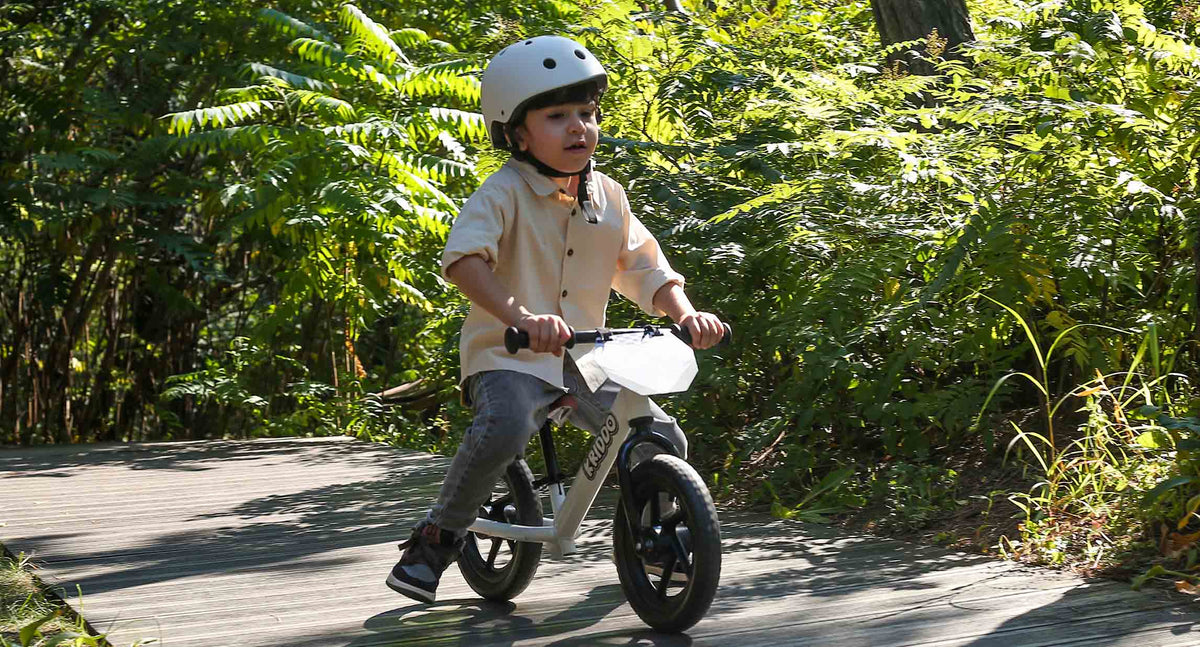
That’s why, when kids are learning, helmets aren’t optional. They’re foundational. Just like teaching them where to ride, how to brake, and how to look ahead.
For families raising confident riders, helmet use is part of kids bicycle safety—not as a rule barked from above, but as a habit built early.
The Injuries People Don’t Talk About
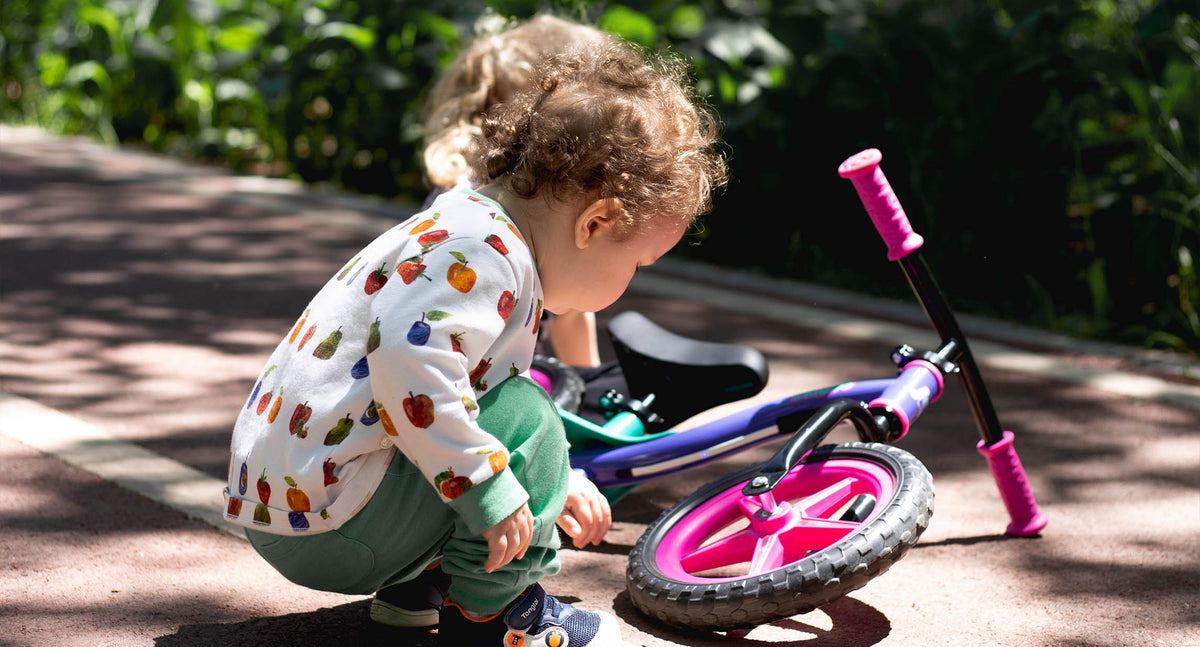
Here’s something that often gets overlooked. In slow, controlled environments—think parks, sidewalks, quiet paths—head injuries aren’t always the most common outcome. Wrist fractures and collarbone injuries show up a lot. Kids instinctively put their hands out when they fall.
That’s why protective gear shouldn’t stop at the head. Elbow and knee pads quietly do a lot of work, especially for younger riders who are still figuring out balance and braking. The right set can turn a tumble into a non-event.
This isn’t about wrapping kids in bubble wrap. It’s about reducing the fear factor so they keep riding. Confidence grows faster when pain doesn’t shut things down.
Training Wheels, Balance, and the First Real Wins
Training wheels get a bad rap. People worry they teach the “wrong” balance. And sure, balance bikes are fantastic. But not every child starts there.
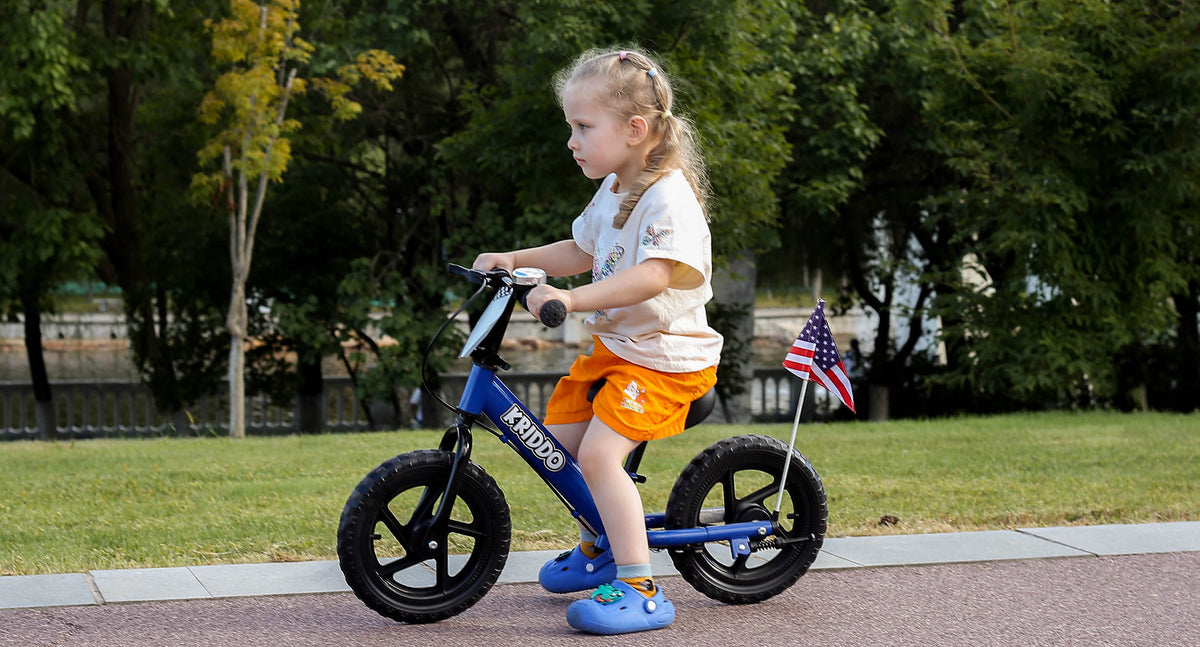
For kids who haven’t used a balance bike, jumping straight to two wheels can feel overwhelming. Training wheels give them a foothold. They learn pedaling. Steering. Speed control. Most importantly, they learn that riding is fun.
When that confidence clicks, transitioning becomes smoother.
The key is flexibility. Wheels that can come off. Support that fades as skills grow.
That’s where a solid first bike matters.
A Closer Look at a Bike Built for Real Beginners
The KRIDDO Gofar 14 Kids Bike is designed with exactly this stage in mind. Not as a flashy toy, but as a practical tool for learning.
Why it works so well for young riders:
- 14&16 inch wheels that prioritize stability and control
- Removable training wheels that support gradual balance learning
- Thick rubber tires that grip well on different surfaces
- A dual braking system—front hand brake and rear coaster brake—for intuitive stopping
- A full chain guard to protect small hands and clothing
- Smooth bearings that make pedaling feel natural, not forced
- Front and rear reflectors to boost visibility
- Custom nameplate and DIY stickers that give kids ownership
- Bright, playful graphics and a classic bell that make riding feel exciting
It’s sized right for ages 3 to 6, fitting riders between 36 and 43 inches tall. The build feels sturdy without being intimidating. And for many families, it becomes that first bike kids remember.
So… Should Kids Ever Bike Without a Helmet?

Honestly? Not when they’re learning.
For adults, context changes everything. For kids and beginners, protection isn’t negotiable. Helmets, pads, stable bikes, and supportive environments work together. One without the others falls short.
The long-term goal isn’t to force gear forever. It’s to raise riders who feel comfortable, capable, and aware—riders who understand risk without being afraid of it.
Because when biking feels safe, kids ride more. And when they ride more, everything else follows.