




How to Motivate Kids to Ride a Bike
(Without Turning It Into a Battle)
Mia | 11th, Mar
Many parents notice something interesting when children first encounter bicycles. Some kids jump on immediately and start pedaling with pure excitement. Others hesitate, stall, or wander back to the couch. If you are trying to motivate kids to ride a bike, remember that enthusiasm rarely appears from pressure alone. It grows from small experiences that feel fun, safe, and rewarding.
Parents often assume motivation should come naturally. Yet interest works more like a spark than a switch. A child might enjoy the idea of riding with parents but still worry about balance, speed, or falling. Sometimes the difference between reluctance and excitement is simply how the first few rides feel.
The Downhill Trick That Changes Everything

Here is a simple idea many experienced parents quietly rely on. Instead of forcing kids to grind up long hills, drive them to the top first. Then let gravity do the work. The rush of wind and the smooth roll downhill make cycling feel playful rather than exhausting. That early thrill plants a powerful memory. Later, when climbing eventually becomes part of the ride, the child already knows the reward waiting on the other side.
Age Matters More Than You Think
A seven year old rider and a twelve year old rider approach cycling very differently. Younger children are still building focus and patience. For them, the goal is not distance but comfort. Let them feel that riding itself is something special. Celebrate small progress: a longer stretch without stopping, a smoother turn, maybe their first five kilometers.
Older kids usually respond to challenges and visible improvement. You might say casually, “Remember when two miles felt hard?” Moments like that build confidence faster than lectures. Planning a destination also helps. A park, a playground, or even a picnic spot turns riding into an adventure rather than exercise.
Sometimes It Is Fear, Not Laziness
Parents occasionally mistake hesitation for lack of interest. In reality, many children who resist cycling are quietly nervous. Balance still feels uncertain. Braking suddenly seems scary. Even stopping can feel awkward if the seat sits too high. Asking gentle questions often reveals the issue. When kids feel heard, their confidence grows quickly.
Small adjustments help more than big speeches. Lower the saddle so feet reach the ground easily. Practice slow turns in an empty parking lot. Talk through tricky moments calmly. Guidance like the ideas shared in how to help your child overcome the fear of riding a bike often shows that confidence grows step by step.
Never Underestimate the Power of Snacks

Honestly, snacks can change the mood of an entire ride. Kids burn energy quickly when pedaling, and hunger appears fast. Planning a snack stop halfway works wonders. Fruit slices, granola bars, crackers, or a small cookie suddenly make the ride feel like a mini road trip.
Some families even create “bike only” treats. Candy that appears only during rides becomes a playful tradition. A short rest also helps younger riders reset their legs and attention. After ten minutes, most kids hop back on their bikes with surprising enthusiasm.
The Bike Itself Makes a Huge Difference
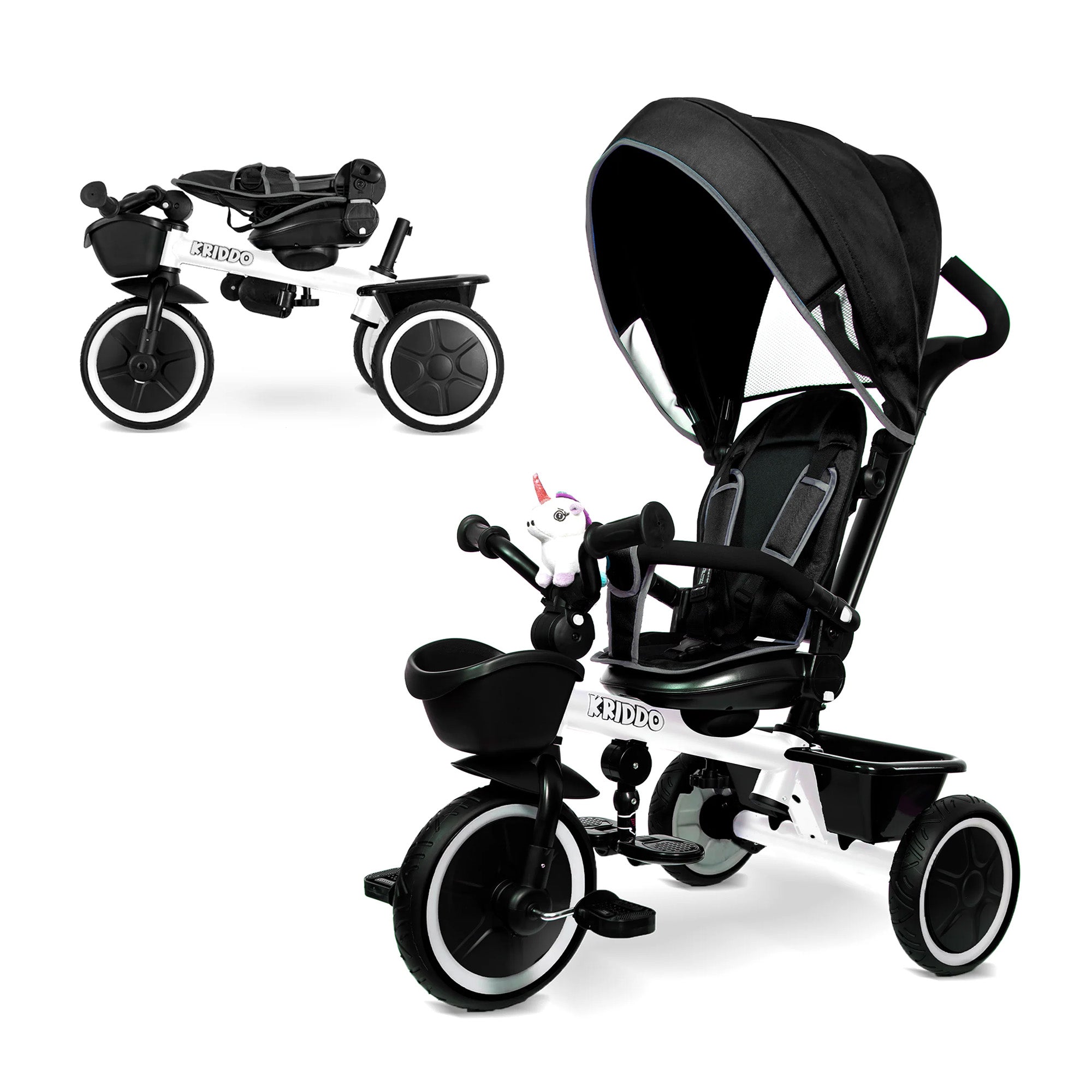
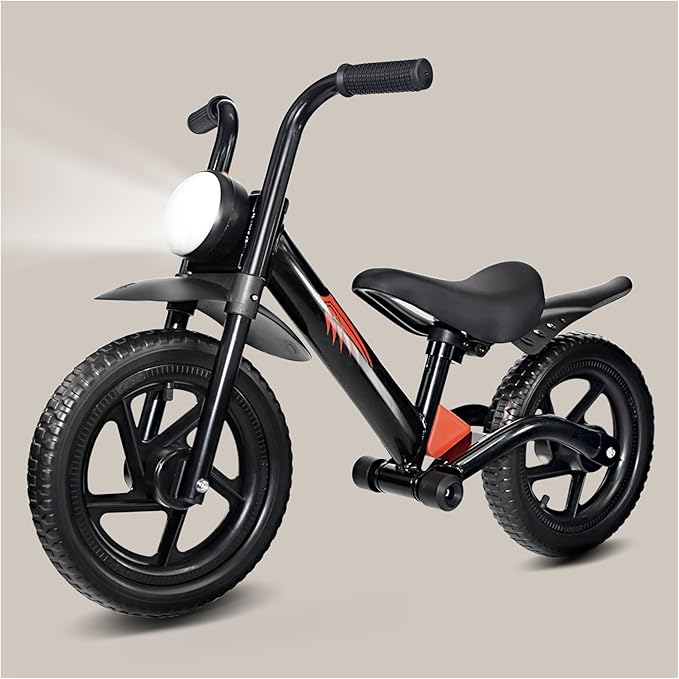
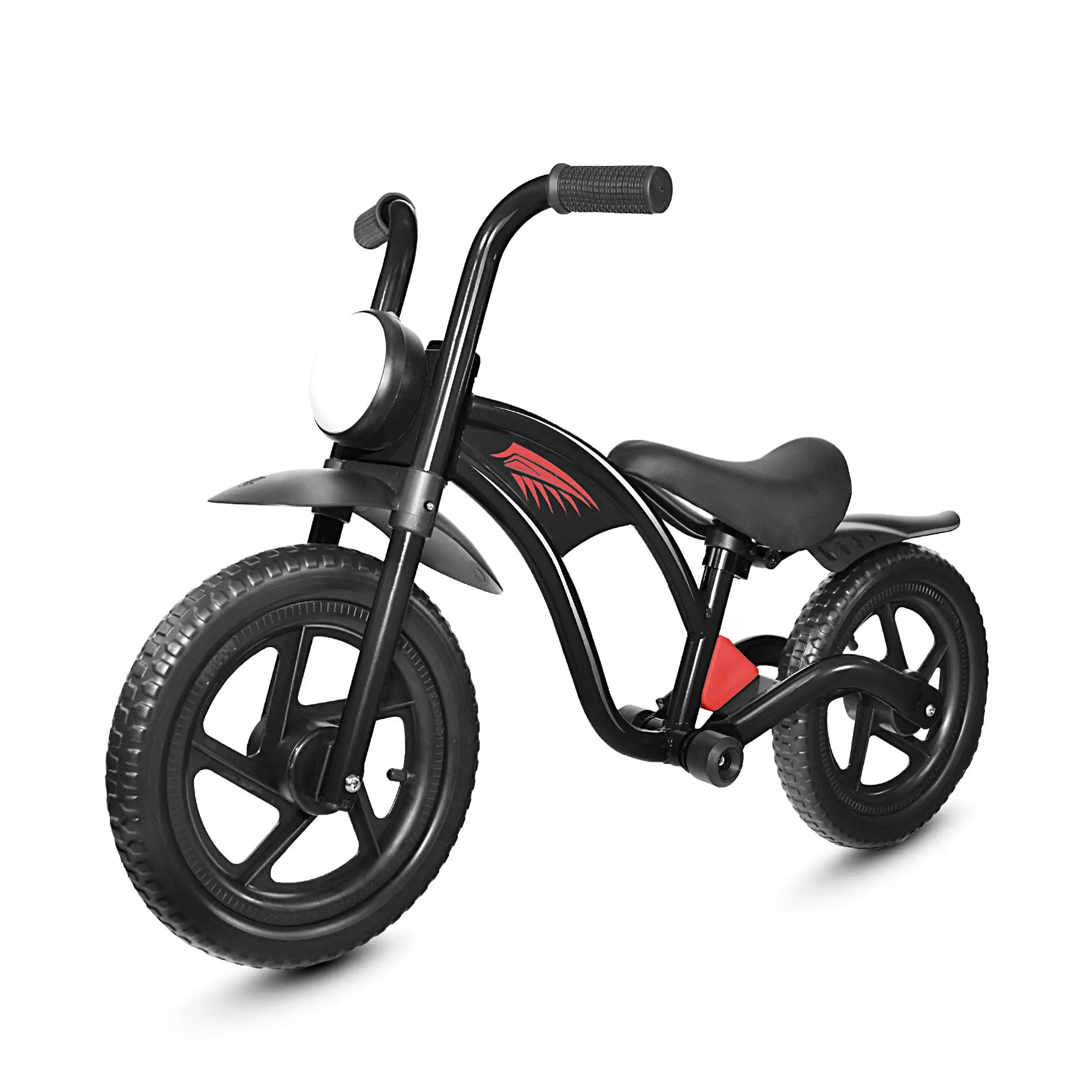
This part surprises many adults. A parent may ride a high end carbon road bike yet hand their child a heavy department store bicycle. Weight and geometry matter a lot for small riders. If the bike feels clumsy, the child tires quickly and loses interest.
A well sized bicycle rolls easier, steers predictably, and encourages longer rides. It does not have to be expensive, just thoughtfully designed. Many parents compare options the same way they might research hiking boots or running shoes. Helpful roundups such as best kids bikes a friendly guide for parents often highlight models that balance durability and weight.
Featured Products
Turn Rides Into Small Adventures
Kids rarely love cycling for fitness reasons. They love it for stories. A ride becomes memorable when something unexpected happens along the way: spotting ducks near a pond, racing shadows at sunset, or stopping for lemonade. The journey matters more than the mileage.
Parents sometimes organize playful challenges too. Who can coast the longest without pedaling? Can everyone reach the old oak tree before the timer ends? Simple games like these echo many of the ideas behind kids cycling activities and keep curiosity alive during longer outings.
Building Confidence One Ride at a Time

Motivation rarely arrives overnight. It grows quietly across repeated rides, scraped knees, laughter, and small victories. When parents focus on enjoyment first, children slowly build their own relationship with cycling. Eventually the bike stops being a chore and becomes freedom.
That shift is the real goal when you try to motivate kids to ride a bike. Fun leads to confidence. Confidence leads to independence. And independence often leads to a lifelong habit of outdoor movement.
Make the First Rides Count
Early experiences shape how children think about bikes for years. A relaxed family outing, similar to the spirit behind biking with kids how to make every ride count, turns learning into shared exploration rather than pressure.
Choose quiet paths. Bring water. Keep expectations flexible. Maybe the ride lasts fifteen minutes. Maybe it stretches into an afternoon. What matters is the atmosphere. When cycling feels relaxed, kids start asking for the next ride themselves.
Friends Change Everything
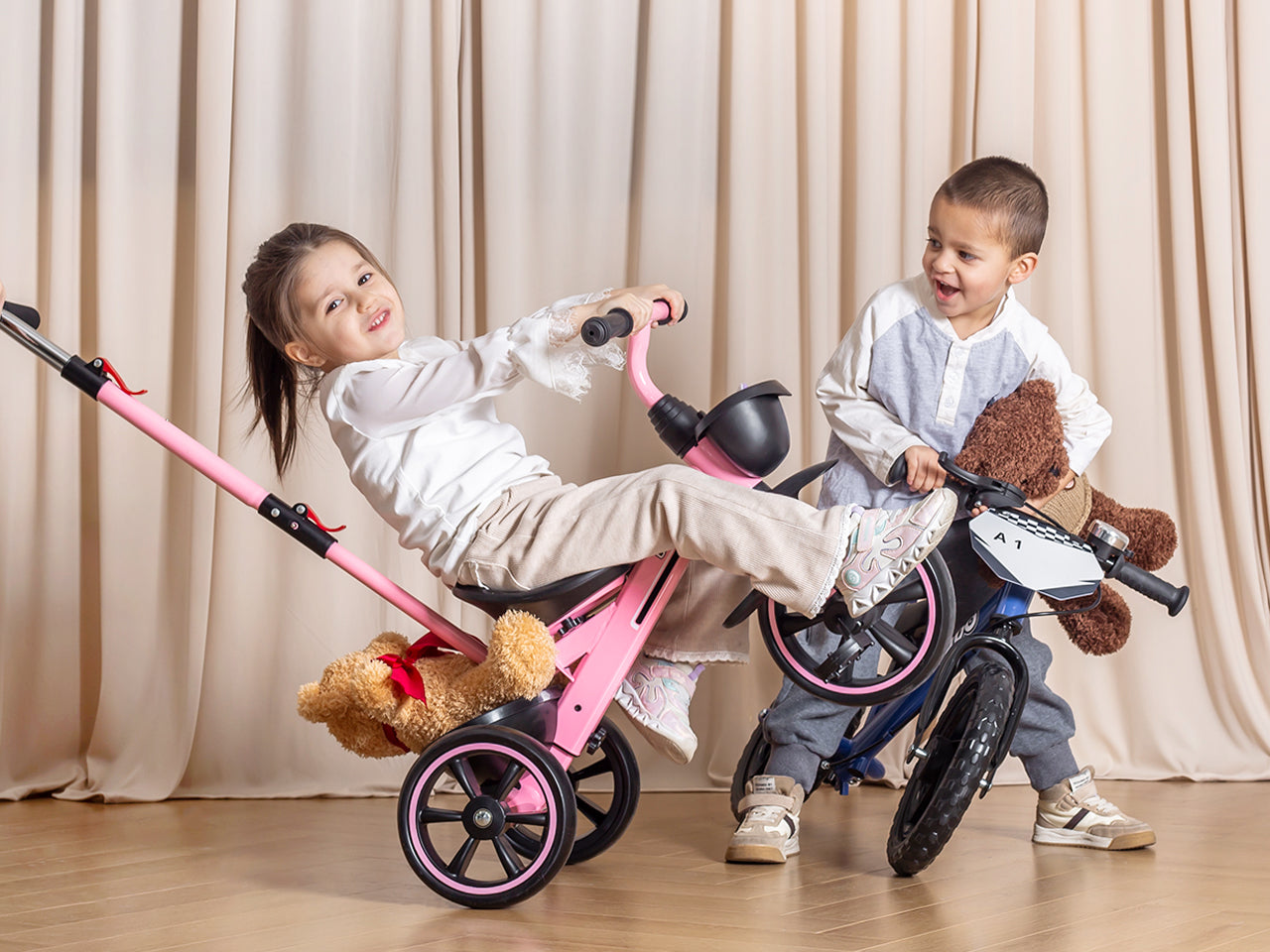
Children mirror the energy of other kids. Invite a neighbor or classmate to join a short ride around the block. Suddenly the activity feels social instead of instructional. Laughter replaces hesitation. Pedaling becomes a shared mission.
Group rides do not need complicated planning. A simple loop through the neighborhood works perfectly. Stop for popsicles afterward and the outing becomes something everyone remembers.
Patience Beats Pressure

Here is the quiet truth many parents discover eventually. The more pressure adults apply, the more resistance kids show. Encouragement works better when it sounds casual. “Let’s ride to the corner and back” often succeeds where long motivational speeches fail.
Stay patient. Notice effort. Laugh at the wobbly moments together. Over time, those little rides stack up. One day your child may grab a helmet and ask if anyone wants to go riding.
When that moment arrives, it feels surprisingly simple. The motivation you hoped for did not come from lectures or strict training plans. It grew from laughter, snacks, small adventures, and a bike that fit just right.