




14 Inch vs 16 Inch Bike:
Choosing the Right First Pedal Bike for Your Child
Robert | 9th, Mar
Picking a child’s first bicycle feels like a milestone. One day they’re scooting around the driveway, and the next they’re ready for pedals. But the moment parents start comparing sizes, the question pops up quickly: 14 inch vs 16 inch bike—what actually fits best?
It sounds simple. Two inches, right? Yet those two inches represent very different stages of childhood riding. Confidence, coordination, and even attention span play a role. A bike that’s slightly too large can make a beginner nervous, while one that fits well turns the first ride into pure excitement.
Parents often focus on color or style first, but sizing matters far more. A properly sized bike allows kids to learn balance naturally and control their speed without feeling overwhelmed.
Some families begin the journey with a small kids bike after their child masters balance. Others move through multiple stages. Either way, understanding the differences between a 14 inch vs 16 inch bike makes the decision much easier.
First Things First: Balance Before Pedals

Before comparing wheel sizes, it helps to think about how kids actually learn to ride.
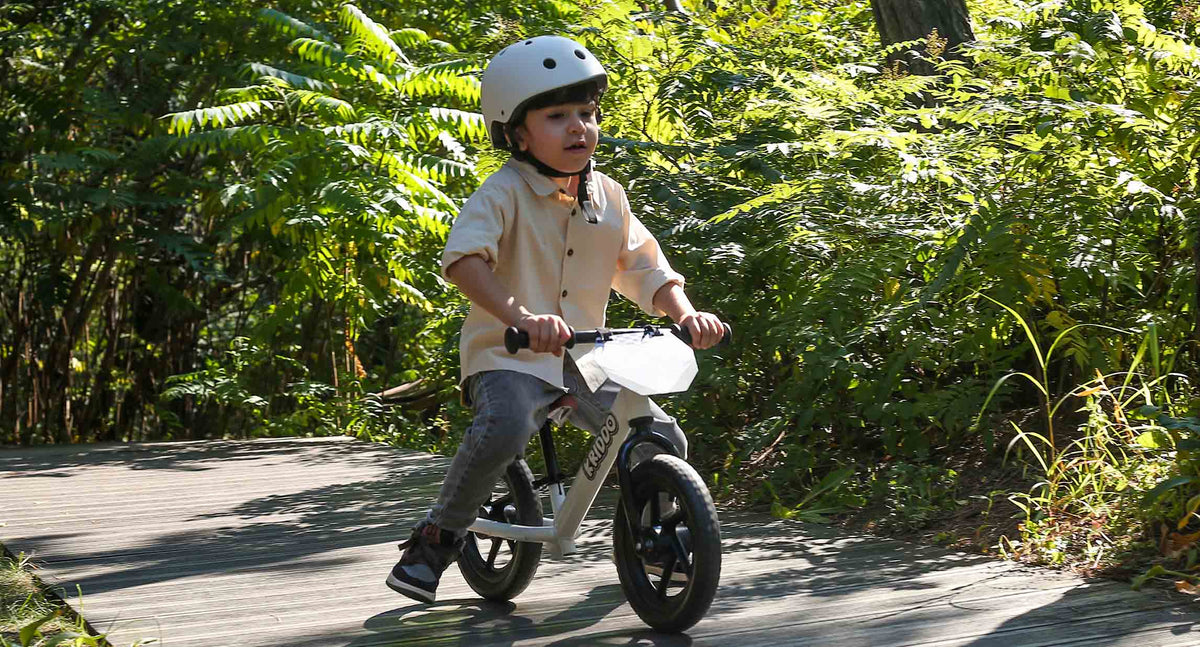
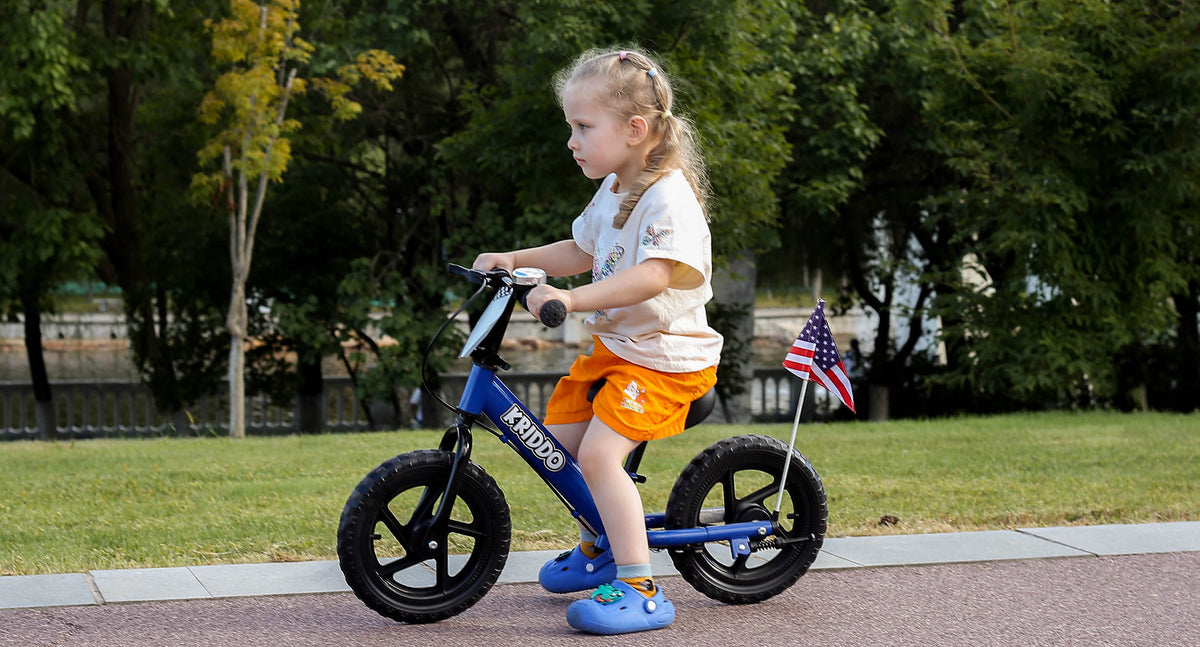
Many children begin with a 12-inch balance bike. These bikes remove the pedals completely, letting kids focus on steering and balance. Instead of juggling multiple skills at once, they push off the ground and glide.
It’s surprisingly effective. Once balance clicks, the jump to a pedal bike becomes far less intimidating.
That’s why many riding progressions look like this:
- Balance bike stage
- Small pedal bike with training wheels
- Independent pedaling
Not every child follows the exact same path, of course. Some skip balance bikes entirely and go straight to pedals. Still, kids who already understand balance often transition faster when they finally sit on a pedal bike.
And that’s exactly where the 14 inch vs 16 inch bike question starts to matter.
Understanding What Wheel Size Really Means
Here’s the thing many parents don’t realize: wheel size doesn’t just affect the tires. It changes the entire bike geometry.
A larger wheel generally means:
- A longer frame
- Higher seat position
- Slightly heavier overall weight
- Longer reach to the handlebars
So while a 16-inch bike sounds only slightly bigger than a 14-inch bike, the riding experience can feel noticeably different for a child.
The goal is simple—kids should be able to place their feet on the ground easily while seated. That single detail makes learning much smoother.
The 14-Inch Bike: A Friendly First Pedal Ride
A 14-inch pedal bike is often the sweet spot for younger beginners.
This size works beautifully for kids who are just transitioning from a balance bike or learning to pedal for the first time.
Why? The frame is compact, and the bike sits lower to the ground. Kids feel stable because they can quickly put their feet down if they wobble.
Confidence grows fast when a bike feels manageable.
Training wheels also help early riders practice pedaling without worrying about tipping over. Over time, those wheels can come off as balance improves.
The 16-Inch Bike: More Room to Grow
A 16-inch pedal bike fits slightly older or taller children. Typical specifications look like this:
The larger frame provides extra leg extension, which can make pedaling smoother once kids already understand the basics.
In other words, the 16-inch bike often feels like a “next step” bike.
Kids who are already comfortable riding may appreciate the larger wheels because they roll more smoothly and cover ground faster. On neighborhood sidewalks or park trails, that difference becomes noticeable.
14 Inch vs 16 Inch Bike: Key Differences at a Glance
Let’s simplify the comparison.
14-inch bikes
- Better for younger beginners
- Lower seat height
- Easier to control
- Slightly lighter
16-inch bikes
- Better for taller riders
- More leg extension
- Longer frame
- Designed for longer riding phases
So when comparing 14 inch vs 16 inch bike, it’s not really about better or worse. It’s about timing in a child’s riding development.
A smaller rider on a 16-inch bike might struggle to start pedaling. Meanwhile, an older child on a 14-inch bike might outgrow it quickly.
Safety and Stability Matter More Than Size

Bike size gets the spotlight, but safety features deserve equal attention.
A well-designed kids bike should include:
- Front hand brakes
- Rear coaster brakes
- Fully enclosed chain guards
- Smooth bearings for easy pedaling
- Reflectors for visibility
These details quietly shape the riding experience. When brakes respond smoothly and pedals turn easily, kids feel in control.
And feeling in control is what turns a nervous first ride into an afternoon of laps around the driveway.
Design Details Kids Actually Care About
Parents usually focus on specs. Kids focus on something else entirely.
Style.
Bright colors, fun graphics, and small details—like bells or customizable name plates—make a huge difference. When a bike looks cool, kids want to ride it.
That motivation matters more than people expect. Practice becomes play instead of a chore.
A design that sparks imagination can turn a simple bike ride into an adventure.
How Parents Usually Decide

When families start choosing the right bicycle for kids, they tend to evaluate a few practical factors.
Weight often comes first. For younger riders especially, a lighter bike is easier to maneuver.
Then comes geometry. Frame shape, wheelbase, and crank length all influence how naturally a child can pedal.
Customer support also plays a role today. Many bikes are purchased online rather than from local bike shops, so responsive service and reliable assembly matter more than ever.
These considerations might sound technical, yet they quietly determine whether a bike becomes a favorite toy or something that sits unused in the garage.
Price Doesn’t Always Tell the Whole Story
Kids bikes span a huge price range.
Some cost under a hundred dollars. Others climb well past several hundred.
Parents comparing cheap kids bike vs expensive kids bike often discover that price alone doesn’t guarantee a better ride.
The key lies in balance—durable components, thoughtful design, and a manageable weight.
A well-built kids bike should survive years of backyard adventures, scraped knees, and enthusiastic riding sessions.
Sometimes it even gets passed down to younger siblings.
So… Which Size Should You Choose?

Let’s return to the core question: 14 inch vs 16 inch bike.
If your child is round 36–43 inches tall, or just learning to pedal, a 14-inch bike usually fits best.
If your child is closer to 40–48 inches tall, or already comfortable pedaling, a 16-inch bike may offer a better long-term fit.
Still, every child grows differently. The best sign of a good fit is simple: the rider looks relaxed, feet can touch the ground, and starting to pedal feels natural.
When those things line up, magic tends to happen.
A child pushes off once… wobbles a little… and suddenly they’re riding.