




How to Help Your Child Overcome the Fear of Riding a Bike
Harper | 20th, Jan
To adults, riding a bike feels normal. Automatic. Even boring. But for kids, it’s a complex mix of balance, speed, height, and trust. Trust in the bike. Trust in their body. Trust in you.
Many children believe that if they’re “good” at something, it should feel easy right away. When biking feels scary or awkward, they assume it means they’re bad at it. That thought alone can stop them before they really start.
Learning to ride is uncomfortable. So is learning anything new. Riding a bike is less about talent and more about tolerance—tolerance for wobbling, falling, trying again, and feeling unsure for a while. Once kids understand that, the fear starts to loosen its grip.
1. Start With the Right Bike (This Matters More Than You Think)
One of the biggest hidden causes of bike anxiety is simply riding the wrong bike. Too big. Too heavy. Poorly adjusted. All of these make a child feel out of control before they’ve even moved an inch.
A good bike should feel manageable, not intimidating.
Your child should be able to sit on the seat with both feet flat on the ground. Not tiptoes. Not leaning. Flat. That one detail alone can dramatically reduce fear.
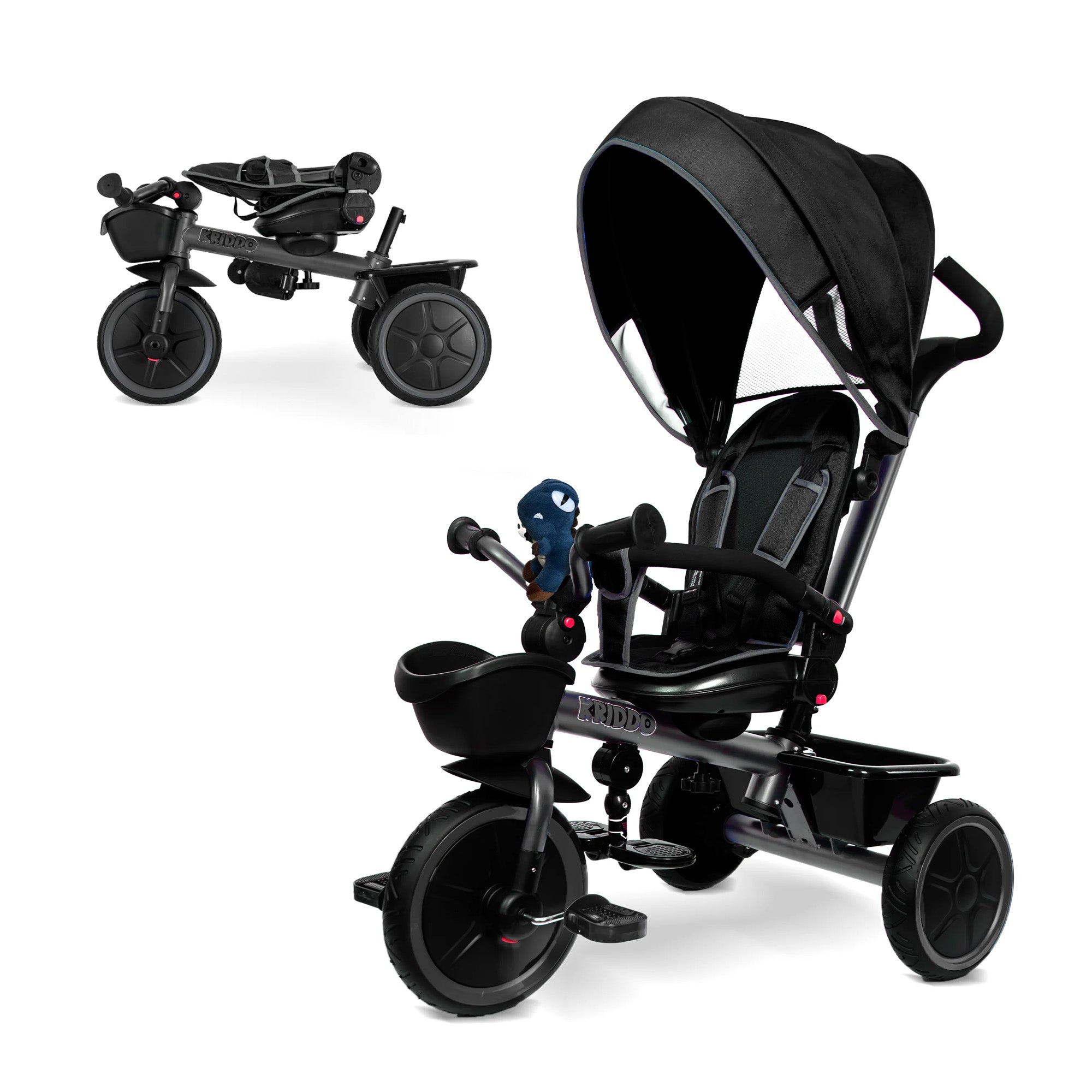
A solid option for young riders is a properly sized pedal bike with training wheels that can be removed later, like the KRIDDO pedal bike designed for kids ages 3–6. The KRIDDO 14 & 16 inch Kids Bike is built around this exact idea—giving kids stability first, then gradually letting them take control.
Why the design helps nervous riders:
- 14 & 16-inch wheel options provide natural stability and help kids feel grounded.
- Removable training wheels allow balance skills to develop step by step instead of all at once.
- Thick rubber tires offer strong grip and a smoother ride, which matters when confidence is shaky.
- Front hand brake and rear coaster brake give reliable stopping power without confusion.
- A full chain guard keeps hands and clothes protected, removing another small but real worry.
- Smooth bearings make pedaling feel easier, so kids don’t struggle just to move forward.
- Front and rear reflectors increase visibility and help kids feel safer, especially in shared spaces.
There’s also something surprisingly powerful about personalization. Custom nameplates, DIY stickers, bold colors, and a classic bell turn the bike into their bike. Ownership builds pride, and pride builds confidence.
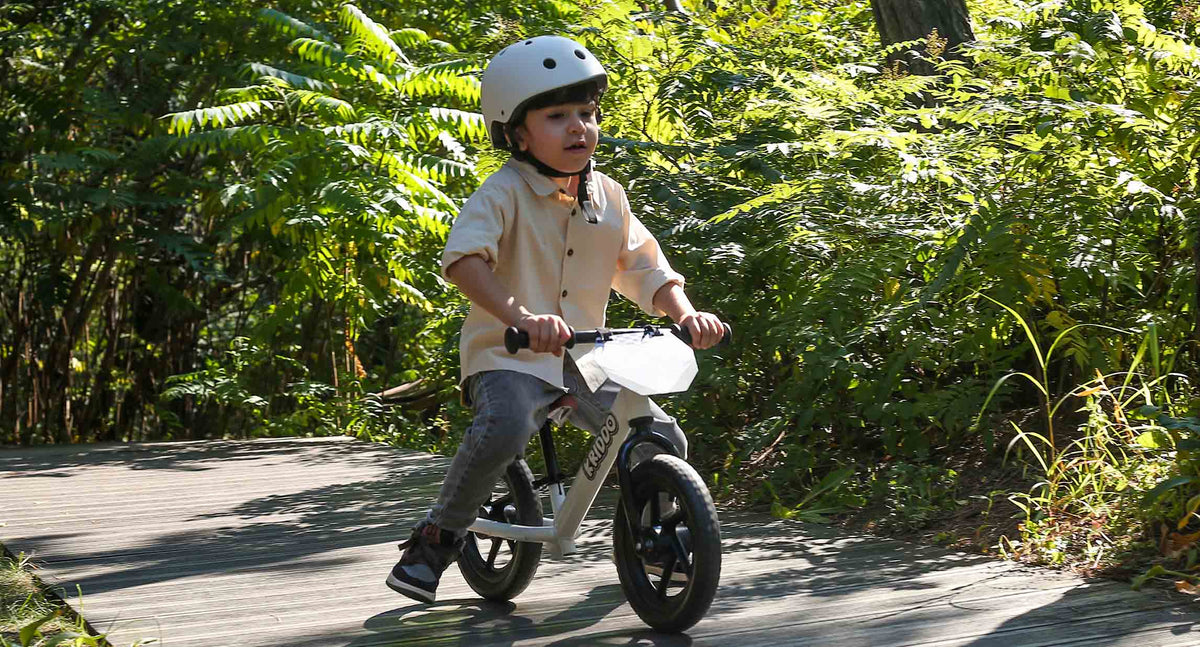
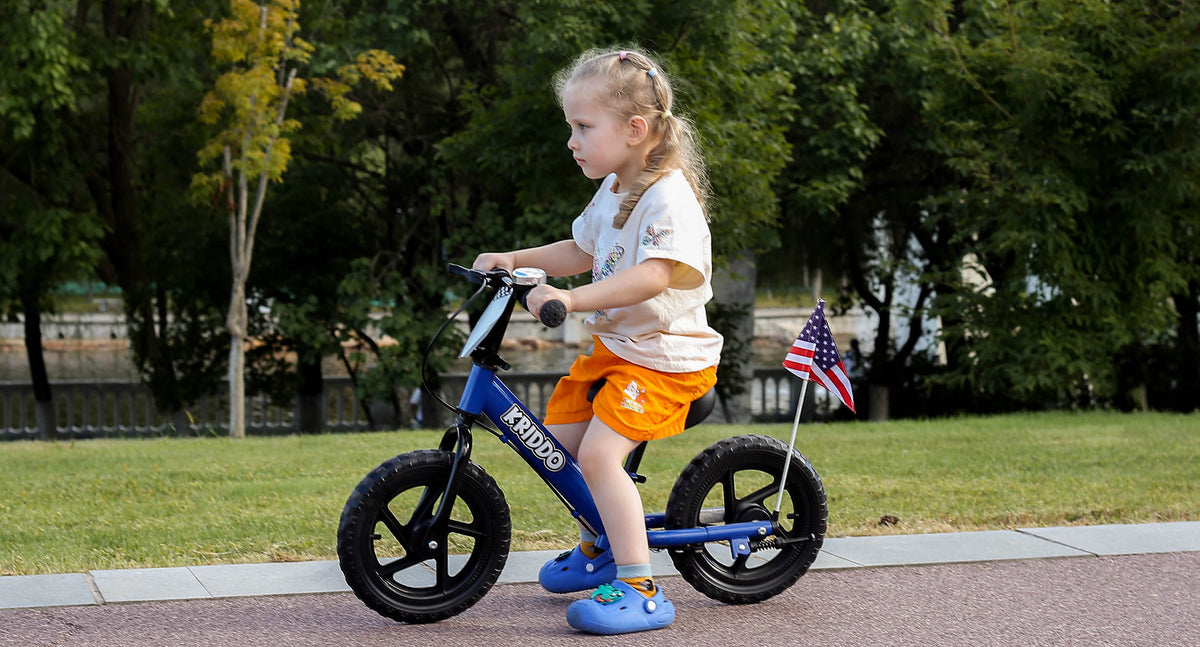
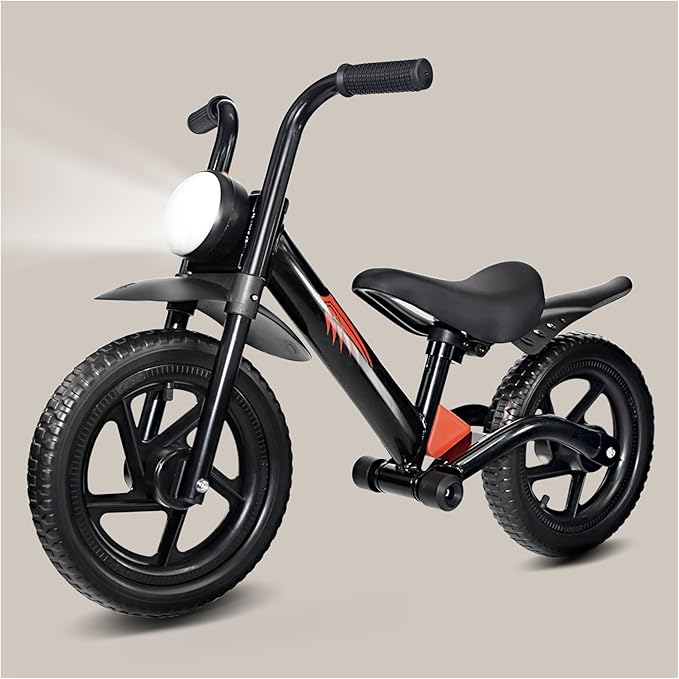
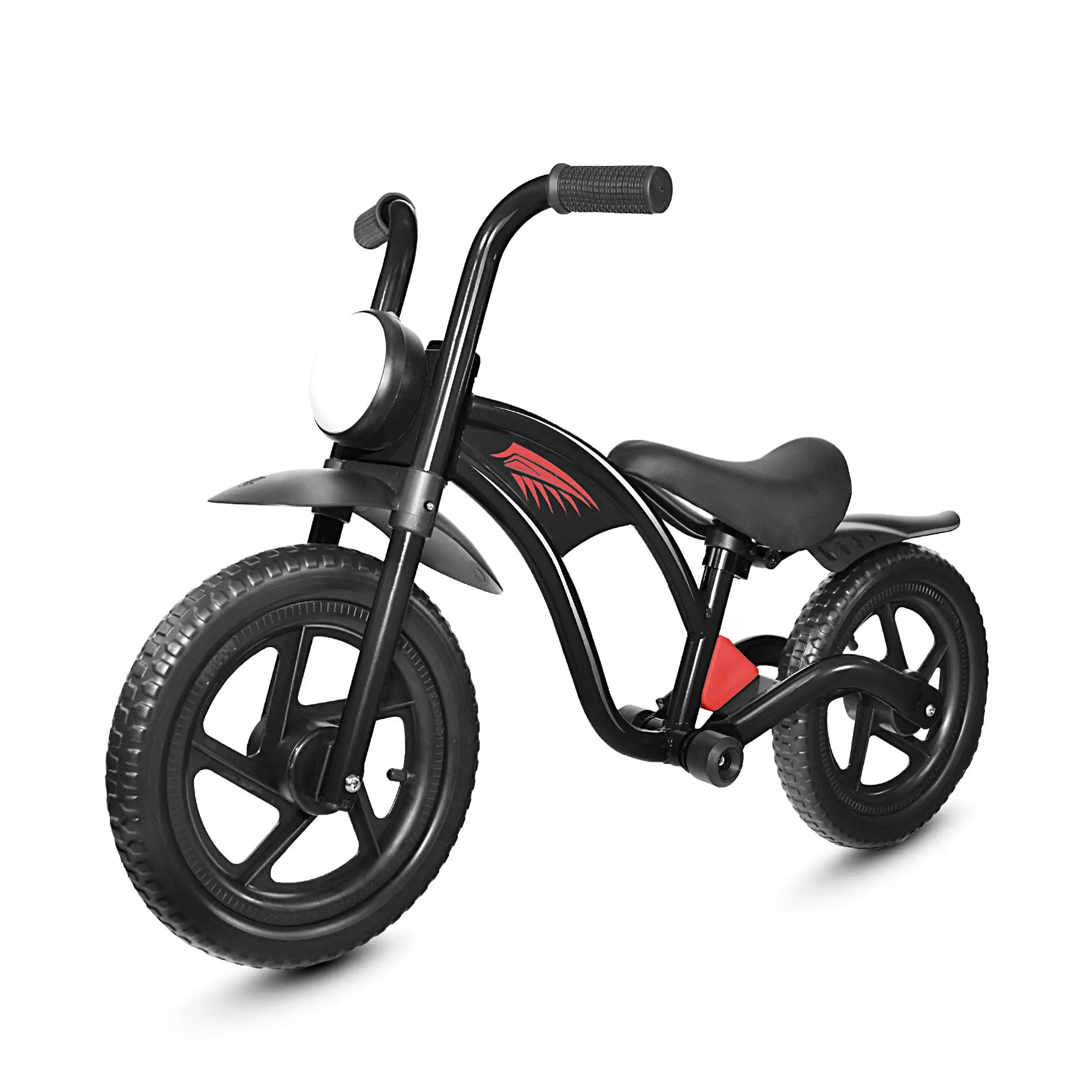
For even younger children, starting on a balance bike can be a game changer. KRIDDO toddler bikes remove pedals entirely, letting kids focus on balance and steering without worrying about falling forward. For fearful kids, that simplicity can feel like relief.
2. Set Expectations That Don’t Backfire
Telling a scared child, “It’s easy!” or “You’ll love it!” usually has the opposite effect. When it doesn’t feel easy, they assume they’re failing.
Instead, be honest in a calm, steady way.
“Yes, this might feel scary.”
“Yes, you might wobble.”
“Yes, falling can hurt a little.”
And then add what really matters:
“But you’ll get back up. And every time you try, your body learns something new. When you finally ride on your own, it feels amazing.”
Fear loses power when it’s named instead of dismissed. Kids don’t need false confidence. They need realistic reassurance.
3. Break the Process Into Tiny Wins

Learning to ride doesn’t have to happen in one afternoon. In fact, it usually shouldn’t.
Start small. Almost absurdly small.
First, let your child just sit on the bike. No movement. No pressure.
Then ask if they want you to walk while holding the bike.
Then ask if they want to lift their feet for a second or two while you stay close.
If you promise to hold the bike, hold it. Breaking that trust—even once—can undo days of progress.
Gradually increase distance. A few steps. Then a few more. Let them decide when to try again.
If you or another adult rides a bike nearby, that helps too. Kids copy what they see. Put on a helmet and ride casually. Don’t perform. Just ride. Curiosity often does more than encouragement.
4. Let Other Kids Do the Motivating
Some children are technically capable of riding but emotionally stuck. They’re not refusing because they can’t do it—they’re refusing because they’re terrified of getting hurt.
Kids notice when others their age ride confidently. No teasing required. No comments needed. Just observation. Over time, that gentle comparison sparks motivation.
Some children don’t truly commit to riding until they’re older. Seven. Eight. Even nine. That’s still okay. When they’re ready, progress often comes fast.
5. Prepare for Confidence With Safety Gear
Fear of falling is real. You can’t talk it away—but you can soften it.
Protective gear doesn’t just protect bodies. It protects confidence.
Make sure your child has:
- A properly fitted helmet
- Elbow pads, knee pads, and wrist guards
- Smooth bearings make pedaling feel easier, so kids don’t struggle just to move forward.
- Front and rear reflectors increase visibility and help kids feel safer, especially in shared spaces.
When kids feel physically protected, their brain relaxes enough to focus on fun instead of danger.
6. Keep Your Voice Calm (Even When You Want to Yell)
Anxious kids are extremely sensitive to tone. They hear disappointment even when you don’t mean it.
Keep instructions simple. Short phrases work best:
“Pedal.”
“Keep pedaling.”
“Nice job.”
Avoid commentary that adds pressure. Avoid comparisons. Avoid sighs.
If you need to raise your voice so they can hear you while riding, tell them ahead of time. Let them know louder doesn’t mean angry.
What they really need to hear is this:
“I’m proud of you for trying.”
7. Be Patient, Then Be Patient Again

Some kids ride in a day. Others need weeks. Short, consistent sessions usually work better than long, exhausting ones.
Fifteen to twenty minutes a few times a week is plenty. End on a positive note, even if progress feels small. A high-five counts. A smile counts. Showing up counts.
Your attitude sets the tone. Calm confidence is contagious. So is stress. Choose the first one whenever you can.
Final Thoughts
The fear of riding a bike isn’t a flaw. It’s a feeling. And feelings change when kids feel safe, supported, and in control of their own progress.
Your child doesn’t need to be pushed. They need to be believed in.
When they finally ride off on their own—whether that happens next week or next year—you’ll know they didn’t just learn how to ride a bike. They learned how to face fear and keep going anyway.
And that lesson lasts a lot longer than the bike itself.