





How to Get Toddlers to Share:
7 Gentle Ways to Build Cooperation and Kindness
Noah | 25th, Aug
“Mine!”
If you have a toddler, chances are you have heard this word more times than you can count. Maybe it happened when your child grabbed a toy from a sibling. Maybe it happened at the playground when another child reached for the same truck. Or maybe you watched two children argue over a toy that neither one cared about five minutes earlier.
For adults, sharing seems like a simple social rule. For toddlers, it is a huge emotional challenge.
Young children are still learning how to understand other people’s feelings, manage disappointment, and wait for what they want. When a toddler refuses to share, it is usually not because they are trying to be unkind. Their brains are still developing the skills needed to see another person’s point of view.
As parents, we often wonder how to get toddlers to share without forcing them or turning every playtime into a battle. The answer is not simply teaching children to give things away. It is helping them learn empathy, patience, fairness, and cooperation through everyday experiences.
When do toddlers learn how to share?

One of the first things parents need to understand is that sharing is a developmental skill.
A two-year-old may understand that another child wants a toy, but they may not yet understand why they should give it up. To them, a favorite toy feels connected to comfort, control, and ownership.
This is why toddlers often go through the famous “mine” stage. They may hold onto toys tightly, become upset when siblings touch their belongings, or struggle when another child gets attention from a parent.
Around age three, many children begin developing a stronger awareness of other people’s feelings. They start to understand that another child can also want something, feel disappointed, or need a turn.
However, learning to share takes practice. Children do not suddenly wake up one morning knowing how to cooperate. They learn through repeated experiences, gentle reminders, and watching the adults around them.
Choose toys that naturally encourage sharing
One thing many parents notice is that some toys create more conflicts than others.
A toy that only one child can use at a time may quickly become the center of an argument. On the other hand, toys that encourage teamwork, creativity, or movement often give children more chances to play together.
When choosing toys, it helps to think about your child’s developmental stage and how a toy supports learning, imagination, and social skills. Understanding what children need at different ages can make choosing the right toys easier, especially when you are looking for something that encourages positive play habits. Choosing toys based on your child’s stage of development can help you make more thoughtful decisions.
For example, magnetic tiles, play dough, and art supplies often allow multiple children to participate at the same time.
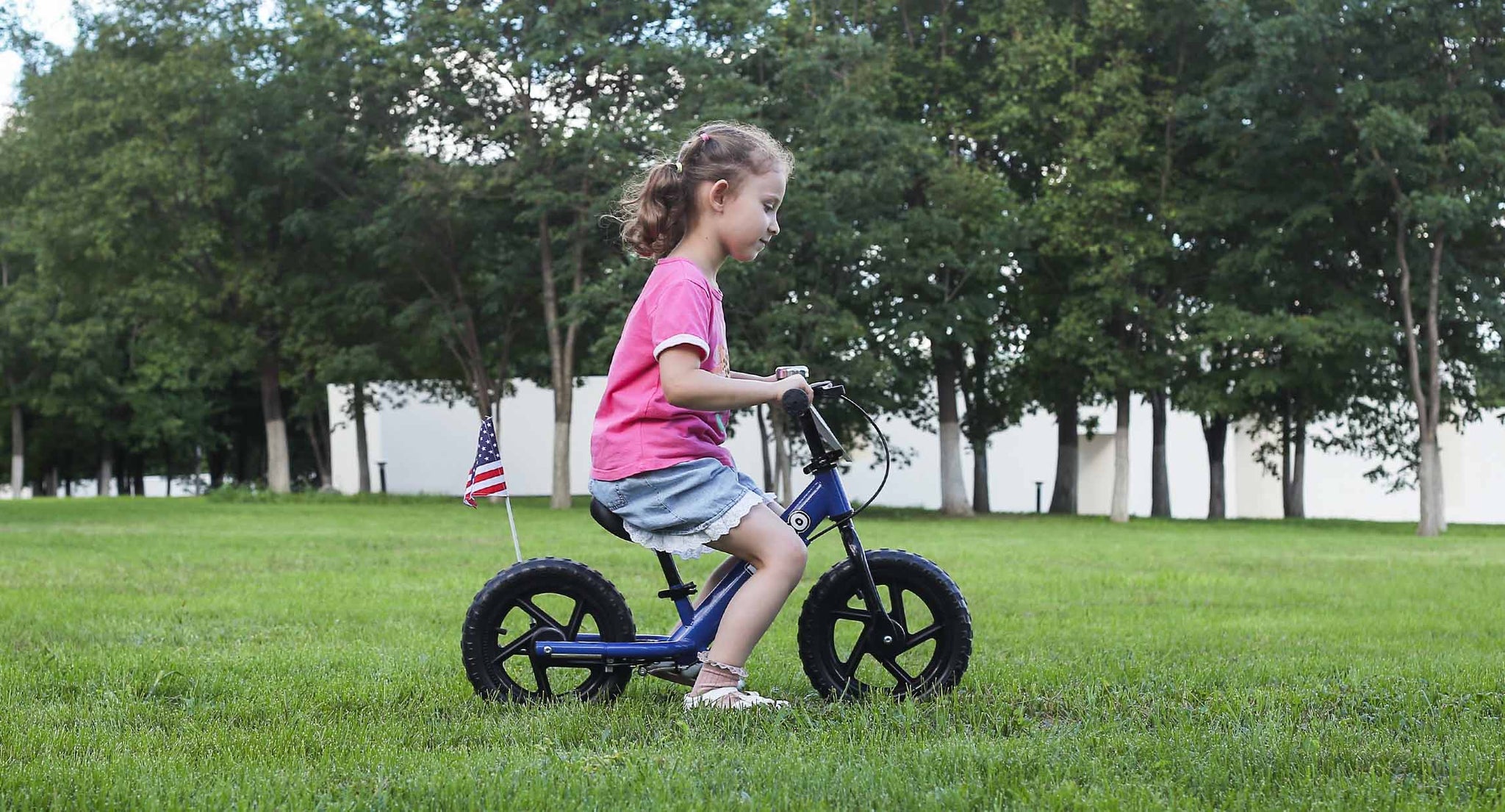
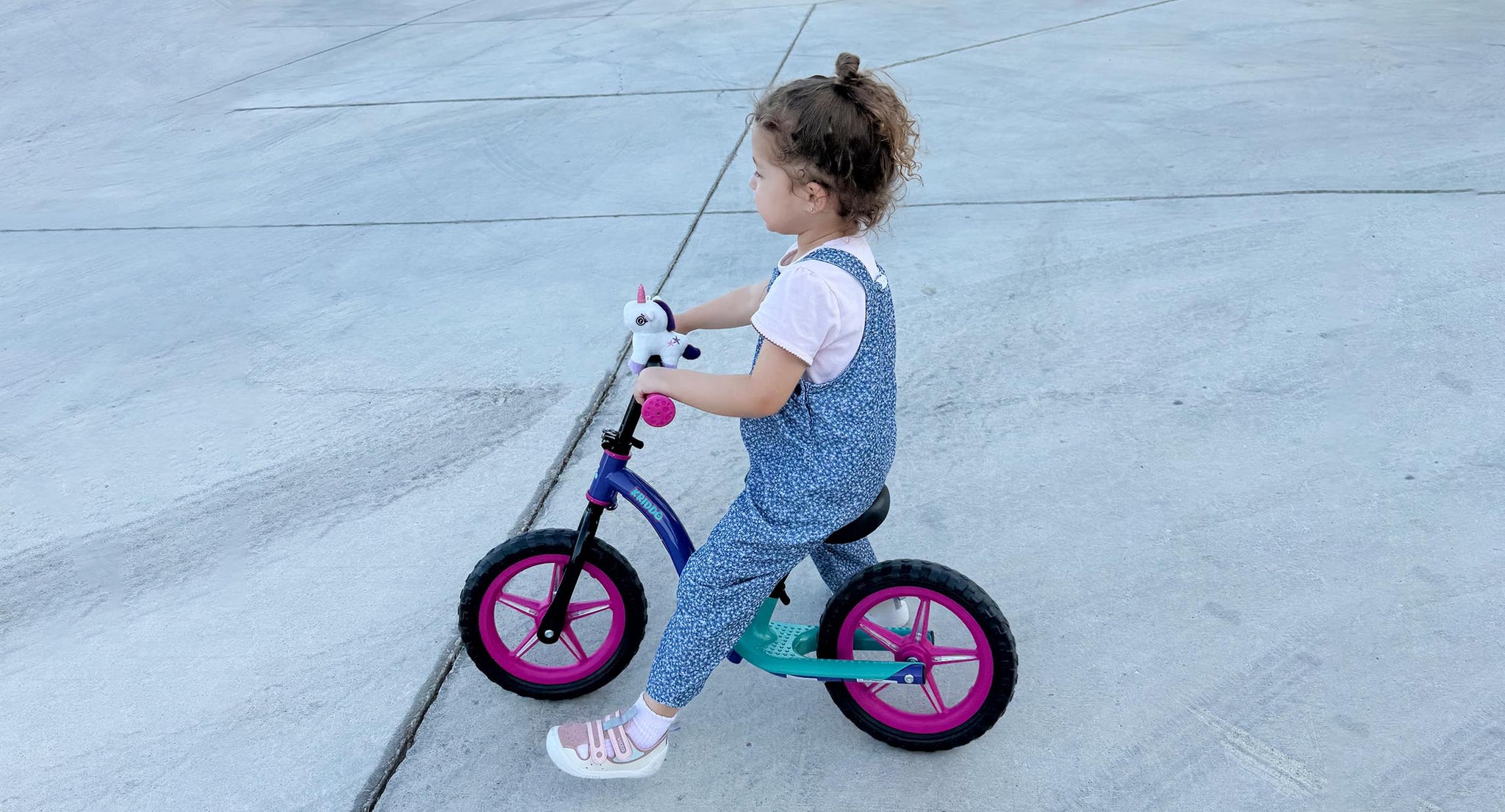
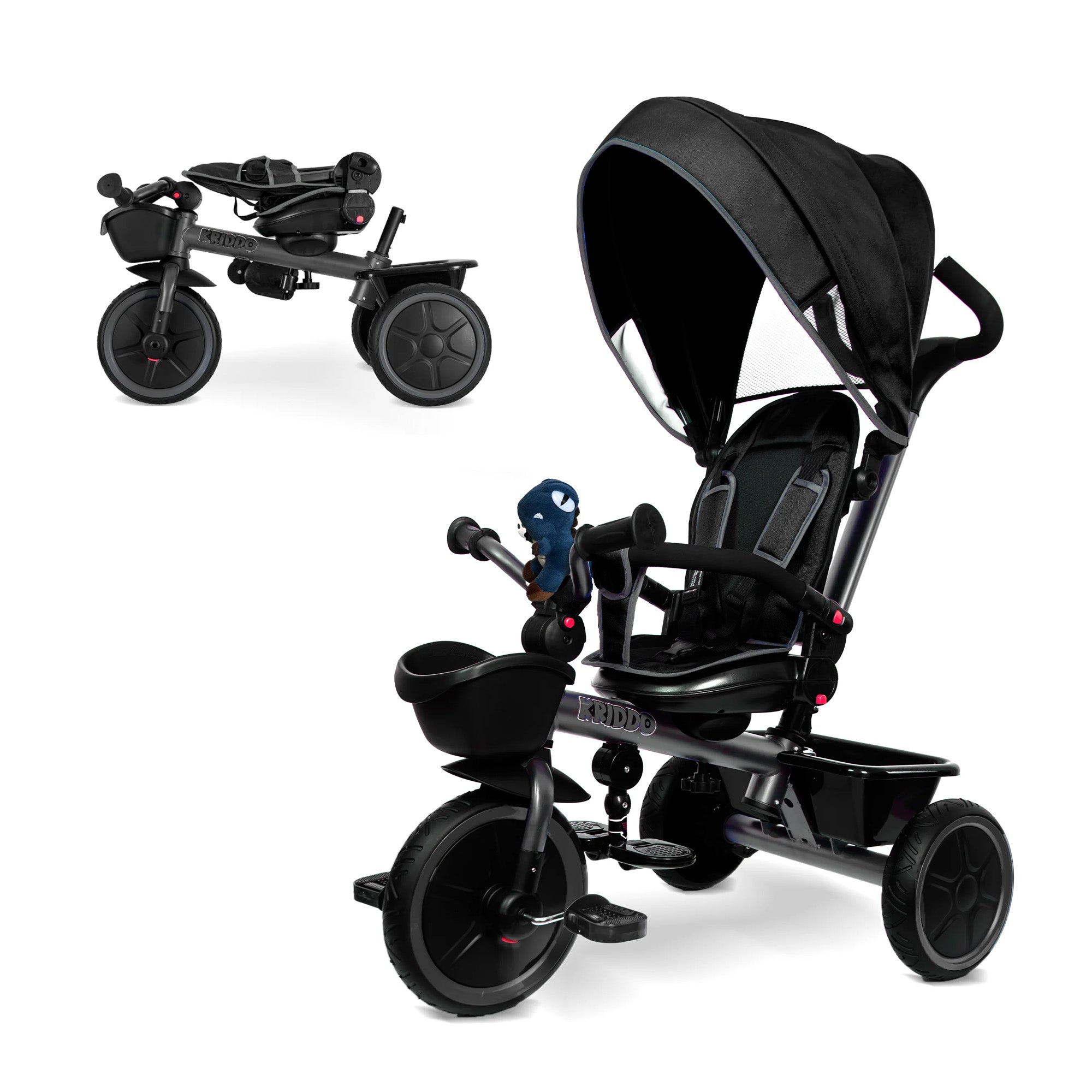
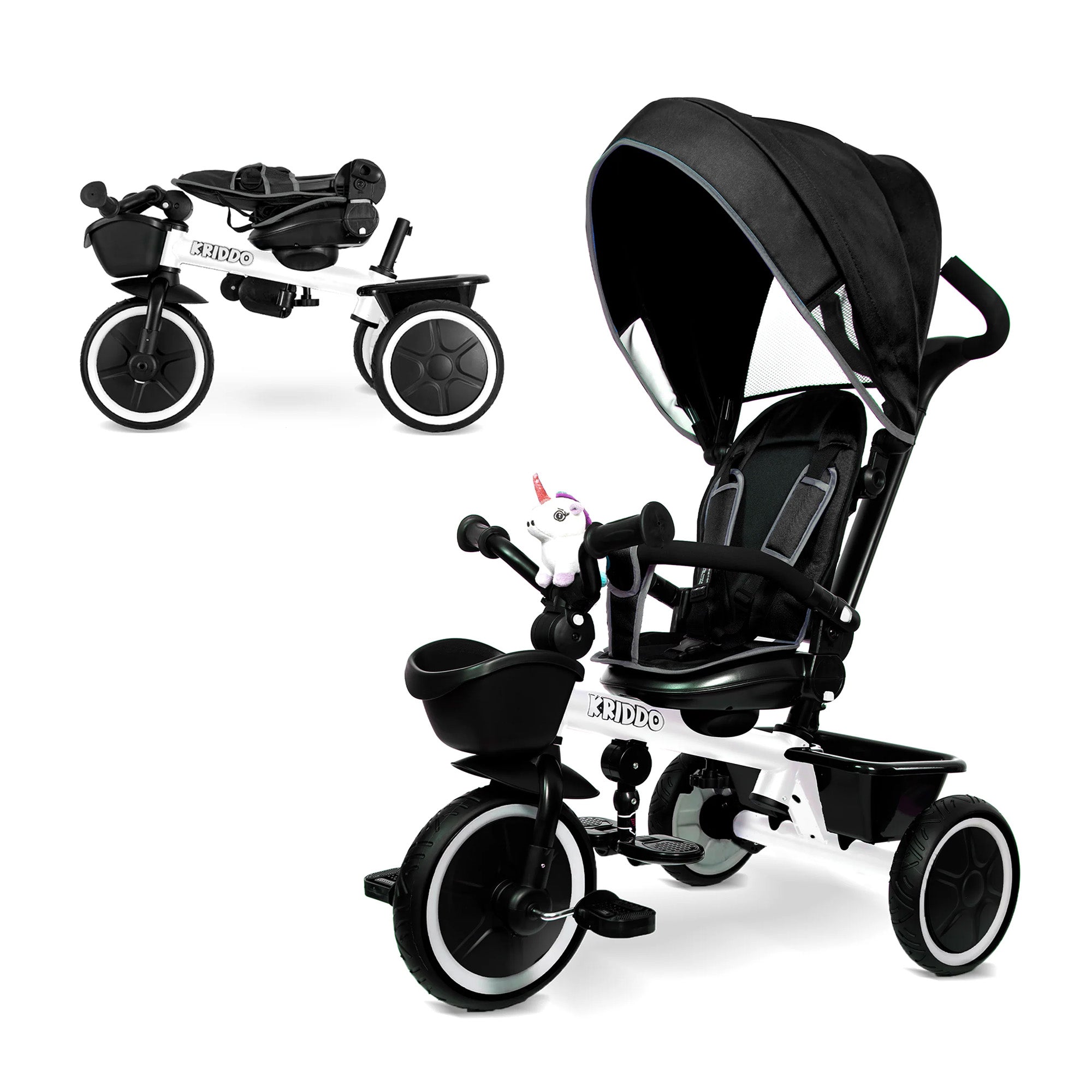
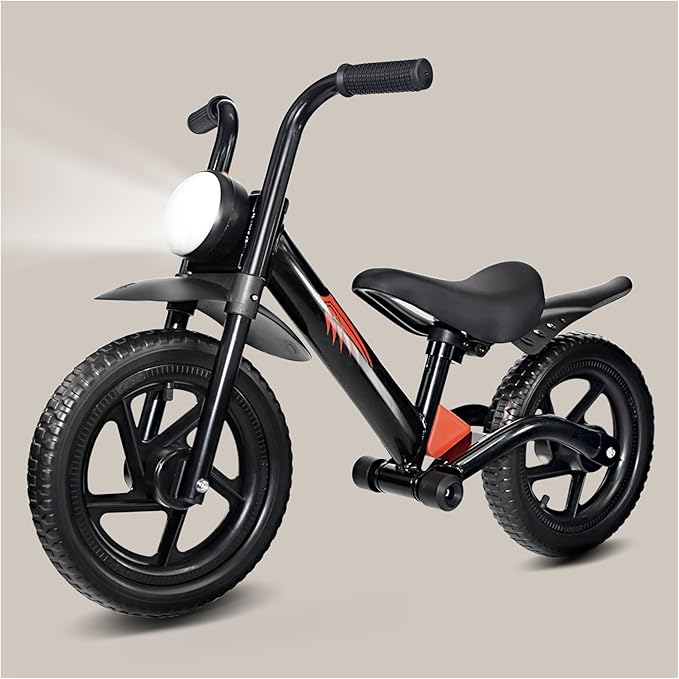
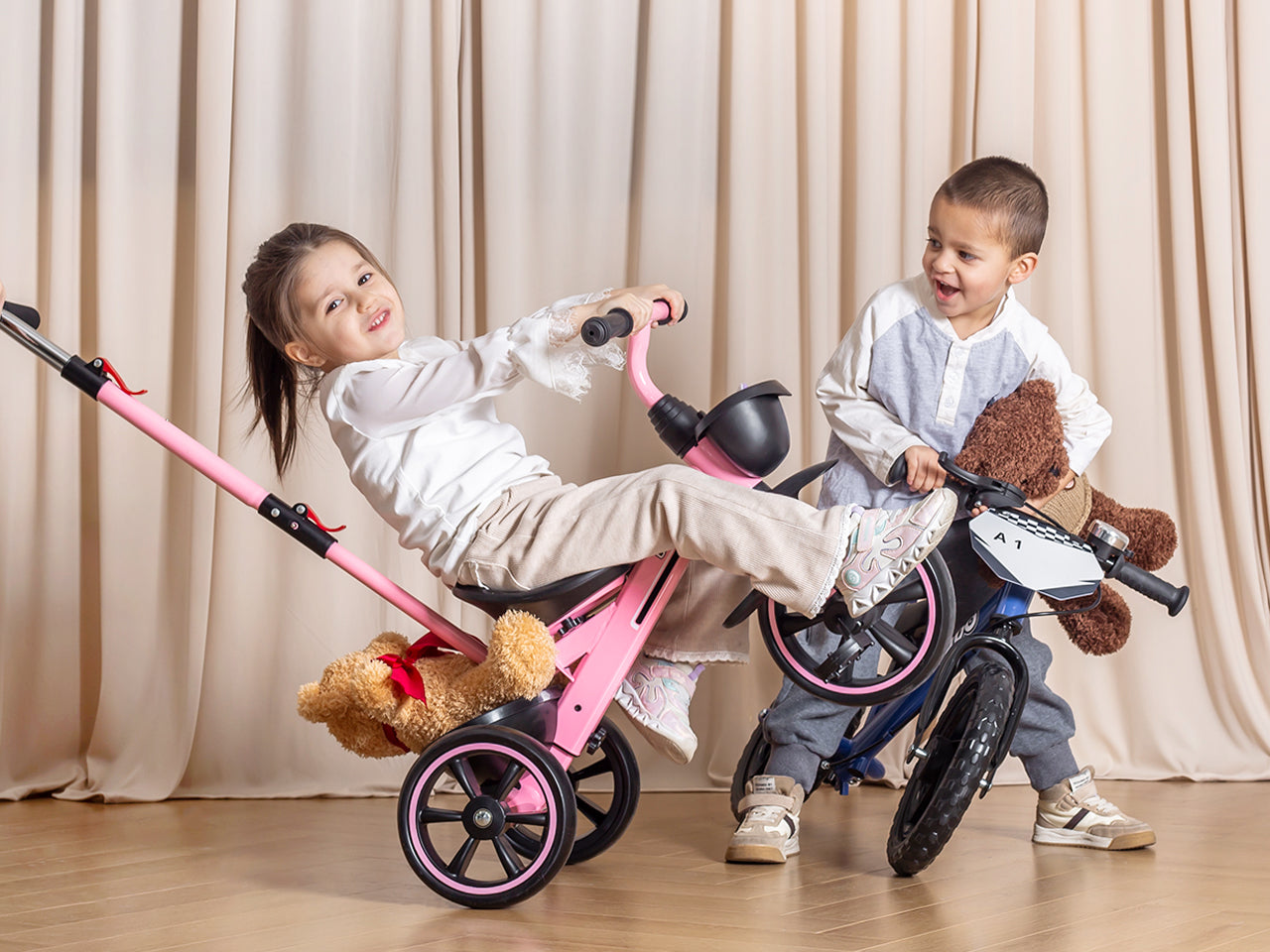
Outdoor toys can also create natural opportunities for children to practice sharing. Balance bikes and tricycles are good examples because children can take turns riding, create games together, and encourage each other while playing.
A toddler balance bike can also support independence because children can practice movement skills at their own pace. Parents looking for age-appropriate riding options can explore different toddler balance bikes designed for young children and their growing abilities.
You can also create simple riding activities at home. A small track or obstacle course can turn riding into a shared activity where children learn about waiting, cheering for others, and handling friendly competition. Creating a safe riding space can help children enjoy tricycle activities together.
These moments are about more than riding. They are opportunities for children to practice cooperation.
Prepare toddlers before they need to share
Many sharing struggles happen because children are asked to handle a situation they were not prepared for.
Before a playdate, family visit, or sibling activity, explain what will happen.
You might say:
“Your friend is coming over today. Some toys will be for everyone to play with, and some special toys can stay in your room.”
This gives children a sense of control.
The same idea works when parents need to divide attention between children. If you have a baby and a toddler, you can say:
“I’m going to help the baby for a few minutes, and then I’ll come play with you.”
Toddlers may still feel frustrated, but knowing what to expect helps them handle those emotions.
Acknowledge feelings before teaching lessons
When toddlers refuse to share, many parents immediately say, “You need to share.”
The problem is that children often hear this as a rejection of their feelings.
Instead, start by showing that you understand.
Try saying:
“I know this is hard. You really want to keep playing with the truck. You’re upset because you’re not finished yet.”
This does not mean the child gets everything they want. It simply helps them feel seen.
Once children feel understood, they are usually more open to learning what comes next.
Teach taking turns instead of forcing sharing

For many toddlers, “taking turns” is easier to understand than “sharing.”
Sharing can feel like losing something forever. Taking turns shows children that they will get another chance.
You can say:
“Emma is playing with the puzzle right now. After her turn, you can have a turn. I’ll wait with you.”
This approach helps children build patience and self-control.
It also respects the child who already has the toy. They learn that their belongings matter, while the other child learns that waiting is part of playing together.
Fairness is important during these moments. Children quickly notice when rules feel different for different people. Helping children understand equal treatment can support better cooperation during games and everyday conflicts. Teaching kids about fairness and fair play can help them understand why everyone deserves a chance.
Help toddlers understand the situation
Toddlers are still developing the ability to see situations from another person’s perspective.
Sometimes they need adults to describe what is happening.
You might say:
“You both want the red ball. Noah has it right now, and you really want a turn too.”
This helps children understand that both feelings are important.
Your child can feel disappointed, and another child can still have a turn. Learning this balance is a big part of developing empathy.
Stop aggressive behavior immediately
Sometimes disagreements about sharing become physical.
A child may hit, push, grab, or pull a toy away. When this happens, the first priority is safety.
Stay calm and step in quickly.
You can say:
“I see two children fighting. I need to keep everyone safe. Let’s take a break and calm our bodies.”
Separate the children and give them time to settle down.
Trying to teach a lesson while children are overwhelmed usually does not work. Toddlers have a hard time listening when emotions are high.
Once everyone is calm, you can talk about what happened and find a solution together.
Notice and praise positive sharing

Parents often notice conflicts quickly, but small moments of kindness deserve attention too.
When your child shares, point it out.
Instead of saying only “Good job,” try:
“You gave your brother the toy when he was waiting. That made him really happy.”
Specific praise helps children understand what behavior you are encouraging.
Positive parenting approaches can help children build stronger emotional connections and understand why kindness matters. Using encouragement and positive responses can help strengthen your bond with your child.
Remember to celebrate small steps. A toddler offering a toy for a few seconds, waiting for a turn, or allowing another child to join a game is progress.
Sharing is not something children master overnight. It is a skill they practice little by little.