







Let Kids Win or Not?
How Parents Can Teach Fair Play
Kelly | 22th, July
The first time my child beat me at a board game, I had a funny mix of emotions.
Part of me wanted to celebrate. My toddler was jumping up and down, proudly announcing, “I won! I won!”
But another part of me wondered: Did I let that happen? Should I have played harder?
This is a question many parents quietly ask themselves during playtime: Should I let kids win or not?
When adults play with children, we naturally have an advantage. We have more experience, better strategies, and years of practice. So should parents intentionally lose sometimes to help children feel successful?
The answer is not as simple as always letting kids win or always playing at full strength.
The real goal is helping children learn how to enjoy success, handle disappointment, and keep trying when things don’t go their way.
Let Kids Win or Not? Finding the Right Balance

Children need opportunities to experience success.
Think about any activity you enjoy. If you never had a chance to make progress, improve, or achieve something, you would probably stop enjoying it too.
The same is true for children.
Whether it’s a board game, a race, a puzzle, or a simple backyard challenge, kids need to feel that their effort can lead to positive results.
If a child loses every single time, play can quickly become frustrating. They may stop wanting to participate, not because they dislike the activity, but because they feel like success is impossible.
This doesn’t mean parents should pretend to lose every game.
Instead, think about balance.
Sometimes you can choose a strategy that gives your child a real chance to win. Maybe you don’t use your most advanced tactics. Maybe you give them extra time to think. Maybe you choose a slightly easier challenge.
The important part is that their success still feels earned.
Children usually know when something feels fake. If they realize adults are always “letting” them win, the victory may not feel meaningful.
A better approach is helping them experience genuine improvement.
Why Always Letting Kids Win Can Backfire
It’s natural for parents to want to protect children from disappointment.
Nobody enjoys watching their child become upset. A happy game can quickly turn into tears, frustration, or a full toddler meltdown.
So sometimes parents change the rules, secretly help, or intentionally lose just to avoid a difficult moment.
Honestly, it makes sense why parents do this.
Seeing your child struggle is hard.
But avoiding every difficult emotion can make it harder for children to develop coping skills.
Games are a safe place for children to practice losing. They learn that disappointment feels uncomfortable, but it passes. They learn that losing one round does not mean they are bad at something.
Small failures teach important lessons:
- how to stay calm
- how to try again
- how to solve problems
- how to celebrate someone else’s success
Children who always win may miss the chance to develop these skills.
Sometimes frustration during play is not a problem to remove. It is an opportunity to teach.
Parents may notice similar struggles in everyday situations when children have difficulty accepting limits or disappointment. Recognizing early behaviors can help families build healthier habits, such as understanding common signs of a spoiled kid and responding with patience.
Teach Kids How to Handle Losing
Knowing that children need to experience losing doesn’t make it easier to watch.
A child who loses may cry, yell, throw pieces, or suddenly decide the game is “not fair.”
For parents, these moments can feel bigger than they really are.
When emotions rise, try to focus on helping your child understand what they are feeling.
Instead of saying:
“Don’t be upset.”
Try:
“You’re disappointed because you wanted to win.”
That simple statement helps children feel understood.
They are not being told their emotions are wrong. They are learning how to name those emotions.
If your child needs a moment before continuing, give them some space. Once they calm down, you can return to the game and focus on the experience instead of the outcome.
You might say:
“I liked how you kept trying.”
“I noticed you got better at that part.”
“You had fun playing, even when it was challenging.”
The goal is not to convince children that losing is fun. Losing usually isn’t fun.
The goal is teaching them that losing is something they can handle.
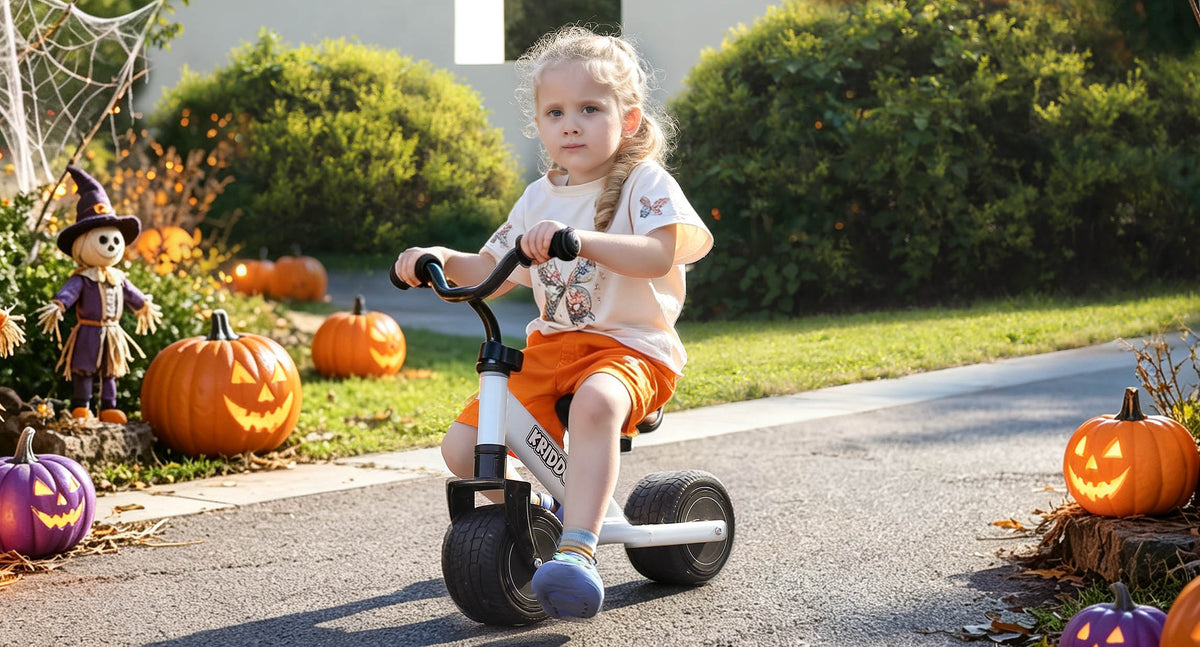
The same idea applies when toddlers become frustrated during physical activities. For example, learning a new riding skill can bring moments of struggle and emotion. Parents can support those feelings by staying calm and helping children work through challenges, just like when dealing with toddler tantrums during balance bike practice.
Praise Effort Instead of Just Winning

One of the easiest ways to change how children think about games is to change what we celebrate.
If every celebration is about winning, children may start believing the final result is the only thing that matters.
Instead, notice the process.
Did they try a new strategy?
Did they wait patiently?
Did they keep going after making a mistake?
Those moments deserve attention.
A child who hears “You worked hard on that” learns something different from a child who only hears “You won.”
Effort-based encouragement helps children understand that improvement comes from practice.
This mindset is especially helpful when children try new activities. Whether they are learning a new game, riding a bike, or practicing a physical skill, progress often happens through many small attempts.
Try Cooperative Games Instead of Always Competing
Not every game needs a winner and a loser.
Sometimes families can avoid the question of let kids win or not by choosing games where everyone works together.
Cooperative games give children the chance to solve problems without feeling like they are competing against parents or siblings.
In these games, everyone shares the same goal.
Maybe the family works together to build something before a timer runs out.
Maybe everyone helps a character in a story reach a destination.
Maybe players combine ideas to solve a challenge.
The exciting part is that children still practice many of the same skills:
- communication
- creativity
- decision-making
- teamwork
But the pressure of winning disappears.
For younger children especially, cooperative play can create a more relaxed environment where they feel comfortable experimenting.
It also helps children understand that success does not always mean being better than someone else.
Sometimes success means helping the whole group succeed.
Help Children Build Confidence Beyond Winning
Winning feels good, but confidence cannot come only from being the winner.
Children need to believe they can handle challenges, mistakes, and new experiences.
That confidence grows through everyday moments:
- trying again after failure
- learning a new skill
- solving a problem independently
- accepting a mistake
Parents can support this by giving children appropriate challenges and celebrating progress.
A child who learns “I can improve” develops a stronger foundation than a child who only learns “I should always win.”
This is also why giving children opportunities for independence matters. Allowing them to explore, make choices, and solve small problems helps nurture an independent spirit.
The Goal Is Not Winning or Losing — It’s Learning

So, should parents let kids win?
Sometimes, yes.
Sometimes, no.
There is no rule that says parents must always win or always lose.
The better question is:
“What does my child need from this moment?”
Sometimes they need encouragement.
Sometimes they need a challenge.
Sometimes they need practice handling disappointment.
The best games are not the ones where children always win. They are the ones where children feel supported enough to keep playing, keep learning, and keep trying.