




Signs of a Spoiled Kid:
What I Started Noticing at Home
Eva | 22th, Apr
It usually doesn’t start with anything dramatic.
At least in my case, it didn’t.
I remember one afternoon standing in the middle of a toy aisle, my child on the verge of a meltdown because I said no to yet another “must-have” toy. Nothing unusual on the surface—just a tired parent and a disappointed kid. But something about the intensity of that reaction made me pause longer than usual.
That’s when I first started seriously thinking about the signs of a spoiled kid.
Not in a judgmental way. More like… am I accidentally creating this pattern without realizing it?
And honestly, once you start noticing it, you see the signs of a spoiled kid everywhere—not in one big behavior, but in small everyday moments that slowly build up.
What “spoiled” really means (and what it doesn’t)

Before anything else, it’s important to clear something up: a spoiled child is not a child who is loved too much.
A child with warmth, attention, and opportunities is not automatically showing signs of a spoiled kid.
The issue is behavioral patterns—especially when a child starts to believe:
- They should get what they want immediately
- Rules apply to others, not them
- Disappointment is unacceptable
- Boundaries are optional
Psychologists often connect the signs of a spoiled kid with low frustration tolerance and entitlement-driven behavior, not with how many toys or privileges a child has.
And that distinction matters more than we think.
Signs of a spoiled kid you might actually be missing
When people talk about the signs of a spoiled kid, they often imagine extreme cases. But in reality, the early signs are subtle.
Here are the ones I started noticing first:
1. Low frustration tolerance
If something doesn’t go their way, the reaction feels immediate and intense—crying, shouting, or shutting down completely. This is one of the earliest signs of a spoiled kid.
2. “I want it now” mindset
Waiting becomes extremely difficult. Even short delays can trigger emotional reactions. This pattern is one of the clearest signs of a spoiled kid in daily life.
3. Difficulty accepting “no”
A simple boundary turns into negotiation, protest, or emotional escalation. Over time, this becomes a consistent sign of a spoiled kid.
4. Lack of responsibility
Toys, routines, and small tasks are constantly expected to be handled by adults. Avoidance of responsibility is another common sign of a spoiled kid.
5. Entitlement in everyday requests
Not just wanting things—but expecting them as a given. This mindset is one of the more concerning signs of a spoiled kid, because it shapes long-term behavior.
What surprised me most wasn’t any single behavior—it was how quickly they became habits.
How it quietly happens (even with good intentions)
No parent sets out to raise a spoiled child.
But looking back, I can see how easily it happens.
We say yes because we’re tired.
We avoid conflict because it’s easier in the moment.
We over-explain rules to prevent tears.
We step in too quickly to fix frustration.
And slowly, without realizing it, we may reinforce some of the signs of a spoiled kid without meaning to.
It’s not about blame. It’s about patterns.
Even something as simple as immediately replacing a broken toy or softening every disappointment can unintentionally strengthen entitlement-based responses.
The everyday moments that made me rethink everything

There was a moment I still remember clearly.
My child wanted a snack right before dinner. I said no. What followed wasn’t just disappointment—it was a full emotional breakdown that lasted far longer than I expected.
And I remember thinking:
Is this normal? Or is this one of those early signs of a spoiled kid I’ve been reading about?
Another time, we were cleaning up toys. I asked for help. The response was, “You do it.”
Not defiance exactly—more like expectation. That, too, is one of those quiet signs of a spoiled kid that doesn’t always look obvious at first.
What made me reflect wasn’t the behavior itself, but the consistency of it.
How to respond when you start seeing the signs of a spoiled kid
Once you notice these patterns, the goal isn’t to become strict overnight. It’s to gently reset expectations and consistency.
Here’s what actually helped in our daily life:
1. Stop apologizing for every disappointment
Not every “no” needs emotional cushioning. It’s okay for kids to feel upset without us over-explaining it. Over-apologizing can unintentionally reinforce signs of a spoiled kid by making boundaries feel negotiable.
2. Introduce structure through activity
Movement-based routines help more than people expect.
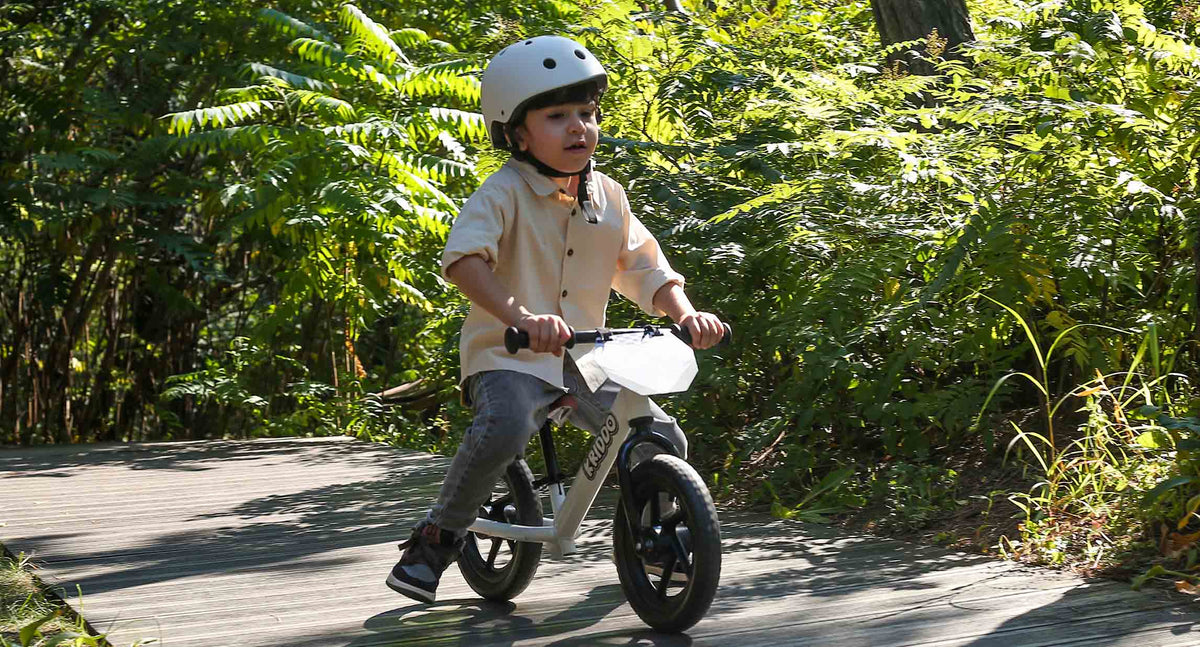
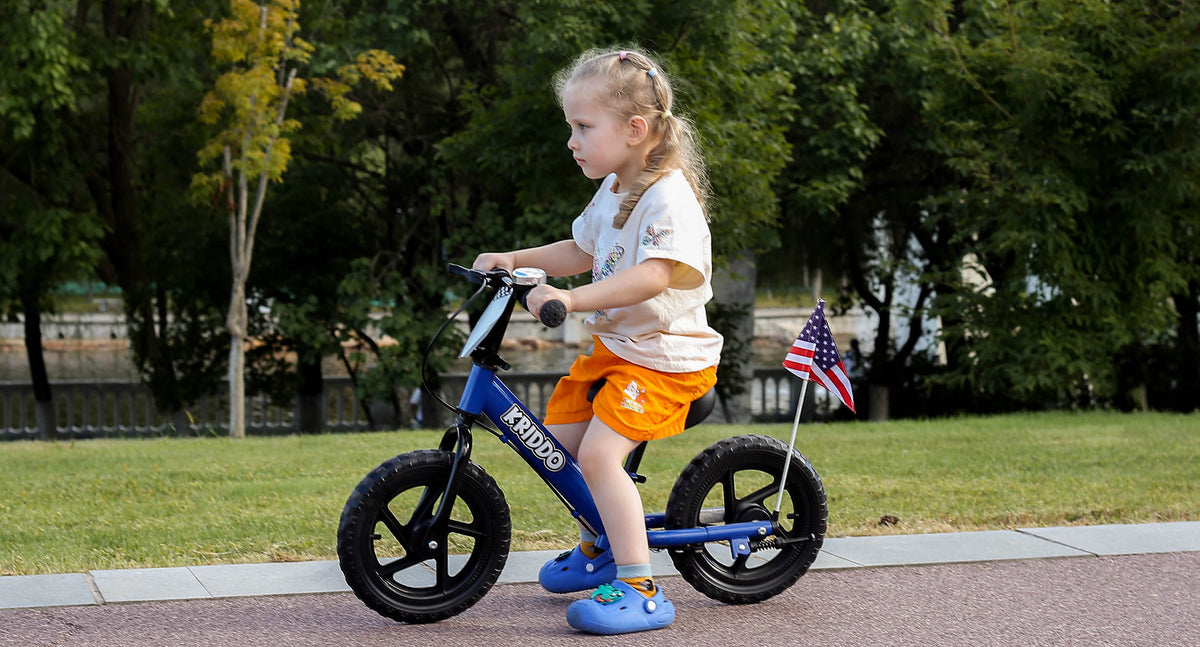
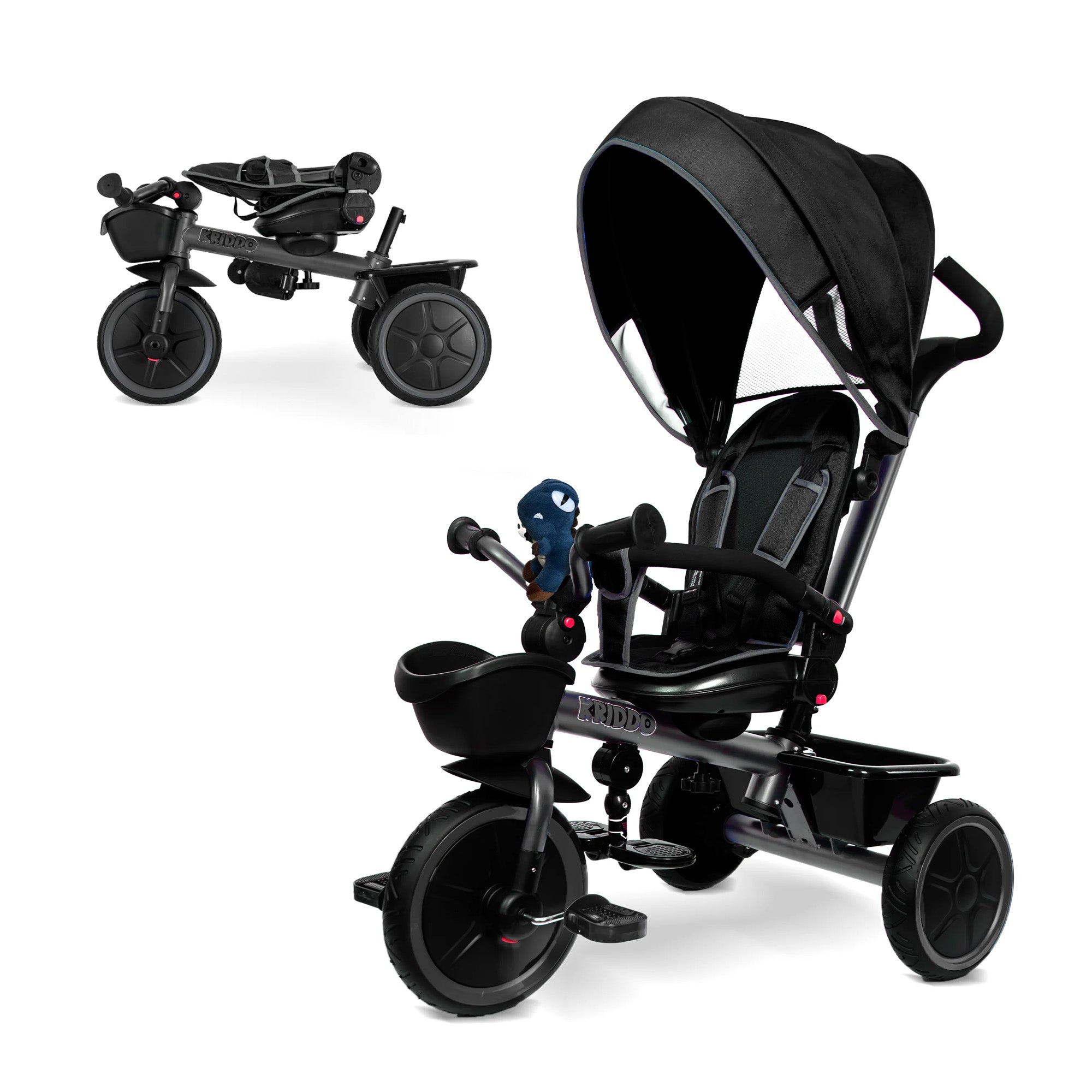
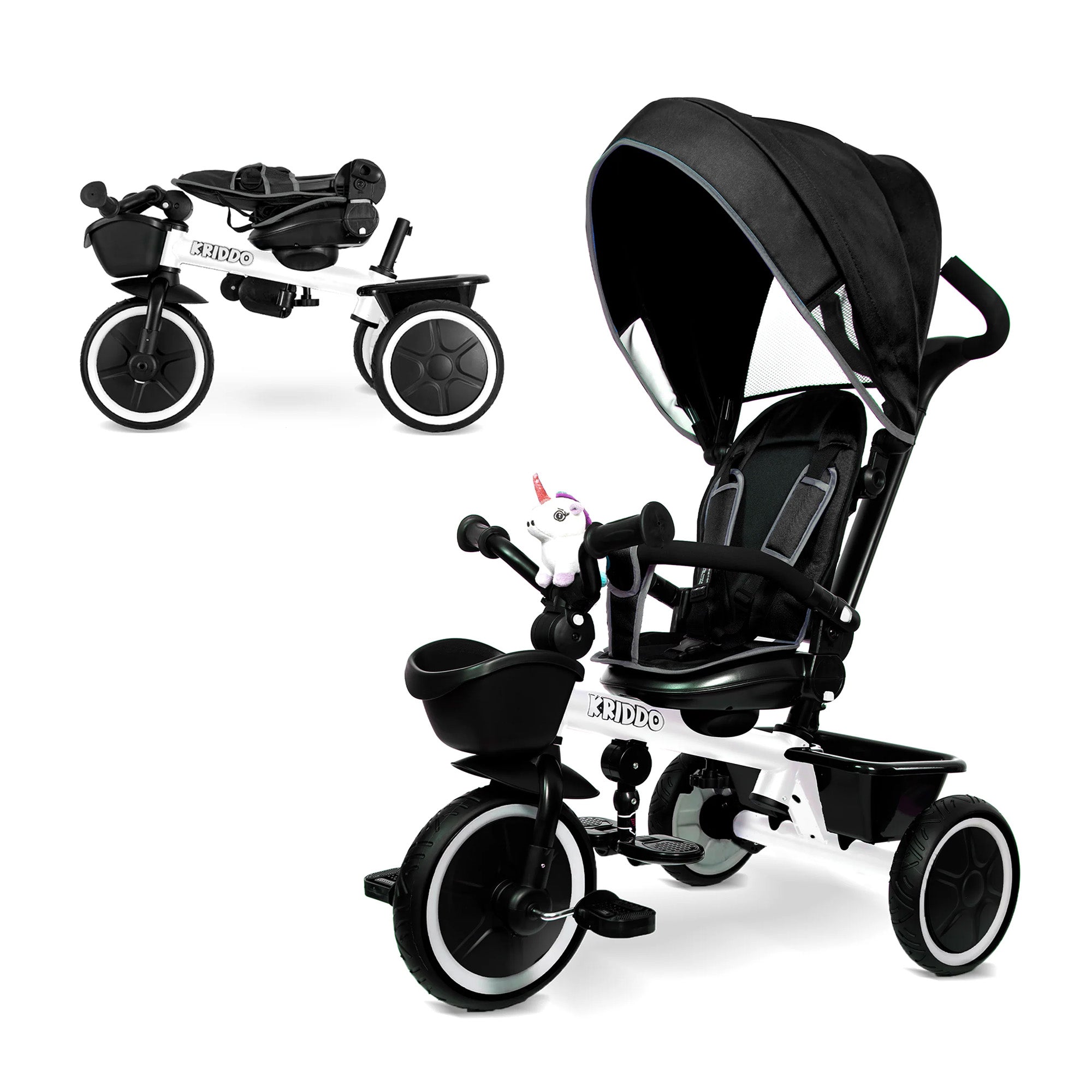
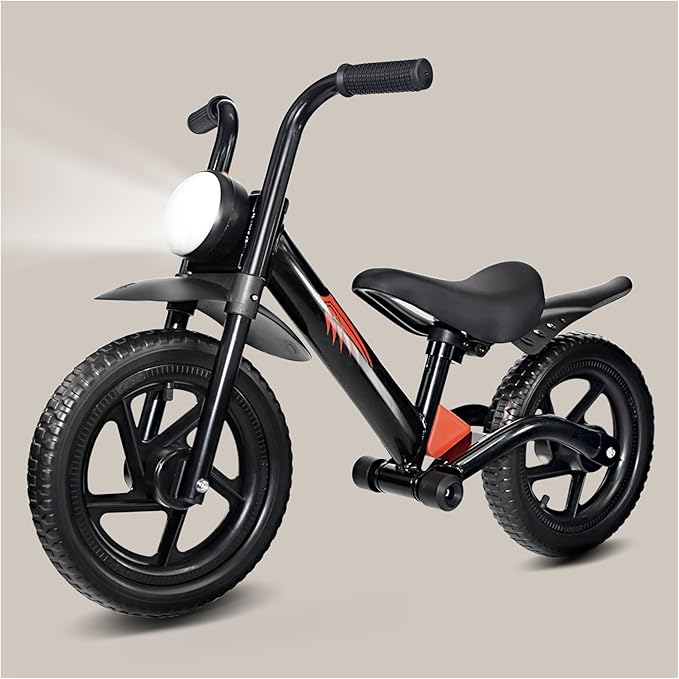
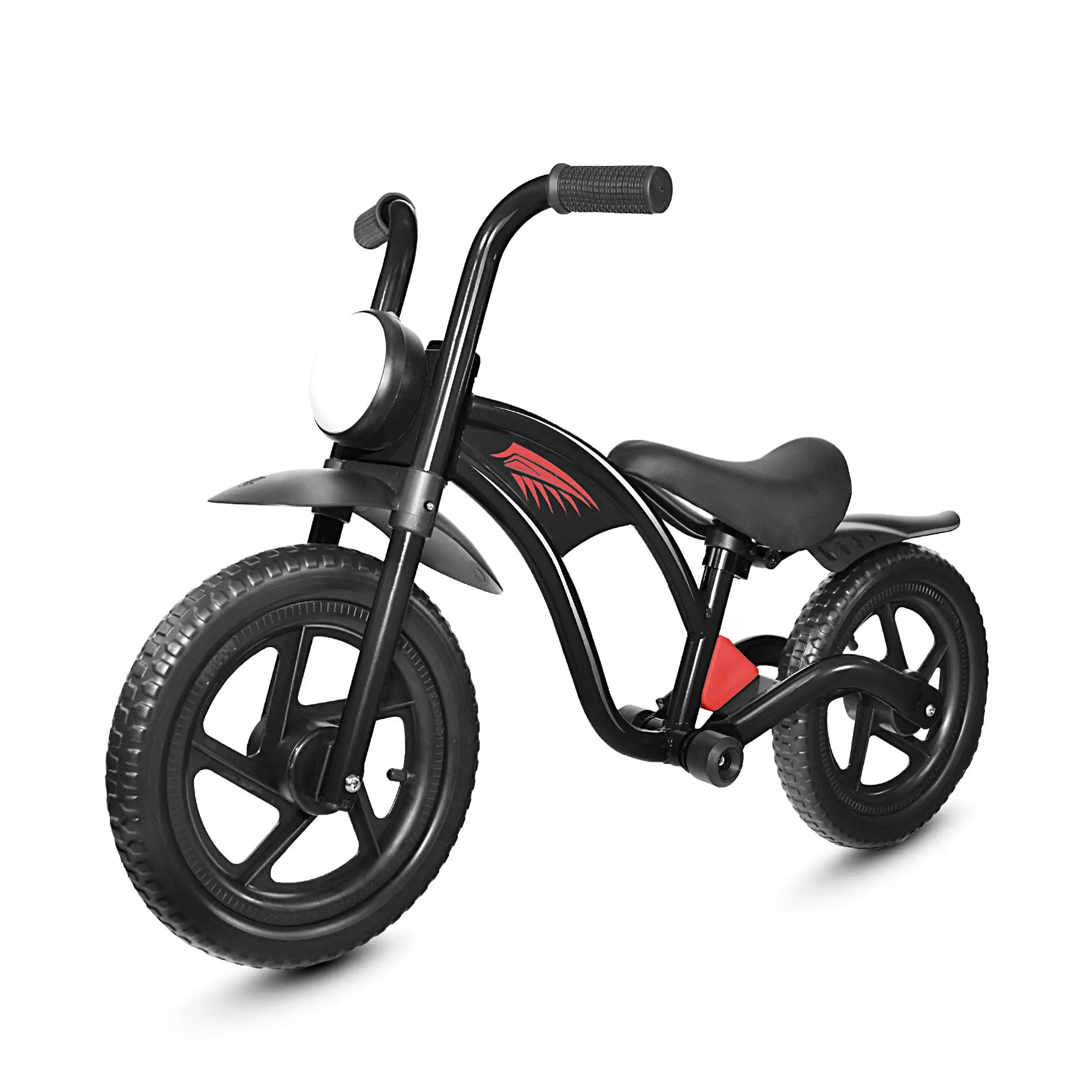
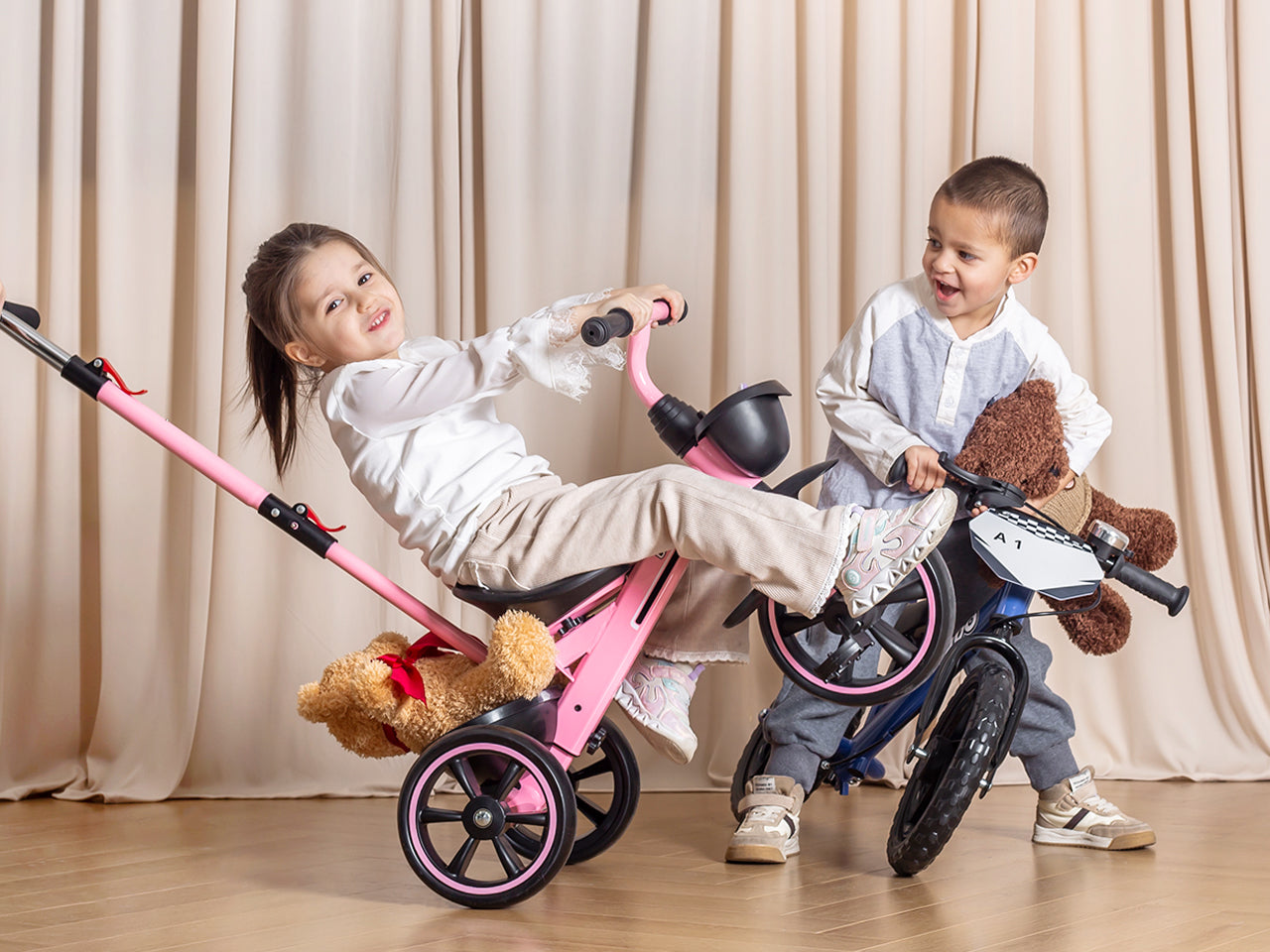
Activities like riding a balance bike or tricycle build patience, coordination, and rule-following naturally.
For example:
What I didn’t expect was how quickly physical activity reduced emotional intensity. When kids are engaged physically, some of the signs of a spoiled kid—like impatience and frustration—start to soften.
3. Set clear boundaries and stick to them
Not complicated rules. Just clear ones. And the key part: consistency.
When boundaries change depending on mood or exhaustion, it reinforces signs of a spoiled kid like negotiation and testing limits.
4. Lack of responsibility
This one is hard.
But stepping in too quickly prevents learning. If a toy breaks because it wasn’t taken care of, replacing it immediately removes the lesson.
Allowing natural consequences helps reduce signs of a spoiled kid over time.
5. Teach patience in small doses
Waiting is a skill.
Not a punishment.
Whether it’s waiting for a snack or waiting for your attention while you finish something, these small moments directly counter signs of a spoiled kid like instant gratification dependence.
And yes—it will feel uncomfortable at first. For both sides.
Why movement and independence matter more than we think
One thing I didn’t fully appreciate at first is how much physical independence supports emotional development.
When kids learn to balance, steer, and control movement through something like a tricycle or balance bike, they’re also learning:
- Delayed gratification
- Risk awareness
- Emotional regulation through effort
- Confidence through repetition
These skills directly counter many signs of a spoiled kid, especially impatience and frustration intolerance.
It’s not just “play time.” It’s practice for independence.
Final thoughts: noticing isn’t the same as labeling

The truth is, every child shows some signs of a spoiled kid at different stages. That doesn’t mean something is wrong.
What matters is pattern awareness.
Because once you start seeing patterns, you can gently shift them—without panic, without guilt, and without overcorrecting.
And honestly, that shift doesn’t happen overnight.
It happens in small moments:
- saying “no” and holding it
- waiting instead of fixing
- letting frustration exist without rushing to erase it
- encouraging effort instead of immediate comfort
Parenting, I’ve realized, is less about preventing every struggle and more about shaping how kids respond to it.