




How to Choose Toys for Kids:
A Guide for Every Stage of Development
Olivia | 27th, July
I still remember buying my toddler a toy that looked perfect. It was colorful, interactive, and designed to keep children entertained for hours.
He played with it for about five minutes.
Then he spent the next half hour playing with the cardboard box it came in.
That moment taught me something many parents eventually discover: children do not always need the most complicated toys. They need toys that allow them to explore, imagine, move, and create.
When thinking about how to choose toys for a child, it is easy to feel overwhelmed. There are endless choices, from educational toys and sensory activities to ride-on toys and building sets. But the right toy is not necessarily the one with the most features. It is the one that matches your child’s developmental stage and encourages meaningful play.
How to Choose Toys for a Child Based on Development

Before choosing a toy, think about what your child is learning right now.
A baby may be discovering textures, sounds, and movement. A toddler may be learning problem-solving, balance, and independence. A preschooler may be ready for more creative challenges and pretend play.
The best toys usually encourage children to participate instead of simply watching.
Simple household items can also become amazing play tools. A cardboard box can become a car or a house. Plastic bowls can become pretend cooking supplies. Everyday objects often give children the freedom to use their imagination.
For parents choosing riding toys, understanding what fits different stages of growth can make the decision easier. Options vary depending on age, confidence, and physical development, and early riding experiences can help children develop balance and coordination. Selecting a toddler bike by age can be part of finding a ride that matches a child’s abilities.
Toys for Babies and Infants (0–1 Year Old)
During the first year, babies learn mainly through their senses.
They are fascinated by faces, sounds, colors, and different textures. They are learning how their hands move, how objects feel, and how their actions create results.
Good toy choices for babies include:
- Textured balls and soft toys
- Baby-safe mirrors
- Books with simple songs and sounds
- Toys with different colors and surfaces
- Soft stuffed animals and comfort blankets
At this age, toys do not need to be complicated. A simple toy that encourages touching, looking, and listening can provide valuable learning opportunities.
Sensory play is especially important because babies use their senses to understand the world around them. Activities involving different textures, sounds, and movements can help keep young children engaged while encouraging curiosity and exploration. The right sensory toys for toddlers can make everyday play more interactive and support early development.
A favorite stuffed animal or blanket can also become a meaningful comfort item. For many children, these familiar toys become part of bedtime routines and everyday life.
Toys for 2-Year-Old Toddlers
Two-year-olds are curious, energetic, and eager to explore.
They want to understand how things work and often enjoy toys that let them solve problems, build things, and pretend.
Great choices include:
Problem-solving toys
- Wooden puzzles
- Building blocks
- Shape and color sorting toys
- Matching games
These toys help toddlers practice focus, decision-making, and fine motor skills.
Pretend play toys
At this age, imagination becomes a huge part of play.
Toddlers enjoy:
- Toy kitchens
- Dolls and puppets
- Dress-up clothes
- Toy vehicles
- Building sets
Pretend play helps children practice communication and understand everyday experiences.
Creative toys
Art supplies are another great option.
Simple materials like washable crayons, finger paints, play dough, and child-safe scissors allow children to experiment and express themselves.
Active toys
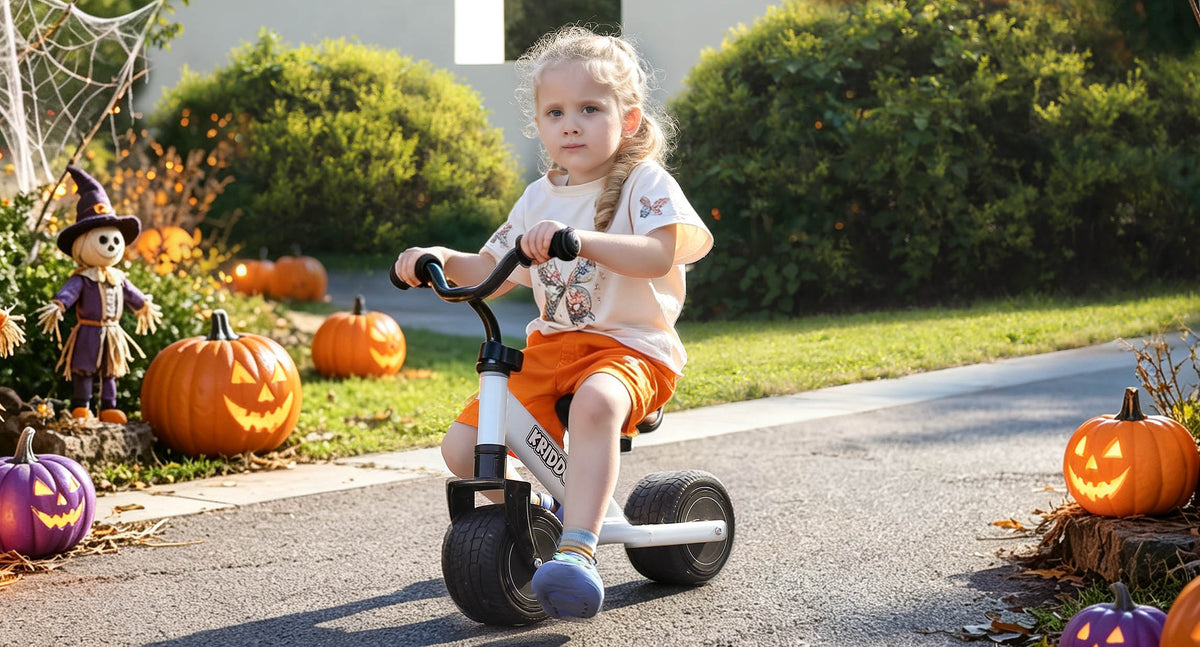
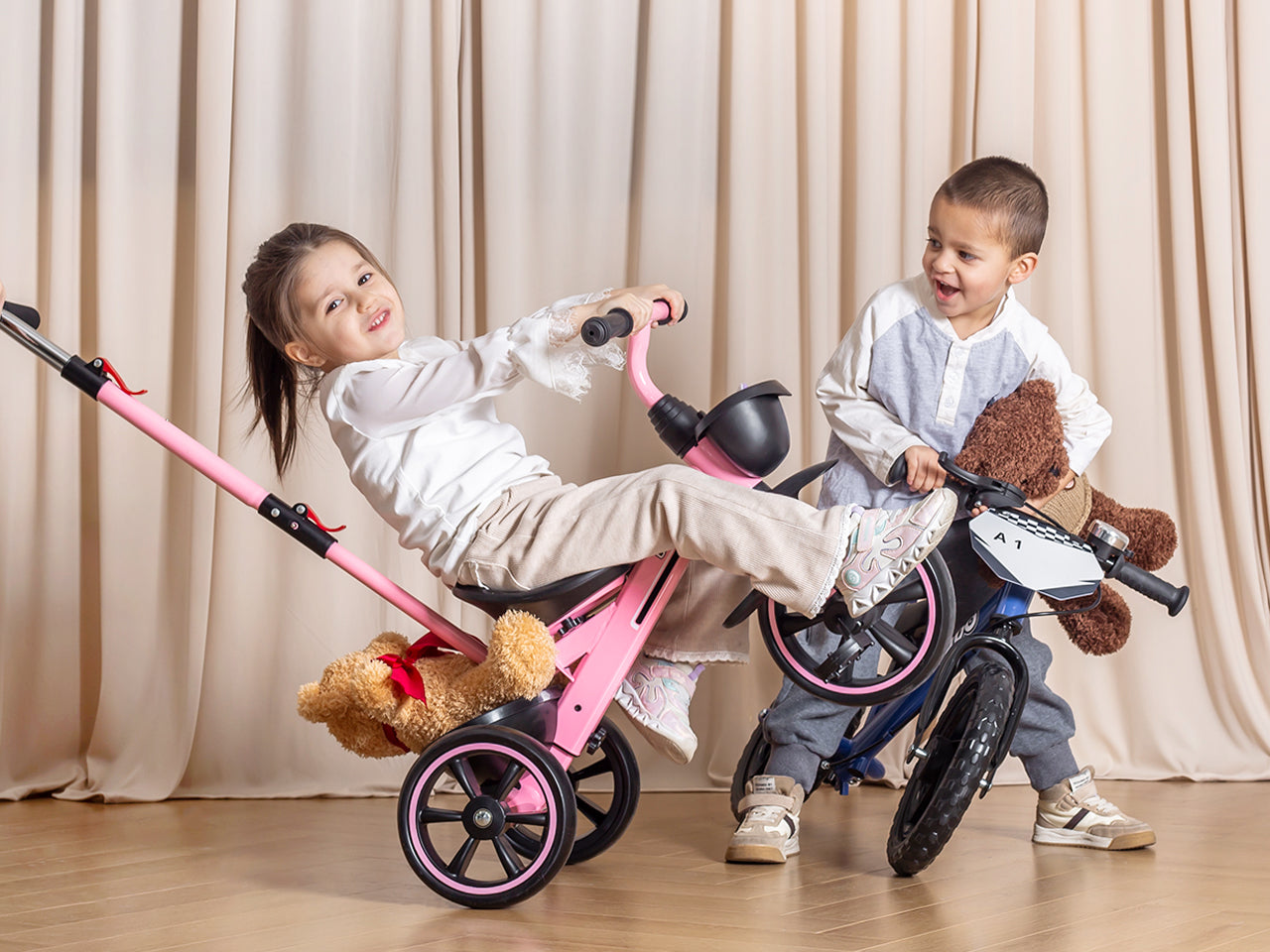
Toddlers also need plenty of movement. Balls, climbing toys, ride-on toys, and balance bikes can help develop coordination and confidence.
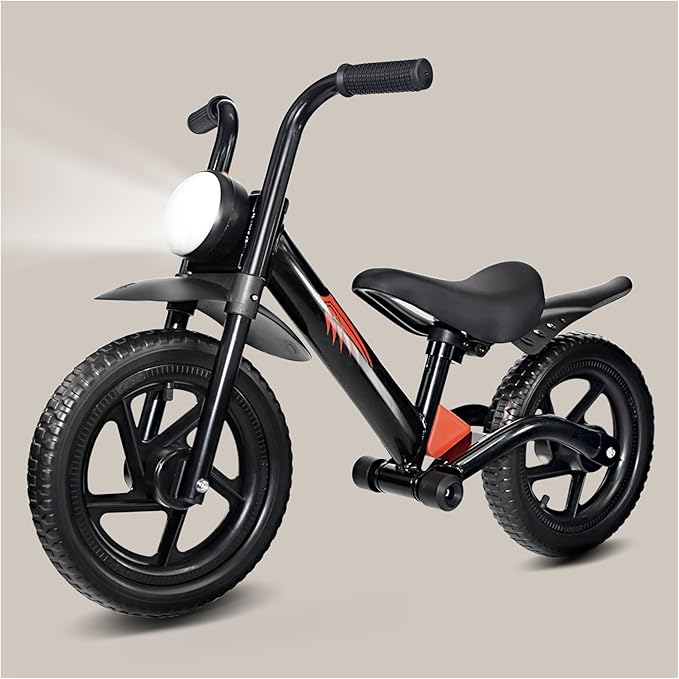
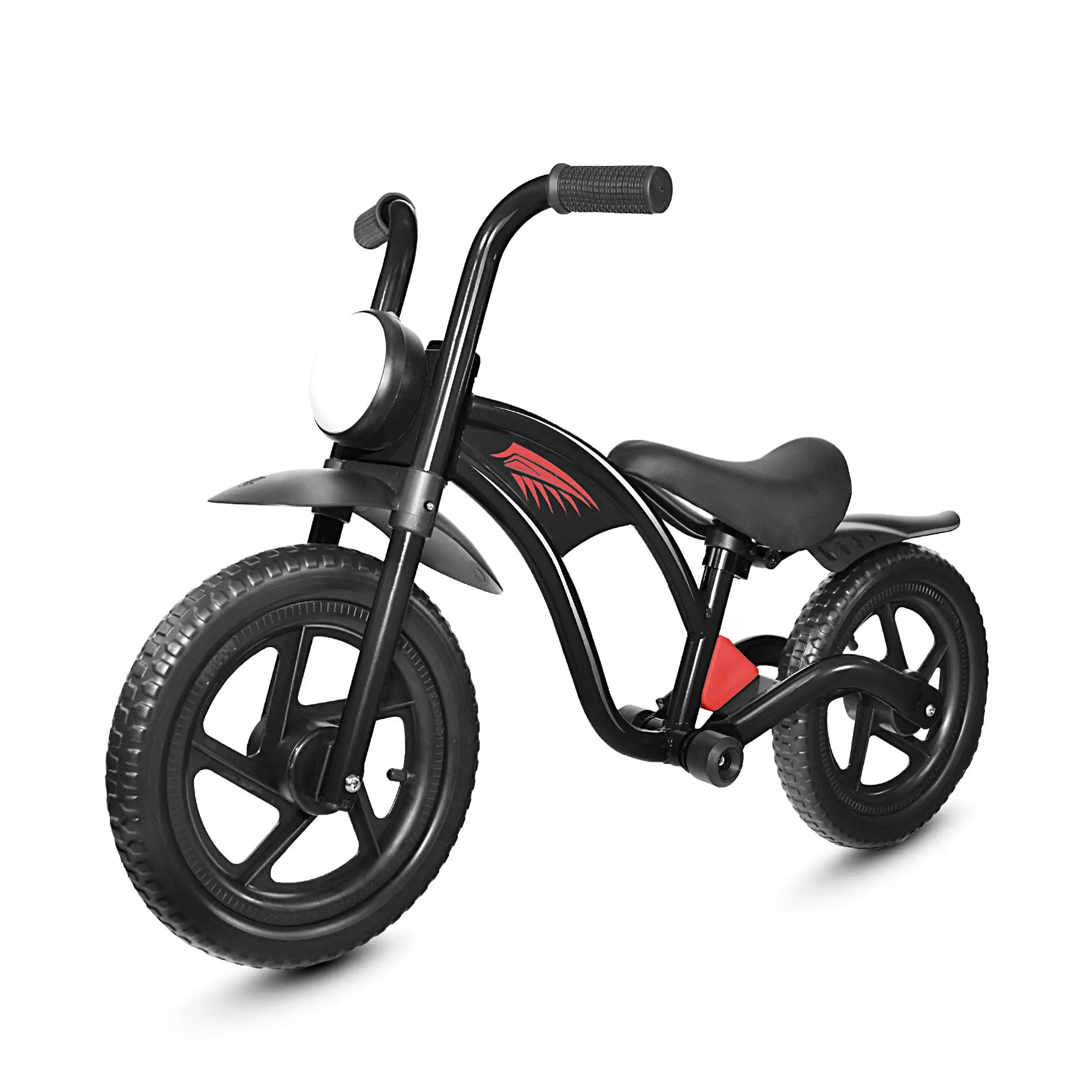
A balance bike allows children to practice balance and body control before learning to pedal. Many parents choose early riding options like the KRIDDO toddler balance bike because these bikes are designed around young children’s first riding experiences.
The KRIDDO Riding Buddy is designed to make early riding more comfortable and enjoyable.
For toddlers, these details can make riding feel less intimidating and more like play.
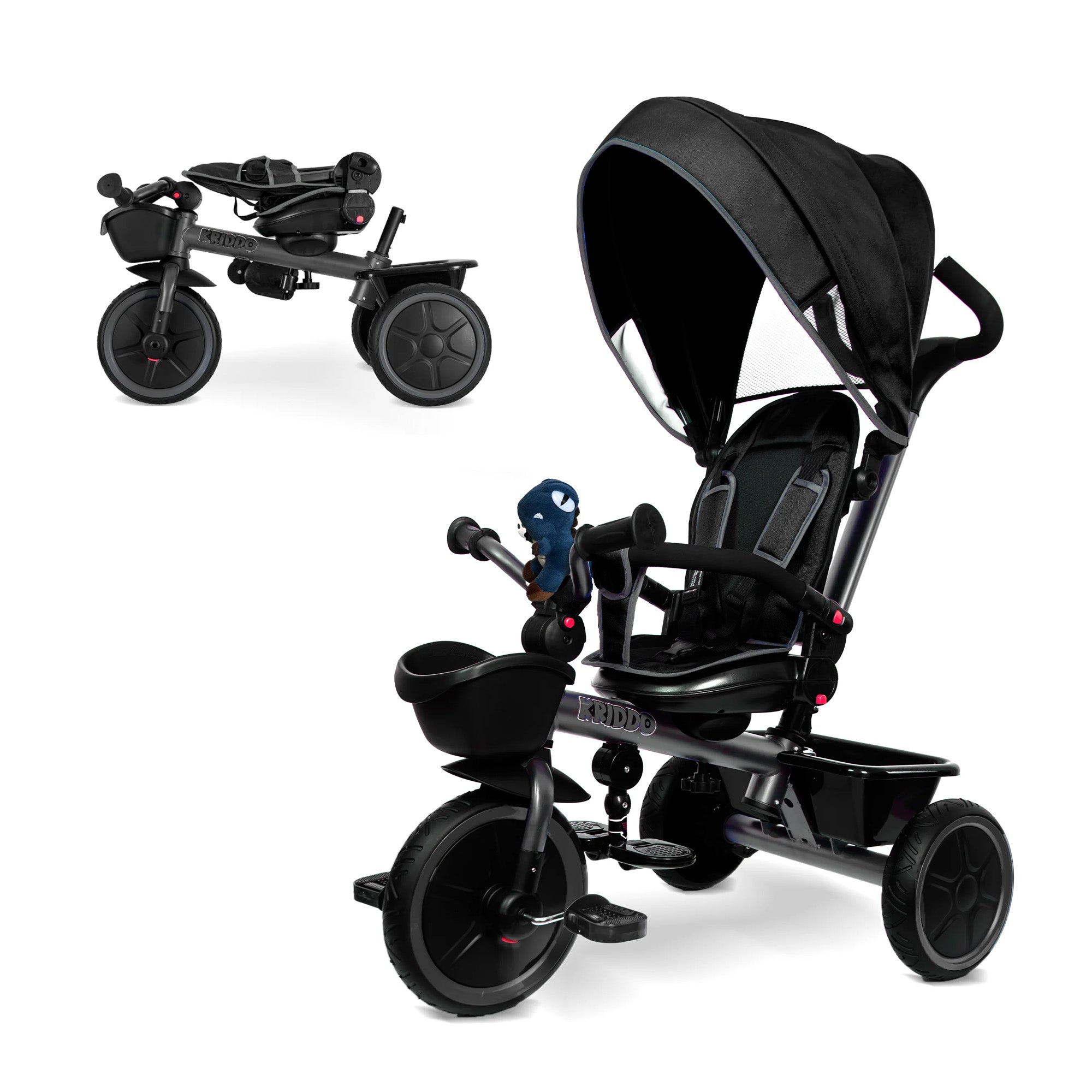
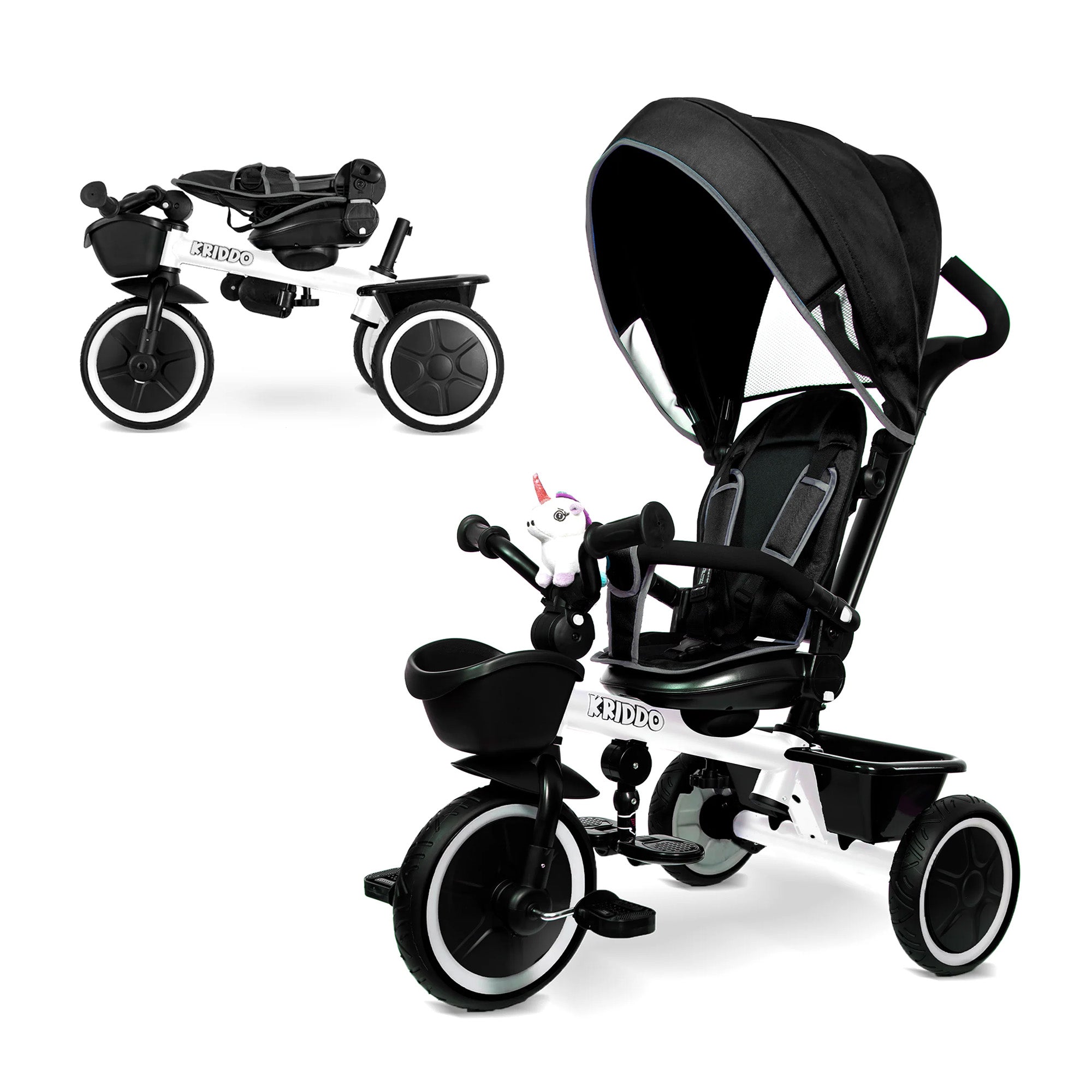
Another option for young children is the KRIDDO Buzz Rider Tricycle, which provides a different type of riding experience.
Toys for Preschoolers (3–6 Years Old)
Between ages three and six, children become more independent and creative.
They often enjoy toys that involve planning, imagination, and more advanced skills.
Good options include:
- Puzzles and pattern games
- Building sets
- Dolls and pretend-play toys
- Art supplies
- Musical instruments
- Bikes, tricycles, and outdoor play equipment
Preschoolers often create their own stories around toys. A simple building set can become a city, and a costume can turn an ordinary afternoon into an adventure.
The best toys at this stage encourage creativity while helping children develop confidence.
How to Make Sure Children’s Toys Are Safe
Safety should always come first when choosing toys.
Parents should look for toys that:
- Do not contain dangerous small parts
- Have smooth edges and durable construction
- Use safe, non-toxic materials
- Match the child’s age and abilities
- Are easy to clean
Material quality is especially important for babies and toddlers. Products from KRIDDO are designed with safety considerations in mind, including compliance with applicable standards such as CPSIA and ASTM requirements in the United States, along with relevant safety regulations in other markets.
Safe toys give children the freedom to explore while giving parents greater confidence during playtime.
Final Thoughts

Learning how to choose toys for a child is not about finding the biggest toy collection or the newest trend.
The best toys are the ones that help children discover new skills while having fun.
A puzzle can teach problem-solving. A box can inspire imagination. A balance bike can build confidence and independence.
When parents choose toys based on their child’s development, interests, and safety needs, play becomes more than entertainment. It becomes a way for children to learn about themselves and the world around them.