






What Age Do Kids Start Kindergarten?
A Parent’s Guide to Knowing When Your Child Is Ready
Harper | 24th, Aug
I still remember a parent telling me about the week before her child started kindergarten. The backpack was packed, the new shoes were waiting by the door, and everything looked ready. But she kept wondering the same thing many parents quietly ask themselves: “Is my child really ready for this?”
That question is more common than many families realize. When you’re preparing your child for school, it’s easy to focus on age, birthday cutoffs, or what other children are doing. But kindergarten readiness is about much more than a number on a calendar.
Parents want their children to do well in school—to learn, make friends, solve problems, and feel confident in a new environment. A child who is ready for kindergarten can usually express feelings, understand others’ needs, show curiosity, stay focused for short periods, and both give and receive help.
So, what age do kids start kindergarten? The answer depends on where you live, but age is only one part of the decision.
Why Kindergarten Matters More Than Just the First School Year

Kindergarten is not simply a waiting room before first grade. It’s where children begin building many of the skills they’ll use throughout their school years.
In a kindergarten classroom, children practice early reading, counting, problem-solving, communication, and teamwork. They also learn skills that are harder to develop in a home setting, such as sharing materials with classmates, following group routines, and managing emotions around other children.
Early childhood is a time when children are naturally curious. They want to touch, explore, ask questions, and understand how things work. Encouraging that curiosity can help children become confident learners. Simple activities that inspire curiosity can make a big difference, especially during these early years.
Some parents consider skipping kindergarten or delaying school because their child seems young. But this year can provide important benefits:
- Academic foundation: Children are introduced to early literacy, basic math concepts, and problem-solving skills.
- Social and emotional growth: Kids learn how to communicate, cooperate, take turns, and build confidence.
- Structure and routines: Following a daily schedule, moving between activities, and listening to instructions help children become more independent. A consistent routine at home can also make this transition easier
Kindergarten gives children a safe place to practice being part of a community while still learning through play and exploration.
So, What Age Do Kids Start Kindergarten?
In the United States, most children start kindergarten around age 5. However, kindergarten entrance requirements are different depending on the state and school district.
Some children begin shortly after their fifth birthday, while others may wait another year depending on their development, family circumstances, or local rules.
This flexibility can make the decision feel complicated. Two children can both be 5 years old but have very different levels of independence, communication skills, and emotional readiness.
Many families ask, “Should I send my child as soon as they’re eligible, or should I wait?”
There is no single answer that works for every child. The better question is: “Does my child have the skills and confidence to handle the kindergarten environment?”
Signs Your Child May Be Ready for Kindergarten

Age gives parents a starting point, but readiness comes from observing the whole child. Some children are excited and prepared right at age 5. Others need more time to grow before entering a classroom.
If you’re wondering whether your child is ready, pay attention to these everyday behaviors.
They Can Follow Simple Directions
Kindergarten classrooms have routines, expectations, and instructions throughout the day.
No child will listen perfectly all the time. That’s normal. Young children are still learning self-control. But a child who is ready for kindergarten can usually:
- Follow simple directions
- Focus on an activity for a short period
- Sit quietly when needed
These small skills help children feel comfortable during classroom activities.
They Can Handle Big Feelings
Being ready for kindergarten doesn’t mean your child never cries or gets frustrated. Every child has difficult moments.
The important part is whether they have some ways to manage those feelings. A child who can calm down with support, communicate what they need, or recover after disappointment is building important emotional skills.
They should also be able to spend some time away from their main caregiver without feeling completely overwhelmed.
They Can Interact With Other Children
A large part of kindergarten is learning how to be around others.
Children spend time with classmates during lessons, lunch, recess, and group activities. Being ready for school often means a child can express basic needs, take turns, and participate in simple social interactions.
Friendship skills continue developing throughout childhood, but a strong social foundation can make the transition to school smoother.
They Show Interest in Learning
Your child does not need to read chapter books before kindergarten. They do not need to know everything before walking into the classroom.
Curiosity matters more.
A child who asks questions, enjoys learning new things, recognizes some letters or numbers, or wants to practice writing their name is showing positive signs.
That excitement about learning is often more valuable than knowing every skill ahead of time.
Their Fine Motor Skills Are Developing
Kindergarten includes many hands-on activities. Children may draw, write, cut paper, build, and complete craft projects.
They don’t need perfect skills, but they should be making progress with:
- Holding crayons or pencils
- Using child-safe scissors
- Completing simple tasks with their hands
Every child develops differently. Some skills may come easily while others take longer. That’s completely normal.
They Can Play With Others or Independently
Play is still a major part of kindergarten. Classrooms include activities that encourage creativity, imagination, and independence.
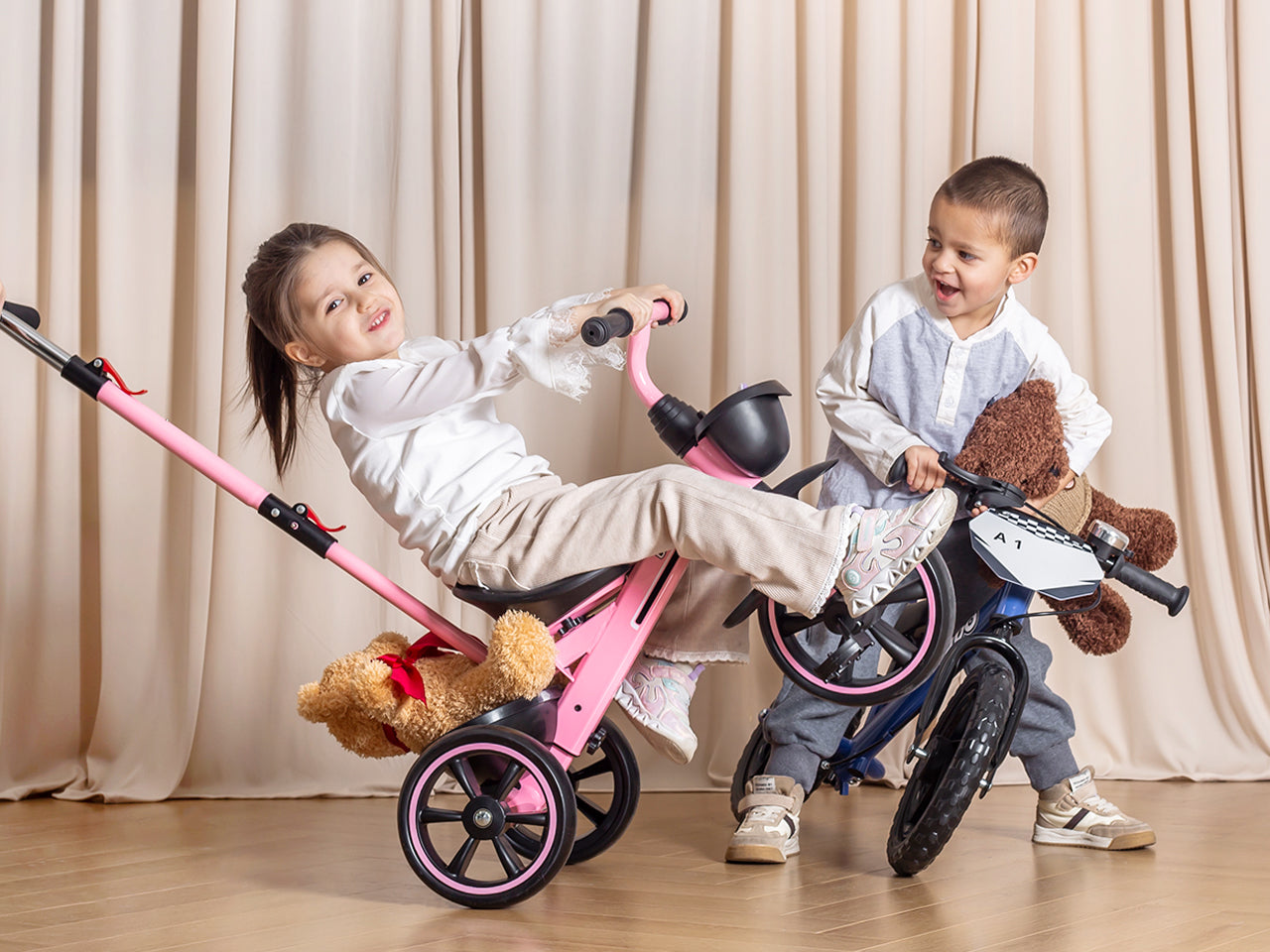
Children may use puzzles, building materials, art supplies, and outdoor toys throughout the day. Having experience with different types of play can help children adjust more easily. Activities and toys that encourage independence can support this development.
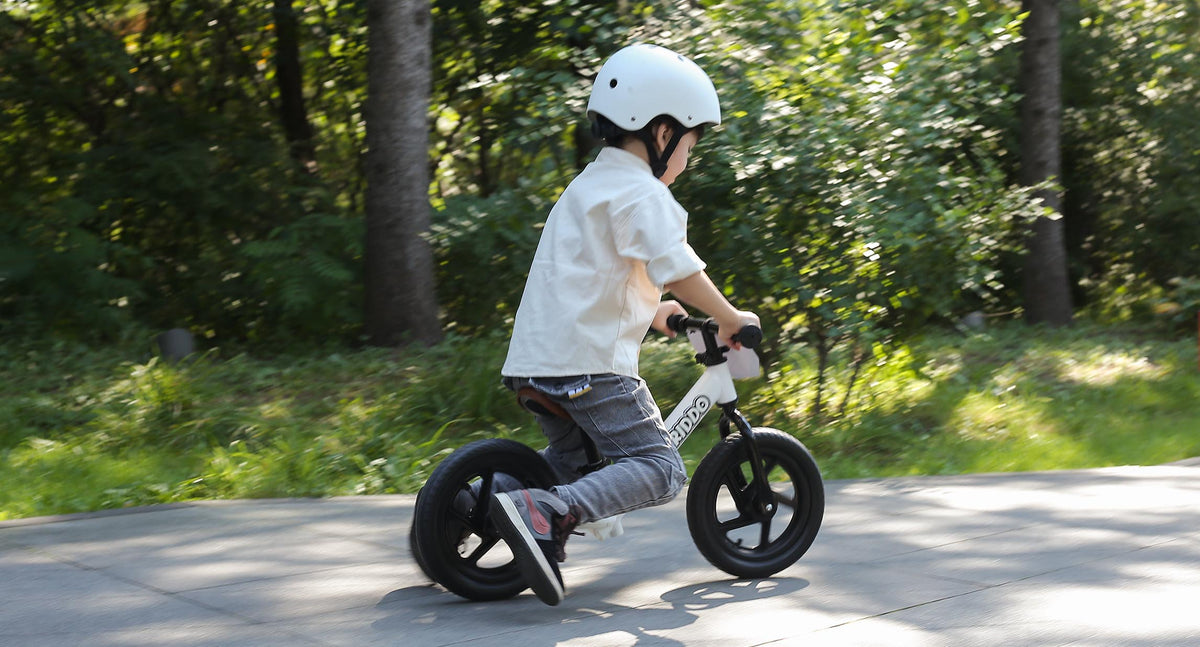
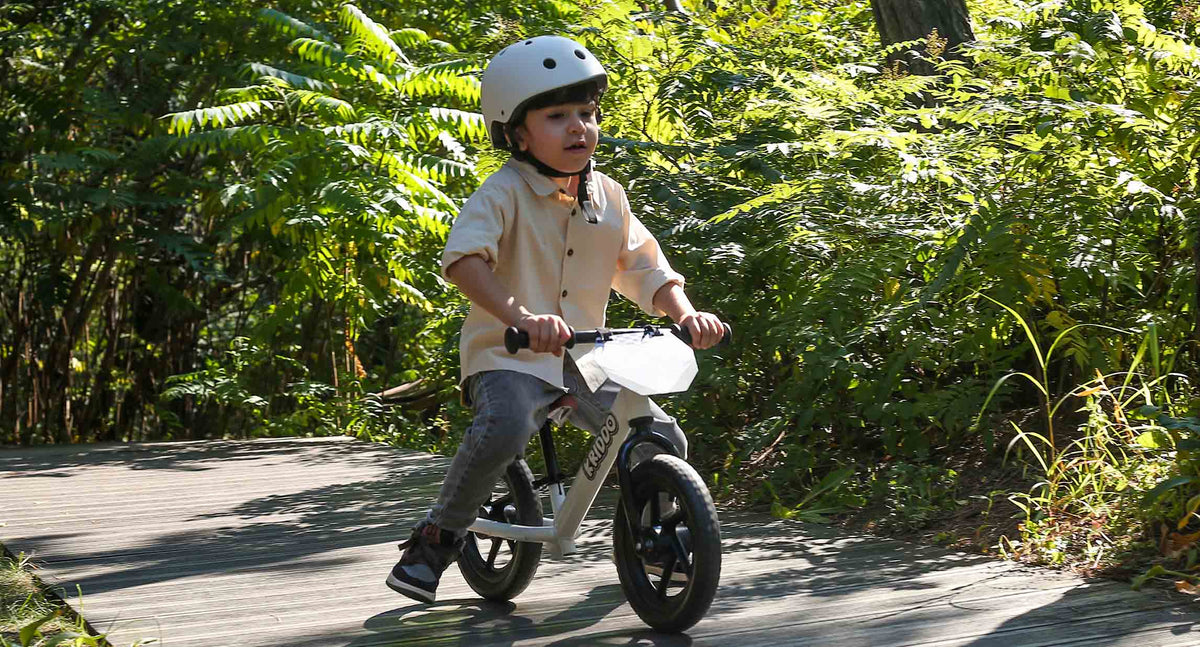
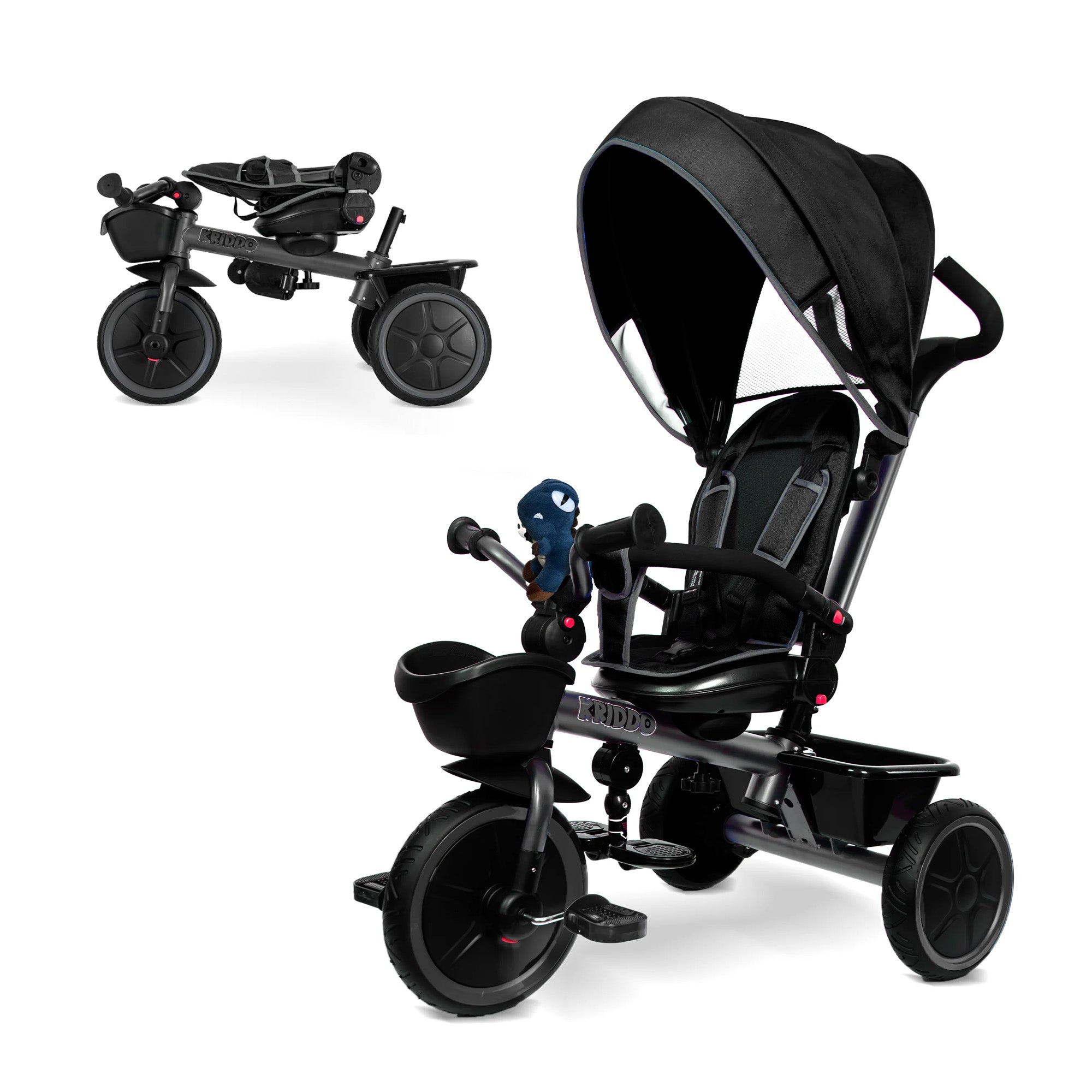
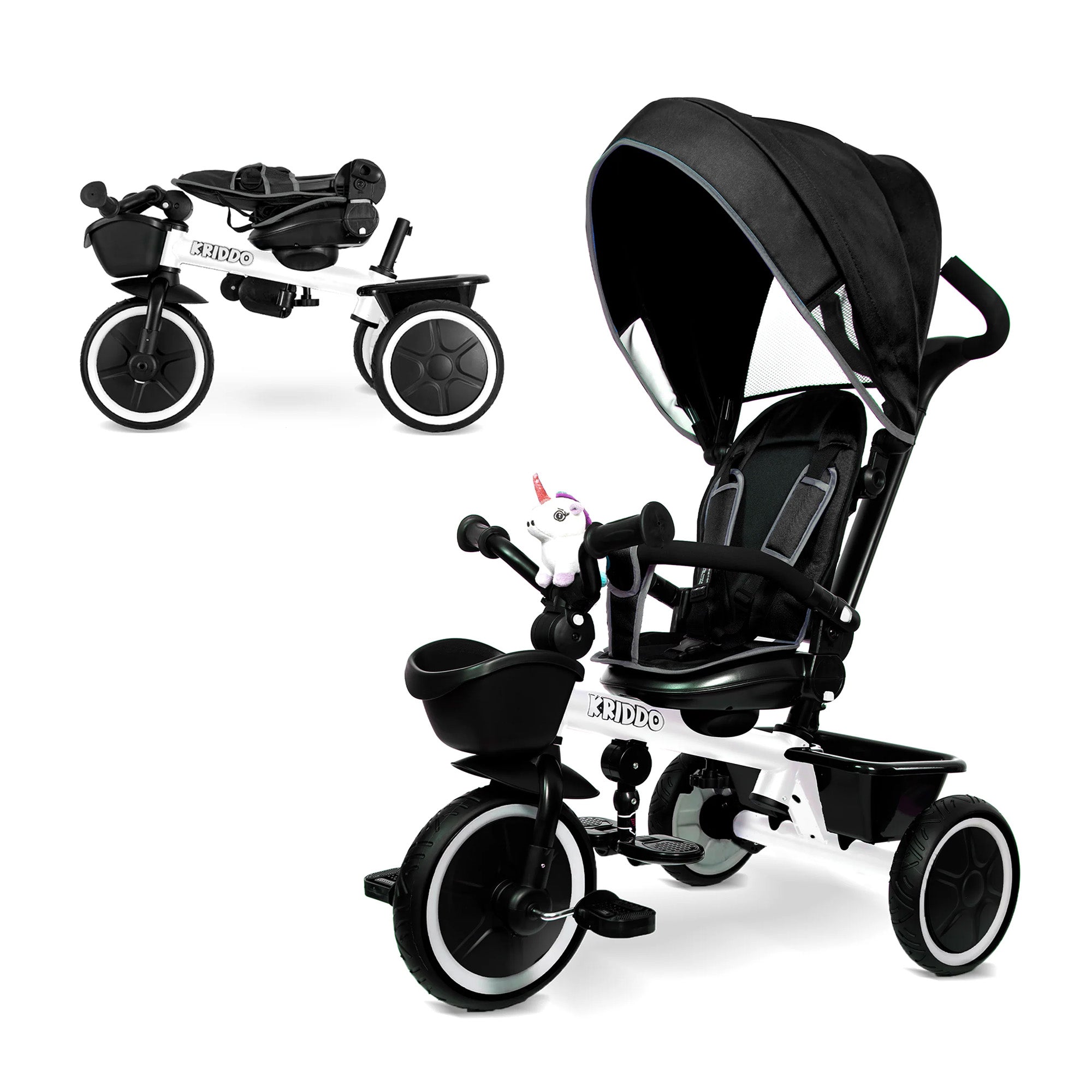
For schools and organizations seeking outdoor play equipment, KRIDDO provides age-appropriate options designed to support children’s physical development and promote active play.
How Parents Can Help Children Prepare for Kindergarten
Preparing for kindergarten doesn’t have to feel like extra homework. Many of the best preparation happens naturally during everyday life.
Try focusing on simple activities:
- Read together every day to build vocabulary and listening skills.
- Practice counting, identifying shapes, and recognizing colors.
- Encourage your child to dress themselves, organize belongings, and follow simple routines.
- Create opportunities for your child to play and cooperate with other children.
You might be surprised how much these small moments matter.
A child who learns to put away toys, choose between options, explain feelings, and help with simple tasks is already practicing skills that will support them in school.
Choosing the Right Time Is About Your Child, Not Just Their Birthday

When parents ask what age do kids start kindergarten, they are often hoping for one clear answer. But kindergarten readiness is personal.
One 5-year-old may walk into the classroom confidently, ready for new friendships and challenges. Another may benefit from extra time to develop independence and emotional confidence.
The goal is not to rush children or hold them back unnecessarily. The goal is to choose the timing that gives them the best chance to feel successful.
Trust what you know about your child. Pay attention to their strengths, their challenges, and how they respond to new situations.
Kindergarten is a big step, but with support and preparation, it can become an exciting beginning.