







The Effects of Colors on Children:
How Bright Hues Shape Mood
Amy | 26th, Mar
Color does more than make a toy look cute on a shelf. It sets a tone, sparks a feeling, and often decides whether a child reaches for something or ignores it completely. When you think about the effects of colors, it’s easy to picture how a bold red room feels different from a soft pastel nursery. Kids respond to that difference even more strongly than adults do.
For children, color is not just decoration. It’s part of how they experience the world. It can energize them, calm them, encourage exploration, and even support early learning. That’s why color matters so much in children’s spaces, clothing, books, and especially toys.
If you’ve ever noticed your child instantly gravitating toward a bright outdoor toy, there’s a reason. Their attraction to vivid shades isn’t random—it’s deeply tied to development, emotion, and curiosity. And when those bright colors are paired with movement, light, and active play, the impact gets even stronger.
Why Children Naturally Love Bright Colors

Kids don’t choose bright colors just because they “look fun.” Their preference actually reflects how they see and process the world during early development.
Visual Stimulation Comes First
A child’s visual system is still developing, especially in the toddler and preschool years. High-contrast, bright objects are easier for them to notice and process. Strong colors like red, yellow, and blue stand out quickly, which helps grab and hold attention.
That matters more than many parents realize. Toys with bold color contrast can help support visual tracking, object recognition, and sensory engagement in a way softer or duller tones sometimes can’t.
And honestly, that’s why bright toys work so well. They don’t just sit there looking pretty. They actively invite interaction.
Bright Colors Trigger Curiosity
Children are naturally wired to explore. Anything visually exciting tends to pull them in. A bright toy across the room feels almost like an invitation—it says, “Come check this out.”
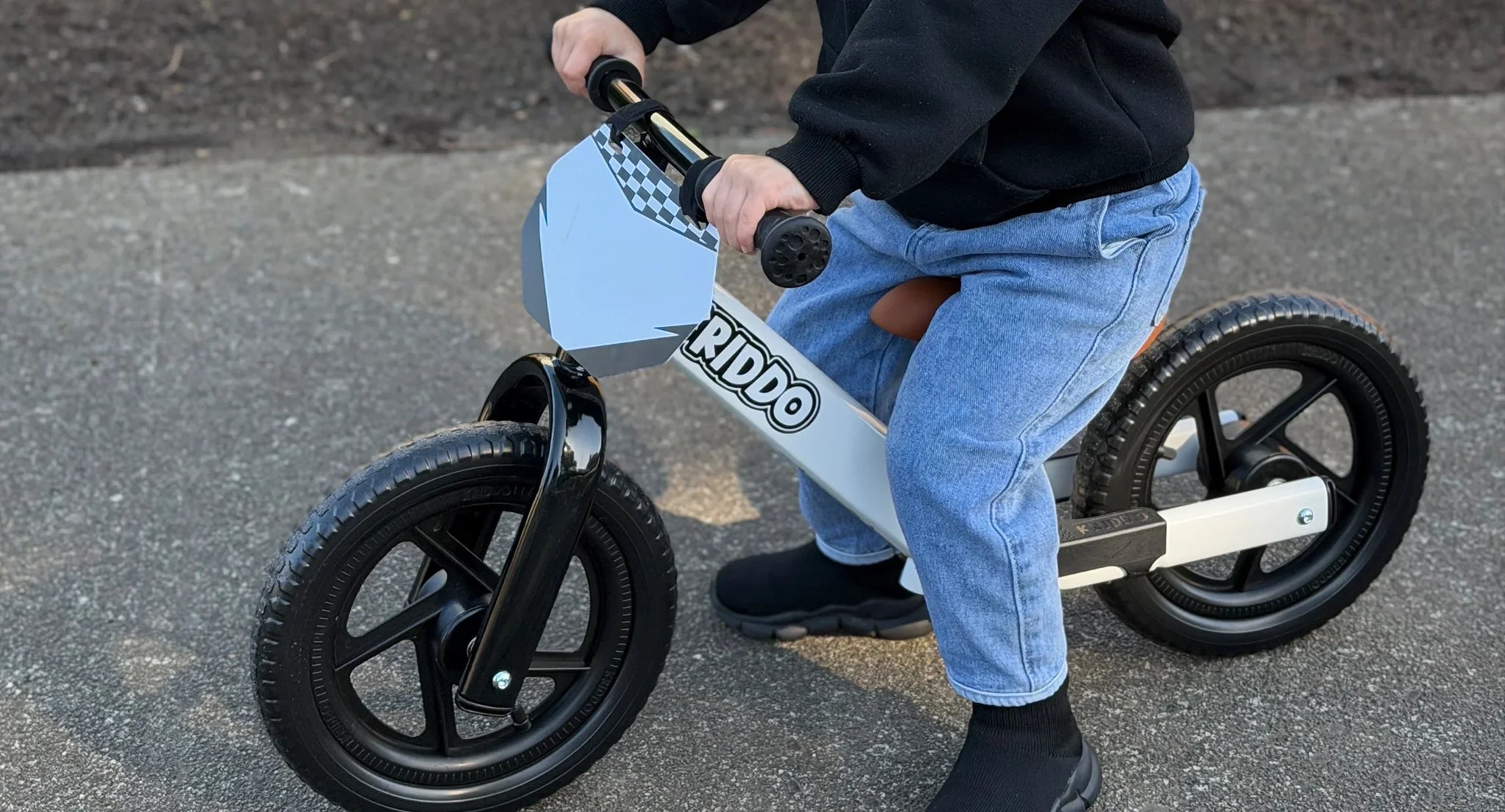
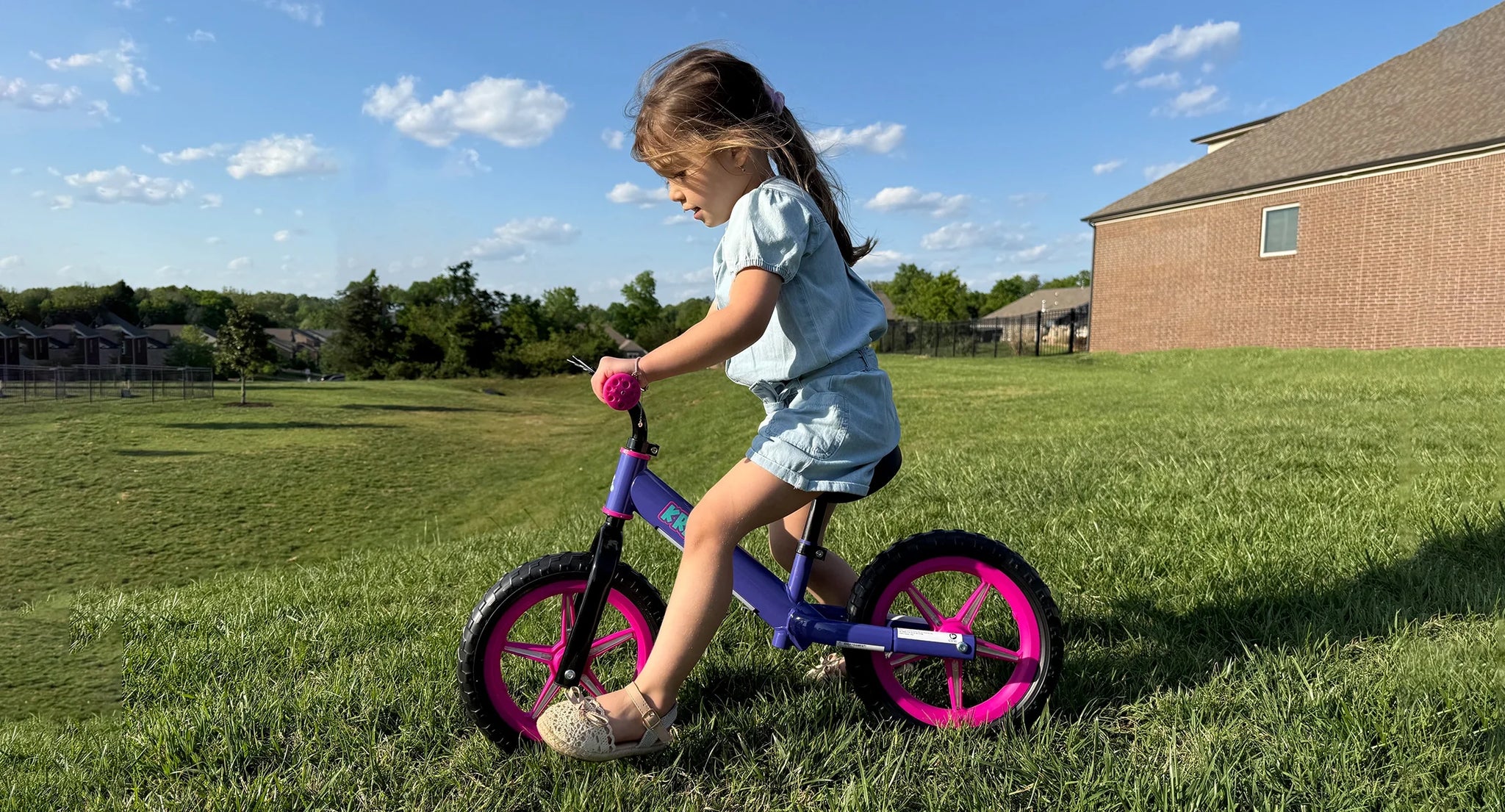
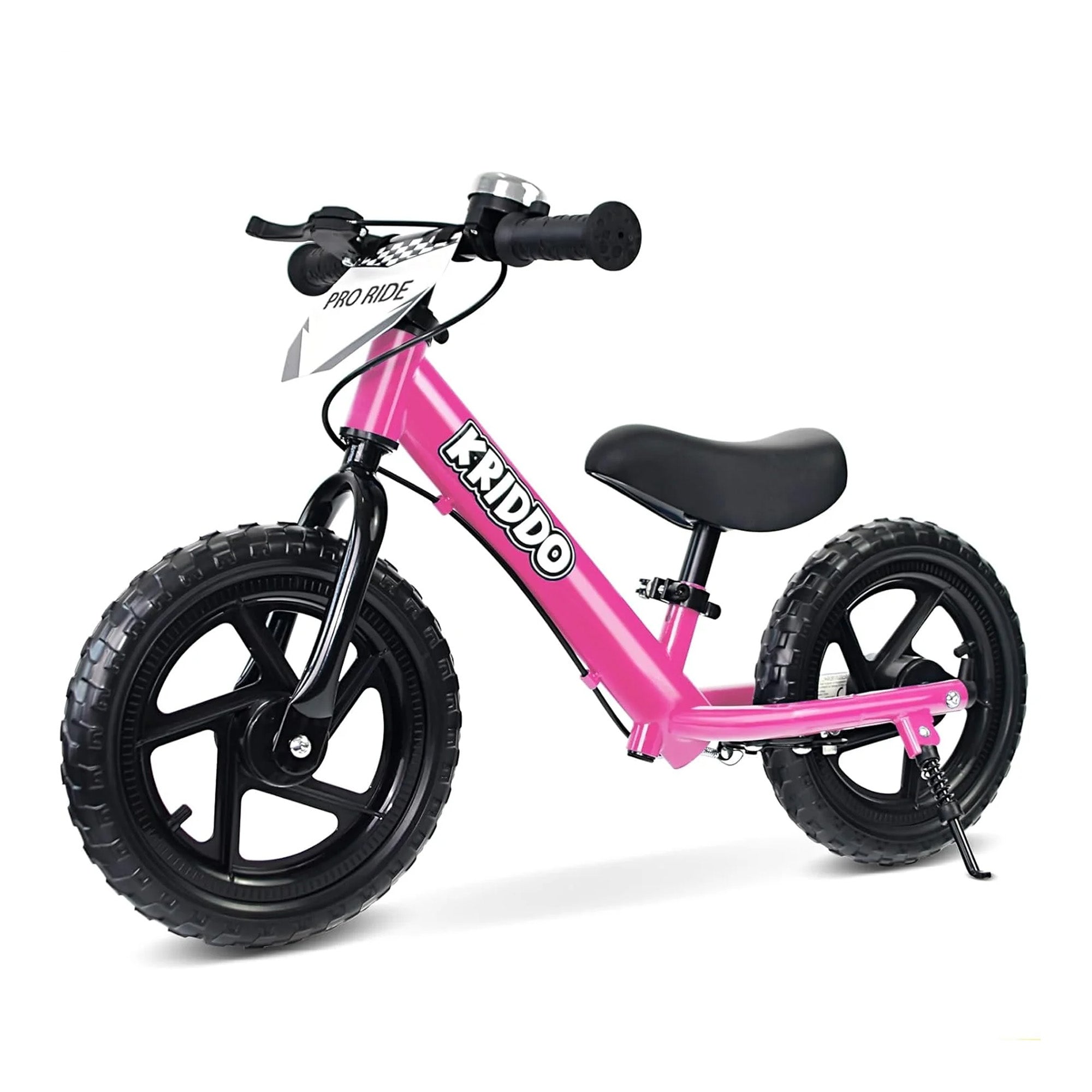
That’s one of the most practical effects of colors in early childhood: they make ordinary objects feel more engaging. A balance bike in a vivid neon finish feels more exciting than one in a muted gray, even if both function the same way.
Color adds personality. It turns a simple object into something memorable.
Color Can Affect Mood
Children often respond emotionally to color before they can even explain why. Bright shades tend to feel lively, cheerful, and exciting. Warm colors especially can create a sense of energy and enthusiasm that naturally matches the way many young children play.
That’s why so many kid-focused products use punchy, upbeat palettes. It’s not just branding. It mirrors how children emotionally connect with the things around them.
It Supports Cognitive Growth, Too
Learning colors is one of the earliest and most important categorization skills children develop. Being able to recognize, name, and compare colors helps strengthen memory, language, and sorting skills.
So when a child plays with colorful toys, they’re often doing more than playing. They’re building vocabulary, improving recognition, and making sense of patterns in their environment.
That’s a big deal.
Social and Cultural Influence Plays a Role
Children are also influenced by what they see around them—friends, cartoons, books, clothing, and favorite characters. If bright, playful colors are constantly associated with fun and excitement, kids start to prefer them more strongly.
That preference grows over time. And yes, sometimes it’s as simple as, “My favorite character has a blue bike, so I want a blue bike too.”
It may sound small, but those visual associations are powerful.
The Effects of Colors on Child Development

Now let’s get into the part that really matters: how color can actually support a child’s growth.
Because while bright shades are fun, they’re also functional.
1. Bright Colors Grab and Hold Attention
This is probably the most obvious benefit, but it’s still worth saying clearly—bright colors help children focus.
Young kids are easily distracted. Their attention shifts fast. A colorful object naturally stands out in a busy room, which makes it easier for them to notice and stay engaged with it.
Warm shades like red, orange, and yellow tend to feel stimulating and energetic. They can create excitement and movement, which makes them especially effective in active toys and play equipment.
That’s one reason colorful ride-on toys are so appealing. They don’t just support physical play; they visually pull children into the experience.
And for toddlers? That visual hook matters.
2. Color Can Encourage Creative Thinking
There’s a reason classrooms, art corners, and children’s books rarely stick to beige. Color feeds imagination.
A vibrant environment can help children feel more open, expressive, and willing to experiment. Blue, in particular, is often associated with open thinking and calm communication, while bright multicolor environments can encourage free play and imaginative storytelling.
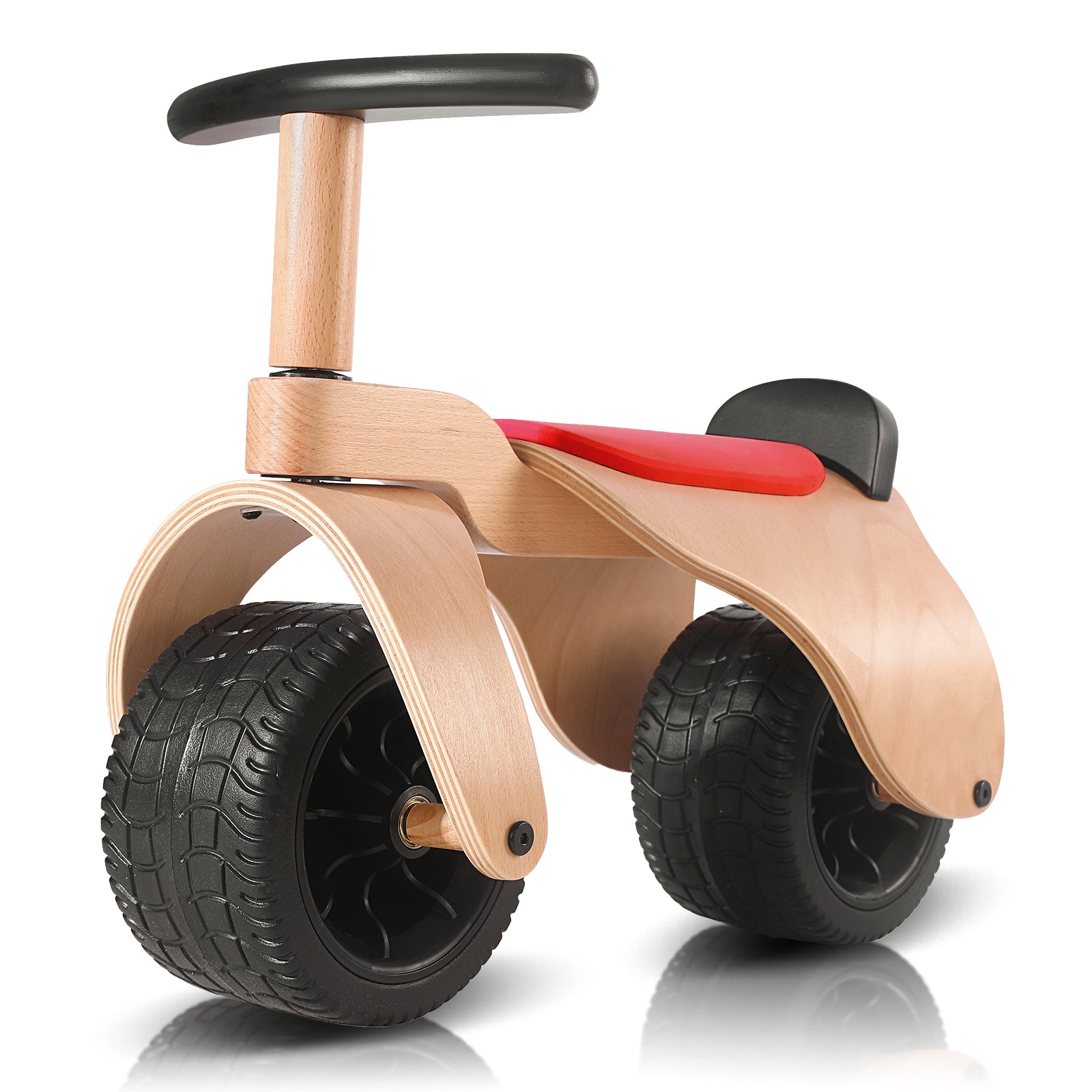
A colorful balance bike may seem like a simple thing, but to a child, it can become a race bike, a superhero ride, or the “coolest glowing motorcycle ever.” That imaginative leap is part of healthy development.
And yes, color helps make that leap easier.
3. Certain Colors Can Help Reduce Stress
This may sound a little contradictory at first—aren’t bright colors stimulating? Yes, but not all stimulation is stressful.
Some colors, especially cooler tones like blue and green, can help create a calming effect. Softer warm shades can also feel comforting and emotionally safe. The key is balance.
Children need both excitement and regulation. They need toys that energize them and environments that help them settle down afterward.
That’s why the best-designed children’s products don’t just throw random color everywhere. They combine bright visual appeal with thoughtful structure and comfort.
4. Color Can Increase Willingness to Move and Explore
One underrated effect of colors is how they influence action.
Children are more likely to engage with something that feels visually exciting. That matters a lot when you’re trying to encourage active play instead of passive screen time.
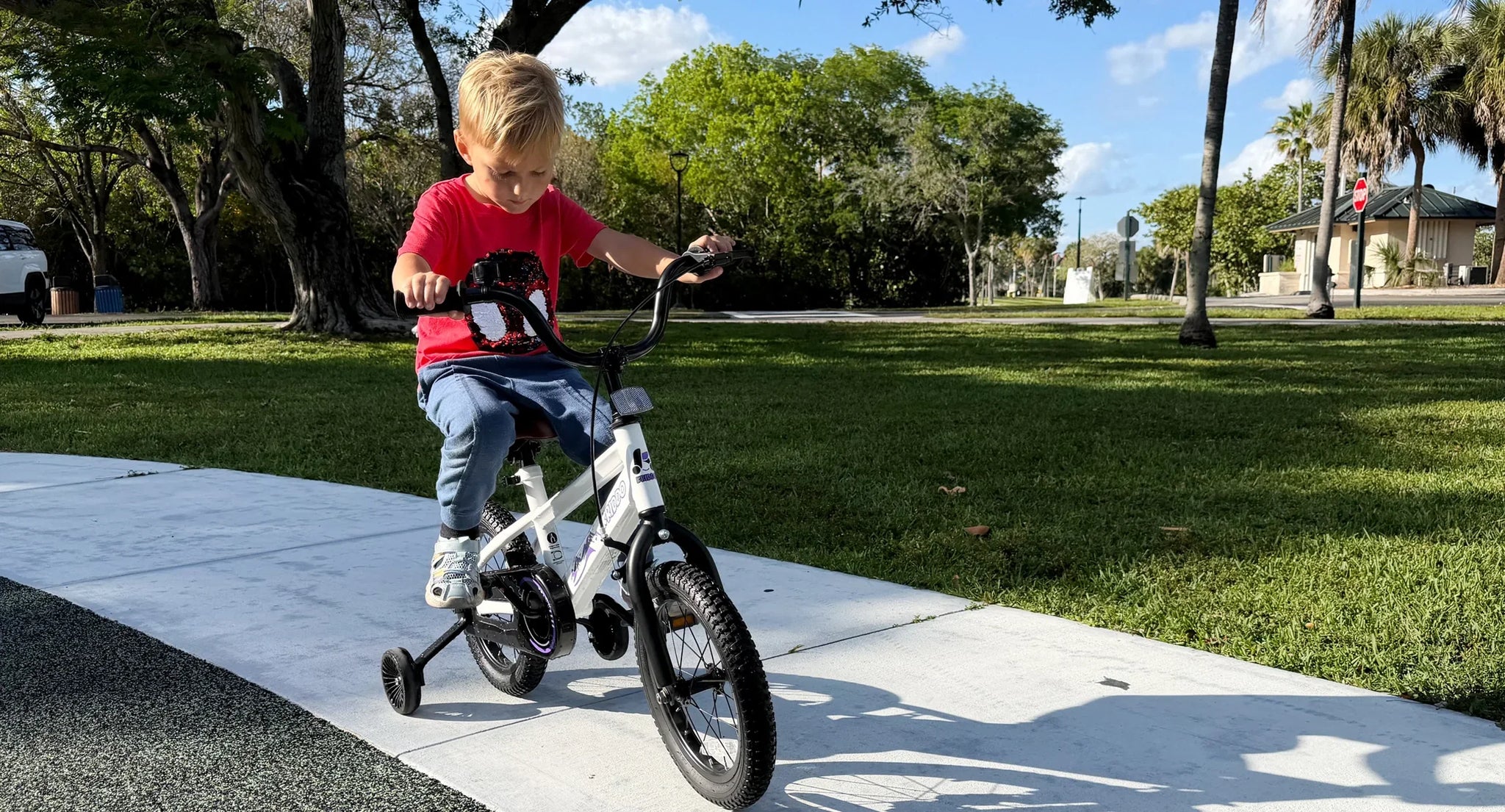
A bright, fun ride-on toy can make movement feel less like a task and more like a game. That’s especially helpful for toddlers who are still building confidence with coordination, balance, and body awareness.
Sometimes the right toy doesn’t need to “teach” in a formal way. It just needs to make a child want to move.
And that’s enough.
Why Bright Toys Work So Well for Toddlers
Toys are one of the clearest examples of the effects of colors in daily life.
Bright toys are easier to spot, more emotionally engaging, and often more memorable. But for toddlers, they also support several important developmental milestones at once:
- Visual tracking
- Color recognition
- Sensory engagement
- Gross motor development
- Curiosity-driven exploration
That combination is exactly why colorful ride-on toys and balance bikes tend to perform so well with young kids. They don’t just entertain. They help children build real-world skills while still feeling playful.
And that brings us to one standout option.
Why the KRIDDO Glow Series Stands Out
When bright color, movement, and child-friendly design come together, the result can be genuinely useful—not just flashy.
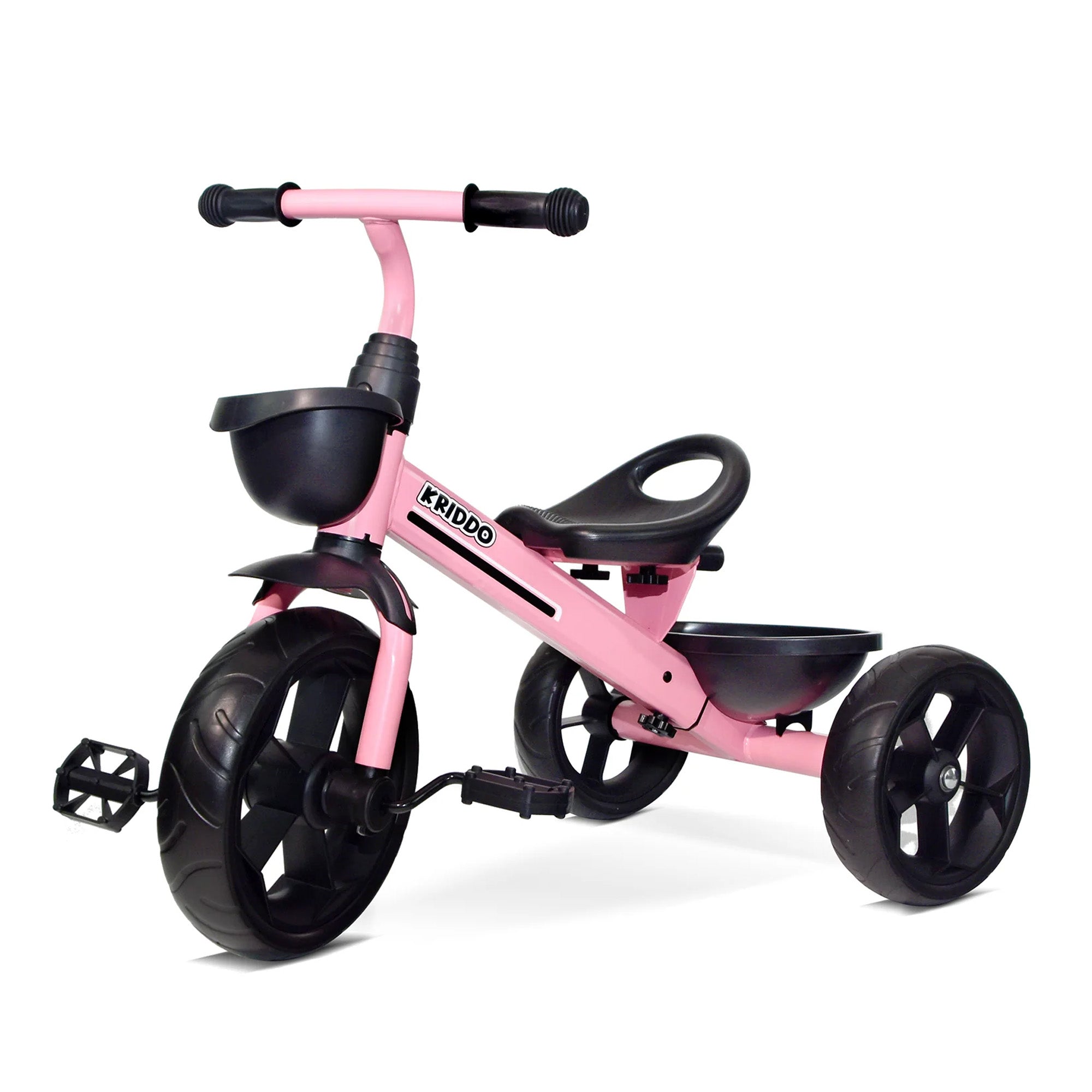
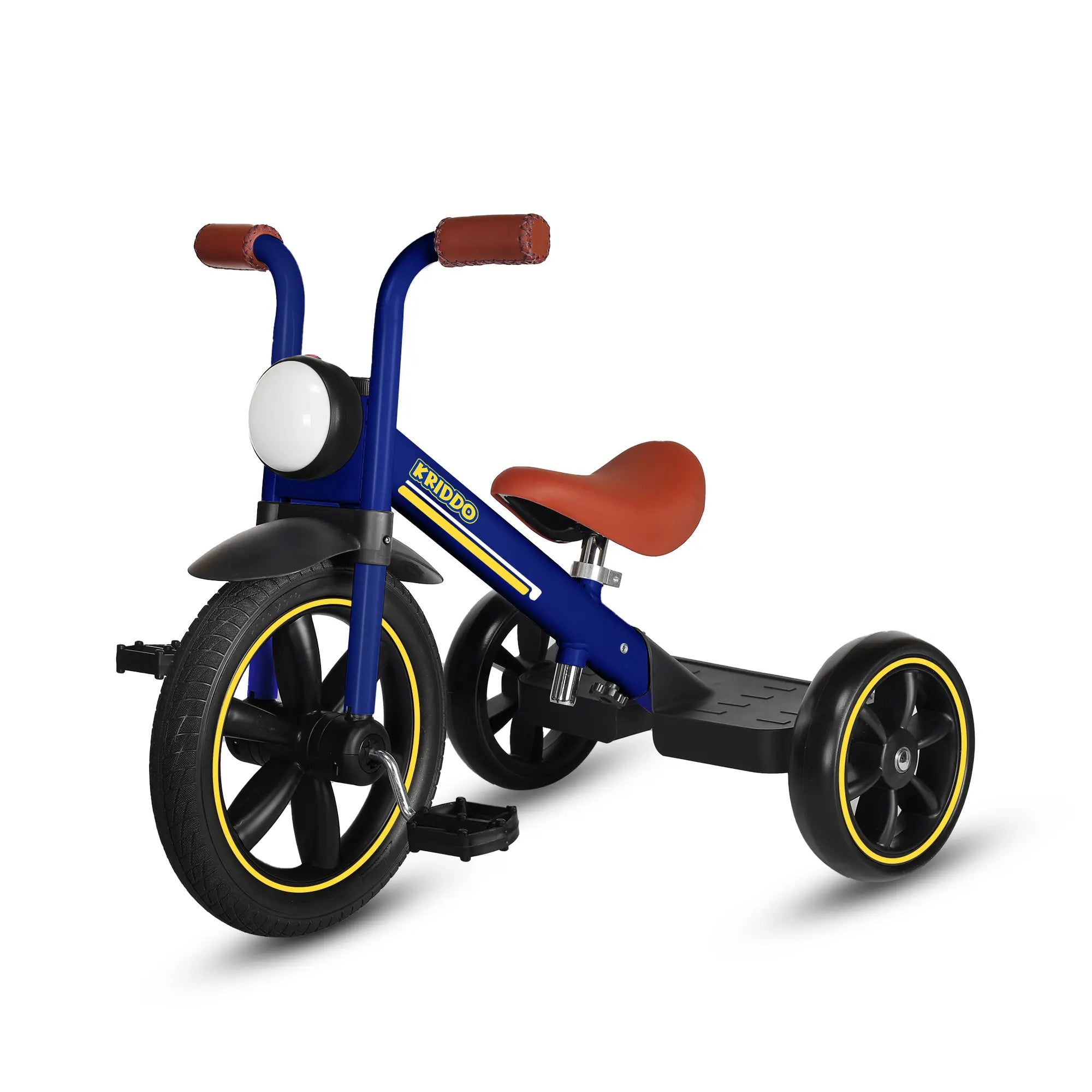
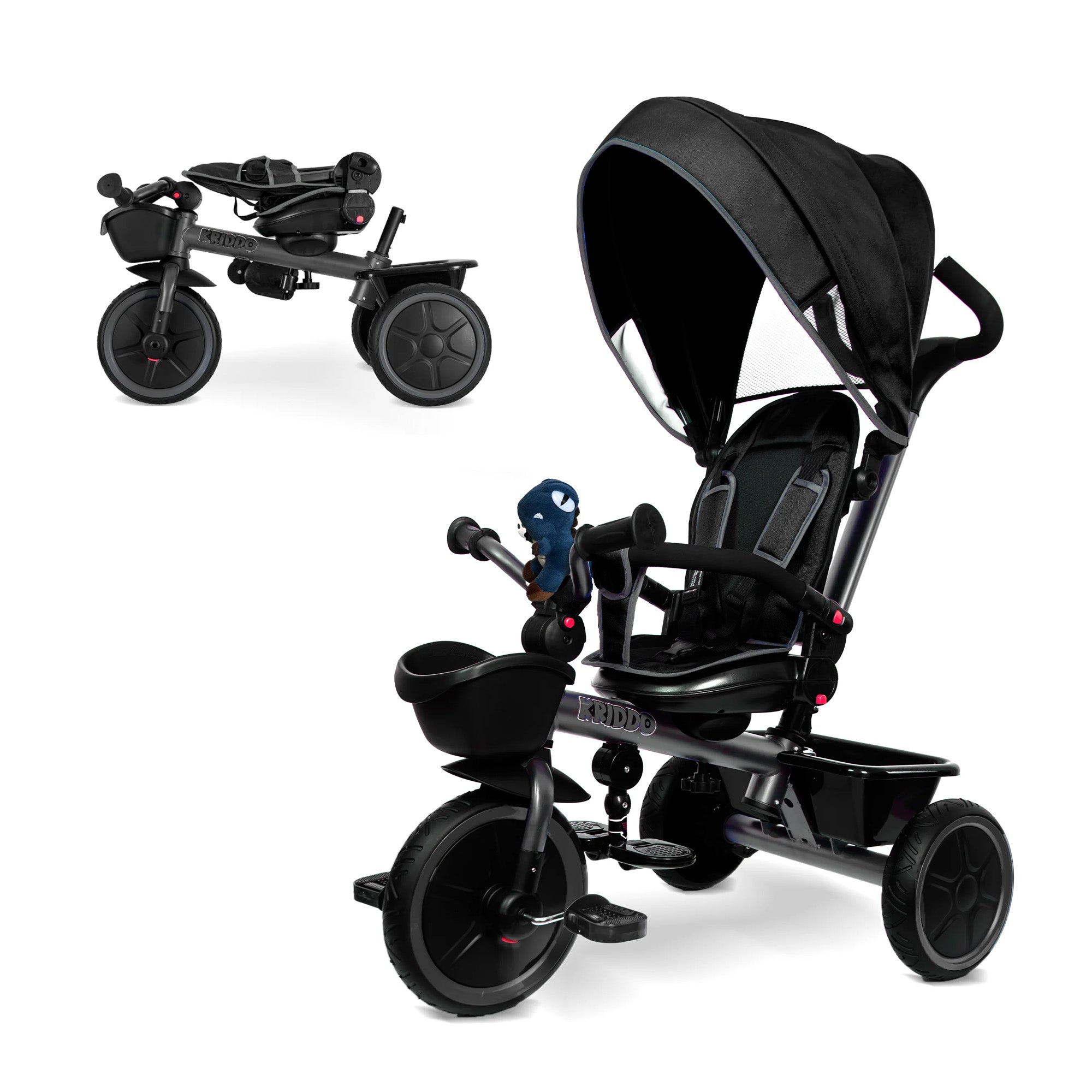
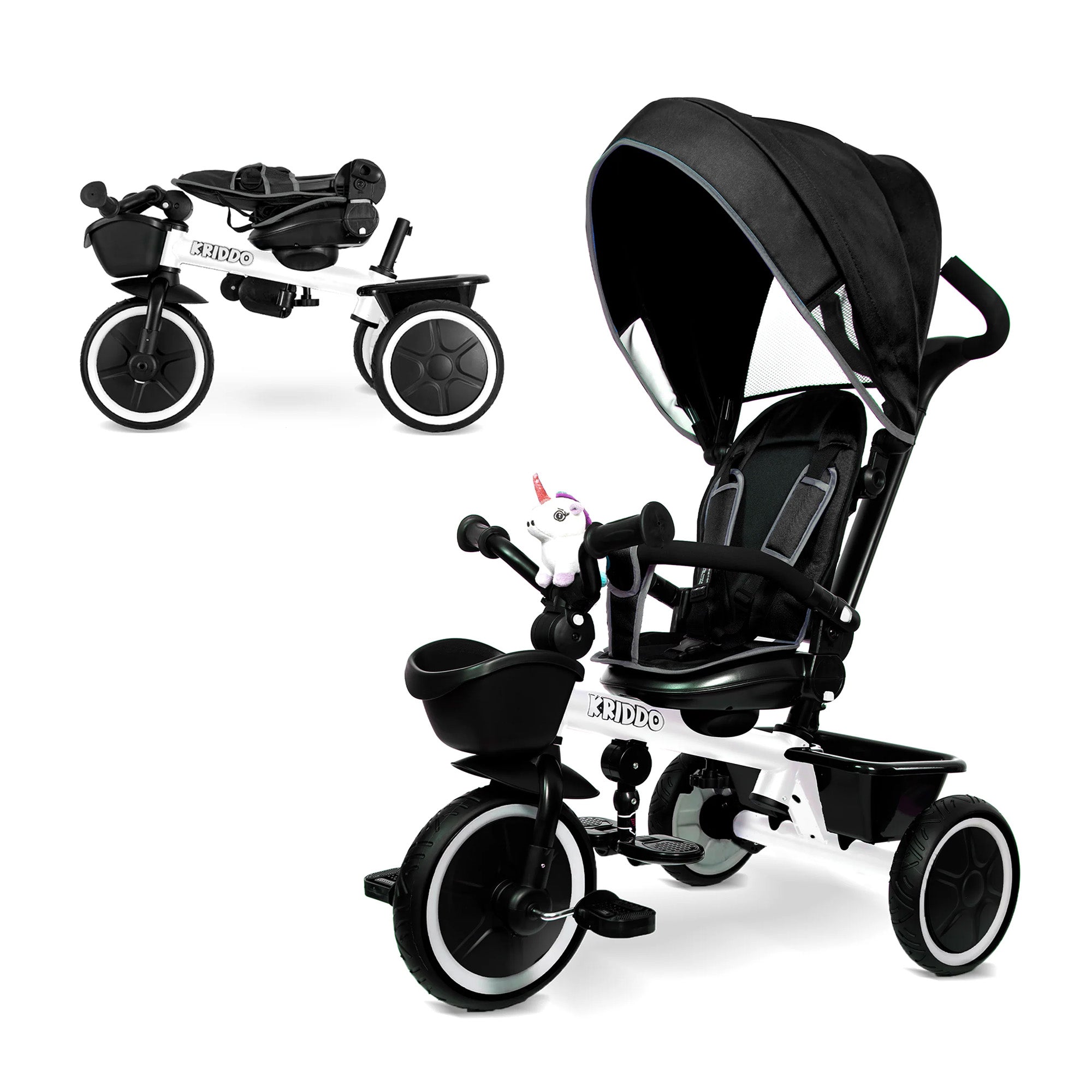
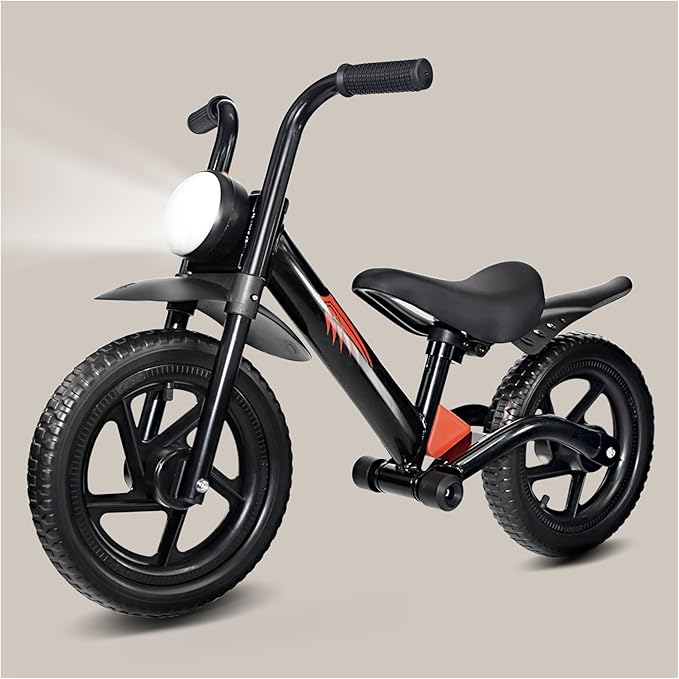
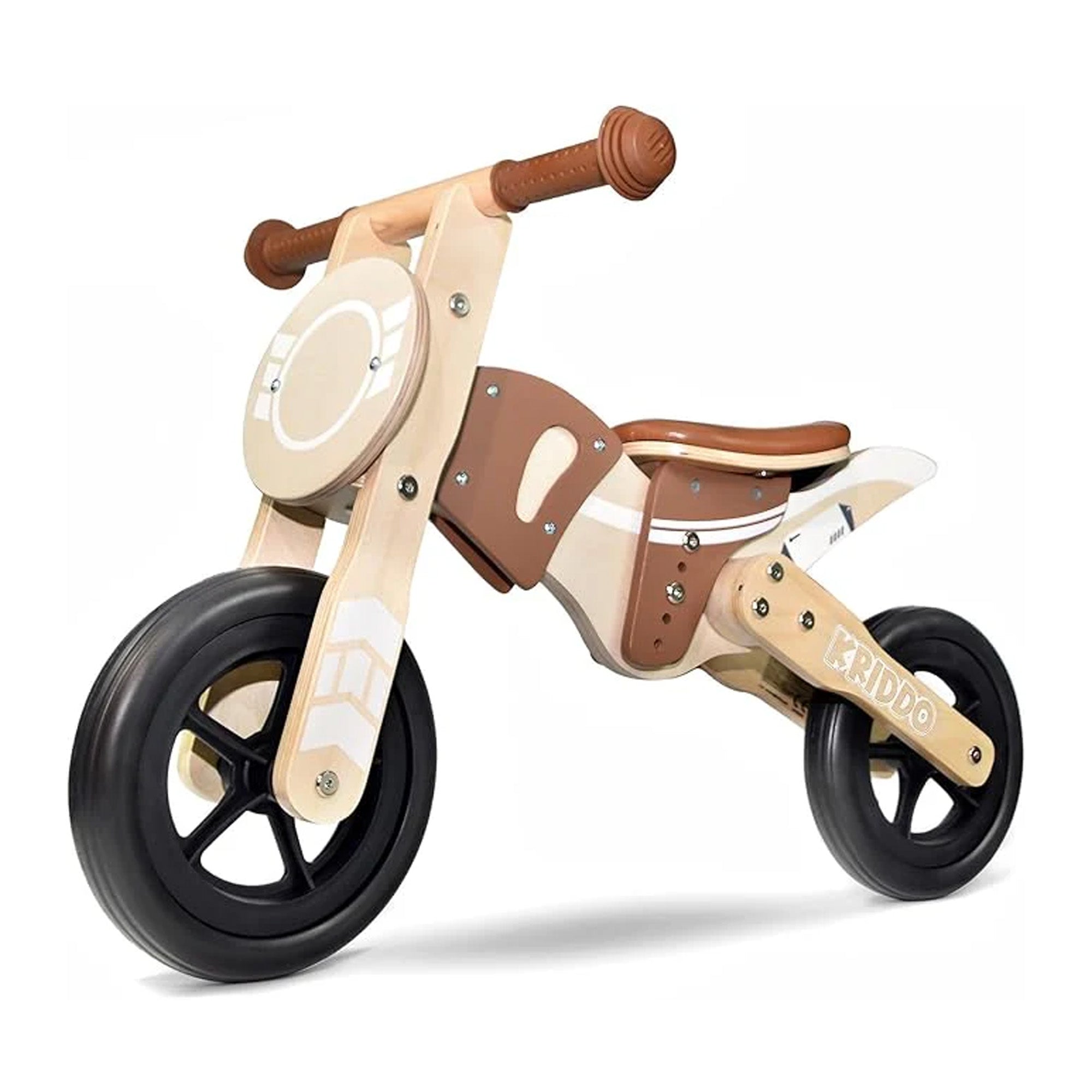
The KRIDDO Glow Series is one of the strongest examples of that balance. These ride-on toys and balance bikes are designed with bold, eye-catching color, glowing frames or wheels, and practical features that support real developmental play.
They look exciting, yes. But they also help children practice coordination, build confidence, and enjoy the learning process that comes with early riding.
For parents who want something visually fun without sacrificing function, this collection makes a lot of sense.
Featured Product: Buzz Rider LumeLED
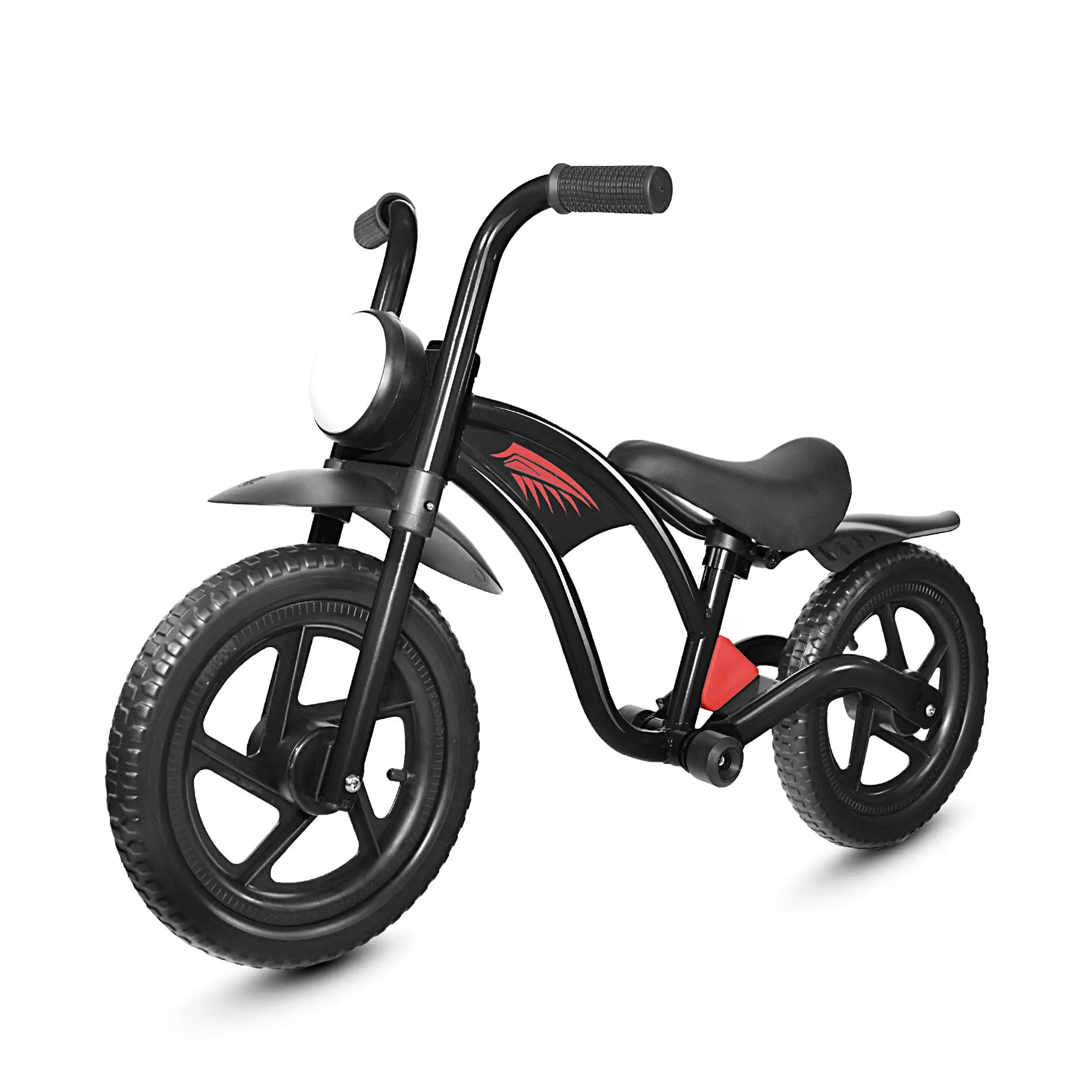
If you’re shopping for a toddler who loves bright colors and active play, Buzz Rider LumeLED is easy to notice for all the right reasons.
It has a vivid motorcycle-inspired design that instantly feels exciting to young riders, but it’s also built to support safe, steady skill-building.
Featured Product: Classic-NeoLED
For parents looking for something that feels a little more interactive and future-forward, Classic-NeoLED offers a strong mix of fun design and practical features.
This one leans into both color and light in a way that feels especially engaging for curious, energetic kids.
Choosing Color With Intention
Parents don’t need to overthink every shade in their child’s life. But it does help to be intentional.
Bright colors can be incredibly useful when you want to:
- Encourage active play
- Hold a child’s attention
- Support sensory and visual development
- Make toys feel more exciting and approachable
- Create positive emotional associations with movement and learning
At the same time, balance still matters. A child benefits most from a mix of stimulating and calming environments. Not every room needs to be neon, and not every toy needs to flash. But when it comes to play, movement, and early exploration, bright color often does exactly what it should.
It makes kids want to engage.
And that’s powerful.
Final Thoughts

The effects of colors on children are real, visible, and woven into everyday development. Bright colors can attract attention, encourage movement, support emotional response, and make learning feel more natural. They don’t do all the work on their own, of course—but they absolutely shape the experience.
That’s why colorful, well-designed toys matter more than they may seem at first glance.
When a toy can catch a child’s eye, spark curiosity, and help them build physical confidence at the same time, that’s not just good design. That’s smart parenting support built into play.
And for many young kids, bright really is better.