




How to Ensure Safe Outdoor Play:
10 Simple Safety Tips
Hailey | 20th, Apr
I still remember the first time I let my toddler play freely in the backyard. He had just figured out how to push his little bike forward with those wobbly feet, and for a second—just a second—I looked down at my phone.
And then… silence.
You know how unsettling that is, right?
That moment taught me something important: figuring out how to ensure safe outdoor play isn’t about hovering every second—it’s about creating an environment where kids can explore safely, even when you’re not right next to them.
Outdoor play is messy, joyful, unpredictable—and honestly, it’s essential. Kids build strength, confidence, and independence outside in ways they just can’t indoors. If you’ve ever wondered how to balance freedom with safety, you’re not alone. Let’s walk through it together.
Why Safe Outdoor Play Matters More Than We Think

We all know outdoor play is “good” for kids. Fresh air, exercise, fewer screens… sure. But it goes deeper than that.
When kids run, climb, and ride, they’re developing coordination, risk assessment, and even emotional resilience. That’s why giving them space to explore—while keeping safety in mind—is so important.
If you’re looking for simple ideas to get them outside more often, I’ve found myself going back to these spring activity ideas for kids.
They’re easy, realistic, and actually doable on busy days.
1. Start With Supervision (But Not the Overwhelming Kind)
Let’s be honest—constant supervision sounds exhausting. And sometimes unrealistic.
But here’s the thing: young kids (especially under 5) still need active oversight.
That doesn’t mean standing two inches away at all times. It means:
- Staying within sight or hearing distance
- Checking in frequently
- Being available when they need help
Honestly, I’ve found that just sitting outside with a coffee nearby works better than trying to multitask indoors.
Also, don’t forget the basics:
- Water breaks
- Sunscreen reapplication
- Shade during peak sun hours (11 AM–4 PM)
Small habits like these quietly prevent bigger problems.
2. The Street Rule: Non-Negotiable
This one is huge.
Kids are naturally curious. A ball rolls into the street, and instinct takes over—they chase it.
That’s why teaching boundaries early matters.
Make it simple and repeat it often:
“If something goes into the street, you stop and call me.”
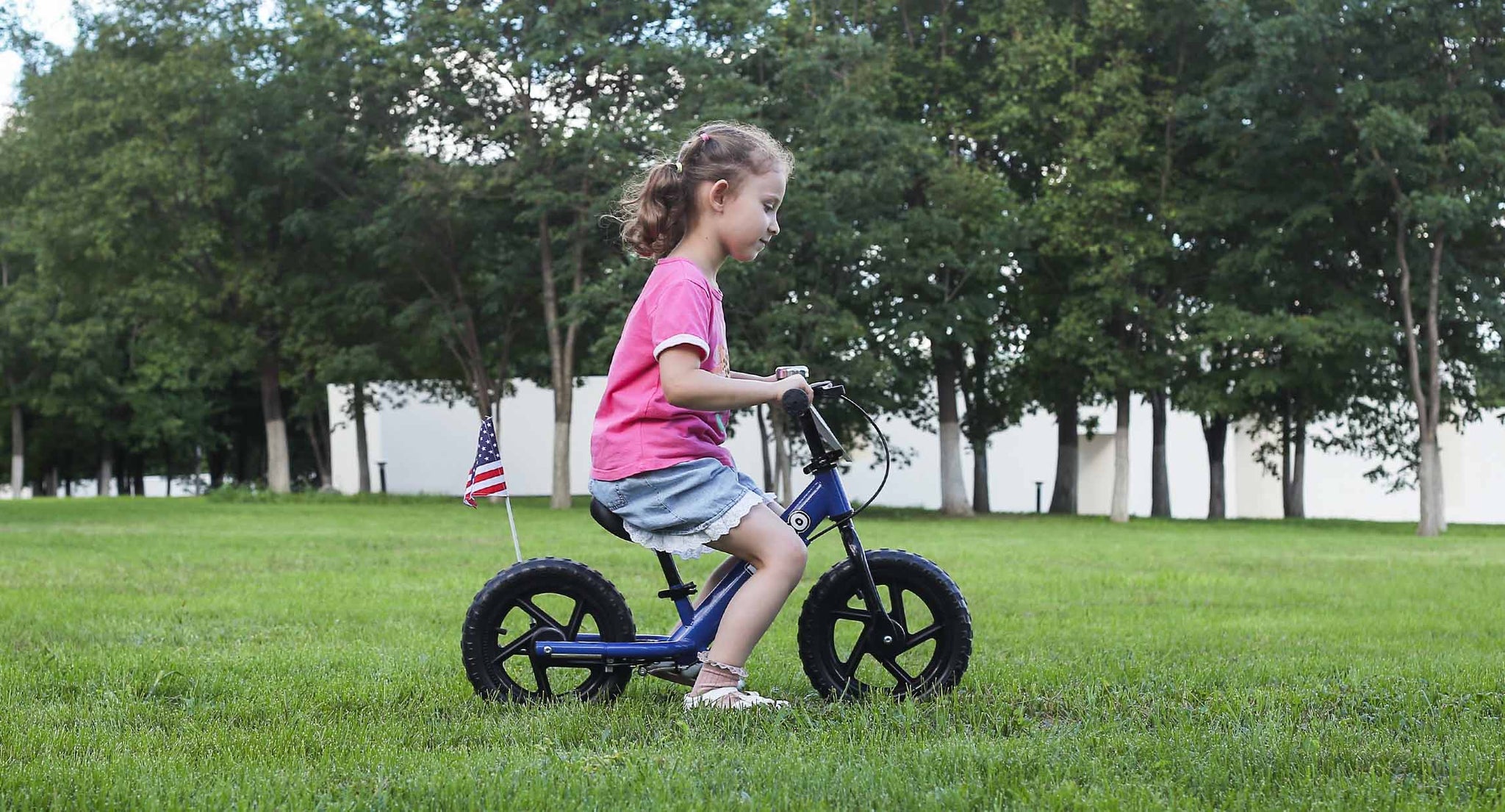
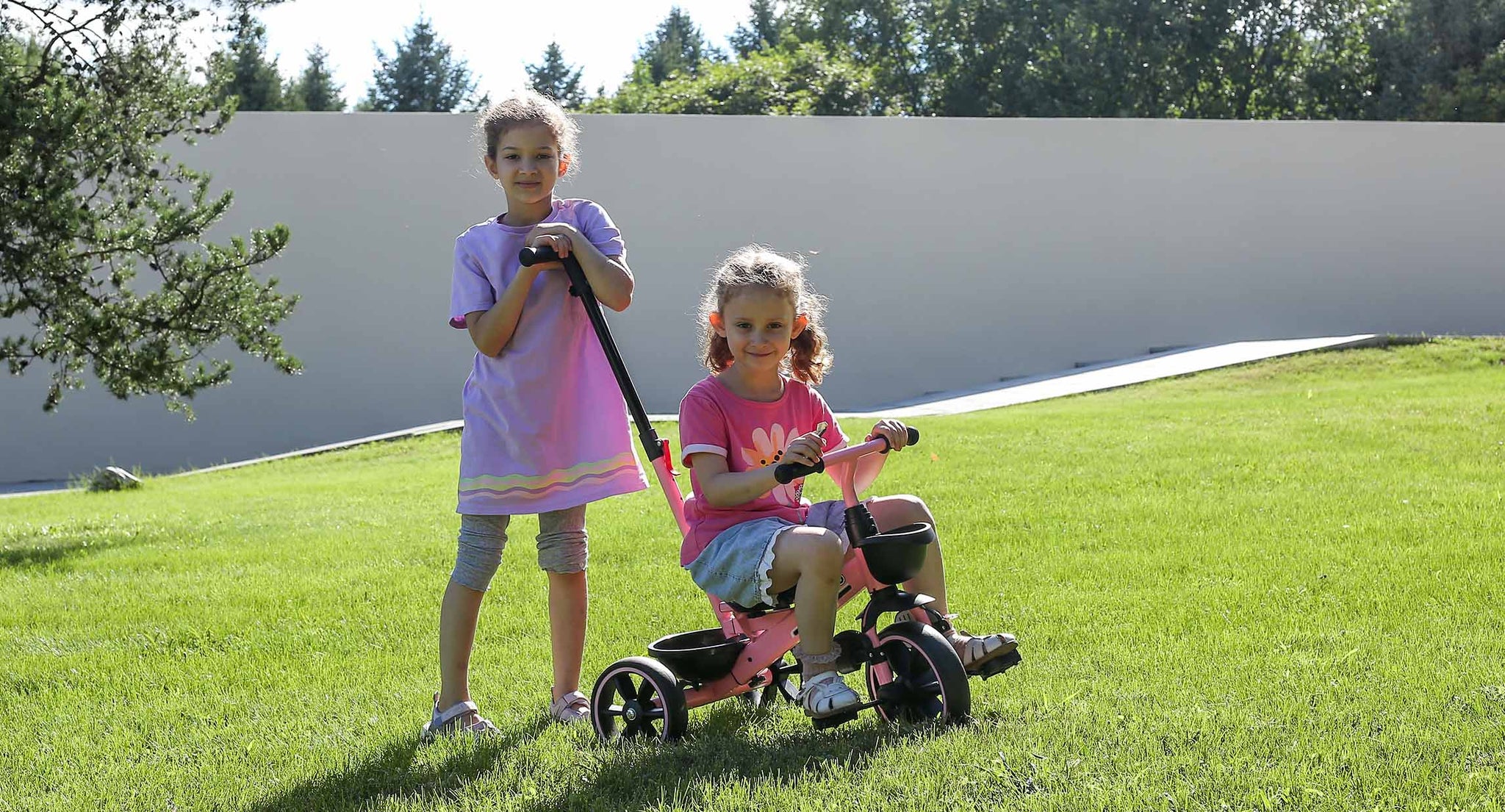
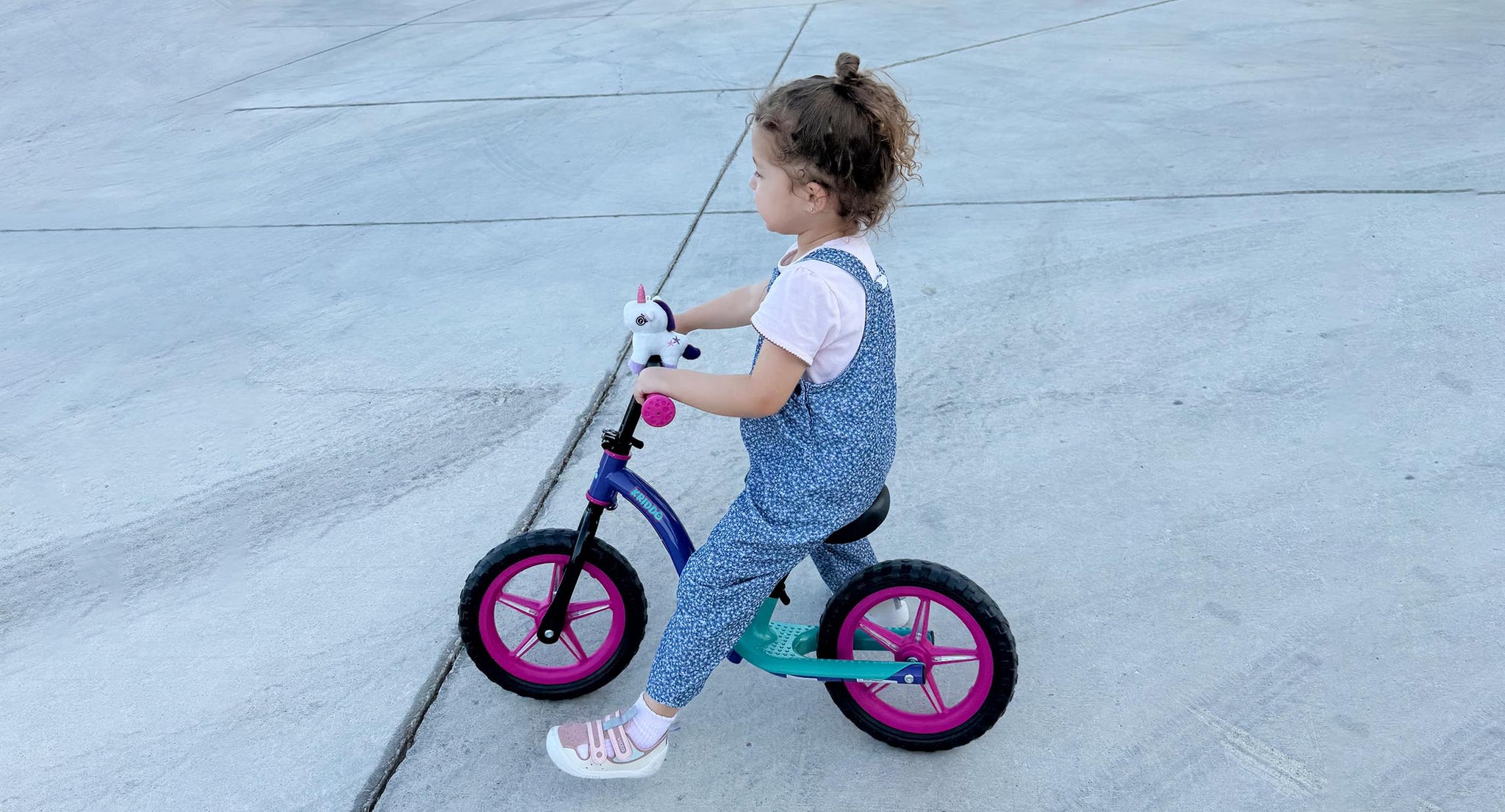
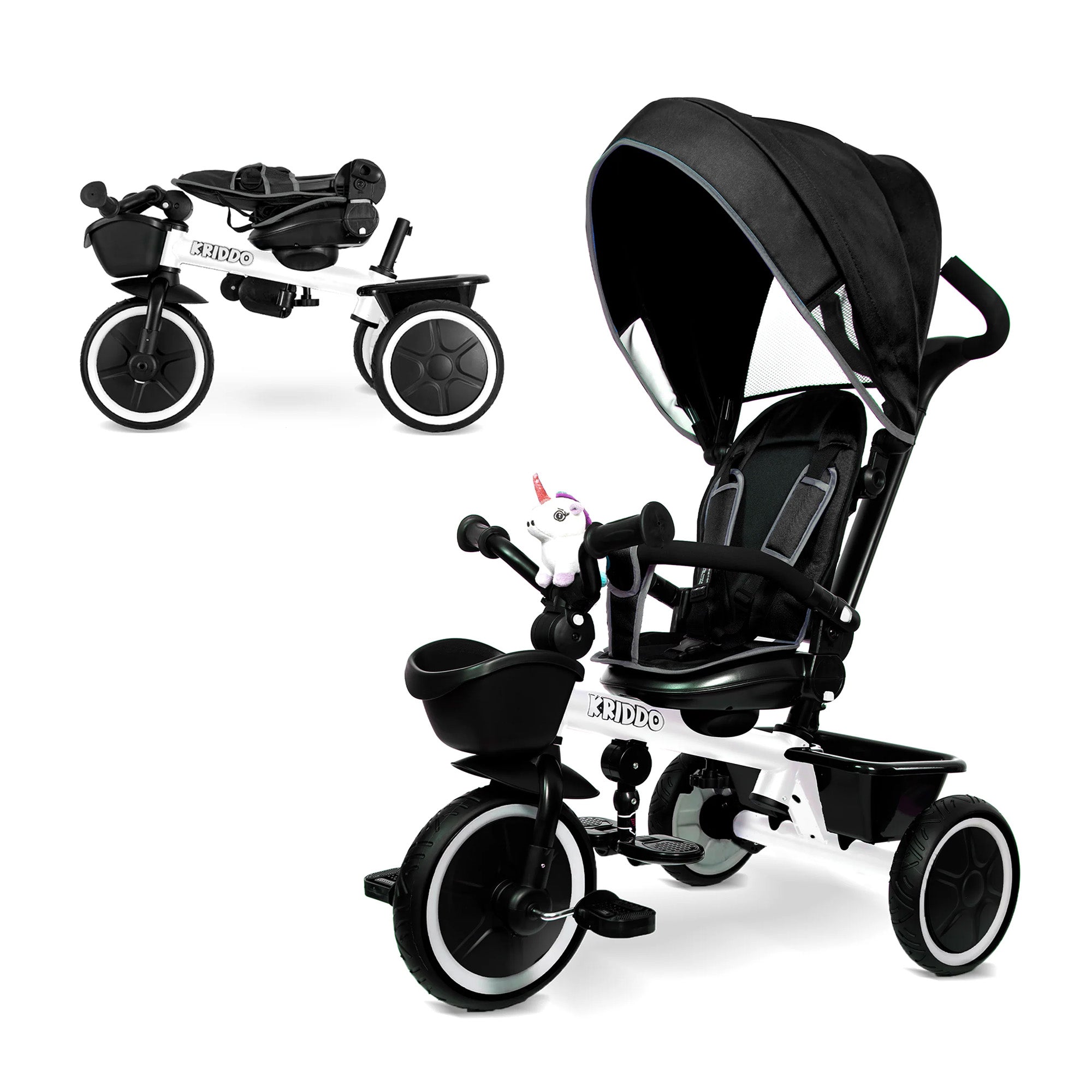
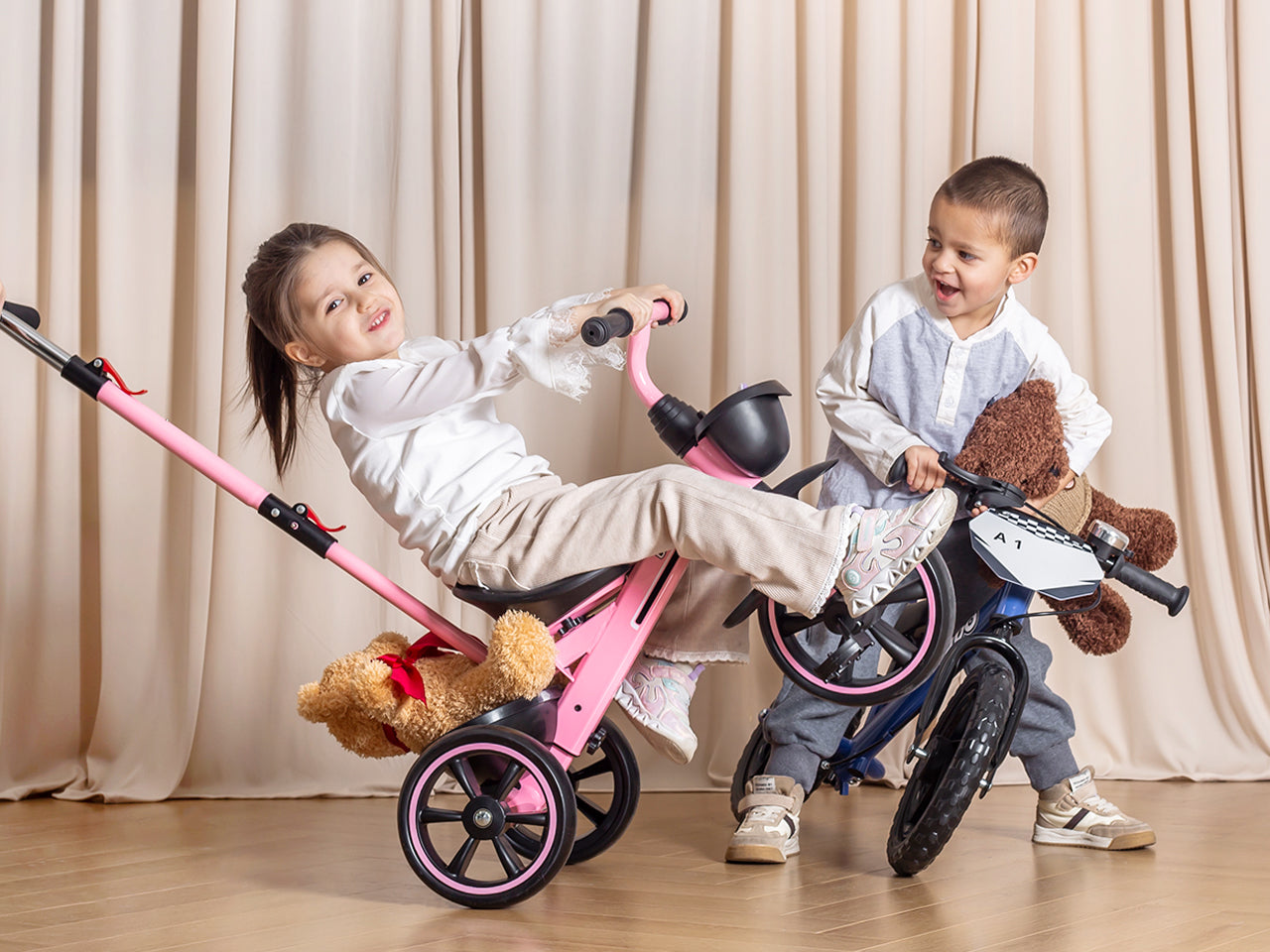
This becomes even more important if your child rides toys like a balance bike or tricycle. Honestly, those wheels make the outside world feel bigger—and faster.
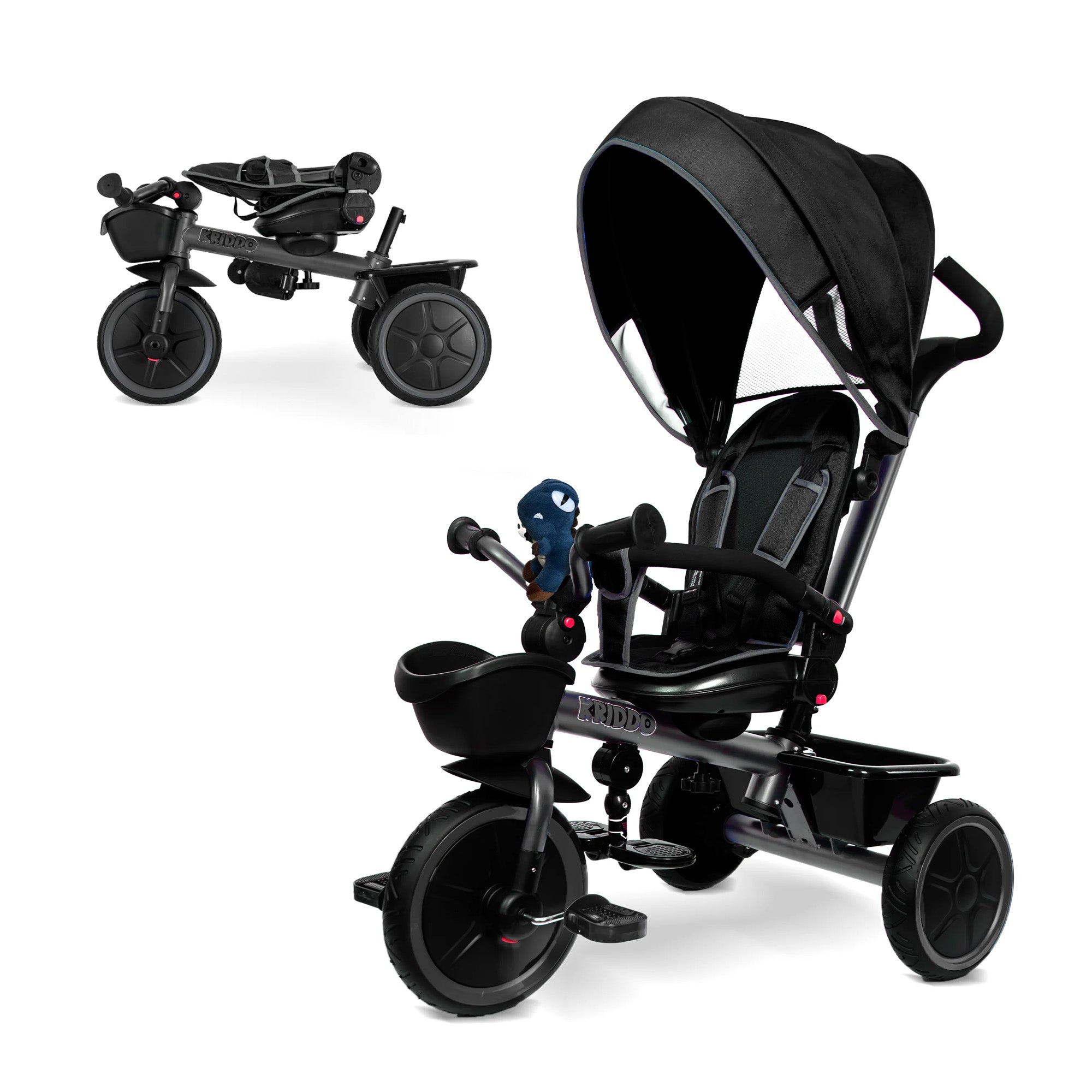
If your child is using something like a balance bike or a tricycle, you’ll notice how quickly they gain confidence. That’s great—but it also means you need clear rules about where they can ride.
And when they’re ready for a pedal bike, it helps to introduce basic riding etiquette early, the kind that builds awareness and confidence over time.
3. Teaching Stranger Awareness (Without Creating Fear)
This topic can feel uncomfortable, but it’s necessary.
Kids don’t need to be scared—they need to be prepared.
Instead of saying “strangers are bad,” try something more practical:
- Never go anywhere with someone without permission
- Don’t accept gifts or help without asking first
- If something feels wrong, get loud and run
We’ve practiced this at home like a game. “What would you do if someone asked for help finding a puppy?”
At first, my kid laughed. Then he started answering seriously.
That’s when I knew it was working.
4. Gear Matters More Than You Think
I used to think helmets were optional for short rides.
Honestly… I was wrong.
Kids fall. Even on flat ground. Even at slow speeds.
If your child is riding, scooting, or even just experimenting with balance, protective gear isn’t overkill—it’s common sense.
Some outdoor toys even integrate safety features, which I didn’t expect at first. For example, certain models are designed with stability and comfort in mind, making it easier for younger kids to stay balanced.
If you’re exploring options, this breakdown of outdoor toys that actually get kids moving helped me rethink what “safe play” really looks like. And when it comes to helmets—yes, there’s debate.
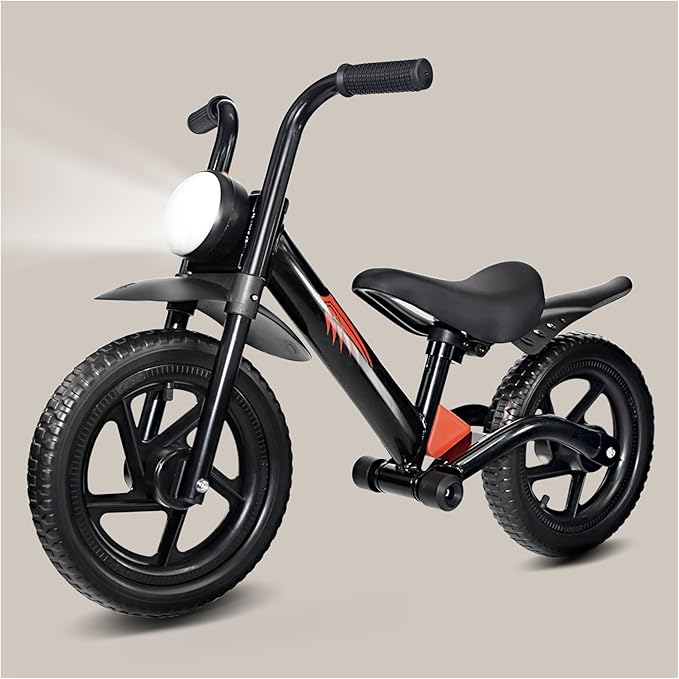
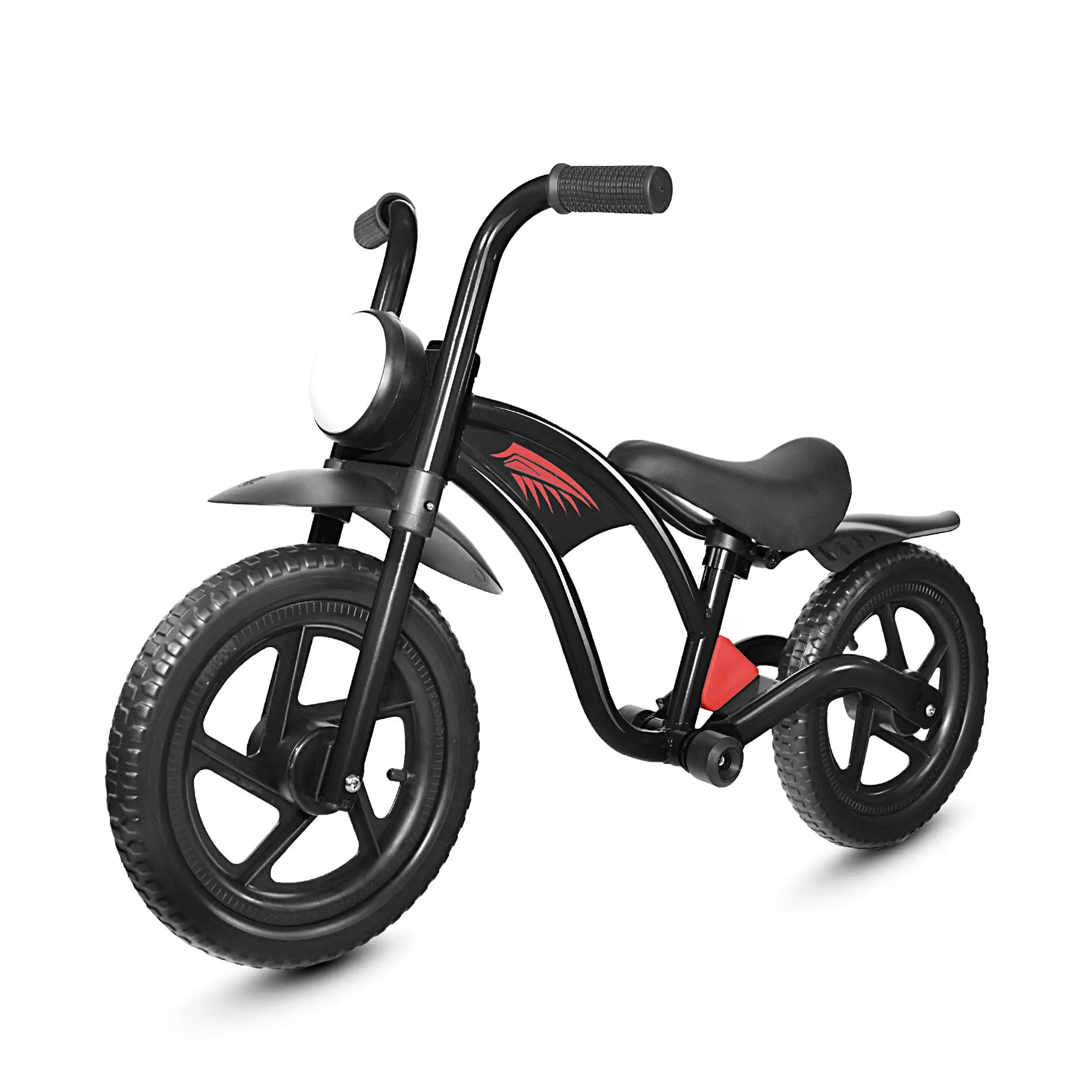
One product that fits into this stage of development is the KRIDDO toddler 12 inch balance bike.
The featured design includes:
- 12-inch frame suited for early riders
- Free Knee & Elbow Pads Included
- All-terrain tires that work on grass, pavement, and indoor surfaces
- Soft PU seat for comfort during longer play
- Adjustable seat and handlebar to grow with the child
- Includes customizable nameplate and sticker sets
5. Weather Isn’t Just Background—It’s a Safety Factor
We’ve all done it—stepped outside and thought, “It’s not that hot.”
Then 20 minutes later, your kid is flushed and cranky.
Checking the weather before outdoor play isn’t overthinking. It’s prevention.
Watch for:
- High heat or humidity
- Sudden temperature drops
- Storm warnings or strong winds
And teach your kids to recognize when it’s time to come inside. That awareness builds independence over time.
6. Don’t Ignore the Ground Beneath Them
Uneven surfaces are one of the most common causes of falls.
Before playtime, take a quick scan:
- Rocks
- Tree roots
- Toys left behind
- Slippery patches
It takes less than a minute, but it makes a big difference.
I used to skip this step. Now I don’t.
Because honestly? Most accidents are preventable.
7. Climbing: Where Fun Meets Risk
Kids love to climb. It’s instinct.
But without guidance, it can get dangerous fast.
Teach them:
- How high is “safe enough”
- Where to place hands and feet
- When to stop
And maybe most importantly—help them understand their own limits.
Not every child climbs the same way. And that’s okay.
8. Bugs, Plants, and the Unexpected

Outdoor play comes with… nature.
And nature doesn’t always play nice.
Mosquitoes, bees, ticks—they’re part of the deal. So are certain plants that can irritate skin.
Simple precautions help:
- Check for ticks after playtime
- Avoid tall grass when possible
- Teach kids not to touch unfamiliar plants
I didn’t think much about this until our first bug bite meltdown.
Now? It’s part of the routine.
9. Create Rules Together (Yes, Together)
This surprised me.
When kids help create the rules, they’re more likely to follow them.
Keep it simple:
- No pushing on playground equipment
- Use toys the right way
- Keep the play area clear
- Wear proper shoes
Write them down. Post them somewhere visible.
It turns safety into something shared—not something imposed.
10. Boundaries Matter: Fences and Clear Limits
If you can install a fence, it adds a strong layer of protection—especially with self-closing gates.
If not, define boundaries clearly.
Kids need to know:
“Play stays here.”
For extra peace of mind, some parents use GPS trackers for younger kids. It’s not necessary for everyone—but it can help, especially in open areas.
Final Thoughts

Figuring out how to ensure safe outdoor play isn’t about eliminating risk.
It’s about managing it thoughtfully.
Because here’s the truth: a scraped knee is part of growing up. But serious injuries? Those are often preventable.
And when you get the balance right—when kids feel both safe and free—that’s where the real magic happens.