




Screen Free Activities:
7 Simple Ways to Keep Kids Busy Without Screens
Laura | 13th, July
There is something special about holidays and school breaks.
The normal routine disappears. Kids stay home more often, mornings become slower, and suddenly there are many more hours to fill. At first, it feels wonderful — more family time, fewer schedules, and a chance to relax.
Then comes the familiar question:
“I’m bored. What can I do?”
And before you know it, the screen starts looking very tempting.
If you’re a parent searching for fun screen free activities that keep your child happy, busy, and learning (without making you feel like you have to become a full-time entertainer), you are definitely not alone.
The good news is that children don’t need complicated activities or expensive toys. Often, the simplest ideas are the ones that keep them interested the longest.
Before we get into the list, there’s one thing worth remembering.
Screens Are Not the Problem — Balance Is

Let’s start here: using screens is okay.
A movie on a cold evening, an educational show, or some quiet tablet time during a busy day can be part of a healthy family routine. Screens are tools, and like many tools, they depend on how they are used.
But if you feel like your child is spending more time with devices than you would like, or you simply want more alternatives during weekends and holidays, there are practical ways to create a better balance. These real-life tips for reducing toddler screen time can help families slowly build healthier habits.
This list is mainly designed for younger children, especially kids under six, but many of these ideas can easily be adapted for older children too.
Also, a quick parenting reminder: your child does not need you to plan every minute of their day.
Boredom is not an emergency.
In fact, boredom often gives children the space they need to create, imagine, and discover what interests them.
1. Go for a Walk Without a Destination
A toddler walk looks very different from an adult walk.
Adults walk to get somewhere. Toddlers walk to explore.
The trick is to remove the pressure.
Don’t set a goal. Don’t worry about how far you go. Don’t decide that you “should” reach a certain place.
Maybe your child wants to stop and collect rocks. Maybe they want to watch a bird. Maybe they turn around five times because they found something interesting behind them.
That’s okay.
Let them decide the pace.
A simple neighborhood walk can become a little adventure where children practice observation, movement, and independence.
Sometimes the best activities are the ones where nothing is planned.
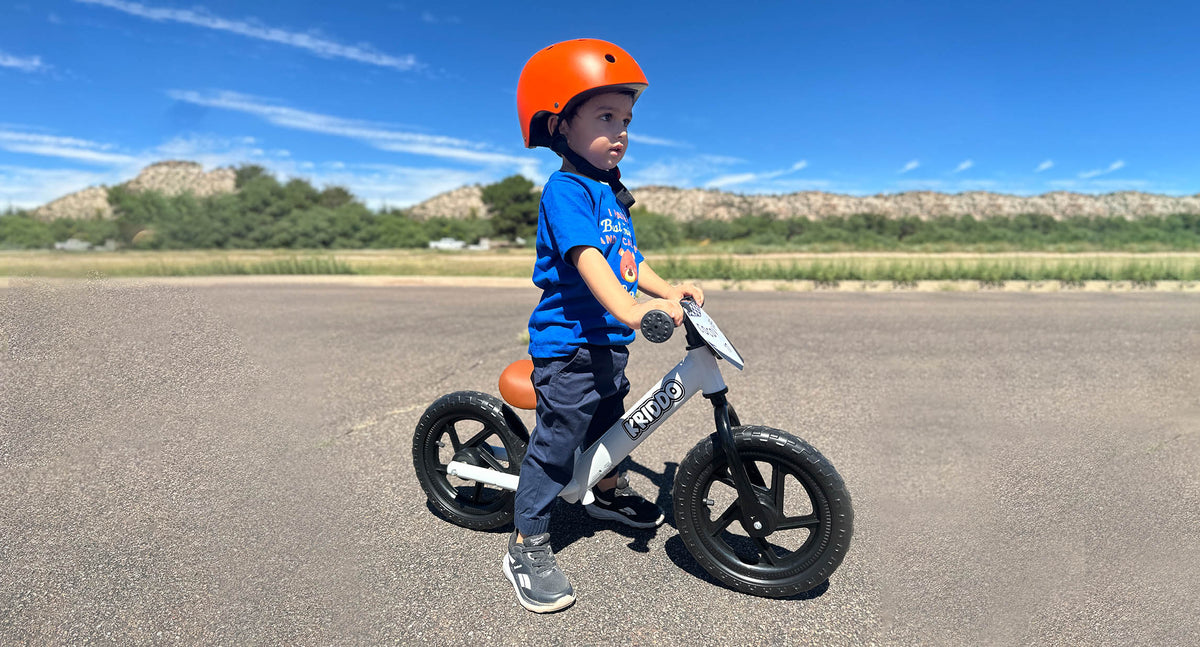
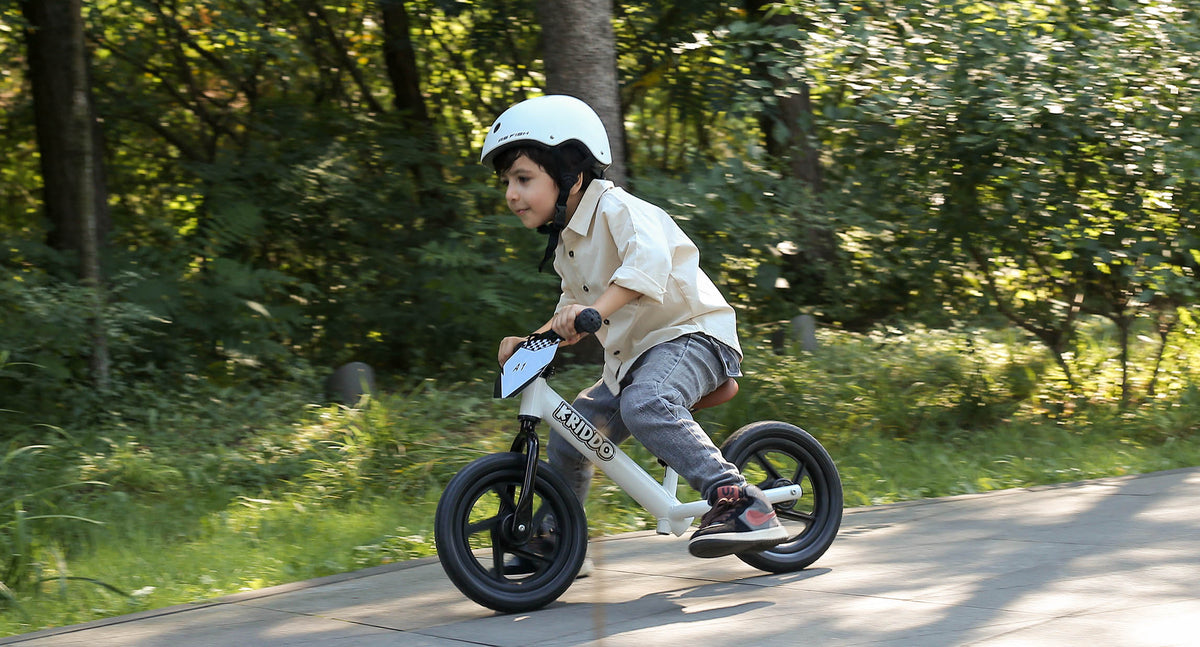
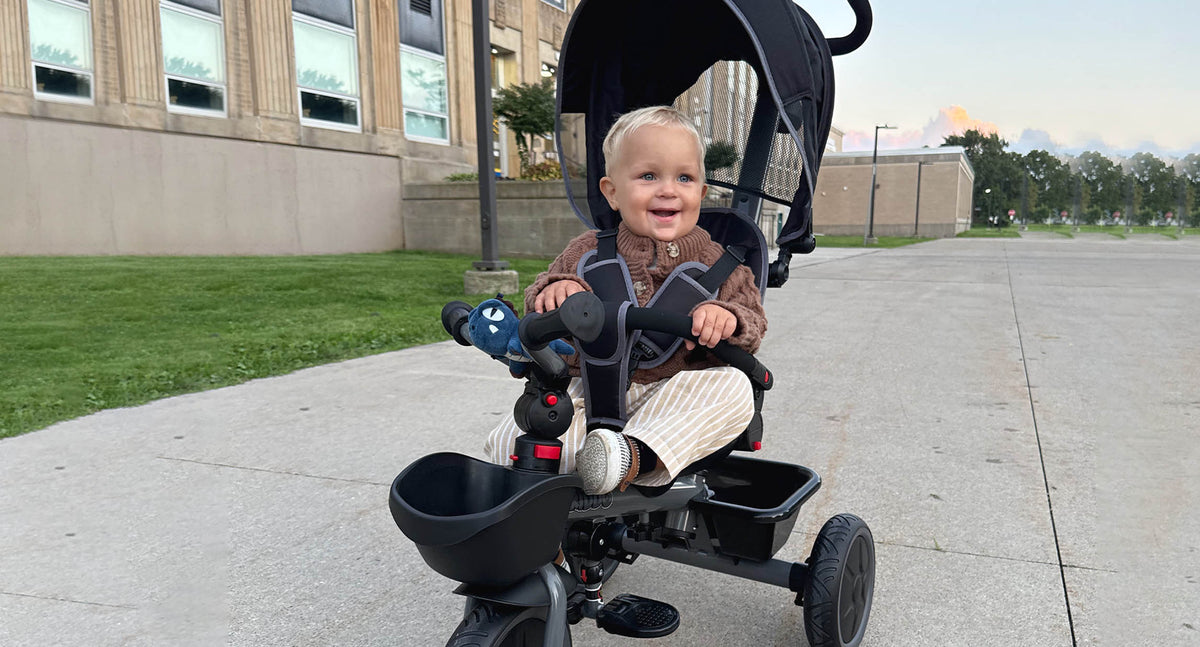
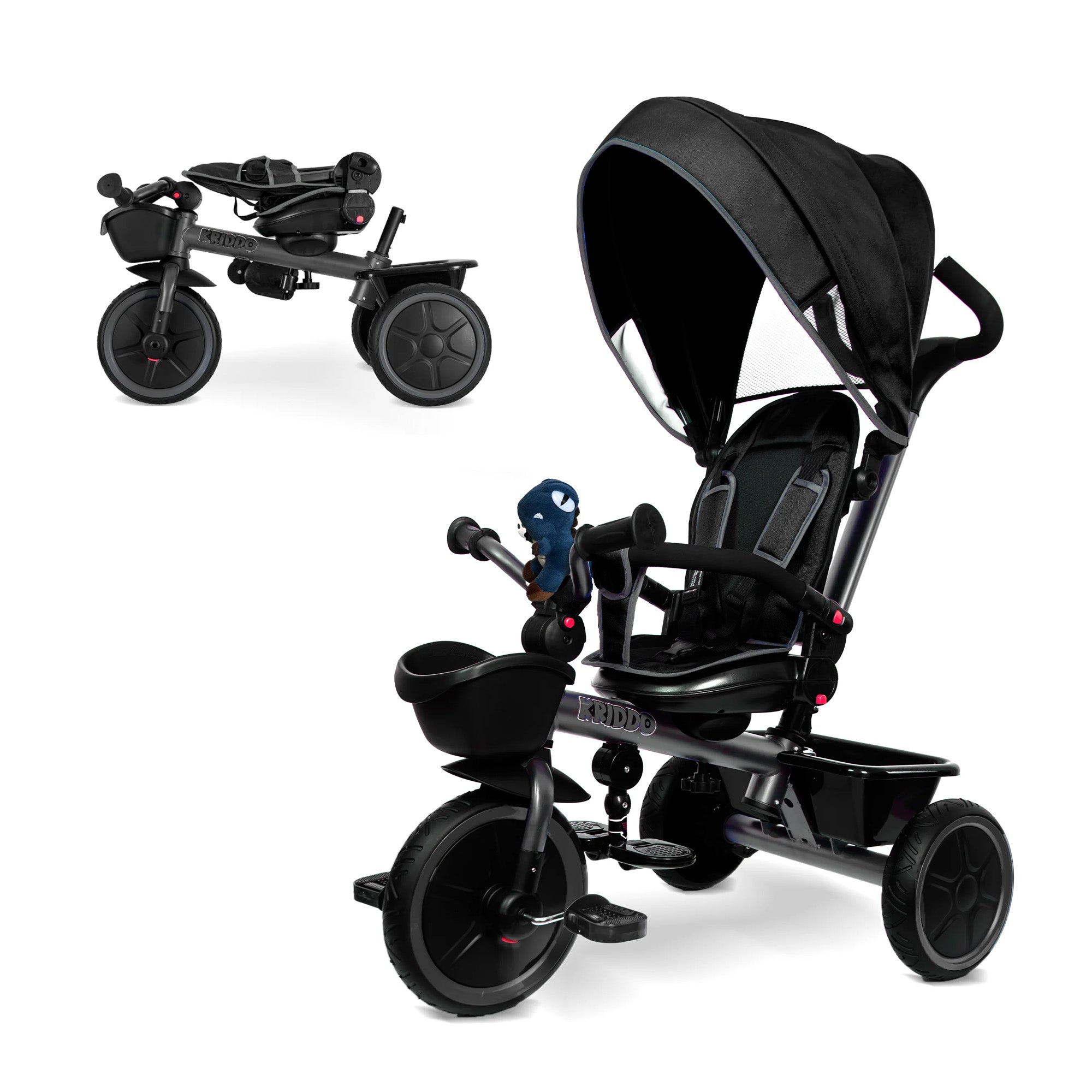
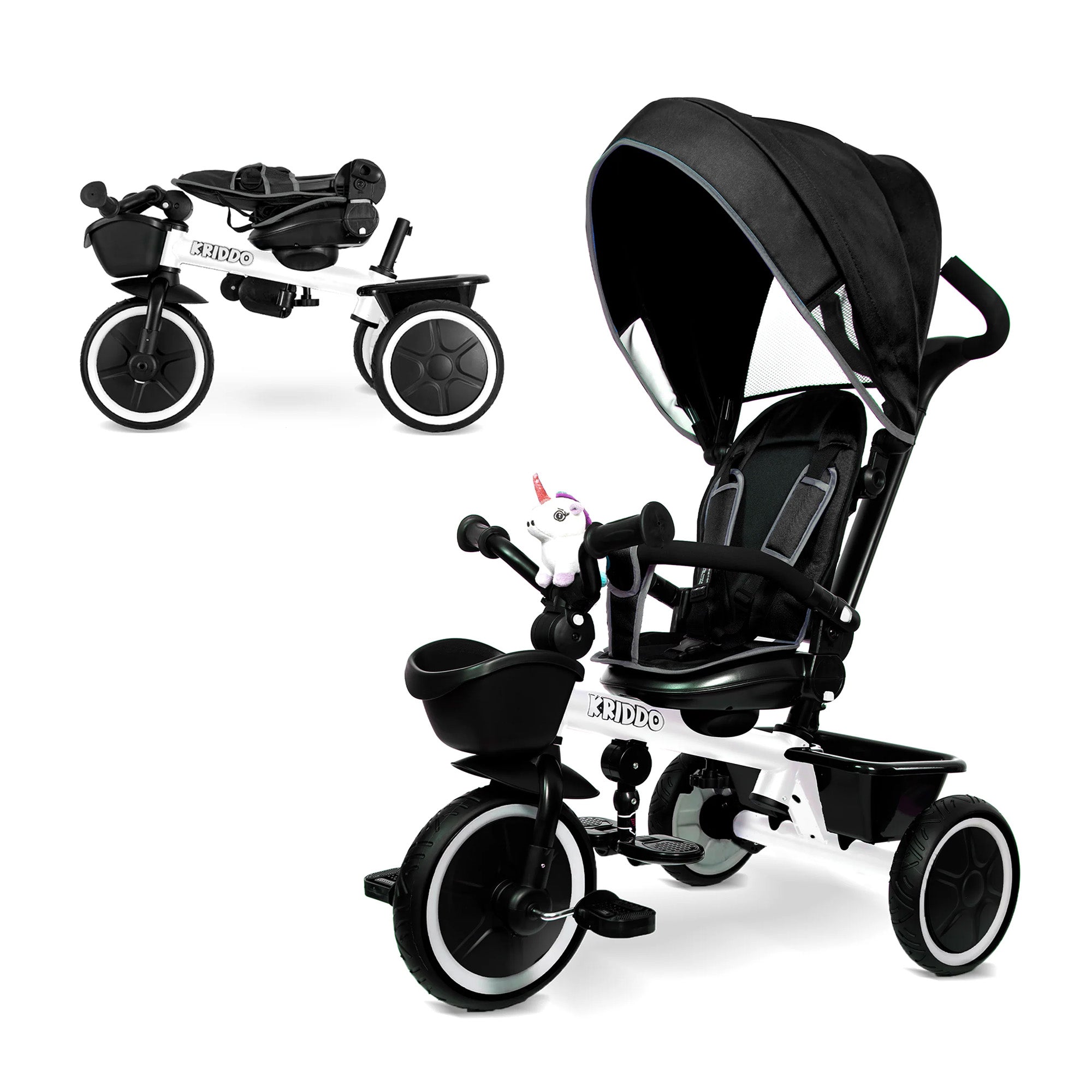
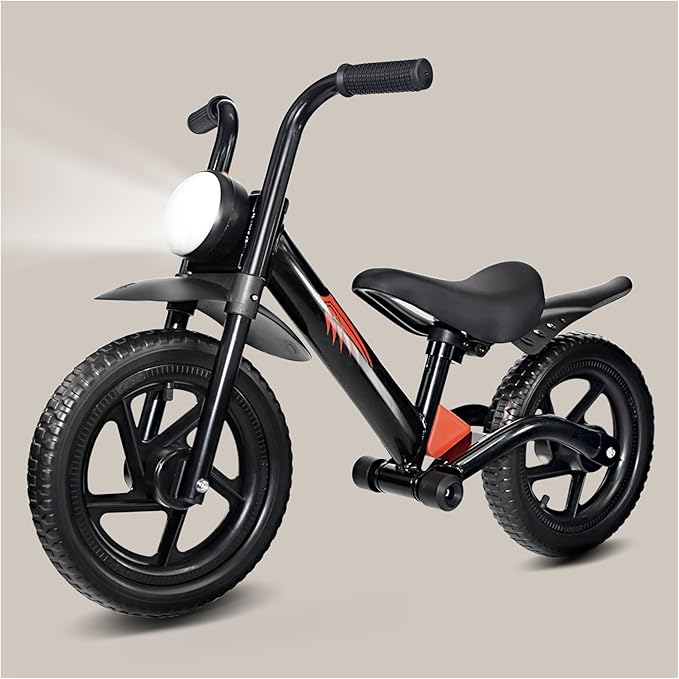
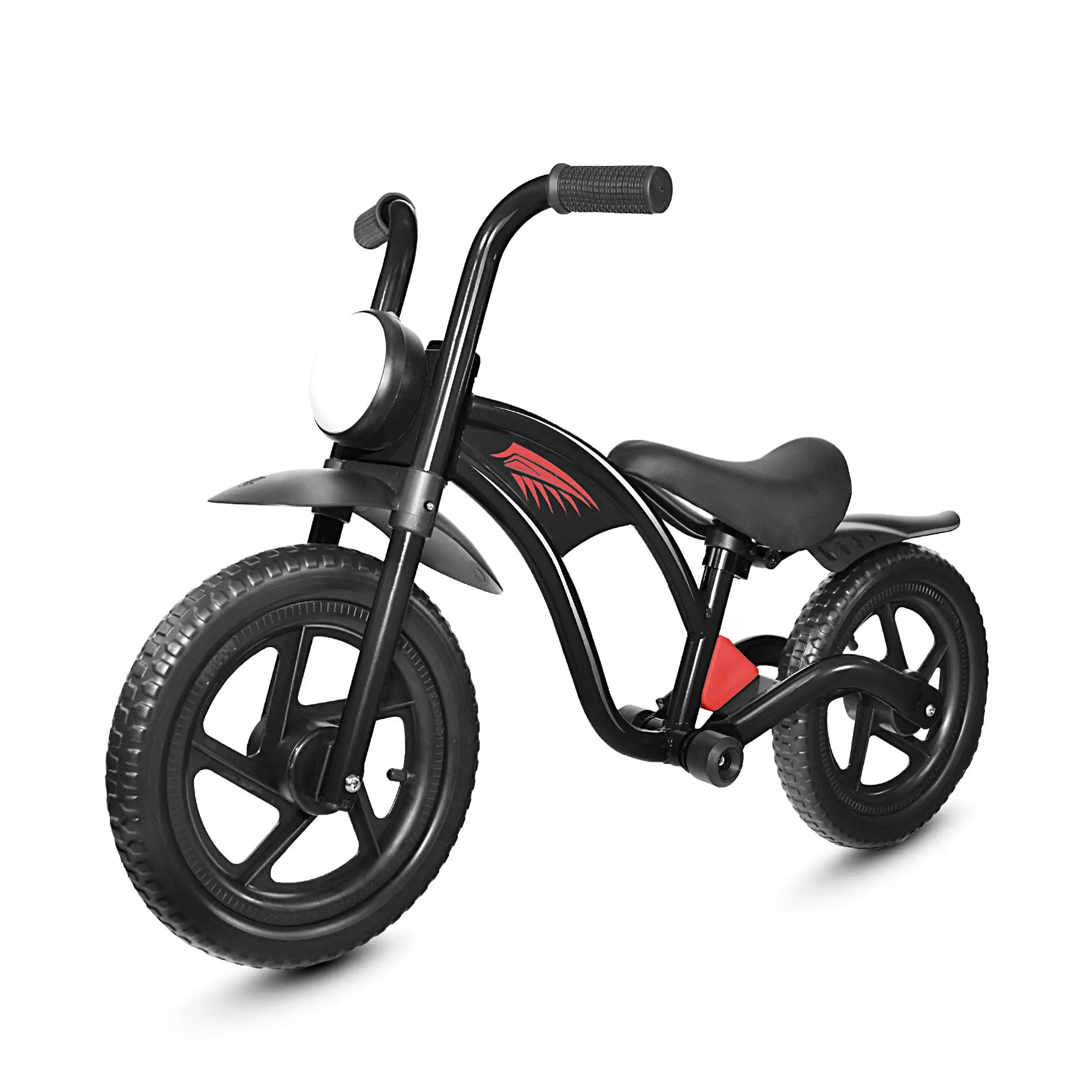
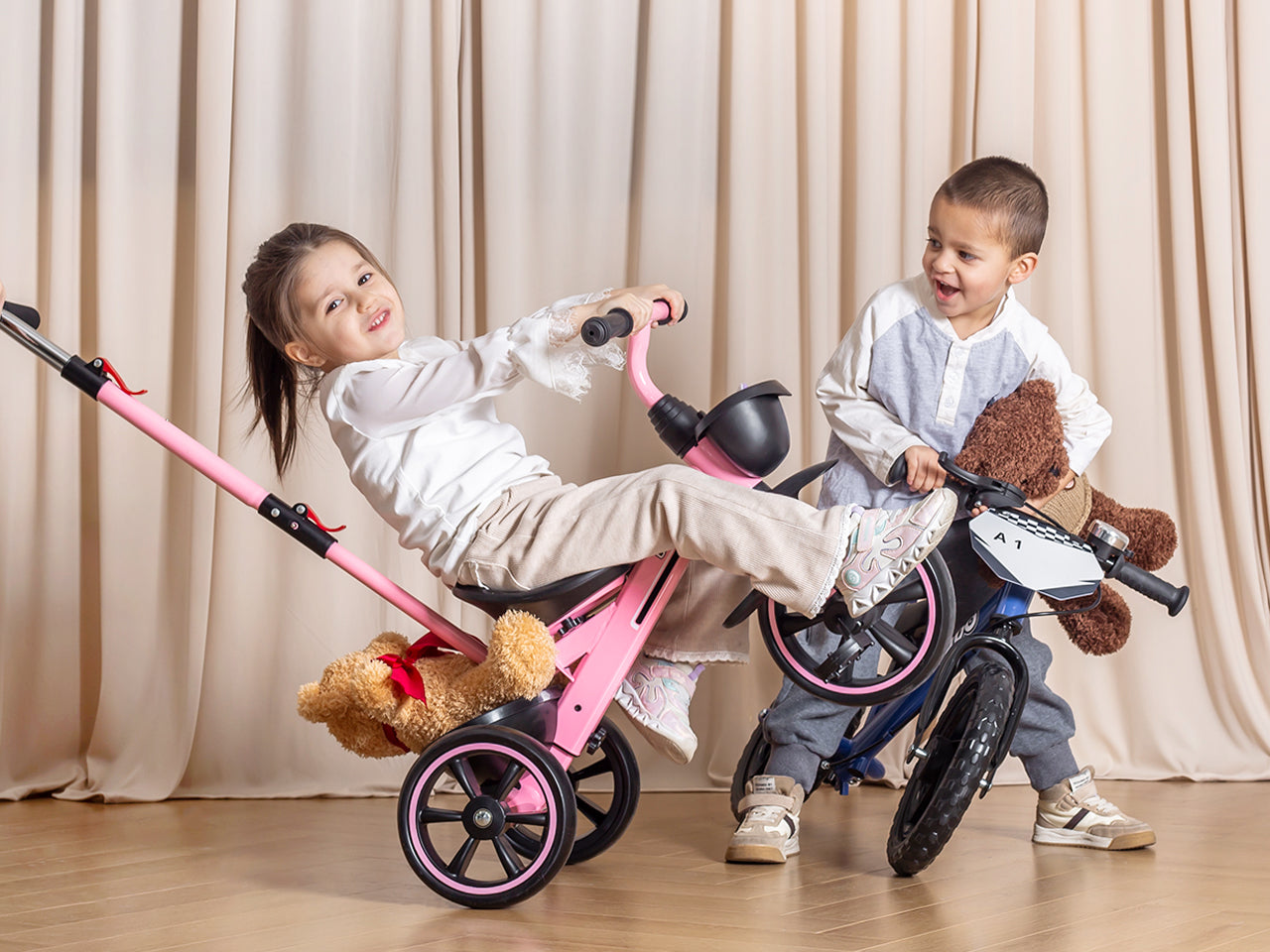
2. Ride a Balance Bike or Tricycle
For many children, riding is one of the easiest ways to enjoy outdoor time without feeling like they are exercising.
Balance bikes and tricycles are wonderful screen free activities because they combine movement, exploration, and independence.
Children naturally practice:
- Balance
- Coordination
- Steering
- Confidence
- Problem-solving
Unlike organized sports, riding gives children control. They decide where to go, how fast to move, and what to explore.
Cold weather does not always have to stop outdoor play either. Add warm layers, gloves, and comfortable clothing. If you’re heading outside after sunset, child-friendly flashlights, reflective clothing, or safety gear can make the experience easier.
Learning to enjoy different conditions can also help children become more adaptable and confident. Small challenges, like riding in different environments, can support raising resilient children through small wins.
The goal is not just learning to ride. It is helping children discover that being active can be fun.
3. Build a Backyard Obstacle Course
You don’t need a fancy outdoor playset to create an exciting challenge.
A backyard obstacle course can be made with things you already have:
- Pool noodles
- Cones
- Jump ropes
- Chalk
- Boxes
- Toys
Let your child help design it.
Maybe they create a jumping area. Maybe they make a “river” they cannot touch. Maybe they decide that crawling under a chair is part of the challenge.
Children often stay engaged longer when they have ownership.
A simple obstacle course encourages:
- Creative thinking
- Physical coordination
- Confidence
- Problem-solving
You can even create a small riding course for tricycles. A guide on building a safe and fun tricycle track for kids can inspire ideas for creating a space where children can practice riding while having fun.
4. Wash Cars — Big Cars and Little Cars

Children love helping with real tasks.
Sometimes a simple chore feels more exciting than a new toy because it makes them feel important.
If the weather is nice, prepare:
- A bucket of water
- Sponges
- Soap
- Towels
Let children help wash the family car.
Older kids can scrub larger areas while younger children can wash smaller parts. It becomes a family activity, and everyone gets involved.
If it is too cold outside, bring the idea indoors.
Fill a small container with warm water and a little soap. Add toy cars, trucks, or other waterproof toys. Give your child a sponge and let them create their own toy car wash.
They can wash, rinse, organize, and pretend.
It is simple, but children often love these everyday activities.
5. Give Them a Cardboard Box
A cardboard box might be one of the most underrated children’s toys.
Seriously.
Give a child a box and a marker, then step back.
Don’t tell them it should become a rocket.
Don’t suggest it should become a house.
Just let them decide.
The less direction you give, the more creative the result can become.
A single box might become:
- A spaceship
- A restaurant
- A car
- A store
- A pet house
- A pretend ticket booth
Children create their own stories, solve their own problems, and build an entire imaginary world.
That old shipping box sitting in your recycling pile? It might be more exciting than the toy that arrived inside it.
6. Try Magnetic Building Games
Magnetic tiles are another easy way to encourage independent play.
They work a little like reusable stickers — children can create something, take it apart, and start over again.
A small set can provide hours of open-ended play.
Children can build:
- Towers
- Houses
- Animals
- Vehicles
- Imaginary worlds
These activities support creativity, spatial awareness, and problem-solving.
For younger children, make sure the pieces are age-appropriate and that your child is no longer putting small objects in their mouth.
A small storage container or bag can also make cleanup easier and keep the pieces ready for the next play session.
7. Try Simple Science Experiments
Children are natural scientists.
They ask questions constantly:
“Why did that happen?”
“What happens if we try this?”
“What if we add more?”
Simple science experiments are a great way to encourage that curiosity.
Try activities like:
Baking Soda and Vinegar
Mixing vinegar and baking soda creates bubbles and excitement while introducing basic scientific ideas.
Ice and Salt Experiment
Compare how quickly different ice cubes melt with and without salt.
Color Mixing
Use water and food coloring to explore how colors combine.
The experiment does not need to be perfect.
The best part is often the conversation afterward.
Children learn by observing, testing, and making predictions.
Creating More Screen Free Moments at Home

The best screen free activities are not necessarily the ones that keep children occupied for the longest time.
They are the ones that help children become curious.
A walk outside, a cardboard box, a bike ride, or a simple science experiment can all create meaningful moments.
And remember — you do not need to entertain your child every second.
Independent play is valuable. Boredom is valuable. Quiet moments are valuable.
Your job is not to remove every boring moment.
Your job is to create opportunities for your child to explore what happens next.
Sometimes, the simplest ideas create the biggest childhood memories.