








Love Your Kids Equally:
How to Be Fair Without Treating Every Child the Same
Laura | 7th, Sep
“I love you both the same.”
Most parents have probably said some version of this after hearing the inevitable complaint: “That’s not fair!”
You want to love your kids equally. Of course you do. But if you have more than one child, you’ve probably also realized that treating every child exactly the same just isn’t realistic.
One child may need help tying their shoes while another needs help with homework. One might need an earlier bedtime, while another is old enough to stay up a little later. Sometimes one child simply needs more of your attention because they’re going through a difficult moment.
That doesn’t mean you love one child more.
It means you’re parenting the child in front of you.
Why Do Kids Say “That’s Not Fair”?

Part of the problem is that children don’t all understand fairness in the same way.
A preschooler may have a very simple definition: if everyone gets the same thing, that’s fair. If Johnny gets two cookies and I get one, something has obviously gone terribly wrong.
As children grow, their understanding becomes more flexible. School-age kids can begin to understand that age, responsibility, ability, and individual needs may mean different children have different expectations.
That’s why the explanation you give a five-year-old probably won’t work with a twelve-year-old.
For younger children, keep it short and concrete. When you’re talking about what counts as the toddler years, you’re often talking about children who are still learning to understand other people’s needs. They may need a simple explanation such as, “You’re getting this because you need help with this right now. Your brother needs different help.”
It might not stop the protest.
Honestly, it probably won’t.
But over time, those small conversations help children understand that fairness doesn’t always mean everyone gets exactly the same thing.
Love Your Kids Equally by Celebrating What Makes Them Different
Sibling comparison can sneak into family life so easily.
One child runs faster. Another reads earlier. One is naturally outgoing. Another would rather spend an hour quietly building something.
If parents constantly compare those differences, children can start doing it themselves. And that can create jealousy, insecurity, and even more competition between siblings.
Instead, try pointing out the strengths behind those differences.
Maybe Susie is faster than Johnny, but Johnny is an excellent chess player. One child might be fantastic at making friends while another notices details that everyone else misses.
Neither quality needs to “win.”
When children compare themselves with each other, help them notice that being different isn’t a problem that needs to be fixed. It’s part of what makes each person interesting.
You can even create little situations where their different strengths become useful. Let one child help with something they’re especially good at while another takes on a task that suits them.
The goal isn’t to convince them that everyone is equally good at everything. That wouldn’t be honest.
It’s to help them see that everyone has something valuable to bring.
Give Each Child the Kind of Love They Need
So, can parents be perfectly fair all the time?
Probably not.
And maybe that’s one of the most useful lessons we can teach our children.
Life isn’t always equal. But that doesn’t mean love disappears.
To love your kids equally doesn’t mean giving them identical rules, identical privileges, or identical amounts of attention every single day. It means caring about each child’s needs and making decisions based on what is genuinely best for that child.
Sometimes one child needs you more.
Give them that attention without making the other child feel forgotten. Then, when the situation changes, the balance may shift again.
It’s less about keeping score and more about staying connected.
Listen When Your Kids Talk to You
Children want to know that they matter to their parents.
One surprisingly simple way to show them is to listen.
And yes, that can mean putting the phone down.
If you’re constantly checking notifications while your child is telling you about something that happened at school, they may not feel heard even if you’re technically in the same room. Spending more intentional, screen-free time together can help. You can also make room for conversations through simple screen-free activities.
Put the device away and show genuine interest in what your child is saying.
Ask what they think about everyday problems. Let them explain their side of an argument. Ask what they would do differently.
Sometimes their answer will surprise you.
More importantly, they learn that their thoughts are worth hearing.
Make Time for Each Child One-on-One
When you have several children, individual time can feel almost impossible.
There’s dinner. Homework. Bath time. Laundry. Someone needs a snack, and somehow someone else has lost a shoe.
Still, even 10 to 15 minutes of one-on-one time can make a difference.
It doesn’t need to be elaborate. Let your child choose the activity. Read together, build something, draw, take a walk, or go for a ride.
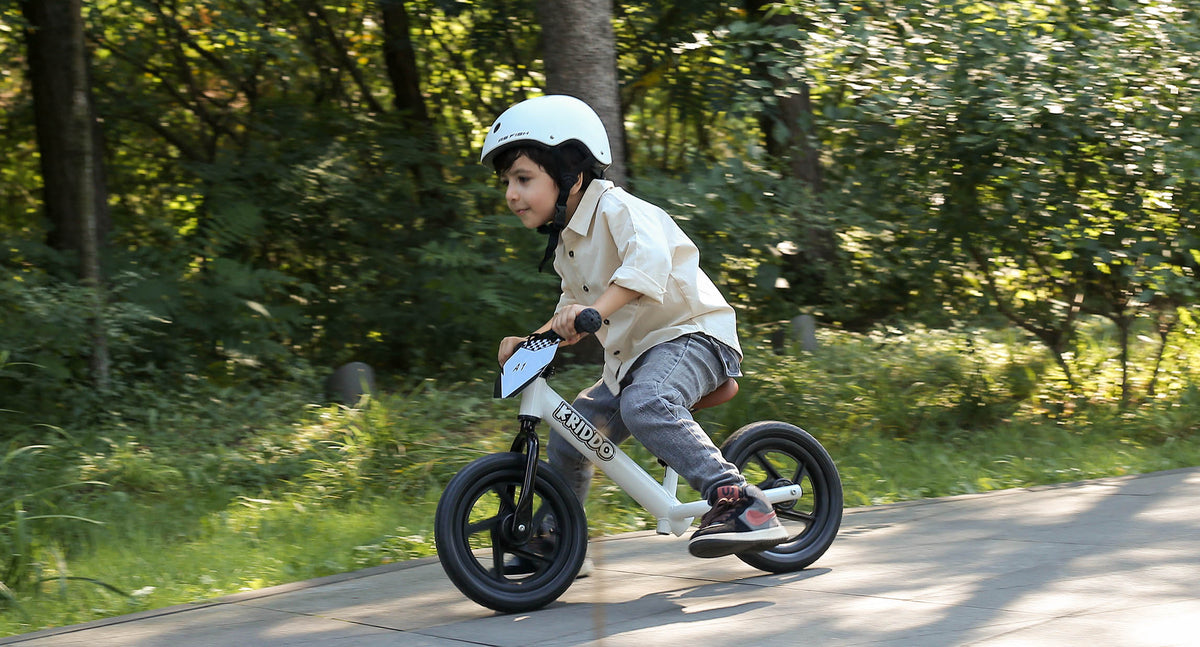
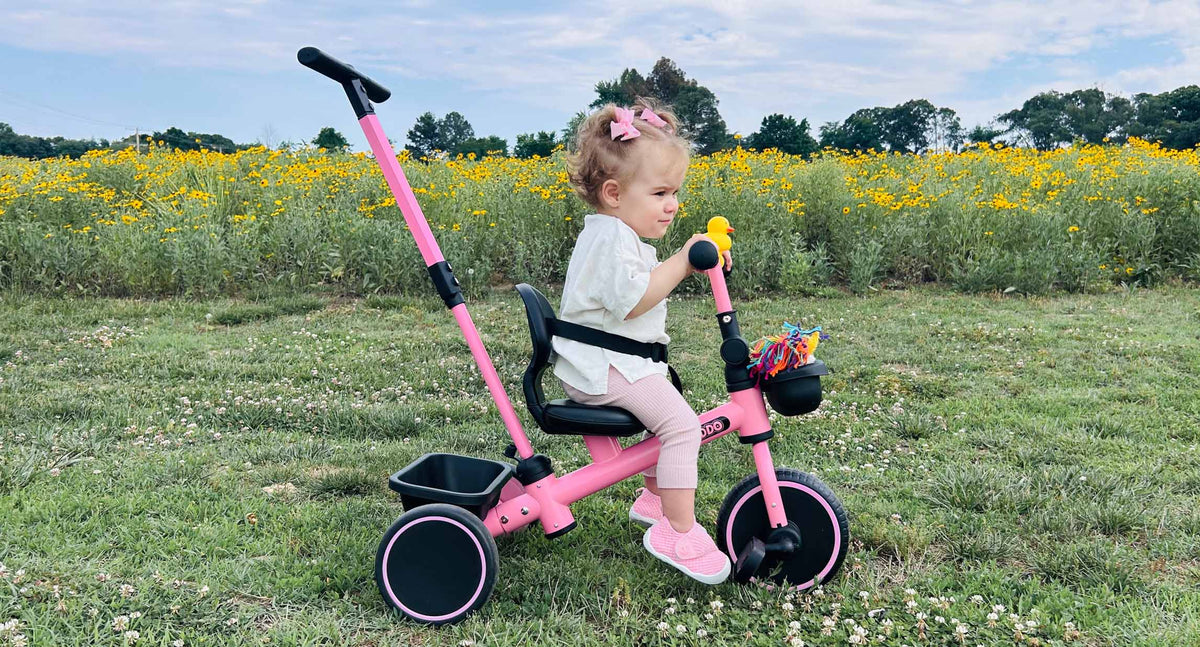
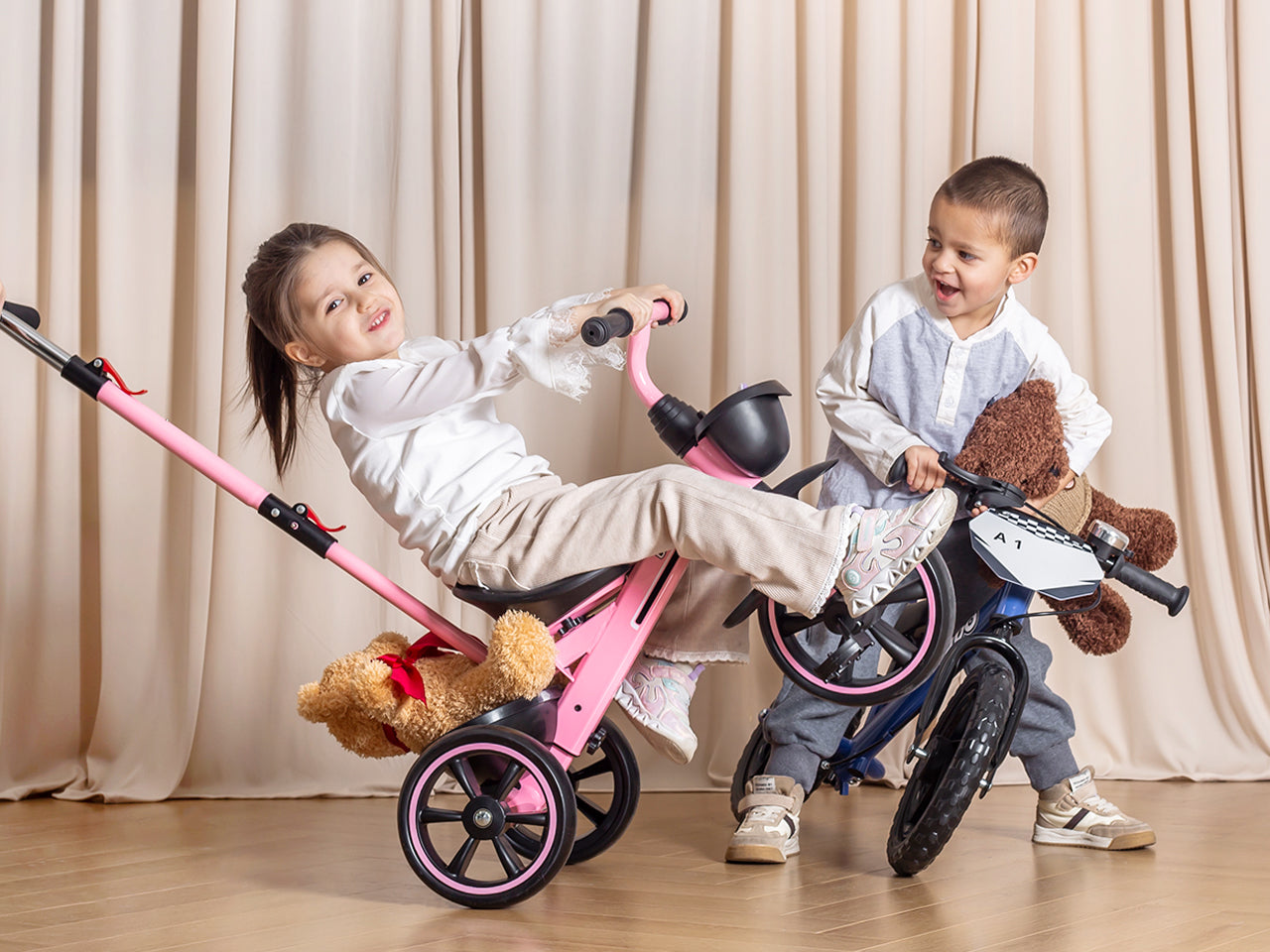
For younger children, riding can be an especially easy way to spend time together. Depending on their age and abilities, you might use a no pedal bike or a kids’ trike during supervised outdoor time.
The activity itself isn’t really the point.
Your child gets your attention without having to compete for it.
And sometimes that’s exactly what they’ve been asking for.
Teach Kids to Take Turns, Not Just “Share”
Older siblings are often expected to share simply because they’re older.
But being the big brother or big sister doesn’t magically make sharing easy.
They’re still kids.
Working on gentle ways to help toddlers learn to share can make these everyday conflicts easier to handle.
“Your sister is using it right now. You can have a turn when she’s finished.”
That feels very different from simply saying, “You’re older, so you have to share.”
The first teaches a skill. The second can make an older child feel that their needs always come second.
Give Children Equal Opportunities
Fairness also means making sure children have access to the basic things they need.
That includes food, clothing, education, support, opportunities to learn, and the chance to participate in family life.
As children get older, their needs will change. A teenager may need a phone for reasons a toddler obviously doesn’t. That doesn’t mean the younger child is being treated unfairly.
Equal opportunity doesn’t mean identical resources at every age.
It means making thoughtful decisions about what each child needs to grow, learn, and participate.
And parenting doesn’t end once you’ve sent your children to school or given them the tools they need. Their needs keep changing, so fairness remains an ongoing conversation.
When a Child Says You’re Playing Favorites
This is probably one of the hardest moments.
Your child is upset, and you know you weren’t trying to favor their sibling. Your first instinct might be to defend yourself.
“I don’t favor your brother!”
But sometimes it helps to pause.
Comfort them first. Then ask, “What do you think I could do differently?”
You might be surprised by what they say.
Maybe they want more time with you. Maybe they think their sibling gets more freedom. Maybe there’s a small pattern you hadn’t noticed.
That doesn’t mean you have to agree with every suggestion. Some ideas won’t be practical or reasonable.
But listening shows your child that their feelings matter and that you’re willing to think about their perspective.
And that can be more reassuring than simply telling them, “You’re wrong.”
Final Thoughts: Fair Doesn’t Always Mean Equal

You can love your kids equally without treating them exactly the same.
In fact, sometimes treating children differently is the fairer choice because children have different ages, personalities, abilities, and needs.
Fairness builds trust. It can reduce sibling competition and, perhaps just as importantly, save parents from constantly keeping score.
The protests probably won’t disappear overnight.
That’s okay.
Children are still learning what fairness means, how to understand other people’s needs, and how to express their own feelings. Your job isn’t to make every situation perfectly equal. It’s to stay calm, listen, explain, and remind them that your love isn’t something they have to compete for.