





How to Get Kids to Be Quiet:
6 Gentle Ways to Create Calm Moments
Ella | 2nd, Sep
If you’ve ever tried to answer an important phone call while your child is running around the room shouting, you already know how challenging it can be to create a little quiet.
Children are naturally energetic. They laugh loudly, talk over each other, sing, jump, and express every feeling they have right away. That excitement is part of what makes childhood wonderful. But whether you’re a parent trying to finish a task, a teacher managing a classroom, or a group leader organizing an activity, there are moments when everyone needs a little more calm.
The goal isn’t to make children silent all the time. Kids need opportunities to express themselves. Learning how to get kids to be quiet is really about helping them understand when to use different voices, how to manage their energy, and how to respect the people around them.
Here are some practical ways to create quieter moments without constant reminders or frustration.
1. Let Kids Release Their Energy First

One of the biggest reasons children struggle to sit quietly is simple: they still have energy to burn.
Asking an excited toddler to suddenly stop moving and stay quiet is a little like asking an adult to fall asleep immediately after drinking coffee. Their bodies are still ready for action.
Before expecting children to calm down, give them a chance to move. A few minutes of running, dancing, jumping, or outdoor play can make a huge difference.
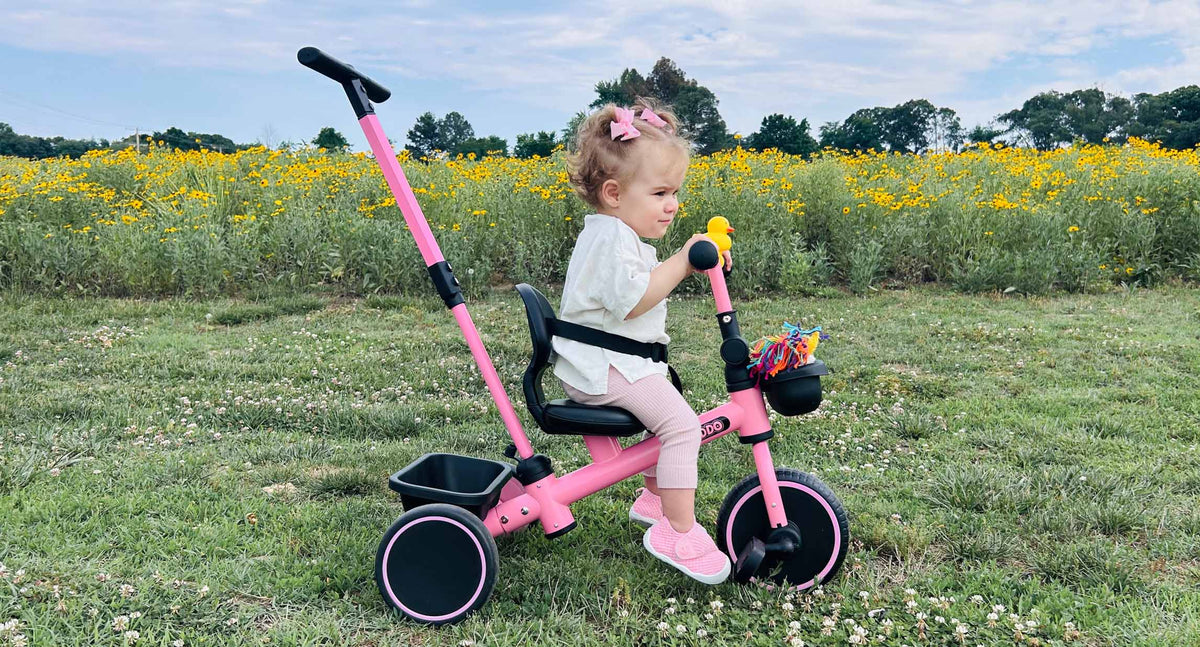
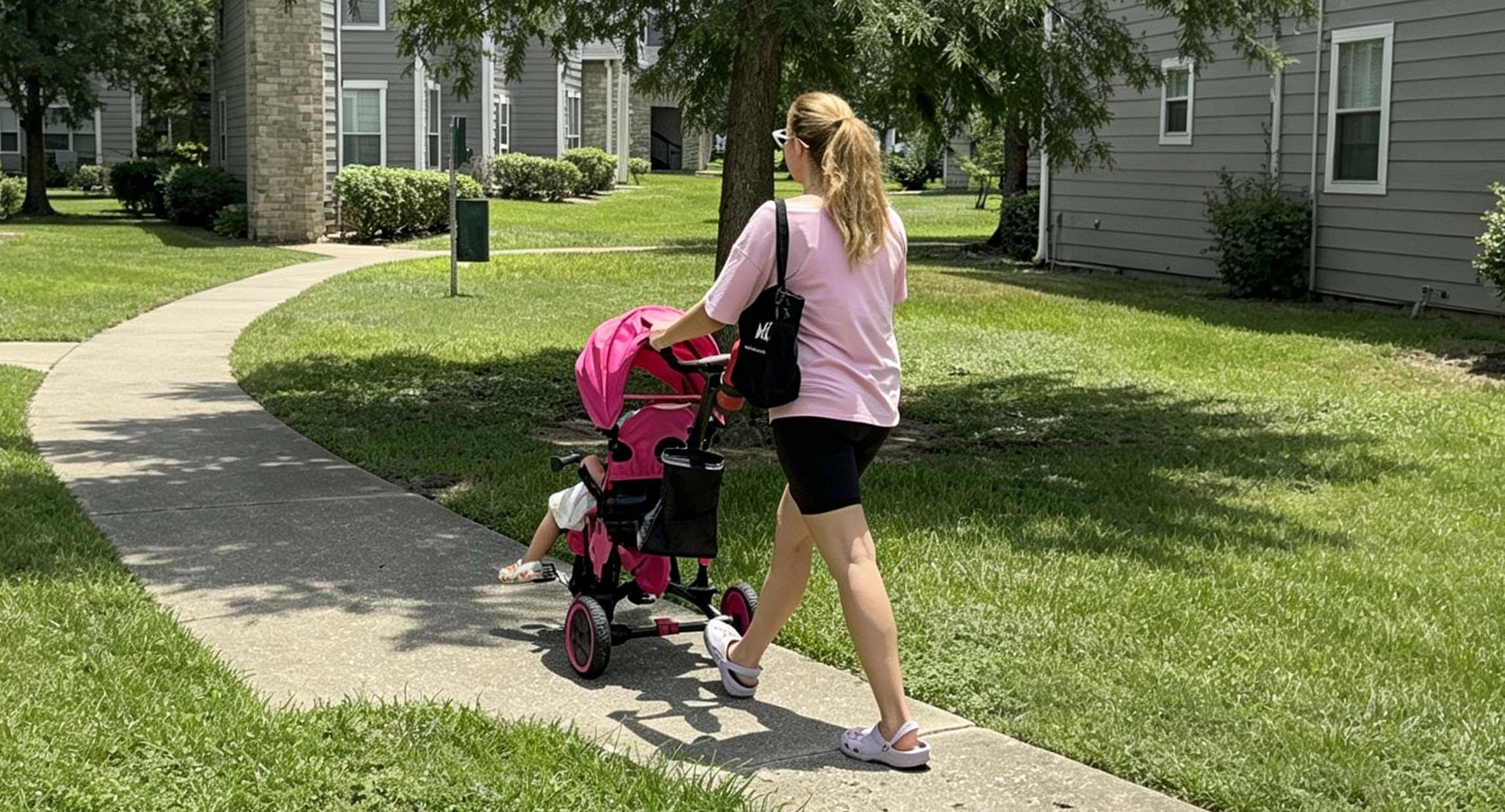
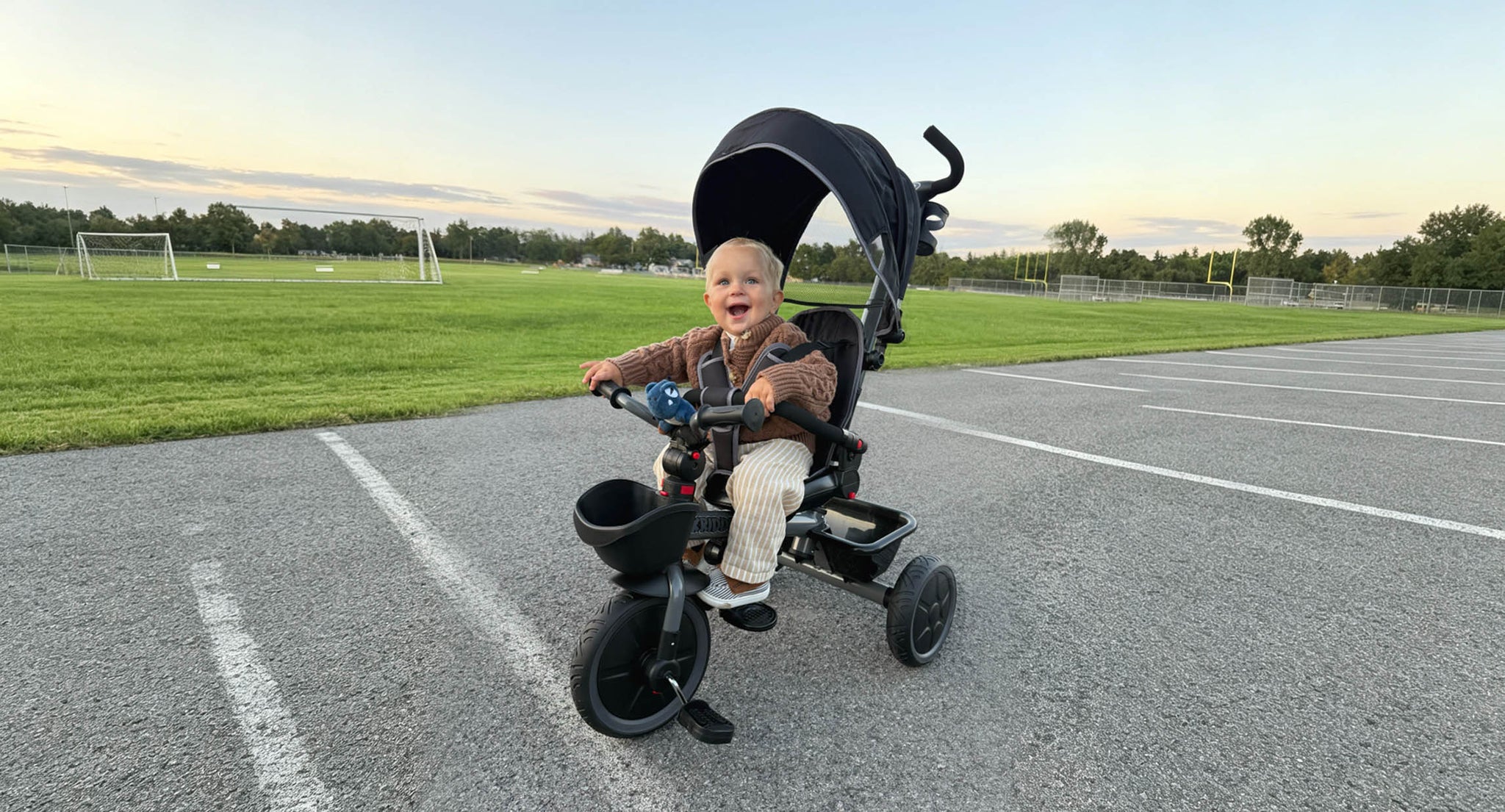
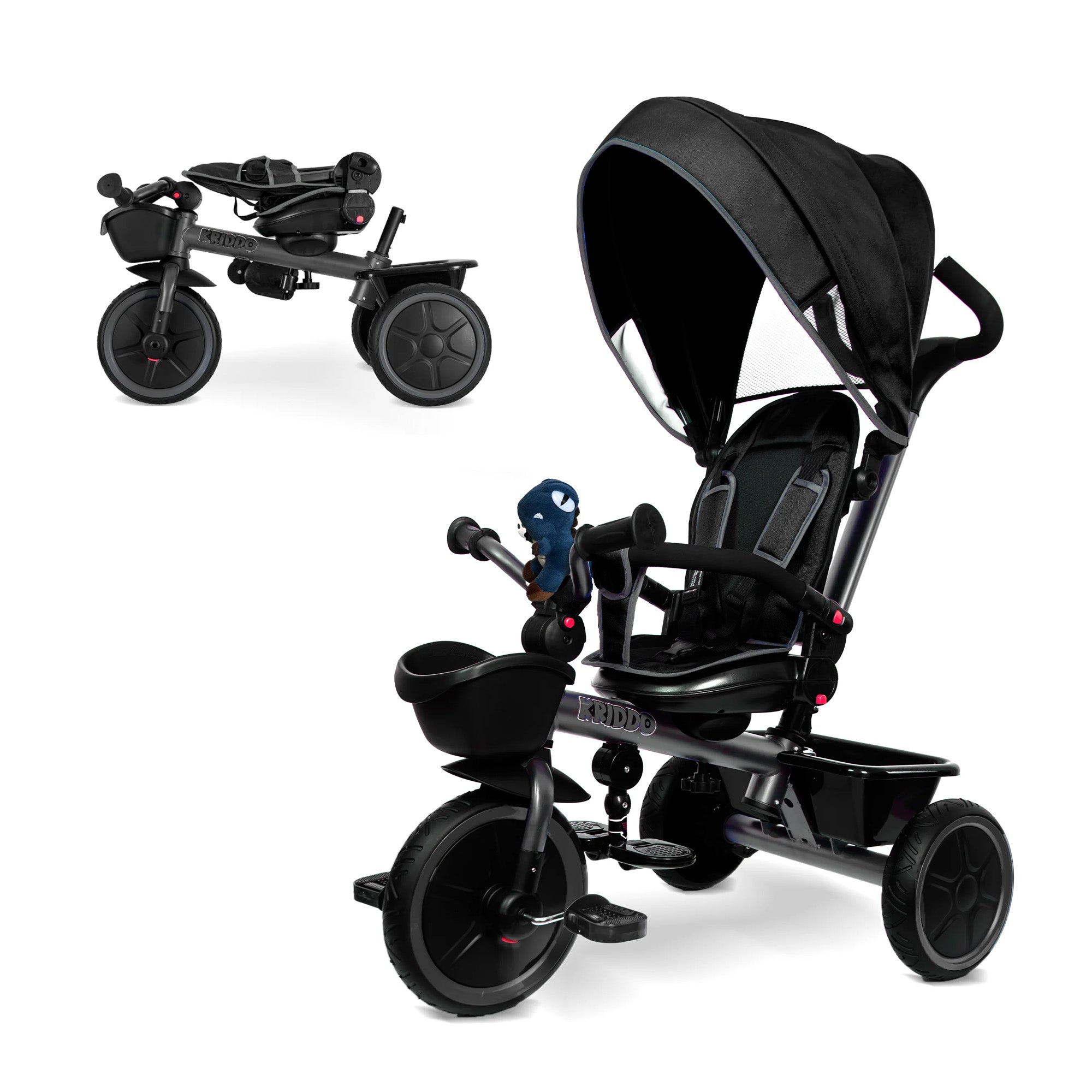
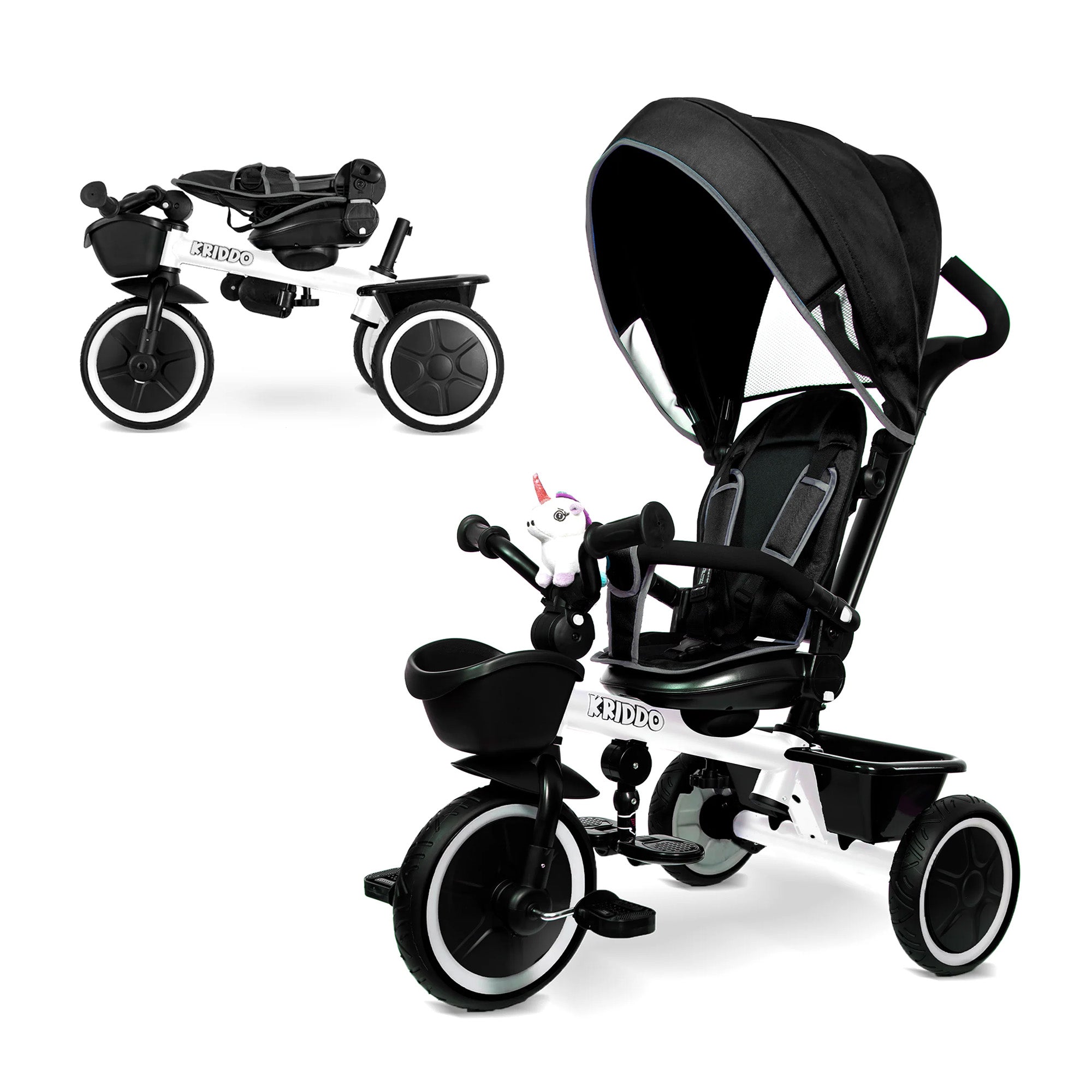
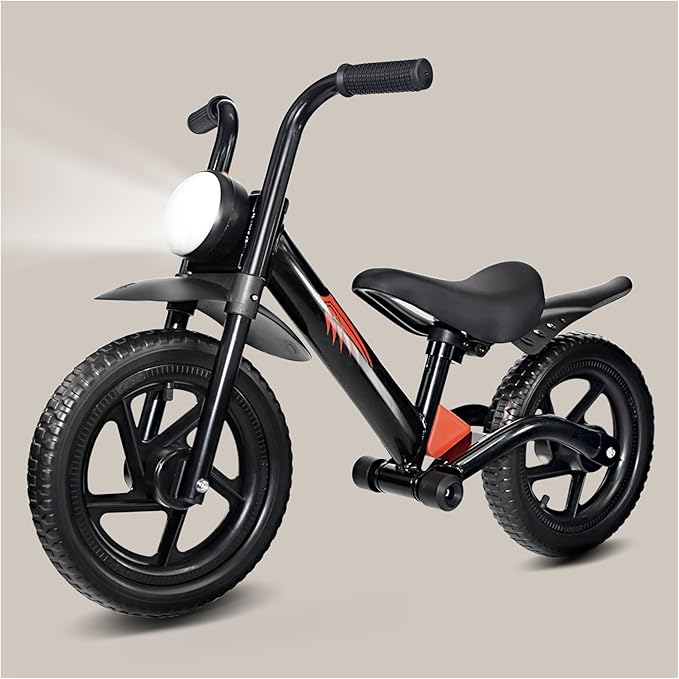
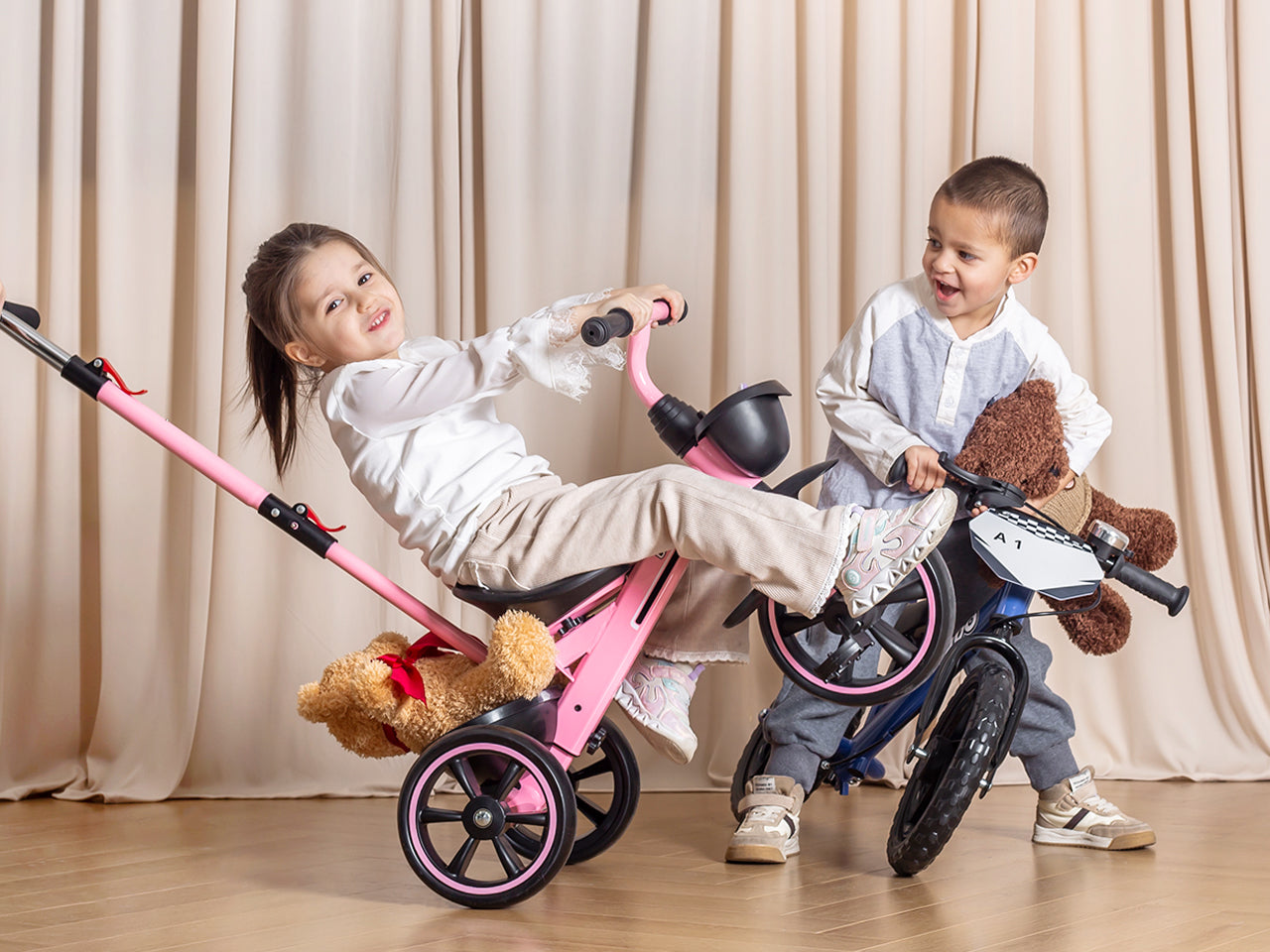
Physical activities are especially helpful because they allow children to use their natural energy in a positive way. Activities like riding a balance bike or tricycle can encourage movement while helping children practice coordination and independence. For families looking for simple ways to help toddlers stay active, physical activities that burn toddler energy can be a useful part of the daily routine.
Riding toys for children ages 2–5 can be an enjoyable way to get outside and move. Options like KRIDDO bikes give children space to explore while building confidence through movement.
Sometimes the easiest way to create a calm child is to first give them a healthy way to be active.
2. Teach Children When Different Voices Are Appropriate
Teaching children manners doesn’t mean taking away their personality. It means helping them understand that different situations require different choices.
Young children often don’t realize how loud they are. They are not trying to interrupt or bother others. They are simply excited and expressing themselves.
Instead of saying, “Stop being so loud,” try having a conversation about why quiet moments matter.
You can ask questions like:
“Do you think a loud voice might hurt someone’s ears?”
“What happens if someone is trying to listen and we keep shouting?”
“When do we use our big voices?”
Even toddlers can begin to understand these ideas through simple conversations.
You’re not teaching children that excitement is wrong. You’re helping them learn that emotions can be expressed in different ways.
A child who understands when to whisper, when to speak normally, and when they can be loud is developing an important social skill.
3. Set Clear Expectations Before Quiet Situations
Many difficult moments happen because children don’t know what adults expect from them.
Before entering a quiet place, explain the plan ahead of time. This could be before visiting a library, attending an event, going to someone’s home, or sitting through a family activity.
Tell your child:
“Where are we going?”
“What kind of voice do we use there?”
“What happens if we forget?”
Clear expectations help children feel prepared instead of feeling like they are suddenly being corrected.
Setting boundaries is also an important part of helping toddlers understand behavior expectations. Gentle approaches to teaching limits can help parents create consistency through positive ways to set toddler boundaries.
When you arrive at a quiet location, you can create a specific area where children know they can stay. Some parents use a small blanket, a corner of a room, or a familiar spot on the floor.
Children often respond well to physical boundaries because they make expectations easier to understand.
Instead of constantly saying, “Don’t run there,” the child learns, “This is our space right now.”
4. Create Regular Quiet Time at Home

Quiet time doesn’t have to happen only when adults need children to stop making noise. It can become a normal part of the day.
A regular quiet period gives children a chance to practice independence and learn how to relax.
This doesn’t always mean taking a nap. Some children outgrow naps but still benefit from a calm break.
During quiet time, children might:
- Look through books
- Play with simple toys
- Draw or color
- Complete a quiet activity independently
A predictable daily rhythm can make these moments easier because children know what to expect. Creating a routine with a toddler schedule that brings more calm to busy days can help children transition between active and quiet parts of the day.
Independent play is another helpful skill during quiet time. Toys and activities that encourage children to play on their own can support confidence and creativity, especially when they have opportunities to explore independent play ideas for toddlers.
Quiet time isn’t a punishment. It teaches children that rest and personal space are important for everyone.
5. Use a Special Sound or Signal for Quiet Moments
Sometimes words are not the most effective way to get children’s attention.
A special sound signal can become a simple reminder that it’s time to lower voices. This could be a small bell, a clap pattern, a hand gesture, or another sound that your child recognizes.
The important thing is consistency.
Introduce the signal when everyone is calm. Explain that this sound means, “Let’s listen” or “It’s time for quieter voices.”
Children often enjoy these signals because they feel different from being repeatedly told what not to do.
The signal should not feel like a punishment. It should become a shared routine that helps everyone know what comes next.
6. Encourage Positive Behavior Changes
Children respond better when they know what they should do instead of only hearing what they should stop doing.
If your child lowers their voice, waits for their turn, or stays calm during a challenging moment, notice it.
You might say:
“I noticed you used a quiet voice while I was talking. Thank you.”
Positive feedback helps children understand which behaviors are helpful.
It’s also worth looking at the environment around them. Constant background noise from televisions, tablets, or other devices can make it harder for children to recognize calm moments.
Try turning off screens when no one is actively watching. Keeping meals, conversations, and homework time free from unnecessary background noise can help the whole family become more comfortable with quiet.
The goal isn’t a perfectly silent home. Homes with children will always have noise, laughter, and movement. That’s part of family life.
The goal is helping children understand that there is a time for excitement and a time for calm.
Final Thoughts

Helping kids become quieter isn’t about creating a perfectly silent home. Children are naturally energetic, curious, and expressive, and those qualities are an important part of growing up.
The goal is to help children understand that different situations call for different behaviors. With consistent routines, opportunities to release energy, and gentle guidance, kids can gradually learn how to manage their voices and emotions.
Every child develops self-control at their own pace. By respecting their needs while teaching healthy boundaries, parents can create calmer moments without taking away the joy and personality that make childhood special.