







Toddler Schedule:
A Realistic Daily Routine That Brings Calm to Busy Days
Jeremy | 16th, July
Parenting a toddler can sometimes feel like living with a tiny, adorable tornado.
One minute, you’re watching your child proudly say a new word for the first time, and your heart is melting. (“Did you hear that? They actually said ‘strawberry’!”) The next minute, they are lying on the floor crying because the banana was cut the “wrong way.”
That emotional roller coaster is part of toddlerhood.
Toddlers are learning independence, testing boundaries, and trying to understand a world that is still very new to them. Some days feel magical. Some days feel like everyone is just trying to make it to bedtime.
This is where a toddler schedule can help.
A routine does not remove all the chaos — because, honestly, toddlers will always find creative ways to surprise us. But a predictable daily rhythm can make life feel calmer. It helps children know what comes next, gives parents a little more confidence, and creates a sense of security.
A good toddler schedule is not about controlling every minute.
It is about creating a gentle structure that helps your child feel safe while still leaving room for play, exploration, and those unexpected toddler moments.
Why Toddlers Benefit From a Daily Schedule
Young children thrive on predictability.
They may not understand clock time yet, but they understand patterns.
Breakfast comes after waking up. Shoes go on before leaving the house. Books happen before bedtime.
These small routines help toddlers feel prepared.
A consistent schedule can support:
- Better transitions between activities
- More independence
- Fewer surprises throughout the day
- Healthier sleep habits
- More opportunities for learning through play
Think about it from your child’s perspective. The world is huge and confusing. Knowing what happens next gives them a little sense of control.
Of course, no toddler schedule will go perfectly every day.
Someone will refuse pants. Someone will spill something. Someone will suddenly need a snack five minutes after lunch.
That is normal.
The goal is not perfection. The goal is having a helpful rhythm to return to.
A Realistic Toddler Schedule Example

Every family’s day looks different, but here is an example of a flexible routine:
7:00 AM — Wake Up and Morning Routine
Start the day with the basics:
- Getting dressed
- Brushing hair
- Washing hands and face
- A little morning connection time
Toddlers often love having small responsibilities. Let them choose between two shirts, carry their pajamas to the laundry basket, or help put away simple items.
These tiny tasks build independence.
8:00 AM — Breakfast Together
The goal is breakfast together.
And yes, coffee for parents is part of this routine too.
Some mornings go smoothly. Other mornings, breakfast takes much longer than expected. Maybe someone refuses the food they requested five minutes earlier.
That’s toddler life.
The important thing is creating a predictable start to the day.
9:00 AM — Clean Up and Prepare for Activity Time
After breakfast, transition into the next part of the day.
This could mean:
- Getting ready to go outside
- Packing a bag for an outing
- Setting up a play activity
- Preparing materials for a simple project
A transition routine helps toddlers understand that one part of the day is ending and another is beginning.
9:00 AM–12:00 PM — Activity Time
This is usually when toddlers have the most energy.
An “activity” does not have to mean an expensive class or complicated plan.
It can be:
- Going to the library
- Visiting a playground
- Running errands together
- Playing in the backyard
- Going for a walk
- Grocery shopping
- Doing simple crafts at home
Sometimes the activity is simply explaining what you are doing.
“Today we are going to the store to buy apples.”
“Now we are washing the car.”
“Let’s find three green things outside.”
Toddlers love being included in the world around them.
One of the best tricks is to make ordinary things feel exciting.
For example, washing toys outside can become a major event. Give your child a bucket, sponge, and some toy animals or vehicles. Suddenly, cleaning becomes a game.
You don’t always need a big plan.
Sometimes enthusiasm is the activity.
12:00 PM–1:00 PM — Lunch
Lunch can be simple.
Make something at home, pick something up, or use leftovers. The goal is just making sure everyone eats.
Toddlers are not food critics — although they sometimes act like professional restaurant reviewers.
A simple lunch routine also helps children recognize the rhythm of the day.
1:00 PM–3:00 PM — Quiet Time or Afternoon Activity
Depending on your child’s age, this may include:
- Nap time
- Quiet reading
- Independent play
- Sensory activities
- A calm outing
Sleep is a major part of toddler development. Most toddlers need around 11–14 hours of sleep per day, including naps. If naps are difficult, these gentle ways to help babies nap in their crib may provide helpful ideas for building better sleep habits.
Even children who no longer nap benefit from quiet time.
Everyone needs a reset.
3:00 PM–5:00 PM — Family Tasks and Play
This part of the day is perfect for including toddlers in everyday life.
Children love feeling helpful.
They can:
- Pull weeds in the garden
- Wipe surfaces
- Help prepare dinner
- Sort laundry
- Feed pets
- Organize toys
Will it take longer?
Probably.
Will it be perfectly done?
Probably not.
But they are learning.
A toddler who “helps” clean the floor is not just cleaning. They are learning responsibility and becoming part of the family team.
5:00 PM–6:30 PM — Dinner and Family Time
This is often the busiest part of the day.
Parents are tired. Toddlers are tired. Everyone is waiting for bedtime.
Keep expectations realistic.
Dinner does not need to be fancy. The goal is connection.
Talk about the day. Ask simple questions. Let your child share their thoughts.
6:30 PM–7:00 PM — Cleanup Routine
Cleanup does not have to mean making everything perfect.
The goal is creating the habit.
Everyone helps:
- Put toys away
- Wipe the table
- Return books to their place
Toddlers love routines because they know what comes next.
7:00 PM — Bath and Bedtime Routine
Bath time is often a favorite transition point.
It signals that the busy part of the day is ending.
After the bath:
- Brush teeth
- Put on pajamas
- Read stories
- Cuddle
- Prepare for sleep
The goal may be lights out around 8:00 PM.
Sometimes it happens.
Sometimes it absolutely does not.
That is okay.
How to Create a Toddler Schedule That Actually Works

There is no single perfect routine for every family.
The best toddler schedule is the one that fits your child and your real life.
Here are a few things to consider.
1. Keep Wake-Up and Bedtime Consistent
Sleep affects everything.
A tired toddler is often more emotional, less flexible, and more easily frustrated.
Keeping regular sleep times can help children feel more balanced.
2. Build Simple Transition Routines
Transitions are often the hardest moments for toddlers.
Leaving the playground.
Stopping a favorite activity.
Getting ready for bed.
Create predictable steps:
“First we put toys away, then we wash hands, then we eat.”
Children handle changes better when they know what is coming.
3. Balance Movement and Quiet Time
Toddlers need both.
Active play helps children develop physical skills. Quiet moments help them slow down and process experiences.
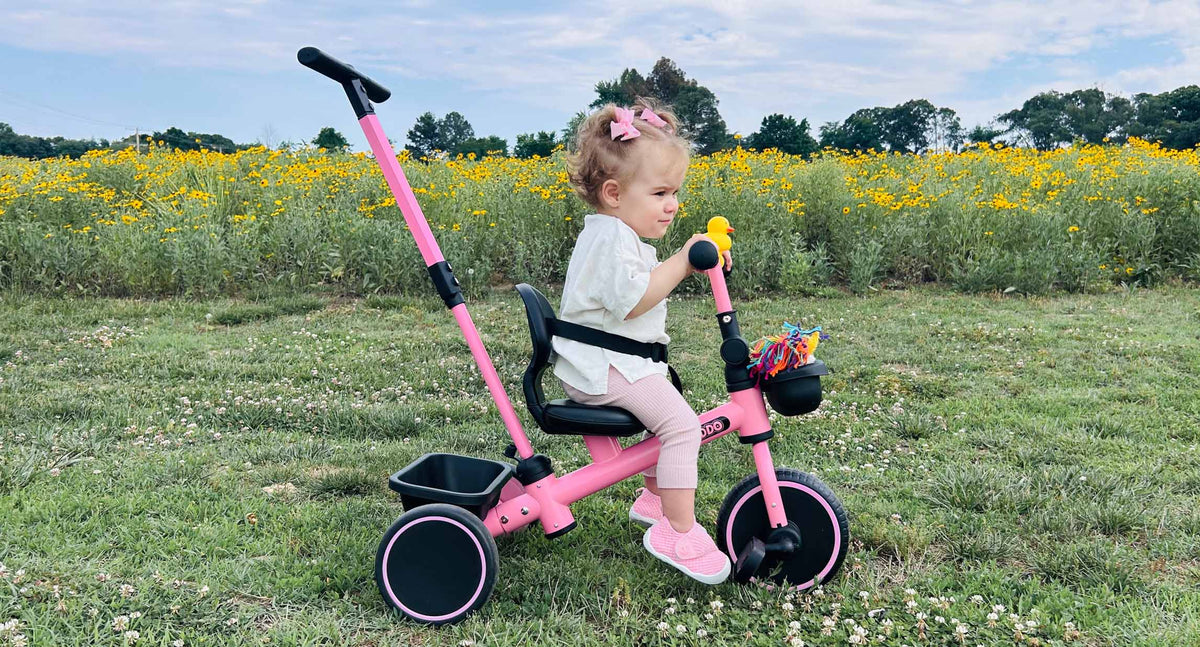
Physical activities can include outdoor play, riding toys, playground time, and movement games. When choosing activities, focus on what matches your child’s interests and development. Exploring different options can help you understand what sports and activities are best for kids.
4. Stay Flexible
A schedule should support your family, not create more stress.
Appointments happen.
Weather changes.
Toddlers get sick.
Plans fall apart.
That is life.
Have a backup plan and remember that your child learns from watching how you handle unexpected moments.
5. Use Visual Schedules
Young children often respond well to pictures.
A visual toddler schedule might include:
- Wake up
- Eat breakfast
- Play
- Lunch
- Rest
- Dinner
- Bath
- Bedtime
Even before children can read, pictures help them understand what comes next.
It can make transitions smoother and help toddlers feel more involved in their own routine.
The Goal Is Connection, Not Perfection

A toddler schedule is not meant to create a perfectly organized household.
Honestly, that probably does not exist.
The real purpose of a routine is to create little moments of stability during a season of life that can feel unpredictable.
Your child does not need every minute planned.
They need consistency, attention, opportunities to explore, and a parent who is willing to join them in the messy moments.
Some days your schedule will work beautifully.
Some days breakfast will happen at noon and everyone will wear pajamas longer than planned.
That is okay.
The best routines are not the ones that look perfect on paper.
They are the ones that make family life feel a little easier.