




Electric Balance Bike or Traditional Balance Bike:
Which One Is Right?
Mandy | 15th, June
A few weeks ago, I watched a dad at the park trying to keep up with his son on an electric balance bike. The little rider was grinning from ear to ear, zipping across the pavement like he owned the place. Meanwhile, another child nearby was pushing along on a traditional balance bike, slowly building confidence with every stride.
It got me thinking: when it comes to choosing between an electric balance bike or traditional balance bike, which option actually makes more sense for young children?
The truth is that both have advantages. The right choice depends on your child's age, riding experience, confidence level, and, honestly, your comfort as a parent.
Let's take a closer look at the pros and cons of each.
Electric Balance Bike: Exciting, Fast, and Packed with Fun
For many kids, the biggest appeal of an electric balance bike is obvious—it feels exciting.
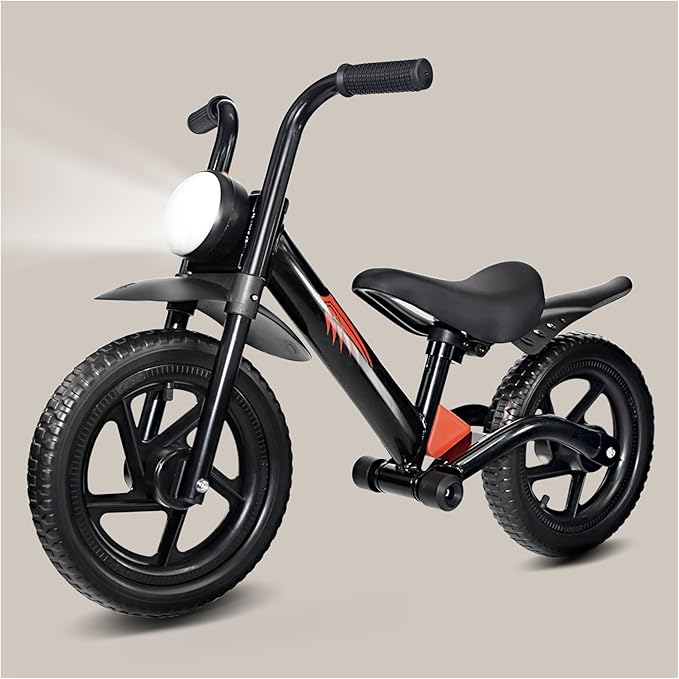
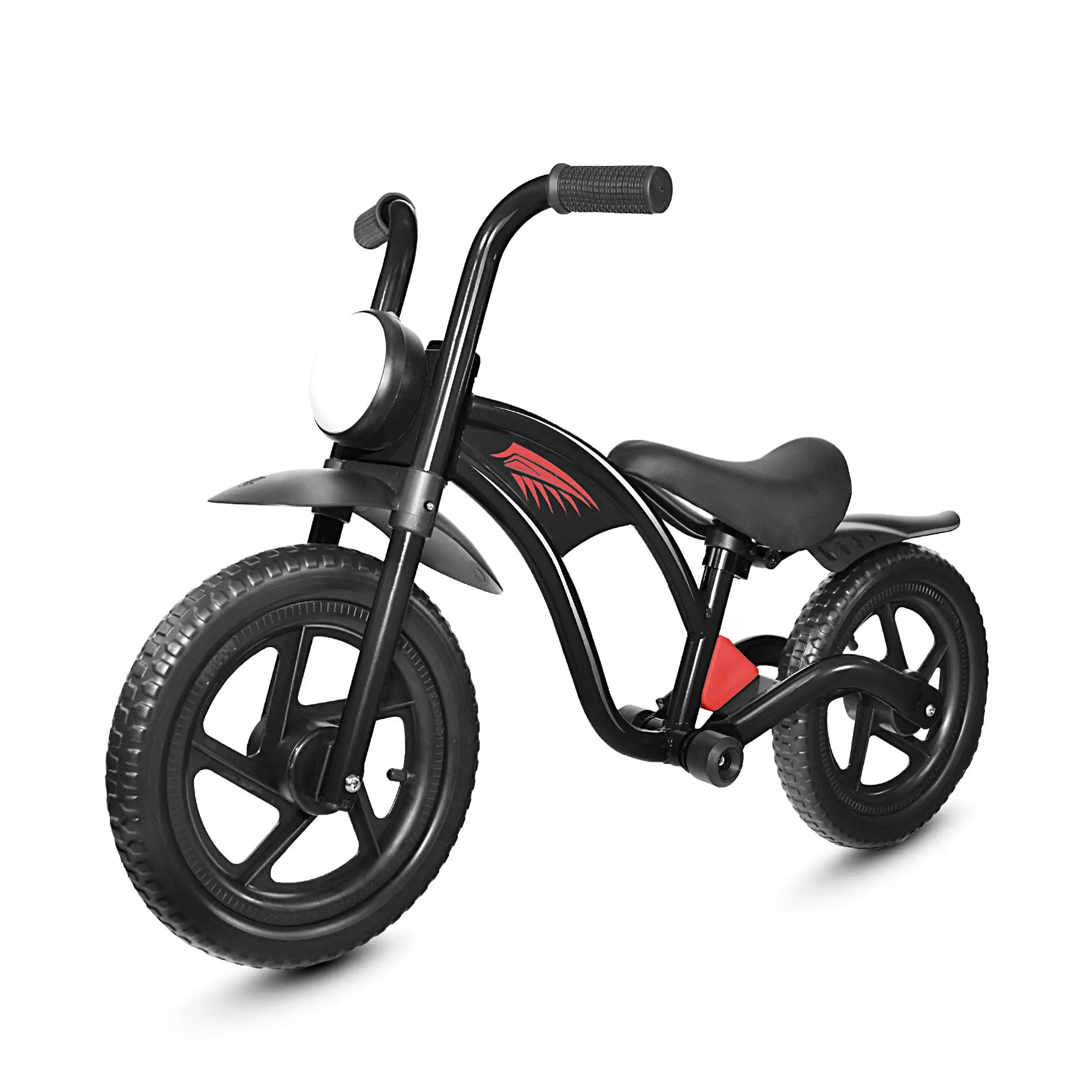
Unlike a traditional balance bike that relies entirely on leg power, an electric balance bike includes a motor that provides assistance. With a simple throttle, children can experience powered riding while still practicing balance.
What Parents Like About Electric Balance Bikes
Longer Riding Sessions
One of the biggest benefits is reduced physical fatigue. Children can ride farther without getting tired as quickly.
On warm afternoons, that can mean less sweating, fewer complaints, and more time outdoors enjoying the ride.
Extra Motivation to Ride
Let's be honest. Many kids love anything with lights, buttons, motors, or technology.
The powered assistance makes riding feel more like an adventure. For children who already understand balance, the motor can encourage them to spend more time practicing their riding skills.
Modern Design and Cool Factor
There's no denying that electric balance bikes look impressive. They often feel like miniature motorcycles, which can be incredibly appealing to young riders.
For some children, that's enough to turn a casual interest into a genuine hobby.
The Downsides of Electric Balance Bikes
They're Much Heavier
This is usually the first thing parents notice.
Compared with a standard balance bike, an electric balance bike can weigh significantly more because of the battery and motor components.
That extra weight affects everything:
- Carrying the bike up stairs
- Loading it into the car
- Maneuvering it around the house
- Helping a child regain control when they wobble
For younger riders, a heavier bike can sometimes feel intimidating.
Higher Speeds Mean Greater Risks
While electric balance bikes can be fun, speed introduces another layer of responsibility.
A child traveling faster has less reaction time and may experience more serious falls if they lose control. Even when safety gear is worn properly, parents need to consider whether their child is ready to handle the added speed.
More Maintenance
Traditional balance bikes are wonderfully simple.
Electric models, on the other hand, require:
- Battery charging
- Loading it into the car
- Maneuvering it around the house
- Helping a child regain control when they wobble
It's not necessarily difficult, but it's one more thing for busy parents to manage.
Why Traditional Balance Bikes Are Still the Favorite for Beginners

When people ask me whether they should choose an electric balance bike or traditional balance bike, I usually start with one question:
"Has your child learned balance yet?"
If the answer is no, a traditional balance bike is almost always the better starting point.
Lightweight and Easy to Control
One reason balance bikes have become so popular is their simplicity.
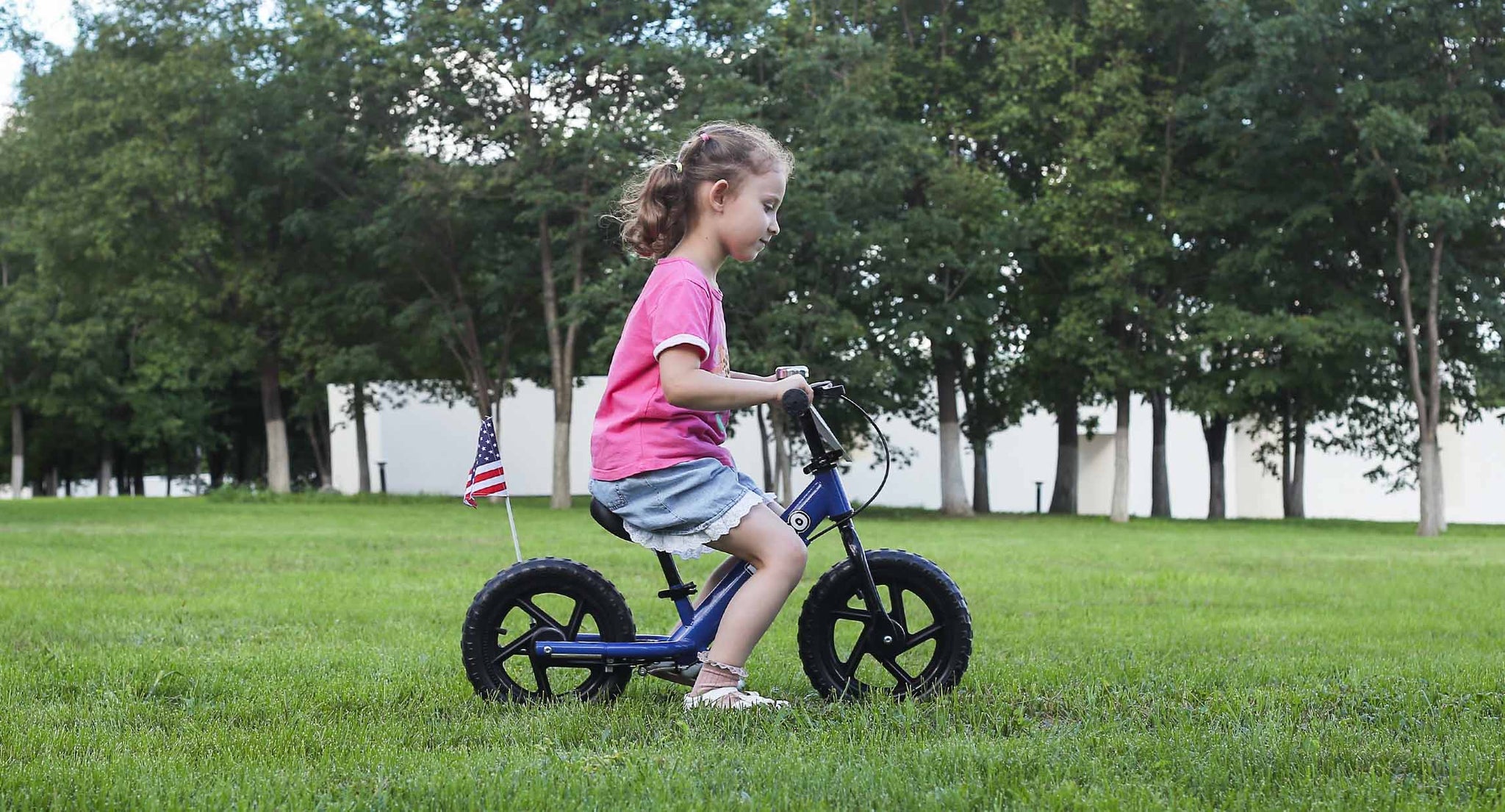
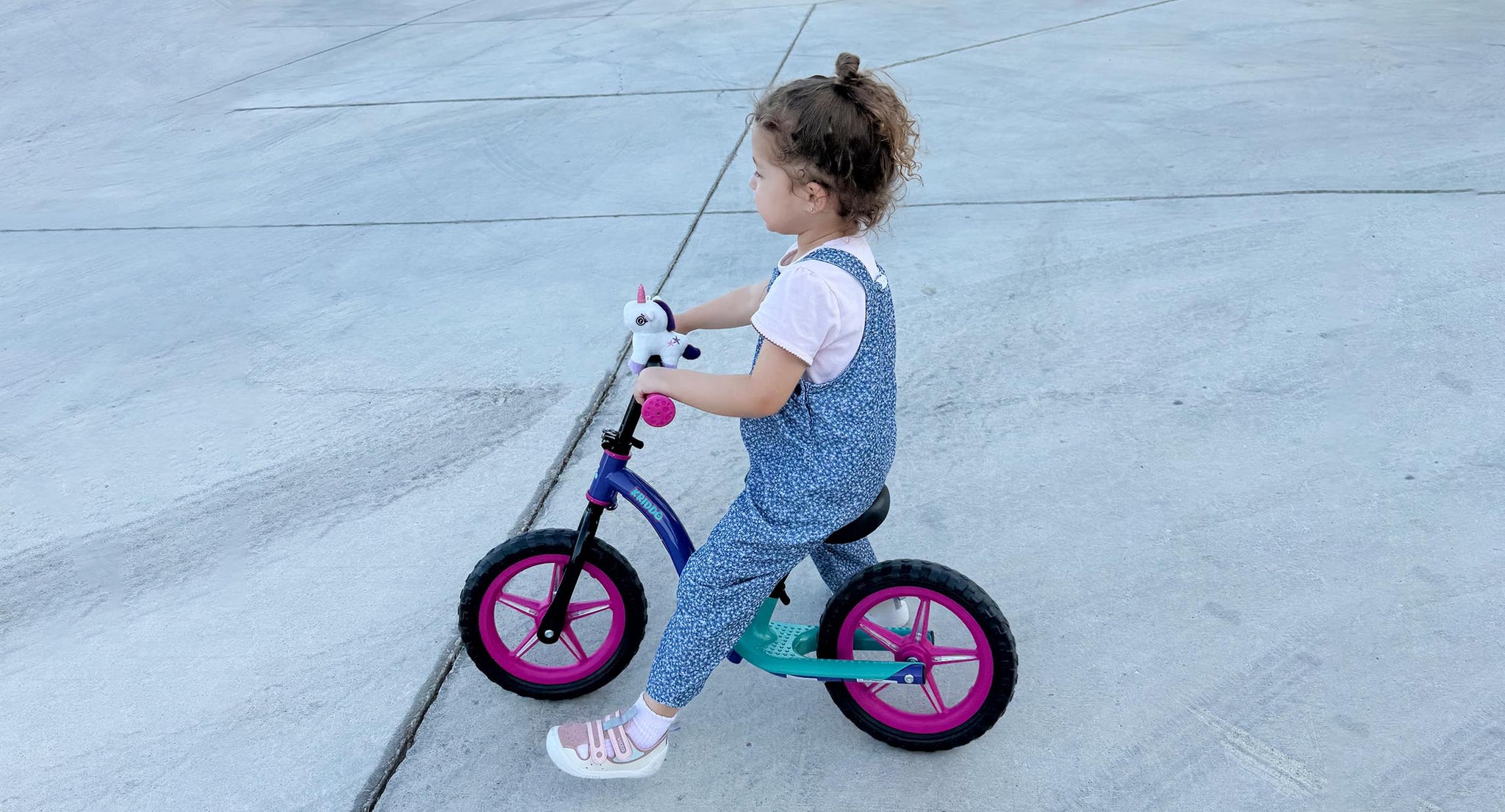
Children propel themselves using their feet while naturally learning how to balance. Because the bike is lightweight, they can easily stop themselves whenever they feel uncertain.
That feeling of control matters a lot.
Most toddlers quickly realize that if they wobble, they can simply put their feet down. That small detail helps build confidence remarkably fast.
If you're currently looking for a beginner-friendly option, many parents start with a lightweight toddler balance bike because it's easier for young riders to handle independently.
Learning Happens Naturally
Honestly, one of the most surprising things about balance bikes is how quickly many children adapt.
The first day often looks awkward.
The second day looks slightly better.
A week later, they're gliding across the driveway like they've been doing it forever.
Balance becomes second nature because children learn through experience rather than complicated instruction.
Simple Assembly and Ownership
Parents appreciate practical advantages too.
Traditional balance bikes generally:
- Require minimal assembly
- Have fewer parts to break
- Need very little maintenance
- Don't require charging
Sometimes simple really is better.
More Affordable
Budget plays a role for many families.
A reliable electric balance bike often costs well over $100, while many quality traditional balance bikes are available at a much lower starting price.
For parents unsure whether their child will fully embrace riding, the lower investment can feel more comfortable.
The Drawbacks of Traditional Balance Bikes
Of course, traditional balance bikes aren't perfect.
They Require Physical Effort
Because there is no motor assistance, children must rely entirely on their own energy.
Long rides can become tiring, especially for younger riders.
Less Speed, Less Thrill
Some children simply enjoy speed.
Once they master balancing, a traditional balance bike may eventually feel less exciting than an electric option.
That's especially true for older preschoolers who crave new challenges.
Limited Range
Without motor assistance, kids usually won't travel as far before becoming tired.
For short neighborhood rides, that's rarely a problem. For longer adventures, it may become a consideration.
A Fun Alternative: Light-Up Balance Bikes
Sometimes parents find themselves stuck in the middle.
They like the excitement of an electric balance bike but aren't comfortable with the added speed, weight, or cost.
That's where light-up bikes can be a surprisingly good compromise.
KRIDDO glowing bikes function exactly like traditional balance bikes, but the glowing frames and illuminated wheels create a similar sense of excitement and technology.
And honestly? Kids love them.
The colorful lighting adds visual fun without adding motors or increasing risk. Bright colors can also influence children's mood and engagement, which is one reason many parents are drawn to colorful riding toys.
So, Should You Choose an Electric Balance Bike or Traditional Balance Bike?

When comparing an electric balance bike or traditional balance bike, the most important factor is your child's current skill level.
If your child has never ridden a two-wheeled bike before, start with a traditional balance bike. It teaches the most important cycling skill of all: balance.
Once balance becomes natural, everything else becomes easier.
If your child already glides confidently, understands steering, and demonstrates good control, an electric balance bike may provide an exciting next step.
And if you're looking for something that feels exciting without the extra speed, a light-up balance bike can offer a happy middle ground.
No matter which route you choose, the goal remains the same: helping your child build confidence, independence, and a lifelong love of riding.