









Parent's Expert Guide:
Choose the 2026 Best Tricycles for Toddlers
Coco | 20th,June
Choosing the right toddler tricycle can feel like navigating a maze, but it doesn’t have to be a daunting task. Whether you're celebrating your child's milestone birthday or looking to get them moving outside, the right tricycle can make all the difference. According to the American Academy of Pediatrics, three is the ideal age for introducing your toddler to cycling, and a tricycle designed for toddlers is a fantastic way to help them develop balance, coordination, and motor skills.
But how do you choose the perfect tricycle for your toddler? You need to consider not just the price, but also the design, features, and comfort. In this guide, we'll break down the best tricycles for toddlers in 2026, categorized by age range and functionality, so you can make an informed decision.
Safety Comes First — Always

Before colors, style, or price, safety has to lead the conversation. And honestly, when you start comparing tricycles, you realize pretty quickly that not all of them are built the same.
Durable Materials Matter More Than Fancy Features
Kids are rough on ride-on toys. They crash into curbs, leave them outside, drag them across driveways… sometimes all in one afternoon.
That’s why frame quality matters.
Metal-frame tricycles tend to last longer and feel more stable during riding. But lightweight plastic models can also work well for younger toddlers, especially if your child is still learning coordination and can’t manage a heavier ride yet.
Some parents actually prefer lighter toddler tricycles because they’re easier for kids to control independently. A plastic tricycle balance lightweight construction with toddler-friendly design, which can make early riding less intimidating.
And honestly? Sometimes the “best tricycle” is simply the one your child feels comfortable getting back on after a wobble.
Don’t Ignore Safety Certifications
You know what surprised me when shopping? How many parents skip checking safety standards entirely.
Look for products tested under ASTM F963 and CPSIA standards in the U.S. Those certifications help confirm the tricycle meets important requirements for materials, construction, and child safety.
Brands like KRIDDO specifically mention compliance with ASTM F963 and CPSIA testing standards, which gives many parents additional peace of mind.
Eco-Friendly Options Are Becoming More Important
This wasn’t something I cared about much before becoming a parent, but it changes once kids start touching everything.
More companies now focus on environmentally responsible manufacturing and reducing exposure to harmful chemicals. Some brands even offset carbon emissions from production and logistics.
For example, KRIDDO has received ClimatePartner certification, which supports transparent climate action and annual carbon offset programs.
Does every family prioritize this? Maybe not. But for many parents, it’s becoming part of what defines the best tricycle purchase overall.
Different Types of Tricycles Fit Different Kids

One thing that confuses a lot of parents is that “tricycle” now covers a huge range of products.
Some are simple and classic. Others practically turn into strollers.
And honestly, choosing the right type matters more than choosing the most expensive one.
You can see several different kinds of kids’ tricycles, but these are the main categories most parents compare.
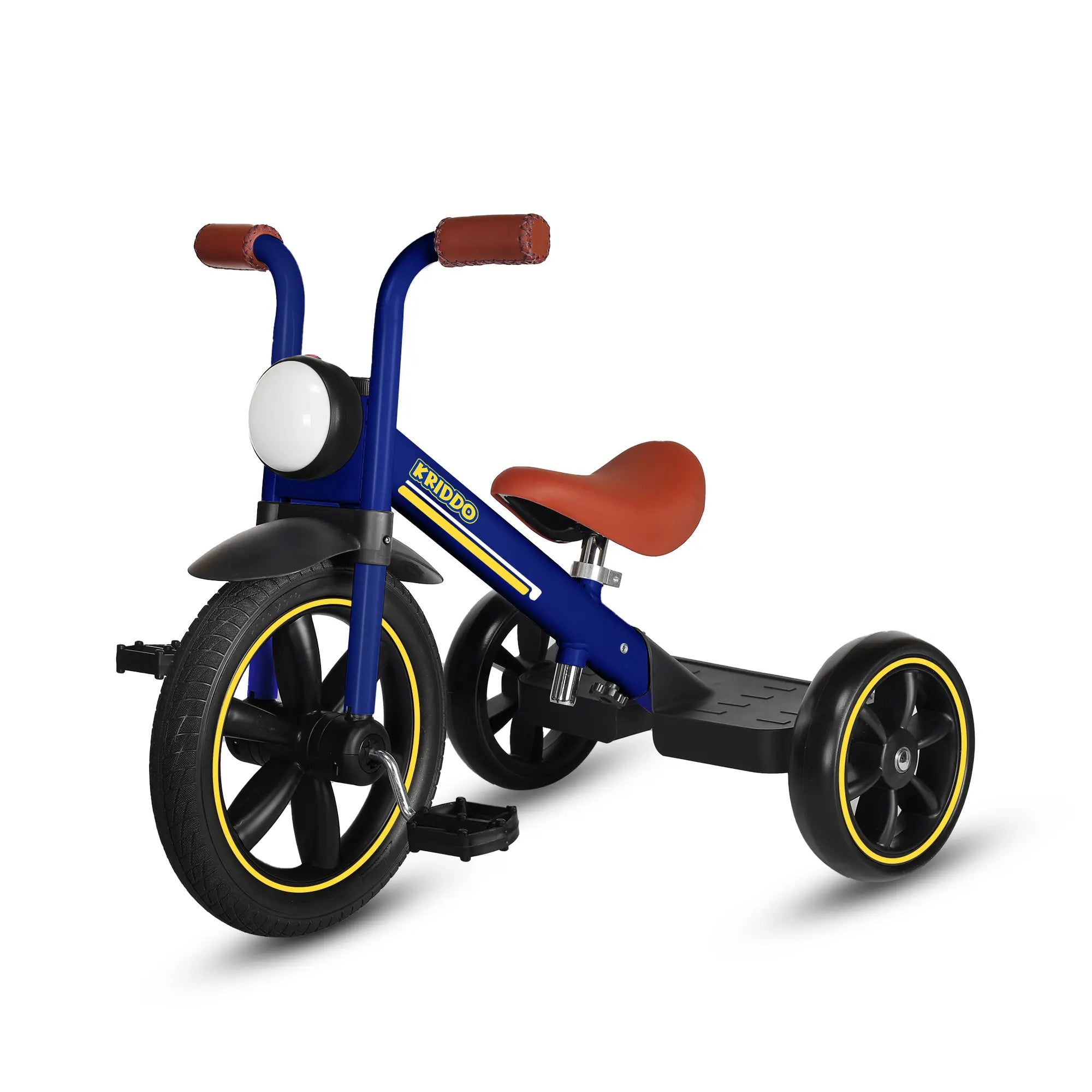
The Classic Tricycle Still Works Really Well
Sometimes simple really is enough.
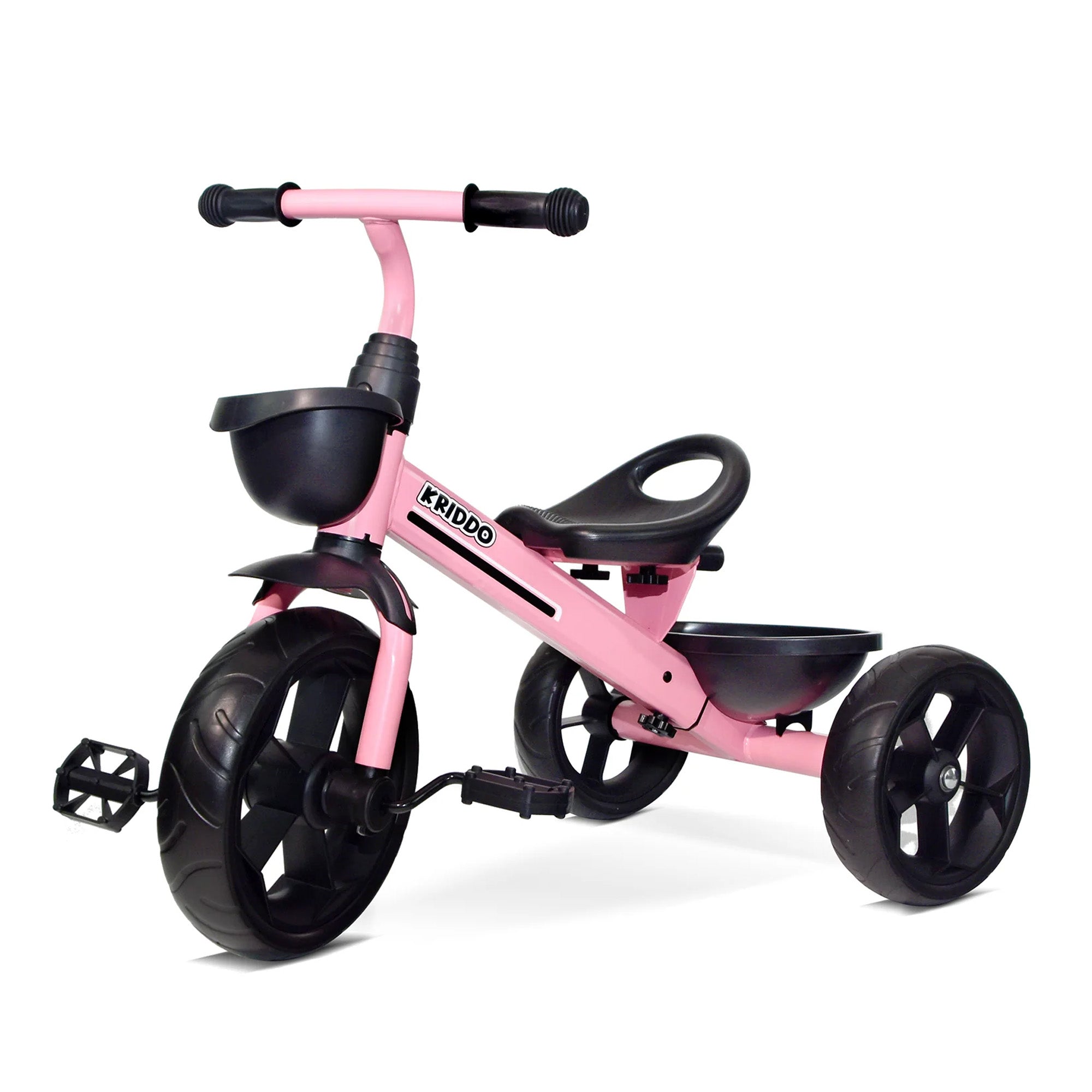
Classic tricycles usually include:
- Three wheels
- Basic pedals
- A sturdy frame
- Handlebars
- Sometimes a front basket
That’s it.
No complicated adjustments. No transformation system. No stroller mode.
And honestly? Many toddlers love that simplicity.
Classic models help children learn pedaling and steering without distractions. They’re often more affordable too, which matters if you’re trying not to overspend on gear your child may outgrow in a few years.
For many families, this is still the best tricycle style for everyday neighborhood rides.
Push Tricycles Help Younger Toddlers Join the Fun
This category has become incredibly popular lately.
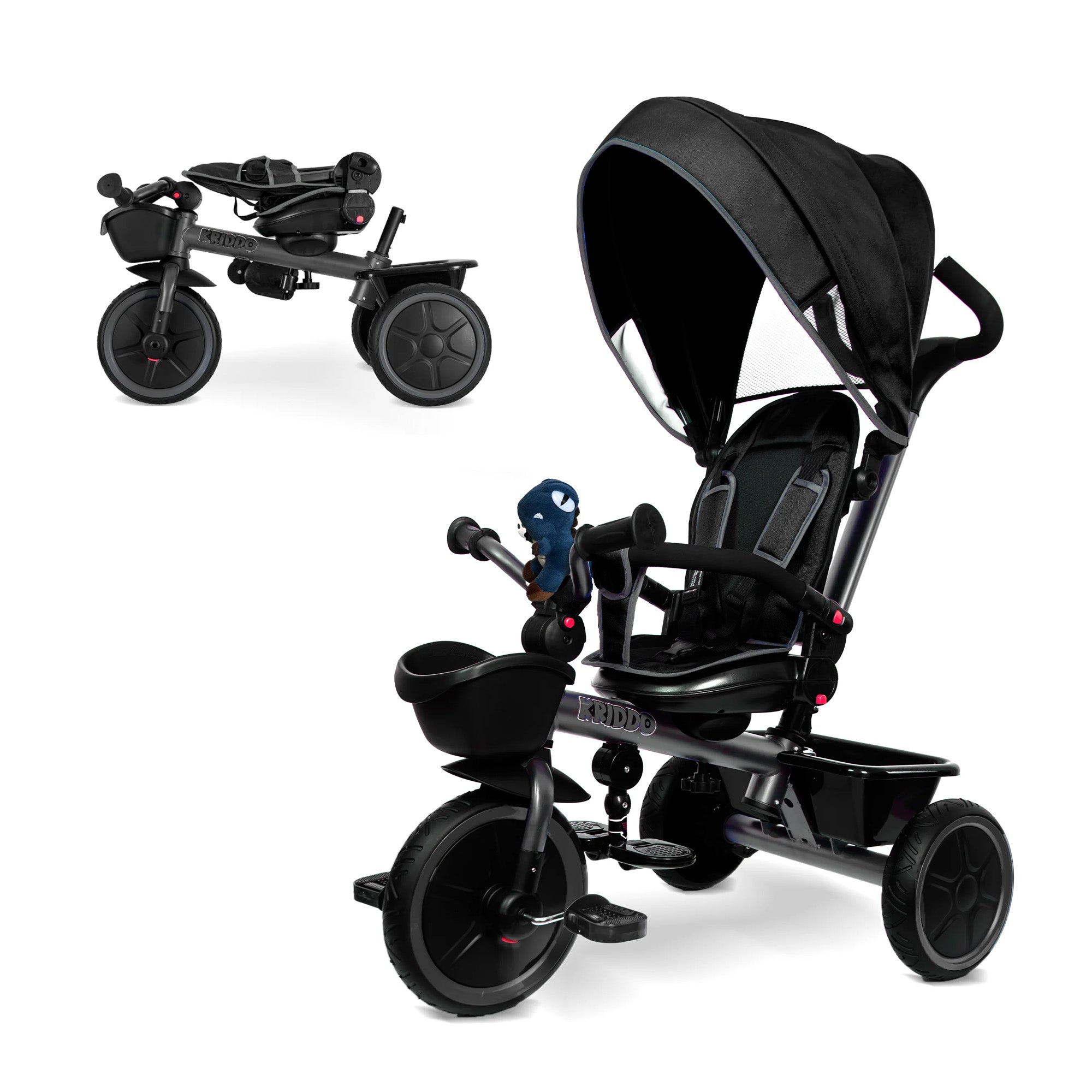
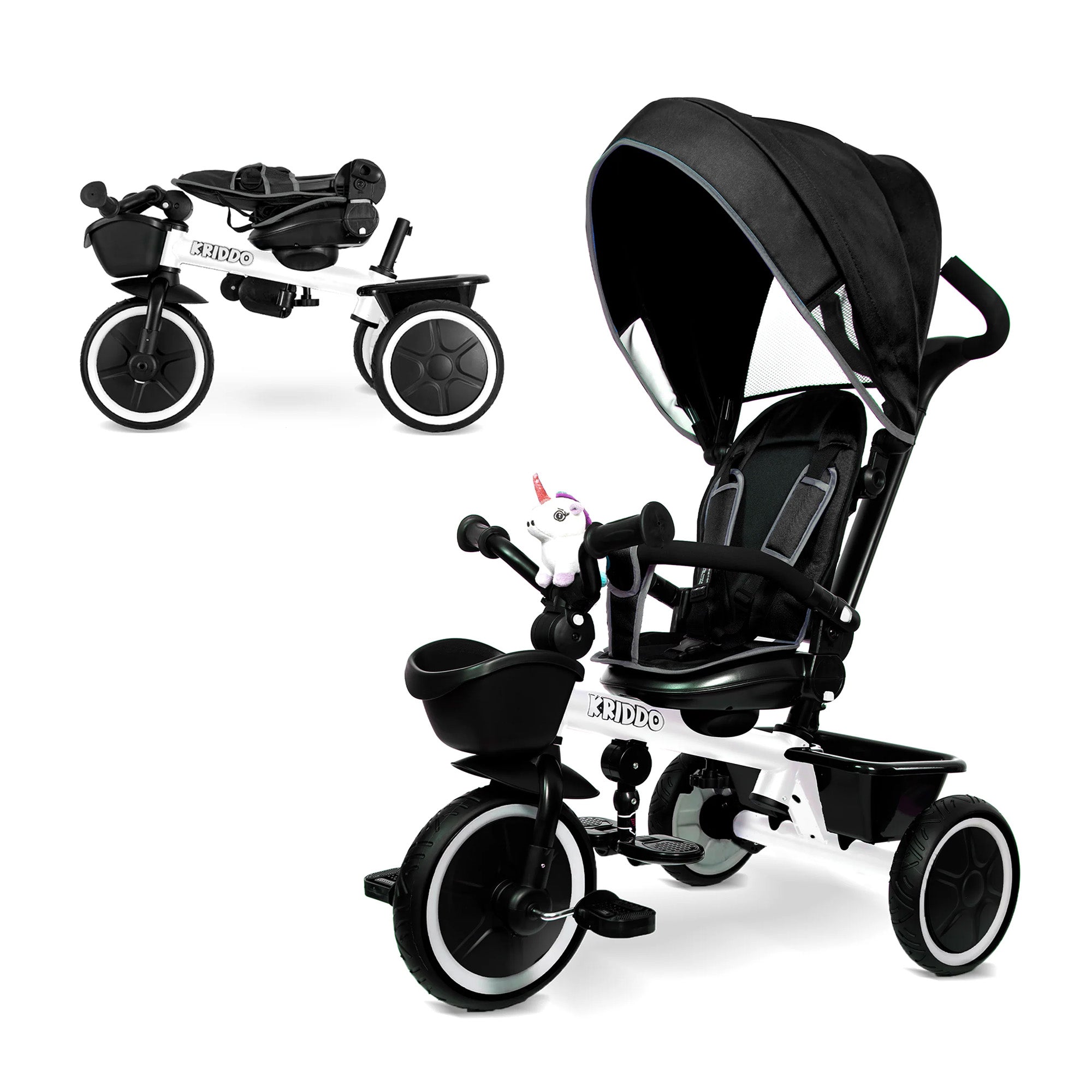
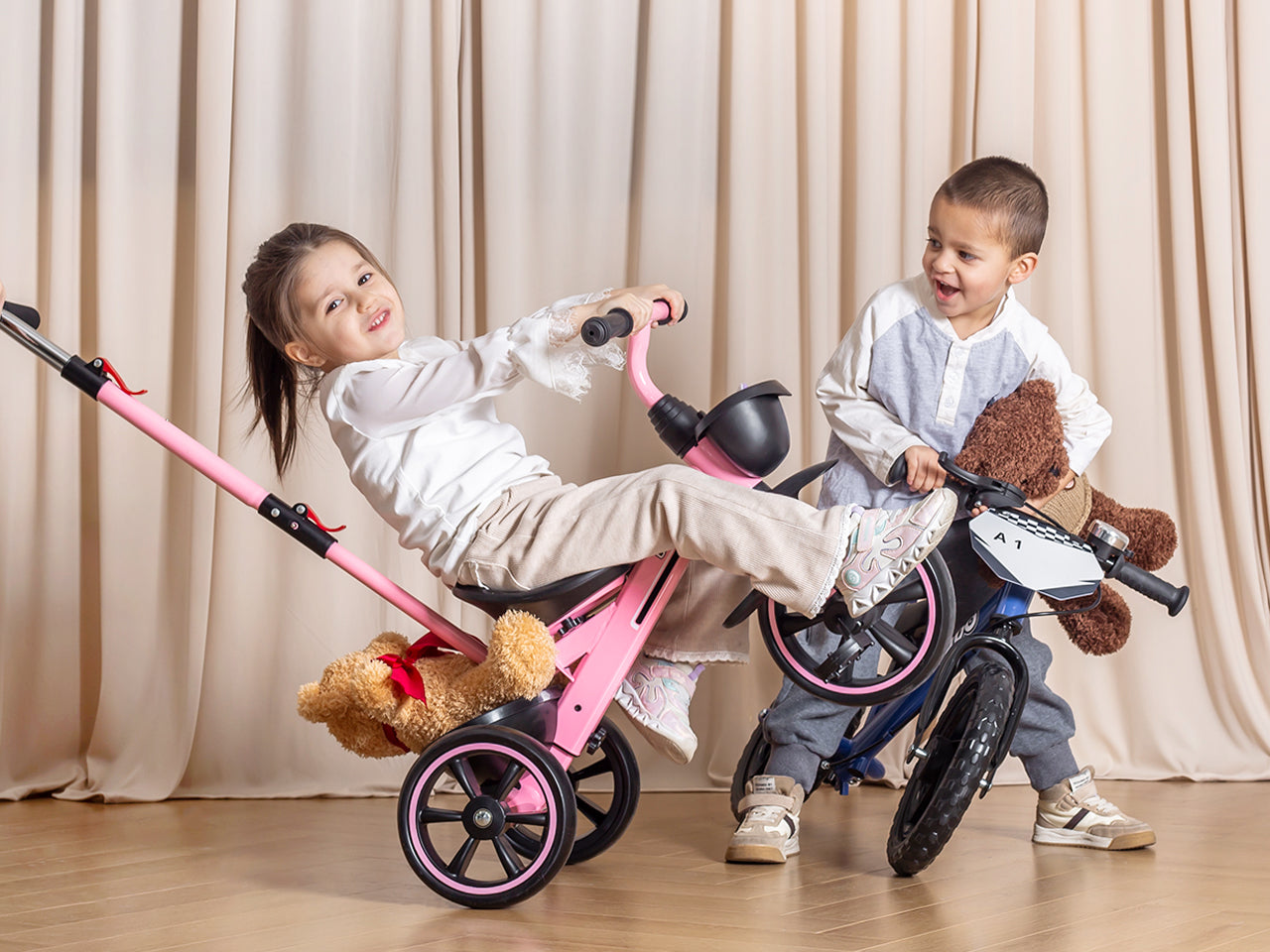
A push tricycle gives parents steering control through a push handle while toddlers ride safely before they’re fully independent riders.
And if you’ve ever tried convincing a stubborn 18-month-old to sit calmly in a stroller during a long walk… well, you probably understand the appeal immediately.
Options range from advanced tricycle stroller designs to simpler push-trike combinations.
Modern Tricycle Designs Are Honestly Pretty Cool Now
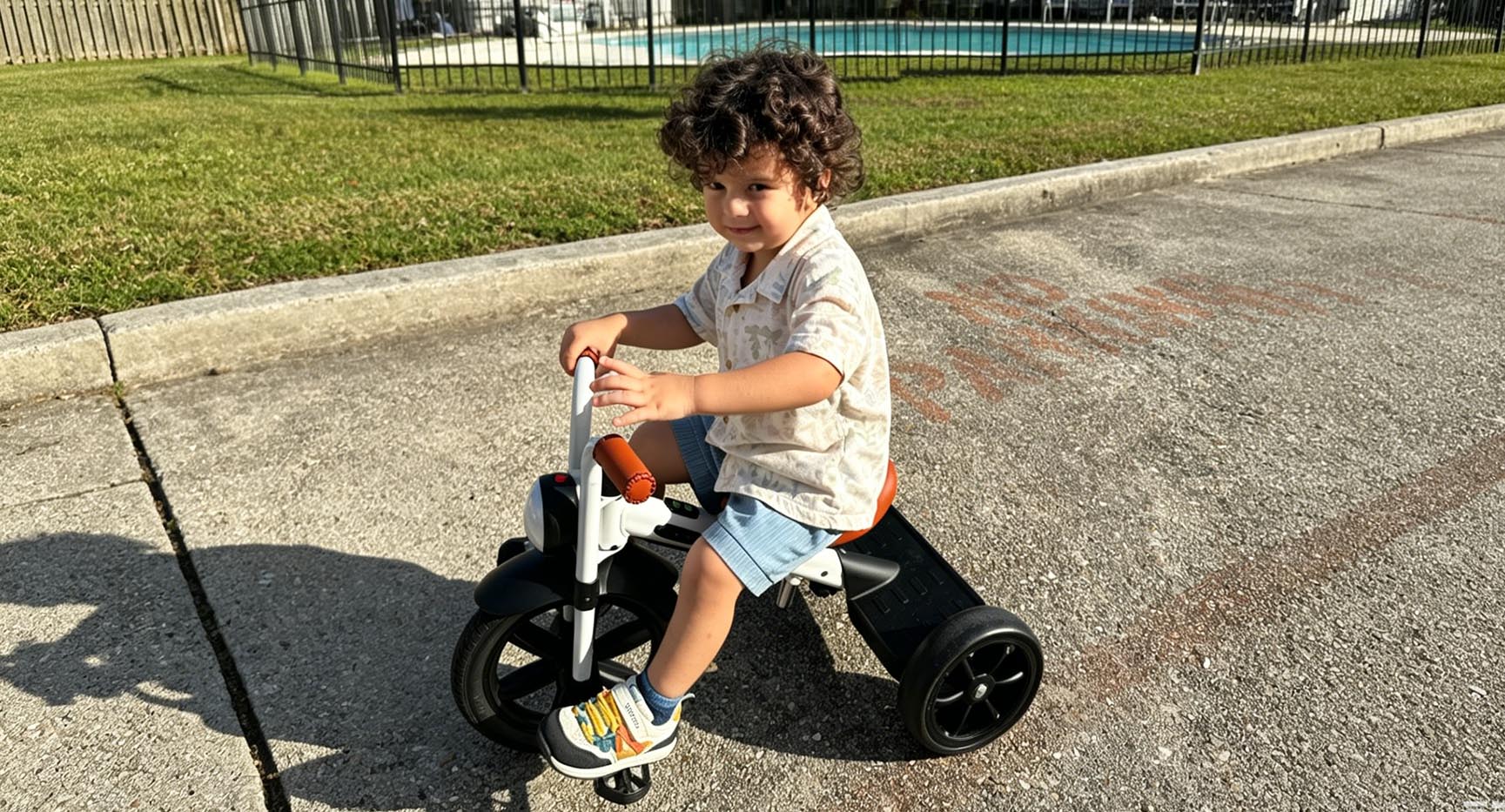
I didn’t expect to care about aesthetics with toddler gear. But then my son saw a motorcycle-style tricycle and absolutely lost his mind with excitement.
Some modern designs now combine classic tricycle functionality with more imaginative styling.
For example:
- Big wheel tricycles use oversized front wheels and motorcycle-inspired styling
- Light-up tricycles add illuminated wheels and colorful lighting effects
Are these features necessary? Not really.
But sometimes excitement matters. A child who feels emotionally connected to their tricycle usually rides it more often. And more riding means more outdoor movement, confidence, and physical development.
That counts for a lot.
What’s a Reasonable Budget for the Best Tricycle?

Parents ask this constantly, and honestly, there’s no single right answer.
But there is a practical range depending on what you need.
Under $60: Basic but Reliable
Most budget-friendly tricycles focus on simple functionality.
You’ll usually get:
- A sturdy frame
- Basic pedals
- Minimal accessories
- Traditional design
And that’s okay.
A lower-cost kids’ tricycle under $60 can still fully meet a toddler’s riding needs.
Not every child needs the most advanced setup.
$60–$100: More Features and Better Design
This range opens up:
- Push handles
- Better wheels
- Adjustable seats
- More creative styling
- Additional comfort features
For many families, this is the sweet spot for the best tricycle balance between price and versatility.
Over $100: Long-Term Use Systems
Higher-end stroller tricycles often start around this range.
They typically transition through stages:
- Parent-controlled stroller mode
- Push tricycle mode
- Independent riding mode
So although the upfront cost feels higher, you may actually avoid buying multiple products later.
Balance Bike or Tricycle? Parents Debate This Constantly

Honestly, balance bike or tricycle debate gets weirdly intense online.
Some parents act like balance bikes are the only correct answer. Others strongly defend tricycles.
The truth is… both are useful.
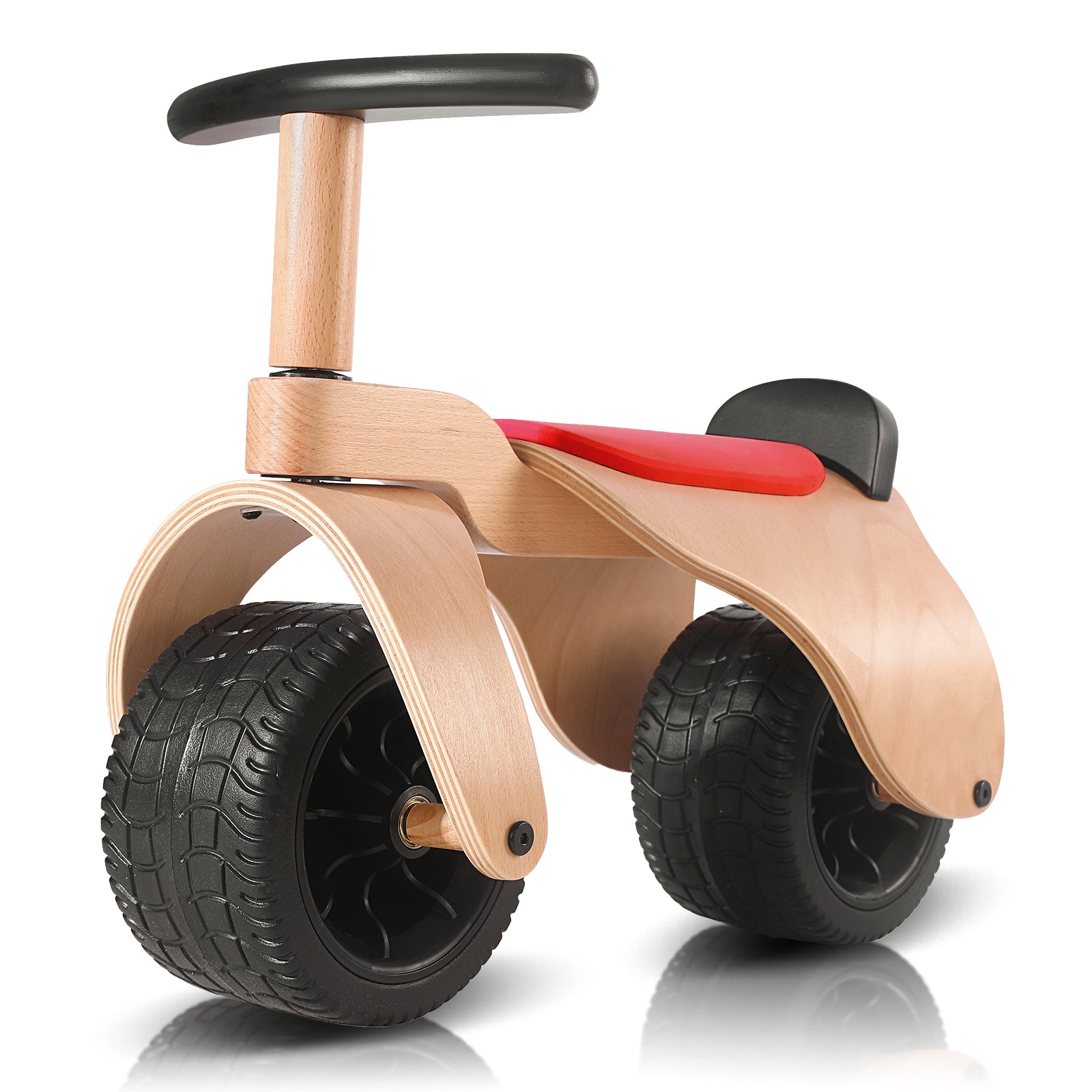
Balance bikes can help kids transition to pedal bikes faster because they teach balancing skills early. But they also require more confidence and coordination upfront.
Some children fall once or twice on a balance bike and completely lose interest.
Tricycles, meanwhile, feel safer and more stable. They help children:
- learn pedaling
- develop coordination
- gain outdoor confidence
- enjoy riding earlier
Neither option is automatically better.
The best tricycle for one child may absolutely be a balance bike for another child.
It really depends on personality, confidence level, coordination, and age.
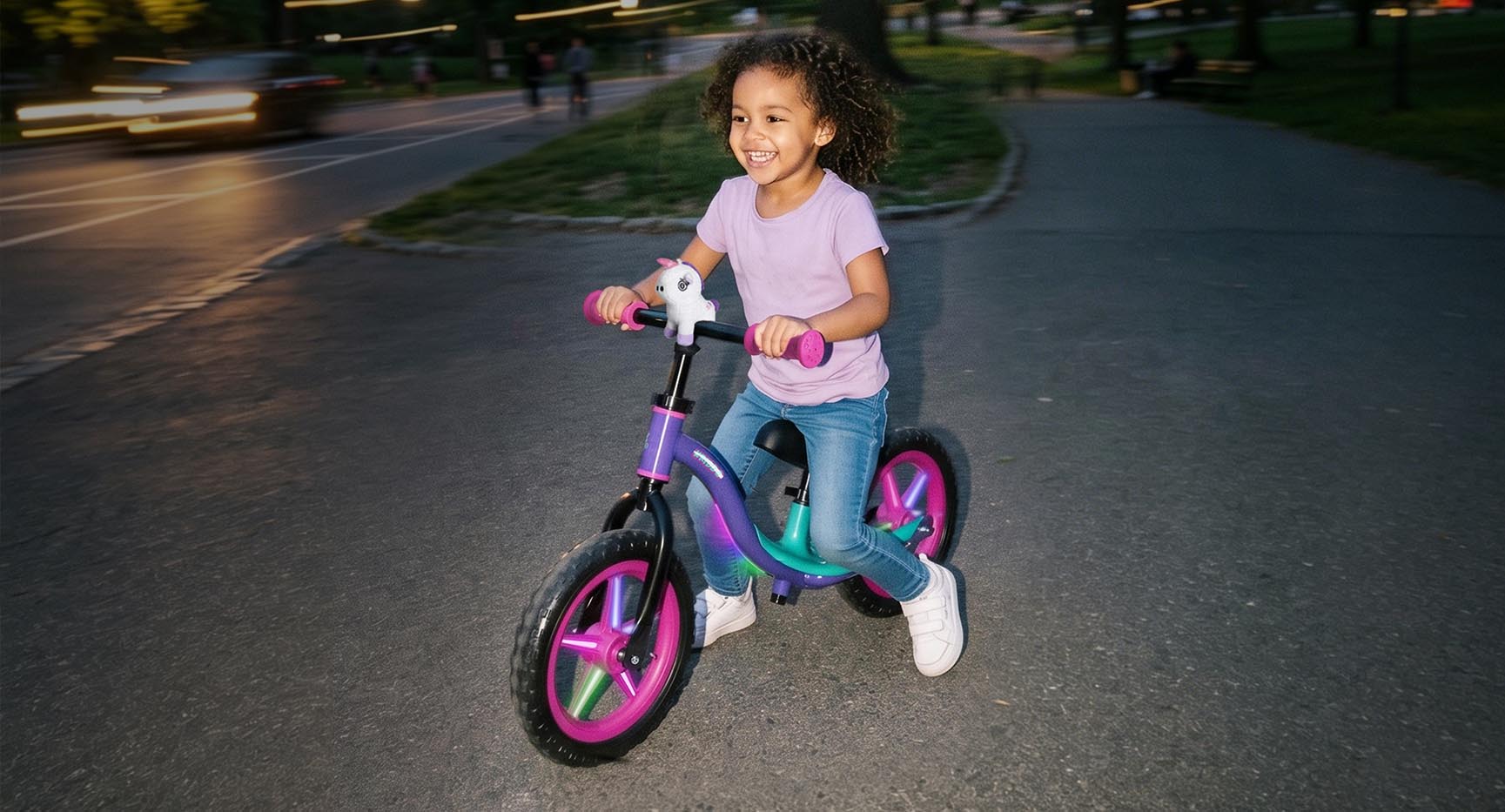
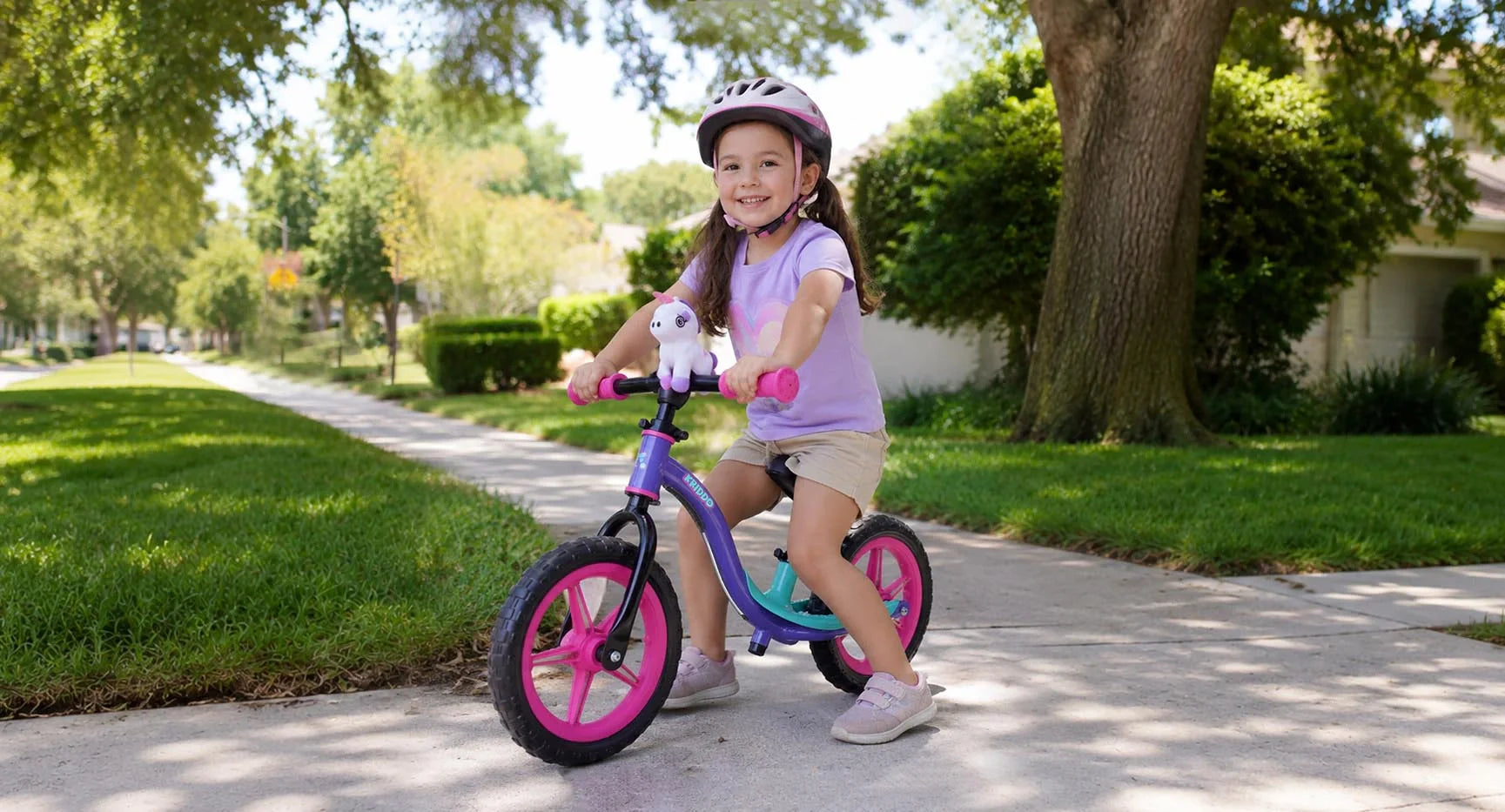
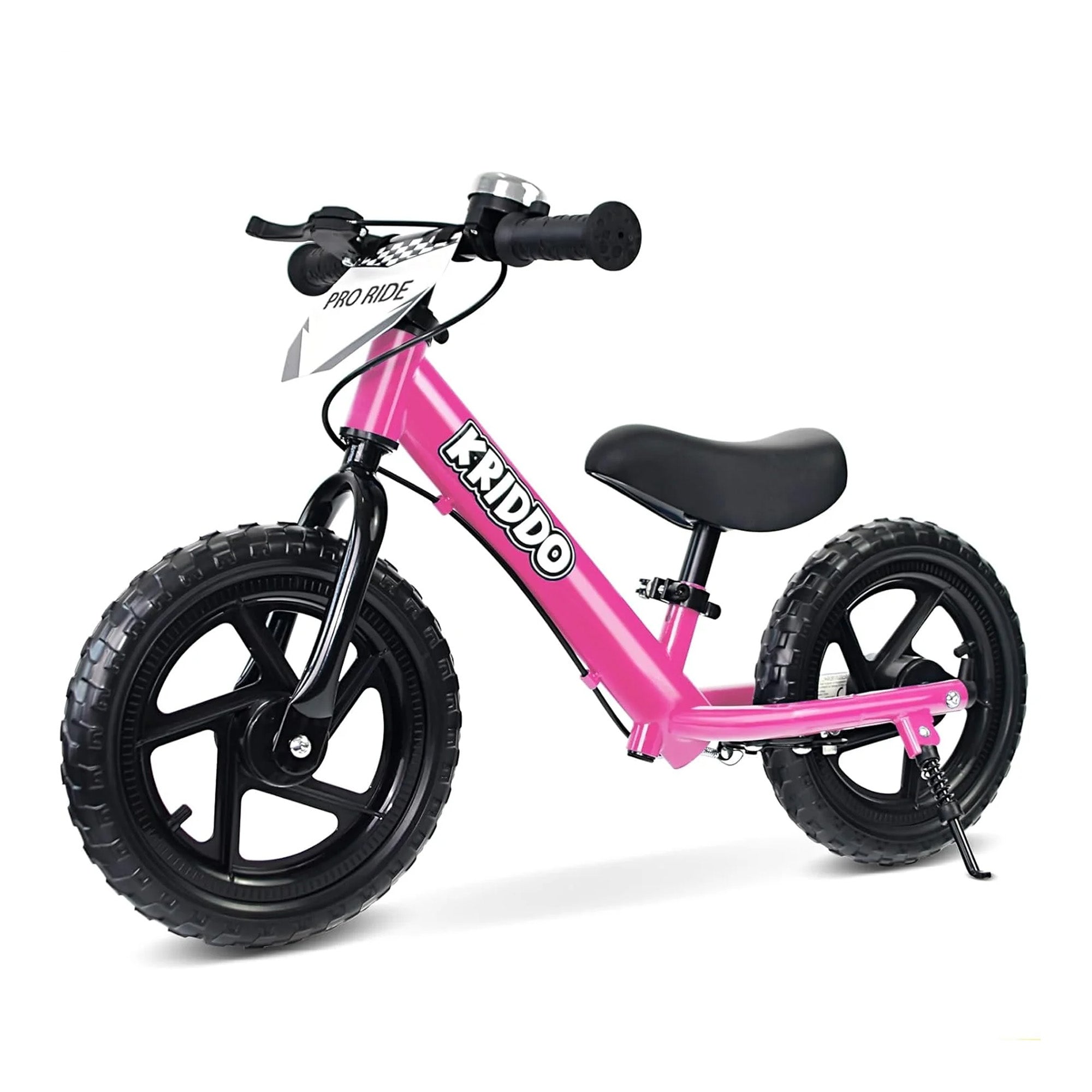
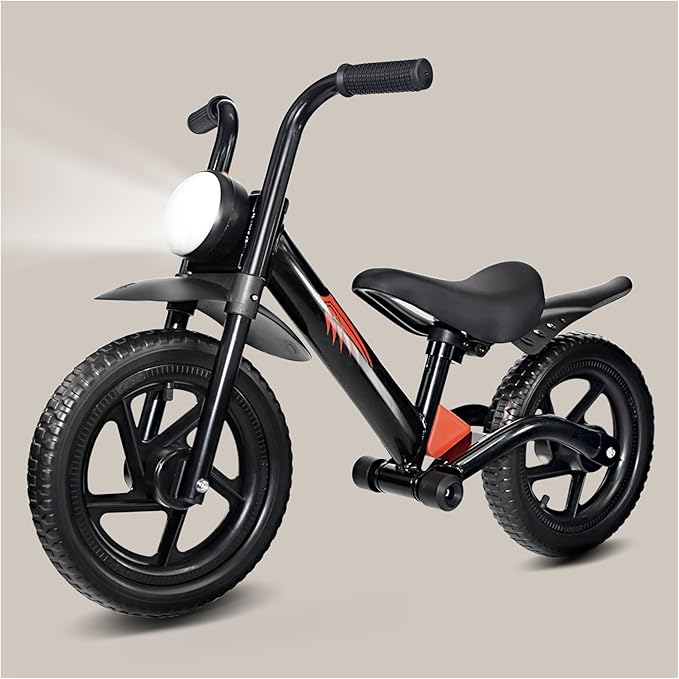
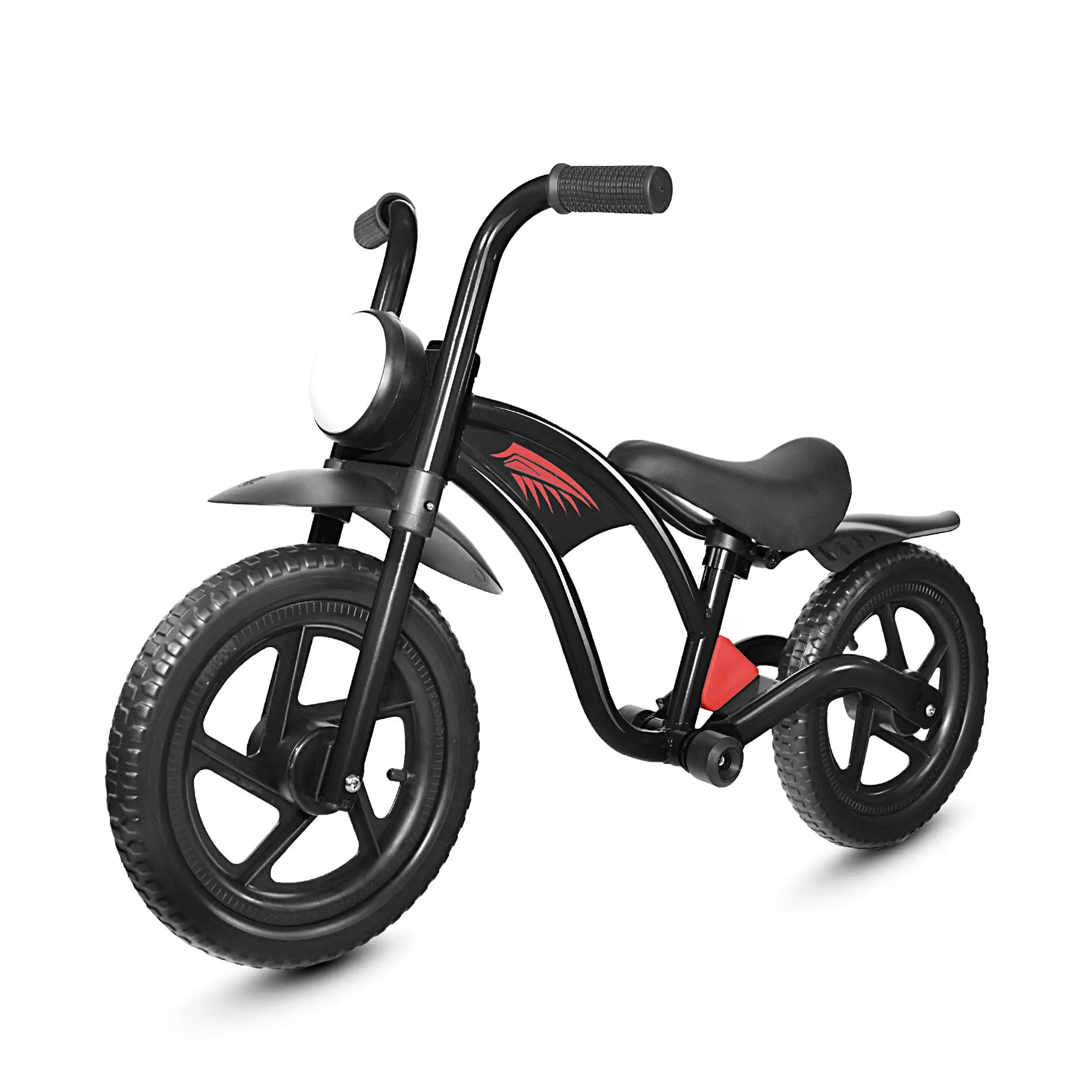
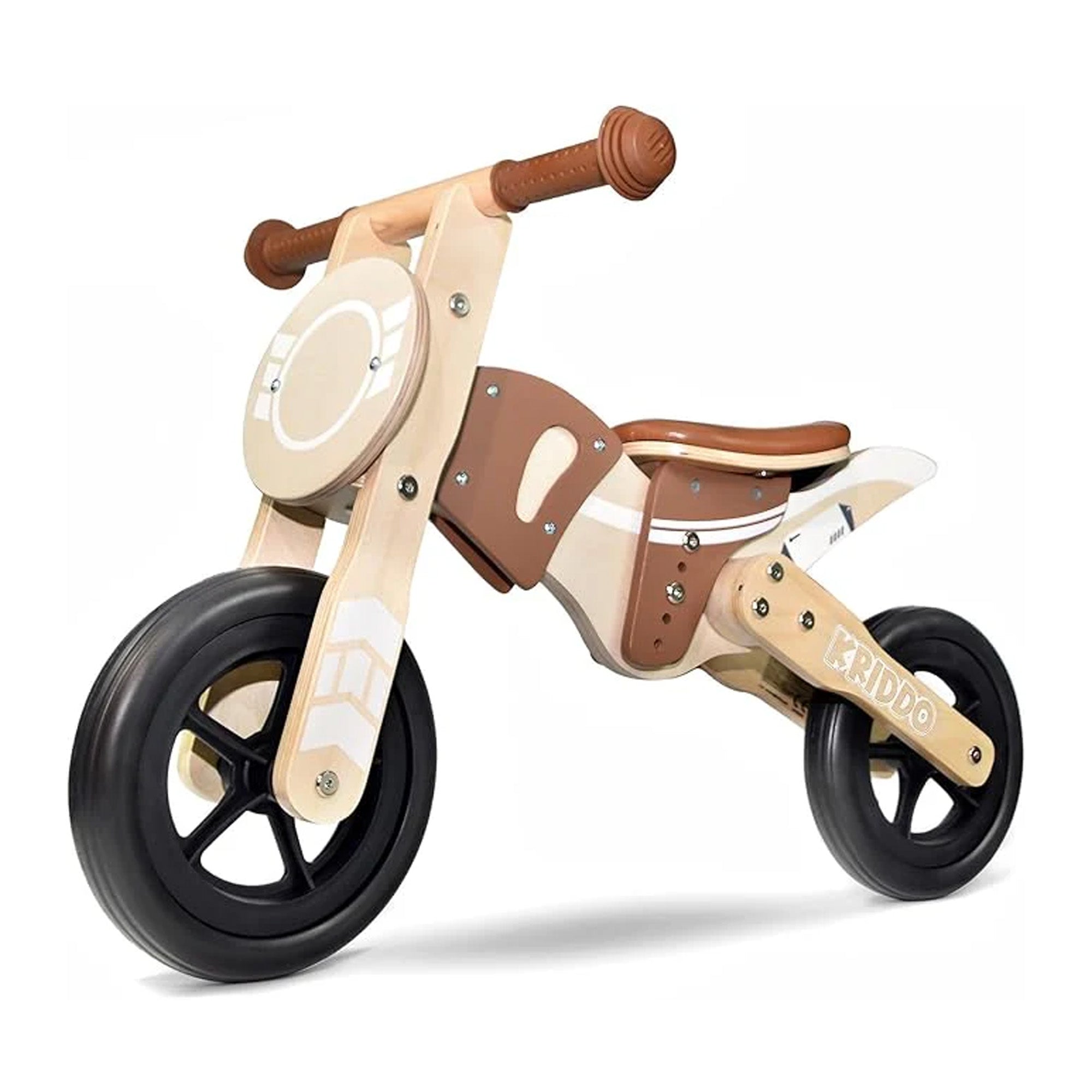
And if you do decide to explore balance bikes, choosing carefully still matters, what you should actually look for beyond price tags and trendy branding
Loved by Kids, Approved by Parents


Final Verdict: Which Tricycle for Toddlers Fits Your Family?
Choosing the best tricycle doesn’t have to feel complicated.
Most parents already know more than they think they do. You know your child’s personality. You know whether they’re cautious or adventurous. You know if they’ll want something simple or something flashy with lights and buttons everywhere.
That instinct matters.
Focus on:
- safety
- durability
- age fit
- comfort
Honestly, the perfect tricycle usually isn’t the fanciest one.
It’s the one your child can’t wait to ride again tomorrow.
FAQ About KRIDDO Toddler Tricycles
1. What age is appropriate for a toddler to start riding a tricycle?
2. What features should I look for in a toddler tricycle?
3. What’s the difference between a standard tricycle and a 2-in-1 or convertible model?
4. Are KRIDDO tricycles safe for outdoor use?
5. How long will a KRIDDO tricycle last my child?