




What Should a Preschooler Know Before Starting Preschool?
Laura | 12th, Jan
Getting ready for preschool or kindergarten is a big milestone—for kids and their parents. Whether your child is heading to a public school, a private program, or learning at home, many parents ask the same question: what should a preschooler know before they start?
Here’s the reassuring part. Preschool readiness isn’t about worksheets or early academics. It’s about everyday skills, emotional confidence, and the ability to move through the world with a little independence. Let’s walk through what really matters.
What’s Happening at This Age (And Why It Matters)

During the preschool years, children move from toddlerhood into early childhood. They start doing more things on their own. Their world stretches beyond home, and suddenly other adults and children matter a lot more.
This is also when curiosity explodes. Why questions multiply. So do feelings.
About 90% of a child’s brain development happens before age five. The interactions they have now—with parents, caregivers, and peers—shape how they think, behave, and understand emotions later on. No pressure, right? Honestly, small daily habits make the biggest difference.
1. Basic Self-Management Skills
A preschooler doesn’t need to be fully independent—but some basics go a long way.
They should be able to:
- Wake up and get ready with help (even if clothes are laid out the night before, mornings still take time)
- Separate from caregivers without extreme distress
- Handle simple self-care tasks like using the bathroom, pulling clothes on and off, and opening lunch or snack containers
A little confidence here sets the tone for the whole day.
2. The Ability to Focus—Even Briefly
Attention spans are short at this age, and that’s normal. On average:
- A 2-year-old focuses for about 4–6 minutes
- A 3-year-old manages around 6–8 minutes
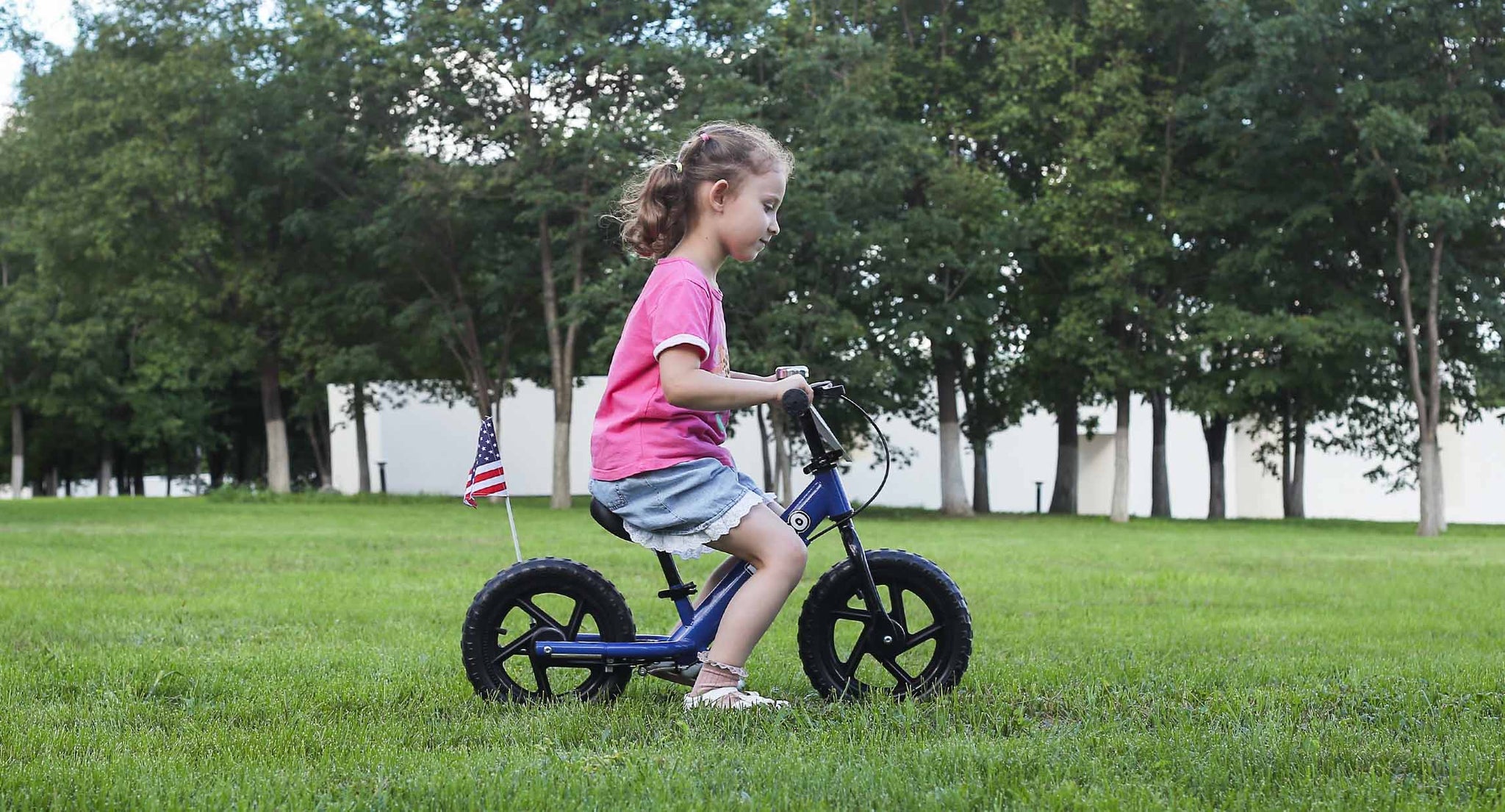
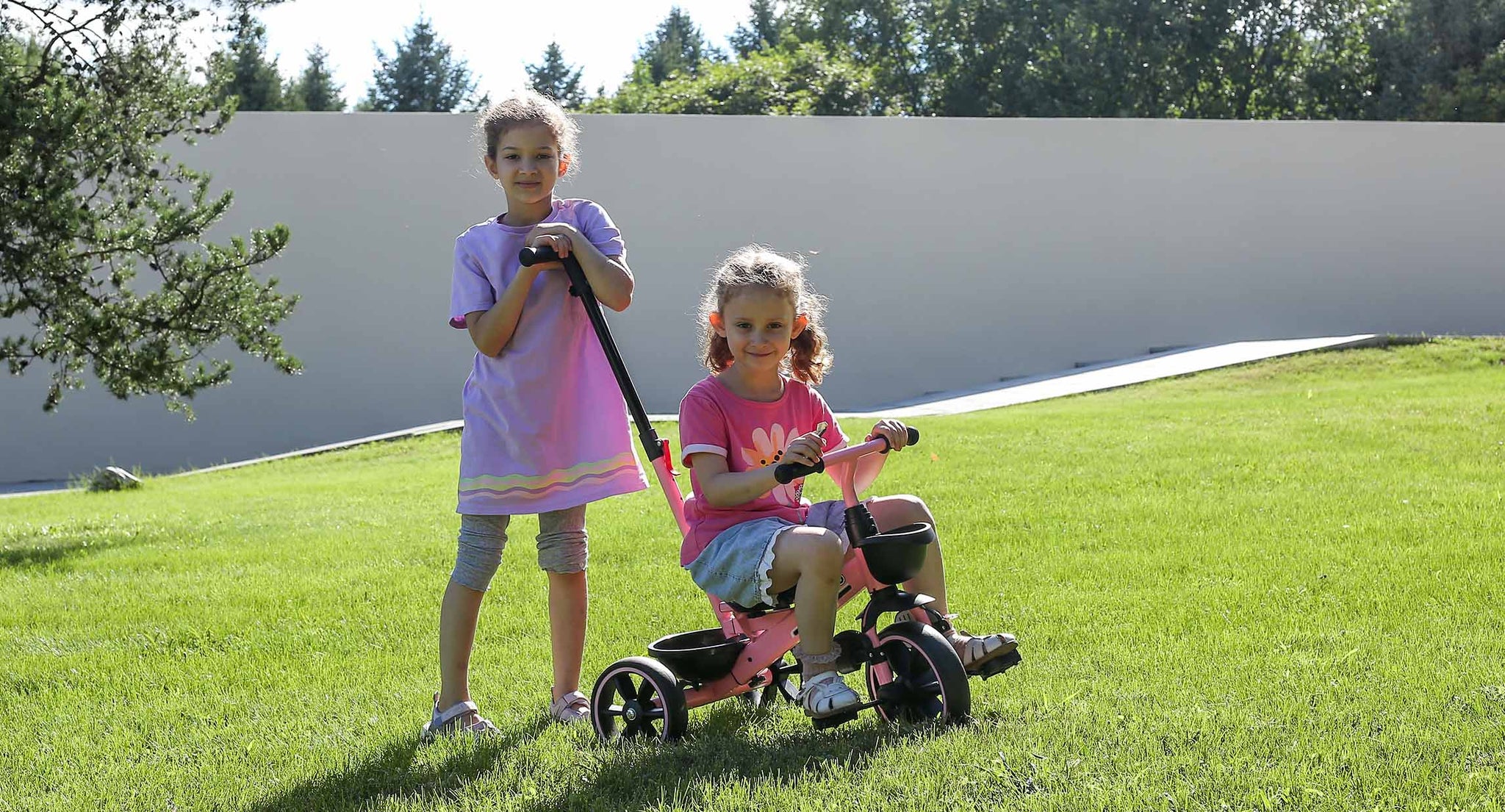
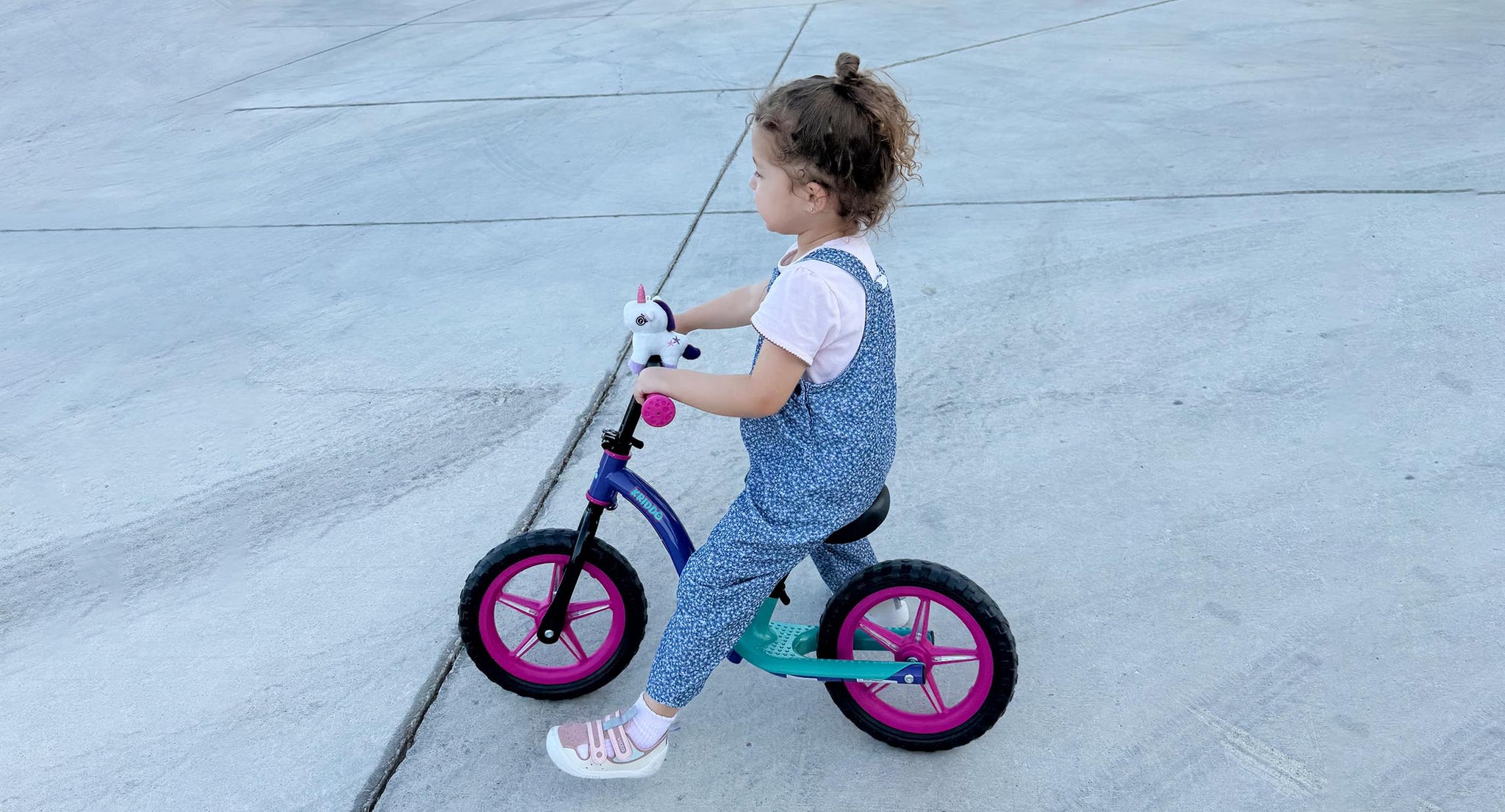
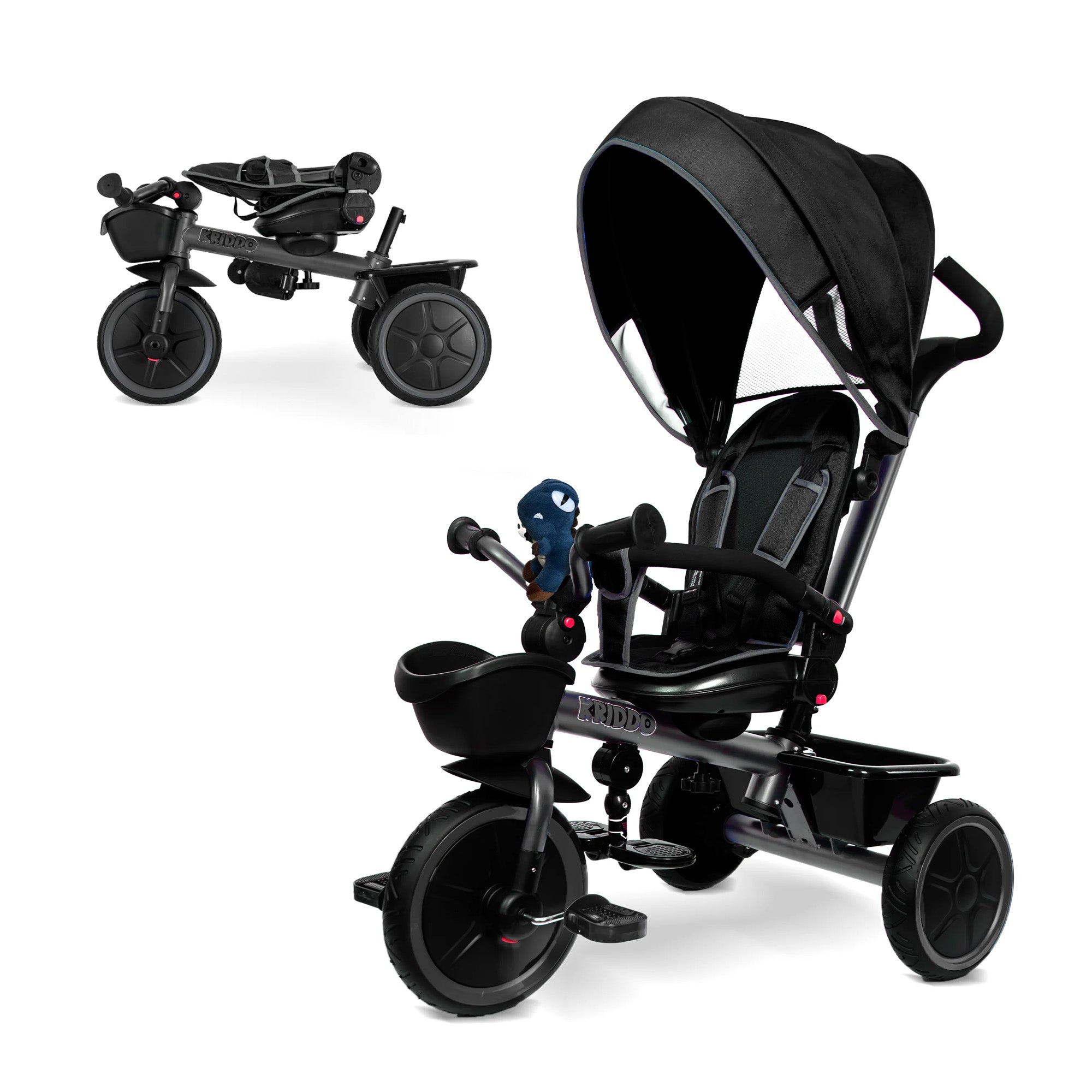
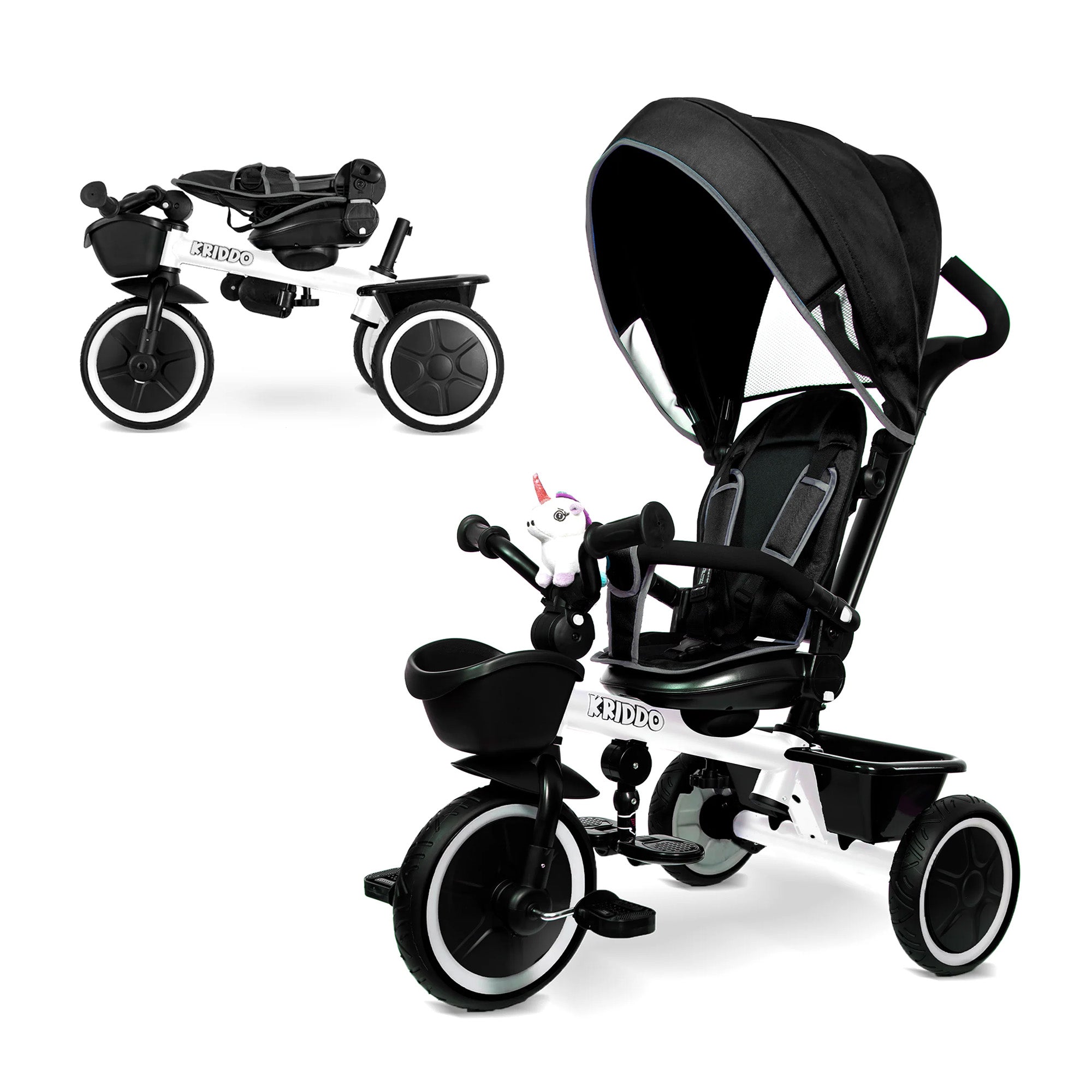
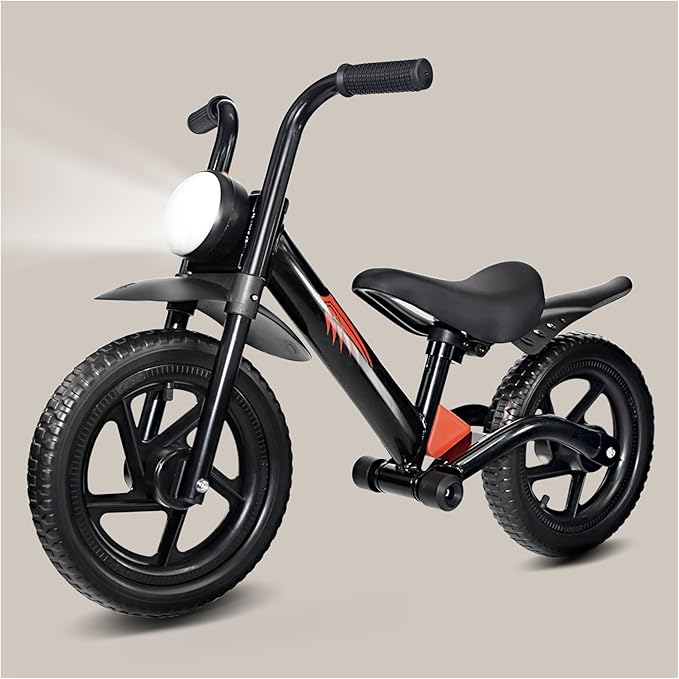
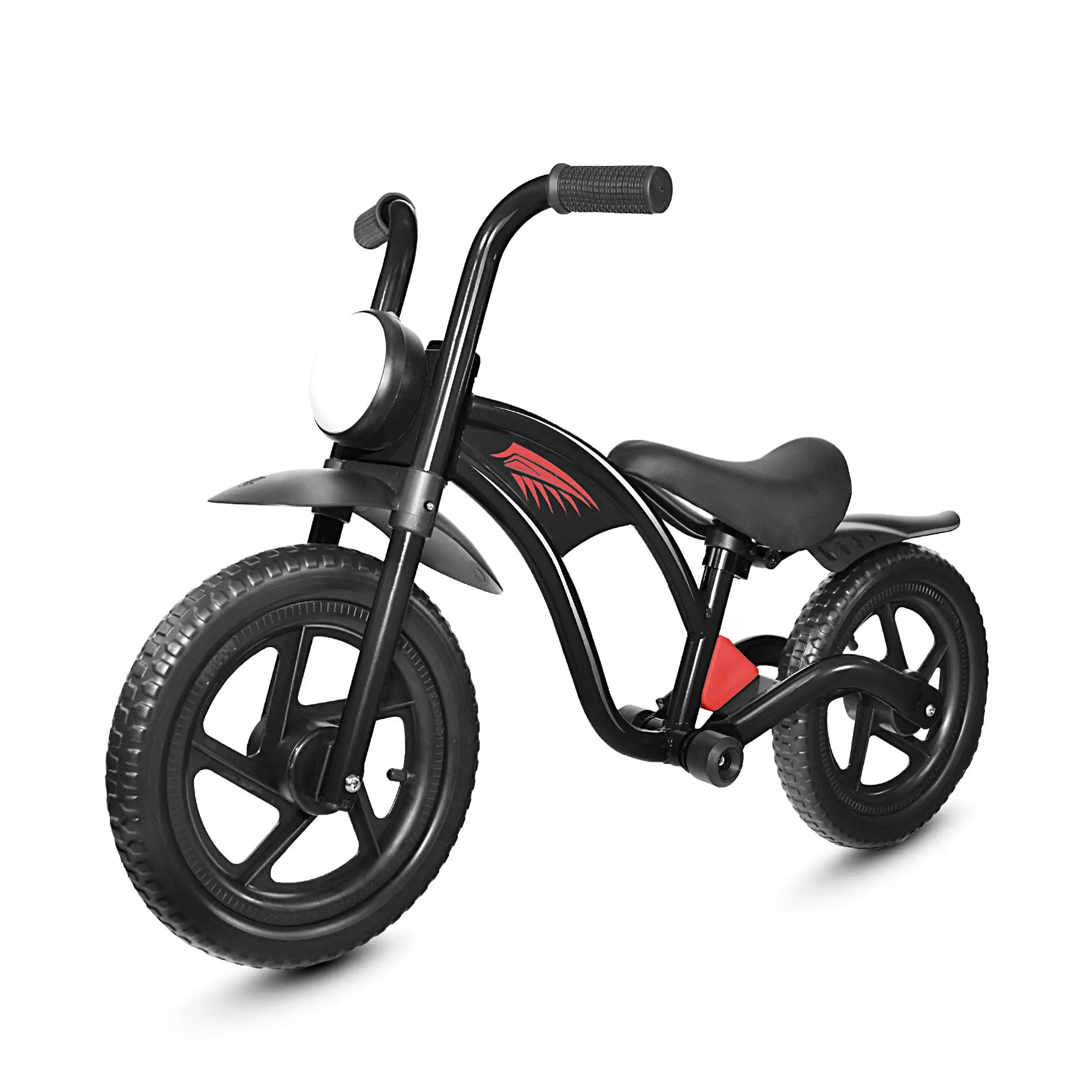
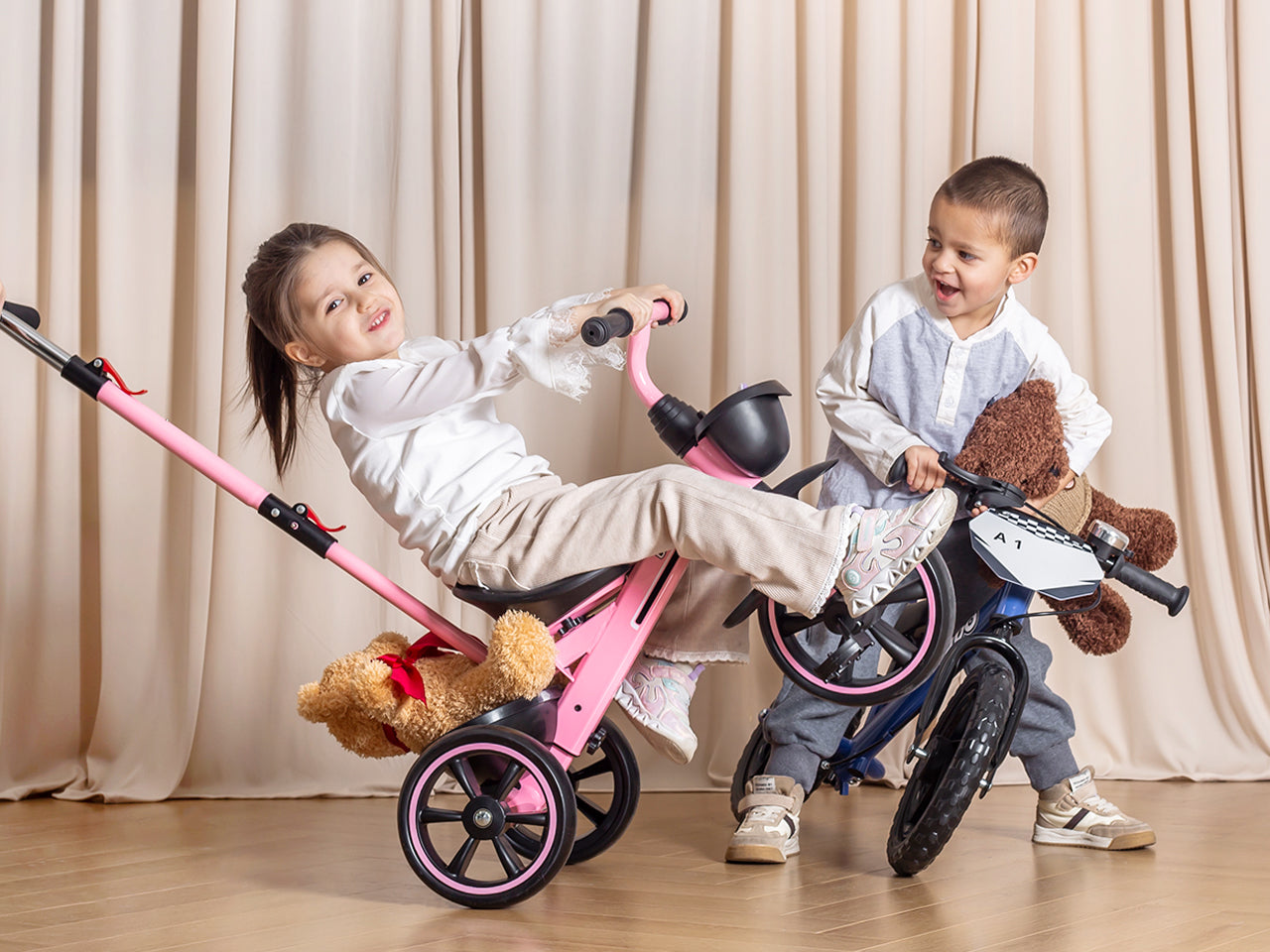
If focus is a struggle, movement often helps more than sitting still. Activities like riding a kids tricycle or using a balance bike naturally build attention, coordination, and patience. Sensory play works wonders too—especially for children who are always on the move and need help slowing down.
3. Handling Transitions Without Meltdowns (Most of the Time)
Switching from one activity to another can feel overwhelming for young children. Preschoolers don’t need to love transitions—but they should be able to manage them with support.
Many classrooms use visual picture schedules to help kids understand what’s coming next. Using something similar at home can make a surprising difference. Predictability feels safe.
4. Core Physical and Motor Skills

Strong bodies support confident learners.
Preschoolers benefit from:
- Gross motor skills like jumping in place, standing on one foot, running, and kicking
- Coordination skills, such as navigating around obstacles
- Riding a trike or no pedal bike (like KRIDDO trikes & bikes)
- Running to kick a stationary ball
Fine motor skills matter too. Playing with blocks, completing simple puzzles, and practicing holding crayons or pencils with fingers (not fists) all help. Around this age, children may also begin showing a preference for left- or right-handedness.
5. Sitting at the Table for Meals
This one often surprises parents.
Many families allow flexible snacking at home, which works fine—until school starts. In preschool, children usually need to:
- Sit at a table
- Finish eating within about 15 minutes
Practicing structured mealtimes at home helps. Sitting together and keeping meals to around 20 minutes prepares kids for the school routine and reduces stress later.
6. Early Counting Skills
Preschool teachers will cover numbers, but it helps if children arrive with a foundation.
Being able to count to 10 is a great start. Even better? Helping them move past the tricky “teens” and feel comfortable counting into the twenties or thirties. It’s not about perfection—it’s about familiarity.
7. Expressing and Managing Emotions
Emotional readiness matters just as much as academic skills.
Children need language for their feelings—especially common ones like:
- Frustration
- Feeling overwhelmed
- Missing home
- Sadness
- Disappointment
- Fear of making mistakes
Teachers want to help, but they can’t always spot every quiet struggle. A child who can say “I feel upset” or use simple coping strategies is far better equipped. Learning how to handle toddler tantrums—sometimes through movement-based activities—can make everyday challenges feel more manageable.
8. Social and Emotional Learning

Beyond letters and numbers, preschool is where social skills begin to take shape.
Children start learning how to:
- Take turns
- Solve small conflicts
- Follow instructions
- Work alongside others
These skills take years to fully develop. Still, early guidance gives kids a strong foundation for future relationships—at school and beyond.
Final Thoughts for Parents
If you’re wondering what should a preschooler know, remember this: readiness isn’t about doing everything perfectly. It’s about being ready enough to try, to feel, and to learn.
Children grow in bursts. Some days they surprise you. Other days… not so much. That’s normal. Focus on progress, not pressure.