




How to Travel With Kids (and Actually Enjoy the Journey)
Aileen | 13th, Jan
Anyone who’s ever travelled knows this feeling: from the moment you leave home—check-in, security, boarding, landing, baggage claim, finally reaching your accommodation—every step can feel a little tense, a little exhausting. Now add a couple of kids into the mix, and suddenly you’re wondering why a “relaxing holiday” ever sounded like a good idea.
Kids ask a hundred questions. Toys disappear. Shoes vanish. Someone’s hungry. Someone’s tired. Someone wanders off at exactly the wrong moment. It’s distracting, overwhelming, and honestly… frustrating at times. But here’s the thing—with a bit of preparation, most of these stress points can be avoided, and travelling as a family can actually be enjoyable. Yes, really.
So if you’re wondering how to travel with kids without losing your sanity, let’s talk through what genuinely helps.
1. Pack the Right Things (This Changes Everything)
There are a few items you’ll never regret bringing:
- Wet wipes
- Tissues (just in case)
- Hand sanitiser
And here’s a small tip that makes a big difference—use packing cubes to separate and organise both your clothes and your kids’. It sounds simple, but it completely changes how you pack and unpack. Honestly, once you try it, you won’t go back.
Also, don’t forget comfort items. A favourite soft toy, a blanket, or even a familiar water bottle can make a huge emotional difference for kids, especially when they’re far from home. Those small, familiar things help them feel safe—even on the other side of the world.
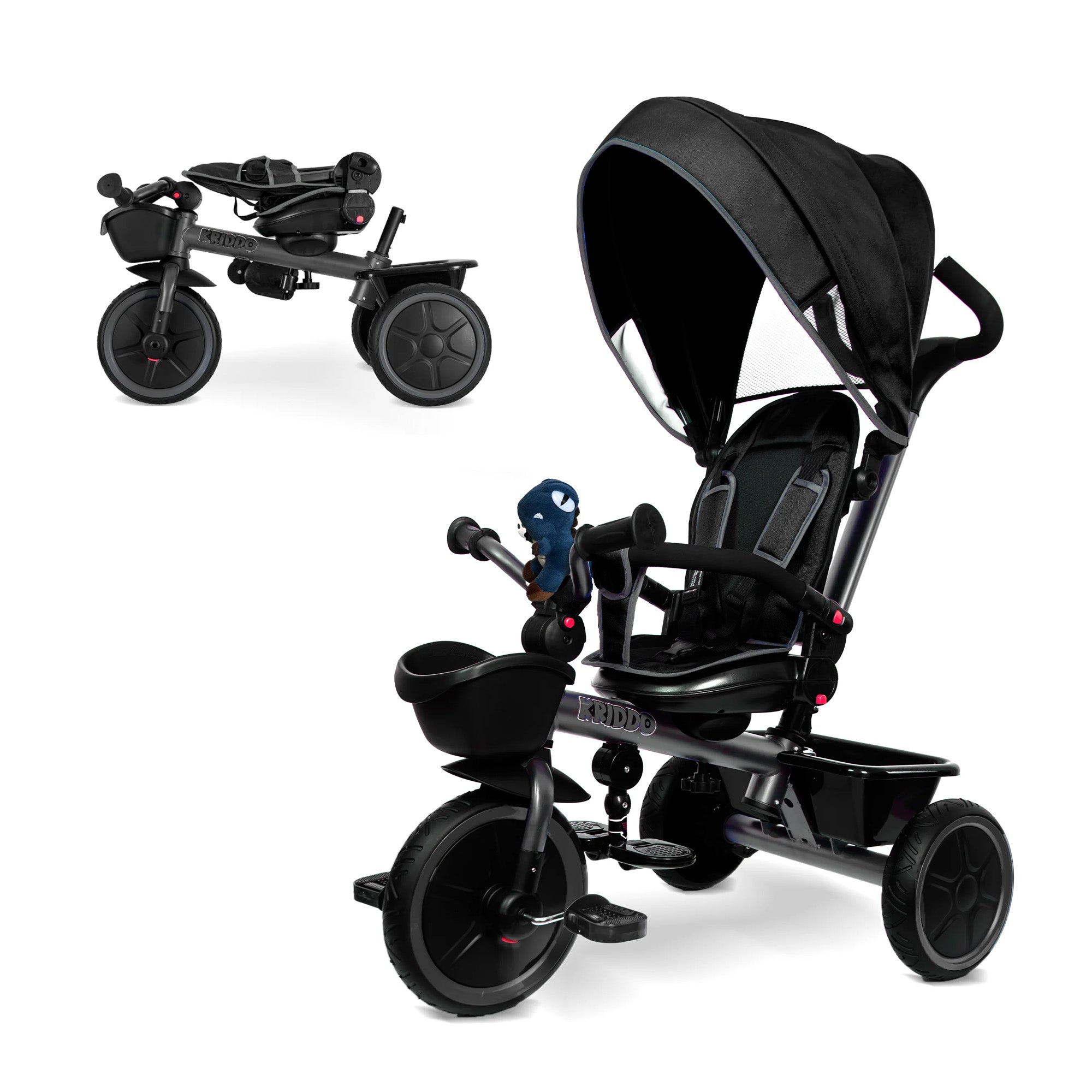
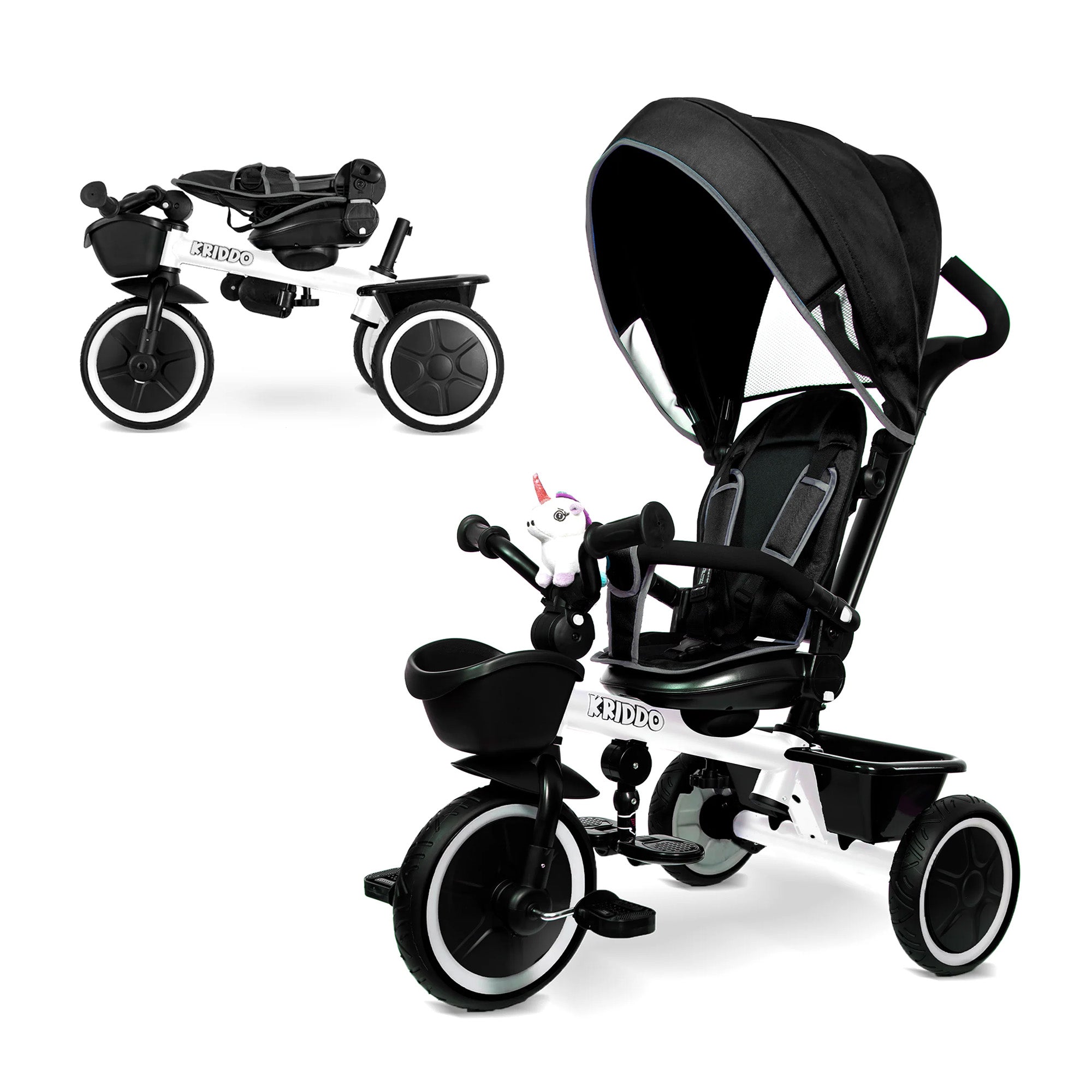
If your child still needs a stroller, something flexible really helps while travelling. The KRIDDO TrikeXplore is an 8-in-1 foldable tricycle stroller that works as a stroller alternative while also letting kids enjoy the fun of riding a trike. It folds down easily, which makes storage and transport far less stressful. When you’re moving through airports or exploring new cities, foldable tricycles for travel can honestly feel like a game-changer.
And yes—travelling with kids takes patience. Pack that too. It’s worth it, because these shared experiences matter more than we often realise.
2. Stick Close to Their Usual Routine
If you’re travelling somewhere with no time difference, or just one or two hours, keeping your child’s regular routine is usually the best move.
For example, if your normal day runs from 7am to 7pm at home, that schedule might shift slightly at your destination—maybe 5am to 5pm or 9am to 9pm local time. It doesn’t sound ideal, but it can open up surprisingly nice moments. Early beach walks at sunrise, or relaxed family dinners when the evenings stretch out—it’s not all bad.
If you’re dealing with a bigger time difference, expect a few rough days. That’s normal. The key is helping kids return to a familiar routine as quickly as possible using local time. The sooner things feel predictable again, the faster they adapt.
3. Leave Space in Your Schedule

One of the most common mistakes new parents make when travelling with young kids is trying to do everything.
Packed itineraries. Early starts. Non-stop sightseeing.
That approach might have worked pre-kids, but it rarely does now. These days, things run more smoothly when you plan less. One activity in the morning, a rest or nap in the middle of the day, and something low-key in the evening often works far better than trying to cram everything in.
It can be a mental shift—especially if you’re used to fast-paced travel—but slower days usually mean happier kids and calmer parents.
4. Let Kids Be Part of the Planning
Busy parents often rush kids from place to place without explaining what’s actually happening. But here’s what many families notice: the more kids understand, the better they cope.
Even if you think they’re too young to get it, talk to them about the trip. Explain what flying feels like, the sounds they’ll hear, what they’ll see, and what the day might look like.
You might say something like:
“We’ll sleep on the plane twice, play some games, and eat three meals.”
Simple explanations help kids feel prepared—and that sense of predictability goes a long way.
5. Travel Lighter Than You Think
When you’re travelling with kids, your mental checklist never ends. Did they eat? Did they sleep? Where’s the teddy bear? Do we have motion sickness medicine? Passports? Entry forms?
On top of that, many airlines now use self-service bag drop and don’t allow weight to be shared across suitcases. One bag over the limit means extra fees or last-minute reshuffling—never fun with kids around.
Packing light reduces stress at every stage. And when you finally arrive, the last thing you want is to realise a bag has been left behind. Fewer bags simply mean fewer worries.
6. Be Flexible About Screen Time

Here’s a realistic take: screen time during travel is okay.
Long flights and journeys put kids into survival mode. While it’s still worth monitoring what they watch or play, strict time limits often create more stress than they solve.
One golden rule—download everything in advance. Films, shows, games, apps. Never rely on in-flight Wi-Fi or streaming services that may or may not work when you need them most.
7. Bring Basic Medical Essentials
Always pack a small first-aid kit. Include things like:
- A thermometer
- Children’s pain or fever medicine
- A nasal aspirator
- Tissues or small towels
You’ll almost always need these items at the worst possible time—usually in the middle of the night, when everything nearby is closed. Having them with you can save a lot of stress.
Final Thought
Travelling with kids isn’t effortless. It’s messy, unpredictable, and sometimes exhausting. But it’s also meaningful in ways that don’t always show up in photos. With a bit of planning and a lot of patience, family travel becomes less about perfection—and more about shared moments that actually last.