





Differences Between US and EU Kids Ride-On Toys Safety Standards
Dave | 14th, Jan
When you’re shopping for ride-on toys—balance bikes, tricycles, or those adorable push-and-ride combos—safety isn’t just a checkbox. It’s the deciding factor. Most parents assume that “safe is safe” everywhere, but here’s the thing: kids’ toy safety rules aren’t universal. The standards in the United States and the European Union share the same goal, yet they take noticeably different paths to get there.
If you’ve ever wondered why the same ride-on toy might be labeled differently in the US versus Europe, or why certifications don’t always look familiar, you’re not alone. Understanding US And EU Kids Toys Safety Standards can help you make more confident choices—and avoid some quiet but important pitfalls.
Let me explain.
Same goal, different thinking
Both the US and the EU care deeply about child safety. That part is not up for debate. The difference is how they get there.
In short?
The US tends to plan for worst-case scenarios.
Europe leans toward structured systems and shared responsibility.
That gap comes from a few real-world factors.
Why the rules aren’t the same

1. Experts don’t always agree
Science isn’t one-size-fits-all. Take child safety research—different expert groups interpret the same data in different ways.
For example, UK health authorities have concluded that bed-sharing alone doesn’t increase risk if no other factors are involved. The American Academy of Pediatrics doesn’t agree and points to other studies it finds more convincing. Same topic, different conclusions.
That same pattern shows up in product safety standards.
2. Population and lifestyle differences
The US has higher rates of obesity, diabetes, premature birth, and prescription drug use than many European countries. Those factors affect how risk is calculated at a population level.
The US is also more racially diverse than most of Europe, which matters because certain health risks vary across groups. So American standards often assume a wider range of risk scenarios.
3. Social support looks very different
Here’s a big one.
The US has no federally mandated paid parental leave. Many parents return to work within weeks. Healthcare access isn’t guaranteed. Postpartum home visits are rare.
Because of this, US safety guidance is often more broad and strict. Regulators assume families may not have ongoing access to healthcare professionals to explain nuance.
Europe, on the other hand, usually works within stronger social support systems—longer parental leave, routine healthcare access, and clearer shared responsibility between manufacturers and regulators.
The US approach: broad laws, industry standards, strict enforcement
In the United States, children’s ride-on toys fall under a larger consumer safety umbrella.
Who regulates?
The key authority is the Consumer Product Safety Commission (CPSC). Any children’s product—defined as one primarily used by kids 12 and under—must meet federal safety rules.
Testing and certification
Manufacturers are required to use CPSC-recognized third-party laboratories. Once a product passes, it must be backed by a Children’s Product Certificate (CPC). No certificate, no legal sale. It’s that straightforward.
What standards apply?
Most technical requirements come from ASTM and ANSI standards. These are technically voluntary, but once the CPSC references them, compliance becomes essential in practice.
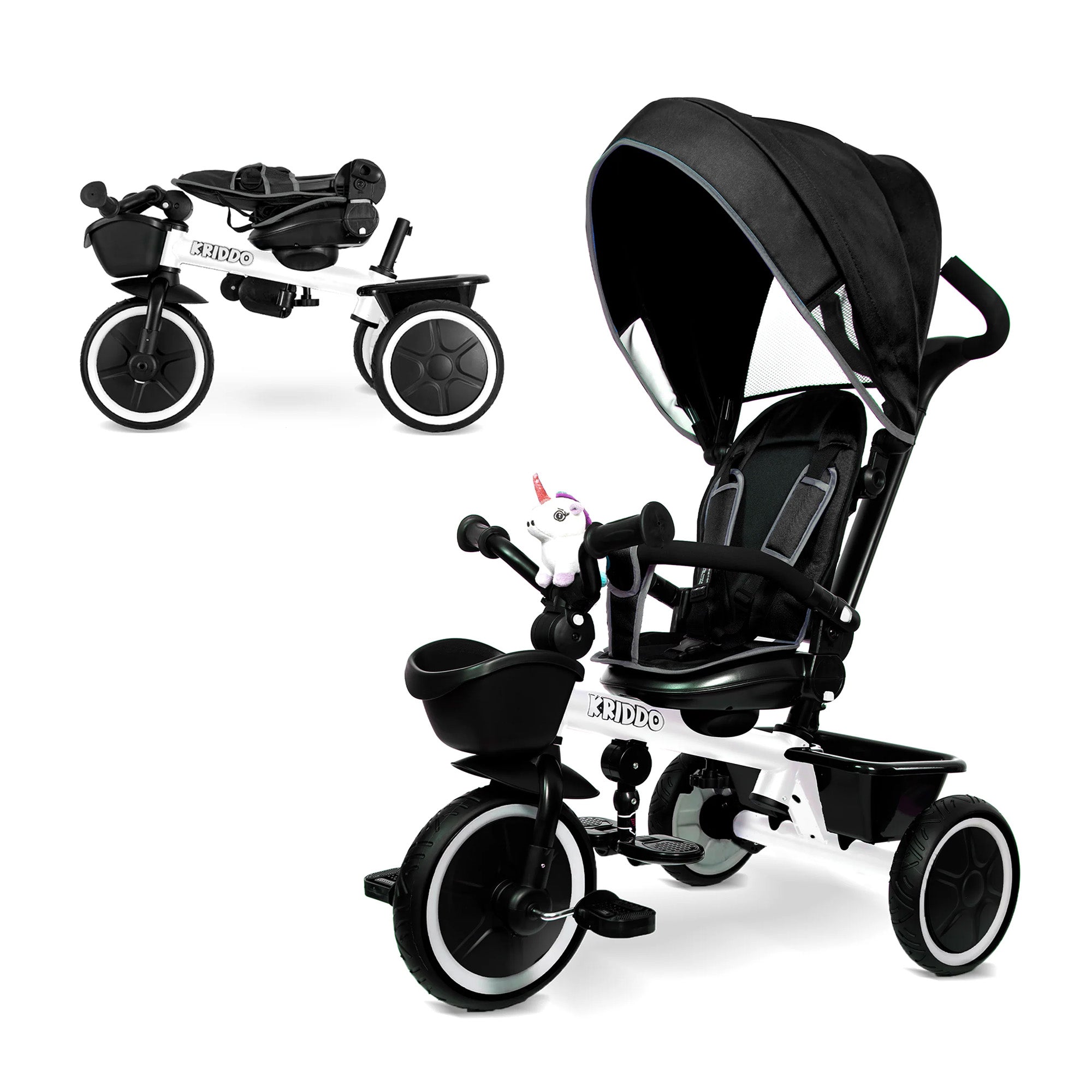
- Tricycles often reference ANSI Z315.1, which covers structural integrity, stability, sharp edges, and pinch points.
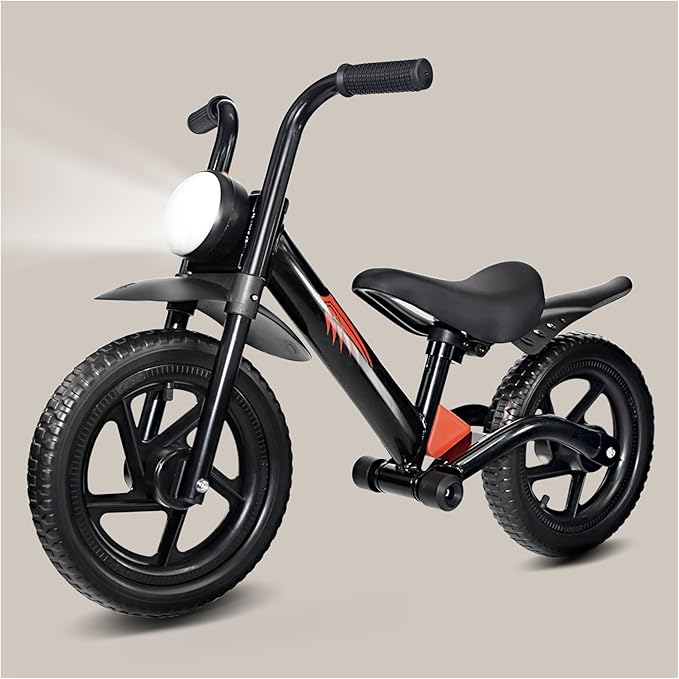
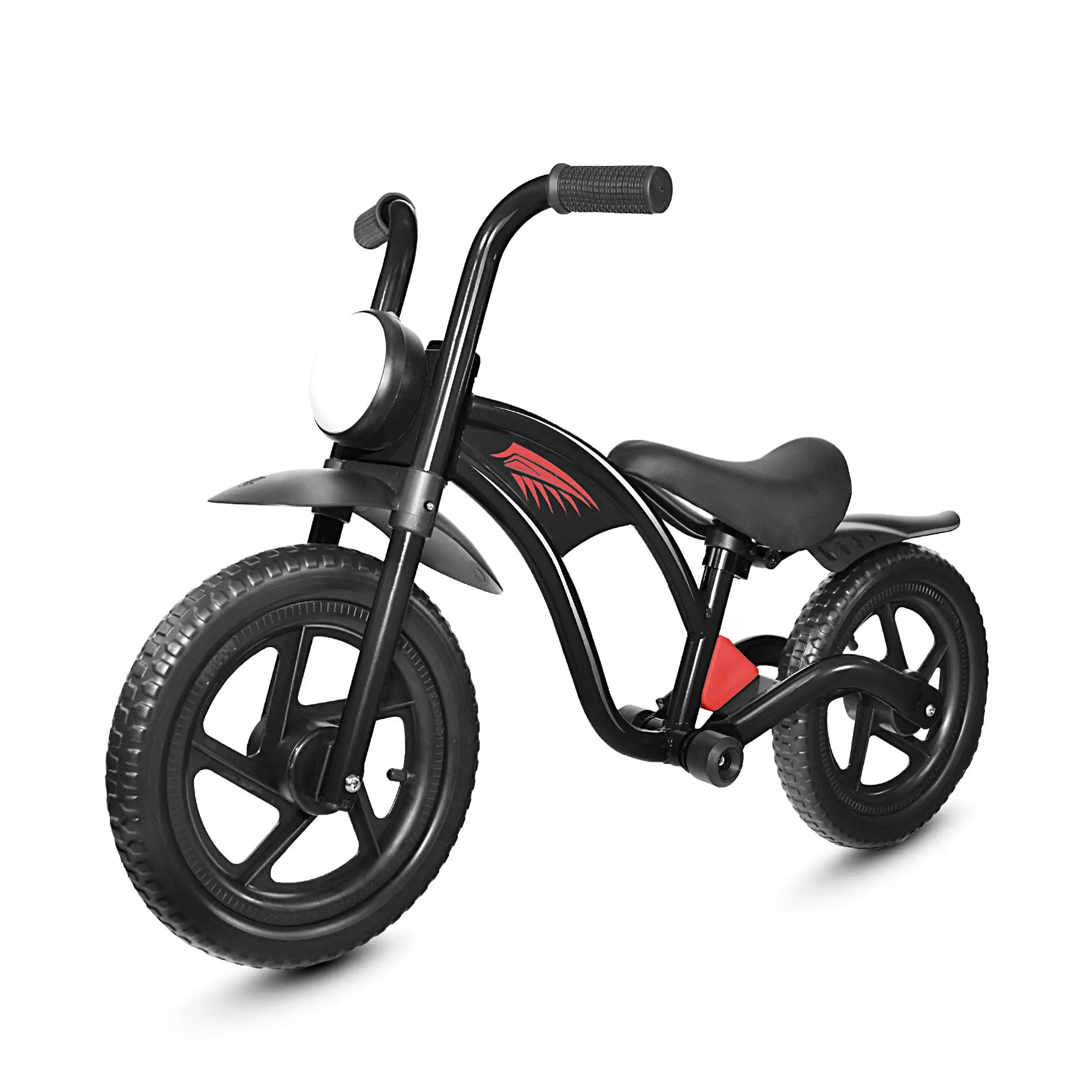
- Balance bikes don’t have one single mandatory federal standard. They’re usually assessed as toys or juvenile riding products and tested against relevant ASTM criteria for mechanical and physical hazards.
The big picture
The US system focuses heavily on chemical safety (like lead and phthalates), mechanical risks, labeling, and traceability. It’s a wide net, designed to catch as many hazards as possible—even if that means less product-specific nuance.
The EU approach: CE marking and tightly linked standards
Europe takes a different route, one that’s more centralized and, in some ways, more product-specific.
The regulatory backbone
Most ride-on toys fall under the Toy Safety Directive (2009/48/EC). To be sold legally, products must meet the directive’s essential safety requirements and carry the CE mark. That CE mark isn’t decoration—it’s a legal declaration of conformity.
How compliance works
Manufacturers must complete a conformity assessment, supported by technical documentation and testing against applicable European standards (EN, CEN, or ISO).
Relevant standards for ride-on toys
- Tricycles and push-along models may be treated as toys or child transport devices, depending on design.
- CEN/TS 17876:2024 specifically addresses tricycles with passive transport features—think parent-push modes.
- Balance bikes and pedal bikes often reference EN ISO 8098, which covers children’s bicycle safety.
What stands out
The EU system ties legal compliance closely to harmonized standards. Responsibility is clear, documentation is mandatory, and the CE mark signals that the product meets all relevant safety laws—not just one or two.
So… which system is “better”?
Honestly? That’s the wrong question.
The US system excels at enforcement and chemical safety oversight. The EU system shines in harmonization and product-specific clarity. Both are serious about protecting children, just through different regulatory philosophies.
For parents, what matters is knowing which standards a product follows—and whether it’s been properly tested for your region.
Where KRIDDO fits into the picture

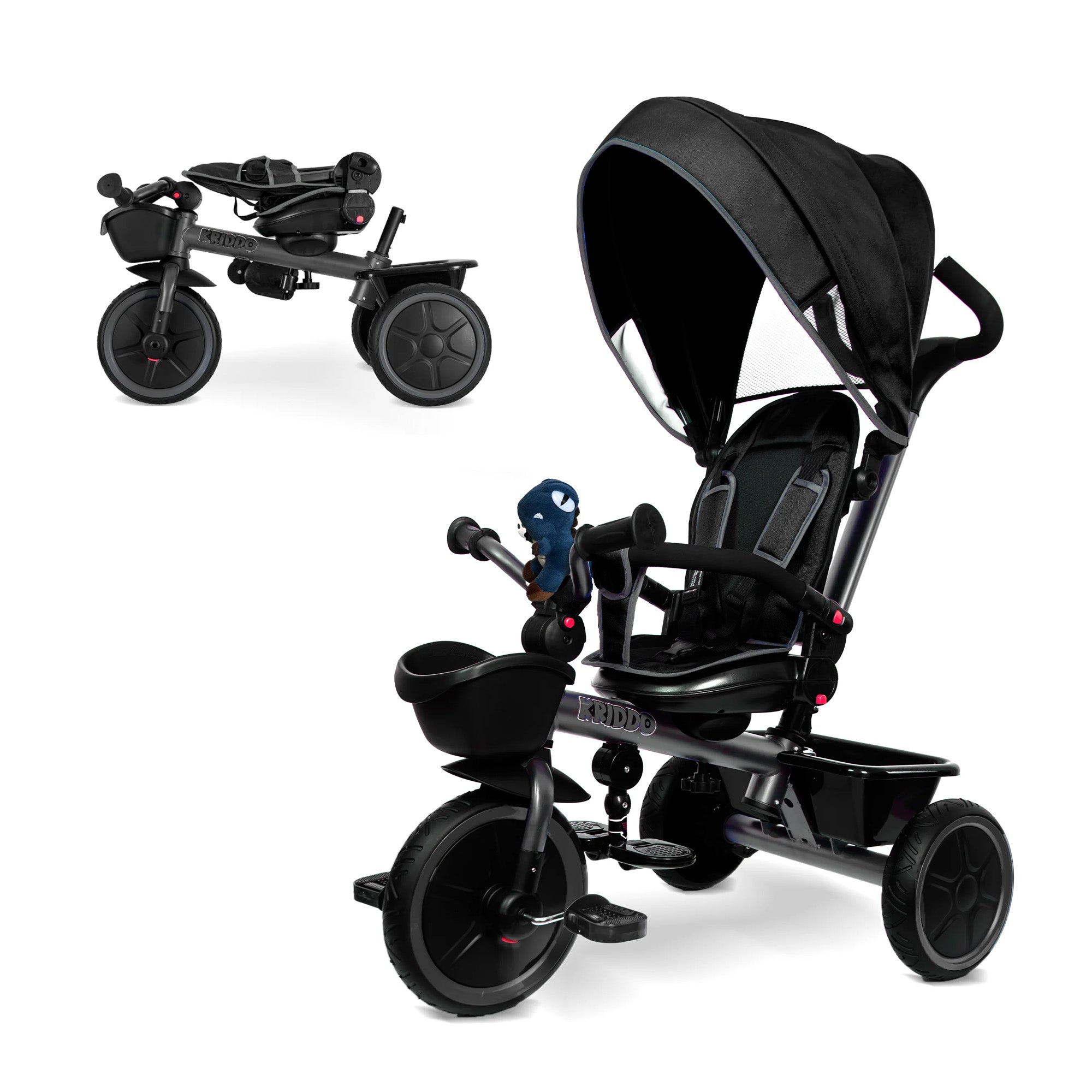
At KRIDDO, safety isn’t treated as a regional checkbox. It’s the foundation of how every balance bike, tricycle, and ride-on toy is designed and built. Products are tested through certified third-party laboratories and internal safety protocols, supporting compliance across the US, Canada, the UK, and the EU.
That means when you choose a KRIDDO balance bike or trike, you’re choosing a product developed with multiple safety frameworks in mind—not just one market’s minimum requirements. Parents don’t always see the test reports or technical files, but they feel the difference in stability, materials, and thoughtful design details.
And yes, that peace of mind matters when your child is wobbling down the driveway for the first time.
What parents should look for when buying ride-on toys
If there’s one takeaway here, it’s this: labels matter.
- Look for CPC certification in the US.
- Look for the CE mark in Europe.
- Read age recommendations carefully—they’re tied to safety testing, not marketing.
- Pay attention to build quality. Loose parts, sharp edges, and unstable frames are red flags no matter where you live.
Safety standards may differ, but a well-made ride-on toy speaks a universal language.