





Taking Kids to 2026 World Cup:
What Parents Actually Need to Know
Lucas | 25th, May
The first time my son watched a live soccer match, I thought he’d spend the whole game following the ball.
Instead, he was completely fascinated by the crowd.
The singing. The flags. The drums echoing through the stadium. At one point he turned around just to watch thousands of people jump at the same time after a goal. Honestly, I don’t even think he cared which team scored.
That’s probably what makes the World Cup feel different from almost any other sporting event.
And with the 2026 FIFA World Cup coming to the United States, Canada, and Mexico, a lot of parents are starting to imagine what that experience might look like with kids. Exciting? Definitely. Exhausting sometimes? Also yes.
If your family is already thinking about flights, road trips, or navigating airports with little ones, some parents have found that learning how to travel with kids and actually enjoy the journey makes the entire experience feel far less overwhelming before the soccer part even begins.
Because once the tournament starts, everything gets bigger. Bigger crowds. Bigger emotions. Bigger travel days.
And for kids, that can feel magical.
Why the 2026 World Cup feels so massive

This tournament is going to look different from every World Cup before it.
For the first time, three countries are hosting together: the United States, Mexico, and Canada. There will also be 48 teams competing, making this the largest FIFA World Cup in history.
That means more cities, more fans, and honestly, more opportunities for kids to experience soccer in a way that feels larger than life.
One day they might see fans from Argentina singing in the streets. The next day they’re hearing chants from Japan or Brazil while standing in line for snacks. Even children who barely understand the rules of soccer can feel the energy of it all.
And kids notice everything.
The face paint. The music. The scarves. The tears during national anthems. Those little moments stay with them.
The part parents don’t always realize about taking kids to World Cup games
The excitement is real.
But so is the planning.
Ticket prices for many matches are already extremely high on resale markets. Some seats start around several hundred dollars, while major matches can climb much higher. For families taking kids to World Cup games, the budget conversation becomes very real very quickly.
Something else catches parents off guard too: children usually don’t receive discounted tickets.
Outside of very young lap children, most kids require full-price entry just like adults. That’s important to know before making plans for an entire family.
Then there’s the stadium situation itself.
Most venues follow strict security rules, especially during international events like the FIFA World Cup. Clear bag policies are common, and re-entry is usually not allowed after entering.
At first, I assumed stepping outside for a break would be simple if a child became overwhelmed.
Not exactly.
Once you’re inside with tired kids, crowded walkways, loud music, and long food lines, the day becomes less about “watching a game” and more about managing everyone’s energy.
Which, honestly, is parenting in general.
What a World Cup match feels like with young children
On paper, a soccer game sounds manageable.
Ninety minutes plus halftime.
But taking kids to World Cup matches is usually an all-day event once transportation, security checks, walking, and crowds are included.
And the atmosphere is intense.
Some children absolutely thrive in it. Others hit a wall halfway through. My daughter once became more interested in eating ice cream and waving at strangers than watching the second half of a match. I didn’t expect that, but honestly, it reminded me that kids experience live sports differently than adults do.
- Eat before entering the stadium
- Bring small comfort items if allowed
- Talk about noise and crowds beforehand
- Build extra time into every part of the day
- Have realistic expectations about attention spans
The best World Cup memories usually happen when parents stop trying to create the “perfect” sports experience and simply let kids enjoy the atmosphere however they want to.
Sometimes that means watching every second.
Sometimes it means dancing during halftime and asking for fries.
Taking kids to World Cup events can teach more than soccer

One of my favorite things about international sports is how naturally they create conversations kids might not otherwise have.
Children see countries from around the world sharing the same space. They hear unfamiliar languages. They watch teams showing emotion, resilience, disappointment, and joy all within the same game.
After matches, simple questions can lead to surprisingly meaningful conversations:
“Who worked the hardest today?”
“Did you notice how teammates helped each other?”
“How did the losing team react afterward?”
The World Cup becomes less about trophies and more about character.
And honestly, kids absorb those lessons quickly when they see them happening in real life.
Easy ways to make the World Cup fun for kids at home
Not every family will travel to matches, and that’s completely okay.
Some of the best World Cup memories happen at home anyway.
Cook food from the countries playing
This became one of our favorite traditions during past tournaments.
Watching Mexico? Tacos together before kickoff.
Watching Spain? Homemade tortilla española if you’re feeling ambitious.
Food gives kids a connection to countries they may know very little about otherwise.
And somehow soccer always feels more exciting when snacks are involved.
Learn one national anthem together
Young kids love music and repetition, which makes national anthems surprisingly memorable.
Sometimes children become curious after seeing players emotional during the anthem ceremony. It opens the door to conversations about pride, family roots, and what representing your country means to different people.
Honestly, those conversations often become more meaningful than the final score.
Talk about sportsmanship during difficult moments
If you watch enough soccer, eventually your child will ask questions about dramatic falls, fake injuries, or arguing with referees.
That’s actually a good thing.
Sports create opportunities to talk honestly about fairness, competition, emotions, and respect. Kids already notice these moments, even if adults pretend they don’t.
The important part is helping them separate passion from poor behavior.
Let kids fully join the experience
This might be the easiest parenting win during the World Cup.
Kids love themes.
Flags painted on cheeks. Oversized jerseys. Matching colors. Scarves wrapped three times around their necks even when it’s too warm outside.
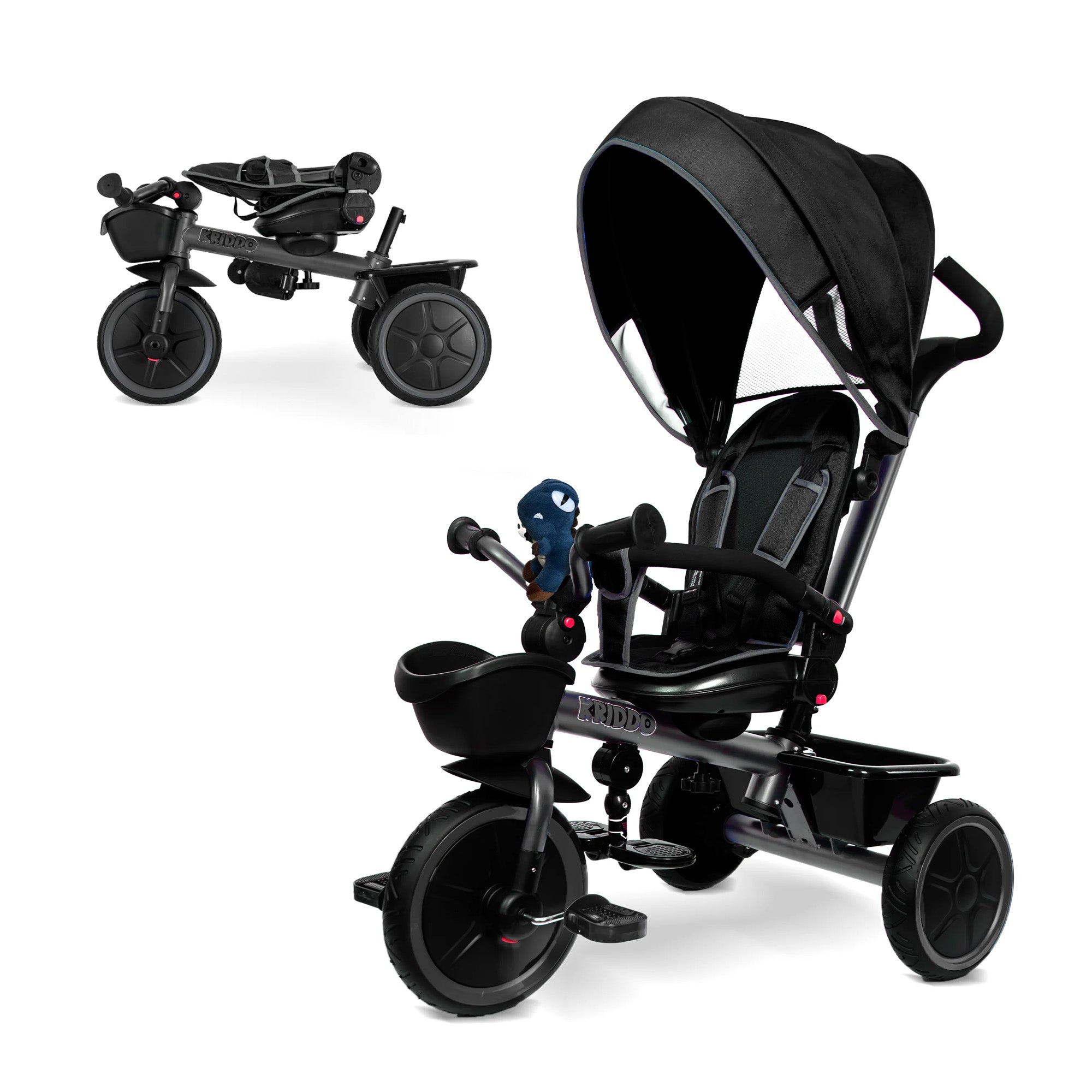
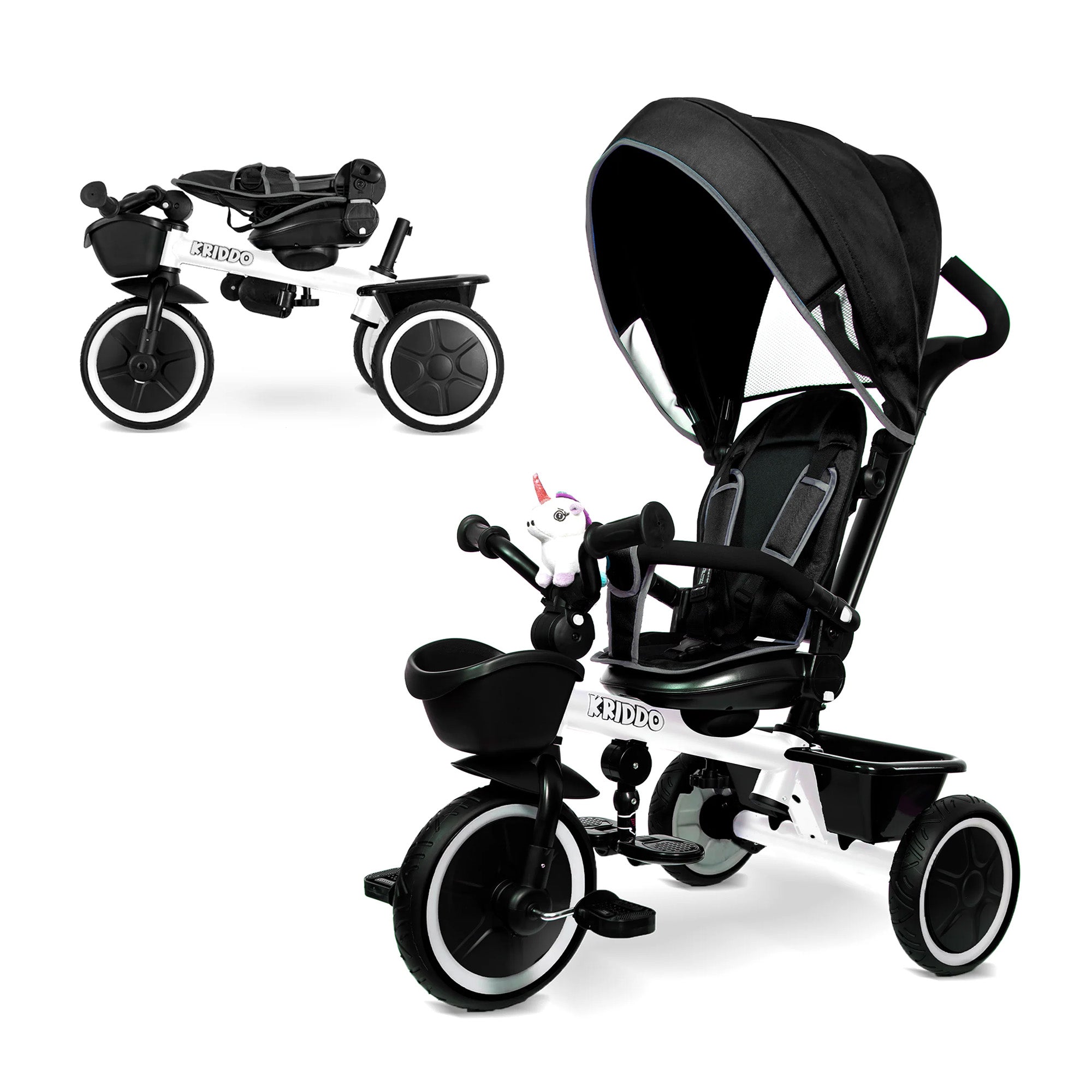
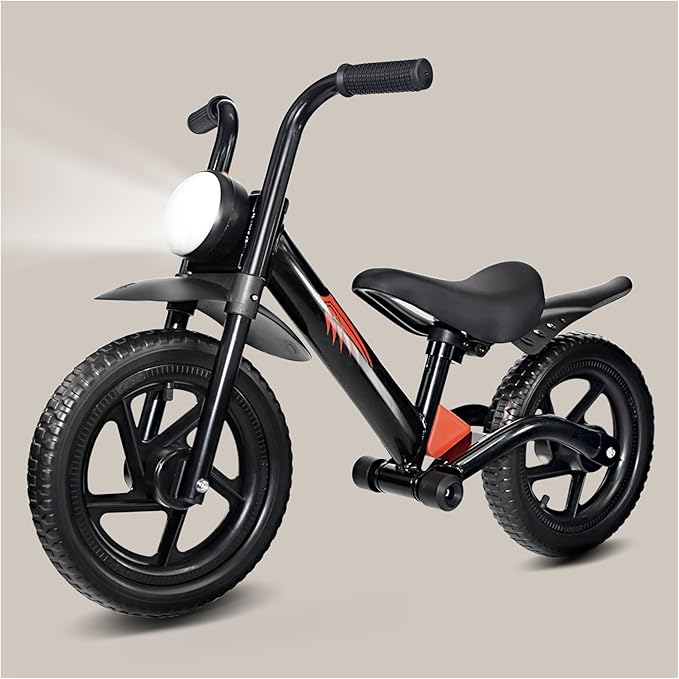
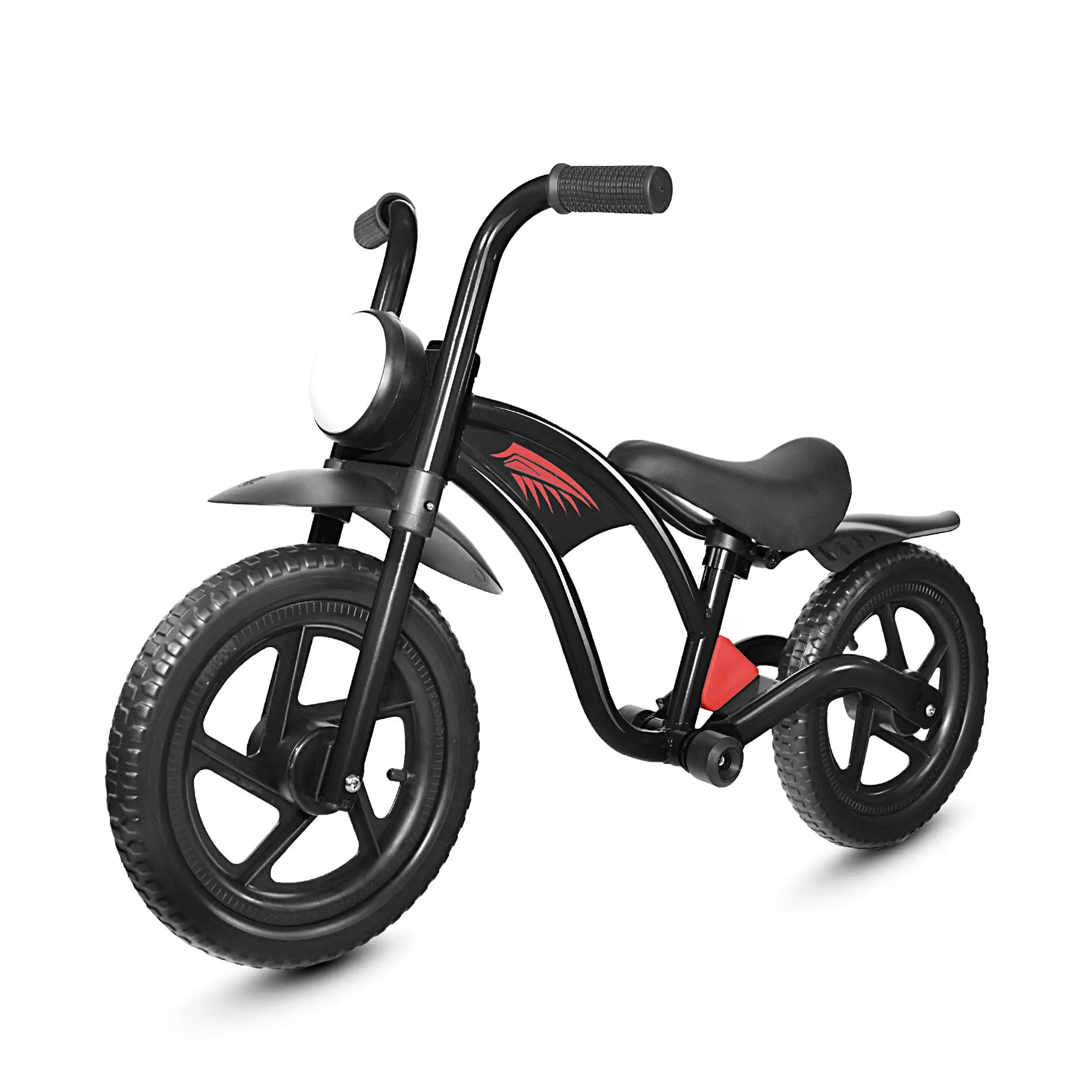
You can also turn the pre-match energy into playtime—let kids ride their little ride ons around while you get everything ready for kickoff.
Those little traditions make children feel included.
And honestly? Adults get into it too.
Featured Products
Is taking kids to World Cup games worth it?

For soccer-loving families, it absolutely can be.
Not because everything goes perfectly. It probably won’t.
Someone may get tired. Someone may complain about walking. Someone may ask for snacks every fifteen minutes.
But years later, kids usually remember the feeling more than the inconveniences.
The crowd roaring after a goal.
People singing together.
Seeing the entire stadium stand at once.
That’s the kind of memory children carry for a long time.
And sometimes, that shared experience matters more than the game itself.