







Why Summer Camp Is Good for Kids:
Benefits That Last Long After Summer Ends
Amanda | 2nd, June
Summer has a way of bringing out the best in childhood.
Long sunny days, outdoor adventures, messy crafts, new friendships, and endless opportunities to explore the world. For many families, summer camp becomes the perfect place for children to enjoy all of those experiences in one setting.
If you've ever wondered why summer camp is good for kids, the answer goes far beyond simply keeping them busy during school break.
A quality summer camp provides children with opportunities to build confidence, develop social skills, gain independence, explore new interests, and stay active—all while having fun. In many ways, summer camp blends learning and play in a way that feels natural and exciting.
Whether your child is attending camp for the first time or already counting down the days until summer begins, here are some of the biggest reasons summer camp can have a lasting positive impact.
1. Why Summer Camp Is Good for Kids: It Gets Them Moving and Away From Screens

Let's be honest—screens are everywhere.
During summer vacation, it's easy for children to spend hours watching videos, playing games, or scrolling through digital content. While technology certainly has its place, too much screen time often means less physical activity.
That's one of the reasons why summer camp is good for kids.
Summer camps naturally encourage movement through outdoor play, sports, adventures, and hands-on activities. Instead of sitting indoors, children are hiking trails, swimming, climbing, running, and exploring.
Many camps offer activities such as:
- Hiking
- Swimming
- Team sports
- Ziplining
- Archery
- Nature exploration
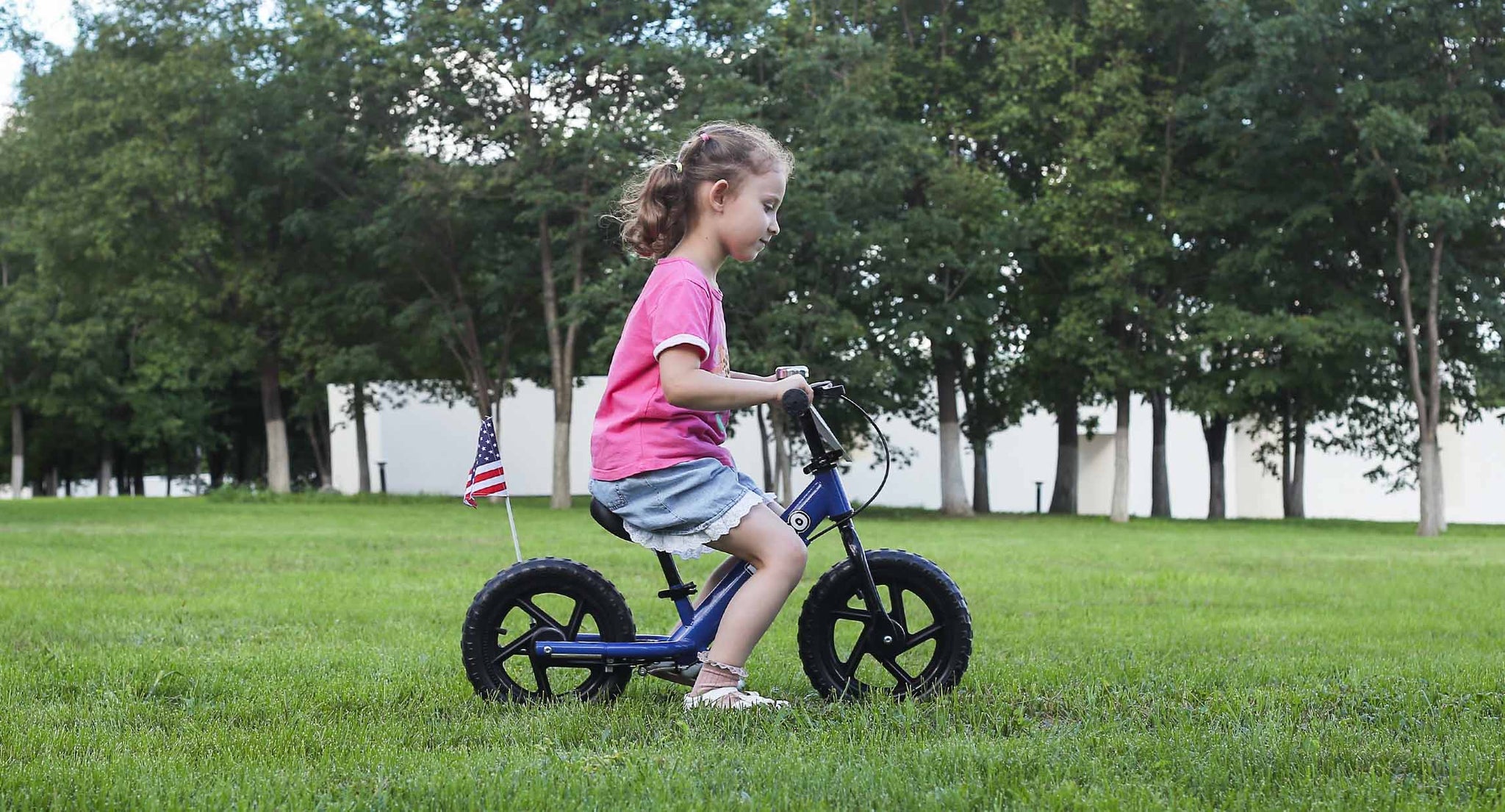
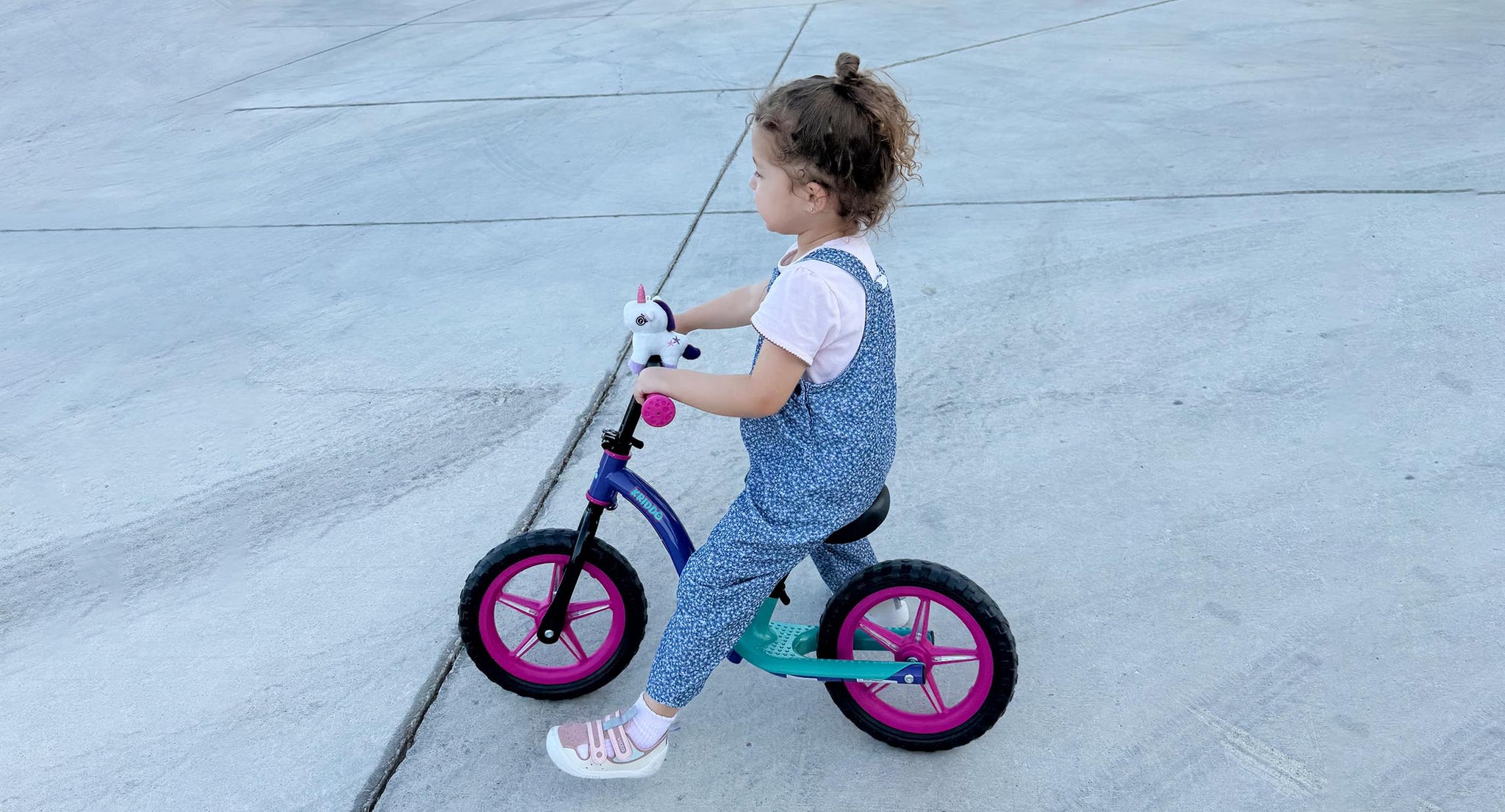
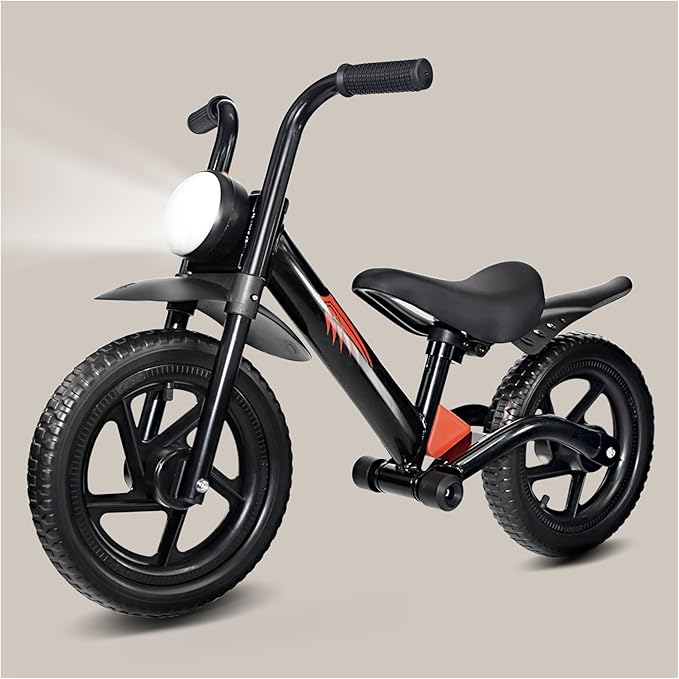
- Cycling with age-appropriate kids bikes
According to the World Health Organization, physical inactivity is a major contributor to disease and disability worldwide. Children who spend more time moving and less time sitting establish healthier habits that can benefit them for years to come.
Summer camp creates an environment where being active feels fun rather than something children are required to do.
For families looking to keep the outdoor fun going after camp ends, many of the same ideas can be found through these fun summer activities for toddlers, which help children stay engaged, curious, and active throughout the season.
2. Summer Camp Helps Build Social and Emotional Skills
One of the most valuable aspects of camp isn't found in the activities themselves—it's found in the relationships children build.
Summer camp creates countless opportunities for children to interact with peers, solve problems together, and navigate social situations independently.
Learning How to Make Friends
For some children, making friends comes naturally.
For others, it takes practice.
Camp provides a supportive setting where children meet peers from different backgrounds and learn how to communicate, cooperate, share, and work together.
Through games, group projects, and daily interactions, children naturally develop the kinds of social abilities that help them both inside and outside the classroom.
Learning strong social skills for building friendships early in life can make future relationships feel much easier and more rewarding.
Growing Confidence Through New Experiences
Trying something new can feel exciting—and a little scary.
Maybe it's their first time climbing a rock wall. Maybe they're performing in front of a group or participating in a team challenge.
Not every experience will go perfectly.
And that's okay.
In fact, overcoming small setbacks is often where the biggest growth happens.
Each challenge gives children a chance to discover what they're capable of. Those moments of success, persistence, and improvement contribute to the kind of confidence that lasts far beyond summer. Many parents are surprised by how quickly children develop self-belief when they experience a series of small victories that gradually build resilience and confidence.
Learning Emotional Regulation
Camp also helps children manage emotions in healthy ways.
Structured activities, supportive counselors, and new social situations encourage children to practice patience, flexibility, problem-solving, and emotional control.
Whether they're dealing with disappointment, excitement, frustration, or uncertainty, camp gives children opportunities to work through those feelings with guidance and support.
3. Creativity Thrives at Summer Camp
Ask adults about their favorite camp memories, and many won't immediately mention sports or competitions.
They'll talk about building forts.
Making crafts.
Cooking over a campfire.
Creating something from almost nothing.
Summer camp naturally encourages creativity because children are often placed in situations where they need to think independently and solve problems in new ways.
One day they might be designing a nature-inspired art project.
The next day they could be working with teammates to complete a challenge using limited materials.
These experiences strengthen creative thinking while allowing children to express themselves freely.
Unlike traditional classroom settings, camp often gives children more freedom to experiment, imagine, and explore their own ideas.
4. Kids Get the Chance to Discover New Interests

One reason why summer camp is good for kids is that it exposes them to experiences they might never encounter during the regular school year.
School schedules are busy.
Between homework, sports, and family commitments, there isn't always time to explore every interest.
Summer camp opens new doors.
According to the American Camp Association, many camps continue expanding their offerings to include:
- Adventure programs
- Nature education
- Gardening
- Cooking
- Fitness and wellness activities
- STEM learning
- Mountain biking
- Outdoor leadership programs
Children often discover passions they didn't know they had.
A child who has never touched a camera may suddenly love photography.
Another may discover a fascination with gardening or environmental science.
Camp provides the space to explore without pressure.
5. Summer Camp Encourages a Love for Nature
Many children spend surprisingly little time outdoors in their daily lives.
Summer camp helps change that.
Nature becomes part of everyday learning.
Children observe wildlife, explore forests, study ecosystems, and develop a greater appreciation for the environment around them.
Many camps also incorporate sustainability programs such as:
- Recycling initiatives
- Composting
- Waste reduction projects
- Conservation activities
These experiences help children understand how their actions affect the world around them.
More importantly, they develop a personal connection with nature.
And when children feel connected to the natural world, they're often more motivated to care for it.
6. One of the Biggest Benefits: Independence
Perhaps the most important reason why summer camp is good for kids is that it helps children become more independent.
This can be challenging for parents.
Watching children struggle with something isn't always easy.
We naturally want to step in and help.
But growth often happens when children face challenges on their own.
At camp, children regularly make decisions, solve problems, manage responsibilities, and navigate social situations without constant parental involvement.
These experiences teach valuable lessons:
- How to think independently
- How to handle setbacks
- How to solve problems
- How to adapt to new situations
- How to trust themselves
Children who develop a strong sense of independence often approach future challenges with greater confidence. Learning how to nurture a child's independent spirit helps create the foundation for resilience, self-confidence, and long-term success.
Summer camp provides a unique opportunity for children to practice these skills in a safe and supportive environment.
They return home not only with memories but also with a stronger sense of who they are and what they're capable of accomplishing.
Final Thoughts

If you're wondering why summer camp is good for kids, the answer goes far beyond filling time during summer break.
Summer camp encourages physical activity, strengthens social skills, builds confidence, develops independence, sparks creativity, and fosters a deeper connection with nature.
Most importantly, it gives children opportunities to grow in ways that simply can't be replicated through screens or structured academic environments alone.
The friendships, lessons, and confidence gained during summer camp often stay with children long after the final campfire has gone out.