




How to Choose Montessori Toys:
A Parent’s to Meaningful Play
Clara | 21st, Jan
Free movement is one of the reasons so many parents fall in love with the Montessori approach in the first place. Maria Montessori understood—long before it was widely accepted—that movement is not just physical activity. It’s how children think, regulate emotions, and make sense of the world around them.
But knowing that movement matters doesn’t mean we should schedule, direct, or force it at specific times. That’s the real challenge for Montessori parents: finding the balance between offering opportunities and stepping back to observe. The same balance applies when deciding how to choose Montessori toys.
This isn’t about filling shelves or keeping kids busy. It’s about choosing tools that respect a child’s natural development and curiosity.
What Actually Makes a Toy “Montessori”?

When people ask how to choose Montessori toys, they often expect a checklist. Wooden? Neutral colors? No batteries? Those things help—but they’re not the heart of it.
Montessori toys are designed to support the child as an active learner. They invite hands-on exploration, problem solving, and purposeful movement. Unlike flashy, battery-powered toys that entertain the child, Montessori materials engage the child.
They may look simple, but simplicity is the point.
The Core Benefits of Montessori Toys for Child Development
When people ask how to choose Montessori toys, they often expect a checklist. Wooden? Neutral colors? No batteries? Those things help—but they’re not the heart of it.
Montessori toys are designed to support the child as an active learner. They invite hands-on exploration, problem solving, and purposeful movement. Unlike flashy, battery-powered toys that entertain the child, Montessori materials engage the child.
They may look simple, but simplicity is the point.
They Encourage Independence
Most Montessori toys are self-correcting. That means the child can see when something doesn’t work—and try again without adult intervention. Over time, this builds confidence and a sense of ownership over learning.
A child who figures something out alone doesn’t just learn how to do it. They learn that they can.
They Improve Focus and Concentration
Because Montessori toys are intentionally minimal, they don’t overwhelm the senses. There’s no flashing light pulling attention away from the task. The child focuses deeply on one activity, often for longer than adults expect.
This kind of sustained attention becomes the foundation for later academic learning, even though it starts through play.
They Support Fine and Gross Motor Skills
From threading beads to carrying a tray, Montessori toys strengthen muscles and coordination in ways that align with early developmental milestones. Small hand movements refine fine motor control, while larger activities support balance and posture.
Movement isn’t a break from learning—it is learning.
They Teach Practical Life Skills
Many Montessori materials mirror everyday tasks: pouring water, sweeping, buttoning, dressing. These activities foster responsibility and help children feel capable in real life, not just in play scenarios.
Kids love doing “real” work when it’s scaled to their size.
They Build Problem-Solving Skills
Montessori toys are often open-ended. Children test ideas, explore outcomes, and adapt their approach. That process strengthens critical thinking and analytical skills without needing instructions or rewards.
Mistakes are part of the experience, not something to avoid.
They Support Language Development
Naming objects, describing textures, sequencing steps—language naturally grows through interaction. Montessori toys encourage conversation and vocabulary building without forcing it.
Words emerge from experience, not memorization.
Why Simple Toys Often Do the Most Work
Montessori toys don’t rely on noise or spectacle. They rely on thoughtful design. Each element has a purpose, and nothing extra competes for attention.
That’s why these toys often grow with the child. A material that seems basic at first can be explored in more complex ways as skills develop.
Simple doesn’t mean boring. It means open.
Choosing Montessori Toys for Toddlers (Ages 1–3)
Toddlers are explorers by nature. They’re learning how their bodies move, how objects behave, and how the world responds to their actions. Montessori toys for this age group support both physical and cognitive growth.
Below are examples of Montessori-aligned toys that work especially well for children between one and three years old, along with why they matter.
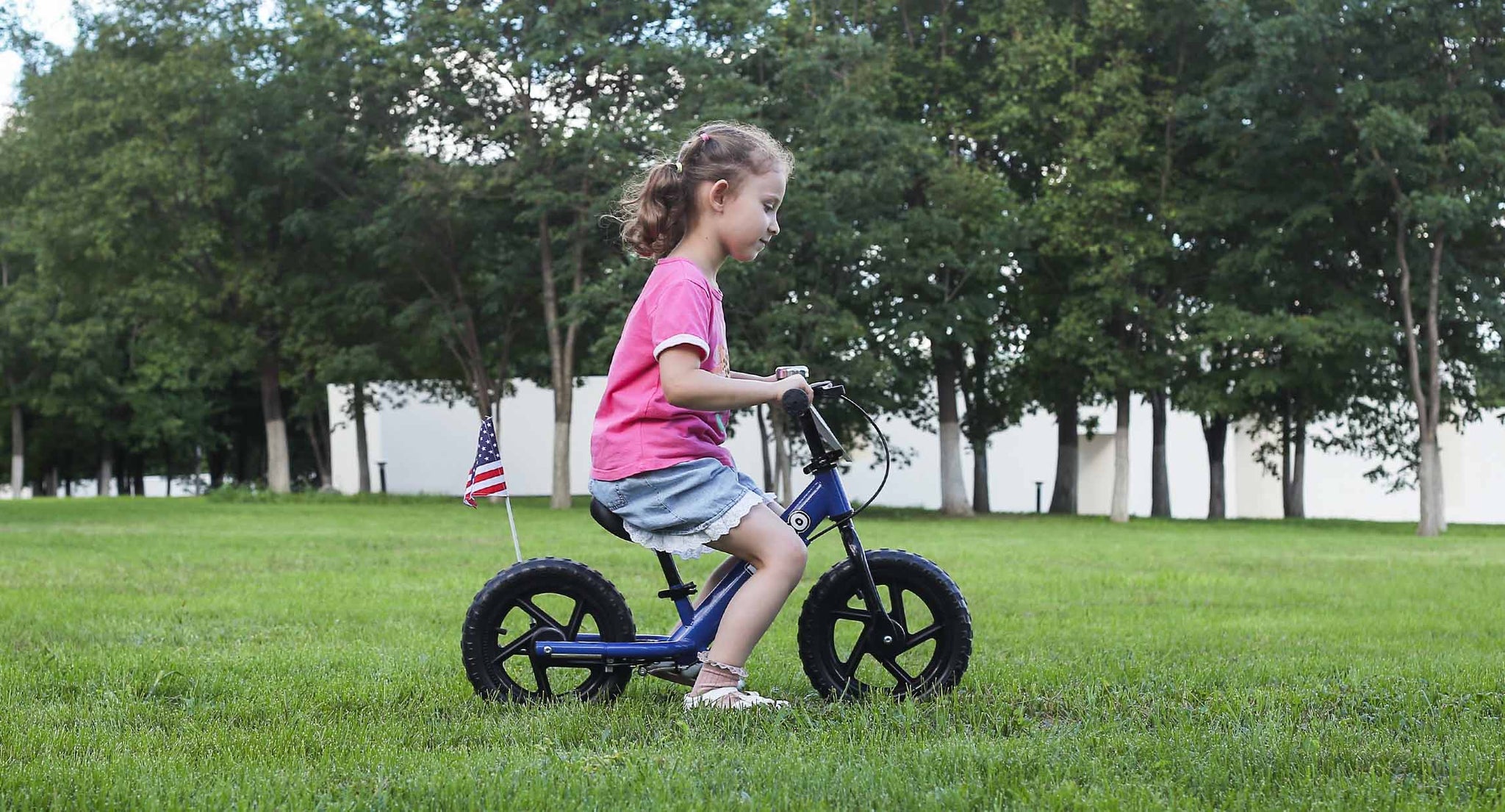
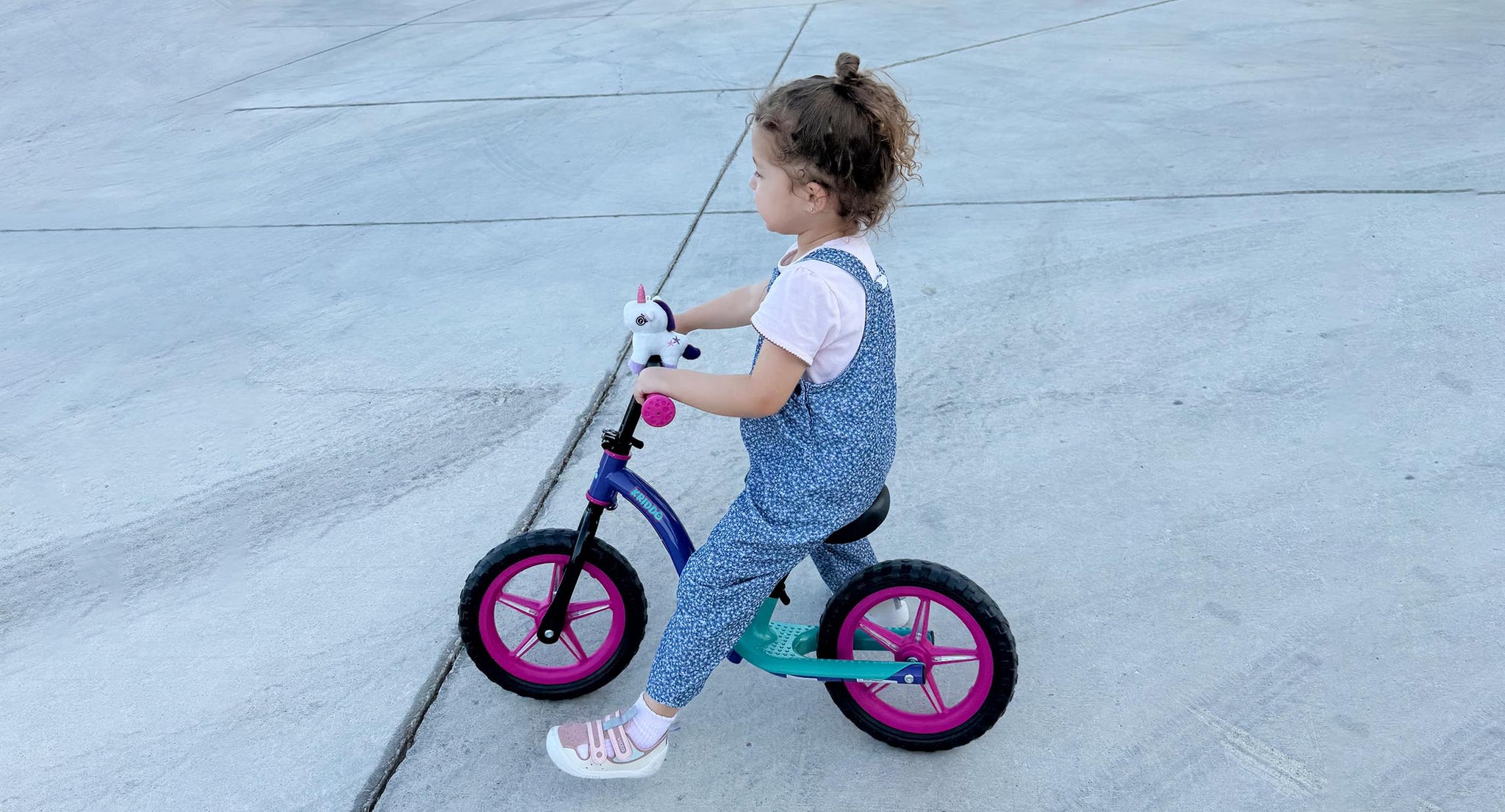
Balance Bikes (Ages 2–3)
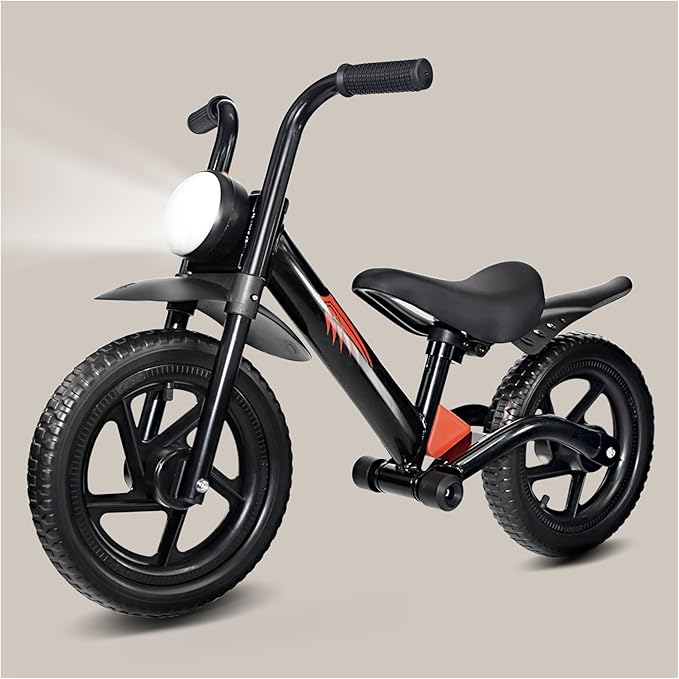
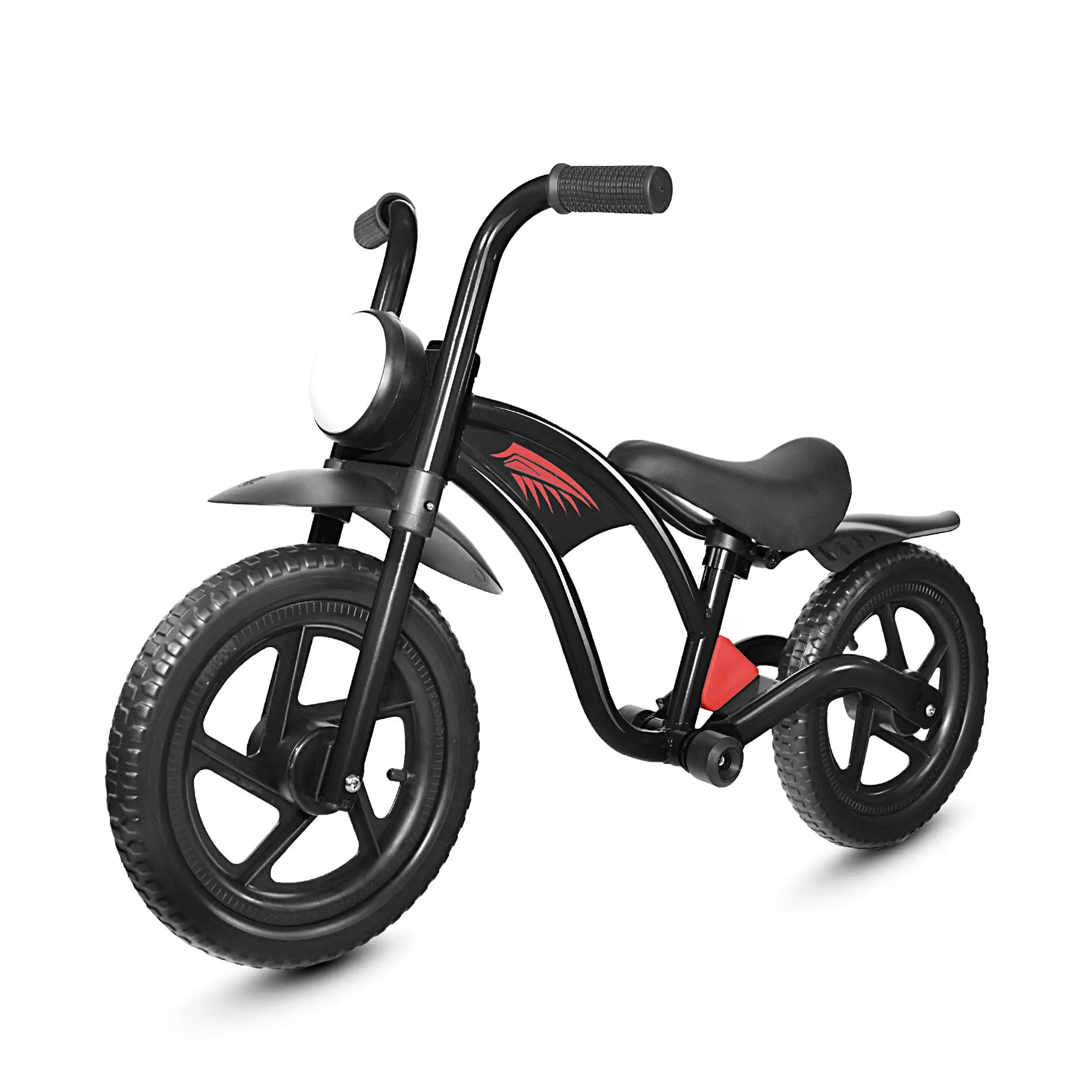
Balance bikes and similar outdoor toys promote the development of gross motor skills, coordination, and balance. By removing pedals, toddlers concentrate on posture and movement rather than the mechanics of pedaling.
For example, a wooden balance bike offers physical challenges that strengthen body awareness and control. Children learn how to shift weight, stabilize themselves, and trust their bodies.
Wooden Stacking Blocks (Around 1 Year)
Stacking and sorting build hand-eye coordination and early spatial awareness.
For instance, stacking blocks into a tower challenges balance and teaches cause and effect—what happens when it gets too tall? Toddlers quickly find out.
Object Permanence Boxes (Around 1 Year)
These materials help babies understand that objects still exist even when they can’t be seen—a major cognitive milestone.
A classic example is a wooden box where a ball drops through a hole, disappears, and then reappears on a tray. This simple action supports early reasoning and memory.
Stackers (Rings or Blocks, Ages 1–2)
Stacking toys develop fine motor skills while introducing concepts like size, order, and sequence.
A set of graduated rings that must be stacked in a specific order offers a satisfying challenge that improves coordination and problem-solving.
Shape Puzzles (Ages 1–2)
Shape puzzles support early geometry awareness and hand-eye coordination.
A wooden board with pegs and matching holes helps children recognize shapes while refining spatial perception through repetition.
Realistic Animal Figures (Ages 1–3)
These encourage imagination, storytelling, and early knowledge of the natural world.
A set of realistic animal figures invites pretend play while fostering empathy and curiosity about living things.
Musical Instruments (Ages 1–3)
Simple instruments spark creativity and introduce rhythm and sound.
A toddler drum or wooden xylophone lets children explore cause and effect while expressing themselves freely.
Busy Boards (Ages 1–3)
Busy boards include locks, latches, textures, and simple mechanics.
A board with different tactile and mechanical elements satisfies curiosity and strengthens fine motor skills through exploration.
Lacing or Threading Toys (Ages 2–3)
Threading beads or shapes builds dexterity and pattern recognition.
Bright beads and a cord can keep a toddler engaged for long stretches while strengthening hand control and focus.
Wooden Rainbow Stackers (Ages 2–3)
These visually appealing toys support creativity and spatial reasoning.
Curved wooden arches can be stacked, nested, or arranged in endless ways, allowing children to experiment freely.
A Note on Repetition (Yes, It’s Normal)
Parents sometimes worry when a child repeats the same activity over and over. In Montessori philosophy, repetition is a sign of learning in progress. Children repeat tasks to refine skill, build confidence, and internalize concepts.
If a toy invites repetition, that’s usually a good sign.
Observing Before Buying: An Often-Missed Step
One of the most overlooked parts of how to choose Montessori toys is observation. Watch what your child gravitates toward. Do they love carrying things? Sorting? Climbing? Opening and closing?
The right toy meets the child where they are, not where we think they should be.
Montessori Toys Aren’t About Doing More

They’re about doing less, better.
Fewer toys. More intention. More space for concentration, movement, and discovery. Montessori toys don’t compete for attention—they wait patiently until the child is ready.
And when chosen thoughtfully, they support growth in ways that feel natural, not forced.