




BMX for Kids:
When Toddlers Start Racing, and Falling in Love with Bikes
Evelyn | 22th, Jan
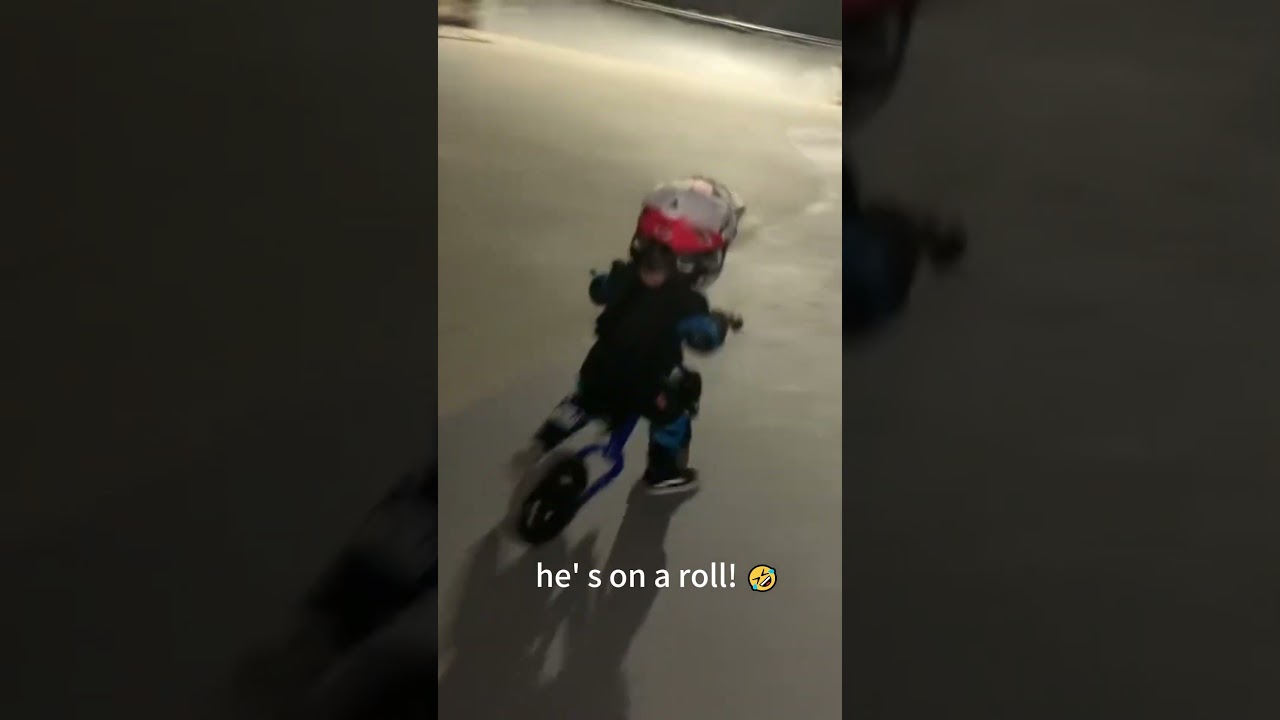
When people hear “BMX,” they often picture teenagers flying over dirt jumps or adults racing under bright stadium lights. What they don’t picture—yet should—is a toddler pushing off on a tiny bike, feet skimming the ground, eyes locked forward, completely focused. That moment right there? That’s where BMX for kids actually begins.
For many families, BMX doesn’t start with competition. It starts with curiosity. A child who loves wheels. A toddler who wants to go faster than a walk. A kid who keeps asking, “Can I try?” And once that spark shows up, the next question always follows: How young is too young?
What Age Can Toddlers Start BMX?
From a competitive standpoint, BMX racing is often structured into age brackets, with six and under considered the first official category. In places like Manchester, kids as young as five can already line up at the starting gate. That said, the real entry point into BMX culture happens much earlier—and it doesn’t involve pedals at all.
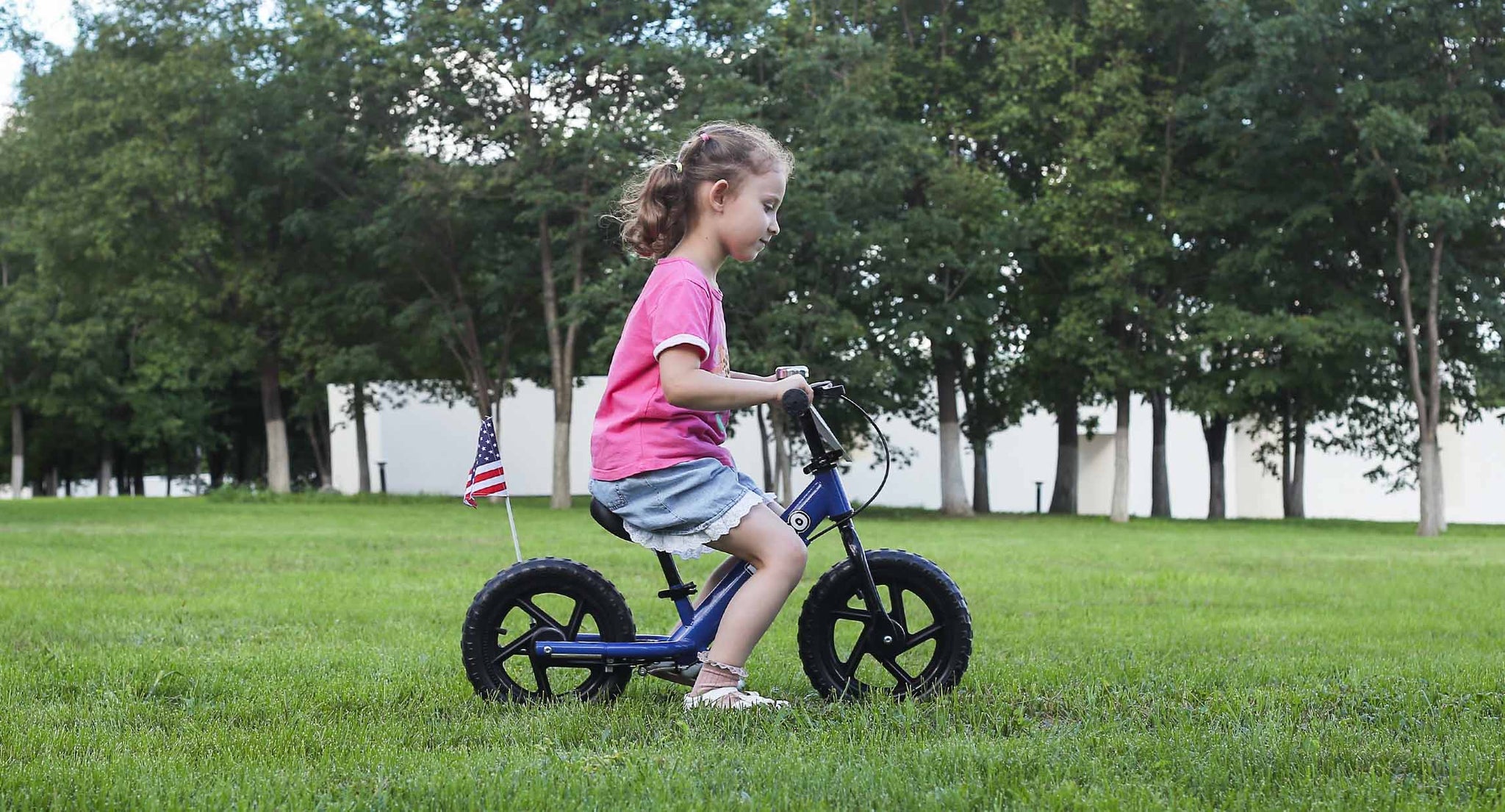
Most BMX tracks offer balance bike sessions for children between two and five years old. These sessions aren’t about winning races. They’re about learning how bikes move under the body, how balance works at speed, and how confidence grows through repetition. This stage is the true first step into BMX or any bike sport.
A perfect example is Rhyder Joiner, who rode a KRIDDO blue balance bike and took first place in his very first BMX race. That kind of result doesn’t come from pressure or pushing—it comes from starting early, starting simple, and letting skills build naturally.
And it’s worth saying out loud: age isn’t a barrier. BMX tracks are full of parents riding alongside their kids, laughing just as hard, falling just as often, and having just as much fun.


What Kind of Bike Should a Toddler Use for BMX?
For toddlers, BMX isn’t about tricks or jumps yet. It’s about coordination, body awareness, and control. That’s why the starting point is almost always a balance bike.
Stage One: Balance Bikes (Ages 1–4)
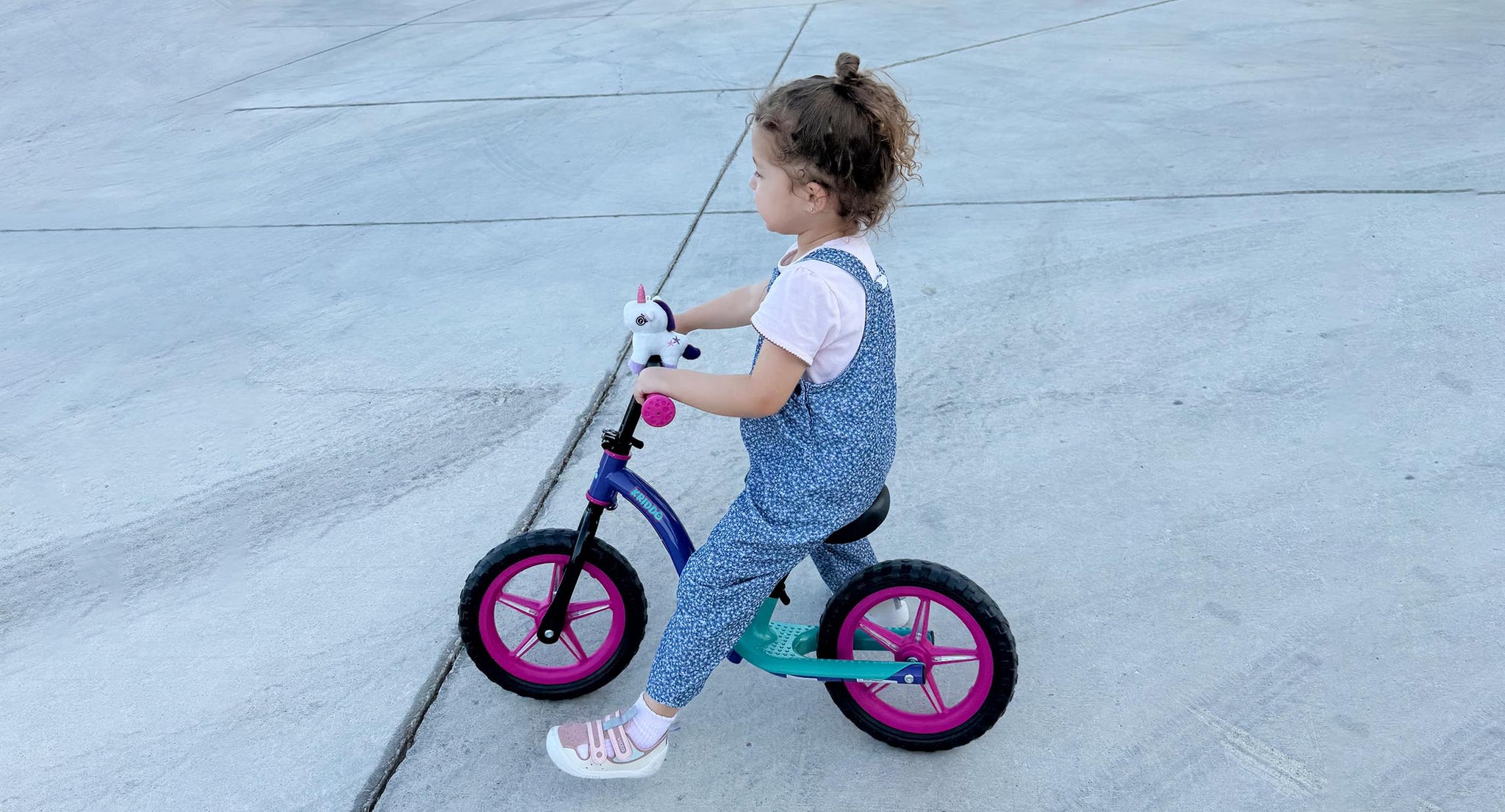
Balance bikes teach the single most important BMX skill: balance. No pedals. No chains. No distractions. Kids learn how to steer, stop, lean, and recover—all with their feet ready to catch them.
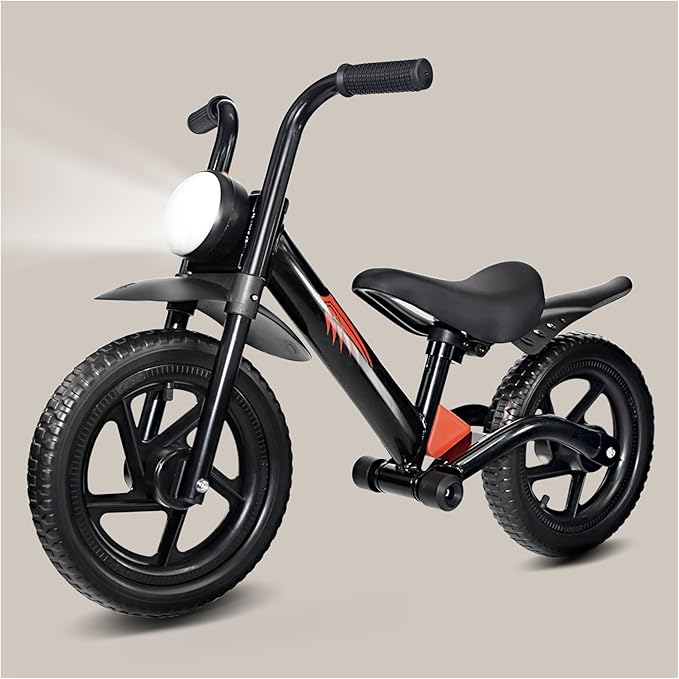
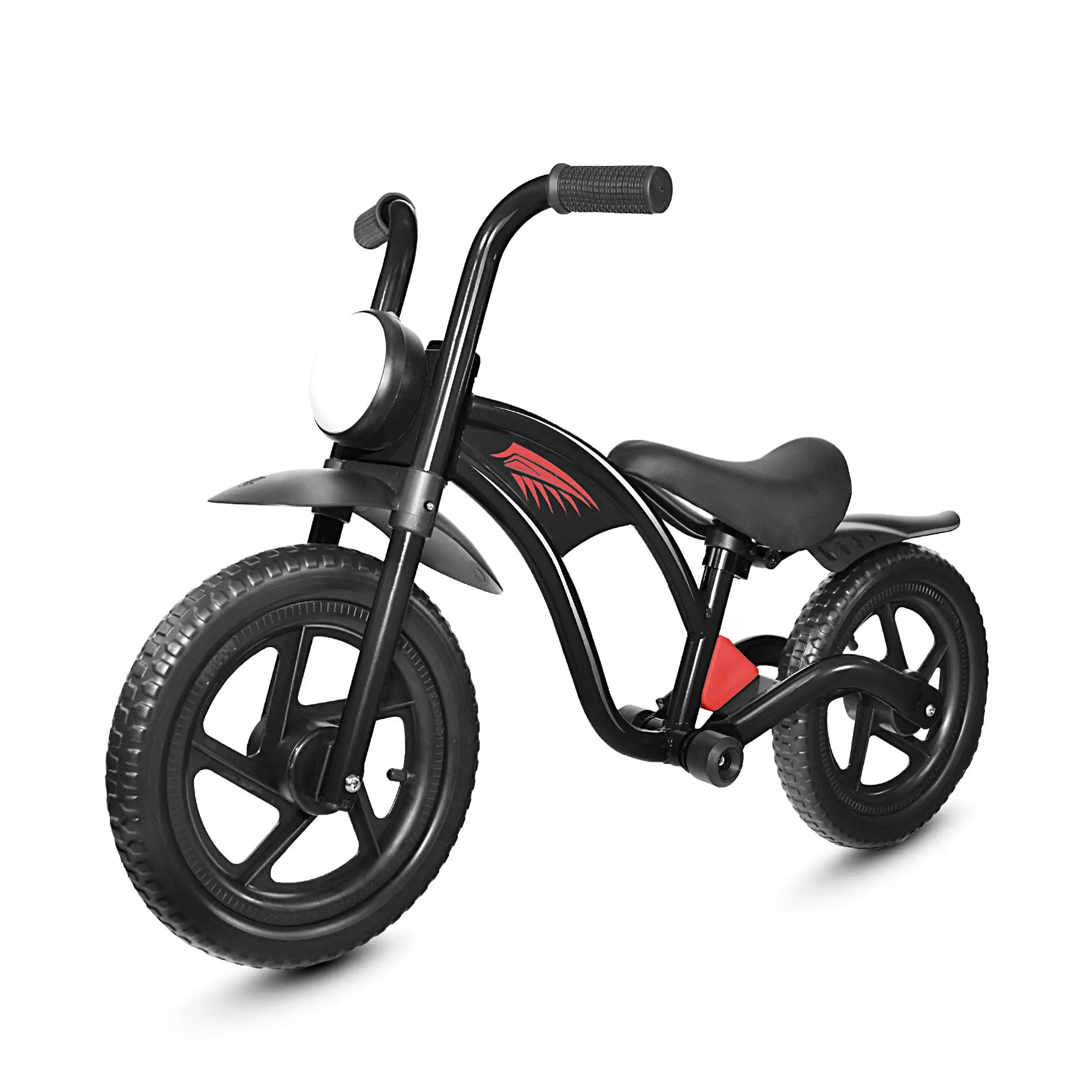
A well-designed balance bike, like a KRIDDO balance bike, gives toddlers the freedom to explore movement without fear. They can glide, slow down, speed up, and experiment. That experimentation is what builds instinct.
Stage Two: Small Pedal BMX Bikes (Ages 3–8)
Once balance feels automatic, kids transition naturally to pedal bikes with 12–14 inch wheels. At this stage, size matters more than brand. The bike should fit the child’s height so they can reach the pedals and handlebars comfortably without stretching or hunching.
Durability becomes important here. Kids will crash. They’ll drop the bike. They’ll drag it across pavement. A strong frame and simple components matter far more than fancy features.
Why BMX Geometry Matters—even for Toddlers
Many people don’t realize that some balance bikes are intentionally built to mirror real BMX geometry. The angles, proportions, and riding stance are designed to feel familiar when kids eventually move to larger bikes.
This matters more than it sounds.
When toddlers ride a balance bike with BMX-inspired geometry, they’re already learning how to position their body for racing and park riding. They get used to the idea of standing over the bike, leaning into turns, and staying centered. By the time they upgrade, nothing feels foreign.
Instead of relearning movement, they’re refining it.
Turning Everyday Rides Into BMX Adventures
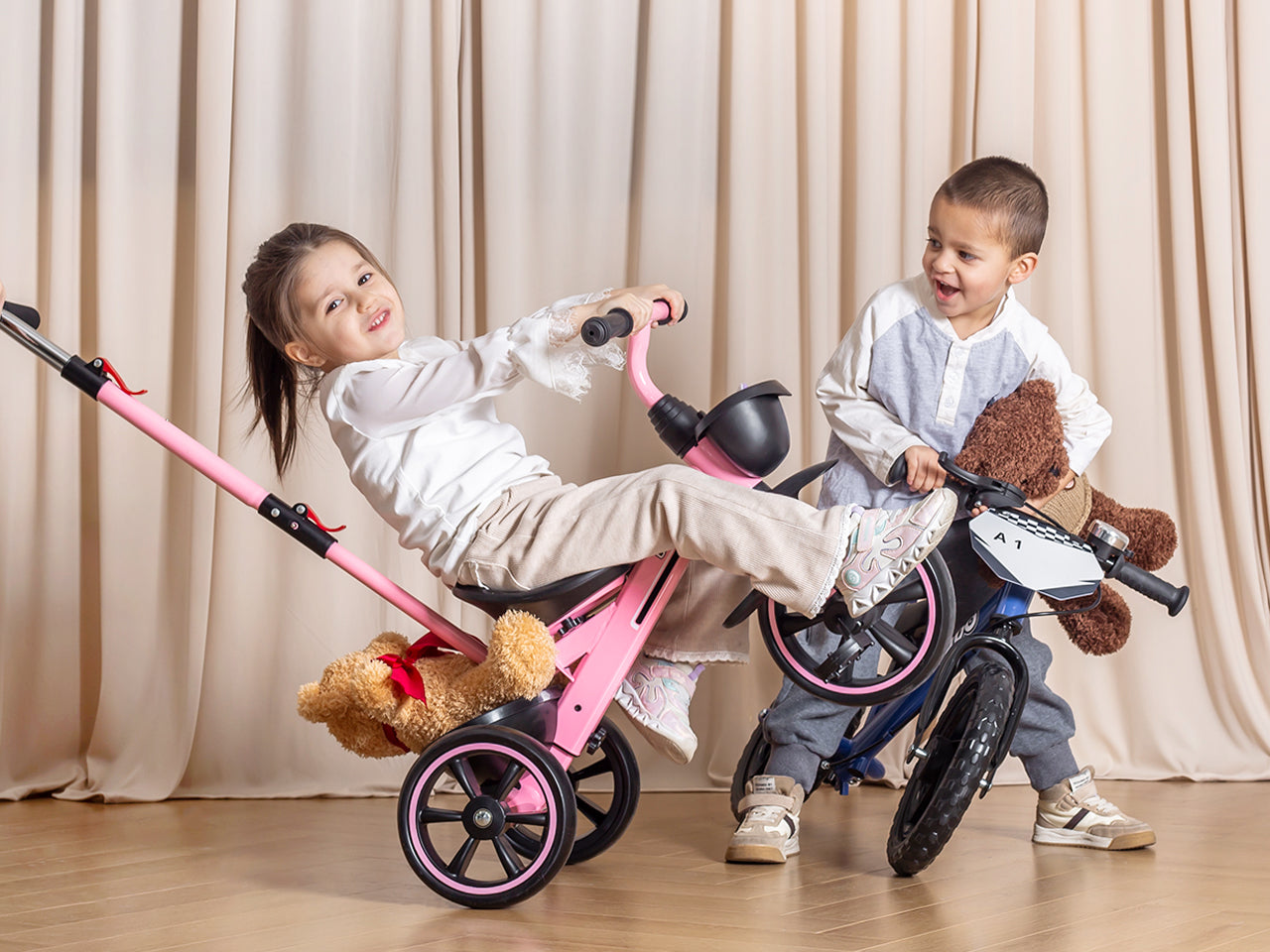
One of the best parts about starting BMX with a balance bike is how easily it fits into daily life. A regular walk becomes a ride. A driveway becomes a track. A park path turns into a practice loop.
Concrete sidewalks, packed dirt trails, pump tracks, gentle slopes—all of it becomes usable terrain. Toddlers don’t need ramps or race gates. They need space, time, and freedom to move.
This is how BMX for kids becomes a family activity instead of a scheduled obligation. It blends into normal routines while quietly building skill.
A Standout Choice: Best BMX Toddler Balance Bike
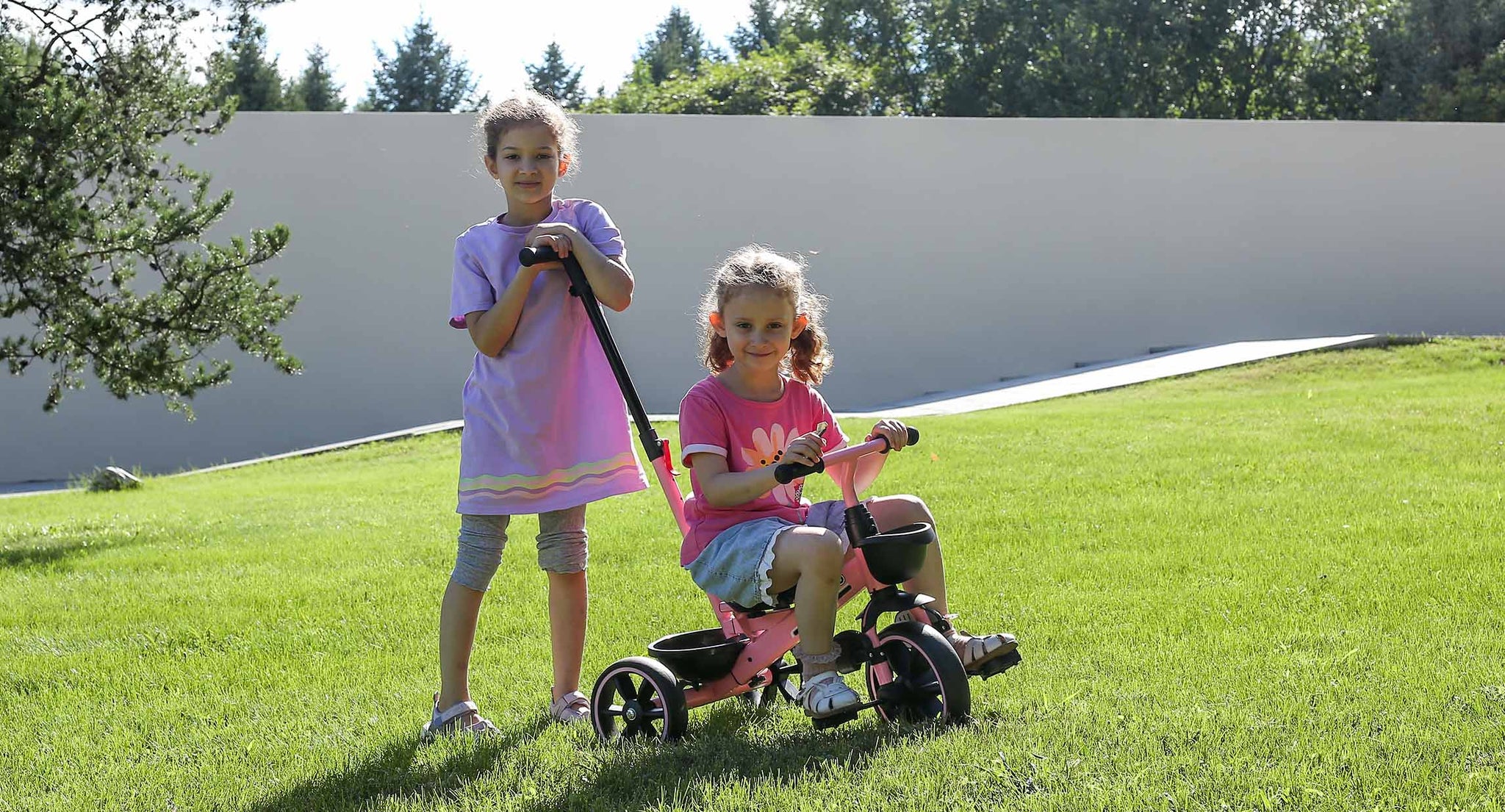
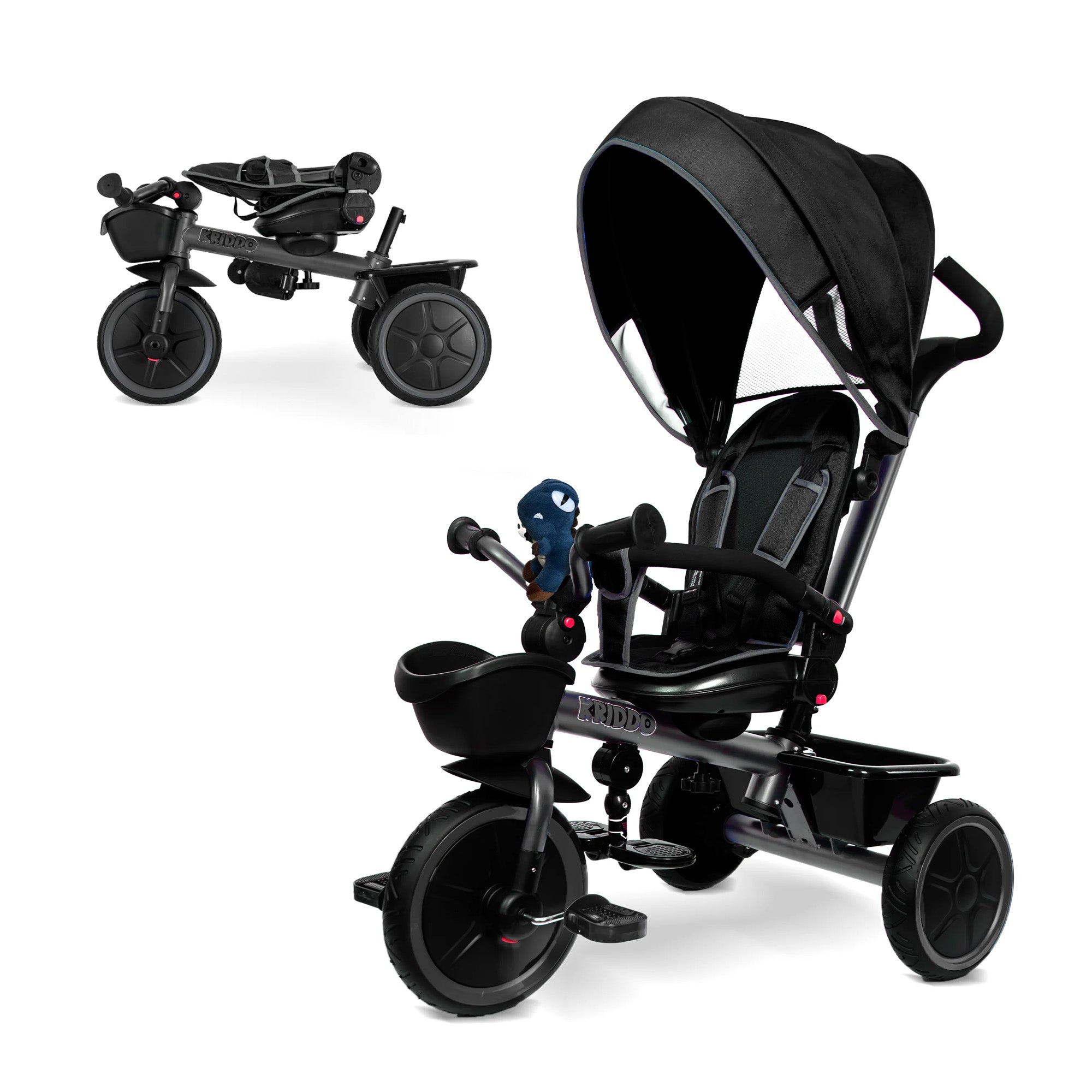
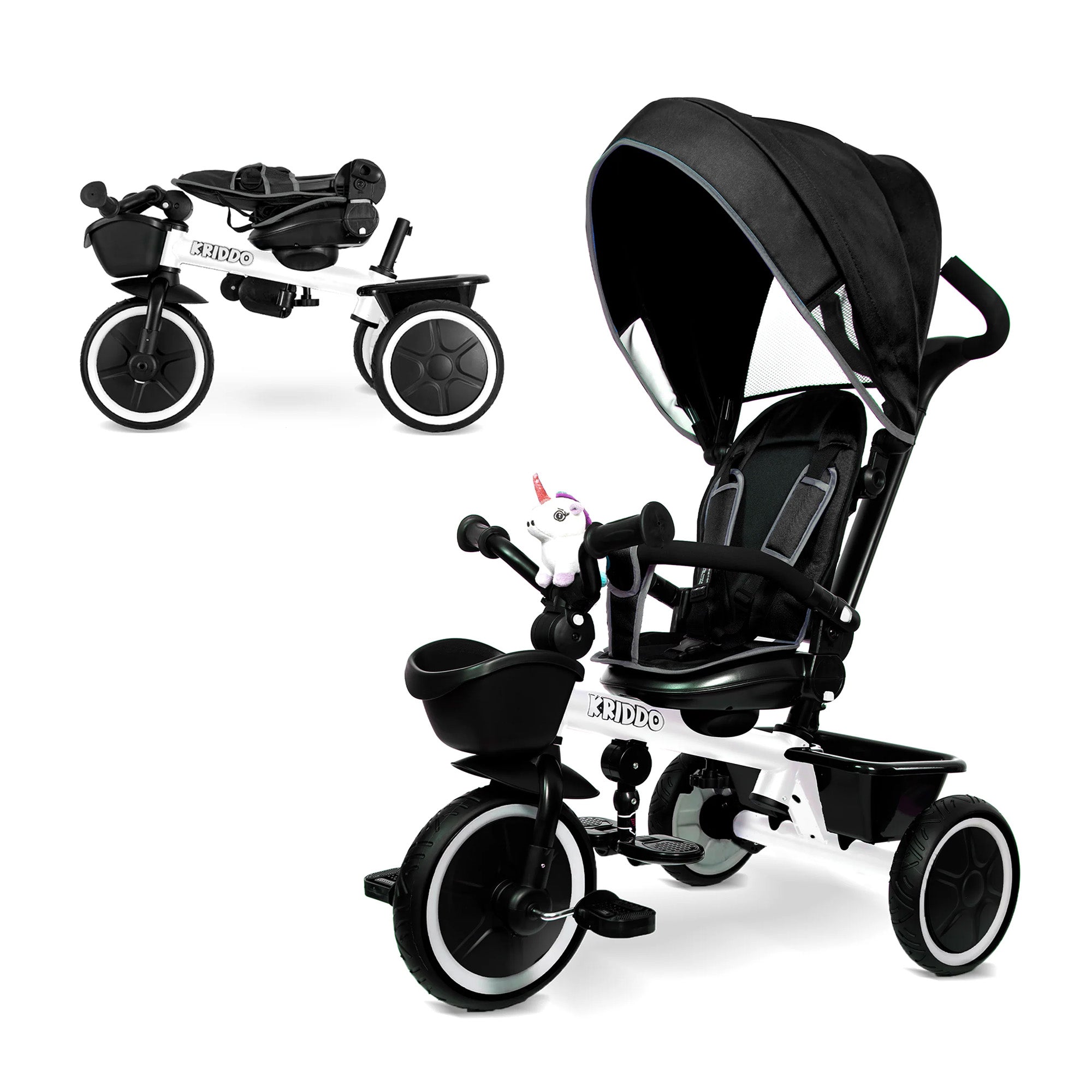
A strong example of a toddler-ready BMX-style balance bike is the KRIDDO balance bike with training wheels. Designed specifically for children ages 2 to 5, this bike balances performance, comfort, and durability in a way that supports real riding—not just casual play.
Teaching Proper Riding Position (Without Making It a Lesson)
Good riding posture isn’t something toddlers need explained—it’s something they absorb through practice. Still, there are a few fundamentals worth gently reinforcing.
Balance
Everything starts here. Balance allows kids to respond to obstacles, maintain control, and explore new surfaces without panic.
Foot Placement
Feet should sit about shoulder-width apart, centered on the footrest or pedals. This creates stability and faster reactions.
Knees
Slightly bent knees act as natural shock absorbers, especially on bumpy ground or during small drops.
Upper Body
Arms stay relaxed but steady. The torso leans slightly forward—not stiff, not floppy.
Head Position
A simple way to practice is letting kids stand on the bike while stationary, or roll slowly in a straight line in an open, safe space.
Practical Tips From BMX Parents
Parents who’ve been through this stage tend to agree on a few basics:
- When helping kids mount or dismount, hold the back of the seat and guide their feet to the ground.
- Start on smooth concrete or packed dirt. Skip gravel until confidence grows.
- Helmets are non-negotiable. A properly fitted toddler helmet keeps kids safe and comfortable—and helps parents relax, too.
Why Starting Early Works
BMX for kids isn’t about creating champions. It’s about building comfort with movement, speed, and self-trust. Toddlers who start on balance bikes learn that falling isn’t failure—it’s feedback. They learn to adjust, try again, and keep moving.
Those lessons carry forward, whether a child ends up racing, riding trails, or just cruising the neighborhood.
And sometimes, they carry forward into adulthood—right alongside their parents on the track.
Final Thoughts
So, what age is right for BMX? Earlier than most people think. Not because kids need to rush, but because toddlers are naturally wired to learn through movement. Balance bikes simply give that instinct a direction.
Start with the right bike. Keep it fun. Stay patient. The rest follows.
BMX for kids doesn’t begin at the starting gate. It begins the moment a toddler pushes off, finds their balance, and realizes they can do this on their own.