




Girl Bike vs Boy Bike:
What Really Matters for Kids
Leslie | 16th, Feb
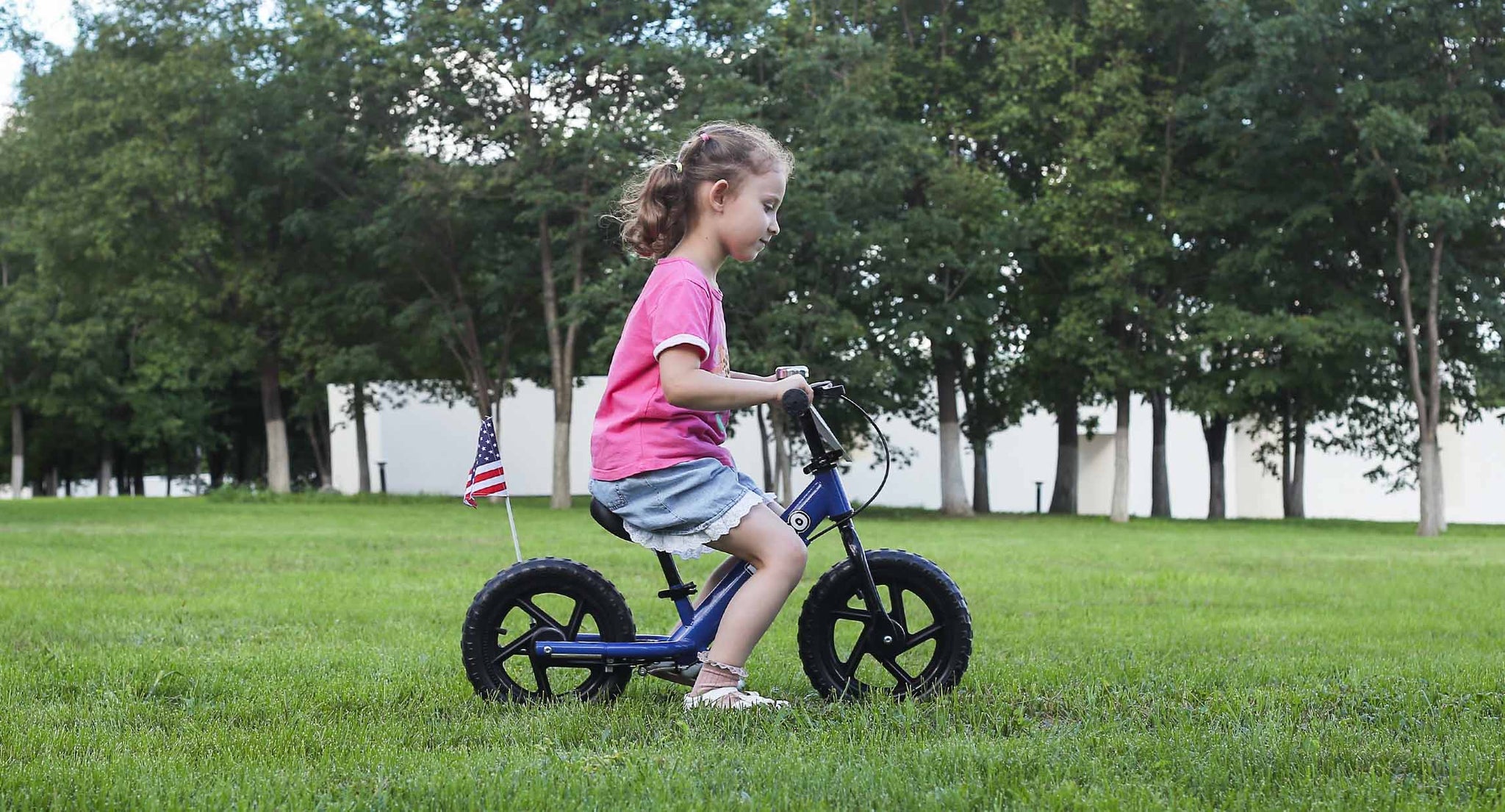
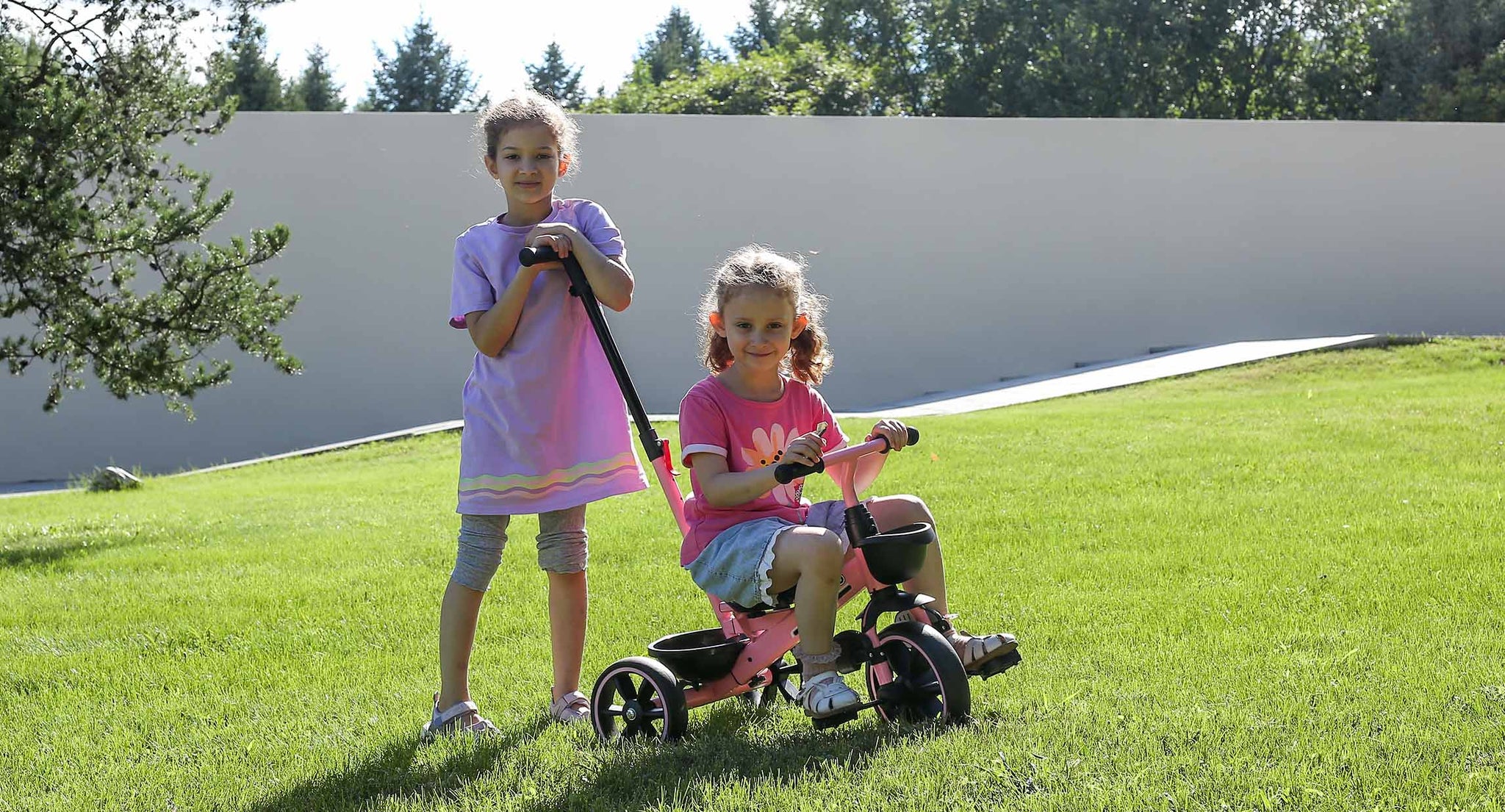
For decades, the conversation around girl bike vs boy bike has felt louder than it really needs to be. Walk into almost any toy store and the pattern still shows up—superheroes, darker colors, and bold graphics on one side; sparkles, pastel shades, and fantasy themes on the other. It’s easy to assume these differences run deep. But when you slow down and really look at how children ride, grow, and learn balance, the gap between “girl bikes” and “boy bikes” becomes far more cultural than functional.
Where gendered bike design really came from

The idea of gender-specific bicycles didn’t begin with kids. It goes back to the late 19th and early 20th centuries, when social expectations around clothing and behavior shaped nearly every product people used. Women’s bicycles were built with lower top tubes so riders could mount the bike while wearing long skirts. Men’s bikes, with higher crossbars, were seen as symbols of strength and athleticism.
Those assumptions stuck around longer than anyone expected. Over time, they trickled down into children’s products, even though boys’ and girls’ bodies are far more similar in early childhood than in adulthood. Still, history has a long shadow, and marketing often follows paths that feel familiar, even when they no longer make technical sense.
The marketing effect parents don’t always notice
Here’s the thing—most kids don’t start out caring whether a bike is “for boys” or “for girls.” They care about how it looks, how easy it is to ride, and whether their friends will tease them. That’s where color and styling quietly become powerful.
A girl might love the structure of a so-called boy bike, but a single comment from another child can change that enthusiasm instantly. The same happens in reverse. A boy riding a neutral bike with softer colors may suddenly lose interest after being laughed at on the playground. These reactions aren’t about performance; they’re about social signaling. And once confidence drops, riding often stops altogether.
Functionally speaking, the differences are minimal

When you strip away themes, decals, and color palettes, the functional differences between girl bikes and boy bikes are surprisingly small. Frame size isn’t usually the issue—children of the same age have similar proportions regardless of gender. The one recurring structural variation is stand-over height.
Many bikes labeled for girls use a step-through or gently curved frame. This design lowers the stand-over height, making it easier for a child to get on and off independently. It’s less about femininity and more about comfort and confidence. A child who can mount a bike without help is far more likely to ride it often.
The rise of balance bikes also simplified things.
Instead of focusing on pedaling strength or complex coordination, balance bikes emphasize balance, steering, and control from the very beginning. For young children, this means learning happens closer to the ground, at their own pace, with fewer barriers.
Once learning becomes this straightforward, many of the old design distinctions lose their practical importance. Fit, weight, and adjustability start to matter far more than labels. That shift explains why modern kids’ bikes—whether marketed to girls, boys, or both—tend to look and function more alike than they did in the past.
Why some balance bikes still lean “girly”
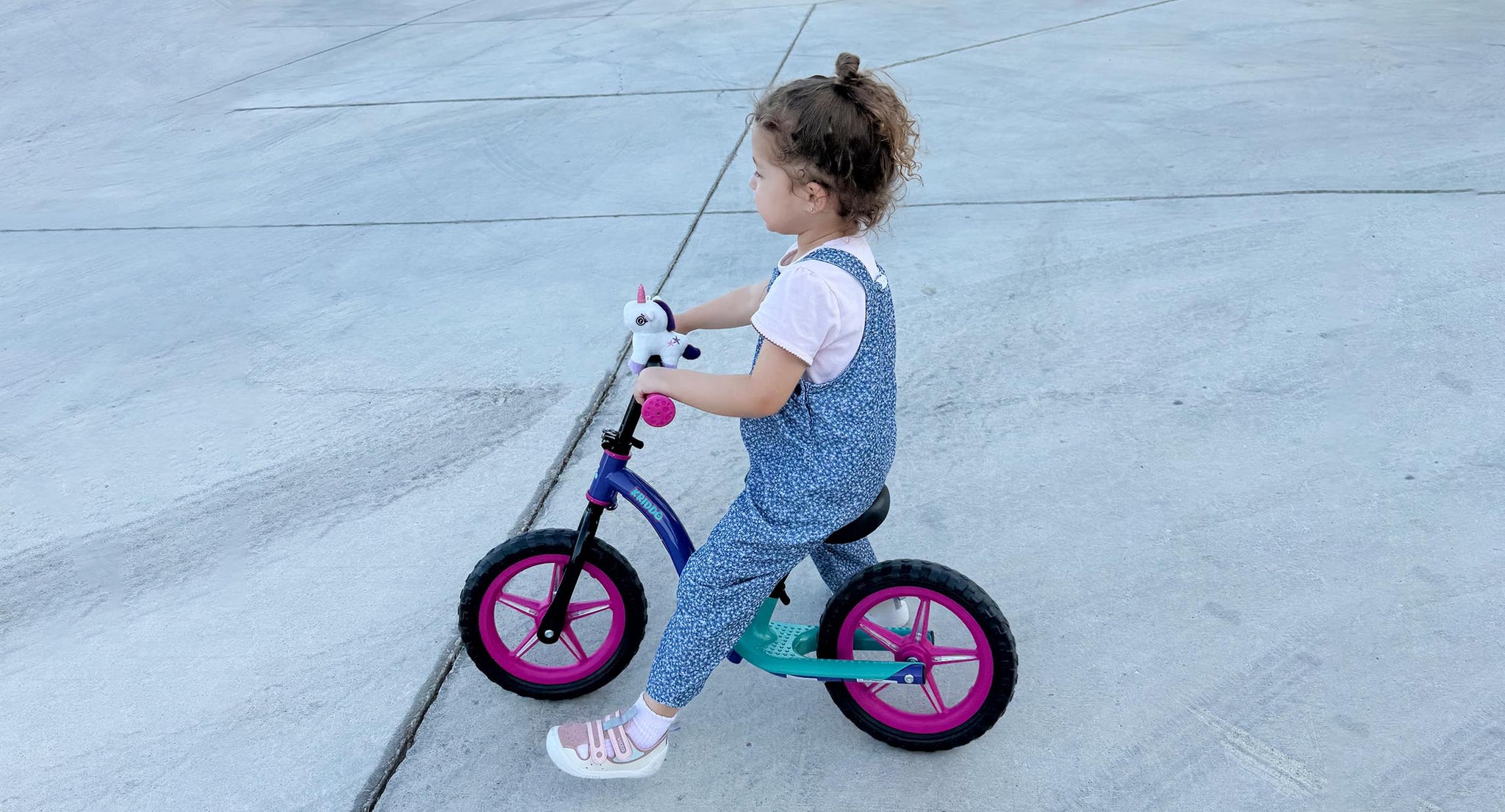
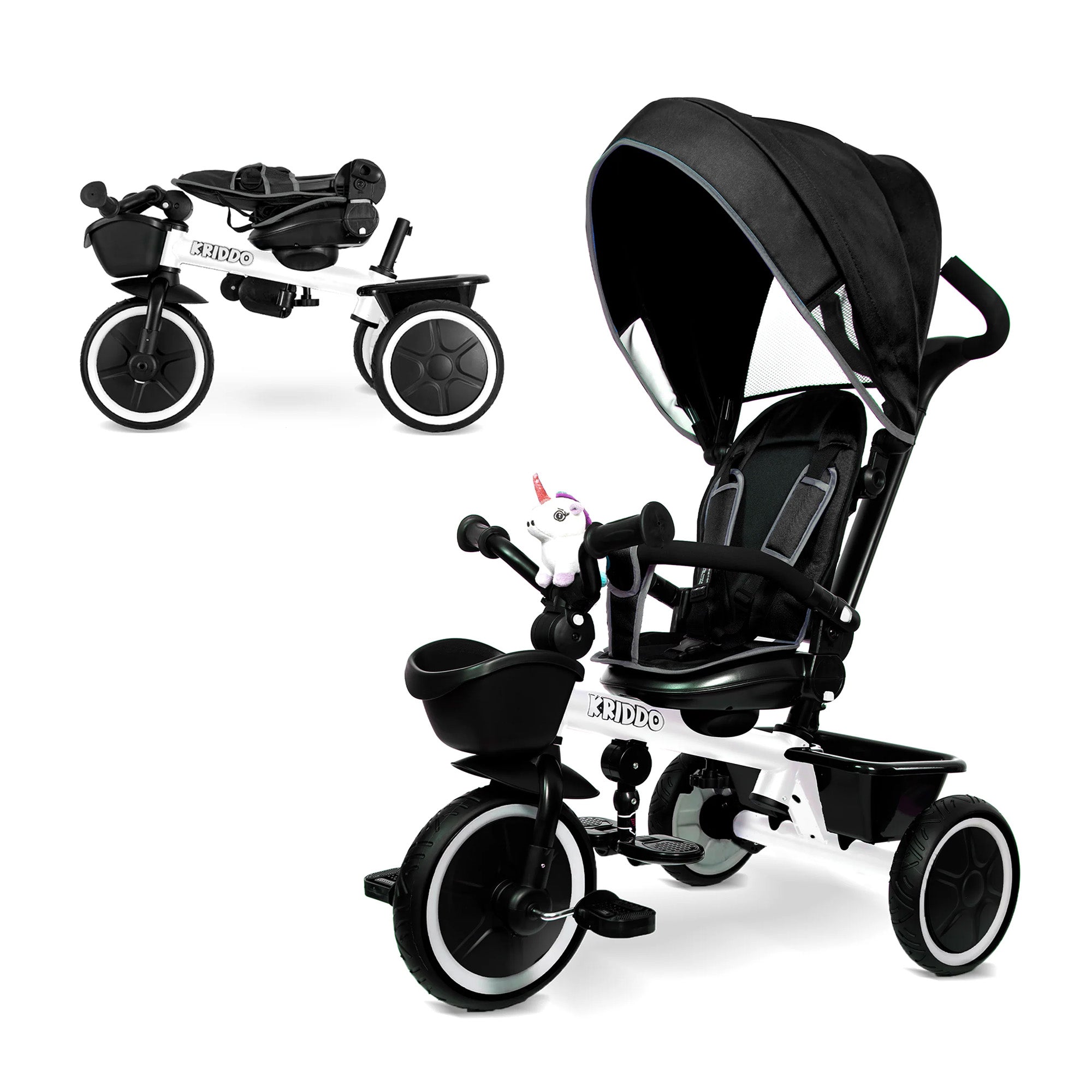
Take the KRIDDO best girl balance bike. It’s often described as a great option for girls, but not because it limits who can ride it.
The appeal comes from thoughtful details that younger riders tend to love:
- Playful add-ons like unicorns, dinosaurs, and bells that spark imagination
- A 12-inch puncture-resistant tire that glides smoothly indoors or outside
- Built-in footrests that encourage coasting and balance control
- Soft grips and an ergonomic handlebar designed for small hands
- Adjustable seat and handlebar height that grows with the child
- A lightweight frame that toddlers can maneuver on their own
- A curved frame design that makes mounting simple and stress-free
None of these features exclude boys. They simply respond to how young children actually ride.
Neutral design isn’t boring—it’s flexible
On the other end of the spectrum, some parents look for a bike that sidesteps the entire girl bike vs boy bike debate. That’s where a classic, neutral balance bike often fits best.
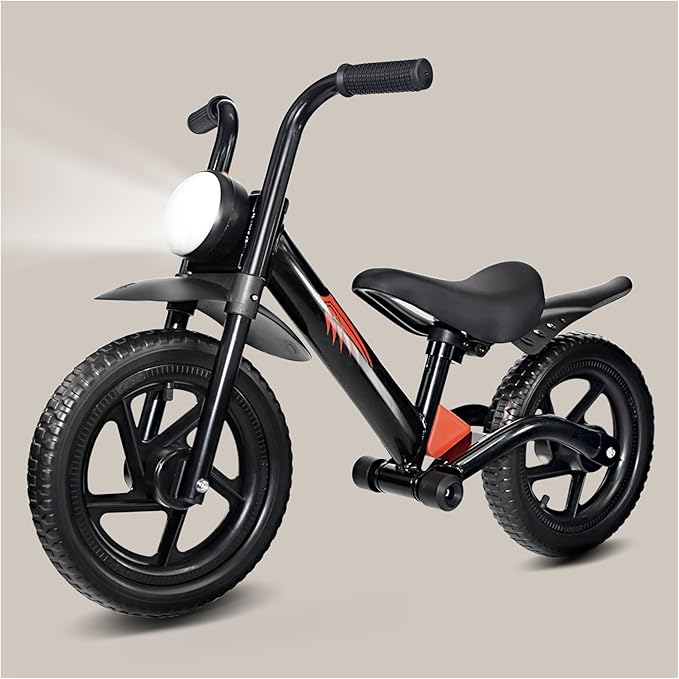
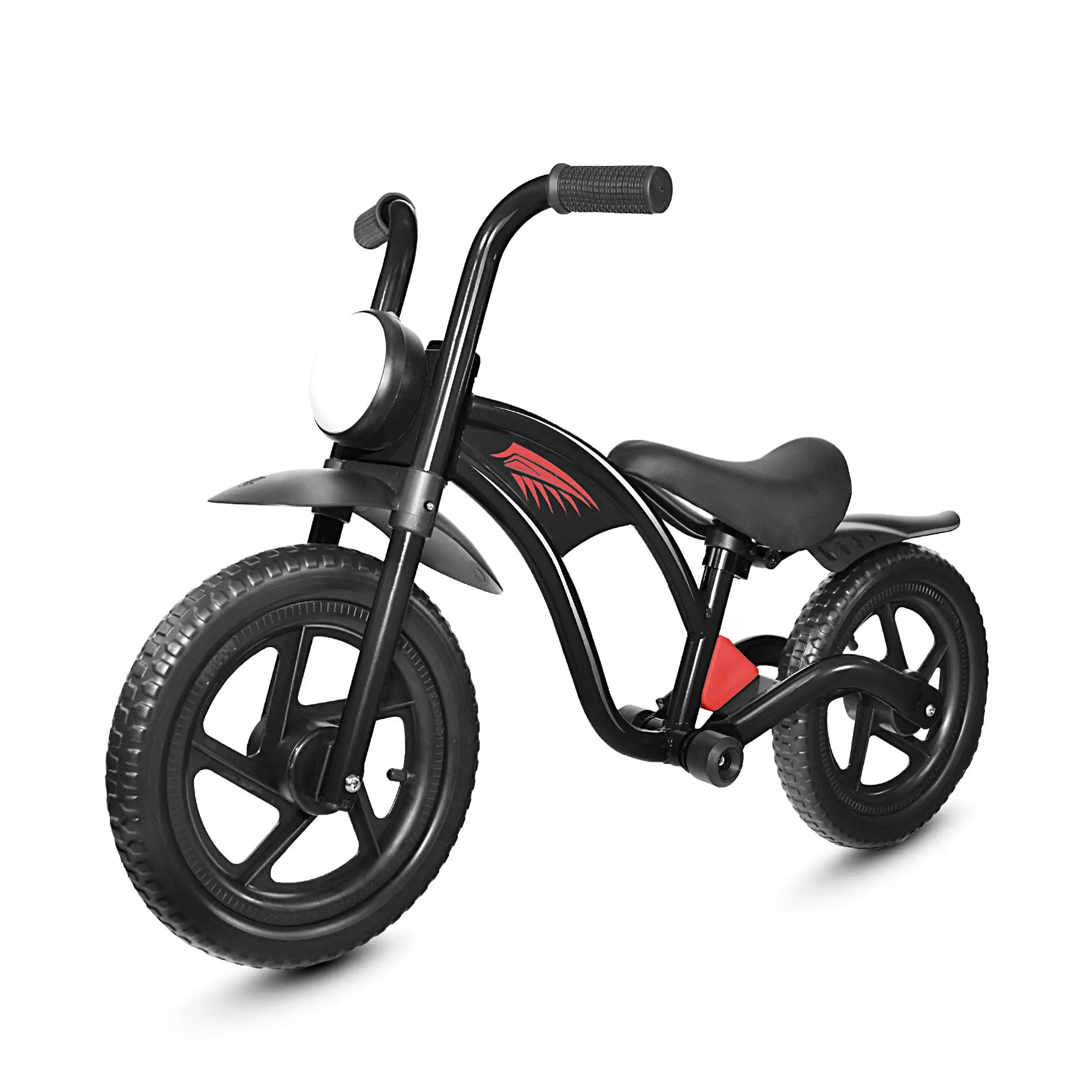
The Classic Balance Bike L shows how subtle design choices can feel energetic without leaning into stereotypes.
Its appeal isn’t tied to gender at all. Instead, it focuses on adaptability and long-term use:
- Designed for children ages two to five
- Encourages balance, coordination, and lower-body strength
- Helps kids transition smoothly to pedal bikes without training wheels
- Includes playful sticker sets—letters, numbers, and cartoon graphics
- Padded seating and non-slip rubber grips for everyday comfort
- Textured footrests that support safe gliding
- A sturdy, rust-resistant frame built to last through years of riding
What’s interesting is how often kids personalize these bikes themselves. Stickers get rearranged. Bells get swapped. The bike slowly becomes theirs, regardless of how it was labeled at purchase.
Culture is shifting, even if shelves lag behind
Retail displays don’t always keep up with cultural change, but parents often do. More families now choose bikes based on fit and function rather than gender cues. Some kids want sparkles. Others want bold stripes. Many want something in between. And that’s fine.
Brands are responding, too. Offering multiple colorways for the same model reduces the pressure to choose sides. It also quietly tells kids that riding is about enjoyment and freedom, not fitting a mold.
So what should parents focus on?
When deciding between a girl bike and a boy bike, it helps to step back and ask a few practical questions. Can your child put their feet flat on the ground? Can they lift the bike if it tips over? Does the seat adjust enough to last more than one season? And maybe most important—does the bike make them want to ride tomorrow?
Confidence grows fast at this age, but it’s fragile. The right bike supports independence, reduces frustration, and turns practice into play. Labels fade quickly once a child feels capable and proud.
Final thoughts

When deciding between a girl bike and a boy bike, it helps to step back and ask a few practical questions. Can your child put their feet flat on the ground? Can they lift the bike if it tips over? Does the seat adjust enough to last more than one season? And maybe most important—does the bike make them want to ride tomorrow?
Confidence grows fast at this age, but it’s fragile. The right bike supports independence, reduces frustration, and turns practice into play. Labels fade quickly once a child feels capable and proud.