




Cycling Techniques for Beginners:
A Parent’s Guide to Teaching Kids
Isabella | 31st, Dec
Every cyclist starts somewhere. Some kids glide on a balance bike at three, while others don’t climb onto their first pedal bike until six or seven. There’s no “right” timeline. What matters is that when your child is ready to ride, they’re set up with the basics that make cycling feel safe, smooth, and genuinely fun.
Learning proper cycling technique for beginners isn’t about speed or distance. It’s about awareness, habits, and confidence—things that quietly shape how kids experience riding for years to come. Let me walk you through the essentials every new rider (and their parents) should know before heading out.
1. Start With Road Awareness, Not Speed

Before talking about pedaling or posture, beginners need to understand one simple truth: visibility matters.
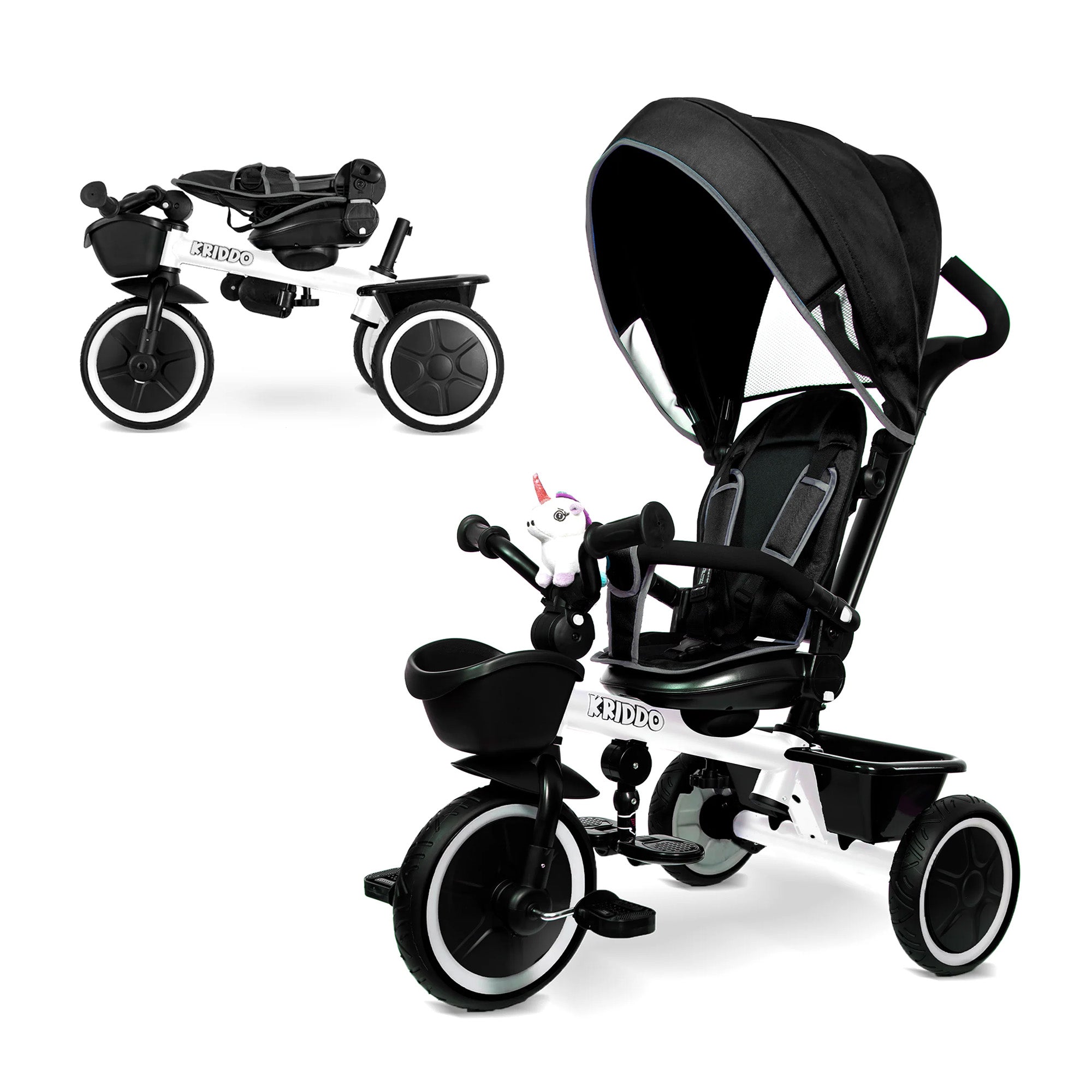
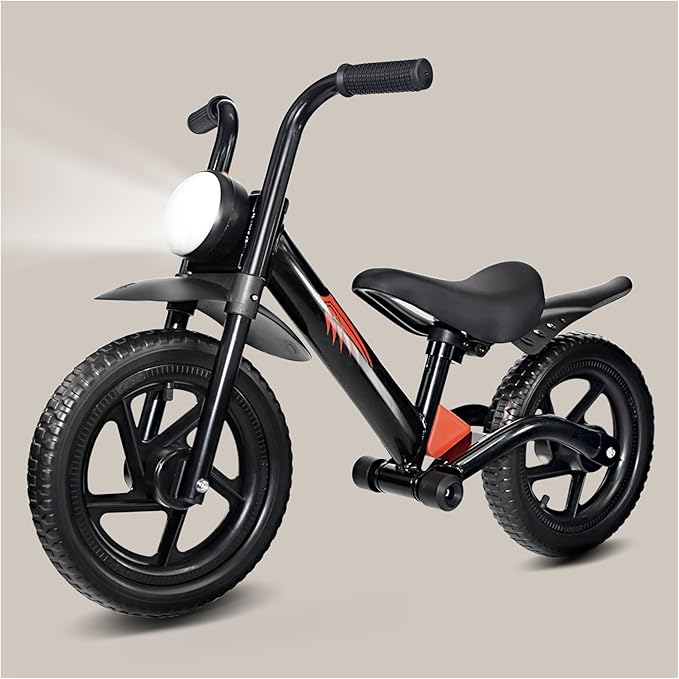
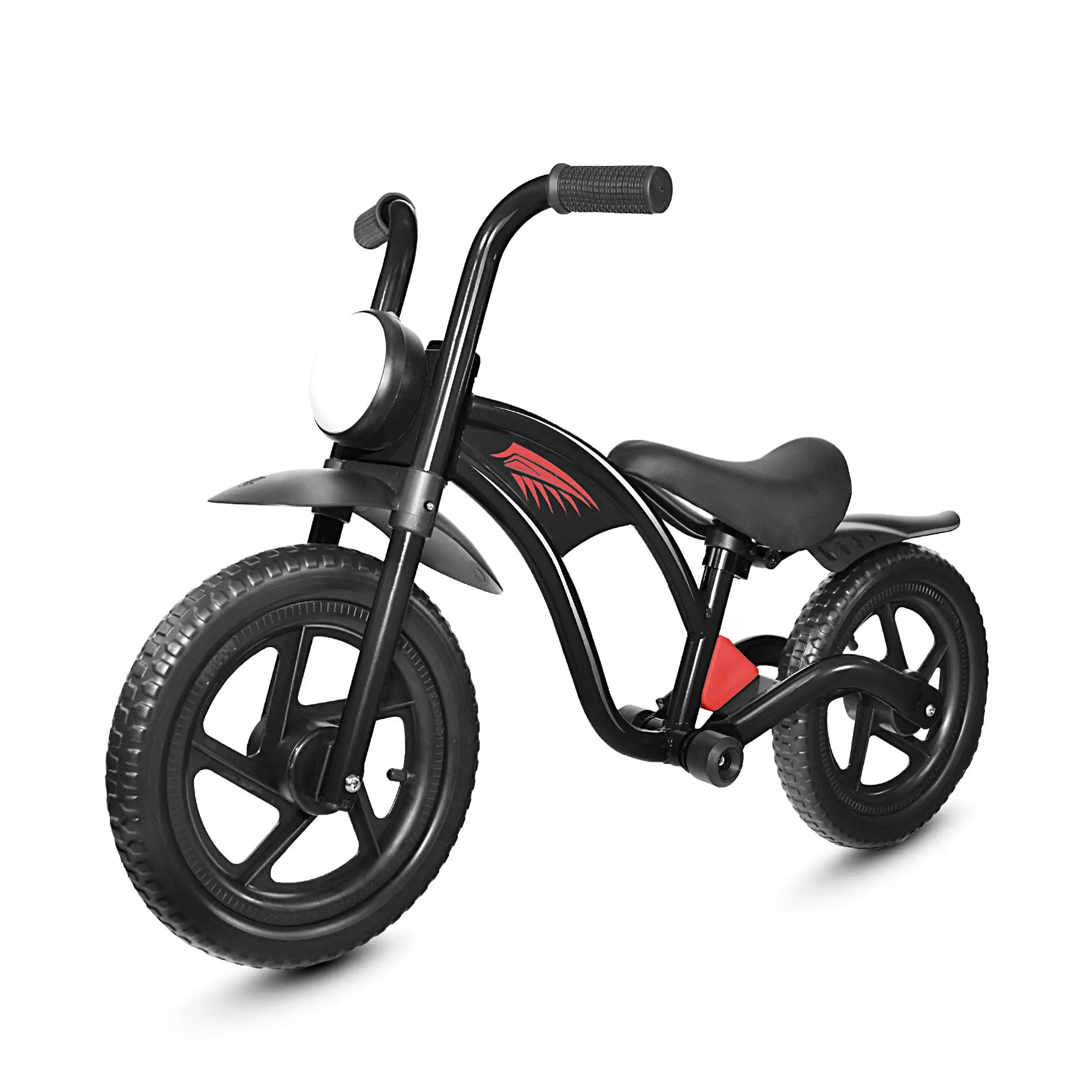
Kids have the right to ride on the road or shared paths, but in any collision between a bike and a motor vehicle, the bike always loses. That’s why beginner-friendly design details make a real difference. The KRIDDO kids pedal bike comes equipped with front and rear reflectors, helping young riders stand out and giving parents extra peace of mind.
Just as important is situational awareness. Teach your child to look around, not just straight ahead. Roads are shared spaces. Cars, pedestrians, and other cyclists all use them, and not everyone behaves predictably. Keeping eyes up and staying alert helps beginners avoid sudden falls or close calls.
2. Learn Basic Cycling Etiquette Early
Once kids ride outside their driveway, cycling becomes a social activity. That’s where etiquette comes in.
Beginner riders should learn to follow basic traffic rules, ride in a straight line, and understand how to signal their intentions. One key skill? Holding the handlebar with one hand while briefly checking behind them. It takes practice, but it builds confidence fast.
Knowing how to ride respectfully helps kids feel like they belong on the road—not like they’re in the way. Encourage them to ride decisively, stay clear of the curb, and remember that cyclists have the same right to be there as anyone else.
3. Practice Drinking Water While Riding
This one surprises a lot of parents. Most of us are used to stopping before taking a sip of water, but cycling often works differently—especially once kids start riding longer distances.
At first, drinking while moving feels awkward. But once a child gains confidence, they may ride for an hour or more without wanting to stop. Learning how to take small sips while rolling keeps energy levels steady and prevents dehydration.
For rides longer than 90 minutes, it’s smart to pack simple snacks like bananas or energy bars and encourage eating a little every hour. Many cyclists carry a water bottle mounted to the bike frame. Grabbing it while riding takes coordination, but it’s a skill worth learning early.
4. Wear the Right Gear (It’s Not Just About Helmets)
A helmet is essential—no debate there. But it’s not the only gear beginners should consider.
Comfortable cycling clothes or snug athletic wear reduce wind resistance and help regulate body temperature, even during slower rides. For kids still learning to balance and brake smoothly, protective gear matters even more.
Proper knee and elbow protection can prevent minor falls from becoming major setbacks. For beginners, especially younger riders, wearing guards can make the learning process less intimidating. When kids feel protected, they’re more willing to try, wobble, and try again.
5. Carry a Simple Repair Kit—and Practice Using It

You don’t need a full mechanic’s workshop, just the basics:
- A small pump
- Two spare inner tubes (two really are better than one)
- Tire levers
- Patch kit
What matters most is knowing how to use them. Practice removing and fixing a tire at home, not during a stressful roadside moment. When kids understand how repairs work—even at a basic level—they feel more capable and less anxious about riding farther from home.
Regular bike care also plays a role. Keeping the chain clean, tires inflated, and brakes responsive helps bikes last longer and ride better. There’s a solid beginner-friendly guide on bike upkeep here: Toddler Bicycle Maintenance:
Keep Your Little Rider Rolling
6. Ride With Friends When Possible
Solo riding has its charm. It clears the mind and lets riders enjoy the world at their own pace. But riding with others brings a different kind of motivation—especially for beginners.
Cycling with friends helps kids:
- Learn by watching others
- Pick up new techniques naturally
- Stay motivated on longer rides
Local cycling groups often host beginner-friendly rides, and community clubs can be a great place for kids to build skills while having fun. Riding together turns practice into play.
7. Keep a Steady Pedaling Rhythm
One of the most overlooked cycling techniques for beginners is cadence—how steadily you pedal.
Beginners often pedal too hard or too fast, tiring themselves out quickly. Instead, encourage a smooth, consistent rhythm. This supports the cardiovascular system, which is more efficient than relying on short bursts of muscle power.
Steady pedaling builds endurance, protects joints, and helps kids ride farther without feeling exhausted. It’s not about pushing harder—it’s about riding smarter.
8. Plan Routes Ahead of Time
The freedom of cycling can be intoxicating. One turn becomes two, then three… and suddenly you’re not sure where you are. For beginners, that can turn fun into stress fast.
Planning a route ahead of time avoids surprises. With GPS tools, mapping safe, quiet paths is easier than ever. Early rides are best done in the morning, when roads are calmer and kids can build confidence without heavy traffic.
Knowing where you’re going helps kids focus on riding well instead of worrying about getting lost.
9. Push Gently, Not Past the Limit

Encouragement is good. Pressure isn’t.
Beginners need to learn their limits. Riding too far, too fast, or too tired can drain the joy out of cycling quickly. A breakdown far from home or total exhaustion at the turnaround point can make kids hesitant to ride again.
Teach children to listen to their bodies, manage energy wisely, and leave a little in the tank for the ride back. The goal is to finish feeling proud—not defeated.
Why Cycling Technique for Beginners Matters
Good habits form early. When kids learn solid cycling techniques from the start, riding feels less stressful and more rewarding. They ride longer, safer, and with more confidence.
And that confidence? It doesn’t stay on the bike. It carries into how they face challenges everywhere else.