




Best Kids Toys 2026:
Ride-On Toys Kids Don’t Outgrow Fast
Oliver | 29th, Dec
Parents know this pattern all too well. A new toy arrives, excitement fills the room, and for a few weeks—maybe a month—it’s the star of the house. Then it quietly fades into the background, buried under a growing pile of forgotten things. According to research from the British Heart Foundation, children lose interest in toys in about 36 days on average. That’s not just clutter—it’s a lingering sense of was this really worth it?
As we look toward kids toys 2026, many parents are starting to ask smarter questions. Not what’s trending this week, but what actually grows with my child? What keeps their curiosity alive, strengthens their body, and still feels fun long after the novelty wears off?
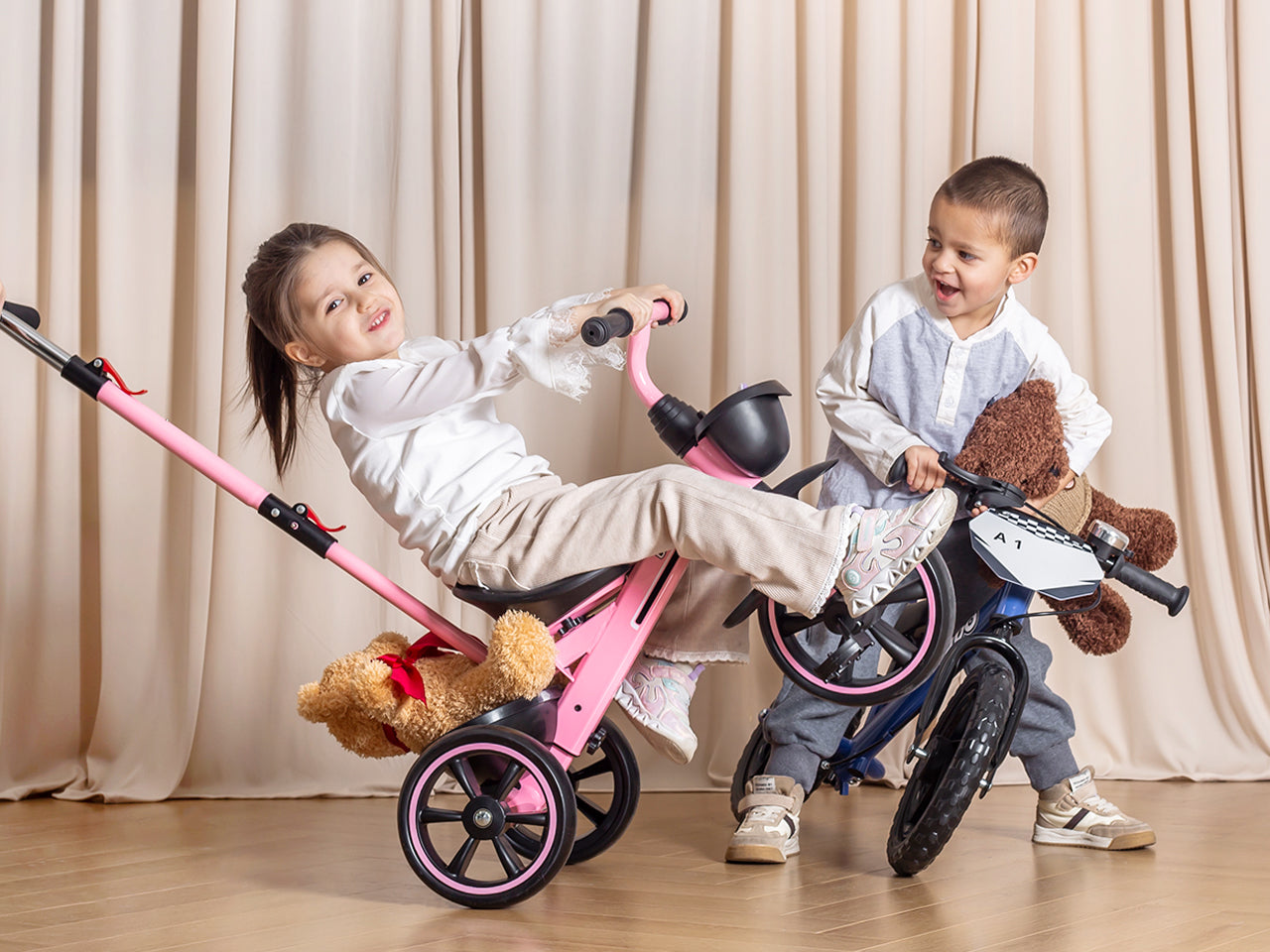
Here’s the thing: toys that move tend to last longer. And among them, ride-on toys stand out. They don’t just entertain; they evolve with a child’s imagination, confidence, and physical ability. A well-chosen ride-on toy like KRIDDO products can stay relevant for two to three years—sometimes more—while teaching one lifelong skill that really sticks: how to ride.
Let’s talk about the four ride-on toys shaping the future of kids toys 2026—and why they’re earning a permanent spot in backyards and sidewalks everywhere.
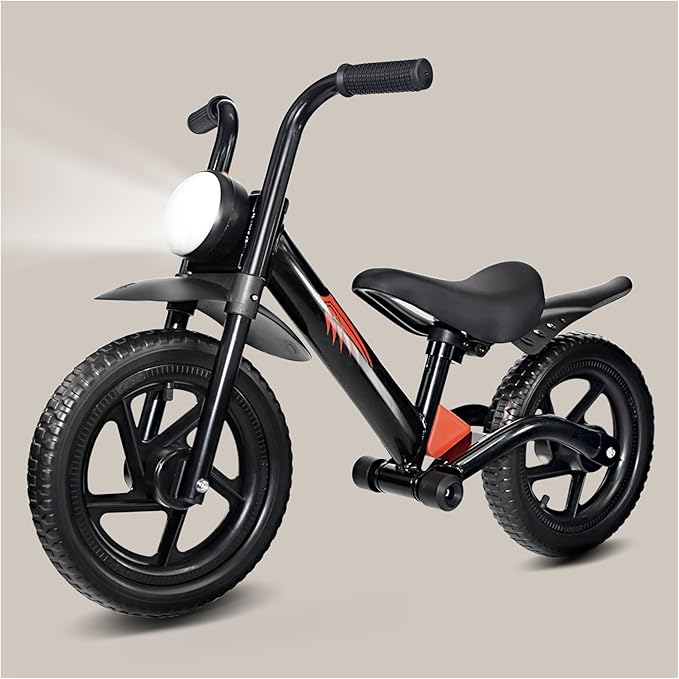
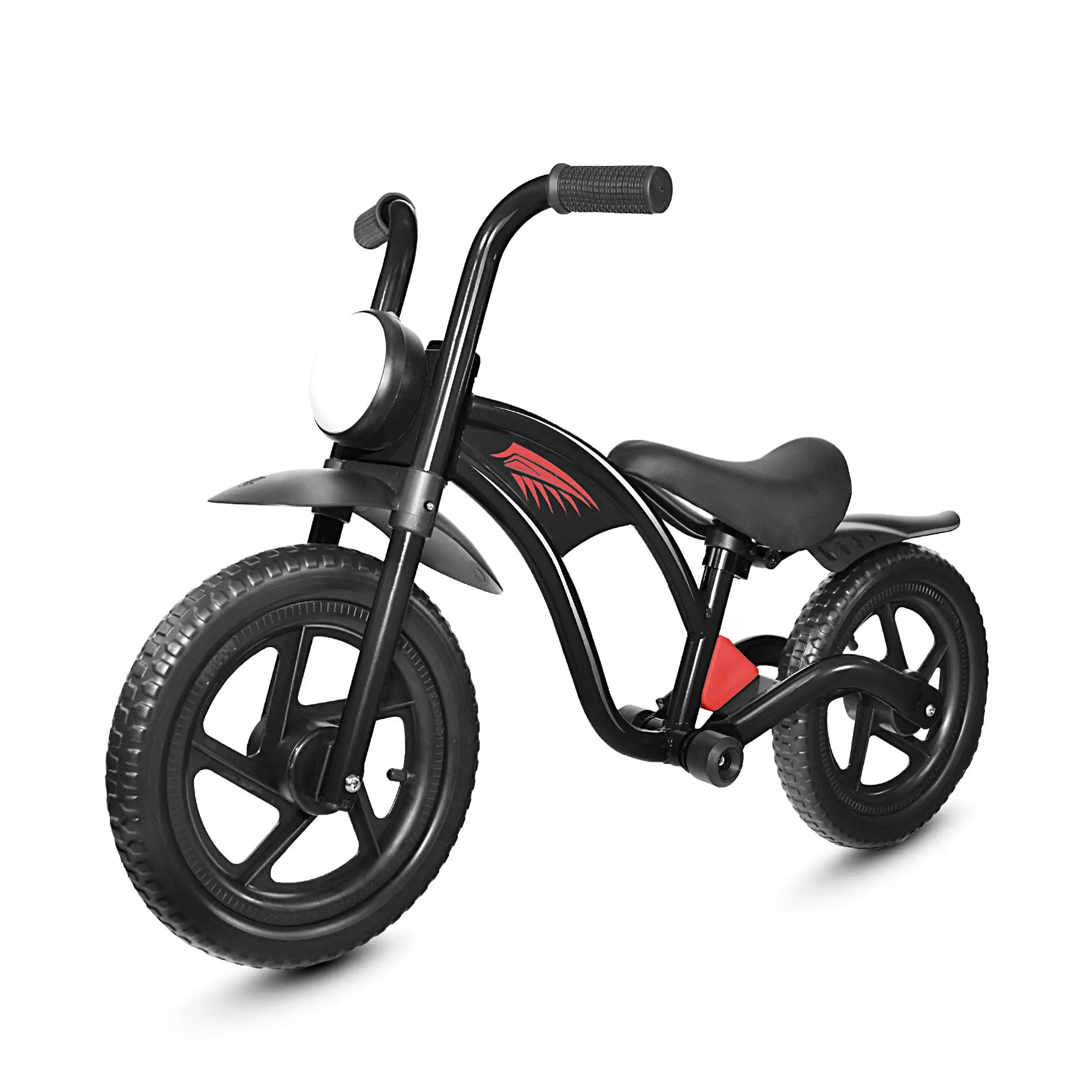
Balance Bikes: Where Confidence Quietly Begins

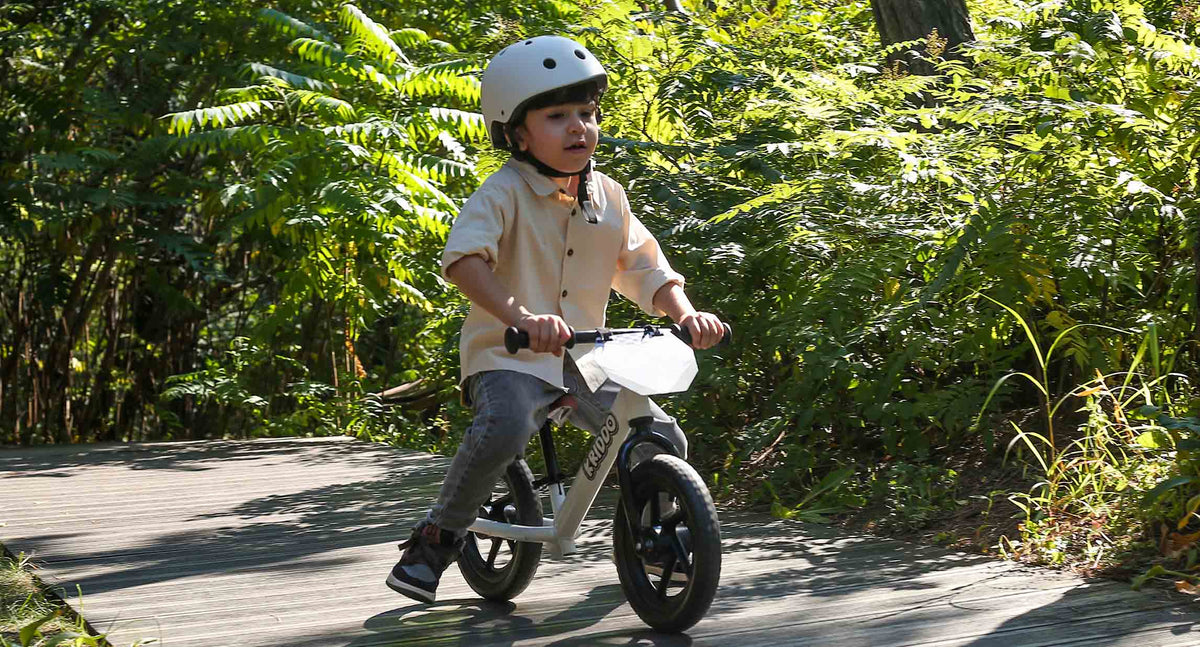
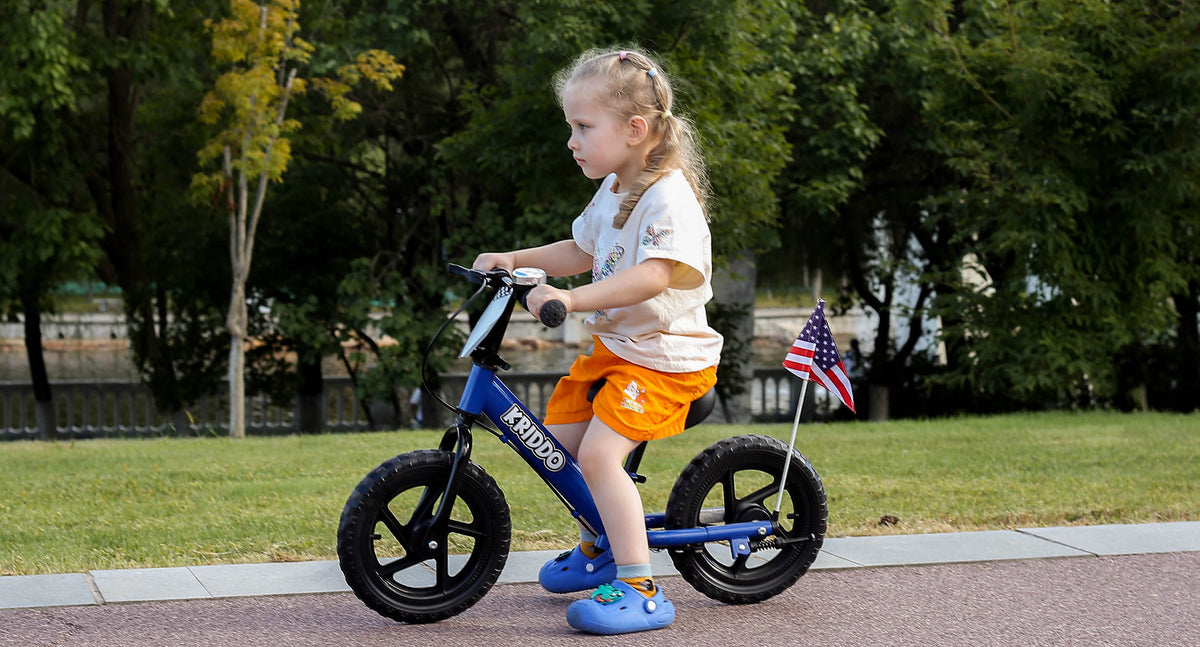
A balance bike is often a child’s very first taste of independence on wheels. Unlike traditional bikes, balance bikes don’t use pedals. Kids move forward by pushing off the ground with their feet, learning how to glide, steer, and stop naturally.
At first glance, it looks simple—almost too simple. But that simplicity is the magic.
Why balance bikes actually work
- Build real balance early: Children learn how to stabilize themselves on two wheels from the start, which strengthens coordination without overwhelming them.
- Encourage self-paced learning: No training wheels. No pressure. Kids move faster only when they’re ready.
- Boost confidence naturally: Mastering balance feels like a big win, and kids carry that confidence into other challenges.
- Smooth transition to pedal bikes: Most kids who start with balance bikes skip training wheels entirely when moving to a traditional bike.
Parents often notice something unexpected: kids don’t just ride balance bikes—they bond with them. They race imaginary friends, invent obstacle courses, and turn sidewalks into adventures. That’s staying power.
Featured Products
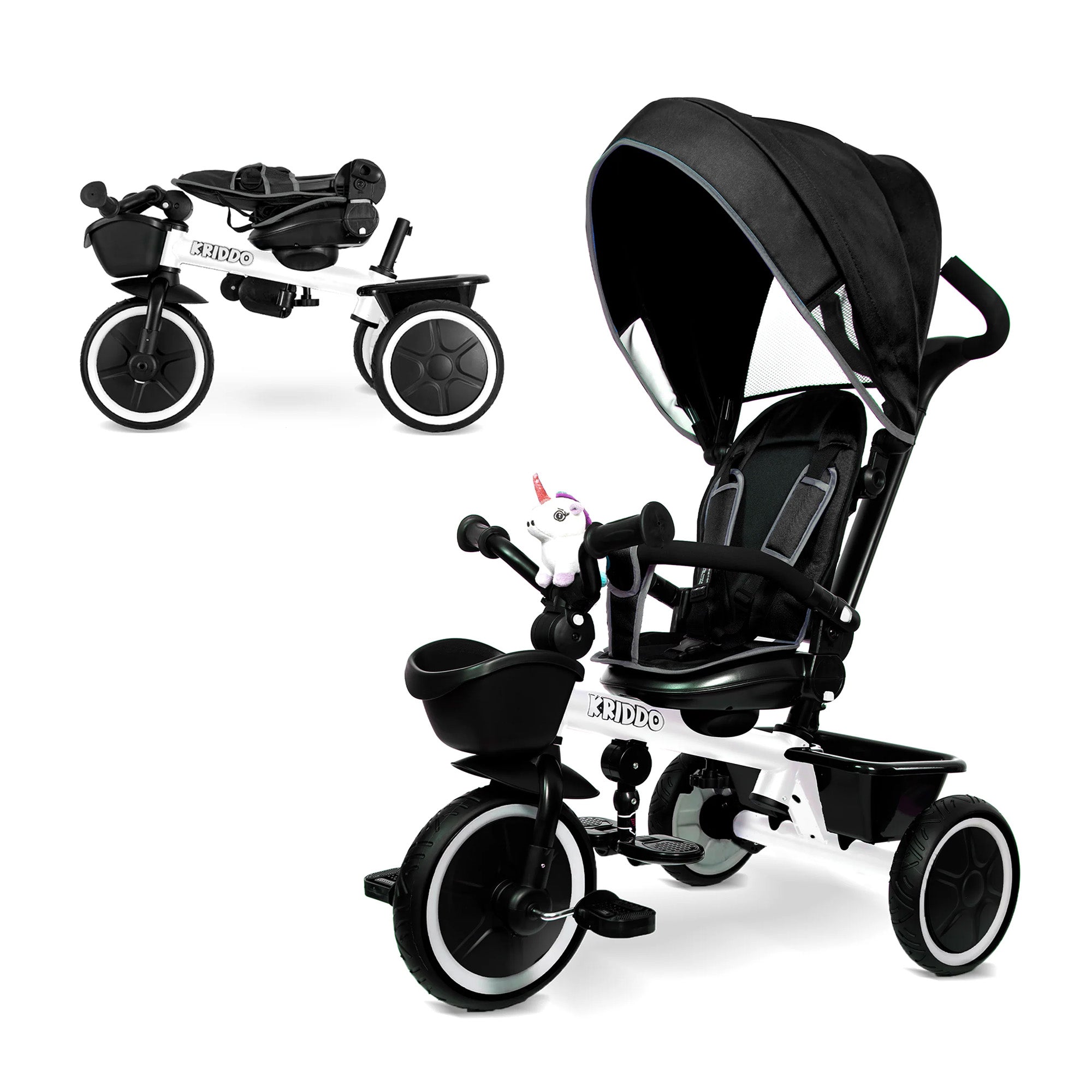
Tricycles: A Milestone That Builds Strength

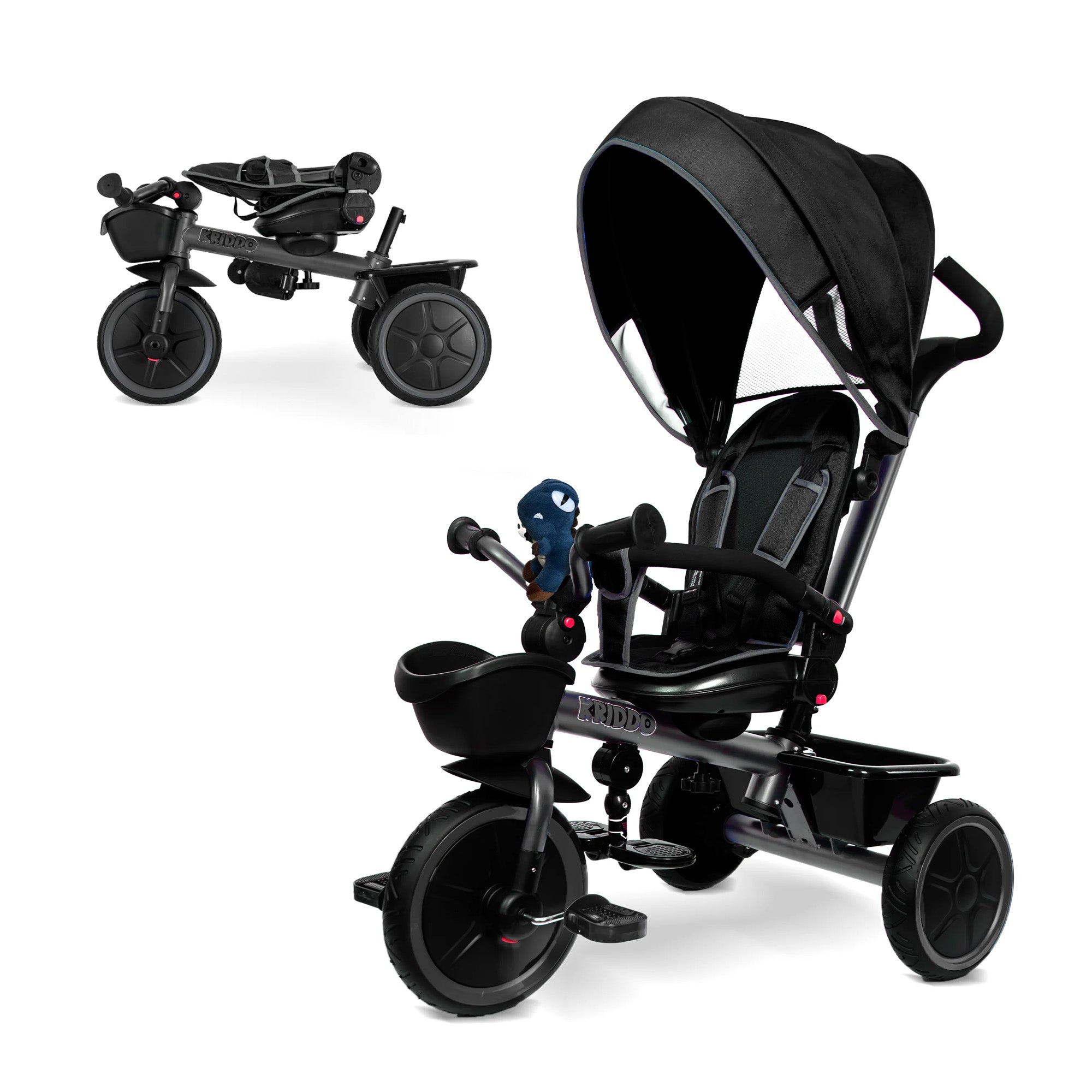
For toddlers, riding a tricycle isn’t just play—it’s a developmental milestone. Tricycles offer stability while still requiring effort, making them a solid bridge between being pushed and moving independently.
By around age 2, many children have enough coordination and balance to handle a tricycle. And once they do, something shifts. They’re no longer passengers. They’re drivers.
Benefits that grow with every ride
- Strengthen leg muscles: Pedaling builds lower-body strength in a way strollers never can.
- Improve arm and shoulder control: Steering and turning engage upper-body muscles.
- Support gross motor development: Repeated riding helps refine large movement patterns.
- Encourage independence: Kids decide where to go—and how fast.
There’s also an emotional layer here. Riding a tricycle like a big wheel trike gives toddlers a sense of control over their space. They’re exploring, choosing paths, sometimes even leading the way. That feeling matters more than we often realize.
Featured Products
Scooters: Social, Active, and Surprisingly Educational

Almost every child eventually asks for a scooter. And honestly, that’s a good thing. Scooters are one of those toys that blend fun, movement, and social interaction without feeling like “exercise.”
Scooter riding looks effortless, but it actually asks a lot from a child’s body and brain.
Why scooters stick around
- Develop balance and coordination: Pushing off, gliding, turning, and stopping all work together.
- Build body awareness: Kids learn how weight shifts affect speed and control.
- Encourage outdoor play: Scooters naturally pull kids outside, away from screens.
- Support social skills: Taking turns, racing friends, and sharing space builds teamwork and patience.
There’s also a safety lesson built in. Children begin to understand spatial awareness—how to avoid obstacles, slow down near others, and navigate shared spaces. These are small skills, but they add up.
Featured Products
Bicycles: A Skill That Lasts a Lifetime

Few childhood moments compare to learning how to ride a bike. It’s freedom, pride, and joy all wrapped into one wobbly first ride. And the benefits go far beyond that moment.
Cycling is one of the most complete physical activities children can enjoy—and it doesn’t feel like work.
Physical and mental benefits of biking
- Heart health: Riding strengthens the cardiovascular system and builds endurance.
- Muscle and bone development: Legs, core, and even posture improve with regular riding.
- Weight management: A fun way to stay active without pressure.
- Mental well-being: Biking helps reduce stress, improve focus, and build independence.
- Problem-solving and coordination: Navigating terrain and traffic builds quick thinking.
What makes bikes especially relevant to kids toys 2026 is their longevity. A bike doesn’t get “boring” in the same way many toys do. Routes change. Skills improve. Challenges evolve. The toy grows as the child grows.
Featured Products
Why Ride-On Toys Are Defining Kids Toys 2026
Here’s the bigger picture. Parents are moving away from toys that flash, beep, and demand constant stimulation. There’s a quiet shift toward toys that do something real. Ride-on toys fit that shift perfectly.
They:
- Last longer than most toys
- Support physical and emotional development
- Encourage outdoor activity
- Reduce screen dependence
- Teach skills kids use for life
And maybe most importantly, they don’t need instructions to feel fun. Kids instinctively know what to do with wheels.
Honestly, that’s what makes them special. They meet kids where they are—and stay with them as they grow.