




New Year Resolutions for Kids:
Simple Goals That Actually Stick
Larry | 25th, Dec
The start of a new year feels a little magical, doesn’t it? Fresh calendars, fresh routines, and that quiet hope that maybe—just maybe—this is the year good habits finally take root. For parents, New Year’s is also a golden opportunity to help children build skills they’ll carry far beyond January.
That’s where new year resolutions for kids come in. When done right, they aren’t about pressure or perfection. They’re about direction. Kids love knowing what they’re working toward, especially when progress feels visible and rewarding.
Stickers. Checklists. High-fives. Even simple praise goes a long way. The key is setting goals that feel doable, age-appropriate, and—most importantly—fun.
Let’s talk about realistic, meaningful New Year resolution ideas that help kids grow without turning family life into a drill camp.
Why Kids Benefit from New Year Resolutions (Yes, Really)

Adults often think resolutions are too abstract for kids. Honestly, that’s only true if the goals are vague. Children thrive on structure. Clear expectations help them feel secure, capable, and proud of their efforts.
New Year resolutions help kids:
- Learn responsibility in small, manageable steps
- Practice self-reflection without overthinking
- Experience progress and achievement
- Build confidence through follow-through
And here’s the quiet bonus: when parents model healthy habits alongside them, kids notice. They always do.
Less Screen Time, More Real Life
Let’s start with the big one—less TV and screen time.
Kids today don’t naturally understand moderation with screens. That’s not a failure; it’s just reality. Creating a New Year resolution around screen limits helps children become aware of their habits without feeling punished.
Instead of “no TV,” try:
- Watching no more than 30 minutes a day
- Earning screen time through positive behavior
- Replacing TV with drawing, puzzles, or outdoor play
You know what? Kids often surprise us. Once they discover something more engaging, the TV fades into the background.
Move More—Without Calling It “Exercise”
If you tell a child to “exercise,” you’ll probably get a sigh. But movement doesn’t have to feel like a chore.
Think motion disguised as fun.
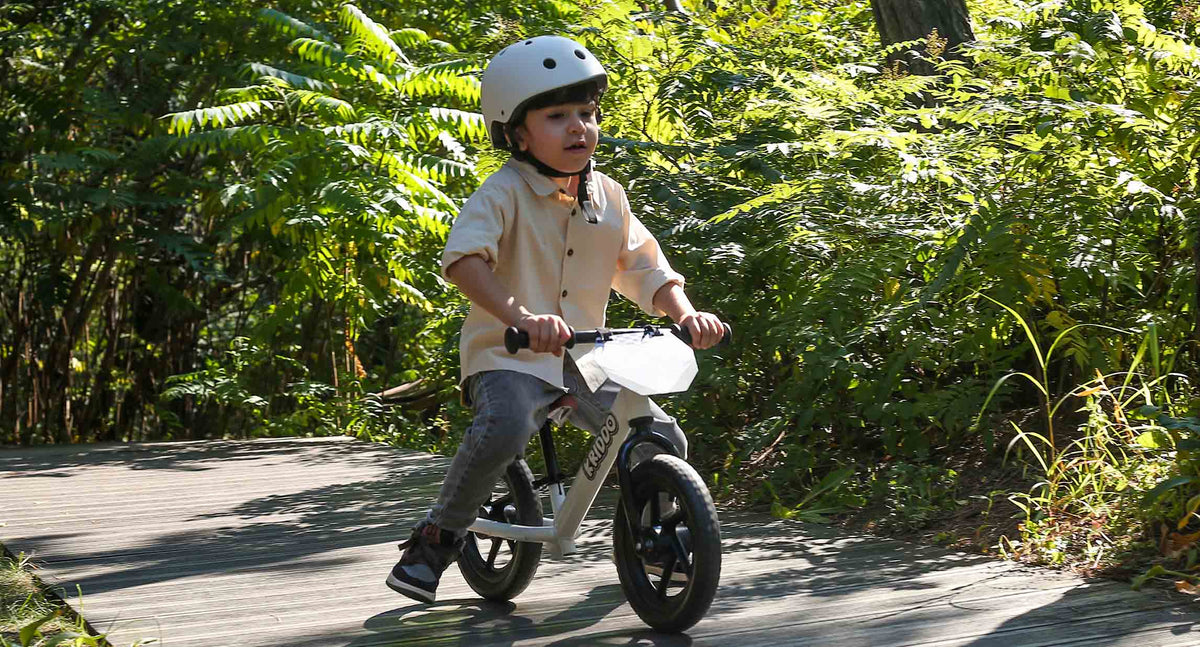
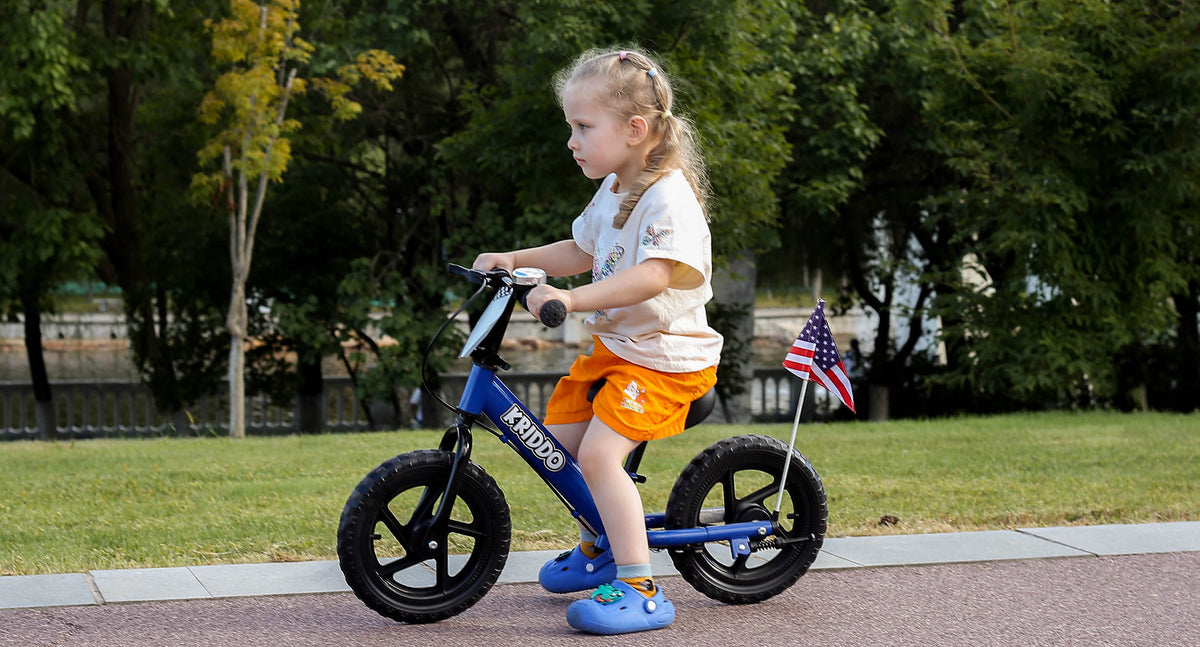
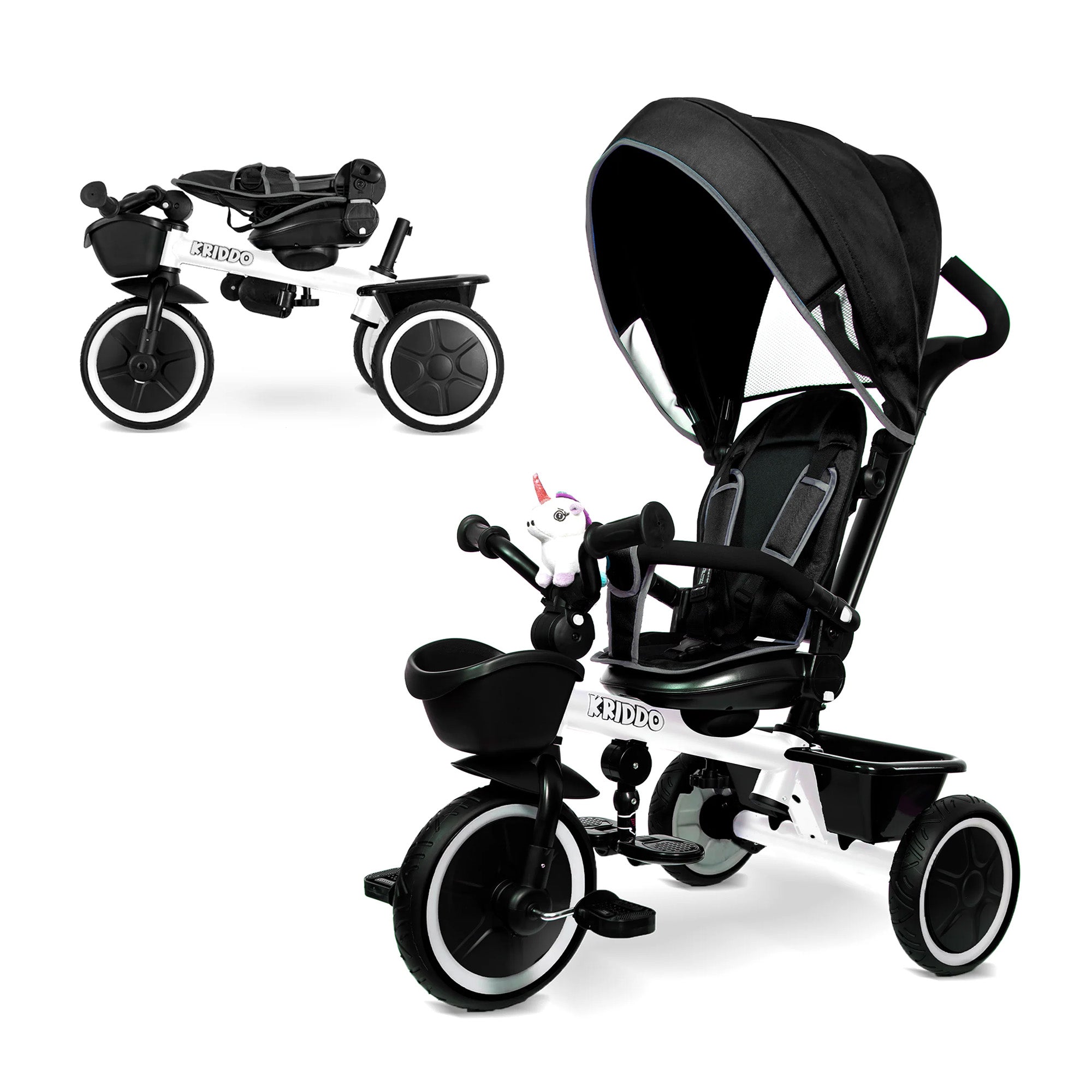
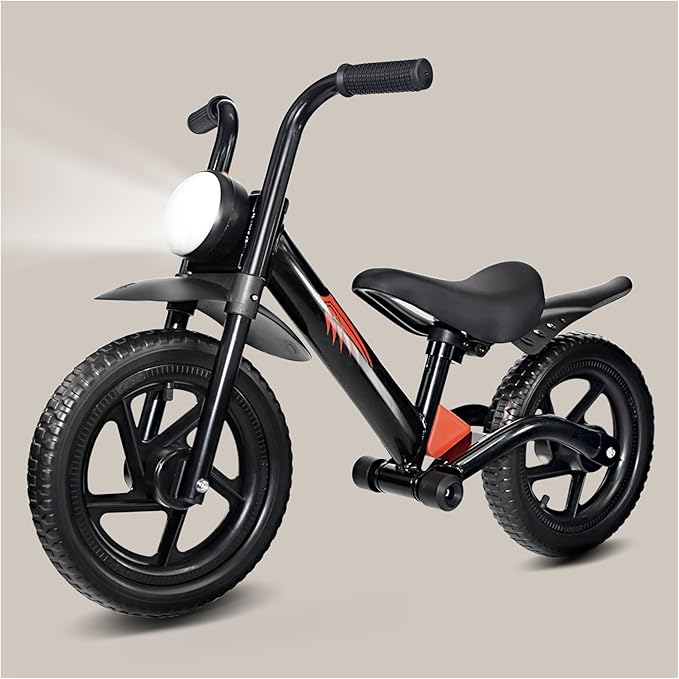
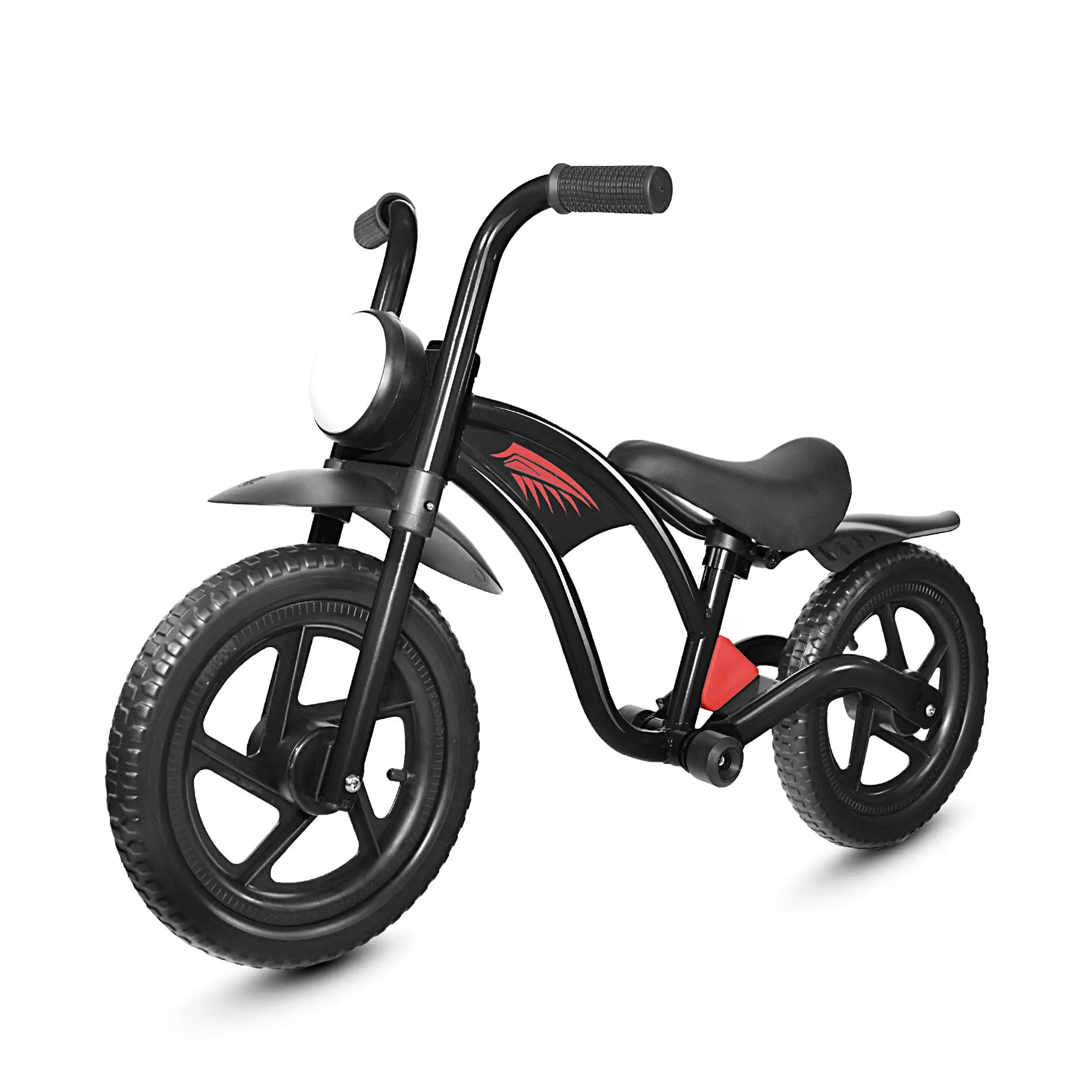
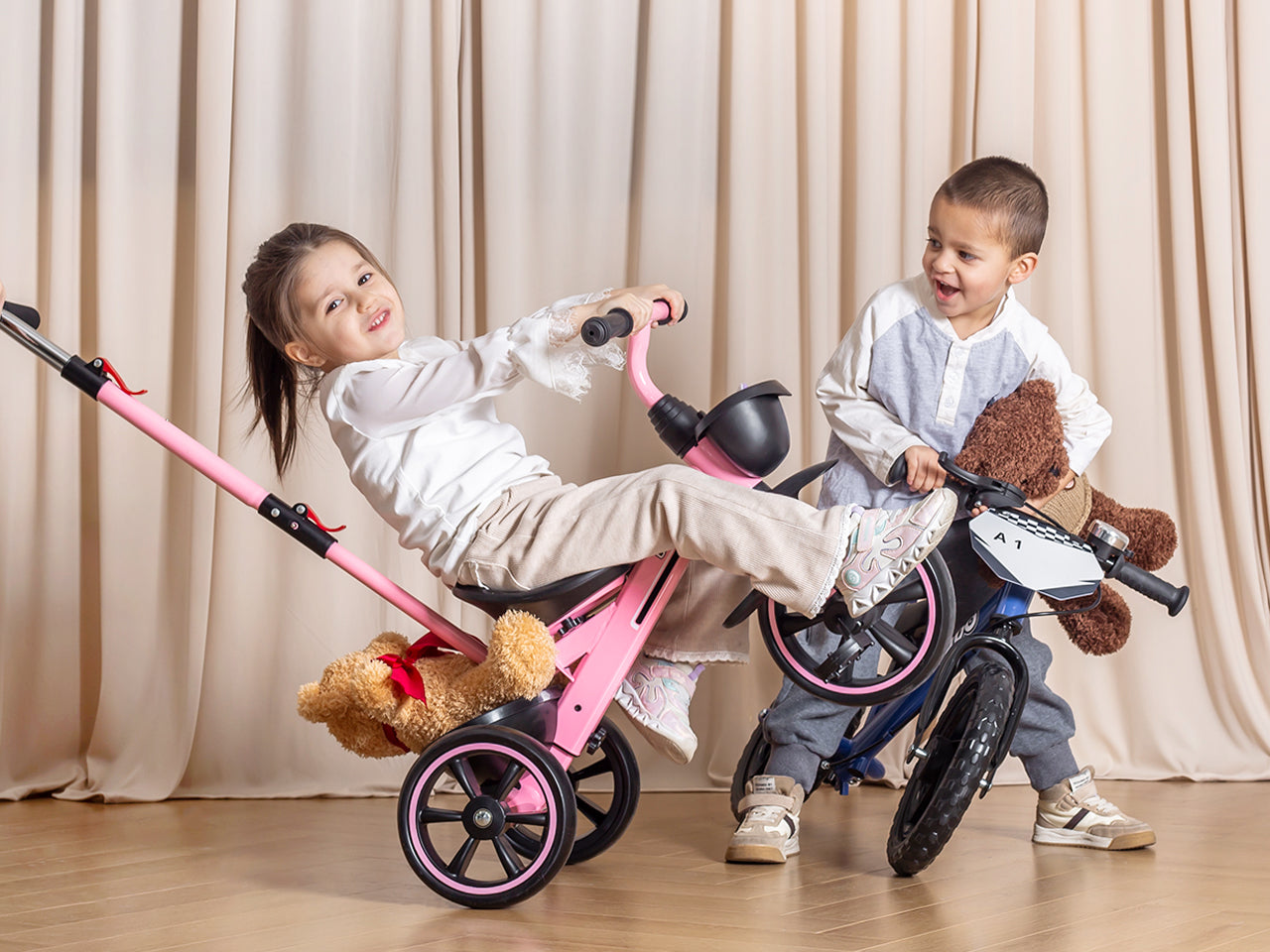
A child-friendly bike is a great example. Riding builds coordination, confidence, and independence—without kids even realizing they’re being active. A popular option parents love is the KRIDDO kids balance bike.
You can also add:
- Dance breaks in the kitchen
- Family bike rides
- Scooter or skateboard sessions (helmets always, of course)
Movement should feel like freedom, not homework.
Make Reading a Shared Ritual
Reading more is one of the most powerful new year resolutions for kids, especially when parents join in.
For younger children, bedtime stories still work wonders. For older kids who’ve outgrown picture books, try chapter reading—just one chapter a night. Adventure stories like Harry Potter, The Lord of the Rings, or the Redwall series keep curiosity alive.
Here’s the thing: kids copy what they see. Turning off your phone and picking up a book sends a louder message than any lecture ever could.
Eat More Veggies (Without the Dinner Table Battles)
Healthy eating doesn’t have to be a struggle. Instead of pushing vegetables, invite kids into the process.
Let them:
- Pick fruits and vegetables at the store
- Help wash or prepare ingredients
- Experiment with colorful recipes
When healthy food becomes a family activity, kids feel ownership. Suddenly, vegetables aren’t the enemy—they’re part of the plan.
Set Academic Goals They Can Actually Reach
Academic resolutions work best when they’re specific and realistic.
Rather than “do better in school,” aim for:
- Finishing homework on time
- Improving one subject
- Participating more in class
Celebrate progress along the way. Confidence grows when kids feel seen for effort, not just results.
One Chore a Day Builds Big Responsibility

Responsibility doesn’t appear overnight. It’s built through repetition.
A simple resolution like completing one daily chore helps kids develop independence and pride. Age-appropriate tasks might include:
- Setting the table
- Tidying their room
- Feeding a pet
Tracking progress with a chart—and rewarding consistency—keeps motivation high without pressure.
Teach Digital and Personal Safety Early
Self-safety is a resolution that matters at every age.
Help kids understand that:
- Personal information stays private
- Photos are never shared without parental approval
- Online conversations deserve caution
These lessons build trust, awareness, and long-term safety habits—skills kids will rely on well beyond childhood.
Learning to Handle Big Emotions
Emotional control isn’t about suppressing feelings. It’s about learning how to respond when emotions run high.
A thoughtful New Year goal might be:
“When I feel angry or stressed, I’ll take a break and choose a healthy way to calm down.”
That could mean:
- Moving their body
- Reading quietly
- Writing thoughts down
- Talking things through
Emotional awareness is a lifelong gift.
Encourage More Writing—Any Way They Like
Writing helps kids organize thoughts, express feelings, and develop creativity.
It doesn’t have to be formal. Encourage:
- Journaling
- Short stories
- Letters
- Even typing on a keyboard
Writing strengthens language skills while giving kids a safe place to think things through.
How to Help Kids Stick With Their Resolutions

Some resolutions fade fast. Others become habits. The difference usually comes down to support.
What works:
- Clear goals (“Read 10 minutes before bed”)
- Age-appropriate expectations
- Small, trackable actions
- Child-chosen goals
- Built-in fun and rewards
- Encouragement, not pressure
When kids feel supported—not judged—they keep going.
Final Thoughts: Progress Beats Perfection
New Year resolutions for kids aren’t about doing everything right. They’re about trying, adjusting, and growing—together.
When goals are realistic, playful, and rooted in family connection, they don’t just last through January. They shape everyday life.
And honestly? That’s the real win.