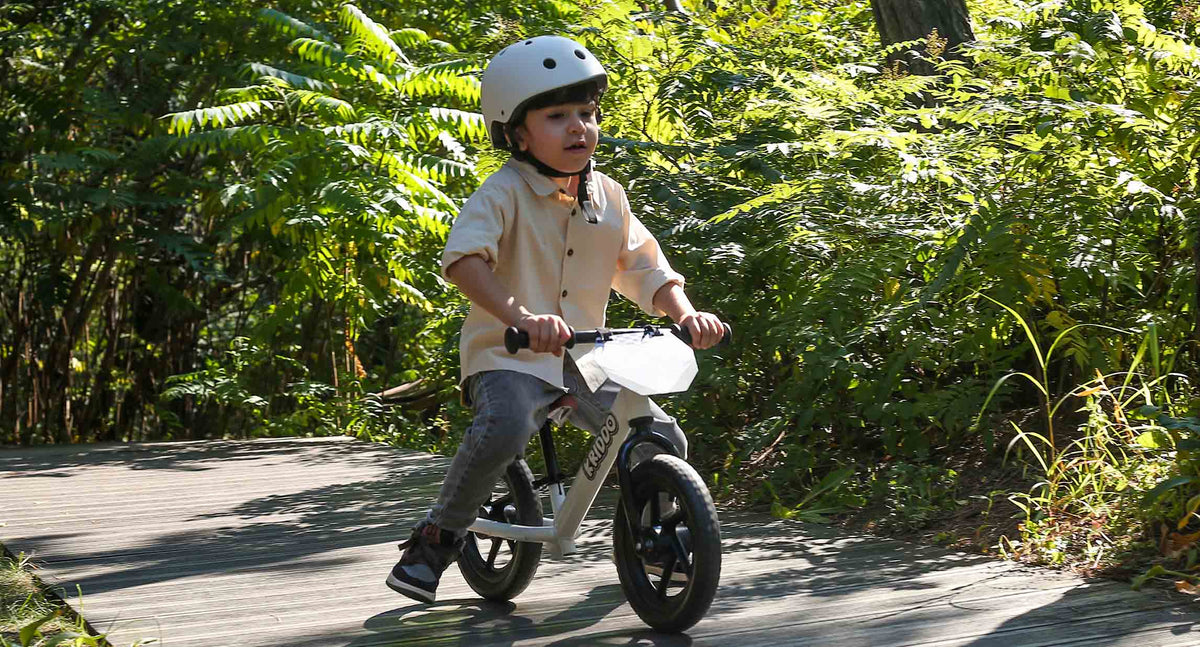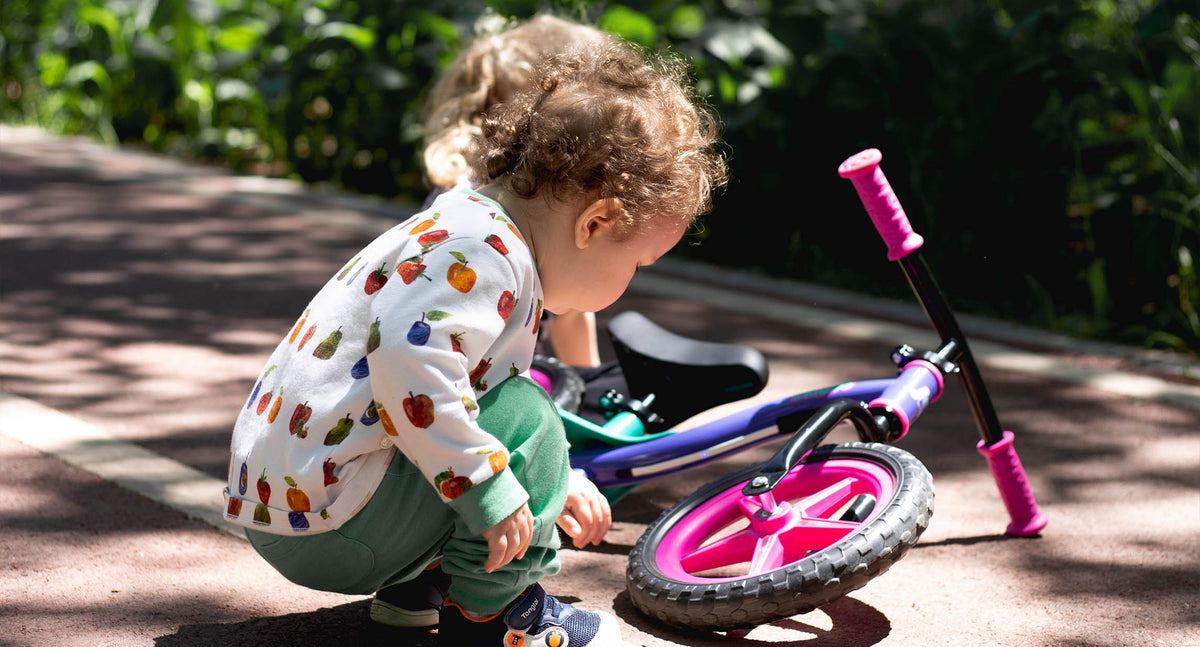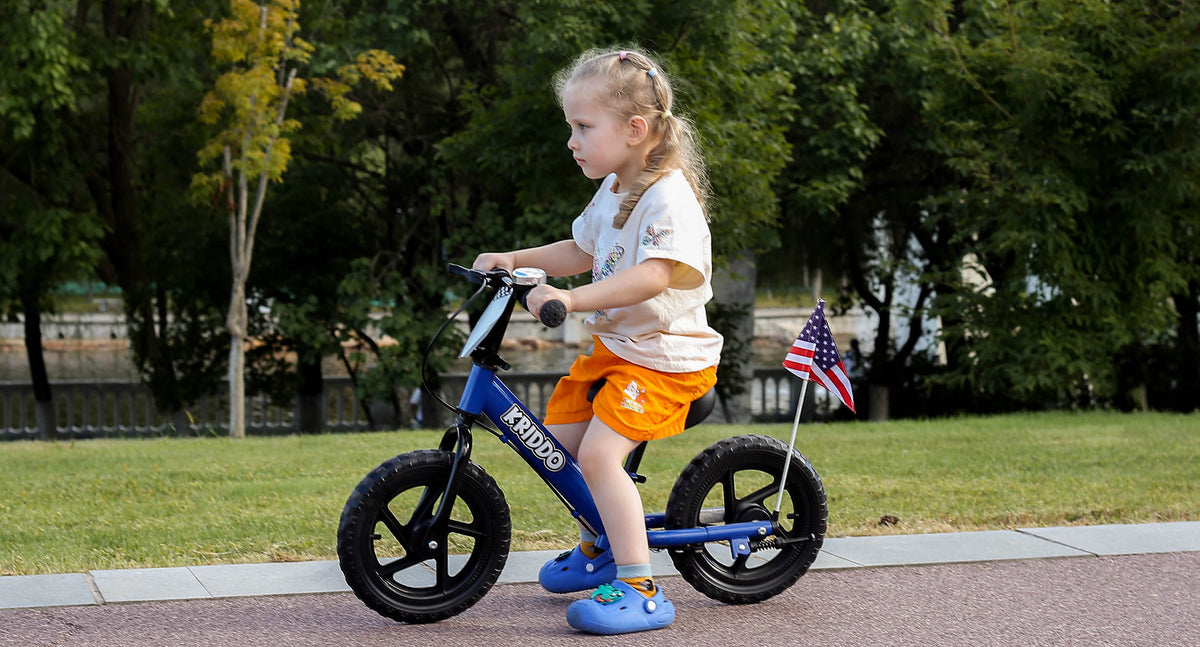





Balance Bikes With or Without Footrests?
A Parent’s Honest Guide
Camilla | 23th, Dec
Choosing a balance bike sounds simple—until you’re actually standing there, scrolling through options, comparing specs, and wondering why something as small as a footrest suddenly feels like a big deal.
I’ve been there. As a parent, I want gear that helps my kids grow—not just physically, but confidently. When I first noticed balance bikes with footrests, I paused. Was this a clever upgrade or just another add-on I didn’t really need?
If you’re asking the same question, you’re not alone. Let’s talk honestly about balance bikes with or without footrests, what they actually change for your child, and how to decide which one fits your family best.
First Things First: What Is a Balance Bike Footrest?

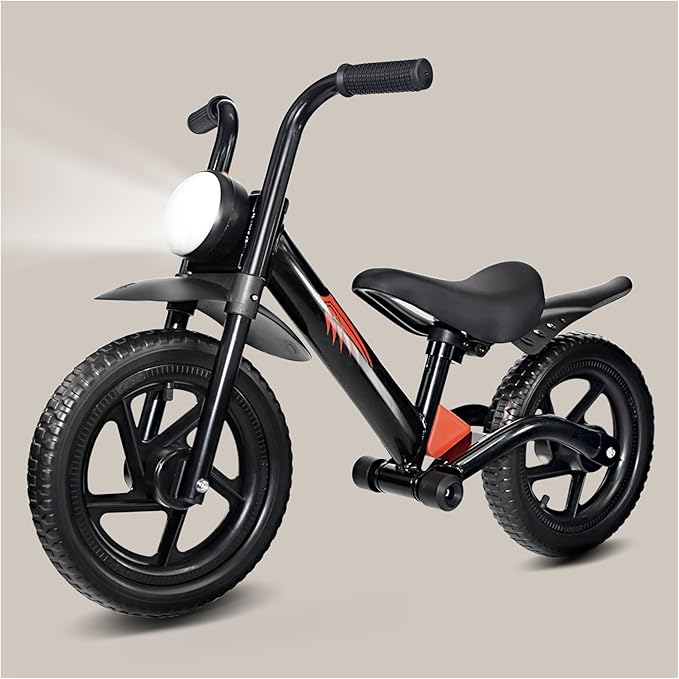
A footrest (sometimes called a glide plate or footboard) is a flat platform built into the center of a balance bike. Once kids push off and gain momentum, they can lift their feet and rest them on the plate while gliding.
Sounds small, right? But in practice, it changes how kids ride—and how they feel while doing it.
Balance Bikes With Footrests: Why Some Parents Love Them
Let me explain why footrests caught my attention in the first place. Once kids move beyond the “waddling phase,” they start gliding more. That’s where footrests step in.
1. More comfort during longer rides
When kids can rest their feet, riding feels smoother and less tiring. This matters once they start cruising down sidewalks or park paths instead of stopping every few steps.
2. Stronger balance focus
Without pedals to worry about, and without feet constantly hovering near the ground, kids naturally shift attention to balance and steering. That quiet moment of gliding is where confidence grows.
3. Better riding posture
Footrests encourage kids to lift their legs, straighten their backs, and ride with a more bike-like stance. It’s subtle, but over time it helps prepare them for pedal bikes.
4. A “big kid” feeling
Honestly? Kids notice upgrades. Footrests make the bike feel more advanced, which can boost excitement and motivation to ride longer.
A Few Downsides to Consider
No feature is perfect.
- Slight learning curve: Some kids need a bit of time to remember to place their feet on the rest instead of dangling them.
- Higher price point: Balance bikes with footrests often cost a little more.
- Added weight: Extra components can mean a heavier bike, which might matter for very small riders.
Still, for many families, the trade-off feels worth it.
Recommended Balance Bike With Footrest
Why parents like it:
- Integrated footrest design built for smooth gliding, helping kids lift their feet and ride with more confidence
- Customizable license plate and body stickers, so kids can add personality to their bike (and yes, they love this part)
- High-density carbon steel frame that’s sturdy, impact-resistant, and designed for daily riding
- Extended frame length for added stability and better balance control
- Adjustable handlebar and seat, allowing the bike to grow with your child and support proper posture at every stage
It’s a solid option if your child is already gliding and wants that next-level riding experience.
Balance Bikes Without Footrests: Why Simplicity Still Wins
Now here’s the twist—sometimes less really is more.
For younger riders or first-timers, balance bikes without footrests still shine.
1. Lighter weight, easier control
Without extra parts, these bikes are easier for small kids to push, turn, and stop. That lighter feel helps reduce frustration early on.
2. Pure balance training
No footrest means kids decide when to lift or lower their feet on their own. This constant adjustment strengthens balance awareness and body control.
3. Better for early developmental stages
At this age, kids need freedom of movement. A simple frame lets legs move naturally, without added structure or decision-making.
4. Fewer distractions
Some kids focus better when there’s less going on. No footrest means fewer things to think about—just push, glide, stop, repeat.
5. Usually more budget-friendly
Basic balance bikes often cost less, making them a practical choice for fast-growing toddlers.
The Trade-Offs of No Footrest
Of course, there are limits.
- Less comfort during long glides: Feet either hover or skim the ground, which can get tiring.
- May feel “basic” as skills improve: Once kids start gliding confidently, they may want a place to rest their feet.
- More physical effort required: Kids with shorter legs or lower endurance may fatigue sooner.
So while no-footrest bikes are excellent starters, some kids outgrow them faster.
Recommended Balance Bike Without Footrest
Why it works well:
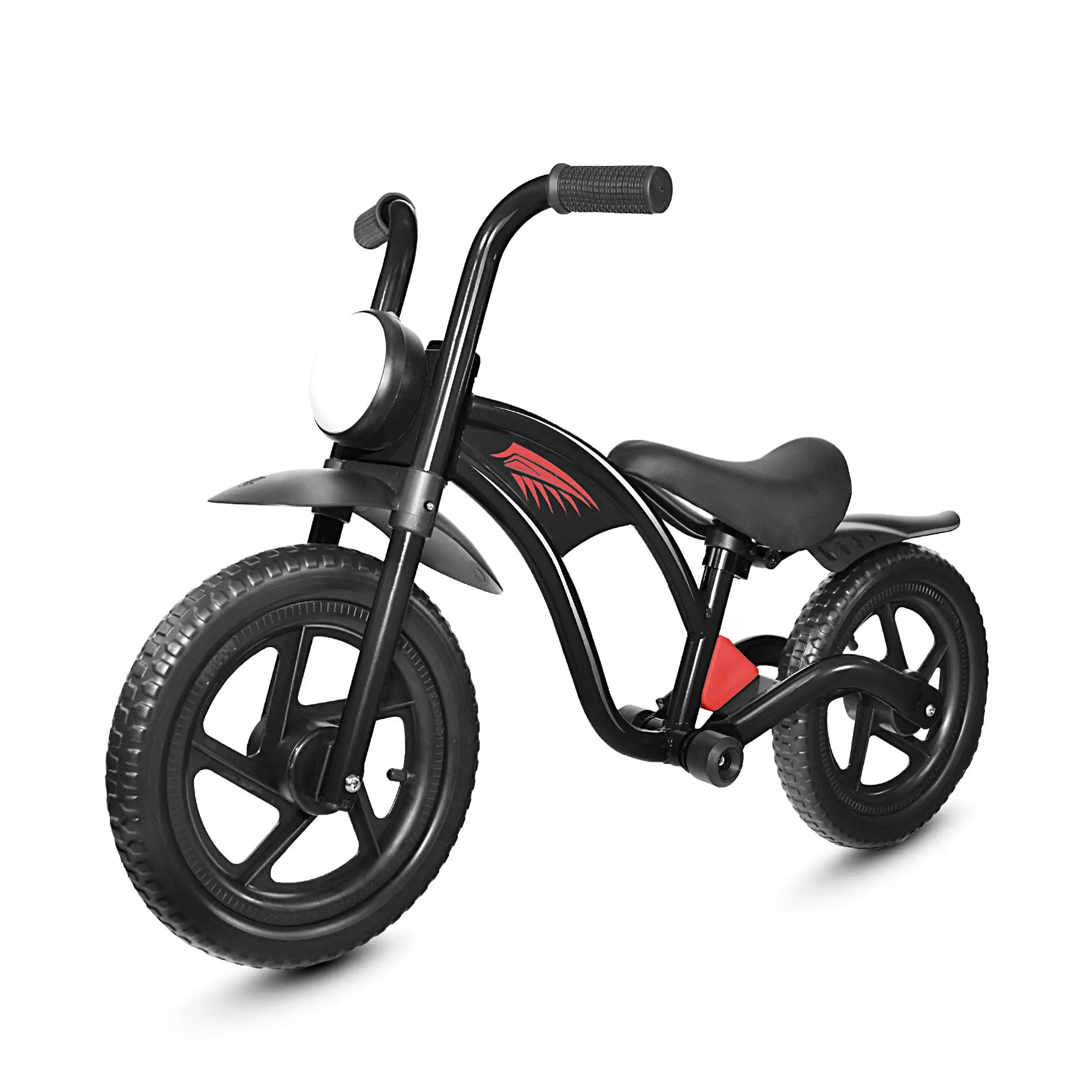
- 12-inch balance bike designed for ages 2–5, including beginners as young as 18 months
- All-terrain tires that roll smoothly on grass, pavement, or indoor floors
- Adjustable seat and handlebar for a comfortable, custom fit as kids grow
- Simple, stable frame that supports early balance development
- Personalized name plate and fun sticker sets, encouraging creativity and ownership
It’s a dependable choice for toddlers just starting their riding journey.
So… Balance Bikes With or Without Footrests?
Here’s the honest answer: it depends on your child—not trends, not features, not marketing.
- If your child is under 3, just learning, or easily overwhelmed, a balance bike without footrests often makes more sense.
- If your child is already gliding confidently, riding longer distances, or craving a “big kid” feel, a balance bike with footrests can be a great next step.
Some families even start simple and upgrade later. And that’s okay.
Parenting isn’t about perfect choices—it’s about responsive ones.
Final Thought

You know what? Kids don’t care about specs. They care about how riding feels. Stable. Fun. Empowering.
Whether you choose balance bikes with or without footrests, what matters most is that your child feels confident enough to push off, lift their feet, and trust themselves—one glide at a time.