




Bike Touring with Kids:
Turning Family Rides into Real Adventures
Oliver | 18th, Mar
So, you’ve got the bikes. The panniers are packed, the tent is rolled tight, and the open road stretches ahead under a fading golden sky. It feels like the beginning of something unforgettable. Then it hits you—what about the kids?
Traveling by bike changes when children enter the picture. Not worse, just different. Slower, messier, often louder—but also richer in ways you didn’t expect. Bike touring with kids isn’t just a trip; it’s a shared experience that shapes how they see the world, and how you do too.
Let’s break it down in a way that actually works in real life.
So… How Young Is Too Young?

Here’s the honest answer: there’s no fixed age. It depends on distance, terrain, and—more than anything—your child’s temperament.
If your kids are toddlers, you’re not waiting years to start. You can bring them along right now using a trailer or bike seat. The logistics change, sure. You’ll carry more weight. You’ll stop more often. And yes, you’ll think about things like bathroom breaks and nap timing way more than route optimization.
But that’s part of the rhythm.
Around ages six or seven, many kids can start riding independently on shorter tours. Not centuries. Not mountain passes. Just manageable, confidence-building rides. Think flat paths, predictable surfaces, and plenty of breaks. Their stamina grows fast when the experience stays positive.
Push too hard too early, and they’ll remember the struggle—not the joy.
Ways to Bring Kids Along (Without Losing Your Mind)
There’s no one-size setup. Families mix and match depending on age, terrain, and patience levels.
For younger kids:
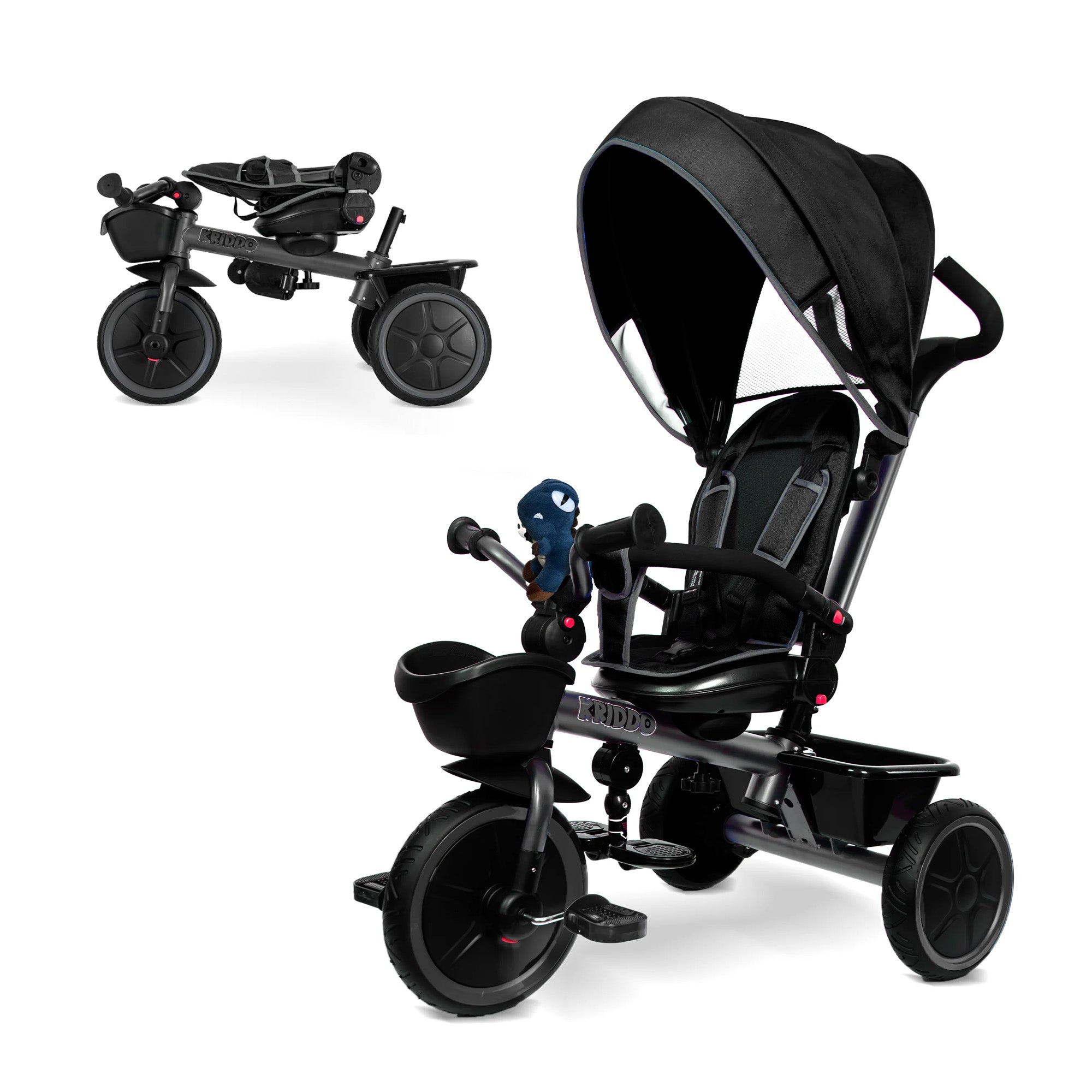
- Bike trailers give stability and space
- Bike-mounted seats keep them close and engaged
For older kids:
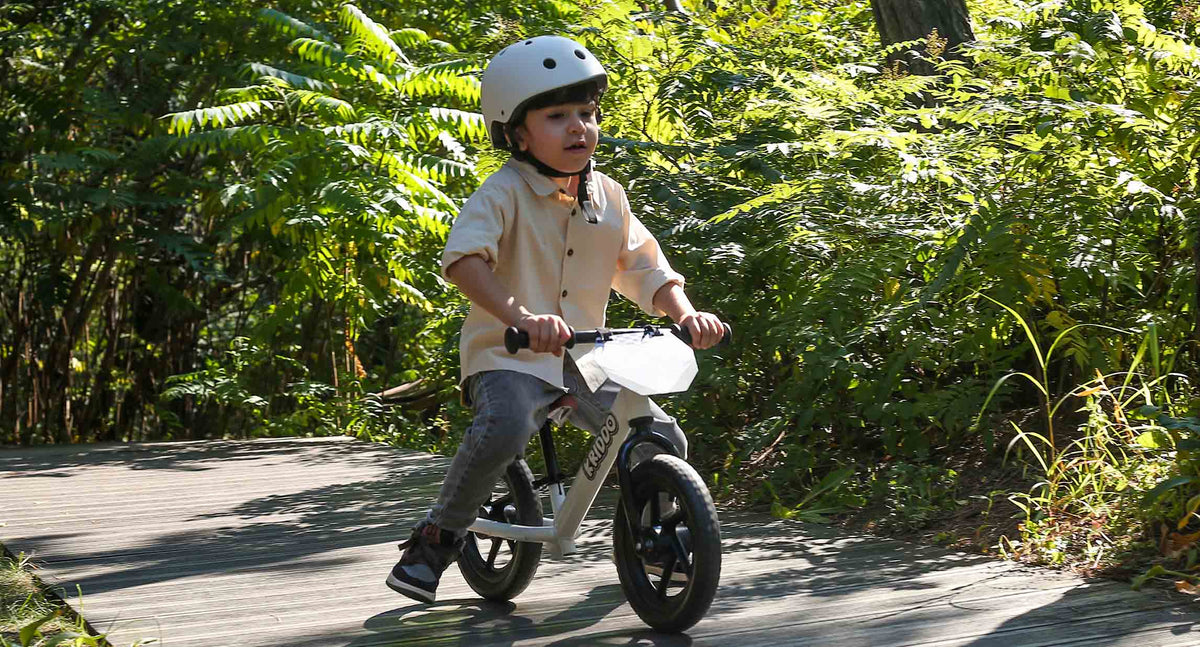
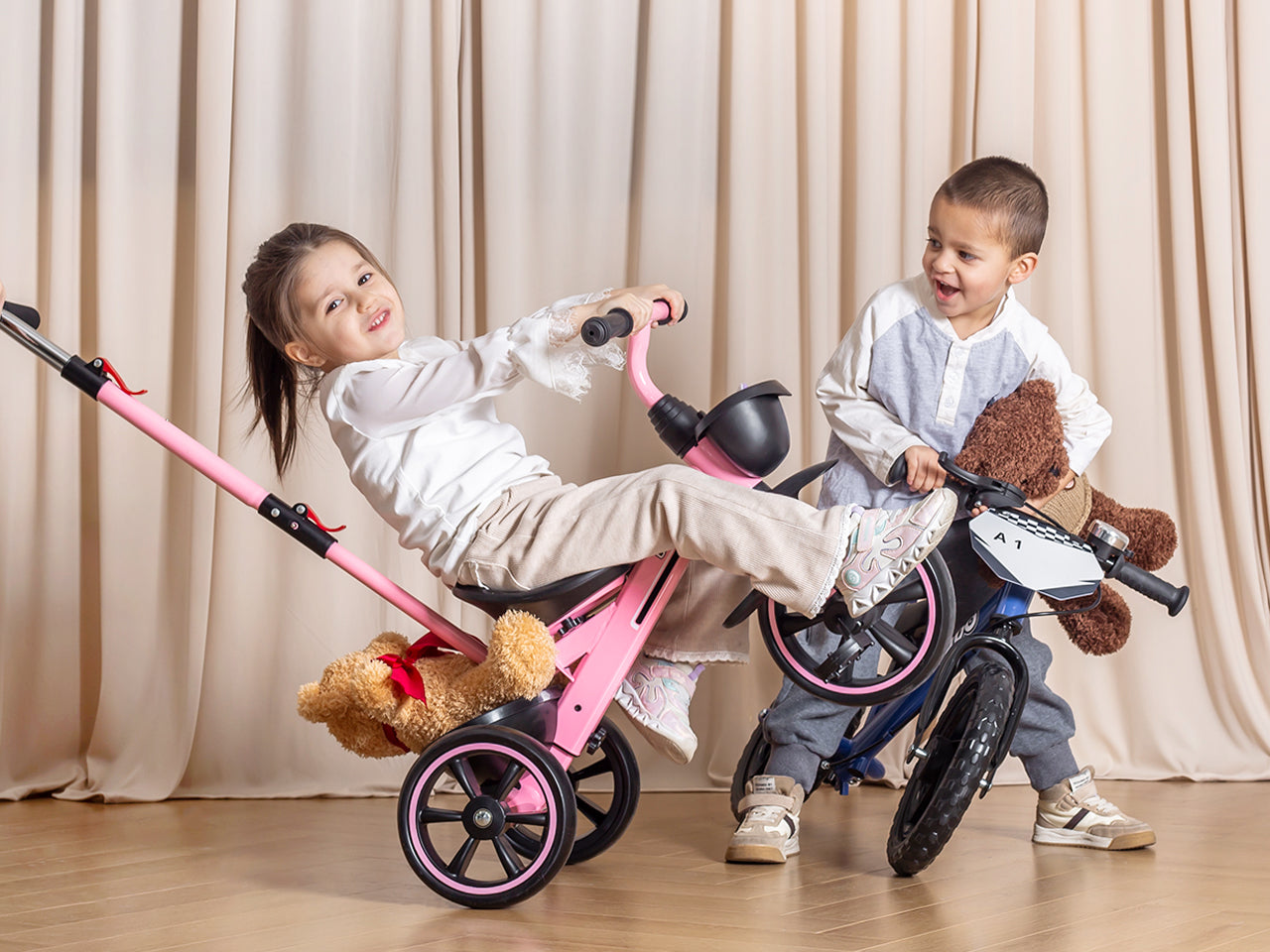
- A properly sized kids bike makes a huge difference in comfort and control
- Trailers still work for long distances
- Cargo bikes handle extra gear and tired riders
- Tow ropes or bars help when energy dips
- Tandem bikes keep everyone moving at the same pace
Here’s the thing—flexibility matters more than gear. Some days they’ll ride like champs. Other days, not so much. Having backup options keeps the trip from unraveling.
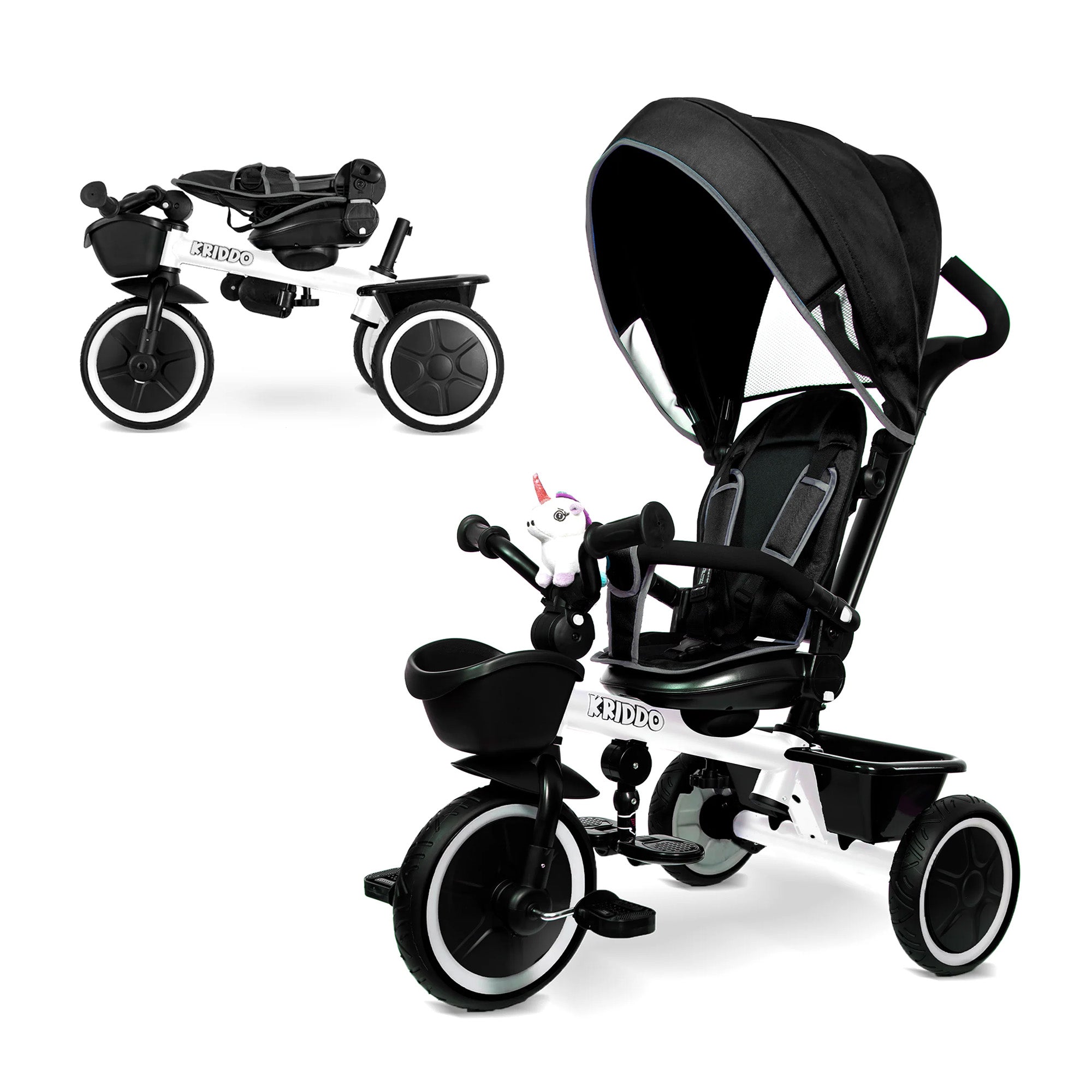
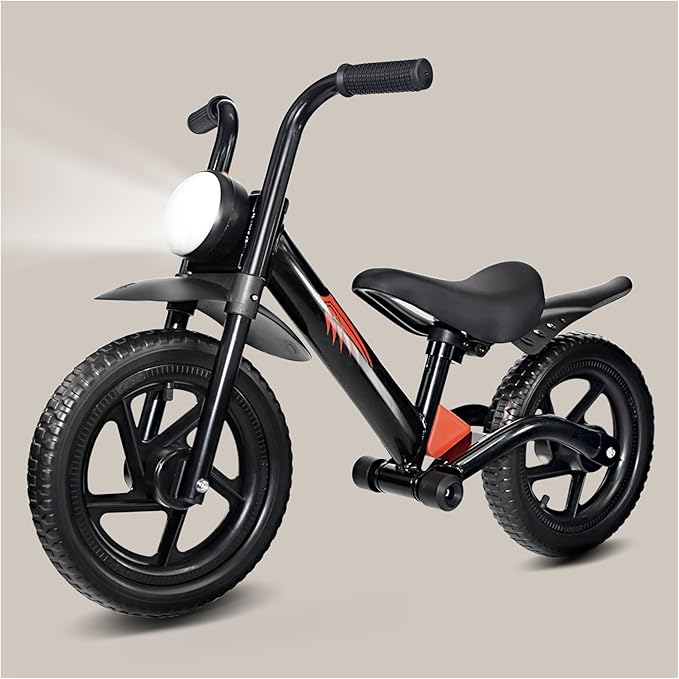
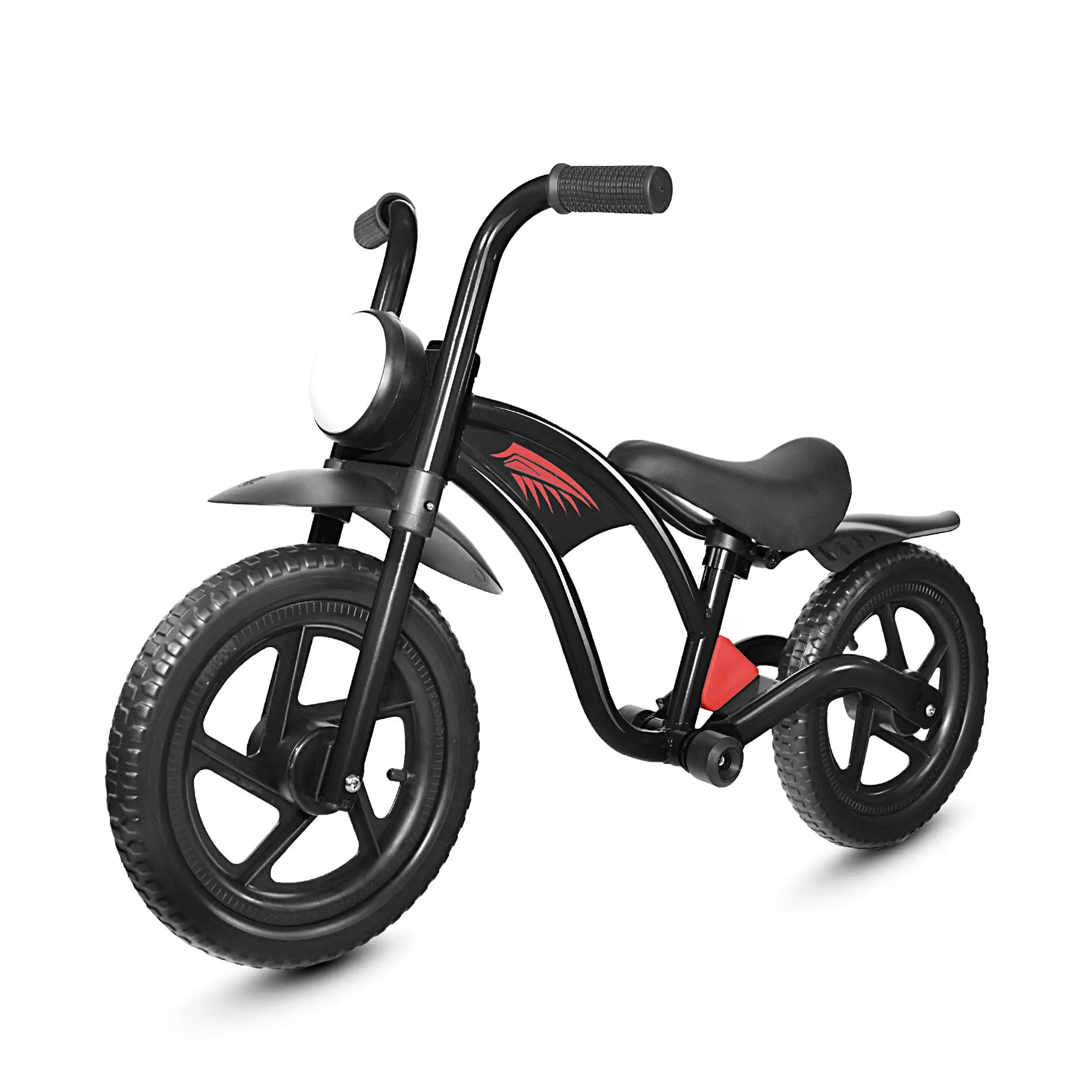
Featured Products
Picking the Right Route (Hint: Cars Are the Problem)
You might love scenic highways. Your kids won’t.
In the U.S., dedicated bike paths and rail trails are your best friends. They remove the stress of traffic and give kids space to ride freely. You’re not constantly scanning mirrors or bracing for close passes. That mental shift alone makes the experience lighter.
Rail trails, especially, are forgiving. Gentle grades, clear paths, minimal navigation. Kids can even ride ahead a bit as they gain confidence. That small sense of independence? It’s huge.
If you’re feeling ambitious, parts of Europe offer incredibly bike-friendly infrastructure—low traffic, clear signage, and routes designed for families. But honestly, you don’t need to cross an ocean. There are plenty of solid options closer to home.
Make It Fun—or It Falls Apart
Let’s be blunt: kids don’t care about mileage goals.
They care about moments.
Stopping at a playground. Tossing rocks into a creek. Finding bugs, climbing over old bridges, poking at things they probably shouldn’t touch. That’s the good stuff.
Plan your days with that in mind. Not as interruptions—but as part of the experience.
And rewards? They work.
Maybe the trip ends with something memorable—a landmark, a cool city, a weird roadside attraction. Something they can look forward to when their legs start complaining.
It doesn’t have to be grand. It just has to feel like a payoff.
Safety Isn’t Optional—Not Even a Little

You can improvise a lot on a bike tour. Safety isn’t one of those things.
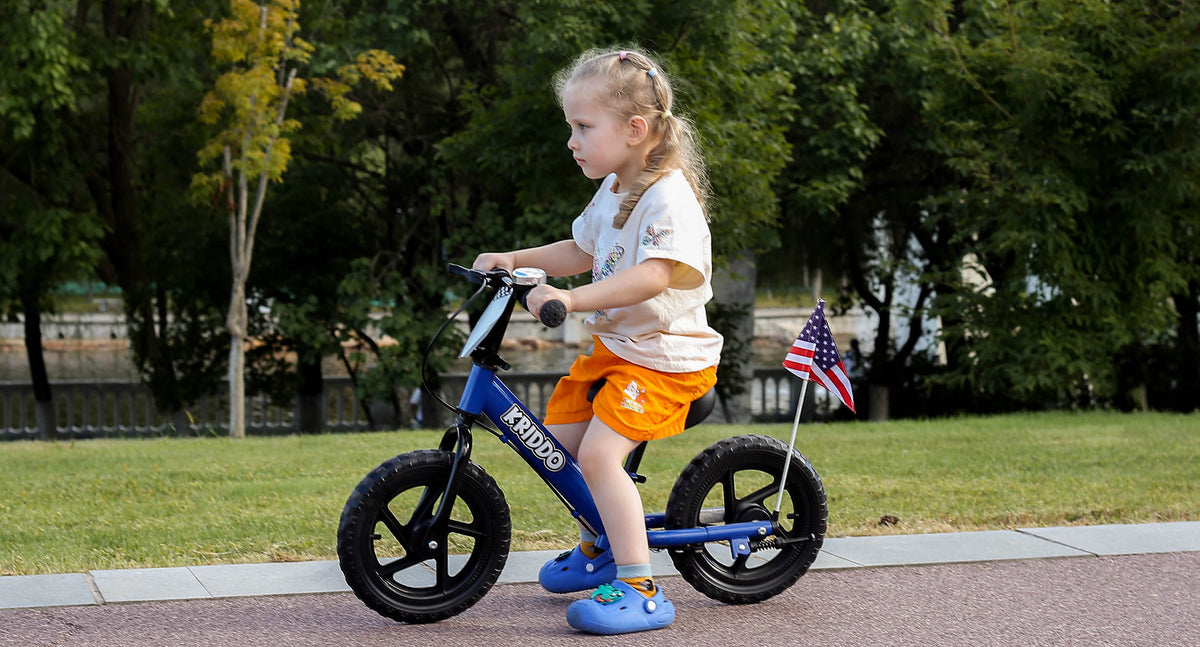
Helmets are non-negotiable. Visibility matters more than you think—bright clothing, flags, lights, reflective gear. These aren’t extras; they’re baseline.
There’s a deeper layer too—teaching awareness. Kids need to understand basic road behavior, even on trails. Stopping, signaling, watching for others. It builds habits that stick.
If you want a grounded perspective on safety culture and how it really applies to younger riders, helmet covers it in a way that actually makes sense for families.
And yes, drivers tend to give more space when they clearly see a family setup—especially with flags or trailers. It’s not guaranteed, but it helps.
Camp Life Through a Kid’s Eyes
Adults think about camp in terms of setup, food, and logistics.
Kids? Totally different story.
They see textures, smells, tiny details. Pinecones. Dirt. Sticks. Water. Endless fascination with things you stopped noticing years ago.
You’ll spend time setting up tents while they wander, explore, and occasionally try to eat something questionable. It happens. You redirect, guide, repeat.
Simple activities go a long way:
- Digging in the dirt with a spoon
- Collecting rocks in a bowl
- Exploring safe areas nearby
Evenings are where it all comes together. A small fire, soft light, maybe marshmallows if you planned ahead—or didn’t and improvised. Those quiet moments settle everything down.
And honestly, those are the memories that stick.
The Rhythm You Didn’t Expect
Here’s something people don’t talk about enough: bike touring with kids forces you to slow down.
Not just physically, but mentally.
You notice more. You stop more. You adjust constantly. It can feel inefficient—until you realize that efficiency was never the point.
There will be days when everything clicks. Smooth riding, good moods, perfect weather. And there will be days when nothing works—someone’s tired, someone’s cranky, something breaks.
Both are part of it.
The key is staying flexible without losing direction. You’re not just managing a trip—you’re shaping an experience your kids will carry forward.
A Quick Reality Check

Is it harder than touring alone? Yes.
Is it worth it? Also yes.
You trade speed for depth. Distance for connection. Control for unpredictability. And somewhere in that trade, the whole thing becomes more meaningful.
Not every moment will feel magical. Some will feel like work. But zoom out, and the story becomes something bigger than any single day.